Brainerd Lakes Area Fishing: Best Lakes & Species
Heading up north for a fishing trip can sometimes feel overwhelming, especially when you're staring at a map filled with countless lakes and wondering where to even start. The Brainerd Lakes Area is a true gem in Minnesota's fishing crown, but knowing which lake holds the fish you're after and what techniques actually work can make all the difference between a memorable trip and a frustrating one. This guide is here to cut through the confusion, offering a deep dive into the best lakes and target species in the Brainerd Lakes Area, along with practical tips to help you fill your livewell or simply enjoy the thrill of the catch.
Discovering the Brainerd Lakes: An Angler's Paradise
The Brainerd Lakes Area, nestled in the heart of Minnesota, isn't just a picturesque vacation destination; it's a phenomenal fishing mecca offering an incredible diversity of species and angling experiences. From its iconic major lakes to countless smaller, hidden gems, this region truly has something for every type of angler, whether you're chasing trophy walleye, battling hard-fighting bass, or simply looking to fill a bucket with panfish for a classic Minnesota fish fry. The sheer variety can be a bit daunting at first, but that's where local knowledge and a good game plan come into play.
Why the Brainerd Lakes Are a Must-Visit
What makes the Brainerd Lakes so special for fishing? Well, for starters, it's the sheer number of lakes. We're talking about dozens, if not hundreds, of accessible bodies of water, all within a relatively short drive of each other. This means if one lake isn't producing, or if the conditions aren't ideal for your target species, you have a wealth of other options to explore. Beyond quantity, the quality of the fisheries is outstanding. Thanks to diligent management by the Minnesota Department of Natural Resources (DNR) and a strong conservation ethic among locals, many lakes here boast healthy populations of popular game fish. You'll find everything from sprawling, deep glacial lakes perfect for trolling to smaller, shallower lakes teeming with panfish and pike. It's a region where you can truly tailor your fishing experience to your desires, whether that's targeting a specific species or just enjoying the tranquility of nature. Plus, the infrastructure for anglers is top-notch, with plenty of public access points, bait shops, resorts, and guides available, making it easy to plan your adventure.
Understanding the Fishery Diversity
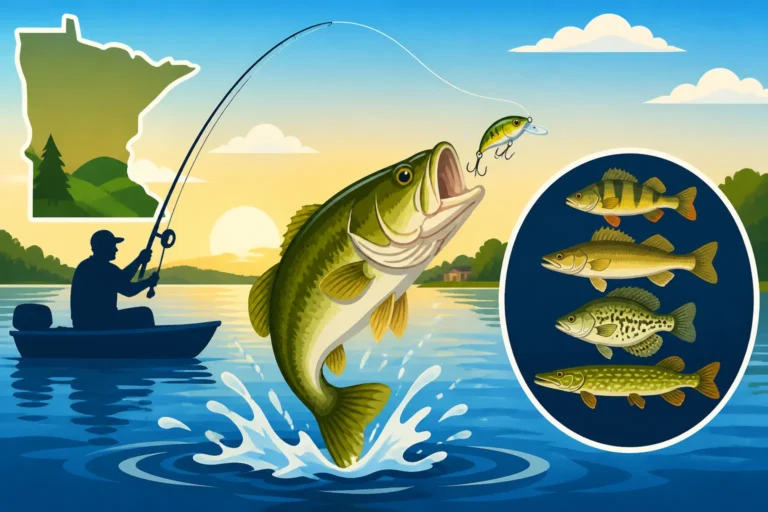
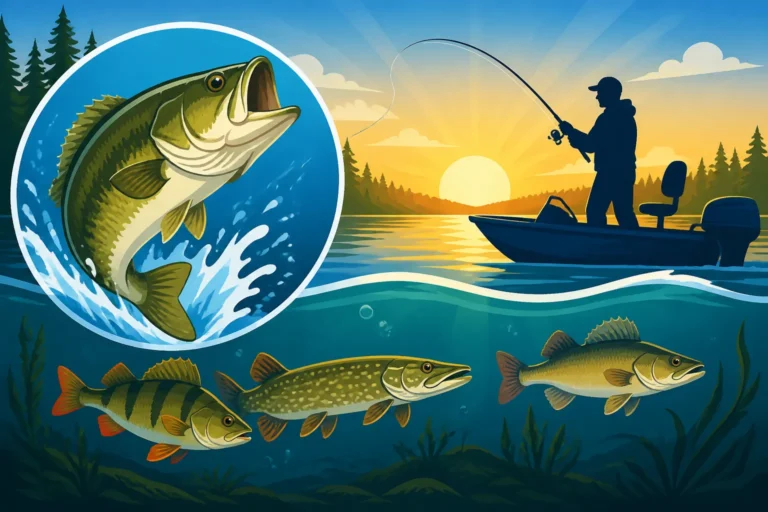
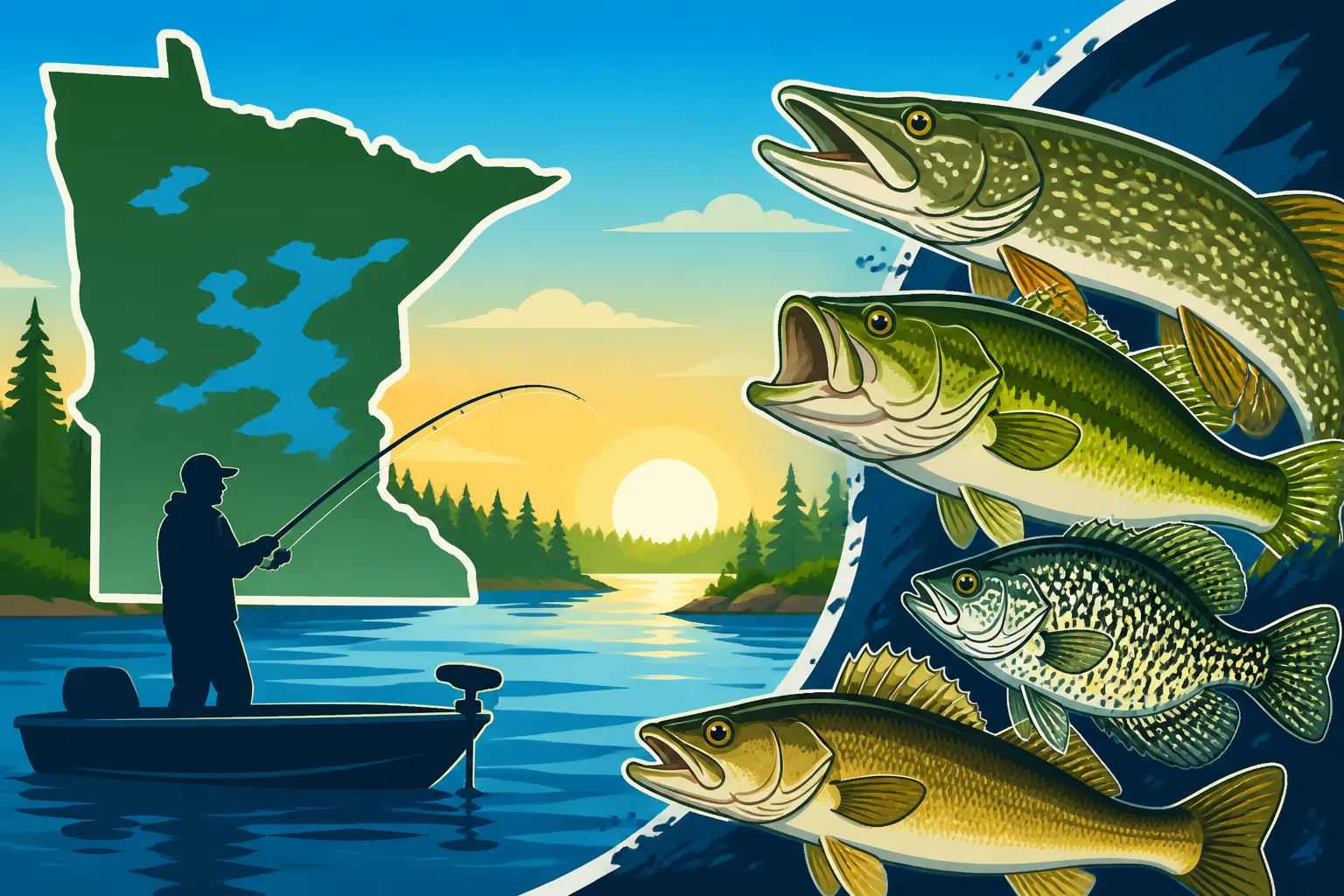
The Brainerd Lakes Area is renowned for its diverse fishery, hosting a wide array of species that thrive in its varied aquatic environments. While walleye often steal the spotlight, you'd be missing out if you didn't acknowledge the incredible opportunities for other species. Largemouth and smallmouth bass are incredibly popular, especially with tournaments drawing anglers from across the country. Northern pike are abundant and offer thrilling fights, particularly on tip-ups during the winter or casting large spoons in summer. And for those looking for table fare or a fun day with the family, the panfish action—crappie, bluegill, and sunfish—is often unparalleled. You even have opportunities for muskellunge in certain lakes, offering the challenge of a lifetime for dedicated trophy hunters. This ecological richness means you can come to the Brainerd Lakes with a specific target in mind or simply explore and see what's biting. Knowing the typical patterns and preferred habitats for each species can dramatically increase your success, and understanding the general characteristics of the lakes will help you choose your fishing grounds wisely.
Top Fishing Lakes in the Brainerd Area and Their Prize Catches
When it comes to the Brainerd Lakes Area, certain bodies of water have rightfully earned their legendary status among anglers. These lakes aren't just big; they're productive, offering consistent action and the chance at truly memorable catches. Each lake has its own personality, favored species, and unique challenges, making it crucial to do a little homework before you launch your boat or set up your ice house.
Gull Lake: The Walleye and Bass Powerhouse
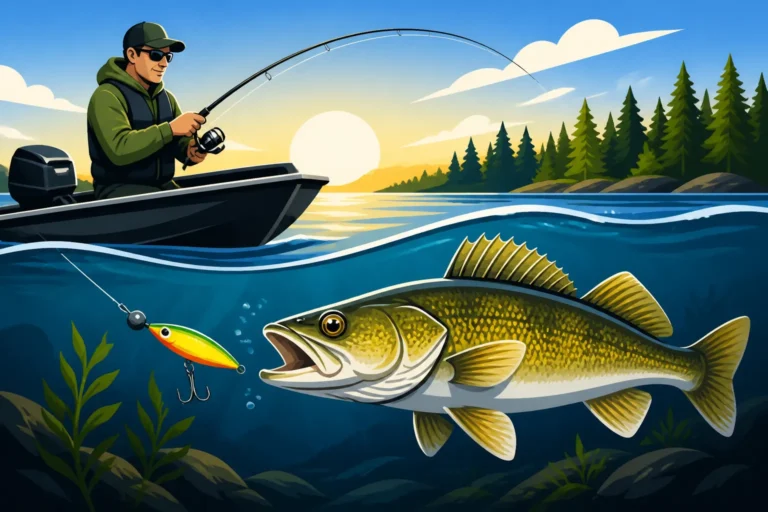
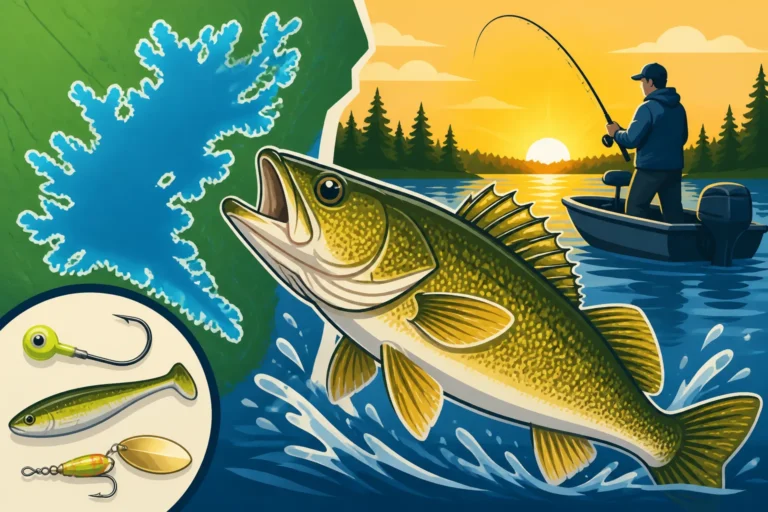
Gull Lake is arguably the crown jewel of the Brainerd Lakes Area, a massive body of water spanning over 10,000 acres, famous for its excellent walleye and smallmouth bass fishing. This lake offers a complex underwater topography with numerous points, humps, deep flats, and sharp breaks that create prime habitat for a variety of species. Anglers chasing walleye will often focus on the many mud flats and structural elements, especially during low-light conditions or windy days. Traditional tactics like Jigging for Walleye: Jig & Minnow Basics or How to Fish a Lindy Rig for Walleye with live bait are highly effective here, especially during the open water season. If you're into trolling, pulling crankbaits across flats can also be very productive.
But don't overlook Gull Lake for its incredible smallmouth bass fishery. Many consider it one of Minnesota's top destinations for bronzebacks, with healthy populations of chunky, hard-fighting fish. You'll find smallmouth congregating around rocky points, humps, and submerged timber. Topwater lures, jerkbaits, and finesse techniques like a drop-shot rig can all produce explosive strikes. Gull Lake is a popular choice for tournaments due to its consistent quality. For more specific details on this iconic lake, you might want to check out our dedicated guide on Gull Lake Fishing Brainerd Lakes Area.
Pelican Lake: Panfish and Pike Haven
A bit less known than Gull Lake to outsiders, Pelican Lake offers a fantastic, diverse fishing experience, especially if you're keen on panfish or northern pike. This sprawling lake system near Breezy Point is characterized by extensive shallow bays, weed beds, and numerous islands, providing ideal cover and forage for crappie, bluegill, and yellow perch. During spring and early summer, the shallow bays warm up quickly, drawing in massive schools of panfish. A simple How to Use a Slip Bobber for Walleye & Crappie rig with a small jig and a piece of worm or a tiny minnow can yield incredible results. Families often flock to Pelican Lake for its consistent panfish action, which is perfect for introducing kids to fishing.
For northern pike enthusiasts, Pelican Lake is a dream. The abundant weed lines and shallow structure hold plenty of toothy critters. Casting spoons, spinnerbaits, or large crankbaits along these edges can lead to exciting battles. During winter, Pelican Lake is also a hotspot for Ice Fishing for Northern Pike Tip-Ups, with tip-ups spread across its expansive flats. While walleye are present, they are often overshadowed by the fantastic panfish and pike opportunities, making Pelican a great alternative if you're looking for something a little different than the walleye grind.
Whitefish Chain: A Muskie and Walleye Gem
The Whitefish Chain of Lakes is a truly unique fishing destination, a series of 14 interconnected lakes covering over 14,000 acres, each with its own character. This chain is particularly celebrated for its formidable muskellunge fishery, drawing serious muskie anglers from all over. These waters hold some truly gigantic muskies, and the challenge of the "fish of 10,000 casts" is alive and well here. Large bucktails, jerkbaits, and topwater lures are the order of the day when targeting these apex predators, often worked along deep weed lines, rocky points, and expansive flats. If you're serious about chasing the "fish of 10,000 casts," you'll want to dive into a guide like Muskie Fishing in Minnesota: The Fish of 10,000 Casts.
Beyond muskie, the Whitefish Chain also offers excellent walleye fishing, particularly in lakes like Big Trout, Crosslake, and Rush Lake. These interconnected waters provide a diverse range of depths and structures, making them ideal walleye habitat. Many anglers find success trolling crankbaits or employing live bait rigs over main lake structure and subtle breaks. The chain's complexity means there's always a new spot to explore, and the ability to move between lakes without trailering your boat adds a fantastic dimension to your fishing strategy. For planning a serious fishing adventure, especially if you're looking for guided trips, services like FishingBooker can be incredibly useful for connecting with local experts who specialize in these challenging waters.
Essential Techniques for Brainerd Lakes Fishing Success
You can know all the best spots on a lake, but if you don't have a handle on the right techniques, you might still struggle. Fishing the Brainerd Lakes Area, like any productive fishery, often comes down to understanding the seasonal patterns of the fish and matching your presentation to their mood and location. This isn't about secret lures so much as it is about fundamental approaches that consistently produce results.
Adapting to Seasonal Patterns
Fish behavior is heavily dictated by the changing seasons and water temperatures. In the Brainerd Lakes, understanding these Seasonal Fishing Patterns in Minnesota is paramount.
- Spring (Post-Opener): Right after the Minnesota Fishing Seasons & Opener Dates 2026, fish, especially walleye, are often found in shallower waters near spawning areas or transition zones, feeding aggressively as water temperatures rise. Jigs and minnows or slow-trolled shallow-running crankbaits can be deadly. Bass will also start moving shallow as they prepare for their spawn, hitting spinnerbaits and jerkbaits. Crappies will move into shallow bays and emergent weeds.
- Summer: As waters warm significantly, fish often retreat to deeper, cooler water, seeking out main lake humps, deep breaks, and the edges of expansive weed beds. Trolling for Walleye: Crankbaits & Leadcore becomes a highly effective strategy for covering water and locating active walleye, while bottom bouncers with crawler harnesses can also be very productive. Bass will be found on weed edges, docks, and rock piles, responding well to plastics, jigs, and topwater early and late in the day. Panfish will often suspend over deeper water or hold tight to the densest weed cover.
- Fall: As water temperatures cool, fish become much more active, often moving shallower again to feed heavily before winter sets in. This is a fantastic time for trophy walleye, muskie, and northern pike. Large minnows, crankbaits, and even casting aggressively for larger predators can pay off big time. Bass will often stack up on deep structure before heading to wintering grounds.
- Winter (Ice Fishing): Ice fishing in the Brainerd Lakes is a huge deal. Walleye often move onto deeper flats or the edges of structure, responding to jigging spoons tipped with minnow heads or deadsticking with live minnows. Crappies and sunfish will suspend in basin areas or relate to deep weed edges, hitting tiny tungsten jigs tipped with plastics or wax worms. Northern pike are typically found in shallower weed bays, often taken on tip-ups with large shiners. For a comprehensive overview, consider our Ice Fishing in Minnesota: Complete Beginner-to-Pro Guide.
Go-To Lures and Baits for Brainerd Species
While specific preferences can change daily, certain lures and baits are perennial producers in the Brainerd Lakes Area.
- For Walleye: Live bait is king, especially during tougher bites. Best Live Bait for Walleye Leeches, Minnows, Crawlers will always have a place in your tackle box. Leeches are phenomenal in summer, minnows in spring and fall, and nightcrawlers (often on a Bottom Bouncer & Crawler Harness for Walleye) are great all season long. Artificials like jigs (Northland Tackle's Fire-Ball jigs are local favorites) tipped with a minnow or plastic, and various crankbaits (Rapala, Berkley, Salmo) are also essential.
- For Bass (Largemouth & Smallmouth): Soft plastics like Senkos, creature baits, and worms fished on Texas or Carolina rigs are incredibly effective, especially when fished around weeds or rocks. Spinnerbaits and chatterbaits are great for covering water and fishing through lighter cover. For topwater action, buzzbaits and walking baits can provoke exciting strikes. Jerkbaits are also deadly, particularly for smallmouth around rocky structure.
- For Northern Pike: Large spoons (Daredevils, Doctor Spoons), inline spinners (Mepps Musky Killer), and big crankbaits are go-to choices. Live bait, especially large shiners or suckers, fished under a bobber or on a tip-up, is also highly effective. Don't forget wire leaders to prevent bite-offs!
- For Panfish (Crappie, Bluegill, Sunfish): Small jigs (1/32 to 1/16 oz) tipped with a tiny plastic or a wax worm, grub, or small minnow are consistently effective. Ultra-light tackle and sensitive rods make these fights a blast. Best Tungsten Jigs for Panfish have become incredibly popular, especially for ice fishing, due to their density and sensitivity.
Knowing how many lines you can legally use is also important; generally, it's one line in open water and two for ice fishing, but always check the regulations for How Many Lines Can You Fish in Minnesota?.
Planning Your Brainerd Fishing Adventure: Seasons and Tips
A successful fishing trip in the Brainerd Lakes Area isn't just about showing up with a rod and reel. A little forethought about when to visit and how to leverage local expertise can significantly enhance your experience. Whether you're a seasoned pro or planning a family getaway, these tips will help ensure your Brainerd adventure is a memorable one.
Choosing the Right Time to Visit
The "best" time to visit the Brainerd Lakes Area really depends on what you're hoping to catch and what kind of fishing experience you're after.
- Early Summer (May-June): This is prime time for many species. Walleye are active after their spawn, moving into shallower waters to feed. Crappies and bluegills are often shallow, making for fast and furious action. Bass fishing really heats up as they move into their spawning patterns and post-spawn feeding frenzies. The weather is usually pleasant, and the fishing pressure, while present, isn't at its peak mid-summer levels.
- Mid-Summer (July-August): While warm, mid-summer offers great opportunities for those willing to adapt. Walleye will be deeper, requiring techniques like trolling or fishing deep structure. Panfish can be found suspending in basins or in dense weed cover. Muskie fishing picks up significantly as water temperatures peak. It's also a great time for family vacations, with plenty of activities both on and off the water. Just be prepared for potential recreational boat traffic on larger lakes during peak weekends.
- Fall (September-October): Many local anglers consider fall to be the best time for trophy fish. Walleye and northern pike put on the feedbag, often moving shallower before winter. Muskie fishing is legendary in the fall, with giants becoming more aggressive. The scenery is stunning with changing leaves, and fishing pressure generally eases up. Be ready for cooler temperatures and potentially unpredictable weather.
- Winter (December-March): Ice fishing transforms the Brainerd Lakes into a bustling, frozen city. This is an incredible time for walleye, crappie, perch, and northern pike. With a wide range of Minnesota Ice Fishing & Shelter Rules, from portable shelters to luxurious wheeled fish houses, there are options for every comfort level. The key is to stay mobile and follow reports from local bait shops.
Guided Trips and Local Insights
If you're new to the area or simply want to maximize your time on the water, hiring a local fishing guide is one of the best investments you can make. These professionals spend countless hours on the lakes and possess an intimate knowledge of current conditions, fish patterns, and hot spots that would take years to acquire on your own. A guide can teach you specific techniques, help you understand the lake's structure, and often put you on fish faster than you could on your own. They usually provide all the necessary gear, bait, and even clean your catch. If you're planning a trip and need to book a guide, services like FishingBooker are excellent resources for finding reputable, licensed guides who specialize in the Brainerd Lakes Area.
Beyond guides, always check in with local bait shops. Places like S&W Bait & Guide Service in Baxter or Nisswa Bait & Tackle are invaluable resources. The folks working there live and breathe Brainerd Lakes fishing; they know what's biting, where, and on what. They can provide up-to-the-minute reports, recommend specific lures, and even point you towards the best local fishing spots. They're often happy to share general tips and keep you updated on any specific Minnesota Fishing Regulations Changes for 2026 that might impact your trip. Don't be shy – a quick chat at the bait shop can completely turn your day around.
Here's a quick look at some key Brainerd Lakes and their primary targets:
| Lake Name | Primary Target Species | Key Characteristics | Best Season(s) | Notes |
|---|---|---|---|---|
| Gull Lake | Walleye, Smallmouth Bass | Large, deep, complex structure (humps, points, mud flats) | Spring, Summer, Fall | Trophy bass potential, popular tournament lake |
| Pelican Lake | Crappie, Bluegill, Pike | Extensive shallow bays, abundant weed beds, numerous islands | Spring, Summer, Winter | Great family lake, consistent panfish action |
| Whitefish Chain | Muskie, Walleye, Largemouth Bass | 14 interconnected lakes, diverse habitats, clear water | Summer, Fall | Muskie hotspot, varied depths and structure across the chain |
| North Long Lake | Walleye, Crappie, Pike | Good structure, known for steady walleye and crappie fishing | Spring, Summer, Winter | Quieter alternative to Gull, good year-round |
| Crosslake (part of Whitefish Chain) | Walleye, Muskie, Panfish | More developed, good channels and bays, moderate depth | All seasons | Great access to the rest of the Whitefish Chain |
Disclaimer
Fishing regulations, seasons, and limits in Minnesota can change annually. While this guide provides general information, always consult the official Minnesota Department of Natural Resources (DNR) fishing regulations handbook or website before heading out on the water to ensure you are compliant with the most current rules. Local conditions can also vary, so checking with bait shops and local guides is always recommended for the most up-to-date fishing reports.