Minnesota Ice Fishing & Shelter Rules
There’s nothing quite like the crisp air, the vast expanse of white, and the thrill of pulling a walleye through a hole in the ice. Ice fishing in Minnesota is a cherished tradition, but let’s be real, navigating all the rules and regulations can feel like trying to find a needle in a haystack. This comprehensive guide is here to untangle the complexities of Minnesota's ice fishing and shelter rules, helping you stay legal, safe, and focused on landing that next big catch.
Understanding the Basics: Why So Many Rules?
You might find yourself scratching your head, wondering why there are so many specific rules just for drilling a hole and dropping a line in the winter. It’s a fair question, and frankly, it can feel overwhelming at times. But once you dig a little deeper, you realize these regulations aren't just there to make your life difficult; they serve some truly important purposes for both our beloved fish and fellow anglers.
Protecting Our Fisheries and Anglers
First and foremost, the rules are designed to protect Minnesota's incredible fish populations. Overfishing, especially on popular lakes during peak ice fishing season, could quickly deplete our resources, leaving less for future generations. Bag limits, size restrictions, and even season dates are all carefully set to ensure sustainable fishing. Imagine if everyone could keep every fish they caught, or if there were no limits on popular species like walleye on a lake like Mille Lacs. Our fisheries would be in serious trouble, and the traditions we hold dear would quickly fade away. These regulations aim to strike a balance, allowing us to enjoy the bounty while ensuring the fish have a chance to reproduce and thrive.
Beyond the fish, these rules also look out for you, the angler. Safety regulations, like those concerning ice thickness or the proper display of shelter identification, are in place to prevent accidents and ensure everyone can enjoy the ice safely. The sheer volume of anglers on some of Minnesota's larger lakes, especially during the busy winter weekends, makes it crucial to have guidelines. Without them, it would be a chaotic free-for-all, increasing the risk of accidents, conflicts, and even environmental damage. It’s about creating an organized, respectful, and safe environment for everyone who ventures out onto the frozen water.
The Dynamic Nature of Ice Regulations
One of the most frustrating aspects for many ice anglers is how often the rules seem to change. It feels like you just learned the last set, and then a new regulation is announced! This isn't usually done to be arbitrary; it's often a direct response to real-time changes in fish populations or environmental conditions. The Minnesota Department of Natural Resources (DNR) consistently monitors lakes and rivers, conducting surveys and analyzing data to assess the health of different fish species. If, for instance, a walleye population on a particular lake is struggling, the DNR might implement special regulations, such as a reduced bag limit or a slot limit, to help that population recover. You can often find detailed information about these changes in the annual Minnesota Fishing Regulations PDF: Where to Find It.
Consider the adjustments to walleye regulations on lakes like Mille Lacs over the years. These aren't just random decisions; they're informed by scientific data and aimed at ensuring the long-term viability of that world-class fishery. While it can be a headache to keep up, it's a testament to the DNR's commitment to proactive management. It’s a constant dance between environmental science, angler impact, and the desire to preserve Minnesota's fishing heritage for decades to come. So, while it might feel like bureaucratic red tape, remember it's usually rooted in a genuine effort to keep our fishing fantastic.
General Ice Fishing License Requirements
Before you even think about drilling a hole or setting up your portable ice house, the very first thing you need to sort out is your fishing license. This might seem obvious, but there are nuances that can trip up even seasoned anglers, especially when it comes to who needs one and what kind. No one wants to get a citation just for trying to enjoy a peaceful day on the ice.
Who Needs a License and Who Doesn't
Generally speaking, if you are 16 years of age or older and plan to fish, you need a Minnesota fishing license. This applies to both residents and non-residents alike, whether you're dangling a line through the ice or casting from a boat. It's a fundamental requirement that supports conservation efforts across the state. However, there are some exceptions that can make things a little less stressful. For instance, children under 16 don't need a license to fish. This is fantastic news for families, making it easy to introduce kids to the joy of ice fishing without the extra hurdle of purchasing a license for them. It’s a wonderful way to foster a love for the outdoors in the younger generation.
Furthermore, certain individuals might be exempt, such as Minnesota residents who are fishing in a state park as a part of a state park program, or those participating in a designated "Free Fishing Weekend 2026 Dates" event. These free fishing weekends are a fantastic opportunity for anyone, regardless of age or residency, to try fishing without needing a license. It’s worth checking the DNR calendar for these dates if you’re looking to introduce a friend or family member to the sport. Just remember, these exemptions are specific, and if you fall outside these categories, you’ll definitely need to secure your license before heading out. To figure out if you need one, a great resource is our guide on Do You Need a License to Ice Fish in Minnesota?.
Types of Fishing Licenses for Ice Anglers
Minnesota offers a variety of fishing licenses to suit different needs, and choosing the right one can save you both money and hassle. For most ice anglers, a standard annual resident or non-resident license will cover you for the entire fishing season, including through the ice. This is the most common choice and provides year-round access to Minnesota's waters. However, if you only plan on a short trip or a quick weekend outing, a non-resident might opt for a 24-hour or 72-hour license, which are more economical for brief visits. Residents also have the option of a one-day license, perfect for that spontaneous day trip. You can find more details on these options in our article on Minnesota Fishing License: Cost, Types & How to Buy (2026).
Beyond the basic annual or short-term licenses, there are also combination licenses, like the fishing and small game license, which offers convenience if you enjoy both activities. Seniors often qualify for special reduced-fee licenses, making fishing more accessible. It’s always worth checking the specific requirements for senior licenses on the DNR website. Additionally, some specific types of fishing, like trout fishing in designated trout streams, require an additional trout stamp on top of your general fishing license. While not as common for typical lake ice fishing, it's something to be aware of if you decide to try ice fishing for trout in a stream or designated lake. Making sure you have the correct type of license for your specific situation is crucial to avoid any unwelcome surprises.
Non-Resident Considerations for Ice Fishing
For those visiting Minnesota from other states to experience our legendary ice fishing, there are a few extra things to keep in mind. As a non-resident, you absolutely need a license, and the fees are typically higher than for residents. This is pretty standard across states, as residents contribute to conservation through taxes as well. You'll need to decide if an annual non-resident license is worth it, or if a short-term option, such as a 72-hour or 24-hour license, makes more sense for your trip. For example, if you're planning a week-long ice fishing excursion to Lake of the Woods, an annual license might be the most cost-effective choice. If it's just a quick weekend getaway to a lake near Baudette, a 72-hour pass could be ideal.
Another critical point for non-residents, particularly those fishing on border waters like Lake Superior, the St. Croix River, or Lake of the Woods, is understanding Border Water Fishing Rules (Minnesota-Ontario, Wisconsin). These unique bodies of water often have reciprocal agreements or specific regulations that apply when fishing near the state or international line. Always consult the Minnesota DNR regulations specifically for border waters to ensure compliance. Ignorance of the law is no excuse, and being a non-resident doesn't exempt you from Minnesota's fishing regulations, including those for ice shelters and fishing methods. A little bit of research beforehand can save a lot of headaches later on and ensure your Minnesota ice fishing adventure is memorable for all the right reasons.
Ice Shelter Regulations: The Lowdown on Your Shack
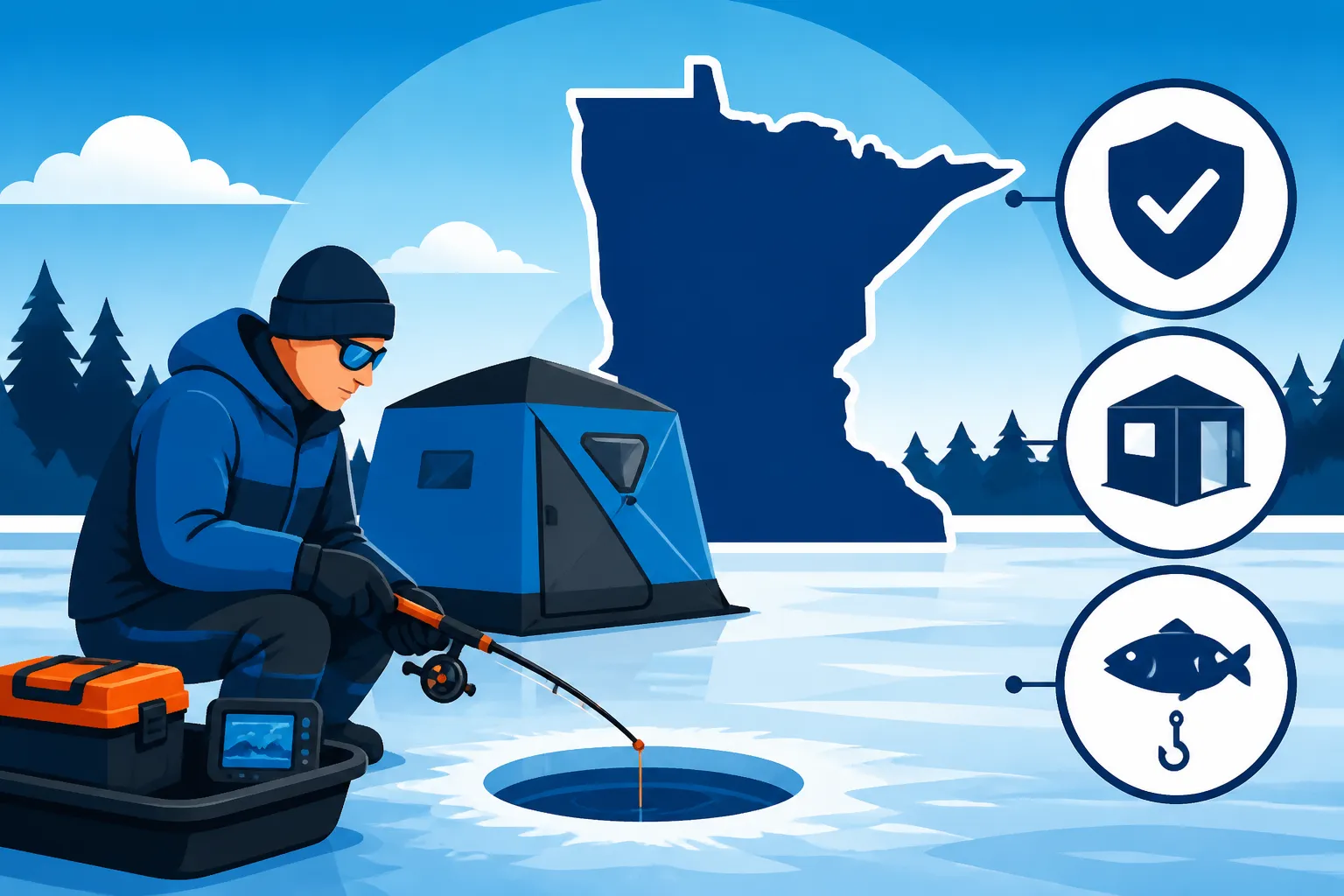
Your ice shelter, whether it's a trusty portable flip-over or a full-blown wheeled ice house, is your sanctuary on the ice. It keeps you warm, out of the wind, and often holds all your gear. But just like everything else in Minnesota fishing, there are specific rules about these shelters that you absolutely need to follow. These aren't just suggestions; they are enforceable laws designed to ensure fair access, prevent litter, and manage the impact of thousands of shelters on our frozen lakes.
Identification Requirements for Shelters
Every ice fishing shelter that is left unattended on the ice, especially overnight, must be clearly identified with the owner's name and address, or their Minnesota driver's license number. This isn't just a friendly suggestion; it's a legal requirement. Imagine the chaos if there were thousands of abandoned shelters on the ice after a busy weekend, with no way to identify who they belonged to. This rule helps ensure accountability and prevents derelict shacks from becoming hazards or environmental eyesores. The information needs to be displayed on the outside of the shelter, in a way that is easily readable. That means no tiny scrawls that are barely visible!
For larger, more permanent shelters or those that are left out for extended periods, some anglers opt to paint their identifying information directly onto the side of the house. For portable shelters, a sturdy, weatherproof tag or a laminated card securely fastened to the outside works well. The key is visibility and durability. Don't just stick a piece of paper on with masking tape; the harsh Minnesota winter conditions will make short work of that. This simple step, while sometimes overlooked, is crucial for staying legal. And remember, having your Minnesota Ice House License & Rules in order means more than just identification; it means being a responsible member of the ice fishing community.
Size and Construction Restrictions
While Minnesota is pretty generous about the types of ice shelters you can use, there aren't many hard and fast rules about their construction beyond general safety. You'll see everything from simple canvas pop-ups to elaborate, multi-room ice castles on wheels. However, common sense and local ordinances for specific lakes can sometimes play a role. For instance, while not statewide, some local municipalities might have rules about where shelters can be placed relative to public access points or private property lines. Always be mindful and respectful of other anglers and landowners.
The primary restriction related to size often comes into play during the removal deadlines, which we'll discuss in more detail shortly. The size and type of your shelter can also influence how you transport it and what kind of vehicle you can use to get it on and off the ice. Some of the massive wheelhouses require heavy-duty trucks and careful maneuvering, especially as ice conditions change. While you largely have freedom in building or buying your dream shack, remember that anything you bring onto the ice must be removed entirely, and that includes any debris, trash, or discarded equipment. Being a good steward of our lakes means leaving no trace behind, even if your shelter is a palace on skis.
Shelter Removal Deadlines: Don't Get Fined!
This is perhaps one of the most critical and often misunderstood ice fishing rules, and it’s where many anglers accidentally run afoul of the law. Minnesota has strict deadlines for when ice shelters must be removed from the ice, and these dates vary by geographical zone. These deadlines are in place for several reasons: to prevent shelters from breaking through thinning ice and becoming navigational hazards or pollution risks, and to ensure public access to lakes as the ice recedes. Missing these deadlines can result in significant fines and even charges for removal costs if the DNR has to retrieve your abandoned shelter. Our article on Ice Shelter Removal Deadlines in Minnesota provides a detailed breakdown of these dates.
Generally, the state is divided into two zones: the southern zone and the northern zone. The southern zone typically has an earlier removal deadline, usually around mid-March, while the northern zone's deadline is often later in the month, sometimes extending into early April, depending on the year and ice conditions. These dates are published annually by the DNR, and it's your responsibility to know and adhere to them. Don't wait until the last minute, especially if warm weather is in the forecast, as ice conditions can deteriorate rapidly.
Here's a simplified table illustrating the general timeframe, but always check the official DNR regulations for the precise dates for the current year, as they can shift:
| Zone | General Removal Deadline | Common Counties Included | Important Note |
|---|---|---|---|
| Southern Zone | First Monday after March 1 | Includes most of the Twin Cities metro area, southern and central Minnesota | Earlier deadline due to generally warmer conditions and earlier ice melt. |
| Northern Zone | Last Monday of March | Includes northern Minnesota, including popular lakes like Upper Red Lake, Lake of the Woods, Leech Lake | Later deadline, but still dependent on ice conditions. |
| Border Waters | Specific Dates Vary | Lakes bordering Canada (e.g., Lake of the Woods) or Wisconsin (e.g., St. Croix River) | Often have unique or slightly different deadlines; always verify. |
Even if the ice feels perfectly safe past the deadline, you must remove your shelter. It's a hard and fast rule. If you leave your shack out, it’s considered littering, and the penalties can be steep. Plan ahead, especially for larger wheelhouses, and consider bringing help to get your shelter off the ice safely and on time.
Fishing Methods and Gear Rules for Ice Anglers
Once your shelter is identified and ready to go, it's time to talk about what you can actually do inside it – or outside it, for that matter. Minnesota has clear rules about how many lines you can use, what types of fishing are permitted, and even how you can use modern electronics. These regulations are in place to ensure fair chase, manage fishing pressure, and sometimes, to maintain traditional practices.
Number of Lines You Can Fish
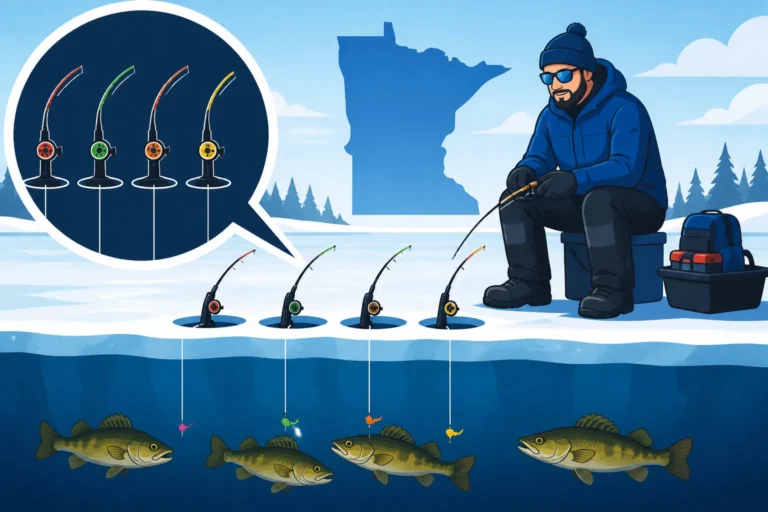
This is a question that comes up all the time, and it's super important to get right. For standard open water and ice fishing in Minnesota, the general rule is that you can use a maximum of two lines. This means two rods, two tip-ups, or any combination thereof, as long as you're actively attending them. You can't just set out five tip-ups and walk away for an hour to chat with your buddy. "Actively attending" means you need to be close enough to tend to your lines immediately if a fish bites. You can learn more about this in our detailed guide on How Many Lines Can You Fish in Minnesota? or specifically for ice fishing, How Many Lines Can You Use Ice Fishing in Minnesota?.
However, there's a significant exception for dark house spearing. If you are actively dark house spearing, you are only allowed one line, and that line must be a dark house spearing line (or another traditional line). You cannot have a spear and also be jigging with a rod and reel. This is a common point of confusion, so if spearing is your game, make sure you know the specific regulations. Additionally, when fishing certain border waters, like Lake Superior, the number of lines might differ based on reciprocal agreements with neighboring states or provinces. Always double-check the border water regulations if you're fishing near state lines.
Spearing and Dark Houses: What You Need to Know
Dark house spearing is a unique and exciting winter tradition in Minnesota, primarily targeting northern pike. It’s an art form that involves a special shelter (the dark house), a large hole in the ice, and a patient eye. If you're interested in this method, you need a specific Minnesota Spearing License & Legal Species in addition to your general fishing license. You also need to ensure your dark house meets all the identification and removal requirements we discussed earlier.
The 'dark' in dark house is crucial – the interior of the shack is kept dark to allow the angler to see into the water clearly. Decoys, often carved to resemble baitfish, are used to attract pike into view. When a pike approaches, the angler uses a long spear to harvest the fish. It's an active and skill-based method. However, remember the one-line rule: when spearing, you cannot have other fishing lines in the water. The species you can spear are also limited, primarily to northern pike, carp, buffalo, and other rough fish. Walleye, bass, and panfish are generally off-limits for spearing. Always consult the most current regulations for a complete list of legal spearing species and any specific rules related to spear size or type. Our article on Dark House Spearing in Minnesota: Rules & License delves much deeper into this fascinating technique.
Electronics and Modern Ice Fishing Tools
Modern technology has revolutionized ice fishing, making us more efficient and, arguably, more successful. Fish finders, flashers, and even forward-facing sonar units like Garmin LiveScope or Humminbird Mega Live are ubiquitous on the ice. The good news is that, for the most part, these tools are entirely legal and encouraged in Minnesota. They help you locate fish, understand depths, and observe how fish react to your presentation, dramatically increasing your chances of a bite.
There are no specific restrictions on the use of sonar, GPS mapping, or underwater cameras for recreational ice fishing in Minnesota. You can use your Vexilar, MarCum, Humminbird, or Garmin unit to your heart's content. These devices are invaluable for finding those subtle depth changes, weed lines, or schooling fish that might otherwise go unnoticed. They take a lot of the guesswork out of finding fish. However, always ensure that your use of these electronics doesn't interfere with other anglers. While technically legal, blasting loud music or having a bright, uncovered light source in a dark house might not win you any popularity contests on a crowded lake. Respect for your fellow anglers is always paramount, even when you're using cutting-edge technology to outsmart the fish.
Safety First: Essential Ice Fishing Safety Tips
While Minnesota's ice fishing regulations focus heavily on fish management and shelter rules, one underlying principle is always safety. The frozen landscape, while beautiful, can be incredibly dangerous if not respected. Every year, we hear heartbreaking stories of anglers falling through the ice or suffering from exposure. No fish is worth risking your life over, and truly, the most important "rule" of ice fishing is to come home safely at the end of the day.
Ice Thickness Guidelines and Checks
The number one rule of ice safety is: no ice is 100% safe. Period. Ice conditions can vary wildly, even on the same lake, due to factors like currents, springs, snow cover, and recent temperature fluctuations. However, the Minnesota DNR provides widely accepted guidelines for minimum safe ice thickness for various activities.
| Activity | Minimum Recommended Ice Thickness |
|---|---|
| Foot Travel (walking, fishing) | 4 inches |
| Snowmobile or ATV | 5-7 inches |
| Small Car (passenger) | 8-12 inches |
| Medium Truck (pickup) | 12-15 inches |
| Large Truck/Wheelhouse | 15+ inches |
These are minimums, not guarantees. Always err on the side of caution. Before heading out, especially early or late in the season, check with local bait shops, resorts, or online fishing reports for current ice conditions. When you get to the lake, always visually inspect the ice. Look for cracks, slush, or discolored areas (darker ice can be thinner). Use an ice chisel or an auger to test the thickness as you go, especially when moving to a new spot. Don't just rely on where others have gone; ice can vary significantly even a few feet away. Always tell someone where you're going and when you expect to return.
Personal Safety Gear and Practices
Beyond checking the ice, equipping yourself with the right personal safety gear is non-negotiable. An absolute must-have are ice picks worn around your neck, allowing you to pull yourself out if you do break through. A rope or throw bag is also crucial, especially if you're fishing with others, so you can help retrieve someone else. Whistles or other signaling devices can alert others if you're in distress. And for those driving vehicles onto the ice, keep your doors unlocked and windows cracked for a quick exit if needed.
Dressing in layers is key for staying warm and preventing hypothermia, but also consider a flotation suit. Brands like Clam and Striker make excellent ice fishing suits that offer insulation and flotation, a potentially life-saving combination. Bring a fully charged cell phone (in a waterproof bag!), a first-aid kit, and enough food and water to last longer than you anticipate being out. Hypothermia can set in quickly, even on seemingly mild winter days, if you get wet or aren't dressed appropriately. Staying hydrated and fueled also helps your body regulate its temperature.
Staying Warm and Avoiding Hypothermia
Hypothermia is a serious risk when ice fishing in Minnesota. It occurs when your body loses heat faster than it can produce it, leading to a dangerously low body temperature. The symptoms can sneak up on you: shivering, confusion, slurred speech, clumsiness, and drowsiness. If you notice these in yourself or a fishing buddy, it's time to get warm immediately.
The best defense is prevention. Dress in synthetic or wool layers that wick away moisture and insulate even when wet. Avoid cotton, which loses all insulating properties when damp. Wear a warm hat, gloves or mittens, and waterproof boots. Hand and foot warmers can be a game-changer on bitter cold days. If you're in a portable shelter, a small, safe propane heater (like those from Mr. Heater) can make a world of difference, but ensure proper ventilation to prevent carbon monoxide buildup. Keep an eye on the weather forecast and be prepared to pack up if conditions turn for the worse, especially with strong winds or dropping temperatures. Sharing your snacks and a thermos of hot coffee or soup with your fishing partners can also help everyone stay warm and alert.
Aquatic Invasive Species (AIS) and Ice Fishing
When we think about Aquatic Invasive Species (AIS) in Minnesota, our minds often jump to boats and trailers in the summer. But the reality is, AIS don't take a winter vacation, and ice anglers play a critical role in preventing their spread. Neglecting AIS protocols during the ice fishing season can have serious long-term consequences for our beloved lakes. It’s another area where a little bit of effort goes a very long way.
Preventing the Spread of AIS with Your Gear
Every piece of gear that touches the water in one lake and is then moved to another has the potential to transport AIS. This includes your auger, ice scoop, fishing rods, buckets, and even your ice shelter itself. Eurasian watermilfoil, zebra mussels, starry stonewort, and spiny waterfleas are just a few examples of invasive species that can hitch a ride on wet gear.
The basic "Clean, Drain, Dry" principle applies just as much in winter. Clean off any visible mud, weeds, or organisms from your auger blades, ice scoop, and any lines or lures. Drain any water from buckets, livewells (if applicable), and even the bilge of a wheeled ice house. And most importantly, dry all your equipment thoroughly before moving to a new body of water. This can be challenging in sub-zero temperatures, but even wiping down gear with a towel and allowing it to air dry in a heated garage can make a difference. Many of the principles for boaters, covered in our guide on Aquatic Invasive Species (AIS) Rules for Boaters, are directly transferable to ice fishing gear.
Shelter Decontamination and Best Practices
Your ice shelter, especially a larger wheelhouse, can be a prime suspect for transporting AIS if not properly managed. Water can pool on floors, get trapped in crevices, or cling to carpeting. When you pull your shelter off the ice, pay attention to the bottom edges and skis where mud and weeds might accumulate. Scrape off any visible debris before you leave the lake access.
For wheelhouses, draining any water that might have accumulated inside is crucial. If you’ve been using a porta-potty or a water system, ensure those are properly emptied and cleaned. The goal is to leave nothing from one lake that could potentially be introduced to another. While you might not be running your boat through a high-pressure decontamination station in winter, your personal diligence is even more important. A simple broom, a bucket for debris, and a bit of elbow grease before you leave the landing can go a long way in protecting Minnesota's pristine waters. Remember, it's about being a responsible angler who cares deeply about the future of our fishing.
Common Violations and Penalties to Avoid
Nobody wants to have their fun day on the ice interrupted by a conservation officer, let alone receive a fine or worse. But let's be honest, with all the rules and changes, it's easy to accidentally step over the line. Understanding the most common violations and their potential consequences can help you steer clear of trouble and ensure your ice fishing memories are good ones, not expensive ones.
Consequences of Breaking the Rules
The penalties for fishing and ice shelter violations in Minnesota can range from simple warnings to significant fines, confiscation of gear, and even loss of fishing privileges. For minor infractions, like a slightly obscured identification on your ice house or not having your license immediately available, you might receive a warning or a relatively small fine. However, more serious offenses carry much stiffer penalties.
For instance, being caught fishing without a license can result in a fine and the cost of purchasing a license. Keeping over-limit fish, especially protected species or those with slot limits, can lead to substantial fines, often calculated per fish over the limit, and potentially the confiscation of your catch and fishing equipment. Imagine going out and accidentally keeping five walleye when the limit is four; that "extra" fish can become very expensive very quickly. Our guide on Penalties for Keeping Over-Limit Fish in Minnesota elaborates on these serious consequences. And if you fail to remove your ice shelter by the designated deadline, you could face hefty fines and be charged for the DNR's costs to remove and dispose of your abandoned shelter, which can easily run into hundreds or even thousands of dollars. It’s a costly mistake that’s entirely preventable.
Reporting Violations and Being a Responsible Angler
Being a responsible angler isn't just about following the rules yourself; it's also about helping to protect our fisheries and traditions. If you witness someone openly violating fishing regulations – whether it's keeping too many fish, fishing with too many lines, or abandoning an ice house – you can report it. The Minnesota DNR has a dedicated Turn In Poachers (TIP) program, which allows individuals to anonymously report suspected violations. This program is vital for enforcing regulations when conservation officers can't be everywhere at once.
It's natural to feel uncomfortable about "snitching," but remember, these rules are in place to protect the resource for everyone. Poaching and disregard for regulations harm the fish populations, deplete shared resources, and ultimately impact your own fishing experiences. By reporting serious violations, you're contributing to the long-term health and sustainability of Minnesota's world-class fishing. Just be sure that any report you make is based on clear observation and not just suspicion or rumor, and always prioritize your own safety when observing potential violations.
Staying Informed: Where to Find Official Regulations
The best way to avoid accidental violations is to stay informed. While this guide covers a lot of ground, regulations can change, sometimes even mid-season, due to specific circumstances on certain lakes. Always make it a habit to check the most current official sources before you head out, especially if you're venturing to a new lake or fishing for a species you're less familiar with.
Minnesota DNR Resources
The absolute best and most authoritative source for Minnesota's fishing and ice shelter regulations is the Minnesota Department of Natural Resources (DNR). Their website is a treasure trove of information. You can find the complete, current fishing regulations booklet online, often available as a downloadable PDF, which is incredibly handy. This document details all statewide regulations, special regulations for specific lakes (like Mille Lacs Walleye Regulations (2026)), bag limits, season dates, and of course, all the ice shelter rules.
Beyond the main regulations booklet, the DNR website often publishes news releases and advisories about important changes, such as early ice-out conditions affecting shelter removal or sudden changes to specific lake limits. Subscribing to their email newsletters or following their social media accounts can also help you stay up-to-date. They even have an interactive lake finder tool where you can look up specific regulations for individual lakes you plan to visit, which is incredibly useful for navigating localized rules. Don't rely solely on what you heard from a friend or saw on a message board; always verify with the official DNR sources.
Local Bait Shops and Community Wisdom
While the DNR website is the official word, local bait shops and resorts are invaluable resources for real-time, on-the-ground information. These businesses are often run by passionate anglers who live and breathe fishing, and they have their ear to the ground about local ice conditions, recent regulation changes, and what's biting. Before heading out, especially to an unfamiliar lake, stopping by a bait shop for supplies and a chat is always a good idea. They can tell you where the safe ice is, what lures are working, and often remind you of any specific local nuances in the regulations.
For example, a bait shop near Lake of the Woods will know the precise border water rules and ice conditions better than almost anyone. They can also tell you about any temporary access restrictions or unwritten local etiquette that makes for a smoother fishing experience. Combining the official DNR information with the practical, local wisdom from bait shops and the wider ice fishing community creates the most robust understanding of how to enjoy Minnesota's ice fishing safely and legally. Always remember to support these local businesses; they are the heart and soul of our fishing communities!
Disclaimer
Please remember that regulations can change. While I strive to provide the most accurate and up-to-date information, it is ultimately your responsibility to consult the official Minnesota Department of Natural Resources (DNR) regulations before engaging in any fishing activities. This guide is for informational purposes only and should not be considered a substitute for the official rules and laws set forth by the state of Minnesota.