Fishing Near Cross Lake, Minnesota
Trying to figure out the best places to wet a line when you're visiting a new area like Cross Lake, Minnesota, can feel a bit overwhelming. With so many interconnected lakes, bays, and channels, it's easy to get lost in the sheer scale of the opportunity, wondering where to even drop your first cast for walleye, bass, or panfish. This comprehensive guide is designed to cut through that confusion, helping you understand the unique fishing characteristics of the Cross Lake area so you can spend less time guessing and more time reeling in fish.
Why the Cross Lake Area is a Premier Fishing Destination
The Cross Lake area isn't just another pretty spot in Minnesota; it's a bonafide angler's paradise, a jewel in the crown of the Brainerd Lakes Area. What makes it so special isn't just one big lake, but a whole chain of them, each offering slightly different characteristics and fishing opportunities. This interconnected system creates an incredibly rich and diverse aquatic environment, supporting a thriving ecosystem that makes for phenomenal fishing experiences.
Understanding the Chain of Lakes
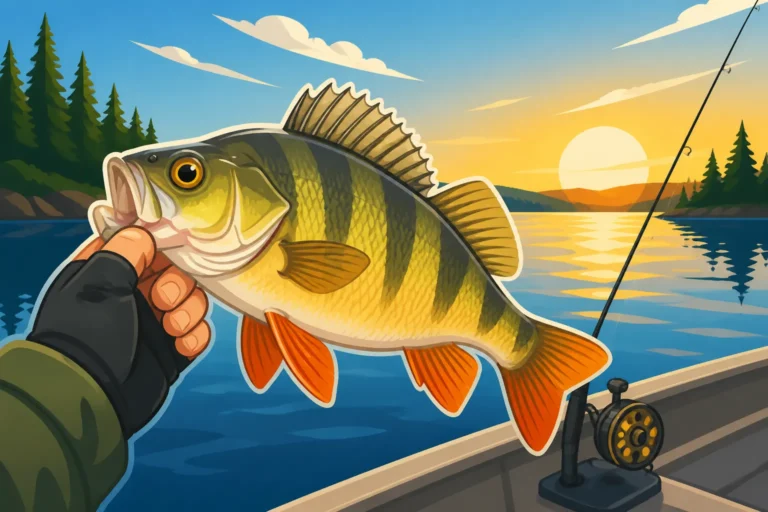
Cross Lake itself is a significant body of water, but it's really just one piece of a much larger puzzle: the Whitefish Chain of Lakes. This impressive chain comprises 14 interconnected lakes, totaling over 13,000 acres, all navigable by boat. Imagine the possibilities! You can launch your boat on one lake and explore several others without ever pulling your vessel out of the water. This connectivity means fish can move freely, accessing different depths, structures, and forage bases throughout the year, which in turn means diverse fishing for you. The main lakes in the chain include Cross Lake, Big Trout Lake, Little Pine Lake, Upper and Lower Whitefish, and Rush Lake, among others. Each lake has its own personality, from the deep, clear waters of Big Trout, known for its lake trout and jumbo perch, to the shallower, fertile bays of Cross Lake itself, bustling with walleye and crappies. Understanding this interconnectedness is key to unlocking the full potential of fishing here. If you're looking for a wider perspective on angling in the region, our guide to the Brainerd Lakes Area Fishing Guide offers even more insights.
Diverse Habitats and Forage for Multiple Species
The variety of lakes within the Whitefish Chain also translates directly into a fantastic diversity of fish habitats. You've got everything from expansive, deep basins with rocky points and humps to shallow, weedy bays, expansive sand flats, and intricate channels connecting the lakes. This patchwork of environments provides ideal conditions for a wide array of fish species. Walleye hug the deeper breaks and humps, while largemouth bass ambush prey in the thick weeds. Northern pike lurk in submerged timber, and panfish like crappies and sunfish school up around docks and brush piles. The abundant forage base, including shiners, ciscoes, and various minnows, keeps these predator populations healthy and thriving. This rich biodiversity is a huge draw, ensuring that whether you're targeting a specific species or just looking for some action, you're bound to find it.
Target Species and Where to Find Them in the Cross Lake Chain
The Cross Lake area is renowned for its multi-species fishery, meaning you can realistically target several popular game fish on any given outing. Knowing what to expect and where to look for each species will dramatically improve your chances of success.
Chasing Walleye in Cross Lake and Beyond
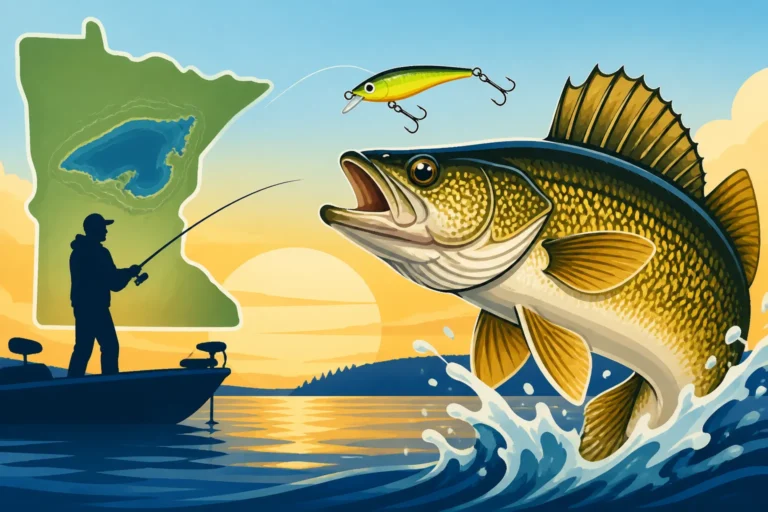
Ah, walleye! Minnesota's state fish, and a primary target for many anglers visiting the Cross Lake chain. Walleye thrive in these waters, particularly in the lower portions of Cross Lake and into the larger basins of Big Trout and the Whitefish Lakes.
- Spring Opener: When the season opens, walleye are often found shallower, recovering from the spawn. Look for them on points and gravel bars, especially those with current or access to deeper water. Early mornings and evenings are prime times. A simple jig and minnow presentation is often unbeatable.
- Summer Patterns: As water temperatures rise, walleye transition to deeper structures. Think main lake points, sunken islands, and deep weed edges. Trolling crankbaits or pulling How to Fish a Lindy Rig for Walleye can be incredibly effective during the day. Night fishing for walleye is also very popular and productive in the summer months, with fish moving onto shallower flats to feed.
- Fall Feeding Frenzy: The fall bite can be absolutely incredible as walleye gorge themselves before winter. They’ll often be found in similar deep summer haunts, but sometimes push shallower as baitfish move. Jigging spoons or larger shiners on a slip bobber work wonders.
For a deeper dive into techniques, check out our guide on Best Walleye Fishing Tactics in Minnesota.
Battling Northern Pike and Muskie
If you're looking for a serious fight, the Cross Lake chain delivers with healthy populations of northern pike and muskie. These toothy predators are widespread throughout the system, using the diverse cover to their advantage.
- Northern Pike: Pike are abundant and can be found almost anywhere there's vegetation or structure. Shallow, weedy bays, especially in Upper and Lower Whitefish, are fantastic spots. Cast large spoons, spinnerbaits, or noisy topwater lures. For a real thrill, try using a steel leader and a live sucker minnow under a bobber near weed lines. Big Trout Lake is known for producing some true trophy pike, so don't be afraid to throw larger baits there. Learn more about Northern Pike in Minnesota: Identification & Where to Catch to improve your game.
- Muskie: The "fish of 10,000 casts" has a strong presence in the deeper, clearer lakes of the chain, particularly Big Trout and parts of Cross Lake. These elusive giants require patience and specialized gear. Target large weed beds, rocky points, and steep breaks. Big bucktails, jerkbaits, and glide baits are standard fare. While many anglers will bring their own gear, those new to muskie fishing might consider booking a trip with a local guide through a platform like FishingBooker, as they'll have the specialized equipment and local knowledge to increase your chances of success. They can often put you on fish you might miss otherwise.
Panfish Perfection: Crappies and Sunfish
For a more relaxed day on the water, or for introducing kids to fishing, the panfish bite in the Cross Lake area is consistently strong. Crappies and sunfish (bluegill and pumpkinseed, mainly) are plentiful and eager biters.
- Crappies: Black crappies are abundant, often schooling up in deeper holes or around submerged timber and brush piles. In spring, they move into shallow bays to spawn, becoming very accessible. A small jig tipped with a minnow or a plastic tube jig under a bobber is hard to beat. Look for them in the bays of Cross Lake, Little Pine, and even the shallower stretches of the Whitefish Lakes. For specific strategies, our guide to Crappie & Panfish Fishing Techniques is an excellent resource.
- Sunfish (Bluegill/Pumpkinseed): These feisty little fish are everywhere. Docks, lily pad fields, weed edges, and submerged brush are all prime locations. A tiny hook with a piece of a nightcrawler, a wax worm, or a small panfish jig suspended under a bobber will almost guarantee action. They provide endless fun for anglers of all ages.
Smallmouth and Largemouth Bass Action
Bass fishing in the Cross Lake chain is incredibly popular, offering thrilling fights and diverse angling opportunities.
- Smallmouth Bass: The clear, rocky waters of Big Trout Lake and some of the Whitefish Lakes are prime smallmouth territory. Look for them on rocky points, humps, and along rip-rap shorelines. Spinnerbaits, crankbaits that mimic crayfish, and soft plastic presentations like tubes or Ned rigs are highly effective. Smallmouth are known for their acrobatic jumps and powerful runs.
- Largemouth Bass: You'll find largemouth bass in the weedier, shallower sections of Cross Lake, Little Pine, and the various bays throughout the chain. They love dense cover, so pitch jigs, Texas-rigged worms, or topwater frogs into lily pads, heavy grass, and around fallen trees. Topwater action during low light conditions can be absolutely explosive. To refine your approach, check out our Bass Fishing Techniques for Minnesota Lakes guide.
Effective Fishing Techniques for the Cross Lake Area
Success on the water, especially in a diverse system like the Cross Lake chain, often comes down to adapting your techniques to the season and the specific species you’re after. It’s not just about what you use, but how you use it.
Seasonal Strategies for Success
Minnesota's fishing calendar offers distinct phases, and the Cross Lake area is no exception. Understanding these Seasonal Fishing Patterns in Minnesota is crucial.
- Spring (Ice-out to Mid-June): This is a time of transition. Walleye and northern pike are often shallower, recovering from spawning, making them more accessible. Jigging with live bait, like a shiner or a lively leech, near emerging weed lines or rocky points is highly effective. Panfish also move shallow for their spawn, concentrating in warm, protected bays, offering fantastic light-tackle action. Early season bass, while catch-and-release only until the regular opener, can be found on warming sand flats.
- Summer (Mid-June to August): With warm water, fish spread out and seek deeper, cooler water, or dense cover. Walleye often move to main lake points, humps, and deep weed edges. Trolling with crankbaits or Trolling for Walleye: Crankbaits & Leadcore along contours is a go-to strategy. Bass will be aggressive in and around heavy cover. Early mornings and late evenings provide great opportunities for topwater action. Night fishing for walleye over shallow flats can also be incredibly productive.
- Fall (September to Ice-up): This is often considered a trophy hunting season. Fish feed heavily to build up reserves for winter. Walleye can be found deep, but also make forays into shallower feeding grounds. Larger live baits, like redtail chubs or suckers, can entice bigger fish. Muskie and northern pike are at their most aggressive, chasing large baits. Panfish will school up in deeper basins near historical wintering grounds.
- Winter (Ice Fishing): When the ice thickens, the Cross Lake area transforms into an ice fishing haven. Walleye and crappies can be caught jigging small spoons or tungsten jigs tipped with wax worms or minnow heads. Northern pike are targeted with tip-ups and large shiners. Look for walleye on main lake breaks and humps, while crappies often suspend in the deeper holes of bays. If you're new to the area or prefer a guided experience, hiring a local ice fishing guide through a service like FishingBooker can provide you with access to heated shelters, electronics, and local hot spots, making your trip much more comfortable and successful.
Best Baits and Lures to Use
Matching your bait to the species and conditions can make all the difference.
- Walleye: For walleye, a mix of live bait and artificials works best. Best Live Bait for Walleye (Leeches, Minnows, Crawlers) are always a good bet, especially when fished on a Lindy rig or under a slip bobber. Artificials like jigs (Northland Mimic Minnow, Rapala Jigging Rap), crankbaits (Rapala Shad Raps, Berkley Flicker Shad), and spinner rigs (like a crawler harness) are also incredibly effective. Vary your colors from natural patterns in clear water to brighter options in stained conditions.
- Northern Pike & Muskie: For these toothy critters, go big! Large spoons (Daredevil, Johnson Silver Minnow), spinnerbaits (Mepps Musky Killer, Bucher Topraider), jerkbaits (Rapala X-Rap SubWalk), and bucktails are staples. For pike, a simple spoon or a 1/2 oz spinnerbait can be deadly in the weeds. Muskie require even larger versions of these, sometimes up to 10-12 inches.
- Panfish: Small is key for panfish. Tiny jigs (1/32 to 1/16 oz) tipped with a wax worm, a piece of a nightcrawler, or a micro-plastic (like a Berkley Gulp! Alive! Waxie) under a small bobber are deadly. For crappies, small minnows on a jig or under a bobber are often irresistible.
- Bass: For largemouth, soft plastics (senkos, creature baits), jigs, spinnerbaits, and topwater lures (frogs, poppers) are excellent. Smallmouth often prefer baits that mimic crayfish, like tube jigs, football jigs, or crankbaits, but also hit spinnerbaits and topwater presentations well.
Essential Tips for Navigating and Enjoying Your Trip
Fishing the Cross Lake area is about more than just catching fish; it's about enjoying the beautiful Minnesota wilderness. A little preparation can go a long way in making your trip smooth and successful.
Access Points and Navigation
Getting onto the water and knowing your way around is fundamental. The Cross Lake chain offers numerous public access points, boat launches, and marinas, making it relatively easy to get your boat in the water. Popular launches can be found on Cross Lake itself, as well as on Upper and Lower Whitefish. Many resorts also offer launch facilities, especially if you're staying with them.
- Maps and GPS: Given the interconnected nature of the lakes, a good lake map is essential. Navionics and LakeMaster charts are highly recommended for your fish finder or mobile device, providing detailed contours, submerged structure, and navigation channels. Don't rely solely on visual cues; the channels can sometimes be shallow or narrow.
- Boat Traffic: Cross Lake is a popular spot, especially during peak summer weekends. Be mindful of boat traffic, especially pleasure boaters and wakeboarders. If you're fishing, try to hit the water early in the morning or later in the evening to avoid the busiest times, or focus on the less heavily trafficked lakes further up the Whitefish Chain.
- Safety First: Always wear your life jacket, especially when alone or in smaller boats. Inform someone of your float plan, and carry all necessary safety gear like throw cushions, whistles, and navigation lights for low light conditions.
Hiring a Local Guide for the Best Experience
While this guide provides a great starting point, there’s no substitute for local expertise. If you're visiting the Cross Lake area for the first time, or if you're keen to maximize your fishing success in a limited timeframe, considering a local fishing guide is a fantastic idea.
- In-depth Knowledge: Local guides spend hundreds of hours on these waters and understand the nuances of seasonal patterns, specific hotspots, and the most effective presentations. They know which particular humps on Big Trout are holding walleye or where the crappies are schooling in Little Pine.
- Equipment and Convenience: A good guide will provide all the necessary fishing gear, bait, and often even clean your catch. This saves you the hassle of transporting extensive tackle, ensuring you have the right equipment for the conditions. For those who want to ensure they're dealing with reputable, experienced guides, platforms like FishingBooker offer a curated selection of local charters and guides, complete with reviews and booking options. This is especially helpful if you're looking for a specific type of trip, like a dedicated muskie hunt or a family-friendly panfish excursion.
- Learning Opportunity: Beyond just catching fish, a guide can teach you invaluable techniques, how to read your electronics, and local tips that will benefit your fishing for years to come. Even seasoned anglers can learn new tricks from a guide who intimately knows these lakes. Finding a good guide can seriously elevate your experience, whether it's learning the best way to use a How to Fish a Slip Bobber for Walleye & Crappie or figuring out how to target fish in specific lake structures. If you don't have a boat, many guides offer excellent Shore & Bank Fishing in Minnesota No Boat options too, or will take you out on their vessel.
No matter your experience level, the Cross Lake area provides an incredible backdrop for memorable fishing adventures. Just remember your Minnesota Fishing License: Cost, Types & How to Buy (2026) and you're ready to go!
| Lake (Part of Whitefish Chain) | Primary Species | Key Features / Notes |
|---|---|---|
| Cross Lake | Walleye, Pike, Bass, Crappie, Sunfish | Main hub, diverse structure, good walleye bite, connects to other lakes. Popular for all species. |
| Big Trout Lake | Walleye, Smallmouth Bass, Lake Trout, Jumbo Perch | Deepest and clearest lake, known for trophy smallmouth and lake trout. Excellent structure. |
| Upper & Lower Whitefish | Walleye, Pike, Largemouth Bass, Crappie | Excellent multi-species lakes, good weed lines, extensive shallow areas, healthy crappie populations. |
| Little Pine Lake | Walleye, Crappie, Largemouth Bass, Sunfish | Smaller, shallower lake with good crappie and bass populations in bays and weed beds. |
| Rush Lake | Walleye, Pike, Bass, Crappie | Similar to the Whitefish lakes, good weed growth, often less pressure than Cross Lake. |
Disclaimer
Fishing regulations and conditions can change frequently. Always consult the latest Minnesota Department of Natural Resources (DNR) fishing regulations before heading out on the water. This guide is for informational purposes only and should not be considered legal advice. Stay safe and have fun!