Boundary Waters (BWCA) Fishing: Best Lakes & Species
Stepping into the Boundary Waters Canoe Area Wilderness (BWCA) for a fishing trip is a dream for many, but the sheer scale of the interconnected lakes, coupled with the strict permit system and unique regulations, can quickly turn that dream into a head-scratching puzzle. Anglers often feel overwhelmed, wondering which lake to target, what species bite best, or even how to properly prepare for such a pristine environment. This comprehensive guide aims to demystify BWCA fishing, providing a realistic roadmap to navigating its challenges, identifying the best lakes and species, and ensuring your wilderness angling adventure is nothing short of legendary.
Understanding the Boundary Waters Canoe Area Wilderness
The BWCA isn't just another fishing destination; it's an experience unto itself, a true gem of northern Minnesota that demands respect and preparation. This million-acre wilderness area, managed by the U.S. Forest Service, is a labyrinth of lakes, rivers, and portage trails, offering an unparalleled opportunity to disconnect and immerse yourself in nature. But its beauty comes with a unique set of rules and environmental considerations that every angler must understand.
What Makes the BWCA Unique for Anglers?
What truly sets the BWCA apart is its commitment to preserving a primitive, non-motorized experience. Imagine paddling silently across glassy waters, the only sounds being your paddle dipping, the call of a loon, or the gentle rustle of wind through the pines. This isn't your typical run-and-gun fishing trip with a big outboard. Instead, it's about physical exertion, self-sufficiency, and a deep appreciation for the solitude. You'll portage your canoe and all your gear between lakes, sometimes for short distances, other times for a challenging mile or more. This effort weeds out the casual angler and rewards those willing to work for their adventure.
For many, the allure lies in the untouched nature of the fishery. While not every lake holds trophy fish, the sheer abundance and the feeling of discovering a secluded, untouched spot where fish haven't seen a lure in days is exhilarating. The clear waters and remote locations often mean healthy, robust fish populations that are eager to bite. It's an opportunity to truly practice Catch and Release Best Practices in Minnesota, ensuring these pristine waters remain vibrant for generations to come.
However, this unique environment also means different fishing strategies. Forget about trolling with big engines or relying on gas-powered augers for ice fishing. Your success will hinge on your ability to read the water, adapt your techniques to manual propulsion, and embrace a minimalist approach to tackle. It's a humbling yet incredibly rewarding shift from typical lake fishing, pushing you to become a more thoughtful and resourceful angler.
Essential Regulations and Permits
Navigating the BWCA's regulations is perhaps the most critical part of planning your trip. Unlike public access points on most Minnesota lakes, entry into the BWCA is controlled by a strict permit system, operating on a quota basis to minimize impact and preserve the wilderness experience. You absolutely need to secure a permit in advance, especially for overnight trips, and these can be highly competitive for popular entry points and peak season dates. Without one, you're not getting in.
Beyond the entry permit, you’ll need a valid Minnesota Fishing License: Cost, Types & How to Buy (2026). The BWCA also falls under general statewide fishing seasons and limits, but it's crucial to consult the Minnesota Department of Natural Resources (DNR) regulations specifically for the BWCA, as some lakes or species may have unique rules or slot limits. Always carry a copy of the current regulations and your license with you.
Perhaps one of the most important aspects for anglers is adherence to Aquatic Invasive Species (AIS) Rules for Boaters. The BWCA takes AIS prevention very seriously. This means draining all water from your canoe, equipment, and livewell (if you somehow had one in the BWCA, which you won't!) before entering and upon leaving. Live bait is permitted but must be in an appropriate container, and specific restrictions apply to certain types of bait or their transportation. Understanding and rigorously following these rules is not just about compliance; it's about protecting the very ecosystem that draws us there. Violations can lead to hefty fines and, more importantly, irreversible damage to this precious wilderness.
Top Fish Species and Where to Find Them
The BWCA is home to a diverse array of fish, each offering a distinct challenge and reward for the dedicated angler. While many species thrive here, a few stand out as prime targets for a wilderness fishing adventure. Understanding their habits and preferred habitats is key to a successful trip.
Walleye Wonders in BWCA Lakes
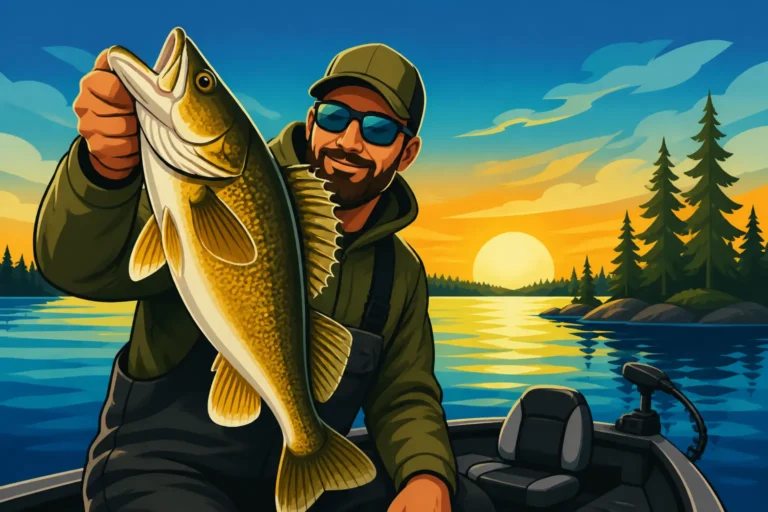
Ah, the walleye. Minnesota’s state fish and a favorite among many anglers. While you might not find the sheer numbers or trophy sizes common in some of Minnesota’s more famous walleye factories like Mille Lacs or Lake of the Woods, the BWCA still offers fantastic walleye opportunities. The walleye here tend to be plentiful in certain lakes, often running smaller in average size but making up for it in their willingness to bite and the incredible backdrop against which you catch them. They prefer deeper, clear-water lakes that offer ample structure—think rocky points, underwater humps, and subtle breaks—along with a good forage base of baitfish.
Targeting walleye in the BWCA often means getting back to basics. Jigging with a live minnow or a leech under a slip bobber is incredibly effective. Trolling with paddle power, using small crankbaits, can also cover water efficiently. Check the Minnesota Fishing Seasons & Opener Dates (2026) for walleye, which typically opens on the second Saturday in May, and be mindful of any specific lake regulations for Walleye Season & Limit in Minnesota. These fish are excellent table fare, making a fresh walleye shore lunch a quintessential BWCA experience. Just remember to only keep what you're allowed and what you'll consume.
For those eager to dive deeper into techniques, our comprehensive guide on Walleye Fishing Techniques: Complete Minnesota Guide can provide valuable insights applicable even in the BWCA's unique setting. While you won't be power-trolling, the fundamental principles of understanding walleye behavior and presentation remain vital. Bringing a selection of artificial baits, alongside some Best Live Bait for Walleye (Leeches, Minnows, Crawlers) (if regulations permit and you can keep them fresh), will maximize your chances.
Smallmouth Bass: Pound-for-Pound Fighters
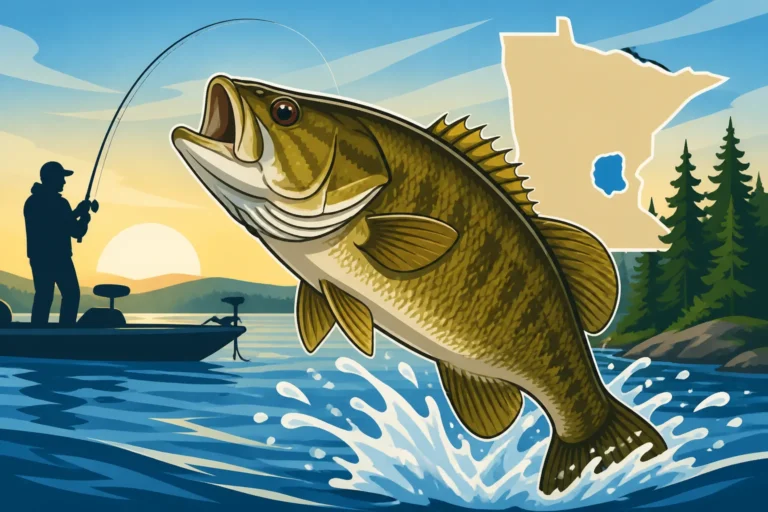
If there’s one fish that consistently provides action and thrill across the BWCA, it’s the smallmouth bass. Often overlooked by anglers exclusively chasing walleye, these bronze bombers are pound-for-pound one of the hardest-fighting freshwater fish. They are incredibly abundant throughout the wilderness, thriving in the clear, rocky environments that characterize many BWCA lakes. You'll find them patrolling rocky shorelines, lurking around fallen timber, congregating on submerged points, and actively feeding in areas with subtle current.
Smallmouth bass are incredibly aggressive and will readily strike a variety of lures. Topwater baits fished over rocky shallow areas during low light conditions can lead to explosive strikes that will make your heart pound. Small crankbaits, spinnerbaits, and soft plastics fished on jigs or wacky rigs are also highly effective. Fly anglers will find the BWCA a paradise for smallmouth, as these fish eagerly take poppers and streamers. For more detailed information on their behavior and effective lures, check out our guide on Smallmouth & Largemouth Bass in Minnesota.
Because of their abundance and fighting spirit, smallmouth bass often save the day when other species are finicky. They are also excellent eating, though many anglers choose to release them due to their consistent fighting prowess. The joy of catching a feisty smallmouth in such a pristine setting is a memory that sticks with you long after the trip is over. They offer a reliable and exciting fishing experience, making them a must-target species for any BWCA adventurer.
Lake Trout: Deep-Water Challenges
For the dedicated angler seeking a true wilderness trophy, the lake trout of the BWCA present an exciting, albeit challenging, pursuit. These cold-water predators are a relic of the ice age, found exclusively in the deepest, coldest, and most oxygen-rich lakes. They are the ultimate deep-water game fish in the BWCA, requiring specific tactics and a willingness to work for your reward. Locating them can be tough, as they often suspend in the water column or hug deep structures, making electronics invaluable if you can manage to carry and power them.
The best times to target lake trout are typically right after ice-out in spring, when they can be found shallower before retreating to the depths as summer progresses, and again in the fall as waters cool. During the warmer months, you'll need to focus on presenting your lures in 30 to 70 feet of water, sometimes even deeper. Deep jigging with heavy spoons or tube jigs is a common tactic, often requiring a good workout with your paddle to stay over structure. For those willing to paddle for miles, slow-trolling spoons or deep-diving crankbaits can also be productive.
Catching a lake trout in the BWCA is often considered the pinnacle of a trip due to the effort involved and the wild nature of the fish. They fight hard and are truly a testament to the pristine conditions of these deep wilderness lakes. Always remember to check Lake Trout Season & Limit in Minnesota as regulations for these magnificent fish can vary significantly by lake and year to ensure their sustainability. Releasing the larger, older breeding fish is generally a good practice to maintain healthy populations.
Northern Pike: Aggressive Predators
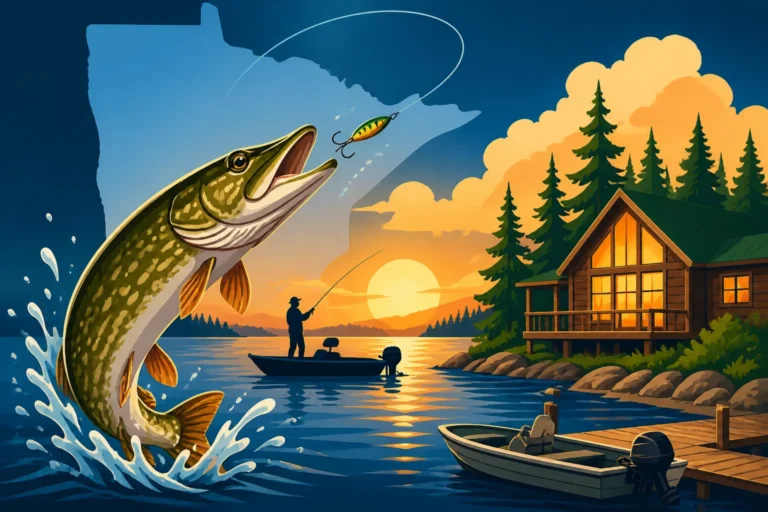
Northern pike are widely distributed throughout the BWCA and can provide thrilling action, especially for those who enjoy aggressive strikes. While some BWCA lakes are known for producing "hammer handle" pike (smaller, slender fish), others can surprise you with genuinely large, powerful specimens that test your tackle and your nerves. You'll typically find pike lurking in shallower areas with abundant weed beds, around submerged timber, near drop-offs, and anywhere baitfish might seek cover.
These toothy predators are not picky eaters and will readily attack a variety of presentations. Large spoons (like Daredevils), spinnerbaits, large crankbaits, and even topwater lures can be incredibly effective. For those using live bait, a large minnow under a bobber can also entice strikes. Be sure to use a steel leader or heavy fluorocarbon leader to prevent bite-offs from their razor-sharp teeth. Bringing a sturdy pair of pliers or a jaw spreader is essential for safe hook removal, both for you and the fish.
While often caught incidentally while targeting walleye or bass, intentionally seeking out pike can lead to some truly exciting moments. They provide consistent action and can be a great option for younger anglers or those new to fishing due to their aggressive nature. For more insights on how to identify and target these fish, our guide on Northern Pike in Minnesota: Identification & Where to Catch offers useful tips, even in the BWCA environment. Just be prepared for a strong fight and handle them with care due to those formidable choppers!
Best BWCA Lakes for Each Species
While almost any lake in the BWCA could potentially yield a fish, certain lakes have earned reputations for producing specific species consistently. Knowing these hotspots can help you fine-tune your route and maximize your angling success. Remember that accessibility varies greatly; some of these lakes require significant portaging.
Walleye Hotspots
When it comes to walleye in the BWCA, some lakes stand out for their consistent action and better-than-average size potential. Basswood Lake, straddling the U.S.-Canada border, is a perennial favorite. It's a large, complex lake with numerous bays, islands, and rocky structures that hold healthy populations of walleye. Access to Basswood can involve lengthy paddles or the use of tow services to reduce travel time, but the reward is often worth the effort. Another excellent choice is Knife Lake, known for its clear waters and numerous rocky reefs and points. It’s part of a popular paddling route, and its depths offer great habitat for walleye, especially during low-light conditions.
Crooked Lake is another fantastic walleye destination, offering a mix of depths and structure. Its intricate shoreline and islands provide endless ambush points for walleye. Many anglers targeting Crooked Lake combine it with excursions into smaller, interconnected lakes, sometimes finding even more consistent action away from the main thoroughfares. Remember that specific regulations apply to many border lakes, so always double-check the Minnesota Fishing Limits: Bag & Possession (2026) for these particular waters. Keep an eye on local outfitter reports, as they often have the most up-to-date information on which lakes are biting.
Prime Smallmouth Bass Waters
For smallmouth bass, you'd be hard-pressed to find a bad lake in the BWCA, but some truly shine. Saganaga Lake, another large border lake and a common entry point, is absolutely crawling with smallmouth. Its vast expanse of rocky islands, shoals, and points creates ideal habitat. Many anglers find themselves distracted from their walleye pursuit by the aggressive smallmouth action around virtually every piece of structure. Fraser Lake, a bit further into the wilderness, is another smallmouth haven. Its clear waters and extensive rocky shorelines are perfect for topwater action or casting small crankbaits.
Knife Lake, also excellent for walleye, is equally productive for smallmouth, especially along its numerous rocky islands and points where they ambush baitfish. If you're looking for consistent bent rods and strong fights, focusing on any lake with abundant rock structure and good water clarity will likely yield results. Smallmouth are often found in shallower water than walleye, making them a bit easier to locate without specialized electronics. They offer fantastic sport, particularly for those who enjoy sight-fishing or targeting visible structure.
Lake Trout Havens
The elusive lake trout requires specific deep, cold-water environments, making them available in fewer, but equally spectacular, BWCA lakes. Saganaga Lake again makes the list as a premier lake trout fishery, particularly its deeper basins. Anglers willing to put in the effort to jig or deep-troll the immense depths of Saganaga can be rewarded with truly impressive lakers. It’s not uncommon to hear tales of massive lake trout being pulled from these waters, especially during the spring and fall.
Fraser Lake and Mountain Lake are also highly regarded for their lake trout populations. These lakes are typically deeper into the wilderness, requiring more portaging and commitment, which often means less fishing pressure. This solitude, combined with their ideal lake trout habitat, can lead to incredible fishing experiences. Remember that targeting lake trout often means going deep, so bring appropriate tackle like heavy spoons or jigging Rapalas, and be prepared for a serious arm workout if you hook into a big one. Check our guide on Lake Trout Season & Limit in Minnesota for specific rules on these species.
Northern Pike Powerhouses
While northern pike are widespread, certain BWCA lakes consistently produce better numbers and larger sizes. Crooked Lake, mentioned for walleye, is also a fantastic pike fishery, especially in its shallower, weedier bays. Its intricate shoreline provides ample cover for ambush predators. Anglers often encounter impressive pike while fishing for other species, demonstrating the lake's robust population.
Ensign Lake and Newton Lake are also known for their healthy pike populations. These lakes, often part of popular paddling routes, offer a good balance of accessibility and productive fishing. Focus on areas with extensive emergent or submerged vegetation, as these are classic pike haunts. You might also find good pike action in shallower, warmer bays of larger lakes like Saganaga or Basswood. These areas typically warm up faster in the spring and hold abundant baitfish, drawing in hungry pike.
For those looking for action, pike are a reliable choice. They are not shy, and their aggressive nature makes for exciting fishing. Just be sure to bring a solid pair of long-nose pliers or a jaw spreader and a cutting tool for safe hook removal, as their teeth are no joke. Many outfitters, and even platforms like FishingBooker, often have updated reports on what fish are biting where, which can be invaluable for planning your route.
Planning Your BWCA Fishing Trip
A successful BWCA fishing trip isn't just about knowing where the fish are; it's about meticulous planning, preparation, and respect for the wilderness. From securing your entry to packing the right gear, every detail matters in this remote environment.
Navigating the Permit System
The BWCA's permit system is arguably the most critical and potentially frustrating aspect of trip planning. Permits are required for all overnight trips and even day use in certain areas, particularly for visitors from May 1 through September 30. These permits are issued through a quota system via Recreation.gov, meaning there's a limited number of groups allowed to enter at each specific entry point on any given day. Popular entry points and prime summer dates can book up within minutes of permits becoming available in late January.
My advice? Plan well in advance. Have several alternative dates and entry points in mind. Group size is also strictly limited, typically to nine people and four canoes, to maintain the wilderness feel and minimize impact. You'll need to designate a trip leader and provide details about your group. Once you secure your permit, print it out and carry it with you. Forest Rangers do check permits, and fishing without one can lead to fines and a ruined trip. Understanding this system is paramount, as failing to secure a permit will halt your trip before it even begins.
Gear Considerations for Portaging
When you're portaging all your gear across rugged trails, every ounce matters. This is where you really need to embrace minimalism. Forget the heavy tackle boxes and bulky rods; think lightweight, durable, and multi-purpose. Packable, breakdown fishing rods are ideal, often coming in two or four pieces that fit neatly into a canoe pack. A small tackle bag with essential lures, line, and tools will replace your overflowing tackle box. Consider a small, ultralight cooler if you plan on keeping fish for a shore lunch, but remember it adds weight.
Beyond fishing gear, your general camping and paddling equipment needs to be robust but light. Durable canoes, often made of lightweight Kevlar, are a standard. High-quality waterproof packs are essential to protect your gear from rain and accidental capsizes. A good map and compass, along with a GPS device, are non-negotiable for navigation. For a solid foundation on what to bring, our guide on Best Fishing Gear for Beginners in Minnesota (By Budget) can offer scalable advice, keeping in mind the BWCA's unique weight constraints. Even for species-specific gear, like Best Walleye Rods & Reels, prioritize models known for their light weight and portability.
Remember, there are strict rules against motors, except for a few designated lakes near the periphery, so your primary propulsion will be paddle power. This influences how much ground you can cover and how much gear you can realistically transport. Planning your route to minimize challenging portages if you're new to it, or if your group has physical limitations, is a smart strategy.
Hiring a Guide or Outfitter
For those new to the BWCA, or if the thought of navigating the permit system and packing list feels a bit overwhelming, hiring an outfitter or a guide can be an absolute game-changer. Outfitters, typically located in gateway towns like Ely or Grand Marais, specialize in equipping BWCA trips. They can provide everything from Kevlar canoes, lightweight camping gear, and carefully portioned food packs, to helping you secure permits and plan a suitable route. Some even offer tow services, using motorized boats on the few lakes where they are permitted to get you and your gear deeper into the wilderness, significantly reducing your paddling time.
A fishing guide, on the other hand, will accompany you, offering expert knowledge of the specific lakes, fish behavior, and proven techniques. This can be invaluable for maximizing your fishing success, especially for targeting particular species like lake trout in unfamiliar waters. They know the subtle humps, hidden reefs, and productive bays that aren't always obvious on a map. If you're looking for experienced BWCA guides or reputable outfitters, platforms like FishingBooker can be an excellent resource. They allow you to search, compare, and book services, often with reviews from other anglers, streamlining the process of finding the perfect expert to enhance your trip.
When considering a guide or outfitter, think about your group's experience level, desired comfort, and fishing goals. A fully outfitted and guided trip, while more expensive, can eliminate much of the stress and steep learning curve of a first-time BWCA adventure. You can find many reputable services listed through resources like FishingBooker, which can connect you with professionals dedicated to making your wilderness fishing dreams a reality. Whether it's a full-service package or just renting a canoe and getting some expert advice, these services can make a significant difference in the quality and safety of your BWCA experience.
| Species | Best Time to Target | Key Lakes (Examples) | Typical Depth (Spring/Fall) | Primary Forage |
|---|---|---|---|---|
| Walleye | Opener – Early Summer, Fall | Basswood, Knife, Crooked | 10-30 feet | Minnows, Leeches, Crayfish |
| Smallmouth Bass | Spring, Summer, Fall | Saganaga, Fraser, Knife | 5-20 feet | Crayfish, Insects, Smaller Fish |
| Lake Trout | Early Summer, Late Fall | Saganaga, Fraser, Mountain | 30-70+ feet | Cisco, Smelt, Smaller Fish |
| Northern Pike | Year-round (Post-ice out) | Crooked, Ensign, Newton | 5-20 feet | Smaller Fish, Frogs |
Disclaimer
The information provided in this guide is for general informational purposes only and is subject to change. Fishing regulations, season dates, and permit requirements in Minnesota, particularly within the BWCA, are set by the Minnesota Department of Natural Resources (DNR) and the U.S. Forest Service. It is the angler's sole responsibility to consult the most current official regulations prior to any fishing activity. Always prioritize safety, practice ethical angling, and adhere to Leave No Trace principles to protect the wilderness.