Minnesota Fishing Seasons & Opener Dates (2026)
It can be incredibly frustrating to plan a fishing trip in Minnesota, only to realize you've mixed up your dates, or worse, shown up on the lake outside of the legal season for your target species. The Land of 10,000 Lakes offers incredible angling opportunities year-round, but those opportunities come with specific rules and timelines. This comprehensive guide will meticulously break down the Minnesota fishing seasons and opener dates, helping you understand the regulations and confidently plan your next fishing adventure.
Understanding Minnesota’s Fishing Calendar
The Minnesota Department of Natural Resources (DNR) sets specific seasons for various fish species across the state, and sometimes even for individual lakes or river stretches. These regulations are put in place for a crucial reason: to manage fish populations, ensure sustainable harvesting, and protect fish during vulnerable times like spawning. Ignoring these dates can lead to fines, loss of fishing privileges, and harm to our precious fisheries.
Why Seasons and Openers Matter
Think of fishing seasons as a carefully orchestrated dance between anglers and the aquatic ecosystem. For many species, especially those highly sought after like walleye and northern pike, there’s a designated “opener” – the first day of the season when fishing for that species becomes legal. This annual event is a rite of passage for many Minnesotans, signaling the unofficial start of warmer weather and open-water fishing. The rest of the season then follows, often with specific closing dates or year-round opportunities depending on the species.
The dates aren't arbitrary; they're based on biological cycles. For instance, the traditional spring walleye opener typically coincides with the completion of their spawning period, giving the fish time to reproduce before facing angling pressure. Understanding this helps you appreciate the rules and become a more responsible angler. It’s not just about avoiding a ticket; it’s about contributing to the health of the lakes and rivers we all love. Getting familiar with Minnesota Fishing Limits: Bag & Possession (2026) is another crucial step in being a responsible angler.
General Regulations vs. Special Waters
While Minnesota has statewide general fishing seasons and rules, it’s absolutely vital to remember that many lakes, rivers, or even specific sections of water bodies operate under “special regulations.” These special rules might include different opener dates, stricter slot limits, reduced bag limits, or even mandatory catch-and-release periods for certain species. For example, a trophy lake known for its giant muskie might have a later muskie opener or a higher minimum size limit than the general statewide rule.
Navigating these special regulations can feel like a maze, but it's part of the game. Always, and I mean always, check the specific regulations for the body of water you intend to fish before you even pack your tackle box. The DNR's online "LakeFinder" tool and the printed fishing regulations booklet are your best friends here. A classic example of this is the often-discussed Mille Lacs Walleye Regulations (2026), which frequently see unique adjustments to protect that legendary fishery. Don't assume that because you know the statewide walleye opener, it applies to every lake.
Walleye, Northern Pike, and Bass Seasons
These three species are arguably the most popular targets for Minnesota anglers, each with their own dedicated following and specific season structures. Getting these dates right is paramount for a successful and legal outing.
Walleye Opener and Season Length
The walleye opener is a celebrated day in Minnesota, typically falling on the second Saturday in May. For 2026, that means the **statewide walleye opener is Saturday, May 9, 2026**. This date is etched into the minds of countless anglers, marking the unofficial start of summer fishing. From this date, the general walleye season usually runs through late February of the following year, providing nearly year-round opportunities on most waters.
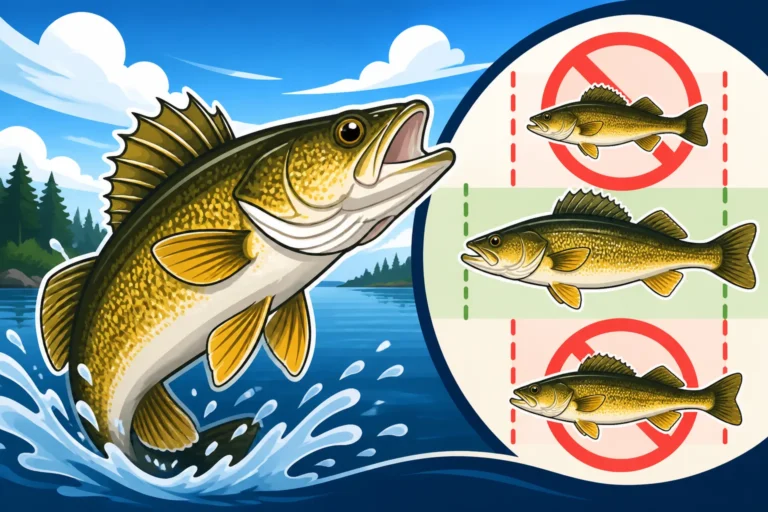
However, as we discussed, special regulations are common. Some border waters, like those shared with Wisconsin or Canada, might have slightly different openers or closers. Additionally, certain lakes might have specific catch-and-release periods, slot limits, or altered bag limits to manage their unique walleye populations. For instance, while the general season is long, specific regulations might dictate that you can only keep fish within a certain size range, or that you must immediately release all walleye over a certain length. This variation underscores the importance of checking local rules. For more details, you can always check out the specific guide on the When Is the Minnesota Walleye Opener 2026?.
Northern Pike Zones and Dates
Northern pike fishing in Minnesota is a bit more complex due to the “Pike Zones” system implemented by the DNR. These zones—Southern, Central, and Northern—each have different possession limits and sometimes slightly different season structures to account for varying pike populations and habitats.
For 2026, the general statewide northern pike season is expected to open concurrently with the walleye opener, on Saturday, May 9, 2026. Like walleye, the general season typically runs through late February of the following year. However, the limits within these zones are what truly differentiate them:
| Pike Zone | Season Length | Possession Limit | Protected Slot Limit (Example) |
|---|---|---|---|
| Southern | May 9, 2026 – Feb 28, 2027 | 10 | None (often liberal) |
| Central | May 9, 2026 – Feb 28, 2027 | 10 | 22-26 inches (release all) |
| Northern | May 9, 2026 – Feb 28, 2027 | 2 | 30-40 inches (release all) |
Note: These are general examples. Always verify exact slot limits and possession limits for your specific water body, as they can change annually. Some lakes within zones may have special regulations overriding the general zone rules.
The idea behind these zones is to reduce the number of smaller pike in the Southern and Central zones, allowing them to grow larger, while protecting larger, prime spawning pike in the Northern zone. This makes checking Minnesota Northern Pike Limits by Zone absolutely essential before you hit the water, as accidentally keeping a pike outside the legal slot can lead to serious penalties.
Largemouth and Smallmouth Bass Seasons
Bass fishing has exploded in popularity in Minnesota, and for good reason—our lakes hold some truly magnificent largemouth and smallmouth bass. The seasons for these feisty fighters are generally quite generous, though they do have a dedicated opener.
For 2026, the statewide bass season (both largemouth and smallmouth) is expected to open on Saturday, May 9, 2026, coinciding with the walleye and pike openers for most waters. This usually kicks off a period where anglers can keep bass. However, many waters implement a continuous catch-and-release season for bass even before this date, meaning you can fish for them but must immediately release them unharmed. This catch-and-release period often runs from the general game fish opener until the specific "keep" opener.
The general season typically runs through late February of the following year. As with other species, always consult the regulations for your specific lake, as some trophy bass waters might have more restrictive slot limits or year-round catch-and-release rules to protect their big fish. Anglers keen on bass will find detailed information in the Minnesota Bass Season (New 2026 Catch-and-Release) guide, which delves into the nuances of these regulations.
Panfish and Perch: Year-Round Fun (Mostly)
Panfish, including crappie and sunfish, along with yellow perch, offer some of the most accessible and consistently fun fishing opportunities in Minnesota, often available for extended periods.
Crappie and Sunfish Regulations
Crappie (both black and white) and sunfish (bluegill, pumpkinseed, green sunfish, etc.) are beloved by anglers of all ages and skill levels. The great news is that for most Minnesota waters, the **general season for crappie and sunfish is continuous, meaning they are open year-round for fishing**. This makes them fantastic targets for open-water fishing, ice fishing, and everything in between.
While the season is continuous, bag limits are crucial. The statewide possession limits for sunfish are typically 20, and for crappie, it's usually 10. However, many lakes across Minnesota have special panfish regulations with reduced bag limits to prevent overharvest and promote larger fish sizes. For example, a lake might have a sunfish limit of 5 or 10, or a crappie limit of 5. These special regulations are becoming increasingly common as the DNR works to protect and improve panfish populations. Always check the lake-specific regulations, because exceeding these limits, even by one fish, is a violation. Don't get caught off guard; consult Minnesota Crappie & Sunfish Limits before you head out.
Yellow Perch: Often Open All Year
Yellow perch are another fantastic and popular species in Minnesota, known for their delicious fillets and willingness to bite. Like crappie and sunfish, the **general season for yellow perch is continuous, meaning they are open for fishing year-round** on most waters.
The statewide possession limit for yellow perch is typically 20. However, specific lakes may also have reduced limits, particularly those managed for trophy perch. Always double-check the regulations for your chosen fishing spot. Perch are often a staple of ice fishing, providing plenty of action during the cold months. Their continuous season makes them a reliable target when other species might be out of season or harder to locate.
Trout and Salmon: Cold Water Opportunities
Minnesota might be known for its walleye, but it also offers incredible trout and salmon fishing, particularly in the cold, clear waters of the North Shore and the spring-fed streams of the Driftless Area.
Lake Trout and Stream Trout Seasons
Trout fishing in Minnesota is a bit more nuanced, with distinct seasons for lake trout and stream trout (brook, brown, and rainbow).
For lake trout, the season varies depending on whether you're fishing inland lakes or Lake Superior. On inland lakes, the general season typically opens on Saturday, May 9, 2026, and runs through late October. Some lakes, especially in the Boundary Waters Canoe Area Wilderness (BWCAW), might have a later opener to protect spawning fish or different closing dates. In Lake Superior, the lake trout season is generally continuous, but with specific regulations and quotas that anglers must adhere to, especially regarding size and bag limits.
For stream trout (brook, brown, and rainbow trout in designated trout streams), the season typically opens on Saturday, April 11, 2026, for catch-and-release fishing, with a harvest season usually starting later, around mid-May. The season often extends through mid-September or later, depending on the stream and specific regulations. Many trout streams also have special regulations, including single-hook artificial lure only rules, and catch-and-release requirements for certain stretches. Always consult the official DNR regulations for the specific stream you plan to fish. You can find more detailed information on Minnesota Trout Season Dates & Streams.
North Shore Salmon and Steelhead
The North Shore of Lake Superior offers unique opportunities for various salmon species and steelhead (rainbow trout) as they migrate into tributary rivers. The seasons for these anadromous fish are tied to their migratory patterns.
For Chinook and Coho salmon in Lake Superior and its tributaries, the season is often continuous year-round, but specific rules apply to how far up rivers you can pursue them, especially during spawning runs. The tributaries themselves usually have specific seasons that coincide with fish movement, often opening in the spring and again in the fall.
Steelhead, which are migratory rainbow trout, typically have an early spring season in North Shore tributaries, often opening around Saturday, April 11, 2026, primarily as a catch-and-release fishery to protect these prized fish during their spawning runs. A fall season might also be available. Lake Superior itself has a continuous season for steelhead, but again, check the regulations for specific size and bag limits. The complexity of these seasons highlights why reading the most current regulations for the North Shore is critical before planning a trip.
Unique Minnesota Fish: Sturgeon, Muskie, and Catfish
Beyond the mainstream species, Minnesota is also home to some truly unique and exciting fish, each with their own specialized seasons and rules.
Muskie Season: The Fish of 10,000 Casts
Muskellunge, or muskie, are the apex predators of many Minnesota lakes, revered for their elusive nature and incredible fighting power. The **statewide muskie season typically opens on the first Saturday in June, which for 2026 would be Saturday, June 6, 2026**, on most waters. This allows the fish to complete their spawning cycle largely undisturbed. The season then generally runs through early December.
Muskie fishing is almost exclusively a catch-and-release sport for most anglers, given the high minimum size limits (often 48-54 inches) and the dedication required to land one. Some trophy lakes have even higher minimum size limits or year-round catch-and-release mandates. It's crucial to understand Minnesota Muskie Season & Size Limit thoroughly, as improper handling or keeping an undersized muskie can be detrimental to these fragile populations. Many anglers will spend entire seasons pursuing just one of these magnificent fish, making every interaction precious.
Lake Sturgeon: A Conservation Success Story
Lake sturgeon, ancient giants of Minnesota’s rivers, represent a remarkable conservation success story. Once nearly wiped out, their populations are now thriving in certain systems like the Rainy River. Sturgeon seasons are highly specific and often very limited to protect these slow-growing, long-lived fish.
For the Rainy River and Lake of the Woods, the sturgeon season usually has a spring catch-and-release period, followed by a short harvest season in late spring, and then another catch-and-release period in late summer, with a fall harvest season. For 2026, you can expect a similar structure, with a typical spring catch-and-release season opening around mid-June, a short harvest season in late June/early July, and then a fall harvest season opening in early September. Specific dates and regulations, including mandatory tagging if you plan to keep one, are extremely important to verify for these rare fish. You'll need to consult Lake Sturgeon Regulations & Tag in Minnesota for all the nitty-gritty details.
Catfish: River Giants
Channel and flathead catfish are abundant in Minnesota’s larger rivers, offering exciting fishing opportunities, especially for those who enjoy fighting powerful fish. The great news is that for most of Minnesota’s border waters and major rivers (like the Mississippi, Minnesota, and St. Croix Rivers), the **catfish season is generally continuous, open year-round**.
While the season is open, always check for specific bag and size limits, which can vary by water body. Catfish are excellent table fare and provide fantastic action throughout the warmer months and even into late fall. Their continuous season makes them a reliable target when other species might be less active or out of season. Many anglers find the slower pace of catfishing on a warm summer evening to be incredibly relaxing and rewarding.
Ice Fishing: A Minnesota Tradition
When the lakes freeze over, Minnesota doesn’t stop fishing; we just switch gears to ice fishing! This beloved winter tradition offers unique angling experiences, but it also comes with its own set of rules and considerations, especially regarding ice shelters.
General Ice Fishing Dates
The beauty of Minnesota’s general fishing seasons is that many species remain open through the ice. As noted earlier, walleye, northern pike, crappie, sunfish, and perch seasons generally extend through late February of the following year. This means that once safe ice forms, anglers can continue to pursue these species. However, **the start of the ice fishing season is entirely dependent on ice safety**, not a set date. There’s no “opener” for ice fishing itself, rather it’s dependent on the individual lake or body of water freezing to a safe thickness.
The timing of "first ice" varies greatly across the state, with northern lakes freezing up weeks before those in the south. Always prioritize safety: never venture onto ice that isn't at least four inches thick for foot travel, and always be aware of changing conditions. Knowing Minnesota Ice Fishing & Shelter Rules is just as important as knowing the seasons for the fish you're targeting.
Ice Shelter Removal Deadlines
While ice fishing is a year-round extension for many species, leaving your ice shelter on the ice indefinitely is not permitted. The DNR establishes strict deadlines for removing ice shelters to ensure the safety of spring anglers and boaters, and to prevent shelters from becoming navigational hazards or sources of pollution when the ice melts.
For 2026, the statewide deadlines for ice shelter removal are typically March 1 for lakes in the southern two-thirds of the state, and March 16 for lakes in the northern third. These dates are non-negotiable, and shelters left on the ice past the deadline are subject to removal by the DNR, with potential fines and recovery costs for the owner. It's an annual scramble for many, often requiring planning around unpredictable late-winter weather. You can find the precise dates and zone boundaries in the Ice Shelter Removal Deadlines in Minnesota guide, which is critical for every ice angler.
Navigating Regulation Changes and Resources
Minnesota’s fishing regulations are designed to be dynamic, adapting to scientific data, fish population trends, and environmental factors. This means that while many rules remain consistent, changes do occur. Staying informed is your responsibility as an angler.
Staying Up-to-Date on 2026 Rules
The most significant piece of advice for any Minnesota angler is this: **never rely solely on memory or anecdotal information for fishing regulations.** Always consult the official, most current Minnesota fishing regulations. While this guide provides a solid foundation, the DNR can issue in-season changes or fine-tune rules before the season officially opens.
The primary resource is the Minnesota Fishing Regulations booklet, published annually by the DNR. It's available for free wherever fishing licenses are sold, and a digital PDF version is accessible on the DNR website. Additionally, the DNR's "LakeFinder" tool is invaluable for checking specific regulations for individual lakes and rivers. Before every trip, especially to a new body of water, take a few minutes to confirm the current rules. This proactive approach saves you headaches and helps protect our fisheries. Keep an eye out for Minnesota Fishing Regulations Changes for 2026, which the DNR usually announces well in advance of the season.
Essential Resources for Anglers
Beyond the regulations booklet, several resources can help Minnesota anglers stay informed and maximize their fishing success:
- Minnesota DNR Website: The official source for all regulations, licensing information, fish consumption advisories, and weekly fishing reports. It's a goldmine of information.
- DNR LakeFinder: An interactive online tool that allows you to search for specific lakes and view their unique regulations, fish stocking reports, and survey data.
- Fishing License Vendors: Local bait shops, sporting goods stores, and county auditors often have printed regulations booklets and staff who can answer general questions.
- Online Forums and Social Media Groups: While not official sources, these communities can be great for learning about current fishing conditions, hot bites, and sharing information (but always double-check official regulations!).
By utilizing these resources, you ensure you're always fishing within the legal framework, contributing to sustainable fisheries, and most importantly, making the most of your time on Minnesota's beautiful waters.
Disclaimer
Please note that while every effort has been made to provide accurate and up-to-date information for Minnesota fishing seasons and opener dates for 2026, regulations can change. It is the angler’s sole responsibility to consult the official Minnesota Department of Natural Resources (DNR) fishing regulations handbook or website for the most current and specific rules pertaining to their chosen body of water before engaging in any fishing activity. This guide is for informational purposes only and should not be considered a substitute for official DNR publications.