Best Tungsten Jigs for Panfish
There's nothing quite as frustrating as watching panfish on your ice fishing flasher, tantalizingly close, but your traditional lead jig just isn't getting their attention. Or worse, it takes ages to drop back down to the fish you just saw on the screen, missing precious opportunities. This happens to the best of us, and it's often because our tackle isn't optimized for the subtle game of panfishing. This comprehensive guide will dive deep into the world of tungsten jigs, explaining why they've become an indispensable tool for Minnesota anglers targeting crappies, bluegills, and perch, and how to choose and use them effectively to turn those frustrating marks into fish on the ice.
Why Tungsten Jigs Are a Game Changer for Panfish
For decades, lead jigs were the standard, and they still catch fish, no doubt. But once you make the switch to tungsten, you'll quickly realize why so many serious panfish anglers refuse to go back. It's all about density, and that density translates into some serious advantages on the ice. Tungsten jigs have revolutionized how we approach these often-finicky fish, especially in deeper water or when fishing becomes a cat-and-mouse game.
The Density Advantage: Getting Down Fast
The most significant benefit of tungsten is its incredible density. Tungsten is significantly denser than lead, which means a tungsten jig of the same physical size as a lead jig will weigh much more. This simple fact has profound implications for your fishing. Imagine you're ice fishing on Lake Minnetonka, and you're marking crappies suspended at 25 feet. With a traditional lead jig, it might take a noticeable amount of time for your bait to sink to that depth, especially if there's any current or strong wind affecting your line. That's time wasted, and in panfishing, every second counts.
With a tungsten jig, that same physical size now has much more mass, allowing it to plummet through the water column at an astonishing rate. This rapid descent is crucial for a couple of reasons. First, it gets your bait into the strike zone faster, increasing your active fishing time. Second, if you miss a fish or pull your jig up to check your bait, you can get it back down to the exact depth where you marked that fish almost instantly. This quick-drop capability is a true game-changer, allowing you to stay on aggressive schools and capitalize on every opportunity. It really makes a difference when those fish are only active for short windows, as panfish often are.
Enhanced Sensitivity and Feel
Another incredible advantage of tungsten's density is the vastly improved sensitivity it offers. Because the jig is heavier for its size, it creates a much better connection with your fishing line and rod tip. This means you can feel the subtle "thump" of a bluegill inhaling your jig, even if it's barely opening its mouth. You'll detect light bites that you might have completely missed with a less dense lead jig, especially in deeper water or on windy days where line slack can be an issue.
This heightened sensitivity isn't just about feeling bites; it's also about feeling the bottom, detecting subtle changes in structure, or knowing exactly when your jig is resting on the muck. This feedback allows you to present your bait more accurately and react quicker to any interaction. When you're fishing for crappies that might just "mouth" the bait, or small perch that have an almost imperceptible nibble, that extra sensitivity provided by a tungsten jig can be the difference between catching fish and going home empty-handed. For more on maximizing your chances, check out our guide on Crappie & Panfish Fishing Techniques.
Appearing Larger on Your Electronics
This is perhaps one of the most underappreciated benefits of tungsten jigs. When you're staring at your flasher or fish finder screen, you want to see a clear, strong return from your jig. A larger, denser object reflects more sonar waves, resulting in a brighter, more distinct signal on your display. Since a tungsten jig is heavier than a lead jig of the same size, it presents a more prominent "blip" on your screen, even if it's still a tiny offering for the fish.
Why is this important? Because it allows you to track your jig with incredible precision. You can see its exact depth, how it moves, and most importantly, how fish react to it. When you're trying to entice a finicky bluegill, being able to watch it approach your bait and seeing your jig's precise location relative to the fish is invaluable. It helps you determine if you need to lift the jig, drop it, or hold it still. This visual feedback on your electronics, like a Vexilar, Humminbird, or Garmin unit, makes subtle presentations much easier to execute. Learning How to Read a Flasher (Vexilar/Humminbird) effectively will certainly enhance your tungsten jigging game.
Understanding Tungsten Jig Styles and Shapes
Tungsten jigs come in a dizzying array of styles, shapes, and colors, each designed for specific presentations and fish behaviors. While the basic principle of density remains the same, understanding these variations can help you match the hatch and increase your catch rate. Don't be overwhelmed; start with a few versatile options and expand as you gain confidence.
Teardrop and Round Jigs: Versatile Staples
When you first start exploring tungsten jigs, you'll likely encounter teardrop and round shapes more often than not. These are the bread and butter of panfish jigging, and for good reason: they are incredibly versatile and effective in a wide range of situations. A classic teardrop jig, for example, has a broad face that allows it to displace water slightly as you jig it, creating a subtle action that can mimic small insects or crustaceans. Their compact profile ensures a fast drop, making them excellent choices for aggressive fish or when you need to get your bait down quickly.
Round jigs, sometimes called "ball jigs," offer a slightly different presentation. They tend to have a very uniform sink rate and provide a stable platform for your bait. Many anglers prefer round jigs when deadsticking or for a more subtle, less erratic presentation. Both teardrop and round jigs are fantastic for tipping with a single waxworm, a couple of spikes, or a tiny piece of plastic. Brands like Northland Tackle and VMC offer excellent options in these classic shapes, easily found at any well-stocked tackle shop or online at retailers like Bass Pro Shops.
Horizontal vs. Vertical Jigs: Presentation Matters
Beyond the basic shape, one of the most important distinctions in tungsten jigs is whether they present horizontally or vertically in the water. This isn't just an aesthetic choice; it dramatically affects how your bait moves and how fish perceive it.
-
Vertical Jigs: These jigs are designed to hang perfectly upright when suspended, with the hook pointing straight down. This vertical presentation is excellent for mimicking small swimming insects or a tiny minnow that's nose-down. The compact profile and weight distribution mean they drop very fast and maintain a stable orientation. They're particularly effective when fish are active and willing to chase a bait. Many anglers prefer vertical jigs when targeting aggressive crappies or larger perch that are feeding on specific baitfish.
-
Horizontal Jigs: In contrast, horizontal jigs are designed to suspend flat in the water, with the hook pointing to the side. This presentation excels at mimicking small foraging insects, larvae, or a small baitfish swimming naturally. The broader profile can create more flutter on the drop, which can be a key trigger for finicky panfish. They often have a wider gap hook for better hook-ups. Horizontal jigs are often favored for bluegills, which feed by sucking in their prey, and the horizontal hook angle can be more conducive to a solid hookset. They also work wonderfully for deadsticking, offering a natural resting position for your bait.
Experimenting with both horizontal and vertical presentations is key to figuring out what the fish prefer on any given day. Sometimes a subtle shift in presentation can make all the difference, especially when you're dealing with pressured fish.
Specialty Shapes: Bugs, Flies, and Unique Profiles
While teardrops and rounds are workhorses, the world of tungsten jigs extends far beyond these simple forms. Manufacturers have gotten incredibly creative, developing specialty shapes that imitate specific forage or offer unique actions. You'll find tungsten jigs shaped like tiny insects, small flies, larval forms, and even more abstract "bug" patterns. These often feature intricate details, multiple colors, and sometimes even small rubber legs or wings to enhance their realism.
For instance, micro-mite or "bloodworm" style jigs are designed to mimic aquatic worms and can be deadly for bluegills and perch, especially when paired with a tiny plastic or a single spike. "Spider" jigs with multiple tungsten beads can create a unique, segmented look and rattle subtly. Some designs incorporate small fins or wider bodies to create more erratic darting or gliding actions when jigged. These specialty shapes are fantastic when you need to precisely "match the hatch" or when fish are being particularly selective. They often come in incredibly small sizes, sometimes down to 3mm or 4mm, requiring extremely light line and sensitive rods to fish effectively. Consider these when you're struggling to get bites on more conventional shapes, and remember to keep your presentation as natural as possible.
Pairing Tungsten Jigs with Baits and Plastics
The tungsten jig is only half the equation; what you put on the hook is just as, if not more, important. The right combination of jig and bait can unlock an incredible bite, while the wrong one can leave you staring at your flasher wondering what went wrong. The beauty of tungsten jigs is their small profile, which allows for incredibly subtle and natural presentations with a variety of offerings.
Live Bait Rigs: Minnows, Waxworms, and Spikes
For many panfish anglers, live bait remains king, and tungsten jigs are perfectly suited for presenting these natural treats. The small, dense body of the tungsten jig doesn't overpower the delicate action of live bait, allowing it to move enticingly in the water.
-
Minnows: While perhaps more commonly associated with walleye fishing, small shiner or fathead minnows can be deadly for crappies and larger perch, especially when they're feeding aggressively. A vertical tungsten jig with a larger hook (think #10 or #12) through the minnow's lip or back is a fantastic presentation. The fast drop of tungsten gets the struggling minnow down quickly to waiting fish. This is often an effective strategy on deeper lakes where crappies suspend.
-
Waxworms: These soft, juicy grubs are a classic bluegill and perch bait. A single waxworm threaded onto a small tungsten teardrop or horizontal jig (sizes #14 to #10 are common) is an irresistible offering. The jig's density ensures it reaches the fish quickly, while the waxworm provides natural scent and movement. Many anglers will tip a jig with 2-3 waxworms to create a bulkier profile and a more appealing scent trail.
-
Spikes (Mousses): These tiny, wriggling larvae are fantastic for finicky panfish. Their small size makes them perfect for micro tungsten jigs, down to sizes as small as #16 or #18. A couple of spikes on a tungsten jig create a subtle, lifelike presentation that even the most pressured bluegills or crappies can't resist. They're also quite durable and can withstand multiple bites. Don't be afraid to experiment with tipping multiple spikes to create a "ball" of bait. For more ideas on what to thread on your hook, our guide on Best Bait for Ice Fishing Crappie provides excellent insights.
Soft Plastics: Micro-Finesse for Finicky Panfish
The rise of micro-soft plastics has gone hand-in-hand with the popularity of tungsten jigs. These tiny artificial baits offer incredible versatility, durability, and a wide range of colors and profiles that often outperform live bait, especially in situations where fish prefer an active presentation or when you want to avoid bait stealers.
-
Grubs and Tails: Tiny curly-tail grubs, paddle-tail grubs, or straight-tail plastics are fantastic when paired with tungsten jigs. The jig provides the weight, and the plastic provides the action. A gentle twitch of the rod tip can make a micro-grub's tail pulsate, enticing strikes. Brands like Maki Plastic, Clam Tackle, and Custom Jigs & Spins offer a vast selection of these tiny plastics, often impregnated with scent for added appeal.
-
Creature Baits: Beyond simple grubs, there's a world of micro creature baits designed to mimic insects, larvae, or other invertebrates. Think tiny "spiders," "mayflies," "minnows," or "shrimp" profiles. These plastics often have multiple appendages that create subtle movements with minimal rod action, which is perfect for enticing cautious panfish.
-
Scented Plastics: Many modern micro-plastics come infused with fish attractant scents. While not a replacement for live bait, this added scent can make a significant difference, especially in stained water or when fish are hesitant to commit. The combination of a natural profile, enticing action, and a lingering scent can be incredibly effective. Make sure your jig's hook is exposed for optimal hook-ups.
Scented Baits and Attractants for Added Appeal
Sometimes, fish need a little extra persuasion beyond sight and movement. That's where scented baits and attractants come in. While many plastics are pre-scented, you can enhance any jig-and-bait combination with external attractants.
-
Gel and Spray Scents: Products like Berkley Gulp! Alive! or Smelly Jelly come in various formulas designed to attract different species. A dab of gel or a quick spray on your tungsten jig and bait (live or plastic) can create a scent trail in the water, drawing fish in from a wider area and encouraging them to hold onto the bait longer once they bite. This is especially useful on slow days or in low visibility conditions.
-
Gulp! Baits: Berkley Gulp! is a category unto itself. While technically a soft plastic, Gulp! is biodegradable and releases a powerful scent cloud. Gulp! Alive! Waxies, Minnows, or Maggots are incredibly effective when threaded onto tungsten jigs, combining the durability and action of a plastic with the intense scent of a live bait. They're a fantastic alternative to carrying live bait, especially on longer trips.
Remember, the goal is to create a presentation that is both visually appealing and draws fish in with scent. A strategically applied attractant can turn a looker into a taker, especially when fishing for pressured panfish in Minnesota's popular lakes.
Key Considerations When Choosing Tungsten Jigs
Stepping into a tackle shop or browsing online for tungsten jigs can be overwhelming. There are so many options! But by focusing on a few key considerations, you can narrow down your choices and select the best jigs for your specific panfishing needs. It's not just about the tungsten; it's about the entire package.
Hook Size and Quality: Crucial for Hook-Ups
The hook is arguably the most critical component of any jig. You could have the perfect tungsten body, but if the hook is dull, weak, or the wrong size, you'll be missing fish.
-
Size Matters: For panfish, you'll typically be looking at incredibly small hook sizes, ranging from a #18 all the way up to a #8 or #6 for larger crappies or perch. The key is to match the hook size to the size of the fish's mouth and the bait you're using. A hook that's too large will deter bites, while one that's too small might not hold a larger fish. Consider the overall profile; a tiny tungsten jig might have a relatively large hook to ensure a good bite and hook-up.
-
Sharpness is Non-Negotiable: Panfish often have delicate mouths, and their bites can be subtle. A razor-sharp hook is essential for penetrating quickly and securing a solid hookset. Always check new jigs for sharpness and carry a small hook sharpener to maintain an edge throughout your fishing day. Many premium tungsten jigs from brands like VMC, Clam, and Northland come with high-quality, chemically sharpened hooks right out of the package.
-
Strength and Durability: While panfish generally aren't known for their brute strength, a flimsy hook can bend or break, especially when you encounter an unexpected walleye or a trophy pike. Look for jigs with strong, high-carbon steel hooks that can withstand a bit of abuse and hold their point. This is especially true if you plan on fishing for larger panfish or in areas where bigger predators might intercept your lure.
Color Selection: Matching the Hatch and Water Conditions
Color can be a powerful trigger for panfish, and tungsten jigs come in every hue imaginable. Choosing the right color often depends on several factors: the natural forage, water clarity, light conditions, and even the mood of the fish.
-
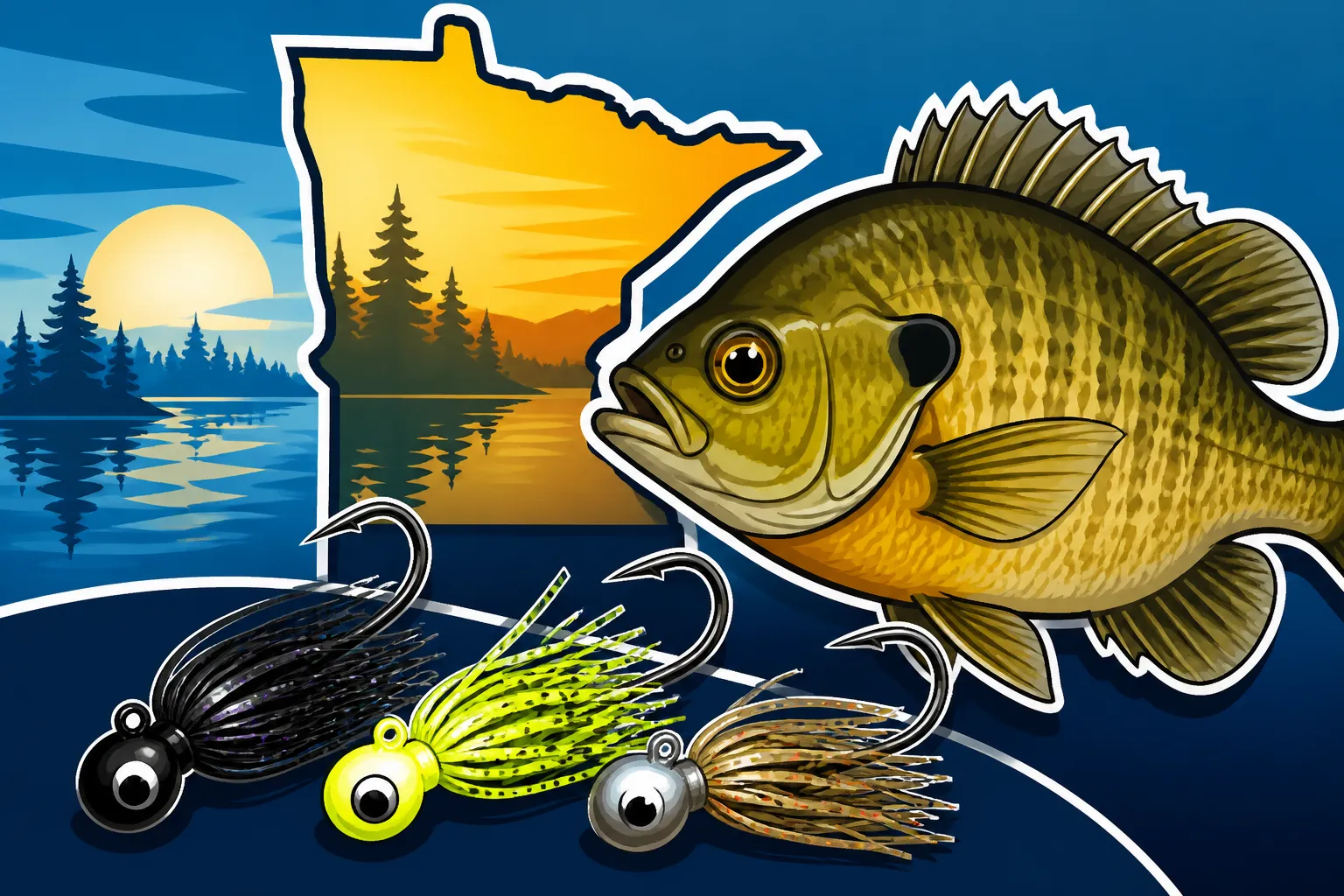
Natural Colors: When fish are finicky or the water is very clear, natural colors often perform best. Think browns, greens, black, white, and subtle metallics like gold or silver. These colors mimic the natural insects, crustaceans, and baitfish that panfish feed on. For example, a brown tungsten jig with a waxworm can perfectly imitate a grub on the bottom.
-
Bright and Fluorescent Colors: In stained or murky water, low light conditions (like dawn, dusk, or heavily overcast days), or when fishing aggressively, bright and fluorescent colors can be incredibly effective. Chartreuse, orange, pink, and bright green stand out more and can draw fish in from a distance. Sometimes, an "ugly" bright color can trigger a reaction strike from fish that aren't actively feeding. Don't be afraid to experiment with these colors, especially when you're struggling to get bites on natural presentations.
-
Contrasting Colors: Often, a jig with two contrasting colors (e.g., a black head with a chartreuse body, or a red head with a white body) can be more appealing than a solid color. The contrast can create a "hot spot" that fish key in on. Pay attention to what colors seem to be working for other anglers or what the local tackle shop staff recommend for specific Minnesota lakes. Our guide on Best Jig Color for Walleye in Stained Water offers some transferable concepts about color theory for different conditions.
Glow and UV Finishes: The Low-Light Edge
In the world of ice fishing, light conditions are often subdued, especially under thick ice or during low-light hours. This is where glow-in-the-dark and UV-reactive finishes become incredibly valuable.
-
Glow-in-the-Dark: Jigs with glow paint absorb light (from a flashlight, camera flash, or dedicated charging light) and then emit it, creating a visible beacon underwater. This is absolutely deadly for panfish, especially crappies, which often feed actively in low light. A glowing jig can be seen from a greater distance, drawing curious fish closer. Recharge your glow jigs frequently for maximum effect, usually every 5-10 minutes.
-
UV-Reactive: Ultraviolet (UV) light penetrates water deeper than visible light. UV-reactive jigs reflect UV light, making them more visible even in deep, dark, or stained water where visible light struggles to penetrate. Many jigs feature UV additives in their paint or plastic components. While you can't "charge" a UV jig like a glow jig, its reflective properties are constantly at work, making it a great choice for deeper water or on overcast days. A lot of panfish forage naturally reflects UV light, making these jigs appear more natural to fish.
Having a selection of glow and UV jigs in your tackle box is a must for any serious panfish angler, especially when ice fishing. They provide that extra visual edge that can turn a slow day into a successful one.
Top Tungsten Jig Brands and Where to Find Them
The popularity of tungsten jigs means there are dozens of brands on the market, each with its loyal followers. While many generic options exist, focusing on reputable brands often ensures better hook quality, paint durability, and consistent performance. Knowing where to look will also save you time and ensure you get the best selection.
Established Brands and Their Panfish Offerings
Several brands have risen to the top in the tungsten jig market, consistently delivering quality and innovation.
-
Clam Outdoors: A household name in ice fishing, Clam offers an extensive line of tungsten jigs under their Clam Pro Tackle banner. Their Drop-Kick, Drop-Jig, and Leech Flutter Spoon (while not strictly a jig, often tipped for panfish) are incredibly popular. Clam jigs are known for their sharp, high-quality hooks and a wide array of vibrant colors, including many glow and UV options. They are readily available at major sporting goods stores across Minnesota.
-
VMC: A global leader in hooks, VMC's Tungsten offerings are top-notch. Their Tungsten Larvae, Tungsten TKO, and Tungsten Teardrop jigs are favorites among panfish anglers. VMC uses premium hooks that are incredibly sharp and durable. Their jigs often feature vibrant, chip-resistant paint jobs and glow finishes that last. You can find VMC jigs in most fishing sections of stores like Bass Pro Shops or online at Amazon.
-
Northland Fishing Tackle: Another Minnesota-based powerhouse, Northland has been a staple for anglers for decades. Their Gill-Getter, Bro Bug, and Mud Bug jigs are legendary for panfish. Northland offers a fantastic balance of quality and affordability, with many innovative designs. They are widely distributed and can be found almost anywhere fishing tackle is sold.
-
Custom Jigs & Spins: Known for their unique designs and effective lures, Custom Jigs & Spins offers excellent tungsten options like the Chekai and the Majmun. These often feature distinctive shapes and actions that can entice bites when other jigs fail.
When choosing between brands, consider the specific jig style you're looking for, the available colors, and of course, the hook quality. It's often worth paying a little more for a premium tungsten jig with a superior hook, as it will lead to more landed fish in the long run.
Shopping for Jigs: Online vs. Local Tackle Shops
Where you buy your tungsten jigs can impact your selection, price, and overall experience. Both online retailers and local tackle shops offer distinct advantages.
-
Local Tackle Shops: Your independent, local Minnesota tackle shop is an invaluable resource. Staff often have firsthand knowledge of what jigs and colors are working best on nearby lakes, like Lake Vermilion or Leech Lake, and can offer personalized advice based on current conditions. You can physically inspect the jigs, check hook sharpness, and support a local business. Shops like Thorne Bros. in Blaine or Joe's Sporting Goods in St. Paul are fantastic places to get expert advice and see the jigs in person. They might also carry smaller, boutique brands that you won't find at larger retailers.
-
Online Retailers: Websites like Amazon, Cabela's, and Bass Pro Shops offer an unparalleled selection of tungsten jigs from virtually every brand imaginable. You can often find competitive prices, especially if you're buying in bulk, and it's convenient to shop from home. However, you can't inspect the product before it arrives, and advice is limited to reviews. Online is excellent for stocking up on proven favorites or exploring new brands that might not be available locally. Always check shipping times, especially if you need jigs for an upcoming trip.
A balanced approach often works best: get local advice and support your community for specific recommendations, then use online stores for bulk purchases or hard-to-find items. No matter where you shop, always prioritize hook quality and paint durability, as these are critical for the jig's performance.
Mastering Tungsten Jigging Techniques for Panfish
Having the best tungsten jigs in your tackle box is only half the battle. Knowing how to effectively present them is what truly separates successful anglers from those who struggle. Panfish often require a delicate touch and a keen understanding of their behavior.
Active Jigging and Deadsticking Strategies
The beauty of tungsten jigs is their versatility, allowing for both aggressive and subtle presentations. Mastering both active jigging and deadsticking will make you a more well-rounded panfish angler.
-
Active Jigging: This technique involves imparting movement to your jig to attract fish. With a sensitive Best Ice Fishing Rods for Walleye & Panfish and light line, you can make a small tungsten jig dance. Start with a series of short, sharp lifts (an inch or two) followed by a pause. The fast fall of the tungsten allows for a quick snap, followed by a slight flutter on the way down. Watch your flasher closely. If fish approach, try subtle changes: longer pauses, tiny twitches, or a slow lift. Sometimes, a series of quick snaps followed by a long pause (5-10 seconds) is what it takes to trigger a strike, especially for bluegills or crappies. Don't be afraid to experiment with the cadence and intensity of your jigging; what works one day might not work the next. This is a common strategy when How to Catch Crappie Through the Ice in Minnesota.
-
Deadsticking: Often, the most effective presentation for finicky panfish is no presentation at all. Deadsticking involves suspending your tungsten jig perfectly still, or with the most minimal movement possible. This can be achieved by resting your rod on a bucket, using a rod holder, or simply holding it still. The tungsten jig's dense nature means it hangs perfectly vertical or horizontal, mimicking a natural, unassuming piece of forage. This technique is deadly when fish are shy, heavily pressured, or in a neutral mood. Often, a tiny breeze on your line or the natural sway of the ice house is enough to impart just the right amount of subtle action. Many anglers will set up multiple holes, actively jigging in one while deadsticking in another, allowing the fish to tell them what they prefer. Remember, sometimes less is more, especially for bluegills.
Reading Your Electronics: Finding and Presenting to Fish
Your ice fishing electronics are your eyes underwater, and learning to interpret what they're telling you is crucial for tungsten jigging success. A quality flasher or fish finder will reveal fish, structure, and most importantly, how fish are reacting to your presentation. If you want to know more about the different types of electronics, check out our guide on Best Ice Fishing Flashers: Vexilar vs Humminbird vs Garmin.
-
Finding Fish: Use your electronics to locate schools of crappies, bluegills, or perch. Look for distinct marks at various depths, especially near weed lines, submerged humps, or drop-offs. Tungsten jigs, because of their strong sonar return, will show up clearly on your screen, allowing you to position your bait precisely above or in the middle of a fish school. Pay attention to how the fish relate to structure, as this often indicates their feeding patterns.
-
Presenting to Fish: Once you've located fish, your electronics become your most powerful tool for presentation. Lower your tungsten jig to a depth just above the fish you're targeting. Watch their reaction: do they rise up aggressively? Do they hold their depth but shy away? Or do they ignore your jig completely? If they rise, slowly lift your jig (often called "raising the bait") to entice a chase. If they shy away, drop your jig slightly or hold it perfectly still (deadsticking). The real magic happens when you can visually see a fish approach your jig and then adjust your presentation in real-time to trigger a bite. This is how you develop a "feel" for what the fish want on any given day.
-
Understanding the "Zone": Sometimes, fish will only bite within a very specific depth range, often called the "strike zone." Your electronics will help you identify this. If you see fish consistently hitting your jig at, say, 15 feet, but ignoring it at 12 or 18, then focus your efforts at that specific depth. Tungsten's fast sink rate allows you to quickly adjust your depth and stay in the zone, maximizing your chances. Fishing in Minnesota offers diverse opportunities, and understanding these subtle nuances can dramatically improve your success.
| Jig Type / Feature | Best for Species | Ideal Conditions | Typical Sizes | Pros | Cons |
|---|---|---|---|---|---|
| Teardrop | Crappie, Bluegill, Perch | All-around, versatile | #16 to #8 | Fast sink, subtle action, good hook-up | Can twist line if not tied correctly |
| Round (Ball) | Bluegill, Perch | Deadsticking, subtle bites | #18 to #10 | Stable presentation, good for bottom | Less action, can roll on uneven bottom |
| Horizontal | Bluegill, Crappie | Finicky fish, natural look | #16 to #8 | Excellent for micro-plastics, wide gap | Slower sink than vertical jigs |
| Vertical | Crappie, Perch, Walleye | Aggressive fish, deep water | #14 to #6 | Very fast sink, direct presentation | Can appear less natural for shy fish |
| Glow Finish | All Panfish | Low light, stained water | All sizes | Highly visible, attracts from distance | Requires frequent recharging |
| UV Finish | All Panfish | Deep water, overcast days | All sizes | Visible in deep/stained water, natural | Doesn't "glow" like traditional glow |
Disclaimer
Fishing regulations, seasons, and limits can change frequently in Minnesota. It is the angler's sole responsibility to consult the latest Minnesota Department of Natural Resources (DNR) fishing regulations handbook before heading out on the water. The information provided in this guide is for general informational purposes only and should not be considered a substitute for official DNR regulations. Always prioritize safety on the ice and water.