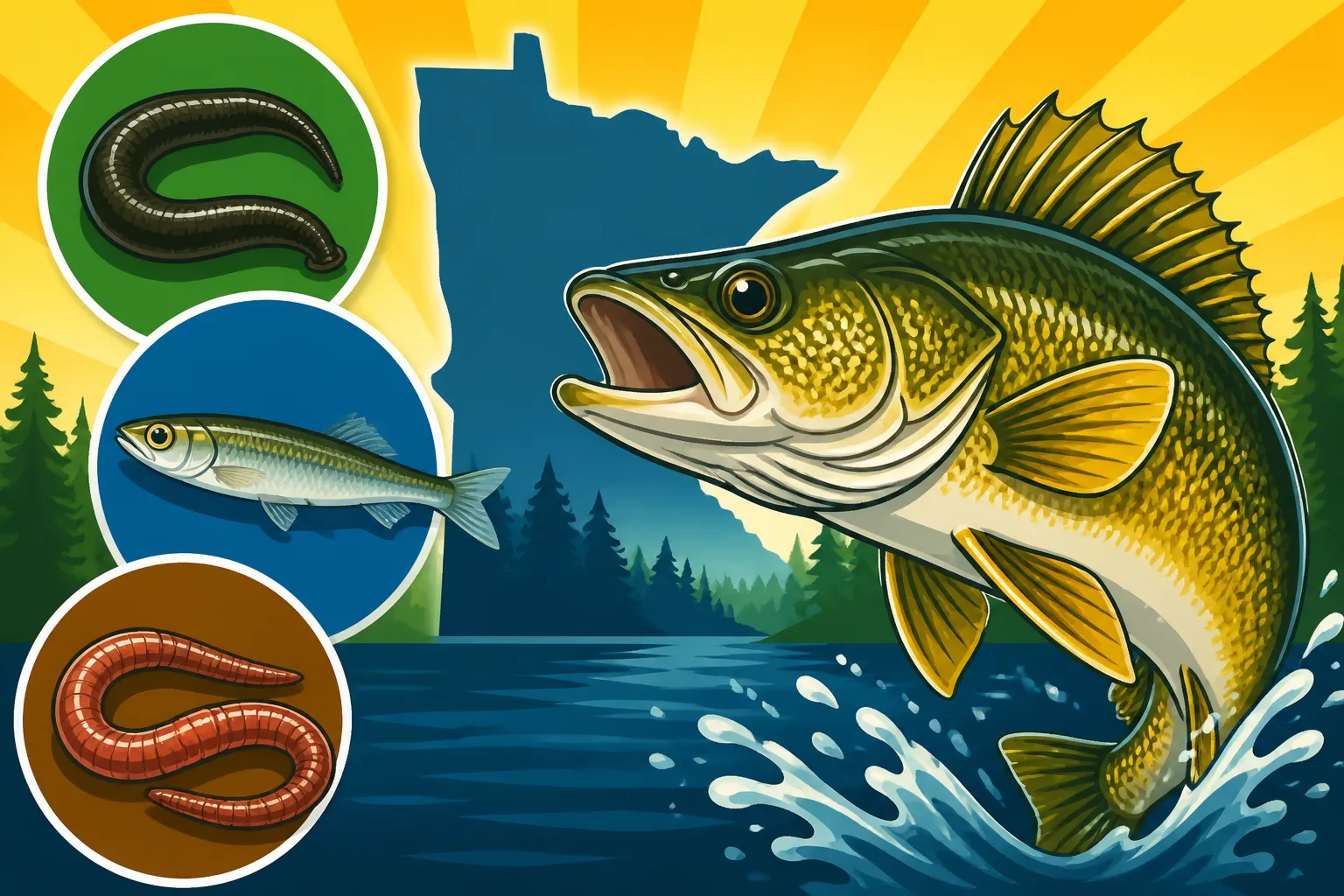
Best Live Bait for Walleye (Leeches, Minnows, Crawlers)
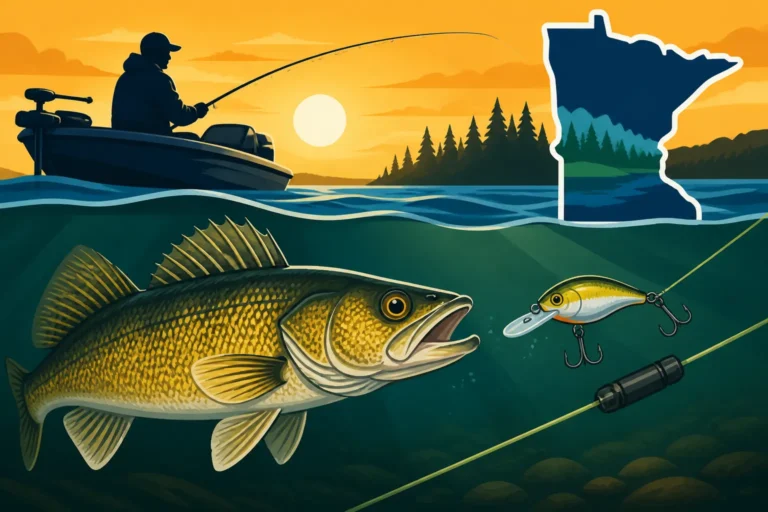
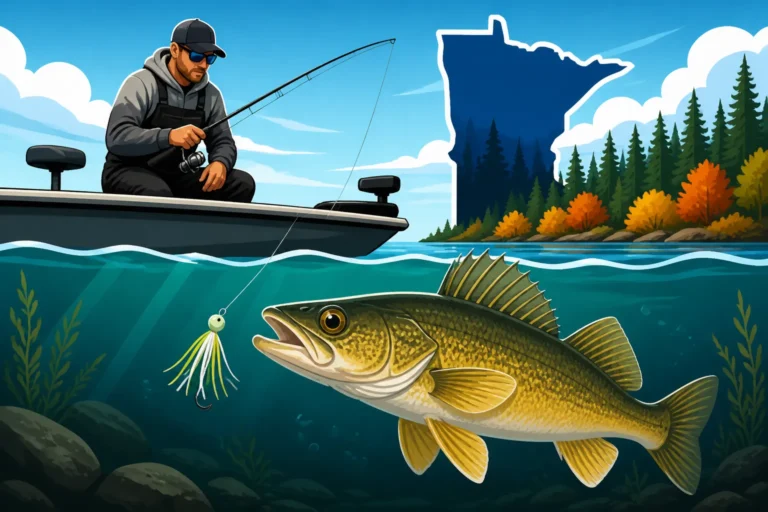
There is nothing quite as frustrating as pulling up to your favorite honey hole on Mille Lacs or Lake Winnibigoshish, seeing a screen full of fish on your electronics, and realizing you brought the wrong snack for the party. Minnesota walleyes are notoriously finicky, often switching their preferences based on a single degree of water temperature or the specific hatch of the week. This guide solves the mystery of live bait selection, ensuring you always have the right minnow, leech, or crawler to turn a slow day into a limit-filling memory.
The Seasonal Science of Minnesota Walleye Bait
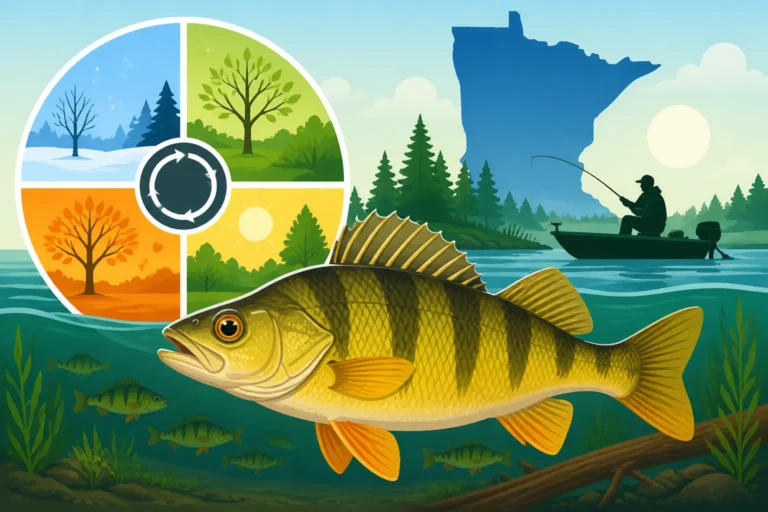
Understanding why a walleye eats what it eats requires a bit of empathy for the fish. In the land of 10,000 lakes, these predators are governed by their metabolism, which is dictated entirely by water temperature. In the early spring, when the ice has just retreated and the Minnesota Fishing Seasons & Opener Dates (2026) are fresh on everyone’s mind, the water is cold and the fish are sluggish. They want a high-protein meal that doesn't require a high-speed chase. This is the era of the minnow. As the sun begins to bake the shallows of lakes like Gull or Minnetonka, the aquatic ecosystem wakes up, bringing leeches and nightcrawlers into the menu.
During the transition from spring to summer, you will often find that the fish move from the shallow rocky points to the deeper weed edges. This migration is mirrored by their diet. A walleye that was smashing fathead minnows in May might completely ignore them by late June in favor of a jumbo leech swimming seductively on a slip bobber. If you aren't paying attention to these subtle shifts, you might find yourself fishing where the fish "used to be" with bait they "used to want." It is a classic Minnesota mistake that separates the veterans from the weekend warriors.
By the time we hit the "dog days" of August, the water is at its warmest, and the walleye's metabolism is red-lining. They are eating often, but they can afford to be picky because the lakes are teeming with young-of-the-year perch and various insect larvae. This is when the nightcrawler, specifically on a spinner rig, becomes the king of the lake. The vibration and flash of the blade combined with the scent of a juicy crawler is often the only thing that can trigger a strike when the fish are suspended and lethargic in the heat.
Spring Hunger and Fathead Minnows
In the weeks surrounding the When Is the Minnesota Walleye Opener 2026?, the fathead minnow is the undisputed champion of the bait shop. These little guys are hardy, inexpensive, and have a scent profile that screams "easy meal" to a post-spawn walleye. When you are fishing the rainy, cold mornings of May on a lake like Upper Red, you want a bait that stays active on the hook despite the chilly temperatures. Fatheads are perfect for this because they naturally thrive in cooler water and will continue to kick and struggle, sending out those tiny distress vibrations that walleyes pick up with their lateral lines.
Hypothetically, imagine you are hovering over a rock pile in 12 feet of water. The wind is whipping out of the northwest, and your hands are numb. A jig tipped with a fathead minnow allows you to fish slowly. You aren't ripping the bait through the water; you are dancing it, letting the minnow do most of the work. The walleyes this time of year aren't looking for a marathon; they want a snack they can inhale with a simple flare of their gills. If you find the bite is slow, try "pinching" the tail of the minnow. This releases more scent into the water and forces the minnow to swim more erratically, often triggering a reactionary strike from a hesitant fish.
Pros of fatheads include their durability and the fact that you can buy them by the scoop at almost any gas station in northern Minnesota. The downside? Once the water hits 60 degrees, their effectiveness drops off significantly. They simply don't have the "wow factor" that larger, more active baits provide during the summer growth spurt. If you're heading out early in the season, make sure you've brushed up on Walleye Fishing Techniques: Complete Minnesota Guide to ensure your jigging motion matches the slow-motion needs of a spring fathead.
Summer Transitions to Leeches and Nightcrawlers
As the lilac bushes finish blooming and the mosquitoes start to get serious, the walleye's palate shifts toward the "meat" of the summer. This is when the leech becomes the primary weapon for many successful anglers. Leeches are incredibly active in warm water, constantly stretching and curling, which creates a visual profile that is impossible for a walleye to ignore. Unlike minnows, which might tire out and hang limp on a hook, a healthy ribbon leech will work for you for twenty minutes or more, making it the ideal choice for slip bobber fishing over submerged rock humps or weed islands.
The transition isn't just about what the fish want to eat; it's about what the angler can keep alive. Minnows start to struggle in the warm surface temperatures of a summer boat live-well. Leeches, on the other hand, are remarkably resilient. You can keep them in a small "leech tamer" bag in your live-well, and they will stay lively all day. This is the time of year when people start looking for the Best Live Bait for Walleye (Leeches, Minnows, Crawlers) because the variety of options can be overwhelming. If you are fishing a lake with heavy timber or sharp rocks, a leech is often superior to a crawler because it stays on the hook better during accidental snags.
Nightcrawlers also come into their own during this period, especially when the fish move to the "mud" or deep flats. A nightcrawler on a Lindy Rig or a spinner harness is a classic Minnesota presentation that has accounted for more limits than perhaps any other method. The key here is the scent. As the crawler moves through the water, it leaves a trail that walleyes can follow from a distance. If you're struggling to find the fish, trolling crawlers at 1.0 to 1.2 mph is a fantastic way to cover water and locate active schools on huge basins like Mille Lacs.
Minnows: The Year-Round Staple
While seasons dictate preference, minnows are never truly "off" the menu. In Minnesota, we have access to several varieties, each with its own specific use case. From the common fathead to the prized emerald shiner, knowing which minnow to buy can be the difference between a "skunk" and a "limit." Many veteran anglers will actually carry two or three types of minnows in the boat, especially when fishing a new body of water or during a cold front when the fish are being particularly stubborn.
The "shiner bite" is a legendary phenomenon on lakes like Lake of the Woods or Rainy Lake. Emerald shiners are the preferred forage for walleyes in these systems, and when the shiners run in the fall or spring, the walleyes follow them in massive numbers. The problem is that shiners are notoriously difficult to keep alive. They require cold, highly oxygenated water. If you're planning a trip north, it's worth investing in a high-quality insulated bait bucket and a portable aerator, many of which can be found easily on Amazon for a reasonable price.
Minnows also vary in their "flash." A golden shiner or a spot-tail shiner has reflective scales that catch the sunlight, making them highly effective in clear water lakes like Ten Mile or Whitefish. In stained water, like the coffee-colored waves of the St. Croix River, the vibration of a fathead or the bulk of a large sucker minnow might be more important than the visual flash. Always consider the clarity of the water before you make your final selection at the bait shop counter.
Fatheads, Shiners, and Redbellies
The fathead minnow is the "bread and butter" of Minnesota bait. They are dark-colored, hardy, and walleyes love them. They are particularly effective when used with Jigging for Walleye: Jig & Minnow Basics. Because fatheads are relatively small, they don't overpower your jig, allowing for a natural presentation that mimics the small dace and minnows found in nearly every Minnesota watershed. They are also the go-to bait for "dead-sticking" through the ice, a technique where you leave a minnow on a hook under a bobber while you jig with another rod.
Shiners, specifically the Emerald and Spottail varieties, are the "filet mignon" of the minnow world. They have a slender profile and a silver sheen that walleyes can see from a great distance. However, they are fragile. If you don't have a good aerator, they will be belly-up before you even reach the boat launch. Many anglers prefer to use "salted shiners" if they can't get live ones, as the salt preserves the flash and scent while making the minnow more durable on the hook. On lakes with high clarity, a live spottail shiner is often the only thing a trophy walleye will commit to.
Redbellies (Dace) and Creek Chub are less common but can be "secret weapons" for big fish. A 5-inch creek chub is a massive meal, but if you are hunting for a wall-hanger on the Mississippi River or a deep lake trout lake, a big minnow is often the way to go. These larger minnows provide a lot of "kick," which sends out low-frequency vibrations that big walleyes can feel even in pitch-black water. If you're looking for information on how to handle these bigger fish, check out our guide on Minnesota Walleye Limit & Size Rules.
Maintaining Minnow Health in the Boat
There is a saying among Minnesota guides: "Dead bait catches dead fish." While that's not strictly true (salted shiners being the exception), a lively, kicking minnow is always superior. The biggest killer of minnows isn't the hook; it's the temperature of the water in your bucket. When the sun is beating down on the deck of your boat, that plastic bucket turns into a slow cooker. You need to change the water frequently or use an insulated container.
I personally recommend getting a high-quality aerator from Amazon to keep the oxygen levels high. Another pro tip is to keep a few frozen water bottles in your cooler. Every hour or so, drop a frozen bottle into your minnow bucket. This keeps the water temperature stable and prevents the minnows from going into shock. It’s a simple trick, but it can save you $20 in bait over the course of a hot afternoon. Also, avoid using tap water to refill your bucket, as the chlorine can kill your bait in minutes; always use the water from the lake you are currently fishing.
Lastly, be mindful of Aquatic Invasive Species (AIS) Rules for Boaters. In Minnesota, it is illegal to transport lake water away from a boat launch. This means you need to have a container of clean, "on-shore" water (like well water or aged tap water) in your vehicle to transfer your minnows into at the end of the day if you plan on keeping them for the next morning. Failing to do this can result in a hefty fine and, more importantly, the spread of zebra mussels or spiny water fleas to other lakes.
Leeches: The Summer Secret Weapon
If you ask a professional walleye angler what their one "must-have" bait is for the month of July, nine out of ten will say the leech. Leeches offer a unique combination of scent, movement, and durability that minnows and crawlers simply can't match. In the wild, walleyes forage on leeches in the rock crevices and weed beds, so it is a natural part of their diet. The ribbon leech is the variety used for bait—do not confuse these with the "blood-sucking" leeches that latch onto your ankles while swimming. Ribbon leeches are harmless to humans but irresistible to fish.
The beauty of the leech is its "swimming" action. When a leech is hooked through the sucker (the thicker end), it will extend its body and swim in an undulating motion. This creates a rhythmic vibration and a sleek visual that walleyes can track. It’s particularly deadly on a How to Use a Slip Bobber for Walleye & Crappie setup. You can set your depth, toss the bobber out over a rock pile, and let the leech do all the work. It will swim in circles, effectively covering a "strike zone" much larger than a stationary jig could.
In terms of selection, you generally want "Jumbo" or "Large" leeches for walleye. While "Medium" leeches work great for panfish, a walleye wants a substantial meal. When you buy them, look for leeches that are firm and active in the container. If they are all balled up at the bottom and refuse to move when you stir the water, they are likely stressed or dying. A healthy leech should immediately try to swim or attach itself to the side of the container when disturbed.
Why Jumbo Leeches Rule the Walleye World
Size matters when it comes to summer walleyes. As the water warms, the fish become more aggressive and are willing to move further to attack a bait. A jumbo leech provides a large visual target. In the dark, tea-colored waters of lakes like Leech Lake or Lake Vermilion, that large, dark, moving shape stands out against the bottom. The "wiggle" of a jumbo leech is much more pronounced than that of a smaller one, creating more displacement in the water that the fish can feel.
One of the frustrations people face with leeches is the "balling" effect. Sometimes a leech will curl into a tight ball on the hook, becoming an unappealing lump of meat. This usually happens when the leech is cold or stressed. To prevent this, make sure your leeches are acclimated to the lake water temperature. If you take them out of a 40-degree fridge and throw them into 70-degree lake water, they will shock and ball up. Gradually adding lake water to your leech container before you start fishing can solve this problem entirely.
Another reason jumbo leeches are superior is their ability to survive the "peck" of smaller fish. On many Minnesota lakes, you have to deal with "bait thieves" like small perch or sunfish. A tiny minnow or a piece of crawler will be stripped in seconds. A jumbo leech is much tougher. A small perch might nip at the tail, but the leech is usually durable enough to stay on the hook until a walleye comes along and vacuums the whole thing up. For more on managing different species, see our Minnesota Crappie & Sunfish Limits guide.
Rigging Techniques for Leech Presentations
The most common way to rig a leech is on a slip bobber or a Lindy Rig. For a slip bobber, use a small, sharp hook (size 4 or 6) and pass it through the "sucker" end of the leech. This allows the leech to swim naturally downwards. If the leech is being stubborn and swimming "up" toward the bobber, you can add a small split shot about 12 inches above the hook to keep it in the strike zone. This is a classic "lazy Sunday" fishing method that is incredibly effective on the humps of Mille Lacs.
For a How to Fish a Lindy Rig for Walleye setup, you use a walking sinker and a long fluorocarbon leader. The leech is dragged slowly along the bottom. The key here is to move the boat very slowly—usually under 0.8 mph. You want the leech to look like it’s just crawling across the rocks. When you feel a "thump" or a "heavy" feeling on the line, you feed the fish some line (open the bail) for a few seconds before closing it and sweeping the rod to set the hook. This gives the walleye time to fully inhale the leech.
You can also "tip" a jig with a leech. This is a great way to combine the precision of jigging with the scent and action of live bait. When jigging with a leech, use a lighter touch than you would with a minnow. A slow, lifting motion is often better than a sharp snap. The goal is to let the leech's natural undulations do the attracting while the jig provides the weight to get it down to the fish.
Nightcrawlers: Versatility on a Hook
The humble nightcrawler is perhaps the most underrated walleye bait in the Minnesota arsenal. Many people associate "worms" with catching bluegills off the dock, but for trophy walleyes in the summer and fall, a crawler is a deadly tool. The secret is the scent. Nightcrawlers are packed with amino acids and scents that walleyes can detect from a long way off. In the warm, murky waters of the Minnesota River or the deep basins of Big Detroit Lake, that scent trail is like a neon sign saying "Eat Here."
Nightcrawlers are also incredibly versatile. You can fish them whole, you can fish them in halves, or you can "thread" them onto a hook to create a low-profile presentation. They are the primary bait used for "harness" fishing—trolling with spinners and beads. This technique is a staple on the Mille Lacs Lake Fishing Guide: Walleye, Bass & More. When the walleyes are spread out over the vast mud flats, you need a way to cover ground, and nothing does that better than a crawler harness.
One tip for nightcrawlers: keep them cold. A warm nightcrawler becomes soft and mushy, making it easy for fish to pull off the hook. Use a "worm blower" (a small plastic bottle with a needle) to inject a tiny bit of air into the tail of the crawler. This makes the worm float off the bottom, keeping it out of the rocks and right in the face of a cruising walleye. This "inflated crawler" technique is a game-changer on lakes with a lot of bottom debris.
Harnessing the Power of the Spinner Rig
The spinner rig (or "crawler harness") is a high-action presentation. It consists of one or two hooks, a string of beads, and a spinning blade (usually Colorado or Indiana style). The blade creates flash and vibration, while the trailing nightcrawler provides the scent and taste. This is a "power fishing" move. You aren't waiting for the fish; you are hunting them. You troll these rigs at 1.0 to 1.5 mph along weed edges or over deep flats.
When choosing a spinner rig, color matters. In the stained waters of Rainy Lake Fishing Regulations (2026), gold or orange blades are often the top performers. In clear water, silver or "blue glass" beads might be better. The nightcrawler should be hooked straight. If the crawler is bunched up or "kinked" on the hooks, it will spin in the water like a propeller, which twists your line and looks unnatural to the fish. You want the crawler to trail behind the spinner like a long, straight ribbon.
This method is particularly effective for catching "active" fish. It triggers a reactionary strike—the walleye sees the flash, feels the vibration, and snaps at it before it can get away. If you find you are catching a lot of small perch on your harnesses, try switching to a larger blade (size 5 or 6) or using a "thick" nightcrawler to discourage the smaller nibblers. For more on these patterns, see Summer Walleye Patterns: Deep Structure.
The Art of the Half-Crawler vs. Full-Crawler
Sometimes, less is more. While a big, juicy nightcrawler looks great to us, a walleye might be in the mood for something smaller. If you are getting "short strikes"—where the fish pulls the tail off the crawler but misses the hook—it's time to switch to a half-crawler. By pinching the crawler in half and hooking it through the broken end, you create a smaller target. This forces the fish to take the whole bait, including the hook, in one bite.
A half-crawler is also excellent on a How to Fish a Lindy Rig for Walleye. It has less drag in the water and allows for a more delicate presentation. This is often the "secret" during a mid-summer cold front when the fish are "neutral" or "negative." They might not want a 7-inch worm, but they can't resist a 3-inch snack drifting past their nose.
Conversely, a full crawler is the choice for "slow death" fishing. This involves using a specially bent hook that causes the crawler to spin slowly as it's trolled. This unique "corkscrew" action is incredibly effective for triggering bites from pressured fish. You thread the crawler all the way up the line, covering the eye of the hook, leaving just a small tail to waggle behind. It's a specialized technique, but when the "standard" rigs aren't working, it can save the day.
Comparing Live Bait Options for Success
Choosing the right bait often feels like a gamble, but it’s really about playing the odds. Each bait has a "window" of peak performance based on environmental factors. To help you decide what to buy at the bait shop this weekend, I've put together a comparison table based on years of Minnesota fishing experience.
| Bait Type | Best Water Temp | Ideal Presentation | Durability | Best For |
|---|---|---|---|---|
| Fathead Minnow | 35°F – 55°F | Jigging / Dead-stick | Medium | Spring Opener / Early Ice |
| Shiner (Spottail/Emerald) | 40°F – 60°F | Jigging / Rigging | Low | Trophy Fish / Clear Lakes |
| Ribbon Leech | 55°F – 75°F | Slip Bobber / Lindy Rig | High | Summer Rocks & Weeds |
| Nightcrawler | 60°F – 80°F | Spinner Harness / Slow Death | High | Mud Flats / Deep Trolling |
| Creek Chub / Sucker | 35°F – 50°F | Large Jigs / Rigging | High | Fall Monsters / River Fishing |
Cost, Availability, and Storage Considerations
The cost of live bait has risen significantly in recent years. A scoop of minnows that used to be $3 is now often $6 or more, and a pound of jumbo leeches can run you $40 or $50 in the peak of summer. Because of this, proper storage isn't just about catching fish—it's about protecting your investment. If you're an avid angler, buying a bulk pack of nightcrawlers on Amazon and keeping them in a "worm ranch" in your basement can save you a lot of money over the season.
Leeches are also expensive, but they can be kept for weeks if you change their water every few days. Use "leech bedding" or just clean, non-chlorinated water. Keep them in the refrigerator (but check with your spouse first, as leeches in the fridge are a common cause of domestic disputes in Minnesota). Minnows are the hardest to store long-term at home, usually requiring a dedicated stock tank with a high-end filtration and cooling system.
Availability can also be an issue. During a hot July, many bait shops will actually run out of jumbo leeches. If you are heading to a major destination like Lake of the Woods Fishing Guide, it’s often a good idea to call the bait shop a day in advance to see what they have in stock. There’s nothing worse than arriving at the lake only to find out the "hot" bait is sold out for fifty miles.
Knowing When to Switch Baits
One of the biggest mistakes anglers make is "marrying" their bait. If you’ve been fishing for two hours with leeches and haven't had a bite, but your electronics show fish, switch. Walleyes are fickle. Sometimes they want the "thump" of a minnow, and sometimes they want the "slither" of a worm. If you are fishing with a partner, start the day with two different baits. One person fishes a minnow, the other a leech. Once a pattern emerges, you both switch to the winner.
Weather changes are the most common trigger for a bait switch. A sudden thunderstorm or a cold front will often shut down the "aggressive" crawler/spinner bite. When this happens, the fish usually move tighter to structure and become more lethargic. This is the time to put away the fast-moving harnesses and break out the jig and minnow or a slow-finessed leech. Being adaptable is the hallmark of a veteran Minnesota angler.
Pay attention to the "clues" the fish give you. If you catch a walleye and it burps up a half-digested crawfish, you know they are feeding on the bottom; a leech or a crawler on a short leader is a good bet. If they are spitting up tiny silver minnows, it’s time to reach for the shiners. Use your eyes and your stomach—if you're cleaning fish, always check the gut contents to see what the "local specials" were that day.
Live Bait Preservation and Gear Essentials
To truly master the use of live bait, you need the right gear. It's not just about the rod and reel; it's about the infrastructure that keeps your bait "happy." A stressed minnow or a limp leech is just expensive garbage. Investing in a few key pieces of equipment will pay for itself in one or two seasons of successful fishing.
As mentioned earlier, Amazon is a great place to find insulated bait coolers. Brands like Engel make coolers with built-in aerators that are industry standards for a reason. They keep the water cool and the oxygen levels high, which is essential for shiners. For nightcrawlers, a simple insulated "Frabill" bag with some ice packs will keep your worms firm and lively even in 90-degree heat.
Don't forget the small stuff: a good pair of "leech tweezers" can help you grab those slippery suckers without them curling up, and a dedicated "bait puck" for your pocket allows you to keep a small supply of bait handy while you're standing on the bow or wading in a river. These small efficiencies allow you to spend more time with your line in the water and less time digging around in a bucket.
Coolers, Aerators, and Storage
When shopping on Amazon for bait gear, look for "whisper quiet" aerators. There is nothing more annoying than the constant "hum" of a cheap air pump when you are trying to enjoy a peaceful morning on the water. Also, consider the power source. Some aerators run on D-batteries, while others can be plugged into your boat's 12V system or even a USB power bank. Having a backup power source is vital if you are on a multi-day camping trip in the Boundary Waters (BWCA) Fishing Guide.
For storage, the "fridge" is your best friend, but temperature control is key. Most kitchen fridges are set to around 37°F, which is perfect for nightcrawlers but a bit too cold for leeches. If you can, get a small "dorm fridge" and set it to about 45°F. This is the "Goldilocks" zone for most live bait. It keeps their metabolism slow enough that they don't need much food, but warm enough that they aren't shocked when they hit the lake water.
If you are a serious "crawlers" fan, look into "Frabill Fat/Scent" bedding. This is a soil-less medium that is much cleaner than traditional dirt. It keeps the worms hydrated and even adds a bit of "scent boost" to the bait. When you pull a crawler out of this bedding, it's clean, bright, and ready to fish, which saves you the mess of having dirt all over your boat's carpet.
Handling Live Bait Responsibly
As anglers, we are the stewards of our lakes. The use of live bait comes with a responsibility to protect our waters from Aquatic Invasive Species (AIS) Rules for Boaters. Never, under any circumstances, dump your leftover bait into the lake. Even if you think "it’s just a minnow," that minnow could be an invasive species or carry diseases like VHS (Viral Hemorrhagic Septicemia) that can devastate local fish populations.
In Minnesota, the "drain plug law" is strictly enforced. You must pull your drain plug and empty all water from your live-wells and bait buckets before leaving a water body. This is why having a separate container of "clean" water in your truck is so important. If you want to keep those $10 worth of leeches for tomorrow, you need to plan ahead. Transfer them to your "vehicle water" before you pull the boat out of the water.
Finally, be aware of the rules regarding "wild-caught" bait. In many parts of Minnesota, you cannot use minnows caught in one body of water in another without a permit. It is almost always safer and legally simpler to buy your bait from a licensed dealer and keep your receipt. This ensures the bait has been certified "AIS-free" and keeps you on the right side of the DNR. For a full breakdown of the legalities, check out our guide on Minnesota Fishing License: Cost, Types & How to Buy (2026).
Minnesota Fishing Regulations Disclaimer
The information provided in this guide is for educational and informational purposes only. While we strive to provide the most accurate and up-to-date details regarding Minnesota fishing techniques and bait selection, fishing regulations in Minnesota are subject to change by the Department of Natural Resources (DNR) at any time. Always consult the official Minnesota Fishing Regulations handbook or the DNR website before heading out on the water to ensure you are in compliance with current laws, including bag limits, size restrictions, and invasive species protocols. We are not responsible for any legal issues or fines incurred while fishing.