How Many Lines Can You Fish in Minnesota?
Oh, the age-old question that can stir up more debate than a family dinner during the holidays: "How many lines can you really fish in Minnesota?" It’s a frustratingly common point of confusion for so many anglers, whether you’re casting from the shore of Lake Minnetonka, drifting on Mille Lacs for walleye, or hunkering down in an ice house on Upper Red. With all the different rules for open water, ice fishing, and those quirky border waters, it's easy to feel like you need a law degree just to drop a line. But don't you worry, this guide is here to untangle those regulations, making sure you can enjoy your time on the water without an unexpected visit from a conservation officer.
Understanding Minnesota's General Fishing Line Regulations
Let's cut right to the chase with the fundamental rule that most anglers will encounter. Understanding this baseline is crucial before we dive into the exceptions.
The Standard Rule: Two Lines
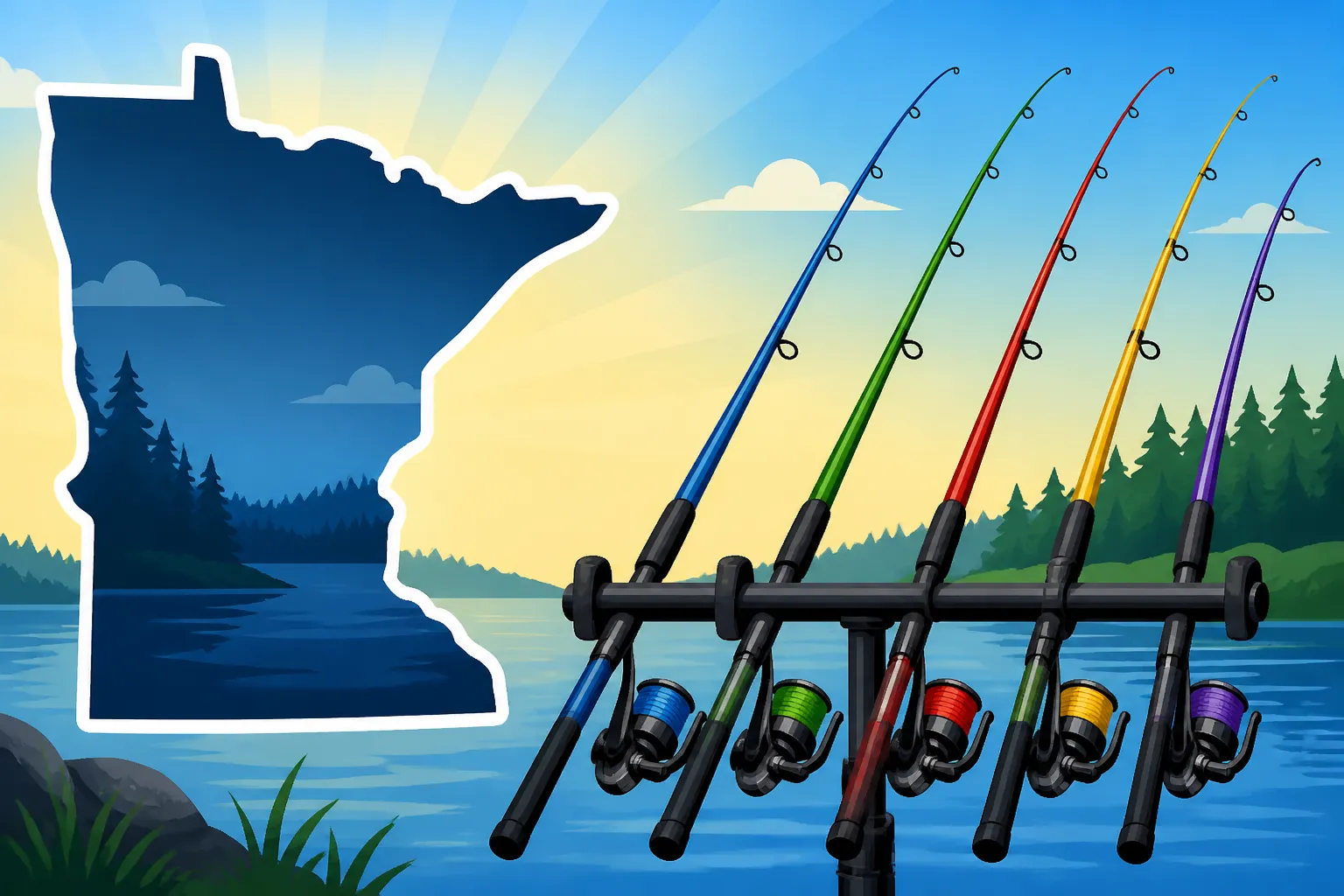
For the vast majority of your fishing adventures in Minnesota, the rule of thumb is simple: you can fish with a maximum of two lines. This applies to most open water fishing scenarios across the state, whether you're using a rod and reel, a trotline, or some other legal method. Imagine you're out on Gull Lake in the Brainerd Lakes Area on a beautiful summer day, casting for bass. You can have two rods rigged up and actively fishing. If you have a third rod in the boat, it must be completely out of the water, unbaited, and not set up in a way that it could be considered actively fishing. This common regulation helps manage fish populations and ensures fair access to the resource for all anglers.
The Minnesota Department of Natural Resources (DNR) clearly outlines this in their fishing regulations handbook. It’s not just a suggestion; it’s a hard and fast rule that most folks abide by. The idea is to allow enough flexibility for different techniques, like perhaps a slip bobber for panfish and a bottom bouncer for walleye, without giving any single angler an unfair advantage or overharvesting potential.
Why the Two-Line Limit?
You might wonder why there’s a limit at all, especially if you’re used to other states with more lenient rules. The two-line limit in Minnesota isn't arbitrary; it's rooted deeply in conservation, fair access, and responsible resource management. First and foremost, it's about conservation. More lines in the water generally mean a higher chance of catching fish. By limiting lines, the DNR aims to prevent overharvest, especially for popular species like walleye and northern pike, ensuring sustainable fisheries for generations to come. It's a delicate balance between allowing recreational angling and protecting the ecological health of Minnesota’s 10,000+ lakes.
Secondly, it promotes fairness among anglers. Imagine trying to fish a popular spot if some individuals were deploying ten or fifteen lines at once. It would quickly become crowded and less enjoyable for everyone. The two-line rule ensures that everyone has a reasonable opportunity to fish without monopolizing a section of water. It’s also about sportsmanship. Managing two lines effectively already takes skill and attention. Beyond that, it can become difficult to properly attend to each line, potentially leading to more lost fish or discarded gear, which is not good for the fish or the environment.
What Counts as a "Line"?
This is where some of the nuance comes in and where people often get confused. In Minnesota, a "line" generally refers to any single fishing device used to catch fish. This includes:
- A rod and reel setup: This is the most common and straightforward example. Each rod actively being used counts as one line.
- A tip-up: During ice fishing, a tip-up that's set to signal a bite also counts as one line.
- A setline: While less common for recreational anglers, a setline is a line left unattended with bait, and it too counts towards your limit.
- A spearing decoy line: Even the line attached to your decoy during dark house spearing counts as one of your allotted lines if you are also fishing with a rod.
Essentially, if it's in the water, baited, or designed to catch a fish, it’s considered a line. This means you can't have a rod in a rod holder with bait in the water and simultaneously be actively jigging with another rod, plus have a third, unattached line with a hook in the water. Everything that presents a catch opportunity counts. This clarity helps prevent ambiguity and ensures compliance with the spirit of the regulation.
Special Considerations for Ice Fishing
Ah, ice fishing! A true Minnesota tradition, and one where the line limits take a delightful, albeit sometimes confusing, turn. The rules here are a bit different, reflecting the unique nature of fishing through a hole in the ice.
The Exception: Ice Fishing and Multiple Lines
This is the big one that most ice anglers appreciate: when ice fishing, you are allowed to use up to two lines. Wait, you might say, didn't you just say two lines for open water? Yes, that's the standard. However, the Minnesota DNR clarifies that while ice fishing, you may use two lines in the same hole or in separate holes. This is a critical distinction because it explicitly permits using two active lines, such as two rod-and-reel setups, or one rod and one tip-up, simultaneously while ice fishing. This means you could be jigging with one rod and have a deadstick or a tip-up set a few feet away, both actively targeting fish. This allowance acknowledges the often slower pace of ice fishing and the need to cover different depths or presentations.
For those heading out to popular ice fishing spots like Lake of the Woods, known for its incredible walleye bite, this two-line rule is a real blessing. It allows anglers to experiment with different baits, depths, or techniques at the same time, increasing their chances of success. Just remember, even with two lines allowed, you still need to be actively attending to them. You can't just leave them out there unattended and walk away for an hour or two.
Ice Shelter Regulations and Line Limits
The type of ice shelter you use, whether it's a portable hub, a flip-over, or a permanent wheelhouse, doesn't change your two-line limit. If you're in a single-person portable shelter on Lake Mille Lacs or nestled in a large, heated ice castle with friends, the individual angler limit remains two lines. However, the number of lines allowed within a single shelter is sometimes misinterpreted. Each individual licensed angler inside the shelter can use up to two lines. So, if you and a friend are sharing a spacious hub-style shelter, you can each have two lines, totaling four lines in that shelter. Just be mindful of tangles!
Another important aspect of ice fishing regulations often overlooked is the Minnesota Ice Fishing & Shelter Rules. While not directly about line limits, these rules dictate when shelters must be removed from the ice, how they must be marked, and other critical safety and environmental considerations. Failing to remove your shelter by the deadline, usually early March depending on the zone, can result in significant fines and even forfeiture of your shelter. Always double-check the specific removal dates for the zone you're fishing in, as they can vary slightly each year based on ice conditions.
Spearing and Line Usage
Spearing, particularly for northern pike, is another beloved Minnesota tradition, especially in the central and northern parts of the state. It involves sitting in a dark house over a large hole, often with a decoy, waiting for a pike to swim by to be speared. When it comes to line limits, dark house spearing typically allows for one spear and no lines. If you are actively spearing, your focus is entirely on that one method, and you cannot have a rod and reel in the water at the same time. The intent is to have one primary method of taking fish.
However, if you're out with someone else, say a buddy, and they have a valid fishing license and are not spearing, they can use their two lines in a separate hole within the same dark house, provided they are attending them. It's about individual angler limits, not a blanket limit for the shelter itself. For those interested in this unique method, make sure to check out the specific rules for Dark House Spearing in Minnesota: Rules & License, as there are particular license requirements and regulations regarding species and decoy use.
Border Water Regulations: When Things Get Tricky
Minnesota is bordered by several states and a Canadian province, and these "border waters" often have their own unique sets of fishing regulations. This is where things can get particularly confusing, as you might need to understand rules from two different jurisdictions.
Minnesota-Wisconsin Border Waters
Fishing the St. Croix River or the Mississippi River pools along the Wisconsin border can be a fantastic experience, but you need to be aware that the line limits can be different. The general rule for Minnesota-Wisconsin border waters is that you can use up to three lines. This is more generous than Minnesota's standard two-line limit but also different from Wisconsin's general rule (which can sometimes allow three). This agreement between the states simplifies things for anglers who might cross between the two, preventing confusion right in the middle of the river.
It's essential to consult the specific regulations for "Border Water Fishing Rules (Minnesota-Ontario, Wisconsin)" before you head out. These rules are usually published annually and detail not just line limits, but also possession limits, size restrictions, and season dates that might differ from inland Minnesota waters. For instance, on the Mississippi River, you might find specific nuances for certain fish species that reflect the shared management between Minnesota and Wisconsin. Always carry a current copy of both states' border water regulations if you plan to fish these areas extensively.
Minnesota-Canada (Ontario) Border Waters
Venturing north to fish the pristine waters that Minnesota shares with Ontario, Canada, such as Rainy Lake or Lake of the Woods, introduces another layer of complexity. The general rule for Minnesota-Ontario border waters is that you can use up to two lines. This aligns with Minnesota's standard inland limit, which simplifies things a bit. However, if you possess both a Minnesota and an Ontario fishing license, and you are entirely within the Canadian side, Ontario's rules would apply. If you're on the Minnesota side, our rules apply. But in the boundary waters themselves, the agreed-upon common regulations take precedence.
The key takeaway here is that you need to be incredibly precise about where you are fishing and what licenses you hold. For example, if you're fishing on Lake of the Woods, specifically in the shared waters, your two-line limit from Minnesota applies. But if you take your boat into Canadian waters, even for a short time, you need an Ontario license and must adhere to their regulations while in those specific waters. It's a prime example of why checking specific lake regulations, like those for Lake of the Woods Fishing Regulations (2026), is so crucial.
Navigating the Red River of the North
The Red River of the North, which forms the border between Minnesota and North Dakota, also has its own distinct set of regulations. Here, anglers are allowed to use up to two lines. Similar to the Ontario border waters, this keeps things consistent with Minnesota's general rules while on the border. However, North Dakota's inland fishing regulations can differ, so if you were to fish solely within North Dakota waters, their rules would apply.
The Red River is renowned for its catfish, and understanding these specific border rules ensures you can target these giants legally. As with all border waters, communication and mutual agreement between the bordering states are what create these unified regulations. Always check the latest Minnesota Fishing Regulations PDF for the most current information, as these rules are subject to change.
Here’s a quick overview of line limits in different scenarios:
| Scenario | Number of Lines Allowed | Notes |
|---|---|---|
| Open Water (Inland MN) | 2 | Applies to most lakes and rivers within Minnesota. |
| Ice Fishing (Inland MN) | 2 | Can be in the same or separate holes. Each licensed angler can use two lines. |
| Spearing (Inland MN) | 1 spear, 0 lines | No fishing lines allowed if actively spearing. |
| MN-Wisconsin Border Waters | 3 | Applies to St. Croix River, Mississippi River, etc. |
| MN-Ontario Border Waters | 2 | Applies to Lake of the Woods, Rainy Lake shared waters. |
| Red River of the North | 2 | Applies to the river forming the MN-North Dakota border. |
Penalties and Enforcement for Line Violations
Ignorance of the law is never an excuse, especially when it comes to fishing regulations. Conservation officers are out there to protect our natural resources and ensure everyone plays by the rules. Getting caught with too many lines can quickly turn a relaxing day on the water into a costly headache.
The Cost of Breaking the Rules
Fishing without the proper license or exceeding the allowed number of lines is considered a misdemeanor in Minnesota. While the exact penalty can vary depending on the severity and whether it's a repeat offense, you can generally expect a fine. These fines can range from a couple of hundred dollars for a first offense to much higher amounts, potentially even thousands, for repeat violations or if other offenses (like keeping over-limit fish) are involved. Beyond the financial hit, a conviction can also lead to the suspension of your fishing privileges, meaning you might not be able to obtain a fishing license for a period of time. Imagine being banned from fishing for a year or more – that's a tough pill to swallow for any avid angler.
It's not just about the lines, either. Conservation officers are looking for adherence to all regulations, including Minnesota Fishing Seasons & Opener Dates (2026), Minnesota Fishing Limits: Bag & Possession (2026), and proper boat decontamination to prevent Aquatic Invasive Species (AIS) Rules for Boaters. All these rules are in place for a reason, and the penalties reflect the state's commitment to preserving its fisheries.
Staying Compliant: Tips and Best Practices
To avoid any unwelcome surprises, here are some actionable tips to ensure you’re always compliant with Minnesota’s fishing line regulations:
- Read the Current Regulations: This seems obvious, but many anglers simply rely on old knowledge or hearsay. Always get your hands on the latest Minnesota Fishing Regulations PDF, either online or a physical copy from any license vendor. The rules can and do change annually.
- Count Your Active Lines: Before you even cast your first line, take a moment to count how many rods or tip-ups you have actively deployed. If you're on open water, it should be two. If you're ice fishing, also two. If you're on a border water like the St. Croix, it might be three. Make this a habit.
- Secure Unused Gear: If you have extra rods or tip-ups in your boat or shelter, make sure they are completely out of the water, unbaited, and not set up in a way that implies they are ready to fish. Keep them stored and out of the way.
- Know Your Waters: Be especially diligent when fishing border waters. The rules can be different, so know if you're on the Minnesota-Wisconsin border or the Minnesota-Ontario border. Understanding Border Water Fishing Rules (Minnesota-Ontario, Wisconsin) is key here.
- When in Doubt, Ask: If you’re truly unsure about a specific regulation, don't hesitate to contact the Minnesota DNR directly or speak with a local bait shop owner. They are often incredibly knowledgeable and happy to help clarify rules. It's always better to ask beforehand than to face a fine later.
- Educate Your Fishing Partners: If you're bringing friends or family along, especially those new to fishing, make sure they understand the line limits. It's your responsibility as the host to ensure everyone in your party is compliant. This includes understanding if Do Kids Need a Fishing License in Minnesota? or Do Seniors Need a Fishing License in Minnesota?
Species-Specific or Lake-Specific Exceptions
While the two-line rule is a strong baseline, and border waters have their own distinct numbers, it's worth checking if there are any specific regulations tied to particular species or individual lakes that might influence your line count, or other gear restrictions.
Are There Exceptions for Certain Species or Lakes?
Generally speaking, the overall line limit in Minnesota is rarely tied to a specific fish species. Whether you are targeting Walleye Season & Limit in Minnesota, Northern Pike Season & Limit in Minnesota, or Crappie Season & Limit in Minnesota, the number of lines you can use remains consistent with the general state or border water rule. You won't typically find a regulation saying, "You can use three lines if you're only targeting panfish." The line limit is a blanket rule for the angler, regardless of their intended catch.
However, certain species do have very specific gear requirements that might indirectly affect how you approach your line setup, though not the total count. For example, Lake Sturgeon fishing has unique regulations. If you're targeting these magnificent fish, you often need a special Lake Sturgeon Regulations & Tag in Minnesota and certain gear restrictions apply, but your two-line limit still holds. Similarly, certain areas might have specific bait restrictions (e.g., no live bait for trout in some designated streams, or no minnows on certain bodies of water to prevent AIS spread), which would affect what you put on your hook, but not how many hooks or lines you can have out.
The most common lake-specific rules you'll encounter are typically related to bag limits, size restrictions, or special seasons, rather than the number of lines. For instance, Mille Lacs Walleye Regulations (2026) are often highly dynamic, with changes to bag and slot limits that are announced annually, but the number of lines you can use to catch them usually stays at the standard state limit. Always consult the specific lake pages or the DNR regulations for any body of water you plan to fish to ensure you're aware of all the local nuances.
Knowing how many lines you can legally fish in Minnesota can feel like navigating a maze, but it’s an essential part of being a responsible angler. From the standard two lines on inland waters to the specific three-line rule on the Minnesota-Wisconsin border, and back to two lines for ice fishing or the Minnesota-Ontario border, each scenario has its own distinct requirements. By staying informed, carrying the latest regulations, and double-checking before you cast, you’ll not only avoid fines but also contribute to the sustainable enjoyment of our incredible fisheries for everyone. So, grab your rods (the right number of them, of course!), and enjoy the beauty of Minnesota fishing!
Disclaimer
Please remember that fishing regulations are subject to change. While this guide provides the most current and accurate information available as of our last update, it is always your responsibility to consult the official Minnesota Department of Natural Resources (DNR) fishing regulations handbook or website for the most up-to-date rules and any last-minute amendments before you go fishing. This content is for informational purposes only and should not be considered legal advice.