Cass Lake Fishing Report & What’s Biting
There’s nothing quite as frustrating as heading out to a new lake, or even a familiar one, only to feel completely in the dark about what the fish are doing. You’ve spent time rigging up, fueled the boat, and driven all that way, only to stare at your fish finder wondering if anyone’s home. This guide is here to shed some light on the current fishing situation on Minnesota’s beautiful Cass Lake, giving you the insights you need to make your next trip a success and avoid that "lost at sea" feeling.
Unpacking the Magic of Cass Lake
Cass Lake isn't just another body of water in Minnesota; it's a legendary fishery, steeped in history and natural beauty. Located in Beltrami County, it's one of the largest lakes in the state, covering over 15,000 acres, and it's also the headwaters of the mighty Mississippi River. That alone tells you it’s a special place! Its diverse structure, from shallow bays and expansive weed flats to deep holes and underwater points, creates an incredible habitat for a variety of fish species. This complexity can feel a bit overwhelming, but it's also what makes it such a rewarding challenge for anglers.
The Unique Geography of Cass Lake
Cass Lake’s expansive nature means it offers a wide range of fishing environments. It’s a fairly deep lake, with some areas plunging to over 100 feet, which provides cool, oxygenated water for species like lake trout (though they aren't the primary target here). However, a lot of its magic lies in its shallower, fertile sections. You’ll find plenty of weed beds, submerged timber, and classic rock and sand transitions that are absolute magnets for walleye, northern pike, and panfish. Connecting to other significant bodies of water, like Pike Bay and Buck Lake, means there’s constant fish movement and diverse ecosystems at play, making it a truly dynamic fishery. Understanding these connected water bodies is key to unlocking its secrets.
Primary Fish Species You'll Encounter
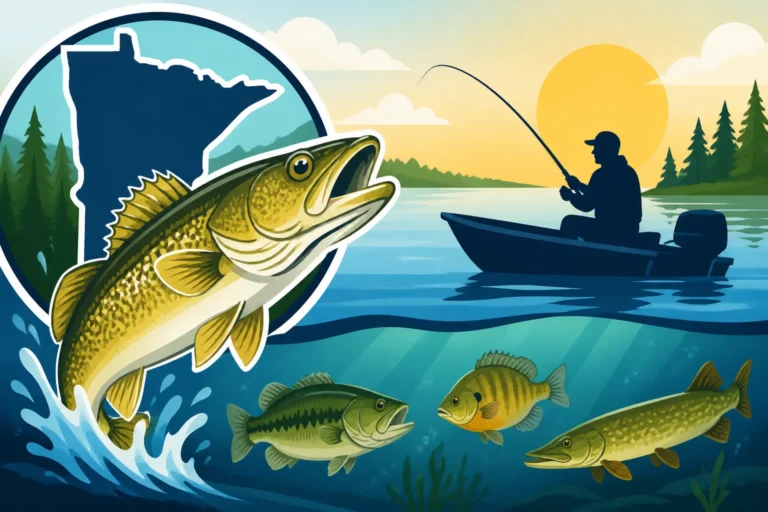
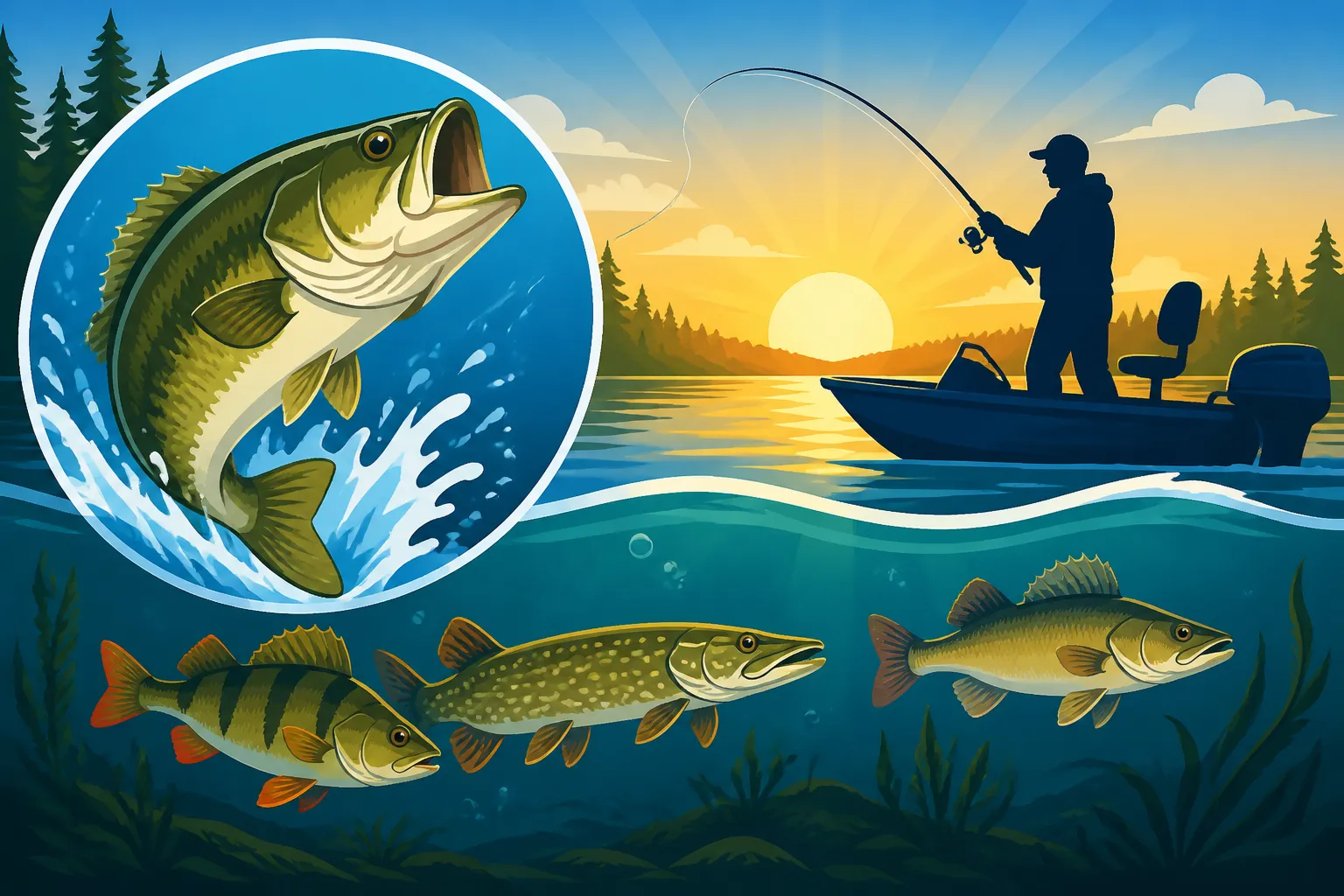
When most people talk about Cass Lake fishing, a few species immediately come to mind, and for good reason! This lake is a fantastic multi-species destination, offering something for everyone, whether you're chasing dinner or a trophy.
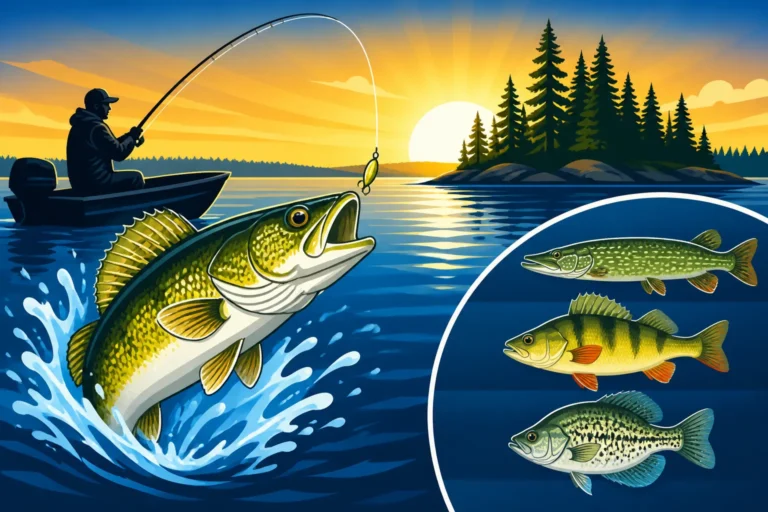
- Walleye: Without a doubt, walleye are the reigning kings of Cass Lake. They thrive in its diverse structure and abundant forage. Anglers flock here specifically for the chance to hook into these tasty fighters.
- Northern Pike: Cass Lake is home to a healthy population of northern pike, ranging from hammer-handle eaters to respectable trophies that can put a serious bend in your rod. They are often found lurking in the weed lines and shallow bays.
- Muskie: The "fish of 10,000 casts" has a strong presence in Cass Lake. While notoriously challenging, the opportunity to tangle with a giant muskie draws dedicated anglers year after year.
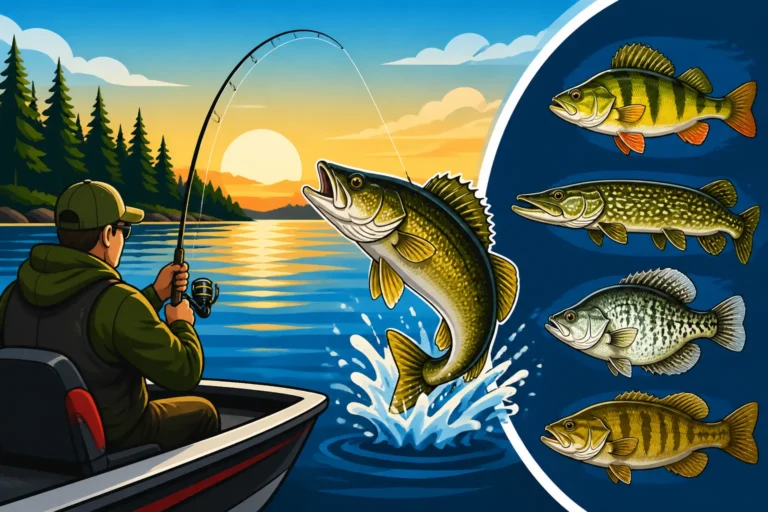
- Panfish (Crappie, Bluegill, Perch): Don't overlook the panfish! Cass Lake boasts excellent crappie and bluegill fishing, especially in its shallower, warmer bays. Yellow perch are also abundant and serve as a crucial forage base for the larger predators.
- Bass (Smallmouth & Largemouth): Both smallmouth and largemouth bass are present, offering exciting action, particularly in areas with rocky structure or heavy cover.
Each of these species behaves differently throughout the seasons, and knowing their habits is the first step to catching them.
What's Biting on Cass Lake Right Now
Alright, let's get down to brass tacks: what’s actually biting on Cass Lake right now, and more importantly, how do you get them to bite? While specific conditions can change daily with weather fronts and water temperatures, we can definitely talk about the typical patterns and productive approaches for this time of year (let's assume early summer for this report, as that's a common and highly active period). Remember, talking to local bait shops or checking recent online forums for specific, up-to-the-minute reports is always a good idea.
Walleye Activity and Hotspots
Walleye are usually a prime target on Cass Lake, and early summer generally finds them transitioning from their post-spawn recovery to more aggressive feeding patterns. They'll be moving out of shallower spawning areas and starting to key in on primary forage locations.
- Typical Locations: Look for walleye on the main lake points, especially those with access to deeper water, and along the edges of the expansive mud flats. The large "horseshoe" shaped bar and other major structural elements are classic walleye magnets. Don’t ignore the deeper edges of the weed lines, particularly where green cabbage weeds meet deeper water. In low light, they might venture onto the shallower tops of these structures.
- Effective Techniques: Trolling with crankbaits is a consistent producer, especially during the day. Shallow-running cranks like Berkley Flicker Shads or deeper divers like Rapala Shad Raps in perch or chrome colors can be very effective, especially when worked along breaklines. Lindy Rigs with live bait (leeches or nightcrawlers) are another fantastic option for slowly covering bottom structure; consider checking out how to fish a Lindy Rig for Walleye. Jigging with a jig and minnow or a soft plastic paddletail can also pick off active fish, especially around isolated humps or rock piles. Night fishing for walleye can be particularly productive as they move shallow to feed.
Northern Pike and Muskie Action
Cass Lake holds some truly impressive northern pike and muskie, and early summer is a fantastic time to chase both. They’re often found in similar areas, though their preferred presentations differ.
- Northern Pike Locations: Pike will be hanging around the edges of thick weed beds, submerged cabbage patches, and in and around the entrances to bays and channels where they can ambush baitfish. Areas with healthy weed growth, like Pike Bay or the shallower northern sections of the main lake, are prime spots.
- Muskie Locations: Muskie will also relate to these weed lines, but they often prefer the deeper, denser cover or larger structural elements adjacent to prime feeding flats. Main lake points that extend into deep water, particularly those with substantial weed or rock structure, are key areas. Look for larger isolated weed clumps or rock reefs.
- Effective Techniques: For pike, casting spoons (like Dardevles or Doctor Spoons), spinnerbaits, or larger crankbaits is effective. Trolling larger spoons or crankbaits along weed edges also works. For muskie, it's all about big baits and aggressive presentations. Bucktails, jerkbaits, and large soft plastics cast along weed lines or over deep humps are standard tactics. Don’t forget the "figure-8" at the boat! Patience and persistence are key when muskie fishing in Minnesota.
Panfish: Crappie, Bluegill, and Perch
If you're looking for consistent action and some tasty fillets, the panfish on Cass Lake are usually biting well during early summer.
- Crappie Locations: Crappie will often be found suspended over deeper holes adjacent to shallow bays or relating to submerged timber and brush piles. Look for them around structure in 10-20 feet of water.
- Bluegill Locations: Bluegills love shallow, warm water with plenty of vegetation. Target them in the calmer bays, around docks, and within heavy weed beds in 4-10 feet of water.
- Perch Locations: Yellow perch can be found almost anywhere, but look for them on shallower flats with mixed sand and gravel, or along the edges of weed beds. They often school up.
- Effective Techniques: For crappie, a small jig (1/16 oz to 1/32 oz) tipped with a small minnow, a piece of Gulp! or a soft plastic tube under a slip bobber is a deadly combination. For bluegill, tiny jigs or hooks with wax worms, pieces of nightcrawler, or even corn under a bobber work wonders. For perch, small jigs or spoons tipped with a minnow head or small plastic are usually effective. Early mornings and evenings are often prime times for panfish.
Here’s a quick glance at what’s likely biting and where to focus your efforts:
| Species | Primary Locations (Early Summer) | Recommended Baits/Lures | Notes |
|---|---|---|---|
| Walleye | Main lake points, mud flat edges, deep weed lines | Crankbaits (trolling), Lindy Rigs (leeches/crawlers), jig & minnow | Fish low-light periods, watch electronics for bait. |
| Northern Pike | Weed bed edges, bay entrances, submerged timber | Spoons, spinnerbaits, larger crankbaits | Fast retrieve, target ambush points. |
| Muskie | Large weed beds, deep points, rock reefs | Bucktails, jerkbaits, large soft plastics | Aggressive retrieves, "figure-8" boat-side. |
| Crappie | Suspended over deep holes, submerged timber | Small jigs (minnow/plastic) under a slip bobber | Target brush piles, watch for suspended schools. |
| Bluegill | Shallow bays, docks, heavy weed beds | Tiny jigs (wax worm/crawler piece) under a bobber | Great for kids, use light line. |
| Yellow Perch | Shallow flats, weed edges, sand/gravel transitions | Small jigs/spoons (minnow head), tiny plastics | Often school up, good indicator of forage. |
Key Tactics and Gear for Cass Lake Success
Knowing what’s biting is only half the battle; the other half is understanding how to catch them. Cass Lake's diverse nature demands a versatile approach, and having the right gear and techniques in your arsenal will significantly boost your chances of success.
Mastering Structural Fishing
Cass Lake is a textbook example of a structural fishery. Whether it’s hard-bottom points, soft-bottom mud flats, or dense weed beds, understanding how fish relate to these features is paramount.
- Interpreting Your Electronics: A good fish finder is your best friend on Cass Lake. Spend time idling over promising areas, looking for baitfish schools, abrupt depth changes, and fish arches. Pay close attention to the thermocline in summer, as many species will suspend just above it. Technologies like side-imaging or down-imaging can reveal hidden structure and fish that traditional sonar might miss.
- Boat Control is King: Whether you’re trolling, jigging, or casting, precise boat control allows you to stay on the fish. A reliable trolling motor, especially one with GPS anchoring capabilities like a Minn Kota Terrova, can hold you perfectly on a breakline or a subtle contour, letting you focus on fishing rather than constantly battling the wind.
- Mapping for Success: Utilize detailed lake maps, whether on your fish finder or a dedicated app like Navionics or LakeMaster. These maps highlight contours, depths, and bottom transitions that are invisible from the surface, helping you identify potential hotspots before you even wet a line.
Essential Gear and Lure Choices
While you don't need to break the bank, having a few key pieces of gear tailored to Cass Lake's species can make a huge difference.
- Rods and Reels: For walleye, a sensitive medium-light to medium action spinning rod paired with a 2500-sized reel is ideal for jigging or slip bobber fishing. For trolling, a medium-heavy baitcasting setup might be preferred for handling heavier lines and bigger crankbaits. Muskie and large pike demand heavy action rods, stout baitcasting reels, and strong braided line. Don't forget to spool up with the best fishing line for walleye.
- Live Bait: Don't underestimate the power of live bait on Cass Lake. Leeches are often irresistible to walleye, especially in summer. Minnows (shiners or fatheads) are great for walleye and crappie, while nightcrawlers can catch almost anything that swims. Always check local bait shops for what's fresh and what's been working.
- Artificial Lures: A diverse tackle box is key. Include a variety of crankbaits (both shallow and deep diving), jigs in different weights and colors, spinnerbaits for pike, and an assortment of soft plastics. For muskie, a selection of bucktails, jerkbaits, and topwater lures is necessary. Keep your hooks sharp!
Planning Your Cass Lake Fishing Trip
A successful fishing trip isn't just about what you do on the water; it starts with good planning. Cass Lake is accessible and well-equipped, but a little forethought can prevent headaches and ensure you maximize your time catching fish.
Lodging and Access Points
Cass Lake offers numerous options for staying and launching your boat, catering to various budgets and preferences.
- Resorts and Cabins: Several excellent resorts dot the shores of Cass Lake, offering everything from rustic cabins to modern accommodations. Many of these resorts have their own private boat launches, bait shops, and even guide services, providing a convenient home base for your fishing adventure. Look for resorts around the towns of Cass Lake and Federal Dam.
- Public Launches: The Minnesota DNR maintains several public boat launches around the lake, providing easy access for day-trippers or those staying at non-fishing specific lodging. Ensure your boat is properly decontaminated to comply with aquatic invasive species (AIS) rules for boaters before launching.
- Camping: For a more rustic experience, there are campgrounds nearby, including those within the Chippewa National Forest, offering beautiful natural settings close to the lake.
Local Expertise and Guides
Sometimes, the best way to crack the code on a big lake like Cass is to leverage local knowledge.
- Local Bait Shops: These are often goldmines of information. The folks working there live and breathe Cass Lake fishing. They'll know what species are biting, where they're biting, and what baits or lures are producing results. Make it your first stop.
- Professional Guides: If you're new to the lake, short on time, or simply want to learn from the best, consider hiring a local fishing guide. They have years of experience, top-notch equipment, and an intimate understanding of Cass Lake's nuances. Services like FishingBooker can help you find and book a reputable guide who specializes in the species you want to target, ensuring you get the most out of your day on the water. A good guide can teach you techniques and reveal hidden spots that would take years to discover on your own.
- FishingBooker: For those coming from out of town or just wanting to simplify the planning process, platforms like FishingBooker can be incredibly useful. You can browse various fishing charters and guides on Cass Lake, compare their offerings, read reviews, and book your trip directly. It’s a fantastic way to ensure you're getting on the water with a seasoned professional who knows exactly what's biting.
Regulations and Conservation
Before you head out, make sure you're up to date on all Minnesota fishing regulations, especially those specific to Cass Lake. Regulations can change annually, so it's vital to have the most current information.
- Minnesota Fishing License: Everyone 16 and older needs a valid Minnesota fishing license. You can purchase these online, at bait shops, or at many sporting goods stores. Information on the Minnesota Fishing License: Cost, Types & How to Buy (2026) is readily available.
- Bag and Possession Limits: Pay close attention to the specific bag and possession limits for each species you intend to keep, as these can vary by lake and zone. This is especially true for walleye, where slot limits or reduced bag limits are sometimes implemented to protect the fishery. Consult the official Minnesota Fishing Limits: Bag & Possession (2026) for the latest rules.
- Catch and Release: For many anglers, especially with trophy-sized fish like muskie or larger pike, practicing proper catch and release is essential for maintaining a healthy fishery. Handle fish gently, minimize their time out of water, and use appropriate tools like jaw spreaders and long-nosed pliers to remove hooks. Learning about Catch and Release Best Practices in Minnesota can ensure the future of our fishing.
- Aquatic Invasive Species (AIS): Minnesota takes AIS prevention very seriously. Always clean, drain, and dry your boat and gear after every outing on Cass Lake to prevent the spread of harmful species. The Minnesota AIS Drain Plug Law Explained is a critical piece of knowledge for all boaters.
Cass Lake offers an incredible fishing experience, whether you're after a mess of walleye for dinner or the thrill of a giant muskie on the line. By understanding its unique characteristics, staying informed about what's biting, employing effective tactics, and respecting the regulations, you're well on your way to a memorable trip to this Minnesota gem.
Disclaimer
Fishing conditions and regulations in Minnesota can change rapidly. Always consult the official Minnesota Department of Natural Resources (DNR) website or the current fishing regulations handbook for the most up-to-date and accurate information before heading out on the water. This guide provides general advice and is not a substitute for official resources.