Mille Lacs Walleye Regulations (2026)
Let's be honest, trying to keep up with the walleye regulations on Mille Lacs Lake can feel like chasing a phantom. One year it's catch-and-release, the next it's a slot, then maybe you can keep one specific size. It's enough to make even the most seasoned Minnesota angler scratch their head and wonder if they need a law degree just to go fishing. This comprehensive guide is here to cut through the confusion, providing you with the clearest, most up-to-date understanding of the Mille Lacs Lake walleye regulations for the season.
Understanding the Unique Challenges of Mille Lacs Walleye Management
Mille Lacs Lake isn't just any body of water; it's a crown jewel of Minnesota fishing, renowned for its incredible walleye fishery. But with such a treasured resource comes immense responsibility, and that's precisely why its walleye regulations are often so intricate and, frankly, frustratingly dynamic. It's a constant balancing act, driven by science, public input, and the ever-changing health of the fishery itself.
The Dynamic Nature of Regulations
It's easy to get exasperated when the rules seem to shift with the wind. One year you're celebrating a generous harvest, the next you're strictly catch-and-release. This isn't done to annoy you, but rather because the Minnesota Department of Natural Resources (DNR), in cooperation with tribal partners, is constantly monitoring the walleye population. They're looking at spawning success, fish size structure, angler harvest rates, and even environmental factors like water temperature and forage availability. Each season brings new data, and these new insights directly inform the regulations for the following year. If the walleye population shows signs of stress, or if harvest limits are being exceeded, you can bet the rules will tighten. Conversely, if the population is robust and resilient, there might be opportunities for more liberal regulations. It's a living system, and the management reflects that ebb and flow.
Balancing Angler Experience with Conservation
The core tension in Mille Lacs walleye management lies in trying to satisfy passionate anglers who want to catch and keep fish, while simultaneously ensuring the long-term health and sustainability of the walleye population. Imagine the pressure on the DNR: they want to provide a fantastic fishing experience, attract tourism to communities like Garrison, Onamia, and Isle, and support local businesses that rely on the fishing economy. At the same time, their primary mandate is conservation. Overfishing, even by a small margin over several seasons, could have devastating impacts on the future of the fishery. This balancing act means tough decisions are often made, sometimes leading to rules that feel restrictive or confusing to the individual angler. It’s a delicate dance, trying to find that sweet spot where everyone—the fish, the lake, and the anglers—can thrive.
Mille Lacs Walleye Regulations: The Official 2026 Season Overview
Alright, let's get down to brass tacks. You want to know what you can and can't do when it comes to walleye on Mille Lacs in 2026. It's crucial to understand that these regulations are developed after extensive research and public input, typically finalized and announced in late winter or early spring prior to the fishing season. Always double-check the official Minnesota DNR website for the very latest updates, as things can occasionally shift.
Key Dates and Season Structure
The walleye season on Mille Lacs Lake generally follows the statewide walleye opener, which usually falls on the second Saturday in May. For 2026, you can expect the general season to open around May 9th or May 10th. However, unlike many other lakes, Mille Lacs often has a unique season structure that might include mid-season closures or transitions to different regulations. For example, some years have seen a full closure for a few weeks during the summer to protect fish during warmer water temperatures, or a shift from catch-and-release to a limited harvest, or vice-versa.
It's not uncommon for the DNR to implement a late-fall walleye closure on Mille Lacs as well, especially if the annual harvest cap is nearing its limit. This is why staying informed throughout the year is so important. You can't just memorize the opening day and be done with it. The season on Mille Lacs is often a dynamic one, requiring anglers to be aware of potential changes that could be announced mid-year. Make sure you know the exact dates for the Minnesota Fishing Seasons & Opener Dates (2026) for all species, as that sets the stage.
Walleye Bag and Possession Limits
The bag and possession limits for walleye on Mille Lacs are almost always more restrictive than on other Minnesota lakes. While many lakes allow for a daily bag of six walleye, Mille Lacs rarely sees such generosity. In recent years, the limits have swung between a one-fish bag limit, often with a very specific size slot, or even periods of mandatory catch-and-release. The annual harvest target for Mille Lacs walleye is a closely managed number, shared between state anglers and tribal harvest, and the regulations are designed to keep the total harvest within that sustainable limit.
When there is a harvest allowed, the possession limit for walleye from Mille Lacs is usually identical to the daily bag limit. This means if you can keep one walleye per day, you can only have one walleye from Mille Lacs in your possession, regardless of how many days you've fished. This differs from many other lakes where the possession limit is twice the daily bag limit. It's a critical detail that can easily trip up an angler unfamiliar with Mille Lacs' specific rules. Always verify the current Minnesota Fishing Limits: Bag & Possession (2026) to avoid any unwanted surprises.
Size Restrictions and Slot Limits
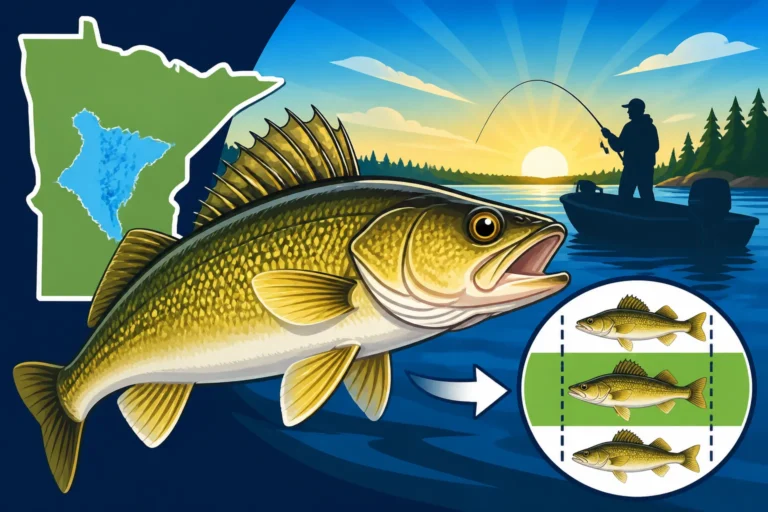
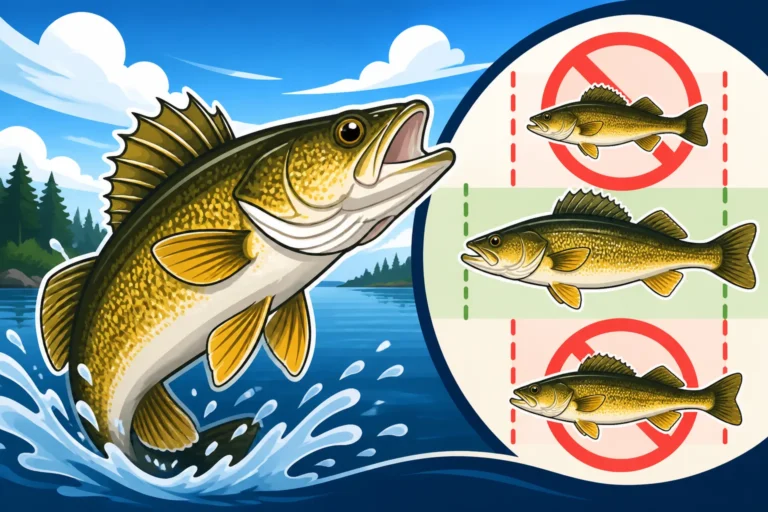
This is where things can get particularly specific and, for some, a bit bewildering. Mille Lacs often employs a "slot limit" for walleye, meaning you can only keep fish within a very narrow size range. For instance, in past years, anglers might have been allowed to keep one walleye between 19 and 21 inches, with all other walleye (under 19 inches or over 21 inches) required to be immediately released.
These slot limits are strategically implemented to protect specific age classes of walleye. Smaller fish are often protected to allow them to grow and contribute to future spawning, while larger, older fish (often referred to as "trophy" or "brood stock" walleye) are protected because they are crucial for the reproductive health of the lake. These large fish produce significantly more eggs and are vital for maintaining a strong gene pool. Releasing those bigger fish, even though they might be a personal best, ensures they can continue to spawn and contribute to the next generation of Mille Lacs walleye. Understanding these Minnesota Slot Limits: Which Lakes & Why can help demystify the rules.
Here's a hypothetical example of what 2026 Mille Lacs walleye regulations might look like (always verify with the MN DNR):
| Season Segment | Daily Bag Limit | Possession Limit | Size Restriction | Notes |
|---|---|---|---|---|
| Walleye Opener – Mid-July | 1 Walleye | 1 Walleye | 19-21 inches only | All other walleye must be immediately released. |
| Mid-July – Labor Day | Catch and Release | 0 Walleye | N/A | No walleye may be harvested. |
| Labor Day – End of Season | 1 Walleye | 1 Walleye | 19-21 inches only | All other walleye must be immediately released. |
Disclaimer: This table is purely illustrative based on historical patterns and is not the confirmed 2026 regulation. Always check the official MN DNR website for current rules.
Navigating Specific Mille Lacs Walleye Scenarios
Fishing on Mille Lacs isn't always about catching a fish to keep. Often, it's about the experience, the challenge, and the thrill of the bite, knowing that many of the walleye you encounter will be returned to the water. This requires a specific mindset and adherence to best practices to ensure the fish you release have the best chance of survival.
Catch and Release Requirements
When regulations dictate "catch and release only," it means exactly that: no walleye, regardless of size, can be kept. Every single walleye you catch must be returned to the lake immediately and with the utmost care. This is a critical conservation measure, especially when the walleye population needs extra protection. It ensures that the fish can continue to grow, reproduce, and contribute to the overall health of the fishery.
To be a responsible catch-and-release angler, you need to minimize stress on the fish. This means using appropriate gear that allows you to land fish quickly, using single, barbless hooks when possible (though not always required, it's a good practice), and handling the fish gently. Wet your hands before touching the fish to protect its slime coat, which is its primary defense against disease. Use pliers or a de-hooking tool to remove hooks quickly, and if a fish is deeply hooked, cut the line as close to the hook as possible rather than trying to rip it out. Releasing a fish properly is just as important as catching it responsibly. You can find more detailed guidance on Catch and Release Best Practices in Minnesota.
What to Do with Oversized Walleye
The concept of slot limits often means that some of the biggest walleye in the lake are protected. Imagine hooking into a true Mille Lacs monster, say a 28-inch walleye, only to realize the slot limit is 19-21 inches. It can be a real heartbreaker for anglers dreaming of a trophy for the wall or a fantastic meal. However, these oversized fish, often referred to as "brood stock," are the most valuable reproductive members of the population. They lay millions of eggs and contribute significantly to genetic diversity and the overall future of the fishery.
So, when you catch an oversized walleye (or an undersized one, for that matter, if there's a minimum size), the rule is simple: release it immediately and unharmed. Take a quick photo if you must, but prioritize getting that fish back into the water as quickly and gently as possible. Avoid holding large fish horizontally by the jaw, as this can damage their internal organs. Support their belly, keep them in the water as much as possible, and allow them to swim away under their own power. These big walleye are the future, and treating them with respect ensures that Can You Keep Walleye From Mille Lacs? remains a "yes" for generations to come.
Dark House Spearing Regulations for Walleye
While dark house spearing is a popular winter activity in Minnesota, primarily targeting northern pike, walleye spearing is generally not permitted. On Mille Lacs Lake, specifically, walleye are completely off-limits for spearing. The management strategy for walleye is far too delicate to allow for this method of harvest. The regulations for spearing are typically quite distinct from angling regulations and are announced separately by the DNR. If you're interested in spearing other species, you'd need to consult the specific guidelines for Dark House Spearing in Minnesota: Rules & License. When it comes to Mille Lacs walleye, the only legal method of take is by hook and line, and even then, under very specific and often restrictive rules.
Why Do Mille Lacs Walleye Regulations Change So Often?
The perception that Mille Lacs regulations are constantly in flux is not wrong. Many anglers express frustration with the year-to-year adjustments, but these changes are rooted in scientific necessity and a commitment to preserving a world-class fishery. It's not arbitrary; it's a response to real-time data and long-term population trends.
Factors Influencing Management Decisions
Several critical factors influence the DNR's decisions regarding Mille Lacs walleye. First and foremost are the annual population assessments. Biologists conduct extensive surveys, including netting and electrofishing, to estimate the number of walleye in the lake, their age distribution, growth rates, and reproductive success. These surveys provide a snapshot of the population's health. Secondly, the lake's forage base—what the walleye are eating—is crucial. If populations of tullibees, perch, or other prey fish decline, walleye growth rates can suffer, impacting the overall health of the fishery.
Environmental factors also play a significant role. Water temperature, oxygen levels, and the presence of aquatic invasive species (AIS) can all affect walleye behavior, survival, and spawning success. For instance, warmer summer water temperatures can put stress on walleye, making them more vulnerable to post-release mortality, which might trigger a summer catch-and-release period. Finally, angler harvest data is meticulously collected. Every walleye kept is accounted for, and creel surveys (angler interviews) help estimate how many fish are being caught and released. All these pieces of data are crunched to understand the pressure on the walleye population.
The Role of Biological Surveys and Quotas
At the heart of Mille Lacs walleye management is an annual biological assessment and a harvest quota system. The DNR, in partnership with the eight Chippewa bands that have treaty fishing rights, agree upon a sustainable harvest limit each year, often referred to as the "safe harvest level." This level is determined by the health of the walleye population, taking into account all the factors mentioned above. Once this total safe harvest is set, it is then divided between state-licensed anglers and tribal netting.
The state's portion of this quota is what drives the public fishing regulations. If state anglers are catching walleye at a rate that approaches this quota too quickly, the DNR will adjust the regulations mid-season—perhaps shifting to catch-and-release, or even closing the season, to ensure the overall harvest limit isn't exceeded. This proactive management, though sometimes inconvenient, is what prevents overfishing and secures the future of the walleye population. Without these diligent surveys and strict adherence to quotas, the legendary Walleye Fishing in Minnesota: Complete Guide experience could quickly diminish.
Essential Gear and Best Practices for Mille Lacs Walleye Anglers
Given the often-strict regulations on Mille Lacs, especially the prevalence of catch-and-release or specific slot limits, your gear and fishing techniques take on added importance. It's not just about catching fish; it's about catching them efficiently and minimizing stress for successful release.
Recommended Tackle and Techniques Under Current Rules
When you're fishing Mille Lacs for walleye, versatility is key. You'll want a medium-light to medium power spinning rod, around 6'6" to 7' in length, paired with a smooth spinning reel spooled with 6-10 lb test fluorocarbon or braided line with a fluorocarbon leader. Fluorocarbon is less visible to fish and offers good abrasion resistance, while braid provides excellent sensitivity.
Jigging with live bait is a perennial favorite, especially during the open water season. A 1/8 to 1/4 ounce jig tipped with a lively shiner or a half of a nightcrawler can be deadly on the expansive mud flats or rock reefs. Lindy Rigs are another classic choice, allowing you to present a live leech, minnow, or crawler slowly along the bottom, perfect for finicky walleye. During colder water periods, often around the opener or in late fall, trolling crankbaits can be incredibly effective, covering large areas and enticing aggressive biters. Understanding Walleye Fishing Techniques: Complete Minnesota Guide can help you adapt to changing conditions and regulations.
If you're heading out for Ice Fishing in Minnesota: Complete Beginner-to-Pro Guide, your setup will change. You'll need shorter, sensitive ice rods, often 28-32 inches, with small spinning reels. Tungsten jigs tipped with plastics or a minnow head are fantastic for panfish and can entice walleye, while a spoon or a Jigging Rap can be great for a more aggressive presentation. A portable ice shelter and a reliable auger are essential for staying mobile and comfortable.
Responsible Angling: Catch and Release Best Practices
Because many Mille Lacs walleye will be released, mastering proper catch-and-release techniques is paramount. Always have your tools ready: needle-nose pliers or a de-hooker, and a pair of line cutters. When a walleye bites, try to set the hook quickly to avoid deep hooking, which can make release more difficult and damaging.
Once you've landed the fish, avoid letting it flop around on the bottom of the boat or on the ice. Get a firm but gentle grip, preferably supporting its belly, and remove the hook swiftly. If you plan to take a photo, do it quickly, holding the fish horizontally with two hands, and keep it low to the water. A good practice is to have your camera ready before you even lift the fish from the water. For deep-hooked fish, simply cut the line as close to the hook as possible. Don't try to pull out a deeply embedded hook; it causes more damage than leaving it in. When releasing, gently place the fish back into the water, headfirst if possible, and allow it to swim away under its own power. Sometimes a gentle forward and backward motion of the fish will help water flow over its gills, aiding in recovery. These mindful steps are crucial for the long-term success of the Mille Lacs Lake Fishing Guide: Walleye, Bass & More.
Where to Find Official Mille Lacs Regulation Updates
In an environment where regulations can change annually, and sometimes even mid-season, knowing where to get the most accurate and current information is non-negotiable. Relying on outdated print guides or word-of-mouth is a recipe for potential legal trouble and, more importantly, can undermine conservation efforts.
DNR Resources and Local Bait Shops
The absolute best and most official source for Mille Lacs walleye regulations is the Minnesota Department of Natural Resources (DNR) website. They publish all current regulations, often providing direct links to the Mille Lacs-specific rules which are updated annually. You can usually find a dedicated page or a specific PDF document outlining the current season's rules, including any special restrictions or closures. I highly recommend bookmarking the relevant DNR page on your phone or printing out the most recent PDF before each trip. Don't just skim it; read it thoroughly, paying close attention to dates, slot limits, and bag limits.
Beyond the official DNR website, your local bait shops around Mille Lacs Lake are an invaluable resource. Establishments like Johnson's Portside Bait & Liquor in Isle, or Terry's Boat Harbor in Garrison, are often the first to know about any regulation changes. The folks who run these shops live and breathe Mille Lacs fishing, and they have a direct line to DNR updates. They often post notices of changes prominently, and their staff can answer your questions with practical, real-world insight. Plus, supporting these local businesses is part of the charm of fishing Minnesota's big lakes. They often carry the Best Live Bait for Walleye (Leeches, Minnows, Crawlers) that are currently working best.
Staying Informed Throughout the Season
It's not enough to check the regulations once at the start of the season. Mille Lacs is unique because its regulations are sometimes adjusted mid-season if harvest quotas are being approached too quickly, or if biological factors (like prolonged warm water) necessitate a temporary closure or a shift to catch-and-release.
To stay truly informed, consider signing up for email updates from the Minnesota DNR if they offer a specific Mille Lacs or statewide fishing newsletter. Many local resorts and guide services also provide regulation updates on their social media channels or websites, as it's directly tied to their livelihood. Before every trip, especially if it's been a few weeks since your last visit, do a quick check of the DNR website or call a local bait shop. A few minutes of diligence can save you from an accidental violation and ensure you're contributing positively to the lake's future. This proactive approach is part of being a responsible angler on Mille Lacs Lake Fishing Regulations Explained.
Common Misconceptions and FAQs about Mille Lacs Walleye
With all the changes and unique rules surrounding Mille Lacs walleye, it's easy for rumors and misunderstandings to spread. Let's tackle some of the common questions and clear up some persistent myths.
Clarifying Slot Limits and Possession
One frequent point of confusion revolves around slot limits and how they interact with possession limits, particularly on Mille Lacs. Many anglers from other states or those new to Minnesota fishing are used to a simple "six walleye daily bag, twelve in possession" rule. On Mille Lacs, it's almost never that straightforward.
A common misconception is that if you catch and release a fish outside the slot, it doesn't count towards your "daily effort" or somehow gives you more leeway. That's incorrect. Any walleye caught must be handled according to the regulations, whether released or kept. The slot limit means only fish within that specific size range can be legally harvested and counted towards your daily bag. All other walleye, whether smaller or larger than the slot, must be immediately released. The possession limit, which is typically the same as the daily bag limit on Mille Lacs, refers to the number of legally harvested walleye you can have with you, whether on the lake, in your cooler, or at your cabin. It doesn't mean you can catch and release ten fish outside the slot and still keep one in the slot if your limit is one. It's about adhering to both the size and quantity restrictions simultaneously.
Addressing Concerns About Walleye Populations
Another common concern from anglers is about the actual health of the walleye population on Mille Lacs. Some express worry that the restrictive regulations mean the lake is "fished out" or that the walleye numbers are dangerously low. This is also a misconception. While the walleye population on Mille Lacs has faced challenges and experienced fluctuations, it is generally considered healthy and sustainable, largely because of the strict management.
The DNR's goal is not just to maintain a minimal population, but to foster a robust and resilient one that can provide quality angling opportunities for years to come. The regulations are designed to spread the harvest pressure across different age classes, protect spawning fish, and allow younger fish to recruit into the fishery. The fact that the lake continues to produce incredible fishing, even under restrictive rules, is a testament to the lake's productivity and the effectiveness of the management strategy. There are still plenty of fish in Mille Lacs; it's just about ensuring there will be plenty more in the future. Anglers often inquire about Mille Lacs Walleye Fishing: Tips & Best Spots, and rest assured, the fish are still there to be found!
Disclaimer
Please be aware that fishing regulations, especially on a heavily managed body of water like Mille Lacs Lake, can change frequently and sometimes without extensive prior notice. While this guide provides a comprehensive overview based on current understanding and historical patterns, it is absolutely critical that you consult the official Minnesota Department of Natural Resources (DNR) website for the most up-to-date and legally binding regulations before you head out on the water for the 2026 season. This content is for informational purposes only and does not constitute legal advice. Always adhere to the official rules published by the MN DNR.