Minnesota Fishing Limits: Bag & Possession (2026)
It's incredibly frustrating to get out on the water, have an amazing day of fishing, and then stand there at the end, second-guessing if you've stayed within the legal limits. The rules can feel like a constantly shifting puzzle, especially in a state like Minnesota with its vast array of lakes and diverse fish populations. But don't you worry, this guide is here to untangle the complexities of Minnesota's fishing limits for 2026, covering everything from daily bag limits to overall possession, special regulations, and how to stay on the right side of the law so you can enjoy your catch with peace of mind.
Understanding Minnesota's Fishing Limits Philosophy
Minnesota's reputation as the "Land of 10,000 Lakes" comes with an equally impressive responsibility to protect its incredible fisheries. The regulations around fishing limits aren't just arbitrary rules designed to make your life harder; they are carefully crafted tools for conservation, ensuring that future generations can enjoy the same abundant fishing opportunities we have today.
Why Limits Exist: Conservation and Sustainability
Think about it: if everyone could keep as many fish as they wanted, it wouldn't take long for our favorite lakes to become barren. Fishing limits are fundamentally about managing fish populations at a sustainable level. They prevent overharvesting of popular species like walleye, crappie, and northern pike, allowing them to reproduce and maintain healthy numbers. This isn't just about the number of fish, either. Sometimes, limits include size restrictions, protecting larger, more prolific spawning fish, or smaller fish that need time to grow. It's a delicate balance the Minnesota Department of Natural Resources (DNR) constantly monitors, adjusting rules based on scientific data, population surveys, and environmental factors like water levels and habitat health. Without these limits, the vibrant ecosystems we cherish would quickly deteriorate, turning our prized fishing spots into mere memories.
Key Terms: Bag Limit vs. Possession Limit Explained
Before we dive into the specifics, let's clear up two crucial terms that often trip up even seasoned anglers: "bag limit" and "possession limit." They sound similar, but understanding the distinction is paramount to avoid accidental violations.
- Bag Limit (Daily Bag Limit): This refers to the maximum number of fish of a certain species you are allowed to keep in a single day of fishing. Once you've reached your daily bag limit for a particular species, you must stop fishing for that species for the rest of the day, or switch to catch-and-release only for that species. It's literally the number of fish you can put in your "bag" or livewell from one day's outing. For example, if the walleye bag limit is 6, you can only keep 6 walleye during your fishing day.
- Possession Limit: This is the total number of fish of a particular species that you can have in your possession at any given time, regardless of when or where they were caught. This includes fish in your livewell, cooler, freezer at home, in your vehicle, or at your cabin. The possession limit is often, but not always, twice the daily bag limit. It's designed to prevent anglers from stockpiling large quantities of fish over multiple days. So, if the walleye possession limit is 12, even if you caught 6 walleye today and 6 yesterday, you cannot exceed 12 in total possession. This distinction becomes especially important on multi-day fishing trips or if you have fish stored at home.
How Regulations are Set: The DNR's Role
The Minnesota Department of Natural Resources (DNR) is the primary authority responsible for setting and enforcing fishing regulations in the state. This isn't a top-down, arbitrary process; it's a science-driven, community-engaged effort. DNR fisheries biologists conduct extensive research, including fish population assessments, creel surveys (talking to anglers about their catch), habitat assessments, and water quality monitoring. They look at factors like spawning success, growth rates, and angler pressure.
Based on this data, proposals for regulation changes are developed. These proposals often go through public comment periods, where anglers and concerned citizens can provide feedback. Local advisory committees, tribal nations, and stakeholder groups also play a significant role in shaping these rules. This ensures that the regulations reflect both sound ecological principles and the interests of the fishing community. The DNR aims to create regulations that are effective for conservation while still providing ample recreational opportunities. You can often find information on proposed changes and the reasoning behind them on the official DNR website, or by checking out articles like Minnesota Fishing Regulations Changes for 2026.
General Statewide Bag Limits for Popular Species (2026)
While specific lakes and border waters often have their own unique rules, there are general statewide bag and possession limits that apply to most waters in Minnesota. These are the baseline numbers you should commit to memory before heading out.
Walleye, Sauger, and Northern Pike Limits
Let's talk about the bread and butter of Minnesota fishing: walleye, sauger, and northern pike. These are some of the most sought-after species, and their regulations are often the most scrutinized.
- Walleye: The statewide daily bag limit for walleye is generally 6, with a possession limit of 6. This is a change from previous years where the possession limit was often twice the daily bag. However, it's absolutely critical to check individual lake regulations, as many popular walleye lakes have special regulations. For instance, Mille Lacs Walleye Regulations (2026) are almost always unique and can change seasonally or even mid-season. Upper Red Lake, another famous walleye destination, also has specific and often more restrictive limits. The statewide size limit usually allows for one fish over 20 inches, but again, this can vary wildly by lake.
- Sauger: Sauger, often mistaken for walleye, share a similar daily bag limit. The statewide daily bag limit is generally 6, with a possession limit of 6. Sauger and walleye are often combined into a "walleye/sauger aggregate" limit, meaning your total count of both species combined cannot exceed 6. Sauger don't typically grow as large as walleye, so size restrictions are less common for them, but still worth double-checking.
- Northern Pike: This is where things get a bit more complex, as Minnesota employs a "Pike Zones" system. The state is divided into three zones: Northeast, North-Central, and Southern, each with different bag and possession limits, and often size restrictions. The goal is to manage pike populations differently depending on their health and growth rates in various regions.
- Northeast Zone: This zone, generally characterized by smaller, slower-growing pike, typically has a daily bag limit of 2, with a possession limit of 2. There's often a protected slot, meaning all pike between certain sizes (e.g., 24-36 inches) must be immediately released, and only one over that slot might be allowed.
- North-Central Zone: This zone often aims to reduce the number of smaller pike to improve growth rates of larger fish. The daily bag limit here can be 10, with a possession limit of 10. There's typically a protected slot, such as all pike 22-26 inches must be released, with only one over 26 inches allowed.
- Southern Zone: Many lakes in the Southern Zone have abundant, fast-growing pike. The daily bag limit can be generous, sometimes 10, with a possession limit of 10. There may or may not be a size restriction depending on the specific water body.
It is absolutely vital to know which zone your chosen lake falls into before you cast a line for pike. You can find more specific details on Minnesota Northern Pike Limits by Zone for the current year.
Here's a quick reference for general statewide limits, but always consult the official DNR regulations for your specific body of water:
| Species | Statewide Daily Bag Limit (General) | Statewide Possession Limit (General) | Common Size Restrictions (Varies by Lake) |
|---|---|---|---|
| Walleye / Sauger | 6 (aggregate) | 6 (aggregate) | One over 20" (common, but highly variable) |
| Northern Pike (NE) | 2 | 2 | 24-36" protected slot (one over 36") |
| Northern Pike (NC) | 10 | 10 | 22-26" protected slot (one over 26") |
| Northern Pike (S) | 10 | 10 | Varies, often none or minimum length |
| Largemouth/Smallmouth Bass | 6 (aggregate) | 6 (aggregate) | Varies, often 14" minimum or protected slot |
| Crappie (Black/White) | 10 | 10 | Varies, often 10" minimum on some lakes |
| Sunfish (Bluegill/Pumpkinseed/Green Sunfish) | 10 | 10 | Varies, often 7-9" minimum on some lakes |
| Yellow Perch | 20 | 20 | None |
| Lake Trout | 2 | 2 | Varies by lake, protected slots possible |
| Stream Trout (Brook, Brown, Rainbow) | 5 (aggregate) | 5 (aggregate) | Only one over 16" (common in streams) |
| Lake Sturgeon | 1 (by tag, special seasons) | 1 | 45-50" protected, specific seasons |
Note: This table represents general statewide limits and does not account for lake-specific or border water regulations, which frequently differ. Always check the official 2026 Minnesota Fishing Regulations booklet.
Bass and Panfish (Crappie, Sunfish, Perch) Limits
Moving on to other popular species, bass and panfish offer incredible angling fun, and their limits are generally more straightforward, though still subject to special regulations.
- Largemouth and Smallmouth Bass: The statewide daily bag limit for both largemouth and smallmouth bass combined is typically 6, with a possession limit of 6. Many lakes, especially those known for trophy smallmouth like Mille Lacs, will have more restrictive slot limits (e.g., all bass between 17 and 21 inches must be immediately released) or reduced daily limits. The catch-and-release season for bass often opens earlier than the harvest season on many waters. You can learn more about Minnesota Bass Season (New 2026 Catch-and-Release) for important dates.
- Crappie (Black and White): Crappies are a Minnesota favorite, especially in spring and during ice fishing season. The statewide daily bag limit is usually 10, with a possession limit of 10. However, the DNR has been implementing more special regulations on crappies and sunfish in recent years to combat overharvest, so it's common to find lakes with reduced daily limits, sometimes as low as 5, or even minimum size requirements. Always check the specific lake regulations. For more detailed information, see Minnesota Crappie & Sunfish Limits.
- Sunfish (Bluegill, Pumpkinseed, Green Sunfish): Like crappies, sunfish are immensely popular, especially for family fishing. The statewide daily bag limit is typically 10, with a possession limit of 10. Similar to crappie, many lakes now have reduced limits for sunfish (e.g., 5 or even 3 per day) to protect larger, older fish that are critical for healthy populations. These special regulations are becoming more widespread, so never assume the general limit applies.
- Yellow Perch: Yellow perch are a favorite table fare and often caught incidentally while fishing for walleye or panfish. The statewide daily bag limit is a generous 20, with a possession limit of 20. Perch populations are generally robust, so special regulations on specific lakes are less common for this species, but it's still wise to double-check.
Trout, Salmon, and Lake Sturgeon Limits
These species often have highly specialized regulations due to their unique habitats, life cycles, and conservation needs.
- Lake Trout: Found primarily in deep, cold northern lakes and Lake Superior, lake trout have a statewide daily bag limit of 2, with a possession limit of 2. Many lakes have further restrictions, including protected slots or prohibitions on keeping any fish over a certain size. In some specific waters, there might be a "stream trout and lake trout aggregate" limit. Understanding Lake Trout Season & Limit in Minnesota is crucial for planning your trips.
- Stream Trout (Brook, Brown, Rainbow): For trout fishing in Minnesota's designated trout streams, especially in the beautiful Driftless Area, the daily bag limit is generally 5, with a possession limit of 5. Typically, only one of these five can be over 16 inches in length. Again, this can vary, with some streams being entirely catch-and-release or having unique size restrictions. Remember, a Minnesota Trout Stamp & Trout Regulations is often required in addition to your general fishing license if you plan to fish in designated trout waters or possess trout.
- Salmon (Lake Superior): Coho, Chinook, and Pink Salmon in Lake Superior and its tributaries also have specific limits. Generally, the aggregate daily bag limit for salmon (excluding Atlantic Salmon, which are protected) is 5, with a possession limit of 5. These regulations are primarily managed by the Lake Superior Board and the DNR.
- Lake Sturgeon: Lake sturgeon are a true success story of conservation in Minnesota. Due to their slow growth and long lifespan, they are highly protected. Fishing for sturgeon is strictly regulated, often requiring a special lake sturgeon tag in addition to your fishing license. The season is very limited, and specific protected slot limits are enforced, such as a 45-50 inch protected slot, allowing only one fish between 45 and 50 inches, or one over 75 inches. The Rainy River is famous for its sturgeon fishery, and its rules are very precise. Learn more about Lake Sturgeon Regulations & Tag in Minnesota.
Navigating Special Regulations: Lake-Specific and Border Water Rules
The general statewide limits are just the starting point. Many of Minnesota's most popular and biologically unique lakes have special regulations designed to fine-tune management for specific fish populations. Ignoring these can lead to serious legal trouble.
Designated Waters and Slot Limits
Minnesota has hundreds of lakes with "special regulations" that override the general statewide limits. These are often in place to protect larger spawning fish, reduce overpopulation of smaller fish, or rebuild a struggling fishery.
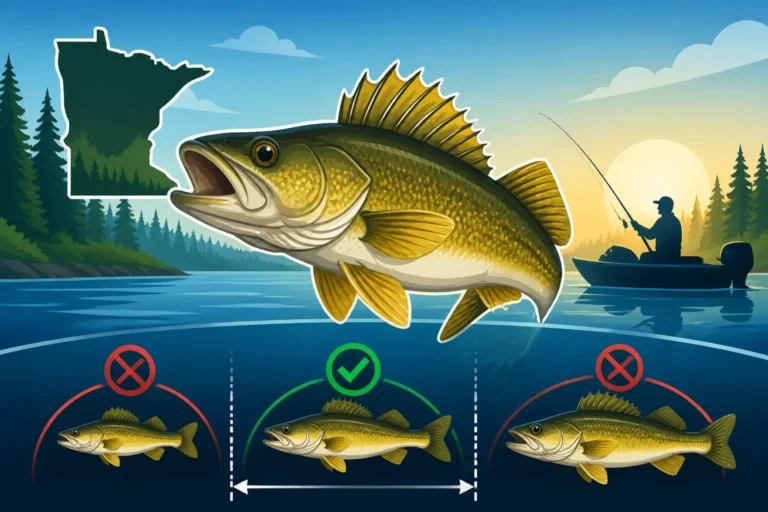
- Slot Limits: A slot limit means that fish within a certain size range must be immediately released. For example, a 17-27 inch walleye slot limit means any walleye you catch that measures between 17 and 27 inches must go back into the water. You might be allowed to keep a certain number of fish under the slot, and sometimes one fish over the slot. These are incredibly effective for fostering trophy fisheries and ensuring a healthy breeding population. Mille Lacs Lake, for instance, has frequently implemented dynamic slot limits and harvest rules for walleye that change year to year, or even within the same season, depending on the population assessment. Always check the specific lake’s rules section in the DNR regulations.
- Reduced Bag Limits: Some lakes will simply have a lower daily bag limit for a particular species than the statewide average. This is very common for crappies and sunfish now, where a lake might have a daily limit of 5 panfish instead of the general 10. The intent is to spread the harvest among more anglers and reduce pressure on these panfish populations.
- Increased Bag Limits: Less common, but sometimes a lake might have an increased bag limit if a species is overpopulated and stunting, and the DNR wants to encourage harvest of smaller fish. Northern pike in certain North-Central Zone lakes are a good example where higher limits are used to remove smaller fish and allow others to grow larger.
When you're planning a trip to a specific lake, it's non-negotiable to look up its individual regulations. The DNR's online LakeFinder tool is an excellent resource for this.
Border Water Considerations (Wisconsin, Ontario)
Fishing on Minnesota's border waters adds another layer of complexity. These shared waters often have reciprocal agreements or separate sets of regulations that blend rules from both jurisdictions.
- Wisconsin Border Waters (e.g., St. Croix River, Lake Pepin, Mississippi River): When fishing on waters shared with Wisconsin, you often have a choice: follow Minnesota's rules, or follow Wisconsin's rules. However, you must choose one set of regulations and adhere to it completely. You can't pick and choose the most lenient rules from each state. For example, if Minnesota allows 6 walleye and Wisconsin allows 3, you can't keep 4. You must decide if you're fishing under MN or WI rules for the day. These regulations are detailed in the "Border Waters" section of the Minnesota DNR fishing guide. Specifics for locations like Lake Pepin Fishing Regulations (2026) are usually found here.
- Ontario Border Waters (e.g., Lake of the Woods, Rainy Lake, Basswood Lake): Fishing these majestic northern waters, like Lake of the Woods, means navigating a blend of Minnesota and Ontario regulations. Typically, you'll need a license for the state/province you're fishing in. For some border waters, there are specific "international border water" regulations that both Minnesota and Ontario agree upon. These often differ from inland rules for either jurisdiction. For instance, Lake of the Woods has very specific rules for walleye and northern pike that combine aspects of both. Understanding Lake of the Woods Fishing Regulations (2026) is critical, as violating Canadian rules can carry significant consequences, even if you thought you were following Minnesota law. Always carry the appropriate license and refer to the border water section of the regulations booklet.
Experimental and Special Management Lakes
Beyond the standard special regulations, some lakes are designated as "experimental" or "special management" waters. These are often testbeds for new management strategies or areas where a fishery is in particular need of focused attention. These lakes might have highly unusual limits or restrictions that wouldn't be found anywhere else. For example, some lakes might have experimental regulations to promote trophy bluegill growth, with very low daily limits or unique slot rules for panfish. Others might be part of a research project on northern pike management. The rules on these lakes are always clearly marked in the regulations booklet and are critical to follow precisely, as they contribute valuable data to future fisheries management.
The Difference Between Daily Bag and Possession Limits
Even with the definitions laid out, the real-world application of daily bag and possession limits can still be a source of confusion. Let's break down how these two limits interact, especially when you're on a multi-day adventure.
Daily Bag: What You Can Keep in One Day
The daily bag limit is straightforward: it's the number of fish you can legally harvest between midnight and midnight. Once you've hit that number for a species, your harvest of that species is done for that calendar day. This doesn't mean you have to stop fishing entirely! You can continue to fish for other species for which you haven't met the limit, or you can switch to strictly catch-and-release fishing for the species whose limit you've reached.
Imagine you're on Lake Bemidji for walleye. The statewide daily bag limit for walleye is 6. If you go out in the morning and catch 6 nice walleye by noon, you've hit your daily bag limit. You can't keep any more walleye that day. You could, however, switch to targeting northern pike or try for some panfish if you haven't filled those limits. If you release the walleye you catch after reaching your limit, that's perfectly fine, assuming you follow proper Catch and Release Best Practices in Minnesota.
Possession Limit: What You Can Have Total
The possession limit is where things get tricky, especially if you're staying at a cabin or resort for several days. This limit applies to all fish you have, regardless of when they were caught, and includes fish that are whole, filleted, fresh, frozen, or otherwise processed.
Let's stick with our Lake Bemidji example. If the statewide possession limit for walleye is 6 (matching the daily bag), and you caught 6 walleye on Monday and put them in your freezer at the cabin, you now have 6 walleye in your possession. On Tuesday, if you go out again, you can catch another 6 walleye and take them home, but only if you are going home that day. If you catch 6 more walleye on Tuesday, you now have 12 walleye (6 from Monday, 6 from Tuesday). If the possession limit is 6, you are now over the limit. This scenario often catches people off guard.
The general rule of thumb used to be that the possession limit was twice the daily bag limit. While this still holds true for some species in some areas, the DNR has been moving towards matching daily and possession limits for many species to simplify enforcement and prevent the "stockpiling" of fish over multi-day trips. Always check the official regulations for the specific lake and species to confirm both limits.
Practical Scenarios: Fishing Trips and Storage
To illustrate the importance of these limits, consider a few common scenarios:
- The Weekend Trip to a Resort: You're spending Friday, Saturday, and Sunday at a resort on Lake Vermilion. Walleye limits are 6 daily, 6 possession.
- Friday: You catch 6 walleye. You put them in the resort freezer. You now have 6 in possession.
- Saturday: You go fishing again. You cannot keep any more walleye today and add them to your freezer, because you already have 6 walleye in possession from Friday. To legally keep more walleye, you would need to consume or give away the 6 you have before catching more. Or, if you are planning to go home on Saturday, you could catch another 6, and transport 12, as long as you are actively leaving the area. This gets tricky very fast, so the simplest is often to stick to the possession limit at your lodging.
- Driving Home with Fish: You've had a fantastic week on Lake of the Woods and are heading home. You have a cooler full of filleted walleye. All these fish count towards your possession limit. Make sure the total number of fish (calculated by fillets – usually 2 fillets = 1 fish) does not exceed the possession limit for the species, even if they were caught over several days. The DNR website has helpful information on Minnesota Possession Limits Explained.
- Guests and Shared Coolers: If you're fishing with friends, and you pool your catch into one cooler, remember that each individual angler is responsible for their own bag and possession limits. You can't combine limits to exceed what one person could legally possess. For example, if you and a friend each have a 6-fish walleye possession limit, you can have a combined total of 12 fish, but you should be able to identify which 6 belong to you and which 6 belong to your friend, especially if some fish are filleted. Marking your fillets or keeping them in separate bags is a good practice.
Exemptions and Special Cases
While the regulations are designed to be comprehensive, there are always unique situations and individuals who might have slightly different rules applied to them.
Youth and Anglers with Disabilities
Minnesota strives to make fishing accessible for everyone, including its youngest anglers and those with disabilities.
- Youth Fishing: Generally, residents under the age of 16 do not need a fishing license to fish in Minnesota. However, they are still subject to the same bag and possession limits as licensed adults. This means if a child is fishing with you, their catch counts towards their individual limit, not yours, but the overall limits still apply. This encourages responsible angling from a young age. For more information, check out Minnesota Fishing License for Kids & Youth.
- Anglers with Disabilities: The DNR offers various accommodations and special permits for anglers with disabilities, such as those who are legally blind or permanently and totally disabled. These might include reduced license fees or other specific considerations, but generally, bag and possession limits remain the same as for other licensed anglers. It's always best to contact the DNR directly for specific details regarding disability accommodations related to licenses or regulations.
Live Bait Restrictions and Handling
While not strictly a "limit" on fish, regulations concerning live bait are designed to protect fish populations and ecosystems from disease and invasive species.
- Minnow and Leech Regulations: There are strict rules on how minnows and leeches can be transported, possessed, and used. For instance, you generally cannot transport live minnows caught in one body of water to another body of water. Minnows purchased from a licensed dealer might be allowed for use on multiple waters, but only if they are kept separate from any wild-caught minnows. These rules are primarily about preventing the spread of aquatic invasive species (AIS) and fish diseases. Always dispose of unused bait on land, not back into the water.
- Aquatic Invasive Species (AIS) Rules: Beyond bait, the broader Aquatic Invasive Species (AIS) Rules for Boaters are crucial. This includes draining all water from boats, livewells, and bait containers; removing all aquatic plants and prohibited invasive species; and disposing of unwanted bait in the trash. Ignoring these rules can lead to significant fines and is a serious threat to Minnesota's waters.
Commercial Fishing and Special Permits
While this guide focuses on recreational angling, it's worth noting that commercial fishing operations and scientific research often operate under entirely different sets of regulations and special permits. Commercial fishers, typically targeting species like rough fish (e.g., carp, buffalo), have quotas, gear restrictions, and designated fishing areas that are far more extensive than recreational limits. Similarly, DNR staff or researchers with special permits may collect fish for scientific study in ways that would be illegal for a recreational angler. These activities are all highly regulated and critical for overall fisheries management, but they don't apply to the average person heading out for a day of fun.
Staying Informed: How to Access Current Regulations
The single most important piece of advice for any angler in Minnesota is to stay informed. Regulations do change, sometimes annually, sometimes even mid-season, especially for sensitive fisheries like Mille Lacs walleye. Relying on outdated information, or worse, "what your buddy told you," is a recipe for trouble.
The Official Minnesota DNR Fishing Regulations Booklet
Your absolute best friend on the water is the official Minnesota Fishing Regulations booklet. This small, pocket-sized guide is published annually by the DNR and contains all the current rules, including statewide limits, special regulations for individual lakes and rivers, border water rules, and important AIS information.
- Where to Find It: You can pick up a physical copy for free at most bait shops, sporting goods stores (like Fleet Farm or Cabela's), DNR offices, and sometimes even at gas stations in fishing communities. It's usually available in late winter or early spring, well before the general fishing opener.
- Why It's Essential: It's written in clear, concise language, includes maps of pike zones, and details specific exceptions that are impossible to memorize. Always have the most current version with you, either physically or digitally.
Online Resources and Mobile Apps
In our digital age, staying informed is easier than ever. The DNR provides excellent online resources.
- DNR Website: The official Minnesota DNR website is a treasure trove of information. You can download the current regulations booklet as a PDF, use their interactive LakeFinder tool to search for specific lake regulations, and find news releases about regulation changes. It's often updated with the very latest information, especially for emergency or in-season changes.
- Mobile Apps: Several fishing apps, such as the official "MN DNR Fish & Hunt" app or third-party apps like FishBrain (which often integrates DNR data), can provide quick access to regulations based on your location or a specific lake. While these are convenient, always cross-reference with the official DNR booklet if there's any doubt, as apps can sometimes lag slightly behind the absolute latest updates. Navionics and LakeMaster also have excellent map data which sometimes integrates regulation data, but their primary function is navigation and contour mapping.
Local Bait Shops and Guides: Your Best Local Resource
Never underestimate the value of local expertise. Bait shop owners and professional fishing guides are often on the front lines of regulation changes and understand the nuances of local waters.
- Bait Shop Wisdom: The folks running your local bait shop in places like Baudette, Walker, or Brainerd are usually passionate anglers themselves and are often the first to know about new regulations or subtle interpretations of the rules. They can offer invaluable advice not just on what's biting, but how to comply with the specific limits for the surrounding lakes.
- Fishing Guides: If you hire a fishing guide, part of their service is to ensure you're fishing legally. They are typically experts in local regulations and can guide you on what to keep and what to release. Don't hesitate to ask them questions about limits and how they manage their clients' catch.
Common Violations and Their Consequences
Ignorance of the law is never an excuse. Violating fishing regulations, even accidentally, can lead to unpleasant and costly consequences. The DNR's Conservation Officers are out on the water to protect our resources, and they take these rules seriously.
Over-Limits: Accidental vs. Intentional
The most common violation is exceeding the daily bag or possession limit.
- Accidental Over-Limit: This usually happens when anglers simply don't understand the difference between bag and possession limits, or they've miscounted their catch, especially after several days of fishing. Another common mistake is misidentifying a fish species (e.g., mistaking a sauger for a walleye, or a northern pike for a muskie if it's borderline size or color). While usually not as severely penalized as intentional violations, accidental over-limits can still result in fines and confiscation of fish.
- Intentional Over-Limit (Poaching): This is a much more serious offense. Purposely keeping more fish than allowed, hiding fish, or trying to circumvent regulations is considered poaching. This is a deliberate act of theft from the public resource and is treated as such. Penalties are significantly higher, potentially including large fines, loss of fishing privileges, and even jail time in severe or repeat cases. Penalties for Keeping Over-Limit Fish in Minnesota can be quite steep.
Size Restrictions and Misidentification
Beyond numbers, size limits are another frequent area of violation.
Disclaimer
This article is for general informational purposes only and does not constitute professional advice. Laws, prices and regulations vary by location and change over time. Consult a qualified professional for guidance on your specific situation.