Upper Red Lake Walleye Limit & Slot
There is nothing quite like the excitement of hitting the ice at Waskish or launching a boat onto the vast, windswept waters of Upper Red Lake, but that excitement quickly turns to frustration when you realize the walleye regulations changed just days before your arrival. This guide provides the definitive 2026 Upper Red Lake Walleye Limit & Slot details to ensure you stay legal and avoid costly DNR fines while enjoying one of Minnesota's most productive fisheries.
Understanding the 2026 Walleye Limits on Upper Red Lake
Upper Red Lake is unique among Minnesota’s 10,000 lakes because its regulations are extremely fluid. Unlike most bodies of water where rules stay stagnant for years, the Minnesota Department of Natural Resources (DNR) monitors the harvest on Red Lake with eagle-eyed precision, often adjusting the bag limits multiple times within a single calendar year. As we move through the season, the current framework is designed to balance an incredibly healthy walleye population with the massive amount of fishing pressure the lake receives, particularly during the early ice fishing months.
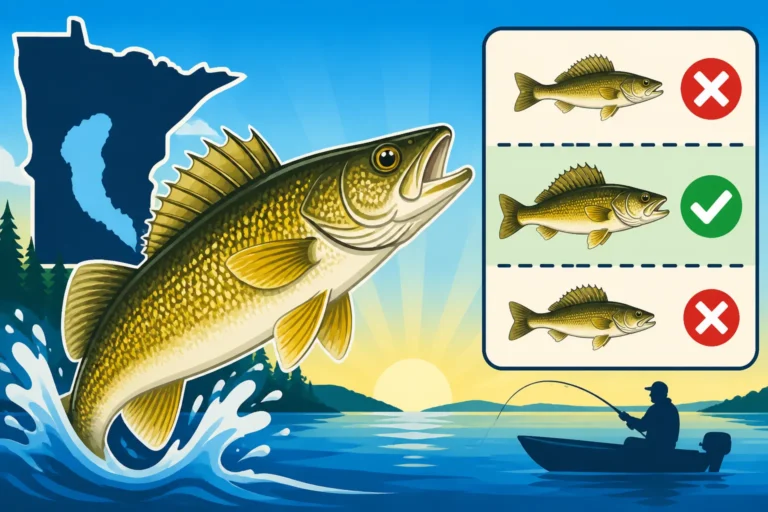
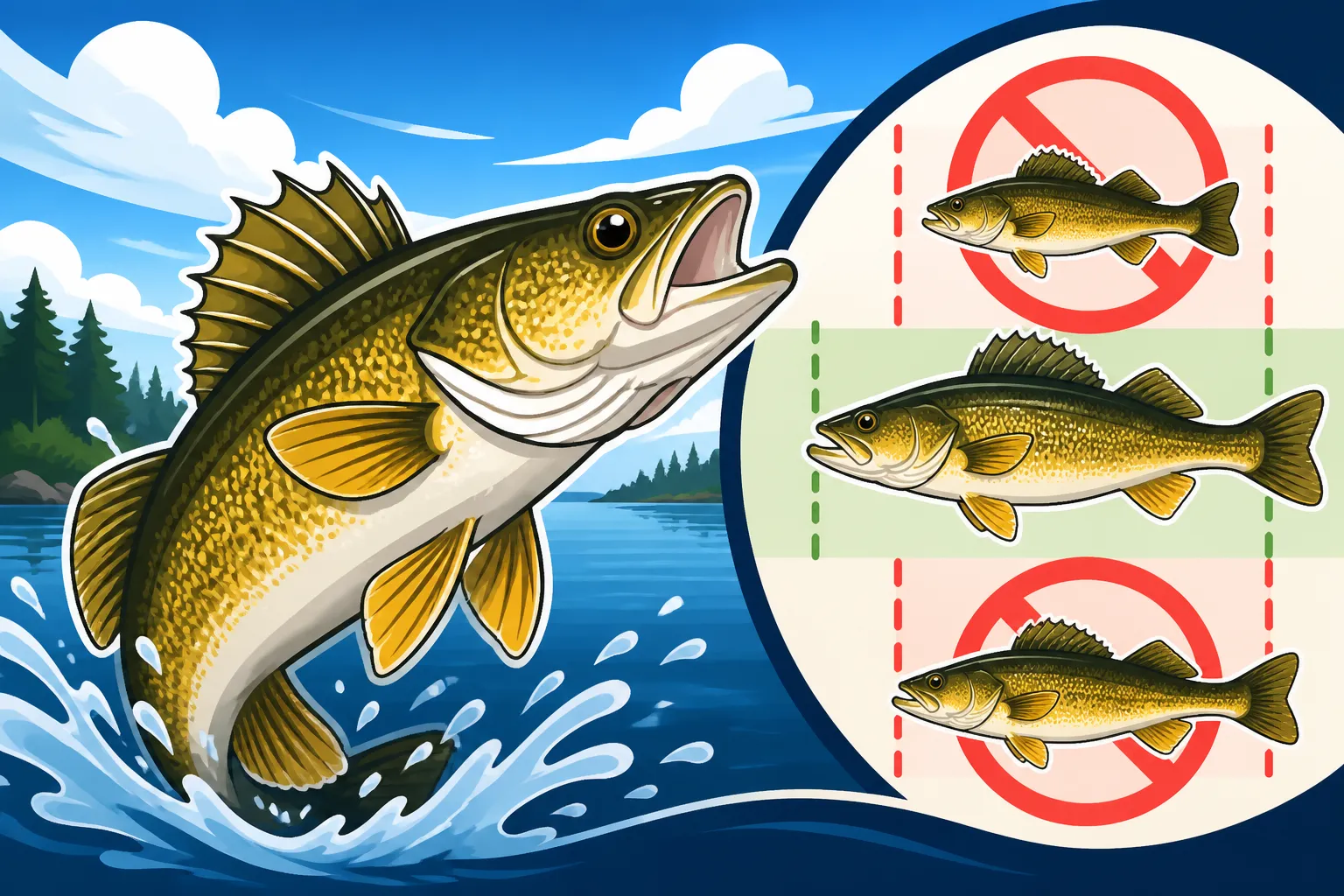
For the 2026 season, the daily and possession limit for walleye on Upper Red Lake is set at four fish. However, the most critical part of this rule is the size restriction. Currently, all walleye between 17 inches and 26 inches must be immediately released. You are allowed to keep four fish that are under 17 inches, or you can opt to keep three fish under 17 inches and one "trophy" fish that exceeds 26 inches. This "gap" in the regulations—protecting those 17 to 26-inch fish—is intended to safeguard the prime spawning-age females that keep the lake's population booming.
It is vital to remember that these rules apply specifically to the state-managed waters of the lake. Upper Red Lake is divided between the state of Minnesota and the Red Lake Nation. About 60% of the lake is under tribal jurisdiction and is closed to non-tribal members. When you are out on the water, especially in a boat with a GPS, you must be hyper-aware of the boundary lines. Crossing into tribal waters without authorization is a serious offense that can lead to the seizure of your gear and boat.
The Slot Limit and How to Measure Your Catch
The slot limit is the most common point of confusion for anglers visiting Waskish. Many people ask, "What if the fish is exactly 17 inches?" In the eyes of a conservation officer, a fish that touches the 17-inch mark on a calibrated measuring board is considered to be within the protected slot. To stay safe, most veteran Red Lake anglers suggest that if a fish is even close to the line, you should let it go. The Minnesota Walleye Limit & Size Rules are strictly enforced here because the lake's ecosystem is so sensitive to over-harvesting.
When measuring your fish, you should use a flat measuring board rather than a flexible tape measure. Lay the fish flat, close its mouth, and squeeze the tail to reach its maximum length. If that tail fin crosses the 17-inch line, it has to go back. It’s also worth noting that "high-grading"—the practice of catching a legal fish, putting it in the livewell, and then replacing it later with a larger legal fish—is illegal in Minnesota. Once a fish is reduced to your possession (placed in a bucket, livewell, or on a stringer), it counts toward your daily limit.
If you are lucky enough to hook into a true giant, something over 26 inches, you have a decision to make. While the Minnesota Possession Limits Explained allow you to keep one fish over the slot, many local guides and conservationists encourage the live release of these "super-spawners." A 28-inch walleye on Red Lake is often an old fish that has survived decades of pressure. Taking a photo and choosing a replica mount is a great way to preserve the memory while keeping the lake's genetics strong for future generations.
Daily Bag Limits vs. Possession Limits
A common mistake that leads to heavy fines is confusing the daily bag limit with the possession limit. On Upper Red Lake, your daily limit and your possession limit are currently the same: four fish. This means you cannot catch four fish on Friday, put them in the freezer of your sleeper house, and then catch four more on Saturday. At no point can you have more than four Upper Red Lake walleye in your physical possession, whether they are on the ice, in your truck, or at your home.
This becomes especially tricky during multi-day trips. If you are staying at one of the popular resorts like Hillman’s or West Wind, you might be tempted to "stock up" for a big fish fry back home. However, the DNR frequently conducts "road checks" on Highway 72. If an officer finds you with eight walleyes and you are a single angler, you will be cited for being over the limit, regardless of how many days you spent on the lake. For more information on the consequences of these mistakes, you can read about What Happens If You Fish Without a License in Minnesota?.
| Regulation Type | 2026 Upper Red Lake Specification |
|---|---|
| Daily Walleye Limit | 4 Fish |
| Possession Limit | 4 Fish |
| Protected Slot | 17" to 26" (Must be released) |
| Trophy Allowance | 1 Fish over 26" allowed in the bag of 4 |
| Northern Pike Limit | 3 Fish (All under 30" or 1 over 40") |
| License Required | Minnesota Angling License + AIS Surcharge |
Why the Rules Change so Frequently
You might wonder why Upper Red Lake Fishing Regulations (2026) seem to change every few months while other lakes remain the same. The answer lies in the collaborative management between the Minnesota DNR and the Red Lake Nation. Following the total collapse of the walleye fishery in the late 1990s due to overfishing, a recovery plan was put in place. Today, the two entities meet regularly to discuss "harvest caps."
The harvest cap is a specific poundage of walleye that can be taken out of the lake in a year. Because Upper Red Lake is shallow (averaging only 10-15 feet) and has very little structure, the walleyes are often concentrated and easy to find. In years where the "bite" is hot, anglers can reach the state's poundage quota much faster than expected. If the DNR sees that the winter harvest was massive, they may lower the limit for the summer to ensure the lake isn't depleted. Conversely, if the harvest is low, they might raise the limit to six fish to encourage more tourism to the area.
This management style has turned Upper Red into a "numbers" factory. While it may not produce the consistent 30-inchers of Lake of the Woods, it offers an incredible catch rate for 14 to 16-inch "eaters." If you are planning a trip, it is a good idea to check the Minnesota Fishing Regulations Changes for 2026 right before you leave, as an emergency order could change the limit with only a few days' notice.
Tips for a Successful and Legal Trip
To make the most of your time on the water while staying within the Upper Red Lake Walleye Limit & Slot, you need to adapt your techniques. Because the water is stained (often called "root beer" water), walleyes rely heavily on vibration and bright colors. Gold, glow-red, and chartreuse are staples in any Red Lake tackle box.
When ice fishing, the most effective strategy is often a "one-two punch." Set up one rod with a vibrating jigging spoon to call fish in from a distance, and keep a second "deadstick" line nearby with a plain hook and a lively minnow under a slip bobber. If you're new to this setup, learning How to Catch Walleye Through the Ice in Minnesota can significantly increase your success rate.
Additionally, ensure you are compliant with all seasonal rules. For example, during the winter, you must follow the Minnesota Ice Fishing & Shelter Rules regarding how you dispose of waste and where you park your vehicle. Red Lake is notorious for "ice heaves" and cracks; following the lead of the local resorts is not just about catching fish, it’s about safety.
Required Licensing and AIS Compliance
Before you even drop a line, you must have a valid Minnesota Fishing License: Cost, Types & How to Buy (2026). This applies to both residents and non-residents. If you are bringing your own boat during the summer months, you must be extremely diligent about Aquatic Invasive Species (AIS). Red Lake is currently relatively pristine compared to other lakes, and the community is very protective of its water quality.
Make sure you understand the Minnesota AIS Drain Plug Law Explained before you arrive. You must pull your drain plug and empty all bait buckets before leaving the boat ramp. Failure to do so can result in a significant fine and, more importantly, the potential introduction of zebra mussels or starry stonewort into a fishery that is the lifeblood of the Waskish economy. If you are coming from out of state, be sure to look into Nonresident Fishing in Minnesota: Licenses & Rules to ensure you have the correct permits for your vehicle and boat trailer.
Summary of Best Practices for Upper Red Lake
To ensure your trip is memorable for the right reasons, keep these points in mind:
- Always use a flat measuring board to verify the 17-26 inch slot.
- Limit your harvest to four walleyes total in your possession.
- Stay on the state-managed side of the lake; use a GPS with lake maps.
- Check for emergency regulation updates 48 hours before your trip.
- Practice clean, drain, and dry protocols for all your Best Gear for Ice Fishing Walleye in Minnesota.
Upper Red Lake is a treasure of the Northwoods. By respecting the Upper Red Lake Walleye Limit & Slot, you are playing a direct role in maintaining one of the greatest walleye success stories in North American conservation history. Whether you are there for the early ice "gold rush" or a quiet summer evening on the waves, following the rules ensures that the next generation of anglers will have the same opportunity to hear the drag scream on a Red Lake walleye.
Minnesota Fishing Regulations Disclaimer
This guide is intended for informational and educational purposes only. While we strive to provide the most accurate and up-to-date information regarding Upper Red Lake regulations, fishing laws and bag limits are subject to frequent change by the Minnesota Department of Natural Resources through emergency orders. Always consult the official Minnesota Fishing Regulations handbook or the DNR website before your trip to verify current laws. The author and publisher are not responsible for any legal issues, fines, or penalties incurred by readers.