Mille Lacs Lake Fishing Guide: Walleye, Bass & More
Stepping onto the vast shores of Mille Lacs Lake, many anglers feel a mix of excitement and intimidation. It's an immense body of water, over 130,000 acres, and trying to figure out where to start, what to use, or even what fish are biting can be overwhelming for even seasoned veterans. This comprehensive guide is designed to cut through that confusion, offering practical, in-depth advice to help you confidently target the legendary walleye, world-class smallmouth bass, and other incredible species that call Mille Lacs home, ensuring your next trip is a resounding success.
The Allure of Mille Lacs Lake
Mille Lacs Lake isn't just a lake; it's an institution in Minnesota fishing culture. Its sheer size, diverse structure, and the incredible array of fish species it supports make it a bucket-list destination for anglers worldwide. But beyond the numbers and the reputation, there's a certain magic to fishing these waters, a feeling of endless possibility every time you launch your boat or drill a hole in the ice.
A Lake of Giants and Legends
For generations, Mille Lacs has been synonymous with trophy fishing, particularly for walleye. Local lore is rich with tales of colossal fish pulled from its depths, and the lake consistently produces some of the largest walleye in the state, despite sometimes challenging regulations designed to protect the population. It's a shallow bowl-shaped lake with an average depth of around 20-30 feet, but it features dramatic underwater reefs, expansive mud flats, gravel bars, and dense weed beds that create perfect habitats for its various inhabitants. This diverse underwater topography is precisely what makes it so productive, yet also so complex to navigate for new anglers. Understanding the nuances of these structures is key to unlocking its secrets.
Beyond Walleye: A Diverse Fishery
While walleye might be the star of the show, it would be a disservice to Mille Lacs to overlook its other incredible angling opportunities. In recent decades, the lake has transformed into one of the premier smallmouth bass fisheries in the entire country, attracting national tournaments and drawing anglers specifically for its bronzeback giants. But the diversity doesn't stop there. Northern pike thrive in its extensive weed beds, growing to impressive sizes. Muskie, often referred to as "the fish of 10,000 casts," lurk in ambush, offering the ultimate challenge for dedicated trophy hunters. Even panfish like crappie and jumbo yellow perch can provide fast action, especially during peak seasons. It's this incredible variety that ensures there's always something to target, no matter your preferred style or time of year.
Understanding Mille Lacs Walleye Fishing
Walleye are undoubtedly the royalty of Mille Lacs, and anglers travel far and wide to experience the thrill of hooking into one of these golden beauties. However, fishing for walleye on Mille Lacs isn't always straightforward. The sheer size of the lake, coupled with dynamic regulations, means you need to be strategic and adaptable.
Navigating the Walleye Regulations
The Minnesota Department of Natural Resources (DNR) works tirelessly to manage the walleye population in Mille Lacs Lake, and this often means that the specific regulations for walleye can change annually, sometimes even mid-season. It's not uncommon to see strict slot limits, reduced bag limits, or even periods of catch-and-release only. These rules are put in place to ensure the long-term health of the fishery, but they can definitely add a layer of complexity to your trip planning. Before you even think about putting a line in the water, you absolutely must check the current year's Mille Lacs Walleye Regulations (2026) directly from the Minnesota DNR website or their fishing regulations booklet. A common scenario might involve a protected slot size, for example, requiring all walleye between 17 and 28 inches to be immediately released, with a one-fish bag limit outside of that slot. Understanding these nuances is crucial for legal and responsible angling.
Top Walleye Tactics for Mille Lacs
Given the vastness and varied structure of Mille Lacs, a range of tactics can be effective for walleye. The key is often to match your presentation to the specific conditions and the walleye's mood.
- Jigging: This is a classic for a reason, especially effective during the spring opener and into early summer, or during ice fishing. Tipping a jig with a shiner minnow, a leech, or even a piece of nightcrawler is deadly on structure like reefs and rocky points. Popular jig weights range from 1/8 to 3/8 ounce, depending on depth and wind. When jigging, pay close attention to the subtle bites that walleye are famous for. A slight tap, a feeling of weight, or simply a lack of resistance when you lift your rod can all signal a bite. Many anglers perfect their "snap jigging" or "lift-and-drop" techniques to entice strikes.
- Lindy Rigging: When walleye are scattered across the mud flats or holding tight to bottom structure in summer, a Lindy Rig is often the most effective presentation. This involves a walking sinker, a swivel, a long fluorocarbon leader, and a plain hook baited with a lively leech, a shiner, or a plump nightcrawler. The beauty of the Lindy Rig is its natural presentation, allowing the bait to drift enticingly just above the bottom. Slowly drifting or backtrolling with a Lindy Rig, maintaining light contact with the bottom, is a go-to method for many Mille Lacs veterans.
- Trolling: As summer progresses and walleye move deeper or suspend over open water, trolling becomes incredibly effective. Crankbaits, like those from Rapala or Berkley, that dive to specific depths are popular choices. Leadcore line can also be used to get baits down to suspended fish. Trolling allows you to cover vast amounts of water, especially the expansive mud flats, until you locate active schools. Pay attention to your boat speed, typically between 1.5 and 2.5 mph, and experiment with different crankbait colors and sizes until you find what the walleye prefer on a given day. For a deeper dive into techniques, check out our comprehensive guide on Walleye Fishing in Minnesota: Complete Guide.
Seasonal Walleye Patterns on Mille Lacs
Walleye behavior on Mille Lacs shifts dramatically with the seasons, making understanding these patterns crucial for consistent success.
- Spring Opener (May): When the season kicks off, walleye are often found in shallower water near spawning grounds, particularly around rocky points, gravel bars, and the mouths of tributaries. Water temperatures are cool, and fish are hungry after the spawn. Jigs tipped with minnows are hard to beat during this period. The focus is usually on depths of 6-15 feet, especially during low light conditions or on cloudy days. As the water warms slightly, they might move to the first breaks or slightly deeper rock humps.
- Summer (June-August): As the water warms, walleye disperse from the shallows. They will relate to deeper rock reefs, transitions from rock to mud, and the vast mud flats that define much of Mille Lacs. This is prime time for Lindy rigging with leeches and crawlers on the mud, or trolling crankbaits over expansive flats. Night fishing for Walleye at night can also be incredibly productive during the summer, as fish move shallower to feed under the cover of darkness.
- Fall (September-October): The fall turnover and cooling water temperatures signal a big change. Walleye will move back towards shallower structure, especially rocky points and reefs, to feed aggressively before winter. Large shiner minnows become the bait of choice, often presented on jigs or slip bobbers. Trolling large crankbaits can also be effective as fish gorge themselves.
- Ice Fishing (December-March): Mille Lacs is an ice fishing mecca. Walleye can be found on rock reefs, gravel bars, and the edges of mud flats. Jigging spoons, lipless crankbaits, and small jigs tipped with minnow heads are popular presentations. Many anglers utilize permanent ice houses or portable shelters to stay warm and comfortable. Understanding ice thickness and safe travel routes is paramount, as the lake can be prone to pressure ridges and cracks. You can learn more about techniques in our guide on How to Catch Walleye Through the Ice in Minnesota.
The World-Class Smallmouth Bass Fishery
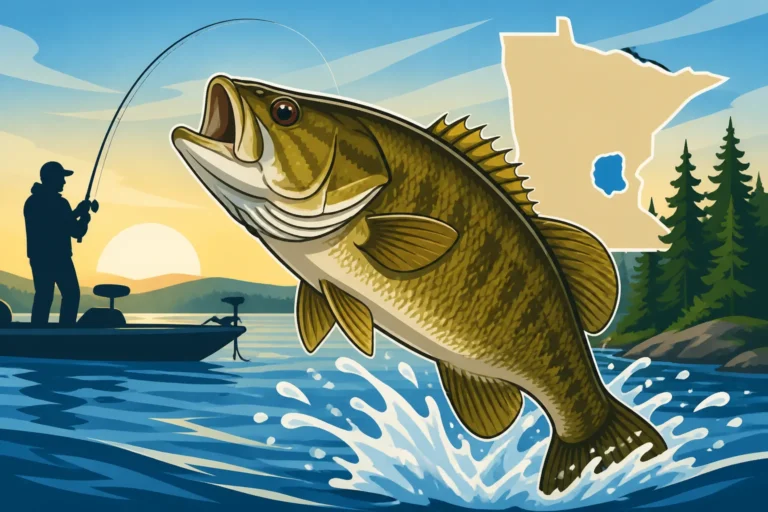
In recent years, Mille Lacs has truly exploded onto the national bass fishing scene, particularly for its colossal smallmouth bass. Anglers are now traveling from all over to target these aggressive, hard-fighting bronzebacks, often finding opportunities for fish well over 5 pounds. The transformation has been remarkable, making it a dual-threat fishery that offers something truly special beyond just walleye.
Why Mille Lacs is a Smallmouth Paradise
Mille Lacs' unique characteristics make it an ideal habitat for smallmouth bass. The lake is predominantly rocky, with countless boulders, rubble fields, gravel points, and extensive deep reefs. This varied rock structure provides abundant cover, ambush points, and prime spawning areas for smallmouth. Add to that a robust forage base of crayfish, shiners, and yellow perch, and you have a recipe for fast growth and large fish. These smallmouth aren't just big; they're incredibly feisty, offering acrobatic jumps and powerful runs that make them an absolute blast to catch. For anyone looking for a truly epic smallmouth experience, Mille Lacs is now a must-visit destination. You can explore more about this fantastic fishery by reading our dedicated piece on Mille Lacs Smallmouth Bass: World-Class Fishery.
Effective Smallmouth Bass Techniques
Smallmouth on Mille Lacs are often aggressive and will hit a wide variety of lures. Adaptability is key, but here are some go-to techniques:
- Topwater Baits: During low light conditions, calm mornings, or when fish are actively schooling baitfish, topwater lures like poppers, walking baits, and prop baits can produce explosive strikes. Casting these over rocky points, shallow reefs, or around emergent weed edges can be incredibly exciting. Imagine a 4-pound smallmouth absolutely inhaling your lure off the surface – it's a sight you won't soon forget!
- Drop Shot Rigs: When smallmouth are deeper or more finicky, a drop shot rig is deadly. A small soft plastic minnow, worm, or creature bait rigged above a lead weight allows for a subtle, natural presentation. This technique is fantastic for vertically fishing deeper rock humps, breaklines, or around isolated boulders, often showing up well on your fish finder.
- Tube Jigs: A classic smallmouth presentation, tube jigs imitate crayfish, a primary food source for Mille Lacs smallmouth. Rigged internally or externally, tubes can be dragged, hopped, or shaken along the bottom of rocky areas. Green pumpkin, watermelon, and natural crayfish patterns are always excellent choices. When you feel a slight "tick" or added weight, set the hook!
- Ned Rigs and Hair Jigs: These subtle presentations have also gained popularity. Ned rigs, with their mushroom-shaped heads and small soft plastics, are fantastic for coaxing bites from pressured fish. Hair jigs, especially in black or brown, can imitate crayfish or small baitfish and are incredibly effective when slowly worked along the bottom, particularly in colder water periods.
Finding Smallmouth Structure
Mille Lacs is full of prime smallmouth habitat, but knowing where to focus your efforts can save you a lot of time.
- Rocky Reefs and Humps: These are smallmouth magnets. Look for reefs that rise sharply from deeper water, especially those with jagged rocks, scattered boulders, and crevices. Smallmouth will often stage on the deeper edges of these reefs and move up to feed on the tops or shallower sides. Key in on irregular features, transitions, or areas with current.
- Shoreline Boulders and Points: Many areas of the Mille Lacs shoreline are littered with boulders and rock outcroppings. Long, tapering rocky points that extend into the lake are also prime spots, acting as highways for smallmouth moving to and from deeper water. Focus on areas exposed to wind, as this can concentrate baitfish and oxygenate the water.
- Weed Edges and Transitions: While smallmouth prefer rock, they will often relate to the edges of deeper weed lines, especially where weeds meet rock or sand. These areas provide excellent ambush points for feeding bass, particularly in areas with good cover and clear water. Use your electronics to identify these critical transition zones.
Northern Pike and Muskie Opportunities
While walleye and smallmouth bass often grab the headlines, Mille Lacs Lake offers fantastic opportunities for two other apex predators: northern pike and muskie. These toothy critters provide a different kind of angling challenge, known for their aggressive strikes and powerful fights.
Chasing Mille Lacs Pike
Northern pike are abundant throughout Mille Lacs and can grow to impressive sizes, with 30-inch-plus fish being a real possibility. While some anglers target them specifically for their fighting prowess and culinary appeal (especially when filleted to remove Y-bones), they are often a welcome bycatch when targeting other species.
- Where to Find Them: Pike are ambush predators and primarily relate to cover. On Mille Lacs, this means extensive weed beds, especially those with sharp edges or pockets. Look for cabbage beds, coontail, and emergent reeds in bays and along flatter stretches of shoreline. They'll also patrol the edges of rocky reefs or deeper drop-offs adjacent to weeds.
- Common Methods: For actively targeting pike, casting large spinnerbaits (like a classic Johnson Silver Minnow), spoons (Daredevils, Five of Diamonds), and inline spinners are highly effective. Jerkbaits and shallow-running crankbabaits can also draw vicious strikes. For a more relaxed approach, fishing with a dead bait under a bobber or on a quick-strike rig in shallower weed pockets is a common tactic, especially during late fall and ice fishing. If you're really looking to learn the ins and outs, our guide on Northern Pike in Minnesota: Identification & Where to Catch is a great resource.
- Gear Considerations: Pike have sharp teeth, so using a steel or heavy fluorocarbon leader is essential to prevent bite-offs. A medium-heavy to heavy action rod with a strong reel and 15-30 lb braided line is recommended.
The Thrill of Muskie on Mille Lacs
Mille Lacs is also home to a healthy population of muskie, offering a legitimate chance at a true "fish of 10,000 casts." These freshwater giants are the ultimate challenge, testing an angler's patience, dedication, and skill. While not as heavily stocked as some other designated muskie lakes, Mille Lacs muskie grow to incredible sizes, with fish exceeding 50 inches a real possibility.
- Size Potential and Challenging Nature: Muskie fishing is not for the faint of heart. It requires specialized heavy-duty gear, an understanding of muskie behavior, and often countless casts between strikes. But the reward – a massive muskie crashing your bait – is an unparalleled adrenaline rush. Anglers often spend entire days on the water, meticulously working prime spots, for just one opportunity.
- Techniques and Lures: Trolling large crankbaits and glide baits along deep weed lines, over deep rock reefs, or near prominent points is a popular method, especially during the summer and fall. Casting massive bucktails, topwater baits (like the Whopper Plopper), and large glide baits into shallower weed pockets or over reef tops can also be incredibly effective. The "figure-8" at the boat is a mandatory move, as many muskie will follow a lure right to the boat before striking.
- Prime Locations: Look for muskie around the edges of large weed beds, rocky main lake points, and prominent reef structures. They are often found lurking near schools of baitfish, waiting for an opportunity to ambush. Dedicated muskie anglers often spend hours graphing structure and studying lake maps to identify key areas. To truly prepare for this challenge, consult our comprehensive article, Muskie Fishing in Minnesota: The Fish of 10,000 Casts.
Panfish and Other Species
While the big three — walleye, smallmouth, and pike/muskie — draw the most attention on Mille Lacs, the lake also offers some fantastic, often overlooked, opportunities for panfish and other unique species. These can provide a relaxing change of pace or a great option when the bite for other fish is slow.
Crappie and Perch on the Big Lake
Mille Lacs can produce some truly impressive crappie and jumbo yellow perch, especially during certain times of the year.
- Crappie: Black crappie are present throughout the lake. They tend to congregate in deeper water around submerged wood, brush piles, or along the deeper edges of weed lines and mud flats. Early spring and late fall are often prime times to target crappie, as they move into shallower bays or relate to specific structures before and after the spawn. During summer, they might suspend over open water or hold tight to deep cover. Small jigs tipped with minnows, plastics, or wax worms under a slip bobber are excellent choices. Using your electronics to locate schools of crappie is crucial.
- Yellow Perch: Mille Lacs is known for producing "jumbo" perch, often exceeding 10 inches, which are fantastic table fare. Perch are schooling fish and can be found over sand flats, around weed edges, and on certain mud flats. They are particularly active during the late summer and through the ice fishing season. Small jigs, spoons, and live bait like minnows or wax worms are very effective. If you find one perch, you're likely to find a whole school, so stay put!
- Finding Them: For both crappie and perch, utilize your fish finder to locate baitfish schools or submerged structure. Don't be afraid to drift across mud flats or work along weed edges until you mark fish. Sometimes, a subtle weed line transition will hold a massive school of crappie.
Unexpected Catches
Beyond the typical sportfish, Mille Lacs is home to several other species that can offer a surprising fight or an interesting diversion.
- Eelpout (Burbot): Often called "freshwater cod," eelpout are unique, bottom-dwelling fish that become very active in cold water, especially during the ice fishing season. While not typically targeted by many, they can provide consistent action and are actually quite good to eat, with firm, flaky white meat. They're often caught on jigs tipped with minnows or glow spoons fished on the bottom. Many anglers consider them a nuisance, but they're a part of the lake's diverse ecosystem.
- Other Rough Fish: Common carp, white suckers, and various redhorse species also inhabit Mille Lacs. While not typically targeted by sport anglers, they play an important role in the lake's ecosystem. Occasionally, an angler might hook into a large carp, which can provide a surprisingly strong fight. These fish are generally found in shallower, warmer bays with softer bottoms.
Essential Gear and Boat Setup for Mille Lacs
Fishing a lake as vast and diverse as Mille Lacs demands thoughtful preparation when it comes to gear and boat setup. It's not the kind of lake where you can just show up with a basic tackle box and expect consistent success. Having the right tools for the job can make all the difference in locating fish, presenting baits effectively, and staying safe.
Electronics are Key
On a big lake like Mille Lacs, your electronics are your best friends. They help you navigate, find structure, and mark fish, turning what could be a needle-in-a-haystack search into a targeted mission.
- Fish Finders and GPS Mapping: A high-quality fish finder with GPS mapping capabilities is almost a necessity. Brands like Humminbird, Lowrance, and Garmin offer units with detailed contour maps (like LakeMaster or Navionics) that highlight reefs, humps, weed lines, and depth changes. These maps are invaluable for identifying potential hotspots and navigating safely around hazards. Features like Side Imaging or Down Imaging can give you a photographic view of the bottom, helping you spot subtle structure or schools of fish that traditional sonar might miss. For example, using your GPS to mark waypoints on a promising reef system or the edge of a mud flat will allow you to return to productive spots with precision.
- Forward-Facing Sonar: Newer technologies like Garmin LiveScope or Humminbird Mega Live have revolutionized fishing, especially for species like smallmouth bass and even walleye. These systems provide real-time, live views of what's happening underwater in front of and around your boat. You can literally see fish reacting to your lure, allowing for unparalleled precision and immediate adjustments. While a significant investment, many dedicated anglers swear by its effectiveness on big, clear lakes like Mille Lacs.
Rods, Reels, and Lures for the Big Water
Your tackle needs to be robust and versatile enough to handle both the size of the fish and the varied techniques required on Mille Lacs.
- Walleye Setups: For jigging, a sensitive 6'6" to 7' medium-light or medium action spinning rod with a fast tip, paired with a 2500-size reel spooled with 6-10 lb braided line and a fluorocarbon leader, is ideal. For Lindy rigging or slip bobber fishing, a slightly longer, more moderate action rod (7'-7'6") can provide better hooksets and cushion runs. When trolling, medium-heavy baitcasting setups with line counters are preferred for accurately setting depths. When choosing lures, consider the Best Walleye Lures: Jigs, Cranks & Spinners for different conditions.
- Smallmouth Bass Setups: For topwater and reaction baits, a 7'-7'3" medium-heavy fast action casting rod with a good baitcasting reel and 12-17 lb fluorocarbon or braided line is excellent. For finesse techniques like drop shots and Ned rigs, a 7' medium-light or medium action spinning rod with a fast tip and 8-10 lb braided line to a fluorocarbon leader is perfect for feeling subtle bites.
- Pike and Muskie Setups: These require heavy-duty gear. For pike, a medium-heavy to heavy action casting rod (7'-8') with a stout baitcasting reel and 30-65 lb braided line is standard. Muskie setups are even more specialized, often involving rods 8'6" to 9' in length, large baitcasting reels capable of handling massive lures, and 80-100 lb braided line, always with a heavy-duty leader.
Navigating and Safety
Mille Lacs is a large body of water, and safety should always be your top priority. Conditions can change rapidly, and shallow hazards exist.
- Boat Size and Capability: While small boats can be used on calm days, a 16-foot-plus fishing boat with a reliable motor is recommended for comfortable and safe navigation, especially if you plan to venture out into the main lake. Rough water can develop quickly, and a larger boat handles waves much better.
- Weather Awareness: Always check the weather forecast before heading out. High winds can turn Mille Lacs into a dangerous washing machine in a matter of minutes, making navigation and even anchoring treacherous. Pay attention to wind direction and strength, and have a plan for seeking shelter if conditions deteriorate.
- Shallow Spots and Hazards: While much of Mille Lacs is relatively shallow, there are numerous reefs and rock piles that can come up quickly, especially during periods of low water. Always pay attention to your depth finder and GPS charts, and navigate with caution in unfamiliar areas. Have all required safety gear, including life jackets for everyone on board, a sound-producing device, and navigation lights.
Planning Your Mille Lacs Fishing Trip
A successful fishing trip to Mille Lacs goes beyond just knowing how to fish; it involves strategic planning regarding accommodations, regulations, and access. Being prepared ensures a smoother, more enjoyable experience on and off the water.
Lodging, Guides, and Launch Access
Mille Lacs is a popular tourist destination, and as such, it offers a wide range of options for places to stay, expert help, and public access.
- Resorts and Cabin Rentals: The perimeter of Mille Lacs is dotted with numerous resorts, from rustic fishing cabins to more modern lodges, many offering boat launches, dock space, and even guided fishing packages. Popular towns like Garrison, Isle, Wahkon, and Onamia serve as hubs for these amenities. Staying at a resort often provides convenient access to the lake and local expertise. Many resorts also offer fish cleaning facilities and bait shops.
- Public Access Points: For those bringing their own boat, there are several well-maintained public boat launches around the lake. These are managed by the Minnesota DNR or local municipalities. Before heading out, ensure your boat is clean, drained, and dry to comply with Aquatic Invasive Species (AIS) Rules for Boaters, as Mille Lacs has several invasive species that need to be contained. Familiarize yourself with how to properly decontaminate your boat (AIS) to avoid fines and protect the lake.
- Hiring a Fishing Guide: If you're new to Mille Lacs or want to maximize your chances of success, hiring a local fishing guide is an excellent investment. Guides possess intimate knowledge of the lake's ever-changing patterns, current regulations, and hot spots. They can teach you effective techniques and provide all the necessary gear. Services like FishingBooker can connect you with experienced Mille Lacs guides who specialize in walleye, bass, or muskie, offering a tailored experience whether you're looking for a half-day outing or a multi-day adventure. A good guide will not only put you on fish but also teach you valuable skills for future trips.
Important Regulations to Know
Minnesota fishing regulations are designed to protect fish populations and ensure sustainable angling for everyone. On a premier lake like Mille Lacs, these rules are particularly dynamic and important.
- Fishing Licenses: Anyone aged 16 or older needs a Minnesota Fishing License: Cost, Types & How to Buy (2026). Licenses can be purchased online, at authorized retailers like bait shops and sporting goods stores, or even via phone. Make sure your license is current and readily available.
- Bag and Possession Limits: Beyond the specific walleye regulations mentioned earlier, be aware of the daily bag and possession limits for all other species you target. These limits can vary by species and sometimes even by specific body of water. Ignorance of the law is not an excuse, and penalties for keeping over-limit fish in Minnesota can be substantial.
- Catch and Release Best Practices: With the prevalence of slot limits and a strong conservation ethic on Mille Lacs, practicing proper catch and release is vital. Learn how to quickly and safely release fish, especially larger trophy-sized individuals. Minimize air exposure, use wet hands when handling fish, and revive them gently if needed. This ensures the fish have the best chance of survival and can continue to contribute to the lake's incredible fishery. Our guide on Catch and Release Best Practices in Minnesota offers detailed advice.
- Dark House Spearing Rules: If you're interested in the traditional sport of dark house spearing during the winter months, be aware that specific rules apply on Mille Lacs. This includes regulations on the size of the spear house, legal species, and designated spearing zones. Always check the DNR regulations for details on Dark House Spearing in Minnesota: Rules & License.
Ice Fishing Mille Lacs: A Winter Wonderland
When the vast surface of Mille Lacs freezes solid, it transforms into an ice fishing paradise, drawing thousands of anglers eager to brave the cold for a chance at its legendary fish. Mille Lacs offers an incredible hardwater experience, from cozy sleeper houses to fast-paced jigging action.
Setting Up for Hardwater Success
Ice fishing on Mille Lacs requires specialized gear and a methodical approach, especially given the lake's size and unpredictable ice conditions.
- Shelters and Warmth: Whether you opt for a portable flip-over or hub-style shelter, or the comfort of a permanent wheelhouse or Ice Castle, staying warm is paramount. These shelters protect you from the biting wind and cold, making your time on the ice much more enjoyable. Propane heaters are essential for maintaining comfortable temperatures inside. Remember to follow Minnesota Ice Fishing & Shelter Rules, including removal deadlines for shelters at the end of the season.
- Augers for Drilling: With potentially thick ice, a powerful auger is a must. Many anglers opt for electric augers like the StrikeMaster Lithium 40V or the ION G2 for their quiet operation and efficiency. Gas augers remain popular for their brute strength, especially in early or late season when ice might be slushy. Make sure your auger is sharp and ready to cut through several feet of ice. You can explore options in our guide to the Best Ice Augers for Minnesota: Electric vs Gas.
- Electronics Under the Ice: Just like open water, electronics are crucial for ice fishing. Flashers like Vexilar, Marcum, and Humminbird Ice Helix units allow you to see your lure, detect fish, and understand bottom structure in real-time. These devices can show you how fish are reacting to your presentation and when a bite is imminent, greatly increasing your success rate. For those looking for more advanced technology, a portable Garmin LiveScope setup can be revolutionary for ice fishing, allowing you to scan large areas under the ice for cruising fish. Learn more about these tools in Best Ice Fishing Flashers: Vexilar vs Humminbird vs Garmin.
Prime Ice Fishing Spots and Tactics
The ice fishing season typically runs from December through March, offering distinct patterns for different species.
- Walleye Through the Ice: Walleye are often found on shallow to mid-depth rock reefs and gravel bars during first ice, then transition to the edges of mud flats and deeper breaks as winter progresses. They tend to be most active during low-light periods (dawn and dusk). Jigging spoons (like Northland Buck-Shot Rattle Spoons or Rapala Jigging Raps) tipped with a minnow head or a full minnow are highly effective. Deadsticking a live minnow on a plain hook a few feet off the bottom in an adjacent hole can also be deadly. When the bite is tough, a small tungsten jig tipped with a wax worm or euro larva can entice reluctant walleye.
- Northern Pike on Tip-Ups: Ice fishing for Northern Pike (Tip-Ups) is a popular strategy on Mille Lacs. Set up tip-ups rigged with large live or dead sucker minnows along the edges of weed beds or near sharp drop-offs. Pike are often caught during midday hours when walleye fishing might be slow. The thrill of seeing a flag pop up, signaling a pike has taken your bait, is an exhilarating experience.
- Jumbo Perch and Crappie: Mille Lacs' jumbo perch are a highly sought-after species through the ice. Look for them on sand flats, around sparse weeds, and on certain mud flats, often in schools. Small jigging spoons or tungsten jigs tipped with wax worms, spikes, or minnow heads are excellent. Crappie will often suspend in deeper basins or relate to submerged brush piles and cribs, especially during mid-winter. Small jigs and soft plastics, often glow-colored, are effective presentations.
Disclaimer
Please note: Fishing regulations, including bag limits, slot sizes, and season dates, are subject to change. Always consult the most current Minnesota DNR fishing regulations booklet or their official website before heading out on Mille Lacs Lake to ensure compliance.