Mille Lacs Lake Fishing Regulations Explained
Oh, Mille Lacs Lake. Just the mention of it conjures images of giant walleye and epic fishing trips, but let's be honest, it also brings a little sigh of frustration for many of us. The regulations on this lake can feel like a moving target, changing year after year, sometimes multiple times in a single season. It makes planning a trip, buying gear, or even just telling your buddies what the deal is, downright confusing. This comprehensive guide is here to untangle all the knots, breaking down the 2026 Mille Lacs Lake fishing regulations for walleye, northern pike, bass, and other popular species, so you can hit the water with clarity and confidence.
Understanding Mille Lacs Lake's Unique Challenges
Mille Lacs Lake isn't just any body of water in Minnesota; it's a gem, a national treasure, and a complex ecosystem that draws anglers from all over the world. But with such popularity and a delicate balance of fish species, managing its fishery is a monumental task. The Minnesota Department of Natural Resources (DNR), along with input from tribal governments and local communities, works tirelessly to keep the lake healthy, which often means adjusting the rules. These aren't arbitrary changes; they're direct responses to scientific data, fish population trends, and environmental factors. It’s a constant dance between conservation and recreation, trying to ensure the lake remains a world-class fishery for generations to come.
The Walleye Fishery: A Balancing Act
The walleye fishery on Mille Lacs Lake is, without a doubt, the centerpiece of its reputation. For decades, anglers have flocked here for a shot at trophy walleye, and the lake has consistently delivered. However, this popularity, combined with natural population cycles and environmental shifts, has put immense pressure on the walleye stock. The DNR closely monitors everything from spawning success and young-of-year survival to overall abundance and harvest rates. When conditions indicate that the walleye population is stressed or that current harvest levels are unsustainable, regulations are adjusted. These adjustments might involve changes to bag limits, possession limits, size restrictions (slot limits), or even the types of gear you can use. It's all about trying to find that sweet spot where anglers can still enjoy the thrill of catching walleye, while also giving the fish the best chance to reproduce and thrive.
Think of it like tending a garden. If you harvest too much too quickly, you won't have anything left for next year. The DNR acts as the gardener, making tough decisions to ensure the walleye "crop" continues to produce. These decisions are often met with mixed reactions, but they are rooted in the best available science to protect the long-term health of the fishery.
Influences Beyond Walleye: Other Species and Factors
While walleye often grab the headlines, Mille Lacs is home to a diverse array of fish species, and their health also plays a significant role in overall lake management. Smallmouth bass, northern pike, muskie, and various panfish all contribute to the lake's ecosystem and angler experience. Changes in the populations of these other species can indirectly impact walleye. For instance, a booming smallmouth bass population might compete with walleye for forage or prey on young walleye. Similarly, aquatic invasive species (AIS), like zebra mussels and spiny waterfleas, have profoundly altered the lake's ecosystem. These invaders change water clarity, nutrient cycling, and the food web, which in turn affects how fish feed and grow.
The DNR's management strategy for Mille Lacs must consider all these interconnected factors. It's not just about counting walleye; it's about understanding the entire aquatic community and how everything fits together. This holistic approach means that regulations for one species might be influenced by the health or abundance of another, leading to a complex web of rules that can sometimes feel overwhelming for the average angler. It's a testament to the incredible intricacy of nature and the careful stewardship required to maintain it.
Mille Lacs Walleye Regulations (2026): What You Absolutely Need to Know
Alright, let's get down to brass tacks: the walleye regulations for Mille Lacs Lake in 2026. This is often the most scrutinized and frequently updated section of the rules, and for good reason. Walleye are the lifeblood of Mille Lacs' fishing economy and culture. As of the latest updates, the regulations are designed to protect the walleye population, especially larger spawning fish, while still allowing for a limited harvest. Remember, these rules can shift, so always double-check the official DNR regulations closer to your fishing date, but this guide will give you a solid foundation. You can always find the most current information by checking the Minnesota Fishing Regulations PDF: Where to Find It.
Walleye Seasons, Limits, and Slot Sizes
For the 2026 open water season on Mille Lacs Lake, the walleye season typically opens in mid-May, coinciding with the statewide When Is the Minnesota Walleye Opener 2026?. This date is a time of immense anticipation for anglers, marking the unofficial start of summer for many. The daily and possession limits are often the most critical aspects. On Mille Lacs, these limits have been notoriously variable in recent years, ranging from complete catch-and-release to allowing a single fish within a very specific size window.
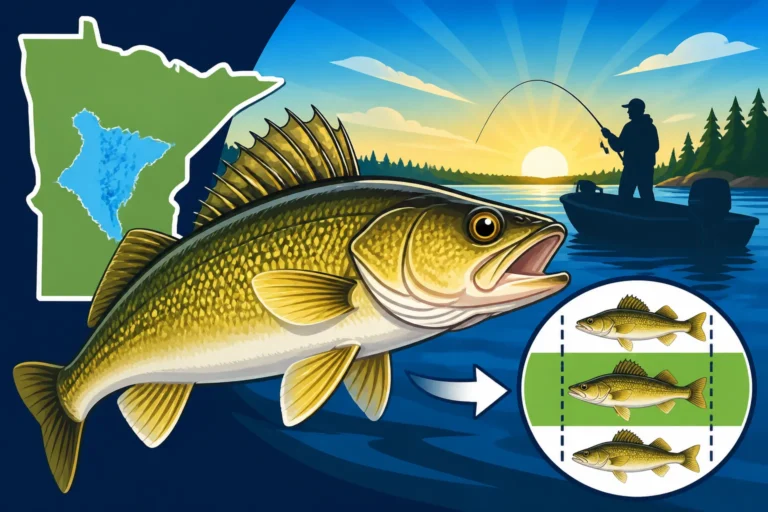
For 2026, the specific regulation is often a one-fish limit, with that fish needing to fall within a tight slot, for example, between 21-23 inches. This means you can keep one walleye per day, and its length must be precisely within that range. Any walleye shorter or longer than the specified slot must be immediately released. The "slot limit" strategy is a conservation tool aimed at protecting medium-sized, actively spawning fish, which are crucial for the population's future, while allowing some harvest of smaller, more abundant fish or larger, older fish that may have passed their peak spawning years. However, on Mille Lacs, the slot often focuses on protecting those prime spawners. It’s vital to carry a tape measure and know how to use it accurately. The statewide Minnesota Walleye Limit & Size Rules can give you general context, but Mille Lacs often has its own highly specific rules.
Here's a simplified breakdown, which you should always confirm with the official DNR guide:
| Species | Season Opener (Approx.) | Daily Limit | Possession Limit | Size Restriction (Slot) |
|---|---|---|---|---|
| Walleye | Mid-May | 1 | 1 | Often 21-23 inches (Confirm current year) |
| Northern Pike | Mid-May | 10 | 10 | All pike 24-36 inches must be released |
| Smallmouth Bass | Late May/Early June | 3 | 3 | One over 21 inches, or all under 17 (Confirm) |
This table serves as a general guide, but please, please, please check the official DNR regulations for 2026 before you head out. These numbers can change based on the health of the fishery.
Specific Gear Restrictions for Walleye
Beyond size and bag limits, Mille Lacs Lake also often has specific gear restrictions, particularly for walleye. The most common and impactful of these is the one-line rule during the open water season. While many Minnesota lakes allow anglers to use up to two lines for fishing, Mille Lacs has often restricted anglers to using only one line per person when fishing for walleye. This rule is put in place to help reduce the overall fishing pressure and incidental mortality, especially during periods when the walleye population is particularly vulnerable. It's a small change that can feel frustrating if you're used to running multiple presentations, but it's part of the comprehensive effort to manage the lake.
Another critical consideration, especially if you're not using artificial baits, is the use of live bait. While typically allowed, ensuring your live bait is free of Aquatic Invasive Species (AIS) Rules for Boaters is paramount. Transporting water or bait from one lake to another without proper precautions is a surefire way to spread AIS, which can devastate a fishery. Always drain your livewells and bait buckets and dispose of unwanted bait in the trash, not back into the lake or shore. These rules are not unique to Mille Lacs, but given its importance, adherence here is especially critical.
Catch and Release Best Practices on Mille Lacs
Given the often restrictive walleye limits and the prevalence of slot limits on Mille Lacs, proper catch and release techniques are absolutely essential. Many anglers find themselves releasing far more walleye than they keep, and doing so correctly ensures those fish survive to be caught another day or contribute to the spawning stock. The goal is to minimize stress and injury to the fish.
First, use appropriate gear. Lighter lines and smaller hooks can often lead to deeper hooking, making release difficult. Opt for heavier mono or fluorocarbon leaders, and consider using circle hooks when bait fishing, as they tend to hook fish in the corner of the mouth, making removal easier. When you net a fish, use a rubberized net. Traditional nylon nets can remove the fish's protective slime layer, leaving it vulnerable to disease. Avoid netting fish if possible, but if you must, keep them in the water as much as you can.
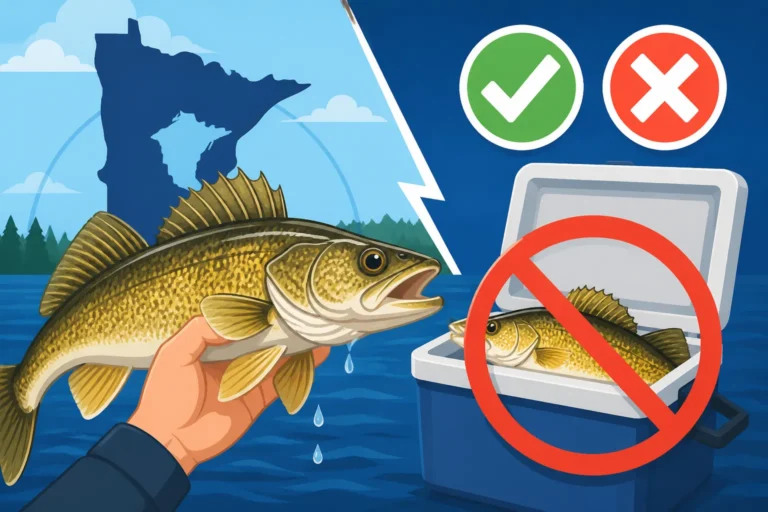
Secondly, handle the fish gently and quickly. Avoid touching the fish's gills or eyes. If you can remove the hook with needle-nose pliers or a hook remover while the fish is still in the water, that's ideal. If you must bring it into the boat for a quick measurement, support its body horizontally. Never hold a walleye by the jaw vertically, as this can damage its internal organs and spine. Get your measurement, snap a quick photo if you must, and get the fish back in the water as fast as humanly possible. Allow the fish to swim away on its own power; if it's struggling, gently hold it upright in the water until it regains its strength. These simple practices, outlined in our guide to Catch and Release Best Practices in Minnesota, make a huge difference in the survival rate of released fish.
Northern Pike Regulations on Mille Lacs Lake
Northern pike are another popular game fish on Mille Lacs, offering explosive fights and a different challenge from walleye. While walleye regulations are often the focus, pike also have their own specific rules on Mille Lacs, designed to manage their population. Minnesota generally has three northern pike zones (North, Central, and South), each with different regulations. Mille Lacs Lake, being a large central Minnesota lake, falls under the Central Zone regulations, but with its own unique twist due to special management efforts.
Pike Seasons and Daily/Possession Limits
The northern pike season on Mille Lacs Lake typically runs concurrent with the walleye opener in mid-May and remains open through the winter ice fishing season, usually closing in late February or early March. This long season offers ample opportunity for anglers to pursue these toothy predators. The daily and possession limits for northern pike on Mille Lacs are often set at 10 fish. This might sound like a lot, especially compared to the walleye limit, but it's part of a strategy to encourage harvest of smaller pike.
However, the critical part of the northern pike regulation on Mille Lacs is the protected slot limit. On Mille Lacs Lake, all northern pike between 24 and 36 inches in length must be immediately released. This is a crucial rule to remember. You are allowed to keep 10 pike, but none of them can be within that specific size range. This regulation aims to protect medium-to-large sized pike, often referred to as "hammer handles" or "eaters" by anglers, allowing them to grow into larger, more desirable trophy fish and to help control the population of smaller, more abundant pike. This targeted management helps improve the average size of pike in the lake and creates a healthier overall population structure. Our guide to Minnesota Northern Pike Limits by Zone can give you more context on statewide pike regulations.
The Mille Lacs Pike Management Strategy
The specific pike slot limit on Mille Lacs is part of a broader management strategy to address what’s often called "stunted" pike populations in some lakes. When a lake has an overabundance of small pike, they can outcompete other fish species for food, including walleye, and often don't grow to a desirable size themselves. By encouraging anglers to harvest smaller pike (under 24 inches) and protecting the medium-sized ones, the DNR hopes to reduce the total number of pike in the lake and allow the remaining fish to grow larger. This helps to create more trophy pike opportunities and reduce predation pressure on other game fish.
This strategy requires anglers to be diligent with their measuring. If you catch a pike in the protected slot, it needs to go back into the water unharmed. It’s a conservation effort that directly benefits the quality of pike fishing on the lake, leading to those exciting encounters with larger, more powerful fish. So, while you might be able to keep a limit of pike, understanding which pike you can keep is paramount.
Bass Fishing Regulations: Smallmouth and Largemouth
Mille Lacs Lake has earned a reputation as one of the premier smallmouth bass fisheries in the entire country, if not the world. Anglers come specifically for the chance to catch massive, hard-fighting bronzebacks. Largemouth bass are also present, though less prominent in the vast, rocky expanse of Mille Lacs. As with walleye and pike, both species have specific regulations designed to manage their populations and maintain the lake's trophy potential.
Specific Bass Seasons and Limits
The smallmouth and largemouth bass season on Mille Lacs generally opens later than the walleye and pike season, typically in late May or early June. This later opener protects these fish during their crucial spawning period, as they often spawn later than walleye. The exact date can be found in the statewide Minnesota Bass Season (New 2026 Catch-and-Release) information, but again, always check for specific Mille Lacs modifications.
For smallmouth bass on Mille Lacs, the regulations are often geared towards protecting the trophy-sized fish that the lake is known for. The daily and possession limit for smallmouth bass is typically three fish. However, this is usually coupled with a very specific size restriction, such as allowing only one fish over 21 inches, or even a protected slot where fish between 17 and 21 inches must be released. The goal here is clear: let those big breeders grow and produce more big bass. Largemouth bass, while present, often fall under a more general statewide regulation, but it's always wise to confirm if there are any lake-specific differences. They generally have a bag limit of five, with a 14-inch minimum length, but on Mille Lacs, these could be tighter.
Trophy Bass Opportunities and Conservation
The emphasis on protected slots and catch-and-release for larger smallmouth bass on Mille Lacs has been incredibly successful in cultivating a world-class fishery. Anglers consistently report catching smallmouth in the 4-6 pound range, with some exceeding 7 pounds. This management approach acknowledges the value of these trophy fish not just for their size, but for their genetic contribution to future generations. Releasing these larger, healthier fish ensures the continuation of strong bass genetics in the lake.
For those targeting bass on Mille Lacs, understanding and adhering to these regulations is crucial. It’s not just about following the law; it’s about participating in a conservation success story. When you release a magnificent 20-inch smallmouth, you're not just letting a fish go; you're investing in the future of one of the best bass fisheries on the planet. This focus on conservation also extends to proper handling, much like with walleye. Minimizing air exposure and using proper landing nets are critical to ensuring these powerful fish swim away to fight another day.
Other Popular Species on Mille Lacs: Perch, Muskie, and Panfish
While walleye, pike, and bass get most of the attention, Mille Lacs Lake offers fantastic opportunities for a variety of other species. Yellow perch, muskie, and various panfish like crappie and sunfish all contribute to the lake's diverse angling scene. These species often have more stable regulations, generally aligning with statewide rules, but it’s still important to be aware of any lake-specific nuances.
Panfish and Perch Regulations
Yellow perch on Mille Lacs are an important forage base for the larger predators, but they also provide excellent angling opportunities, especially for families and during the ice fishing season. While not typically managed with highly restrictive slots like walleye, perch populations are monitored. Currently, the statewide daily and possession limit for yellow perch is often 20 fish, with no minimum length. However, it's always a good idea to confirm if there are any specific Mille Lacs Lake regulations that deviate from this, as some lakes have reduced perch limits to help bolster walleye populations.
Crappie and sunfish, while not as abundant as in some smaller, shallower lakes, can still be found in certain areas of Mille Lacs, particularly in bays and around specific structures. The statewide regulations for these panfish typically allow for a combined daily limit of 20 crappie and 20 sunfish, with no minimum length. Again, check the official DNR regulations, or our guide to Minnesota Crappie & Sunfish Limits, to ensure there aren't any special restrictions for Mille Lacs, though it's less common for panfish on this particular large lake. These species provide excellent opportunities for a relaxing day on the water, especially for anglers looking for a break from targeting the more heavily regulated game fish.
Muskie Season and Size Limits
Mille Lacs Lake is also home to a thriving muskie population, drawing dedicated anglers seeking the "fish of 10,000 casts." Muskie are apex predators, and their management is geared towards fostering a trophy fishery, much like the large smallmouth bass. The muskie season typically opens later in the spring, often in early June, to protect them during their spawning period. For exact dates, consult the Minnesota Muskie Season & Size Limit guide.
The size limits for muskie are perhaps the most significant regulation. On Mille Lacs Lake, the minimum size limit for muskie is often 54 inches. This is a formidable length, meaning nearly every muskie caught must be released. This high minimum length is a testament to the DNR's commitment to creating a true trophy muskie fishery. Muskie grow slowly and take many years to reach these sizes, so protecting them is paramount. Catching a muskie of any size is an achievement, but the joy often comes from the chase and the battle, with the fish being released to grow even larger. Anglers targeting muskie must be prepared with the proper release tools, such as large nets, long-nose pliers, and bolt cutters for hooks, to ensure these magnificent fish swim away unharmed.
Navigating the Rules: Resources and Staying Up-to-Date
The reality of fishing Mille Lacs Lake is that the regulations can and do change. Sometimes these changes are announced well in advance for the upcoming year, and sometimes emergency regulations can be put in place mid-season due to unexpected shifts in fish populations or environmental conditions. Staying informed is your responsibility as an angler, and thankfully, there are excellent resources available to help.
Official DNR Resources and Rulebooks
The absolute authority for all fishing regulations in Minnesota is the Minnesota Department of Natural Resources (DNR). They publish a comprehensive fishing regulations booklet annually, which is available both online and in print at most bait shops, sporting goods stores, and DNR offices. This booklet is your bible for all things fishing regulations. You can also find a wealth of information on their official website, including specific lake regulations, fishing reports, and news releases about regulation changes. Always make it a habit to check the DNR website for the latest updates, especially just before your trip. Looking for the Minnesota Fishing Regulations Changes for 2026 is a good start, but dive deeper into the Mille Lacs specific sections.
Furthermore, consider signing up for DNR email updates. Many anglers find this to be the most convenient way to receive timely notifications about regulation changes directly in their inbox. It takes the guesswork out of wondering if anything has shifted since you last checked. Trust me, it’s much better to get an email than to be caught unaware on the lake.
Local Expertise and Community Information
Beyond the official DNR channels, don't underestimate the value of local expertise. Bait shops around Mille Lacs Lake are an invaluable resource. Owners and employees are often on the water themselves or talk to anglers daily, giving them firsthand knowledge of what’s biting and, crucially, what the very latest nuanced regulations might be. A quick stop at a local bait shop like Fred's Bait in Onamia or Hunter's Point Resort's bait shop can provide you with not just the right bait, but also up-to-the-minute insights that might not be fully digested in the official rulebook yet.
Additionally, online fishing forums and local social media groups dedicated to Mille Lacs fishing can be great places to ask questions and learn from other experienced anglers. Just be sure to cross-reference any information you hear with official DNR sources, as sometimes rumors or misunderstandings can spread. However, these communities can highlight areas of confusion or recent trends that might prompt you to double-check a specific regulation. By combining official resources with local intel, you'll be as prepared as possible to enjoy your time on the water without any regulatory surprises. For more comprehensive information on Mille Lacs specifically, consider guides like Mille Lacs Lake Fishing Rules & Limits.
Disclaimer
Please remember that fishing regulations are subject to change. While every effort has been made to provide accurate and up-to-date information in this guide for 2026, it is ultimately the angler's responsibility to verify all current rules and regulations with the official Minnesota Department of Natural Resources (DNR) before fishing. This guide is for informational purposes only and should not be considered a substitute for the official DNR fishing regulations.