Minnesota Slot Limits: Which Lakes & Why
Oh, the infamous Minnesota slot limit! If you've ever stood on a dock, shivering in the early morning, holding a beautiful walleye and staring at your regulation book with a furrowed brow, you are absolutely not alone. Figuring out what you can and can't keep, and from which lake, feels like deciphering ancient runes sometimes. This guide is here to clear up the confusion, explain the "why" behind these rules, and help you navigate the ever-changing landscape of Minnesota's fishing slot limits so you can fish with confidence, not confusion.
Understanding Minnesota Slot Limits
Let's face it, Minnesota is the Land of 10,000 Lakes, and it sometimes feels like we have 10,000 different fishing regulations to match. Among the most common—and often most perplexing—are slot limits. They're designed with the best intentions, but they can certainly make you second-guess yourself out on the water.
What Exactly is a Slot Limit?
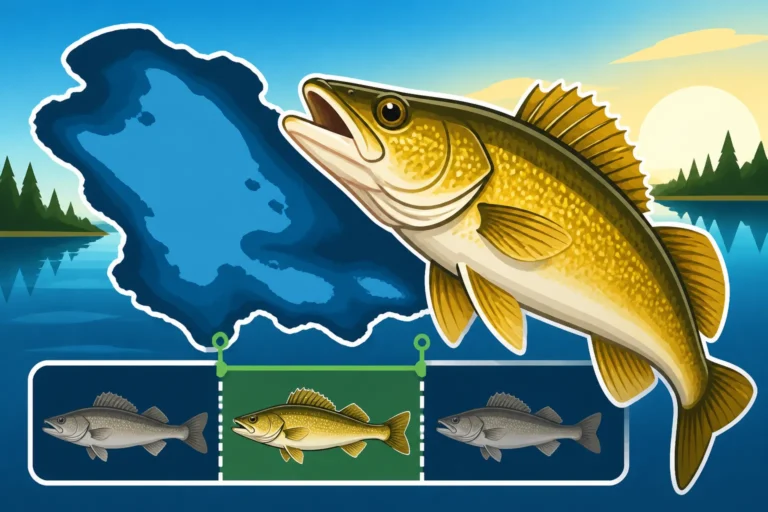
At its core, a slot limit is a fishing regulation that dictates a specific size range of fish that an angler can or cannot keep. It's not just a minimum size, or a maximum size, but a "slot" within which harvest is either prohibited or encouraged. Think of it like a window: sometimes you can only keep fish outside the window, and sometimes you can only keep fish inside it.
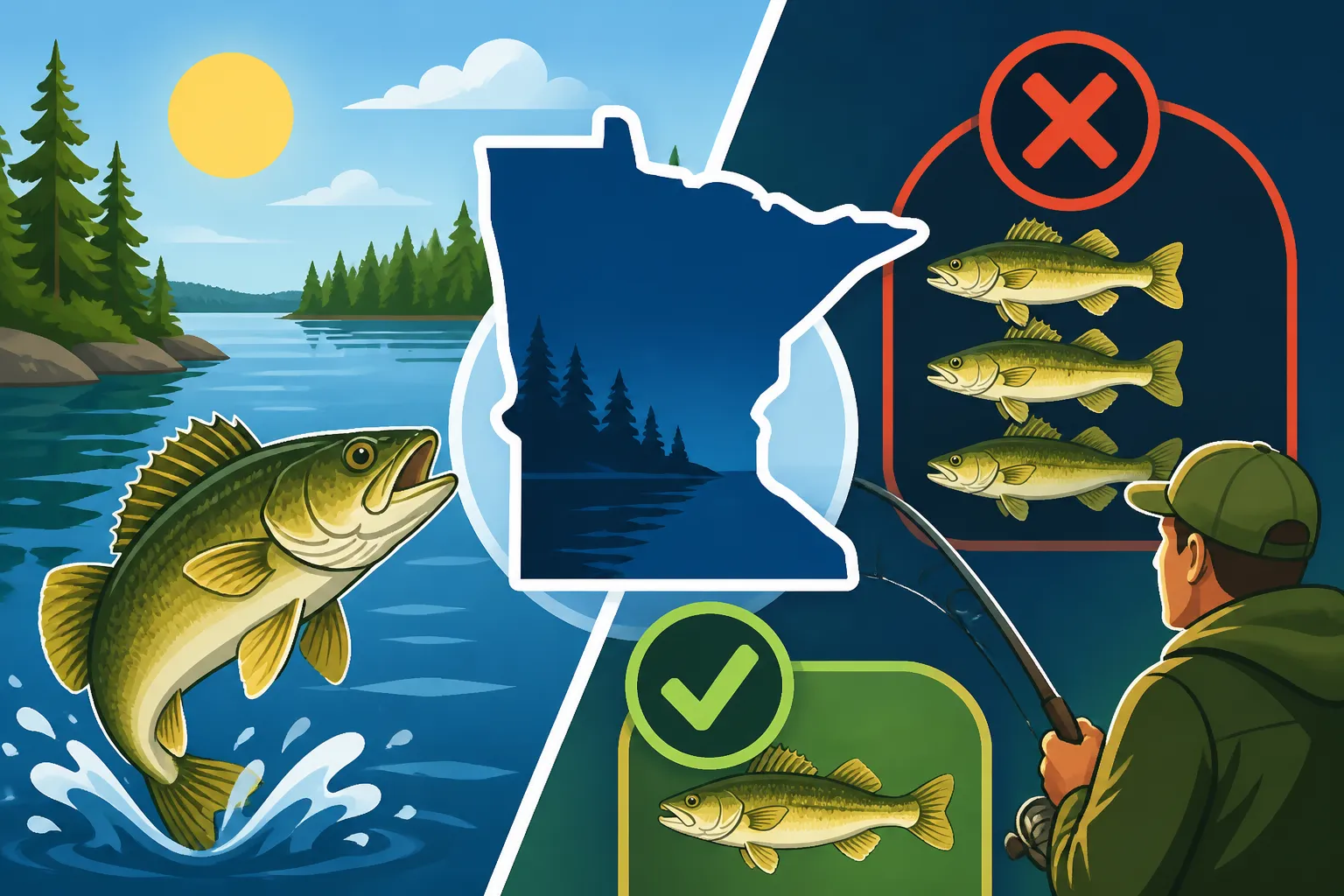
There are generally a few ways these slot limits manifest. You might encounter a "protected slot," which means fish falling within a certain size range must be immediately released. For example, if there's a 17- to 26-inch protected slot for walleye, any walleye you catch that measures between 17 and 26 inches has to go back in the water. Conversely, you might see a regulation that only allows you to keep fish within a specific slot, say, 13 to 17 inches, with anything smaller or larger having to be released. And then there are often rules that allow you to keep a certain number of fish within a slot, but only one fish above a certain size. It's enough to make your head spin, which is precisely why it's so critical to understand the specifics for the body of water you're fishing before you even cast a line.
Why Minnesota Uses Slot Limits
The Minnesota Department of Natural Resources (DNR) doesn't just pull these numbers out of a hat to make our lives harder, I promise! These regulations are rooted deeply in scientific research and a desire to manage our precious fisheries sustainably for current and future generations. The primary goal of a slot limit is usually to improve the size structure and overall health of a fish population.
One of the biggest reasons for protected slot limits is to protect the breeding stock of fish. Larger, mature fish are often the most prolific spawners, contributing significantly to the next generation. If anglers disproportionately harvest these larger fish, the population's ability to reproduce can be severely hampered. By putting a "no-keep" zone on these middle-to-large-sized fish, the DNR ensures that more of them survive to spawn multiple times, leading to a healthier and more robust fishery overall. It’s about ensuring there are always enough big mamas and papas in the lake to keep the baby fish coming.
Another key reason is to reduce competition among fish. If a lake has an overabundance of smaller fish, they might all be competing for the same limited food resources, leading to stunted growth. In such cases, a regulation might encourage the harvest of smaller fish, effectively thinning the herd and allowing the remaining fish to grow larger. Conversely, if a lake struggles to produce larger, "trophy" sized fish, a protected slot can help retain those intermediate-sized fish, giving them a chance to grow into those coveted bigger catches. It’s all a delicate balancing act to keep our lakes productive and exciting for anglers.
Common Species Affected by Slot Limits
While slot limits can apply to various species, some fish in Minnesota are more frequently managed with these specific regulations. Understanding these common scenarios can help you prepare, no matter what you're targeting.
Walleye Slot Limits: The Most Common Scenario
Ah, the walleye. Minnesota's state fish, and often the fish most affected by complex slot limits. Walleye populations are under significant angling pressure, and the DNR works tirelessly to ensure these popular fish continue to thrive. This means their regulations are often the most dynamic and lake-specific.
Typically, you'll encounter a protected slot for walleye, meaning fish within a certain size range must be released. For instance, on many popular walleye lakes, you might find a regulation that states "all walleye from 17 to 26 inches must be immediately released." This is done to protect the prime spawning females and a good portion of the male population, allowing them to mature, reproduce, and grow larger. Anglers are then often allowed to keep a certain number of fish under the slot and maybe one fish over the slot. This gives anglers a chance to keep some eaters while still protecting the valuable larger breeding fish. Sometimes, especially on lakes with recovering or robust populations, the slot might be more about encouraging harvest of smaller fish, or a slightly different protected range to achieve specific management goals. Always, always check the current regulations for the specific lake you are fishing for walleye, as they can, and often do, change year to year. You can find detailed rules for specific bodies of water, like the Mille Lacs Walleye Regulations (2026) or the Lake of the Woods Fishing Regulations (2026), which are known for their unique management strategies.
Northern Pike Zone Regulations
While not always a strict "slot" in the same way as walleye, Minnesota's Northern Pike regulations operate on a zone system that functions very similarly in terms of harvest restriction and population management. The state is divided into three zones: Northeast, North-Central, and Southern, each with its own set of rules designed to address the specific pike population dynamics in that region.
In the Northeast Zone, which encompasses many of the wilderness lakes, the goal is often to protect larger pike. Here, you might find a regulation that allows for a generous bag limit of smaller pike, but perhaps a very limited number (or even none) of larger pike can be kept. This is to help these lakes grow and sustain trophy-sized northern pike. The North-Central Zone aims to reduce the abundance of smaller, stunted pike and increase the average size. Regulations here often encourage the harvest of smaller pike while protecting a middle range, somewhat like a protected slot. Finally, the Southern Zone often has a more liberal approach, encouraging harvest to reduce an overpopulation of smaller pike that can negatively impact other species. The exact size restrictions and bag limits vary significantly by zone and sometimes by individual lake within a zone, so knowing which zone your lake falls into is paramount. It’s a good idea to familiarize yourself with the Minnesota Northern Pike Limits by Zone before you head out.
Bass and Muskie: Trophy Management
For species like Smallmouth and Largemouth Bass, and especially Muskie, the regulations often lean heavily towards "trophy management," which, while not always explicitly called a "slot," achieves a similar effect of protecting large, mature fish.
For bass, many popular lakes will have a higher minimum size limit, perhaps 14 or 16 inches, and sometimes a protected slot that applies to a broader size range. The intent is to allow most bass to reach a good size and spawn multiple times before being harvested. Often, there will also be a reduced bag limit. In recent years, some lakes have seen experimental regulations, such as the Minnesota Bass Season (New 2026 Catch-and-Release), further emphasizing conservation.
Muskie fishing, known as the "fish of 10,000 casts," is almost entirely a catch-and-release fishery in Minnesota. The minimum size limits are incredibly high—often 48, 50, or even 54 inches on specific trophy waters. This effectively creates a massive protected slot for virtually all muskie encountered, ensuring that these apex predators reach immense sizes and contribute significantly to the ecosystem and the thrill of the chase. Anglers rarely keep muskie due to these stringent rules and the cultural emphasis on releasing these magnificent fish. If you're chasing these giants, you'll definitely want to check out the Minnesota Muskie Season & Size Limit to know the exact rules.
Navigating Lake-Specific Slot Limits
This is where the rubber meets the road, or more accurately, where your tape measure meets the fish. Because regulations can be so specific to individual bodies of water, a "one-size-fits-all" approach simply won't work in Minnesota.
Prominent Lakes with Walleye Slot Limits
Let's look at some of Minnesota's most famous fishing destinations, many of which have unique walleye slot limits to manage their particular populations:
- Mille Lacs Lake: Perhaps the most famous (or infamous) for its dynamic walleye regulations. Mille Lacs often has a very specific protected slot, and the number of fish you can keep, and their allowable size range, can change even within a season based on population assessments. For 2026, the specific regulations should be checked directly through the Minnesota DNR, but historically, it's often had a slot where fish between, say, 19 and 22 inches, or sometimes 17-26 inches, must be released, with only one fish over the slot allowed and a smaller total bag limit. It's a prime example of intensive management due to its heavy fishing pressure. Knowing the Mille Lacs Lake Fishing Regulations (2026) is non-negotiable before heading out.
- Leech Lake: Another legendary walleye fishery, Leech Lake also sees specific slot limits. While the exact numbers can vary, it frequently has a protected slot that allows smaller walleye to be kept, but protects the larger, breeding-size fish. This helps maintain a healthy population that continues to produce good numbers of fish.
- Lake Winnibigoshish (Winnie): Known for its productive walleye and perch fishery, Winnie often employs a protected slot to ensure the sustainability of its walleye. The aim here is generally to protect those key spawners, allowing anglers to keep some fish for the frying pan while safeguarding the future of the lake.
- Upper Red Lake: This lake has been a remarkable success story in walleye recovery, largely thanks to effective management, including slot limits. Upper Red often has a generous bag limit, but with a narrow slot of fish that can be kept (e.g., between 17 and 27 inches), and only one over 27 inches, or sometimes a simple protected slot for larger fish. This strategy allows for good harvest while maintaining a healthy population of large walleye. The Upper Red Lake Fishing Regulations (2026) are a must-read.
How to Find Specific Lake Regulations
The most critical piece of advice I can give you: Always, always, always check the current Minnesota DNR fishing regulations before you go fishing. Seriously, carve that into your tackle box. Regulations can change annually, and sometimes even within a season for specific lakes, especially for sensitive species like walleye.
Here’s where you can find the most accurate information:
- Minnesota DNR Website: The official source. Their website has a comprehensive section dedicated to fishing regulations, including a searchable database by lake or species. This is truly the gold standard.
- Annual Fishing Regulations Booklet: Every year, the DNR publishes a physical booklet with all the state's fishing regulations. These are available for free at most bait shops, sporting goods stores (like your local Fleet Farm or Cabela's), and DNR offices. Keep one in your boat or tackle bag.
- Fishing Apps: Many popular fishing apps, such as Fishbrain or Navionics, integrate DNR regulations directly into their lake maps and information. While these can be incredibly convenient, always cross-reference with the official DNR sources if there's any doubt. Technology is great, but official channels are best for compliance.
- Local Bait Shops: The folks running your local bait shop are often a wealth of information. They live and breathe local fishing and usually know the current regulations for nearby lakes inside and out. Don't be afraid to ask, but still, verify with official sources.
Here's a quick reference table for some example walleye slot limits, but remember, these are illustrative and you must verify current regulations for 2026!
| Lake Name | Typical Walleye Slot Regulation (Illustrative) | Common Rationale |
|---|---|---|
| Mille Lacs Lake | Release all walleye 19-22 inches. Daily bag limit of 2, only 1 over 22 inches. | Protect critical spawning stock, manage population for trophy potential, heavy pressure. |
| Leech Lake | Release all walleye 20-26 inches. Daily bag limit of 3, only 1 over 26 inches. | Foster a good size structure, protect larger females. |
| Lake Winnibigoshish | Release all walleye 17-26 inches. Daily bag limit of 4, only 1 over 26 inches. | Enhance overall population health, ensure consistent recruitment. |
| Upper Red Lake | All walleye 17-27 inches must be released. Daily bag limit of 4, only 1 over 27 inches. | Sustain a robust population, allow for high harvest of smaller fish. |
| Lake Vermilion | Release all walleye 17-26 inches. Daily bag limit of 4, only 1 over 26 inches. | Protect middle-aged fish for growth and reproduction. |
The Angler's Dilemma: Challenges and Best Practices
Slot limits are fantastic for fish populations, but they can present some unique challenges for us anglers. It's a common frustration to catch a beautiful fish, only to realize it's right in the middle of a protected slot.
Releasing Fish in the Slot: Tips for Success
The challenge with slot limits isn't just knowing the rules; it's also about ensuring the fish you release survive to swim another day. Catch-and-release is a critical part of conservation, especially for fish within a protected slot or those that are over the legal size limit for keeping.
Here are some best practices to maximize a fish's survival:
- Handle with Care: Always wet your hands before touching a fish. Dry hands can remove the protective slime coat, leaving the fish vulnerable to disease. Hold the fish horizontally and support its body, especially if it’s a larger walleye or northern pike. Avoid holding it vertically by the jaw if it's a heavy fish, as this can damage its internal organs or jaw structure.
- Minimize Air Exposure: Fish need water to breathe. Keep them in the water as much as possible. If you must take a photo, do it quickly and get the fish back in the water within seconds, not minutes. Have your camera ready before you even pull the fish out.
- Use Proper Tools: A good pair of long-nosed pliers or a dehooking tool is essential for quickly removing hooks, especially from toothy northern pike or deep-hooked walleye. Consider using barbless hooks, or crimp down the barbs on your hooks. Barbless hooks make removal much easier and cause less damage to the fish.
- Revive the Fish: If a fish seems sluggish after being unhooked, gently hold it upright in the water, facing into the current (if any), and move it back and forth to force water over its gills. Only release it when it can swim away under its own power. Sometimes, a fish needs a minute or two to "come to."
- Avoid Deep Hooking: When fishing with live bait, try to set the hook quickly to avoid the fish swallowing the bait. Using circle hooks can also help, as they tend to hook fish in the corner of the mouth, making for easier release.
- Understand the Law for Over-Slot Fish: On many lakes, you might be allowed one walleye over a certain size. If you catch another one over that size, it must be released. Practice these techniques for every fish you release, regardless of whether it's in the slot or just a short fish. Proper Catch and Release Best Practices in Minnesota are vital for all anglers.
Dealing with Over-Slot Fish
There’s a unique dilemma that comes with slot limits, especially those allowing one fish over a certain size: what do you do when you’ve already kept your “trophy” fish, and then you catch an even bigger one? Or when you catch a truly massive fish that falls into the "must release" protected slot?
Ethically, the rules are clear: you release it. But it can be a tough pill to swallow to let go of what could be a personal best. This is where your commitment to conservation truly shines. That magnificent walleye, even if it's bigger than the one you already have on your stringer, needs to go back if the regulations say so. It’s part of ensuring that future generations can have that same thrilling experience.
Practically, this means being prepared for release, even if you’re fishing for keeps. Have your camera ready, your pliers handy, and be ready to get that fish back in the water quickly and gently. Celebrate the catch, take a quick photo, and send it on its way. That fish is a valuable breeder, and its contribution to the lake is far greater than one meal. It's also a good reminder that your "limit" isn't just a number, it's tied to specific sizes, and ignoring that can lead to some serious Penalties for Keeping Over-Limit Fish in Minnesota.
The Future of Minnesota Slot Limits
Minnesota’s fisheries are dynamic, influenced by everything from weather patterns and water levels to invasive species and, of course, fishing pressure. Because of this, fishing regulations, especially slot limits, are not static.
Adapting to Change
The Minnesota DNR employs a team of dedicated fisheries biologists who constantly monitor fish populations across the state. They conduct surveys, analyze catch data, and consider environmental factors to make informed decisions about regulations. This scientific approach means that slot limits can, and often do, change.
For instance, if a walleye population shows signs of decline in a certain age class, the DNR might implement a stricter protected slot or reduce the bag limit to help that specific group recover. Conversely, if a lake has an overabundance of smaller, stunted fish, regulations might shift to encourage the harvest of those smaller fish, or a slot might be introduced to protect the larger fish that are harder to come by. These changes are usually announced well in advance of the new fishing season, typically in the fall or winter, and are detailed in the new annual regulations booklet. Staying informed about these potential shifts, like those in the Minnesota Fishing Regulations Changes for 2026, is crucial.
The Role of Anglers in Conservation
As anglers, we play an absolutely vital role in the success of these management strategies. Understanding and adhering to slot limits isn't just about avoiding a fine; it's about being a responsible steward of our natural resources. Every fish released properly, every regulation followed, contributes to healthier fisheries for everyone.
Beyond just following the rules, you can contribute by reporting violations you witness (anonymously, if you prefer) to the DNR. This helps wardens protect our fish from those who disregard the rules. Participating in angler surveys, even informal ones, or simply sharing your observations with local bait shops can also provide valuable data to biologists. Ultimately, the health of Minnesota's fishing depends on a collaborative effort between the DNR and the thousands of passionate anglers who cherish these waters.
Remember, the goal isn't to make fishing harder, but to ensure that the joy of reeling in a beautiful walleye, a feisty bass, or a massive northern pike remains a vibrant part of Minnesota's outdoor heritage for generations to come.
Disclaimer
Please remember that fishing regulations, including slot limits, can change. The information provided in this guide is for general understanding and informational purposes only and is not a substitute for the official Minnesota Department of Natural Resources (DNR) fishing regulations. Always consult the current year's official Minnesota DNR Fishing Regulations booklet or their website before heading out to fish to ensure you are in compliance with all applicable rules and laws.