Walleye Fishing in Minnesota: Complete Guide
Ah, the pursuit of walleye in Minnesota! It's a passion that runs deep for so many of us, but let's be honest, these fish can be notoriously fickle, making even seasoned anglers scratch their heads sometimes. If you've ever felt the sting of a slow bite or wondered why your usual spots are barren, you're not alone. This guide is here to unravel the mysteries of walleye fishing in the Land of 10,000 Lakes, offering comprehensive insights from their biology to the best techniques for every season.
Why Walleye Are Minnesota's Favorite Fish And Most Challenging
There’s just something about the walleye that captures the hearts and minds of Minnesotans. It’s more than just a fish; it’s an icon, a culinary delight, and a formidable opponent all rolled into one. When you think of Minnesota fishing, the walleye is almost always the first species that comes to mind, and for good reason. They are deeply embedded in our fishing culture, symbolizing both the thrill of the catch and the reward of a delicious meal.
The Elusive Nature of the Walleye
Let's face it, walleye are not always easy to catch. They've earned their reputation as "the fish of a thousand casts" in some circles, although that moniker usually belongs to muskie. Their evasiveness is part of their charm and a big part of why anglers dedicate so much time and effort to understanding them. Walleye have incredible eyesight, especially in low light, which means they can spot a mistake in your presentation from a distance. They are often light biters, sometimes barely "thunking" a lure, making it easy to miss a strike if you're not paying close attention. Their preference for specific forage, water temperatures, and structure can change by the hour, making them a constant puzzle. This isn't a fish that just jumps on any old bait; they demand respect, cunning, and often, a lot of patience.
When you finally feel that solid weight at the end of your line and see the tell-tale glow of those pearly eyes emerge from the depths, it’s a moment of pure triumph. That challenge is precisely why we keep coming back, day after day, season after season. It’s a constant learning experience, and every successful walleye outing feels like cracking a complex code.
Cultural Significance and Deliciousness
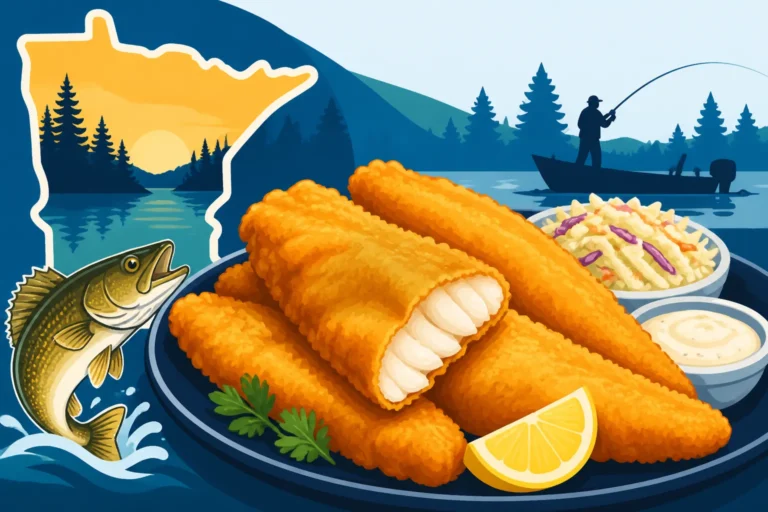
Beyond the challenge, the walleye holds a special place in Minnesota’s cultural fabric. It's not just our state fish; it's a culinary cornerstone, often featured in lakeside resorts, local diners, and backyard fish fries. The taste of a fresh walleye fillet, flaky and mild, is unparalleled. It’s the centerpiece of many family gatherings and the reward for a long day on the water. Imagine a cool summer evening at the cabin, the sun dipping below the tree line, and the aroma of freshly fried walleye wafting from the kitchen – it’s a quintessential Minnesota experience.
Many anglers practice catch and release for larger fish, especially in lakes with strict slot limits like Mille Lacs, but keeping a few for the frying pan is a tradition cherished by generations. The pursuit of walleye is a social activity, bringing friends and families together whether it's for the Minnesota Walleye Opener 2026 or a quiet evening on the lake. It creates memories, stories, and a shared bond over the love of fishing and good food.
Understanding Walleye Biology and Behavior
To consistently catch walleye, you need to think like a walleye. This means understanding their physical characteristics, where they like to hang out, and how their life cycle influences their movements and feeding patterns throughout the year. It's like being a detective, constantly gathering clues from the environment to figure out their next move.
Walleye Identification and Key Features
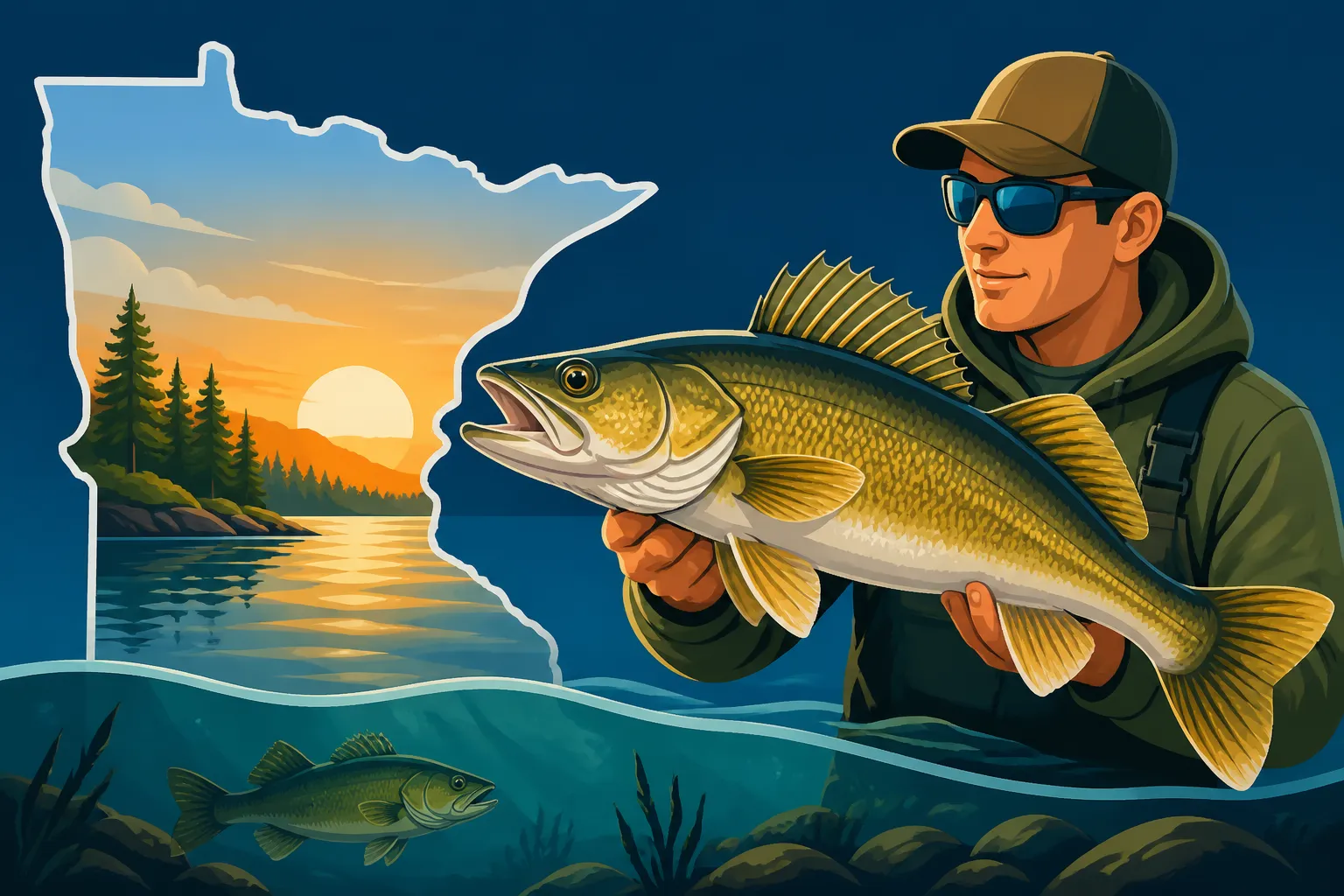
Walleye are distinct, but sometimes they get confused with their close relatives, the sauger. Knowing how to tell them apart is important, not just for bragging rights, but because Minnesota Walleye Limit & Size Rules can differ. Walleye generally have a larger, more torpedo-shaped body with a dark back that can be olive green, golden brown, or even black, fading to a lighter, often yellowish belly. Their most distinctive feature, and the origin of their name, are their large, milky, light-sensitive eyes, which help them see in low light conditions – a crucial adaptation that explains why they bite so well at dawn, dusk, and even after dark. They have a prominent dorsal fin with sharp spines and a white tip on the lower lobe of their tail fin.
Sauger, on the other hand, tend to be smaller, more slender, and typically have distinct dark spots on their dorsal fin, whereas a walleye's dorsal fin is usually spotless or has very faint barring. Sauger also lack the prominent white tip on the lower tail fin, which is a key differentiator. They also have a more mottled, brassy coloration, often with distinct dark blotches on their sides. Understanding these subtle differences is key to proper identification, especially when you're dealing with strict regulations on certain bodies of water. For a deeper dive, check out How to Identify a Walleye vs Sauger.
Habitat and Preferred Environments
Walleye are true opportunists when it comes to habitat, but they do have preferences. They thrive in large, shallow to medium-depth lakes with plenty of structure, as well as in cooler rivers. They prefer water temperatures between 60 and 70 degrees Fahrenheit, which influences their depth and location throughout the seasons. During warmer months, you'll often find them congregating around rocky reefs, humps, points, and transition areas where hard bottom meets soft bottom. They love access to deeper water where they can retreat when the sun is high or boat traffic is heavy.
In rivers, they'll seek out current breaks, eddies, wing dams, and deep holes. They’re usually close to forage, which often means shad, cisco, perch, or various minnow species. Clearer lakes might see them holding deeper during the day, while stained or turbid waters can make them more active in shallower areas even during daylight hours. This adaptability means you can find walleye in a wide variety of Minnesota's aquatic landscapes, from the expansive waters of Lake of the Woods to smaller, fertile inland lakes.
Spawning Habits and Timing
Understanding walleye spawning behavior is crucial because it dictates their movements and bite patterns in the spring. Walleye typically spawn in the spring shortly after ice-out, when water temperatures reach 40-50 degrees Fahrenheit, usually from late April into early May in most of Minnesota. They are broadcast spawners, meaning they simply release their eggs and milt over suitable bottom substrates without building nests or guarding their eggs.
They prefer rocky or gravelly shoals, riprap shorelines, or river rapids and current areas with good flow and oxygenation. After spawning, the fish, particularly the males, will often remain in or near these shallow areas for a short period before gradually dispersing to their post-spawn feeding grounds. This post-spawn period can be a fantastic time to catch hungry walleye that are recovering and actively feeding. Conversely, during the actual spawn, fishing can be tough as their focus shifts entirely to reproduction. Knowing Walleye Spawning: When and Where can give you a distinct advantage in targeting them during the critical early season.
Essential Gear for Minnesota Walleye Anglers
Having the right tools for the job can make a world of difference when you're chasing walleye. While you don't need to break the bank, investing in quality gear tailored to walleye fishing will certainly increase your success rate and enjoyment on the water. From the rod in your hand to the electronics on your dash, every piece plays a role in connecting you with that next big bite.
Rods, Reels, and Line Selection
Choosing the right rod, reel, and line setup is fundamental to walleye fishing, as it directly impacts your feel for light bites and your ability to present baits effectively.
- Rods: For jigging or slip-bobber fishing, a sensitive medium-light to medium power, fast-action spinning rod (6'6" to 7'6") is ideal. The fast action allows for quick hook sets, and the sensitivity helps detect those subtle walleye nibbles. Brands like St. Croix and Fenwick are very popular among Minnesota walleye anglers for their balance and feel. For trolling crankbaits or spinner rigs, a medium-heavy power, moderate-fast action baitcasting or spinning rod (7' to 9') is more suitable to handle the drag of lures and absorb head shakes from larger fish.
- Reels: A good quality spinning reel in the 2000-3000 size range for lighter presentations, or a baitcasting reel for trolling, is perfect. Look for smooth drag systems, which are crucial when fighting a powerful walleye. Shimano and Daiwa offer excellent options at various price points.
- Line: Your line choice depends heavily on your technique.
- Braided Line: For jigging, 6-10 lb test braided line (like PowerPro or Berkley X9) is fantastic for its sensitivity and lack of stretch, giving you excellent feel for your lure and light bites. Always use a 4-8 lb fluorocarbon leader (6-10 feet) to make your presentation invisible to wary walleye.
- Fluorocarbon Line: For clear water applications or situations where stealth is paramount, a straight 6-10 lb fluorocarbon main line can be very effective, though it has more stretch than braid.
- Monofilament Line: For trolling, 10-14 lb test monofilament (like Berkley Trilene XT) is a popular choice due to its stretch, which helps absorb shock from strikes and surges. For a deeper dive into optimal setups, check out Best Walleye Rods & Reels.
Live Bait and Lure Staples
Walleye can be picky eaters, so having a versatile tackle box is a must. Live bait often reigns supreme, but artificials can be incredibly effective when fish are aggressive.
- Minnows: Fatheads, shiners, and rainbows are walleye magnets. They can be jigged, fished under a slip bobber, or trolled on a Lindy rig. Minnows are especially productive in cooler water during spring and fall.
- Leeches: Arguably the most consistent walleye bait, leeches are fantastic from late spring through fall. They are incredibly hardy and irresistible when fished on a plain hook, jig, or spinner rig.
- Nightcrawlers: Fished on a worm harness (spinner rig) behind a bottom bouncer, nightcrawlers are a classic and highly effective summer presentation, especially when covering water to find active fish.
- Jigs: From basic lead-head jigs dressed with plastic grubs or paddle tails, to more elaborate hair jigs, these are essential. Colors vary, but chartreuse, orange, white, and various greens are common producers. Tipping jigs with a minnow or piece of crawler is often key.
- Crankbaits: Trolling crankbaits (like Rapala Shad Raps, Berkley Flicker Shads, or Salmo Hornets) is a phenomenal way to cover water and target active walleye, especially during summer and fall. Different dives and colors allow you to match the hatch and depth.
- Spinner Rigs/Crawler Harnesses: These are incredibly effective when fish are scattered or feeding aggressively. They consist of a snelled hook, beads, and a spinner blade, typically pulled behind a bottom bouncer with a nightcrawler.
Knowing Best Live Bait for Walleye (Leeches, Minnows, Crawlers) is a game-changer.
Electronics and Navigation
Modern electronics have revolutionized walleye fishing, taking a lot of the guesswork out of locating fish and structure.
- Fish Finders/Sonar: A quality fish finder (like those from Humminbird, Lowrance, or Garmin) with both 2D sonar and down/side imaging is invaluable. It allows you to identify depth, bottom composition, structure, baitfish schools, and even individual walleye. Being able to mark a school of baitfish often means walleye are not far away.
- GPS/Chartplotter: Integrated GPS with detailed lake maps (like Navionics or LakeMaster) helps you navigate safely, mark waypoints for productive spots, and follow contour lines precisely. This is crucial for staying on fish-holding structure like humps or breaks.
- Forward-Facing Sonar (e.g., Garmin LiveScope): While not strictly essential for beginners, advanced anglers are increasingly using forward-facing sonar to see fish and structure in real-time, ahead of and around the boat. This technology allows for incredible precision in casting to individual fish or small pieces of cover.
Being able to How to Read a Flasher (Vexilar/Humminbird) or interpret your fish finder display is a skill that takes practice but pays off immensely.
Mastering Walleye Fishing Techniques by Season
Walleye are constantly on the move, influenced by water temperature, forage availability, and their own biological imperatives. What works in May won't necessarily work in August, and vice-versa. Understanding these seasonal shifts and adapting your techniques accordingly is key to year-round success.
Spring Walleye Fishing The Opener and Beyond
The Minnesota Walleye Opener is a sacred holiday for many, marking the official start of the open water fishing season. This usually happens in mid-May, but exactly when can be found in the Minnesota Fishing Seasons & Opener Dates (2026). In the immediate post-spawn period, walleye are often hungry and found in shallower waters, especially males.
- Early Season Shallow Bite: Look for walleye in 4-15 feet of water, often near spawning areas like rocky points, wind-blown shorelines, and river current seams. Water temperature is critical; warmer bays and shallow flats will often hold the most active fish.
- Jigging and Pitching: Vertical jigging with a lead-head jig tipped with a live minnow (like a shiner or fathead) or a soft plastic grub is incredibly effective. Pitching jigs to shallow cover, then slowly retrieving them, can also entice strikes. The "snap jigging" technique, where you aggressively lift and drop your jig, can trigger reactive bites from sluggish walleye.
- Slip Bobber Rigs: Fishing live bait (minnows or leeches) under a slip bobber near emerging weed lines or rocky transitions is another highly productive method, especially when fish are holding in a specific depth range. This allows for a very natural presentation.
- River Walleye: Spring is prime time for river walleye, as they stage for and recover from the spawn. Focus on current breaks, eddies, deeper holes, and structure like wing dams using jigs, three-way rigs with stickbaits, or even vertical jigging spoons.
Summer Walleye Patterns Deep Water and Structure
As water temperatures rise and the summer sun beats down, walleye generally transition to deeper, cooler water. This is when understanding lake topography and using your electronics becomes paramount.
- Deep Structure Fishing: Walleye will often relate to deep humps, main lake points, sunken islands, deep weed edges (especially cabbage or coontail), and mud flats. Look for depth transitions, where a flat suddenly drops off into deeper water. They use these areas for ambush points and to escape the heat.
- Trolling Crankbaits and Spinner Rigs: Covering water is key to finding scattered summer walleye. Trolling crankbaits at various depths, or pulling spinner rigs (worm harnesses) behind bottom bouncers, allows you to efficiently search large areas. Experiment with different speeds and lure colors until you find what the fish prefer.
- Vertical Jigging on Humps and Reefs: When walleye are concentrated on specific pieces of deep structure, vertical jigging with heavier jigs tipped with minnows or plastics, or using jigging spoons or blade baits, can be very effective. Use your sonar to identify schools of fish and drop your bait right on their heads.
- Night Fishing: Don't overlook night fishing for walleye in the summer. They often move shallower under the cover of darkness to feed. Trolling shallow-running crankbaits or casting stickbaits along weed edges or rocky shorelines can be incredibly productive. Night Fishing for Walleye in Minnesota can often produce some of the biggest fish of the year.
Fall Walleye Fishing Pre-Turnover and Cold Water
Fall can be a fantastic time to target walleye, as they go on a feeding frenzy to bulk up for the long winter ahead. However, it also brings the challenge of lake turnover.
- Pre-Turnover Aggression: Before the lake fully turns over, walleye can be found in a variety of depths, often moving shallower in low light conditions and deeper during the day. This period often sees them chasing baitfish aggressively.
- Lake Turnover: As surface waters cool and reach the same temperature as deeper water, the entire water column mixes. This can temporarily disperse fish and make fishing tough for a few days to a week. Once turnover is complete and the lake settles, fishing can pick back up.
- Transition Areas: As water cools, walleye will often relate to deeper points, rocky reefs, and the last remaining green weed beds. Look for concentrations of baitfish, as walleye will follow their food source.
- Presentation Adjustments: Slower presentations often become more effective as water temperatures drop. Live bait (especially larger minnows like redtails or shiners) on jigs or slip bobbers, or slowly trolled crankbaits, can trigger strikes from sluggish but hungry walleye.
Ice Fishing for Walleye in Winter
When the lakes freeze over, the pursuit of walleye moves from boats to ice houses. Ice fishing for walleye is a beloved tradition in Minnesota, offering a unique challenge and reward.
- Early Ice: Similar to late fall, early ice (when there’s 4-6 inches of safe ice) can be incredibly productive. Walleye often remain shallower, on points, reefs, and weed edges, actively feeding.
- Mid-Winter Patterns: As winter progresses, walleye often move to deeper basin areas, mud flats, or deep structure. They might become less active, requiring more subtle presentations.
- Jigging and Deadsticking: A common and effective tactic is to fish two lines: one actively jigging a spoon (like a Jigging Rapala or Northland Forage Minnow Spoon) or a jigging rap, and another deadsticked with a live minnow suspended below a bobber or fished directly on the bottom. The jigging can attract fish, and the deadstick offers an easy meal. For a comprehensive guide, check out Ice Fishing for Walleye: Tactics & Setups.
- Electronics are Essential: A good ice fishing flasher or fish finder (like a Vexilar, Marcum, or Humminbird Ice Helix) is almost mandatory. It helps you find fish, determine depth, and see how fish react to your presentation in real time.
- Popular Spots: Look for walleye on main lake points, humps, sharp breaks, and mud flats where they can ambush schools of tullibee or perch. Even on busy lakes like Upper Red Lake or Lake of the Woods, you can find quiet corners.
Top Walleye Lakes and Rivers in Minnesota
Minnesota is truly blessed with an abundance of fantastic walleye fisheries. While some names immediately jump to mind, there are countless other lakes and rivers that offer excellent opportunities for anglers seeking our state fish. Knowing where to go and what to expect from each body of water is a crucial step in planning a successful trip.
Iconic Large Lakes
These are the titans of Minnesota walleye fishing, offering vast expanses of water and consistently strong walleye populations. They often demand specific tactics and can have unique regulations.
- Mille Lacs Lake: Often called the "Walleye Factory," Mille Lacs is legendary for its walleye. This massive, relatively shallow lake features extensive mud flats, rocky reefs, and gravel bars. The walleye here are often found relating to these mud flats, especially during the summer. While regulations can be restrictive, the quality of fishing remains exceptional. For detailed strategies, see Mille Lacs Lake Fishing Guide: Walleye, Bass & More.
- Lake of the Woods: Up north, bordering Canada, lies Lake of the Woods, a massive body of water famous for its incredible walleye numbers and trophy potential. It offers diverse fishing environments, from the vast open waters of the big lake to the protected bays and the Rainy River. Anglers here often jig with minnows or troll crankbaits. The winter ice fishing bite is also world-class, with thousands of anglers flocking to the lake. A full breakdown can be found in the Lake of the Woods Fishing Guide.
- Leech Lake: Situated in north-central Minnesota, Leech Lake is another premier walleye destination. Known for its extensive cabbage weeds, numerous islands, and deep main lake basin, Leech offers diverse structure. Walleye here often relate to the weed lines, especially in areas like Walker Bay, or migrate to the main lake humps and reefs. It's also known for producing some truly giant muskie, but walleye are the main draw for many.
- Lake Winnibigoshish (Winnie): Fondly known as "Winnie," this large, relatively shallow lake in northern Minnesota is renowned for its consistent walleye fishing, often producing strong numbers of eaters. It features extensive weed beds, sand flats, and submerged humps. Walleye here are often found on the edges of the weed lines or along the main lake breaks. It's a fantastic lake for both summer and winter fishing.
Productive Rivers and Smaller Lakes
While the giants get a lot of attention, many smaller lakes and rivers across Minnesota offer phenomenal walleye fishing, often with less pressure and unique challenges.
- Rainy River: This border water, connecting Rainy Lake to Lake of the Woods, is famous for its spring and fall walleye runs. Massive numbers of walleye migrate up and down the river, offering incredible opportunities for jigging with minnows or pitching plastics. This is a cold-water powerhouse and a must-visit for serious walleye anglers during migration periods.
- Mississippi River (Pools): The various pools of the Mississippi River in Minnesota, particularly south of the Twin Cities, hold strong populations of walleye and sauger. Fishing wing dams, current seams, and deep holes with jigs, crankbaits, or three-way rigs can be highly productive. The river offers year-round opportunities for those willing to adapt to current conditions.
- Gull Lake: Part of the Brainerd Lakes Area, Gull Lake is a popular resort lake that consistently produces good numbers of walleye. It has a varied bottom, including deep holes, humps, and extensive weed beds. Walleye here are often found on the breaks, especially during low light, or relating to baitfish schools in open water.
- Upper Red Lake: In recent years, Upper Red Lake has become a massive draw, particularly for ice fishing. This large, shallow lake offers incredible numbers of walleye, often in relatively shallow water, making it a favorite for many. The lake's regulations are carefully managed to sustain this thriving fishery.
Understanding Lake-Specific Regulations
It's impossible to overstate the importance of understanding specific regulations for each body of water you fish. Minnesota Fishing Limits: Bag & Possession (2026) are set by the Minnesota Department of Natural Resources (DNR) and can vary dramatically from one lake to another, and even change year to year based on fish populations and management goals. For instance, Mille Lacs Walleye Regulations (2026) are often highly dynamic, with slot limits and harvest regulations designed to protect the spawning stock and ensure a sustainable fishery. Always consult the most current Minnesota Fishing Regulations handbook or the DNR website before you head out. Ignorance of the rules is no excuse, and penalties can be significant. This includes understanding the specific daily bag limits and possession limits, which dictate how many fish you can keep in a day and how many you can have in your possession at any given time.
Reading the Water and Locating Walleye
Finding walleye is often half the battle, and it's a skill that develops over time with experience and keen observation. Walleye are creatures of habit but also opportunistic, meaning their location can change based on a multitude of factors. Learning to "read the water" and interpret your electronics will dramatically increase your success.
Interpreting Lake Maps and Sonar
Modern technology has given us incredible tools, but knowing how to use them effectively is key.
- Lake Maps (Navionics, LakeMaster): Before you even launch your boat, spend time studying detailed lake maps. Look for key features:
- Contour Lines: These lines indicate depth changes. Tight lines mean a sharp break, while spread-out lines indicate a gradual slope. Walleye often congregate on these breaks.
- Humps and Islands: Submerged humps and islands, especially those with rock or gravel, are prime walleye habitat. Pay attention to how they relate to deeper water.
- Points: Points extending into the lake are natural ambush spots, especially those with deeper water nearby.
- Channels and Basin Areas: Deeper channels or the deepest part of the lake basin can hold walleye, especially during winter or hot summer days.
- Bottom Composition: Maps often indicate bottom type (rock, sand, mud). Walleye prefer a hard bottom with access to soft bottom, often where they feed.
- Sonar (2D, Down/Side Imaging): Once on the water, your fish finder is your eyes below the surface.
- 2D Sonar: Look for arches (fish), bait balls, and distinct bottom signals that indicate structure. A "hard" bottom will show a thicker, more intense return than a "soft" muddy bottom.
- Down Imaging: Provides a picture-like view directly below your boat, helping you discern the shape and composition of structure, and often clearer images of fish holding tight to the bottom.
- Side Imaging: Allows you to scan wide areas to either side of your boat, revealing distant humps, rock piles, or weed lines that you might otherwise miss. This is incredibly efficient for covering water and finding subtle features.
Mastering these tools is essential.
Environmental Factors and Walleye Movement
Walleye behavior is heavily influenced by their environment. Paying attention to these natural cues can help you predict their movements.
- Wind: Wind is often a walleye angler's best friend. A sustained breeze pushing across a point or shoreline can create a "walleye chop" that disorients baitfish and concentrates forage, making walleye more aggressive. It also creates current which positions fish. Wind-blown structures are often gold mines.
- Light Conditions: As mentioned, walleye have excellent low-light vision. This is why dawn, dusk, and overcast days are often prime fishing times. They become more active and willing to venture into shallower water to feed. On bright, sunny days, they typically retreat to deeper, darker water or dense cover.
- Water Temperature: Walleye have a preferred temperature range. During spring, they'll seek out warmer water, while in summer, they'll often retreat to cooler depths. Fall sees them following cooling baitfish, and winter keeps them in stable, often deeper, zones.
- Current: In river systems, current is everything. Walleye will position themselves in current breaks – behind rocks, in eddies, or downstream of wing dams – where they can ambush food without expending too much energy fighting the flow. Even in lakes, wind-driven currents can create similar feeding opportunities.
Recognizing Productive Structure
Walleye are structure-oriented fish, meaning they relate to changes in the lake bottom or features that offer cover and ambush points.
- Reefs and Humps: These are underwater hills or mounds that rise from the lake bottom. The top, sides, and base of a reef can all hold fish at different times. Focus on the sharp breaks where the depth changes rapidly.
- Points: Submerged or exposed points extending from the shoreline offer excellent ambush points. Walleye will often cruise along the sides of these points, especially where there's a drop-off.
- Weed Lines: The edges of healthy, green weed beds (like coontail, cabbage, or milfoil) provide cover, oxygen, and attract baitfish, making them prime walleye habitat. Find the "greenest" weeds – these are usually the most productive.
- Mud Flats: In large, shallower lakes, expansive mud flats can hold significant numbers of walleye, particularly if they have subtle depth changes or isolated rock patches. Walleye often cruise these flats, feeding on insect larvae and small fish.
- Rock Piles and Rubble: Scattered rocks and rocky bottoms provide excellent cover and attract invertebrates that baitfish feed on. Walleye love to hide among these rocks, especially if there's a depth transition nearby.
Conservation and Responsible Walleye Angling
As anglers, we have a responsibility to protect Minnesota's precious walleye fisheries for future generations. This isn't just about following the rules; it's about adopting an ethical approach to fishing that prioritizes the health of the resource. Every walleye angler plays a role in sustaining this incredible natural heritage.
Catch and Release Best Practices
While many walleye end up on the dinner plate, practicing catch and release, especially for larger breeding fish, is vital for maintaining healthy populations. Knowing Catch and Release Best Practices in Minnesota ensures that fish have the best chance of survival.
- Minimize Fight Time: Bring the fish to the boat as quickly as possible to reduce stress and lactic acid buildup. Don't "play" the fish unnecessarily.
- Handle With Care: Avoid touching the fish's eyes or gills. Use wet hands or a wet, rubberized landing net to minimize damage to their protective slime coat. Hold larger fish horizontally, supporting their belly, rather than vertically by the jaw, which can damage their spine.
- Quick Hook Removal: Use needle-nose pliers or a hook remover to quickly extract the hook. If the fish is deeply hooked and removal would cause significant damage, cut the line as close to the hook as possible.
- Revive If Needed: If a fish appears sluggish, hold it gently upright in the water, facing into a mild current, allowing water to flow over its gills until it regains strength and swims away on its own.
- Consider Water Temperature: In extremely warm water, fish survival rates after release can be lower. Be mindful of this and consider reducing your catch and release efforts if water temperatures are very high.
Understanding Bag and Possession Limits
The Minnesota DNR sets specific bag and possession limits to ensure sustainable fishing and prevent overharvest. These limits are not arbitrary; they are carefully determined based on scientific data about fish populations.
- Daily Bag Limit: This is the maximum number of fish of a particular species you can keep in a single day. For walleye, this is often 6, but it can be lower on certain lakes, and there may be size restrictions.
- Possession Limit: This is the maximum number of fish you can have in your possession at any given time, regardless of when they were caught. This applies at your home, cabin, or while traveling. For walleye, the possession limit is usually the same as the daily bag limit, unless otherwise specified.
- Slot Limits: Many Minnesota lakes employ slot limits, which require anglers to release fish within a certain size range (e.g., "all walleye between 17 and 26 inches must be immediately released"). This protects the spawning stock and allows larger fish to grow. Always consult the regulations for the specific body of water you're fishing. Violating these limits can result in significant fines and loss of fishing privileges. Understanding Minnesota Possession Limits Explained is critical for staying legal.
Aquatic Invasive Species (AIS) Prevention
Aquatic Invasive Species (AIS) pose a serious threat to Minnesota's waters, including walleye fisheries. Invasive species like zebra mussels, Eurasian watermilfoil, and starry stonewort can disrupt ecosystems, reduce water quality, and negatively impact native fish populations. Preventing their spread is every angler's responsibility.
- Clean: Inspect your boat, trailer, and fishing gear, and remove all visible aquatic plants and animals before leaving the access.
- Drain: Drain all water from your boat, including the bilge, livewell, and bait bucket, before transporting it. This means pulling your drain plug at the ramp.
- Dispose: Dispose of unwanted bait in the trash, not in the water.
- Dry: If possible, allow your boat and gear to dry thoroughly for at least five days before launching in another body of water.
Following these simple steps is crucial. For detailed instructions, refer to the official Aquatic Invasive Species (AIS) Rules for Boaters from the Minnesota DNR. By being vigilant, we can all contribute to preserving the integrity of Minnesota's incredible walleye habitat.
Common Walleye Fishing Challenges and Solutions
Even with the best gear and knowledge, walleye fishing can throw curveballs. It's not always easy, and sometimes you just hit a wall. But don't despair! Many common challenges have solutions, and learning to adapt is a hallmark of a successful angler.
Dealing with Tough Bites and Finicky Fish
We've all been there: you're on a known walleye lake, at a prime spot, with perfect conditions, and the fish just aren't biting. It's incredibly frustrating, but there are usually ways to coax those finicky walleye into striking.
- Downsize Your Presentation: When fish are lethargic or pressured, they often prefer smaller, more subtle baits. If your usual 1/4 oz jig isn't working, try a 1/8 oz or even 1/16 oz jig. Use smaller minnows or leeches, or switch to a tiny plastic grub.
- Slow Down: Aggressive jigging or fast trolling might spook finicky fish. Experiment with slower retrieves, longer pauses, or a deadstick approach where your bait is almost motionless. Sometimes, the slowest presentation is the most effective.
- Change Colors: Walleye can be incredibly sensitive to color, especially in clear water or specific light conditions. If bright colors aren't working, try natural baitfish patterns like perch or shiner. Conversely, sometimes a shock color like hot pink or chartreuse can trigger a reaction strike when nothing else will. Keep a variety of colors in your tackle box.
- Switch Baits/Lures: If live bait isn't working, try artificials, and vice versa. Sometimes a subtle crankbait can tempt a walleye that ignores a jig, or a lively leech can be irresistible when plastics fail. Don't be afraid to completely change your offering.
- Move to a New Spot: If you've tried everything and spent a reasonable amount of time on a spot without success, don't be afraid to move. Walleye can relocate quickly, and there might be a more active school just around the corner. Look for similar structure in different parts of the lake.
- Adjust Depth: Fish might be suspended higher or holding tighter to the bottom than you expect. Use your electronics to meticulously scan the water column and adjust your bait depth until you find their preferred zone. Even a few feet can make a big difference.
Navigating Crowded Waters and Fishing Pressure
Minnesota lakes, especially the most popular walleye destinations, can get crowded, particularly on weekends and during prime seasons. Fishing pressure can make walleye more wary and harder to catch.
- Fish Off-Peak Hours: Consider fishing during weekdays when fewer boats are on the water, or try fishing during non-traditional times like late evening or early morning (before sunrise). As we know, walleye often bite best in low light anyway.
- Target Less-Pressured Spots: While the famous humps and points might be packed, there are often lesser-known, smaller pieces of structure or subtle breaks that hold walleye but receive less attention. Use your lake maps to find these hidden gems.
- Go Further Off the Beaten Path: If you have the means, explore remote lakes in the Boundary Waters Canoe Area Wilderness (BWCA) or other wilderness areas. These lakes often see far less pressure and can offer incredible walleye fishing.
- Embrace Stealth: When fishing pressured waters, minimize noise, use your trolling motor instead of your gas engine, and make long casts to avoid spooking fish directly beneath your boat. Lighter lines and fluorocarbon leaders also become more crucial.
- Adapt Your Approach: Pressured walleye might be wary of traditional presentations. Try a different angle of approach to a structure, or use baits they haven't seen as often. For instance, if everyone is jigging with minnows, try a slip bobber with a leech or a small crankbait.
Ultimately, walleye fishing in Minnesota is a journey of continuous learning and adaptation. Each trip is an opportunity to refine your skills, observe fish behavior, and deepen your understanding of these remarkable fish.
Disclaimer
The information provided in this guide is for general informational purposes only and is not intended as legal advice. Fishing regulations in Minnesota are subject to change by the Minnesota Department of Natural Resources (DNR). It is the responsibility of every angler to consult the most current official Minnesota Fishing Regulations handbook or the DNR website before fishing to ensure compliance with all laws and regulations, including license requirements, season dates, and bag/possession limits. Always prioritize safety on the water and practice responsible angling.