How Much Is a One-Day Minnesota Fishing License?
Planning a spur-of-the-moment fishing trip to the Land of 10,000 Lakes, or maybe you've got family visiting and want to introduce them to the joys of casting a line without committing to a full annual license? The question of "How much is a one-day Minnesota fishing license?" is a common one, and honestly, navigating the various options can feel a bit like trying to untangle a particularly stubborn fishing line. Nobody wants to get caught without the right paperwork, and it’s frustrating to feel like you’re paying for more than you need. This guide will help you understand the costs, who needs one, and how to get your hands on that short-term fishing permit so you can focus on the important stuff: catching fish!
Understanding the Short-Term License Option
Sometimes, a full annual fishing license just doesn't make sense. Maybe you're here for a quick weekend getaway, or perhaps you're just testing the waters (pun intended!) to see if fishing is a hobby you want to pursue. That's where the convenience of a short-term license really shines. It's designed to provide flexibility for casual anglers, tourists, or those who might only dip their toes into Minnesota's renowned waters once or twice a year.
Why Choose a One-Day License?
The appeal of a one-day fishing license is undeniable, especially if your time on the water is limited. Imagine you're visiting friends in the Brainerd Lakes Area and they invite you out on Gull Lake for a morning of walleye fishing. You don't live in Minnesota, and a full nonresident annual license feels like overkill for a single outing. Or perhaps you're a Minnesota resident yourself, but you haven't fished in years, and your buddy finally convinced you to join him on Lake Minnetonka for an afternoon bass session. You don't want to commit to a full annual license until you know you're truly hooked again.
A one-day license offers that perfect solution. It's cost-effective for minimal use, eliminates the need for a larger investment, and gets you legal on the water quickly. It’s also fantastic for introducing newcomers to fishing, like a visiting cousin from out of state, without making them buy a full annual permit that they might never use again. It simplifies the decision, making fishing more accessible.
The Cost Breakdown for Residents and Nonresidents
Alright, let's get down to brass tacks: what's this going to set you back? For those looking for a very short-term option, Minnesota primarily offers a 24-hour license for both residents and nonresidents. As of current regulations, the cost for a 24-hour fishing license is typically around $14.00 for both residents and nonresidents. This fee usually includes the base license and any required surcharges.
Now, it’s important to understand that this 24-hour license is valid for a continuous 24-hour period from the time of purchase. So, if you buy it at 8:00 AM on a Saturday, it's good until 8:00 AM on Sunday. This is incredibly practical for those quick morning or evening excursions. There isn't a specific "one-day" license in the traditional sense, but rather this 24-hour option which serves the same purpose and then some, offering more precise timing for your fishing adventure. It’s a great way to legally enjoy some fishing without the larger outlay for a longer-term permit.
Eligibility and Purchasing Your One-Day License
So, you're convinced a 24-hour license is for you. Great! But who can actually buy one, and where do you go to get it? The process is thankfully pretty straightforward, designed to be as hassle-free as possible.
Who Can Buy a One-Day License?
The beauty of the 24-hour license is its broad accessibility. Generally, any individual who is required to have a fishing license in Minnesota can purchase this short-term option, regardless of their residency status. This includes:
- Minnesota Residents: If you're 16 years old or older and typically need an annual license, you can opt for the 24-hour version. This is particularly handy if your annual license has expired, and you just want to get out for a quick trip before renewing your full license.
- Nonresidents: This is where the 24-hour license truly shines for visitors. If you're from Wisconsin, Iowa, or even from another country, and you plan to fish in Minnesota for a short period, you are eligible. This applies to anyone 16 years old or older. For example, if your family is vacationing near Lake of the Woods and you only plan one afternoon of fishing, this license fits perfectly into your schedule.
There are certain exceptions to needing a license at all, which we'll touch on later, particularly concerning youth and specific scenarios like Free Fishing Weekends in Minnesota. But for the vast majority of adult anglers, resident or nonresident, the 24-hour license is available.
Where to Purchase Your License
Getting your hands on a fishing license in Minnesota is easier than ever, thanks to several convenient options. You won't have to go on a wild goose chase just to get legal.
- Online: This is often the quickest and most popular method. The Minnesota Department of Natural Resources (DNR) website is your go-to source. You can purchase your 24-hour license from the comfort of your home, print it out, or even save it on your mobile device. Just make sure to have it readily accessible when you're on the water. This is particularly useful for last-minute decisions or if you’re arriving from out of state and want to have everything ready before you even hit the bait shop. If you're wondering how to get a Minnesota fishing license online, it's a very streamlined process.
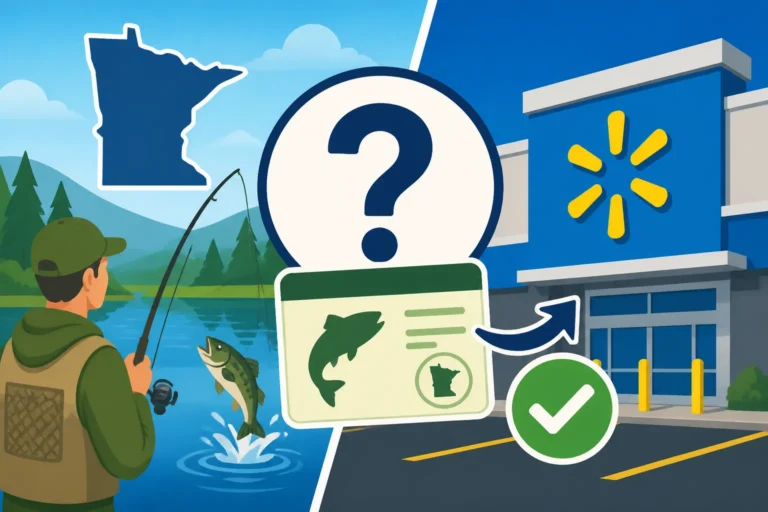
- Authorized License Agents: Prefer to do things in person? You can purchase licenses at hundreds of authorized agents across the state. Think bait shops, sporting goods stores, county auditors' offices, and even some large retailers like Fleet Farm or Walmart. These locations are often staffed by knowledgeable locals who can answer any last-minute questions you might have about local regulations or bait choices. It’s always a good idea to check the DNR website for a list of agents near your fishing destination.
- By Phone: For those who prefer talking to a real person, you can usually purchase licenses over the phone through the DNR's license center. While perhaps not as immediate as online or in-person, it's a solid option if you're having trouble with the website or just prefer to speak with someone.
No matter which method you choose, make sure you have your necessary identification and any previous license information handy. For nonresidents, this would typically include your driver's license or state ID.
Beyond the One-Day: Other Short-Term and Annual Options
While the 24-hour license is fantastic for quick trips, it's worth taking a moment to compare it with other options, especially if your plans might extend a little longer or you foresee yourself fishing more often. Sometimes, what seems like a better deal for a day might not be the most economical in the long run.
The 7-Day Nonresident Option
For visitors who plan to spend a bit more time enjoying Minnesota's incredible fisheries, the 7-day nonresident license is a highly popular choice. Unlike the 24-hour license, this one grants you a full seven consecutive days of fishing. Currently, a 7-day nonresident license typically costs around $43.00.
Let’s do a little math:
- If you bought three separate 24-hour licenses, that would be $14 x 3 = $42.
- The 7-day license for $43.00 gets you up to seven full days.
As you can see, if you're planning on fishing for more than two days as a nonresident, the 7-day option quickly becomes the more economical and convenient choice. It's perfect for a week-long cabin rental up on Leech Lake or a multi-day ice fishing adventure on Upper Red Lake. It saves you the hassle of buying a new license every day and offers significantly more fishing time for nearly the same price as three individual 24-hour licenses.
When an Annual License Makes More Sense
For many Minnesota residents, and even frequent nonresident visitors, an annual license is usually the best bet. If you find yourself fishing three or more times a year, or if your trips are longer than a few days, the annual license will almost certainly save you money and provide peace of mind.
Consider these approximate costs for 2026:
- Resident Annual: Around $26.00.
- Nonresident Annual: Approximately $56.00.
Let's look at the comparison:
- Two 24-hour licenses for a resident would cost $28.00, already more than an annual resident license.
- For a nonresident, four 24-hour licenses would be $56.00, equivalent to an annual. If you're fishing for more than seven days in a year, or even planning two separate trips that total more than a few days each, the annual nonresident license is clearly the winner.
It’s about striking the right balance between convenience and cost. If you're truly only going out for one quick morning, the 24-hour license is perfect. But if there’s even a slight chance you'll be back on the water later in the year, or for a longer stretch, it's worth looking at the annual options. You can always check the full Minnesota Fishing License: Cost, Types & How to Buy (2026) guide for a complete breakdown of all license types.
Here's a quick comparison table to help visualize the costs:
| License Type | Resident Cost (Approx. 2026) | Nonresident Cost (Approx. 2026) | Duration | Notes |
|---|---|---|---|---|
| 24-Hour Fishing License | $14.00 | $14.00 | 24 continuous hours | Great for spontaneous, short trips. |
| 7-Day Nonresident License | N/A | $43.00 | 7 consecutive days | Best for nonresidents fishing 3+ days in a week. |
| Annual Fishing License | $26.00 | $56.00 | Full license year | Most cost-effective for frequent anglers. |
| Annual Combination (Fish/Small Game) | $45.00 | N/A | Full license year | Resident only, for those who also hunt small game. |
Please note: These are approximate costs and can be subject to change by the Minnesota DNR. Always verify current fees before purchase.
Important Considerations and Common Pitfalls
It's easy to assume that once you have your 24-hour license, you're good to go for absolutely anything. But Minnesota's fishing regulations can have a few nuances, especially concerning stamps and specific waters. It’s better to be prepared than to face an unexpected fine.
Does It Cover Everything? Stamps and Special Regulations
One common misconception is that a basic fishing license, even a short-term one, covers absolutely every type of fishing. While it covers most general fishing for popular species like walleye, bass, and panfish in the vast majority of lakes and rivers, there are some important additions you might need:
- Trout and Salmon Stamp: If you plan on fishing for trout or salmon in designated trout streams or Lake Superior, you will need to purchase an additional trout and salmon stamp. This applies to both residents and nonresidents, regardless of your base license type. The cost for a trout stamp is typically around $10.00. So, if you're hitting one of the beautiful streams in the Driftless Area or targeting steelhead on the North Shore, factor this into your plans. Do you need a trout stamp in Minnesota? The answer is generally yes for specific waters and species.
- Lake Sturgeon Tag: For those adventurous anglers hoping to land one of Minnesota's ancient giants, a Lake Sturgeon Tag is required in addition to your fishing license if you intend to harvest a sturgeon. Catch and release still requires a valid fishing license. Make sure to check the Lake Sturgeon Regulations & Tag in Minnesota for the most up-to-date rules.
- Special Lake Regulations: While your license gets you in the game, remember that many specific lakes have their own unique rules, especially regarding length limits and possession limits for certain species. Lakes like Mille Lacs, Leech Lake, and Lake of the Woods often have specific regulations that can change yearly based on fish populations. For instance, Mille Lacs Walleye Regulations (2026) are often quite dynamic. Always check the current Minnesota Fishing Regulations PDF before heading out to your chosen lake. This is critical to avoid accidentally breaking the law, even with a valid license.
- Aquatic Invasive Species (AIS) Rules: While not directly tied to your fishing license cost, remember that Minnesota has strict Aquatic Invasive Species (AIS) Rules for Boaters. This includes draining water, removing weeds, and cleaning your boat and gear. Ignorance of these rules is not an excuse, and violations can carry hefty fines.
What About Kids and Seniors?
Minnesota is very welcoming to young anglers and also offers considerations for its older residents. Understanding these age-specific rules can save you money and encourage more people to get out fishing.
- Kids and Youth: Generally, children 15 years of age and younger do not need a fishing license in Minnesota. This is fantastic for families, as it allows kids to join in the fun without any extra cost or paperwork. It's a deliberate effort to foster a love of fishing from a young age. However, if a child is 16 years old, they are considered an adult in terms of licensing and will need a valid license, including a 24-hour option, if applicable. You can find more details in our guide on Minnesota Fishing License for Kids & Youth.
- Seniors: Minnesota residents who are 65 years of age or older have access to reduced-cost annual fishing licenses. Currently, a resident senior annual fishing license is quite affordable, usually around $9.00. This makes it incredibly easy and inexpensive for seniors to continue enjoying their passion for fishing throughout their golden years. Unlike some states, Minnesota does not offer a free senior license, but the reduced rate is a significant benefit. If you’re a senior resident, it’s almost always worth getting the annual license over multiple 24-hour permits. More information can be found on the Minnesota Fishing License for Seniors page.
- Free Fishing Weekends: Keep an eye out for Minnesota's Free Fishing Weekends in Minnesota. During these designated weekends (usually one in winter and one in summer), residents can fish without a license. This is another excellent opportunity to introduce new anglers to the sport or for lapsed anglers to get back into it without any financial barrier. Nonresidents still require a license during these times.
By keeping these points in mind, you can ensure your quick fishing trip is not only legal but also thoroughly enjoyable, without any unexpected surprises. Tight lines!
Disclaimer
Please remember that fishing regulations, including license fees, are set by the Minnesota Department of Natural Resources (DNR) and can change. While we strive to provide the most accurate and up-to-date information, it is always your responsibility to verify current regulations directly with the Minnesota DNR before fishing. This guide is for informational purposes only and should not be considered legal advice.