Yellow Perch: Where to Find Jumbo Perch
There's nothing quite like the thrill of feeling that distinct perch bite, but let's be honest, reeling in those tiny "dinkers" repeatedly can get a little tiresome. Many of us dream of landing those truly magnificent, plate-sized yellow perch that make for a fantastic meal and a memorable catch. If you've been wondering how to consistently find and target those elusive jumbo perch in Minnesota's vast waters, this guide is for you.
The Allure of Jumbo Perch in Minnesota Waters
For many anglers, the yellow perch is more than just another fish; it's a staple of a classic Minnesota fish fry and a true indicator of a healthy, vibrant fishery. While catching a mess of smaller perch can be fun, the quest for a jumbo perch—typically those beauties measuring 10 inches or more, often pushing past 12 or even 13 inches—is a different ballgame altogether. These larger specimens are not only more challenging to find, but they offer a much more substantial fight and, let's face it, more meat for the frying pan.
Minnesota's diverse lakes and rivers hold incredible potential for perch, but consistently finding those bigger ones requires a deeper understanding of their behavior, habitat, and the specific conditions that allow them to thrive. It’s not just about luck; it’s about strategy, patience, and knowing where to cast your line or drill your hole.
What Defines a "Jumbo" Perch?
When we talk about "jumbo" perch, we're not just being poetic. In the angling world, it signifies a perch that has managed to live longer, grow larger, and pack on more weight than its average counterparts. Typically, a jumbo perch starts around 10 inches in length, but the real trophies are those that reach 12 inches or more. These aren't found in every lake, nor are they caught with the same ease as smaller ones. They require specific environmental conditions to reach such sizes, including an abundant food supply, suitable habitat, and often, less fishing pressure or specific regulations that protect them.
Think about the sheer size difference: a 7-inch perch might yield a small fillet, while a 12-inch perch provides a substantial, thick piece of flaky white meat. This isn't just about the numbers you catch, but the quality of each fish. Targeting these larger fish often means you're focusing on a more mature, less abundant part of the population, which demands a more refined approach.
Why Some Lakes Grow Bigger Perch
Not all lakes are created equal when it comes to growing jumbo perch. Lakes that consistently produce big perch share common characteristics. They usually have a good balance of predators and prey, preventing overpopulation of stunted fish. A diverse forage base, including insect larvae, small crustaceans, and especially abundant schools of baitfish like shiners or young-of-the-year panfish, is crucial. Deep, clear lakes with plenty of varied structure—think rocky reefs, expansive weed beds, gradual slopes leading to deep basins—provide ample places for perch to feed, hide from predators, and grow without excessive competition.
Additionally, lakes with healthy aquatic plant life often support robust invertebrate populations, which are a primary food source for young perch. As perch grow, they transition to a more piscivorous diet, meaning they start eating other fish. The presence of these crucial food sources, coupled with appropriate water temperatures and oxygen levels throughout the year, creates the perfect incubator for developing truly massive perch. Lakes with these characteristics are your best bet for finding those prized Minnesota jumbos.
Prime Minnesota Hotspots for Jumbo Perch
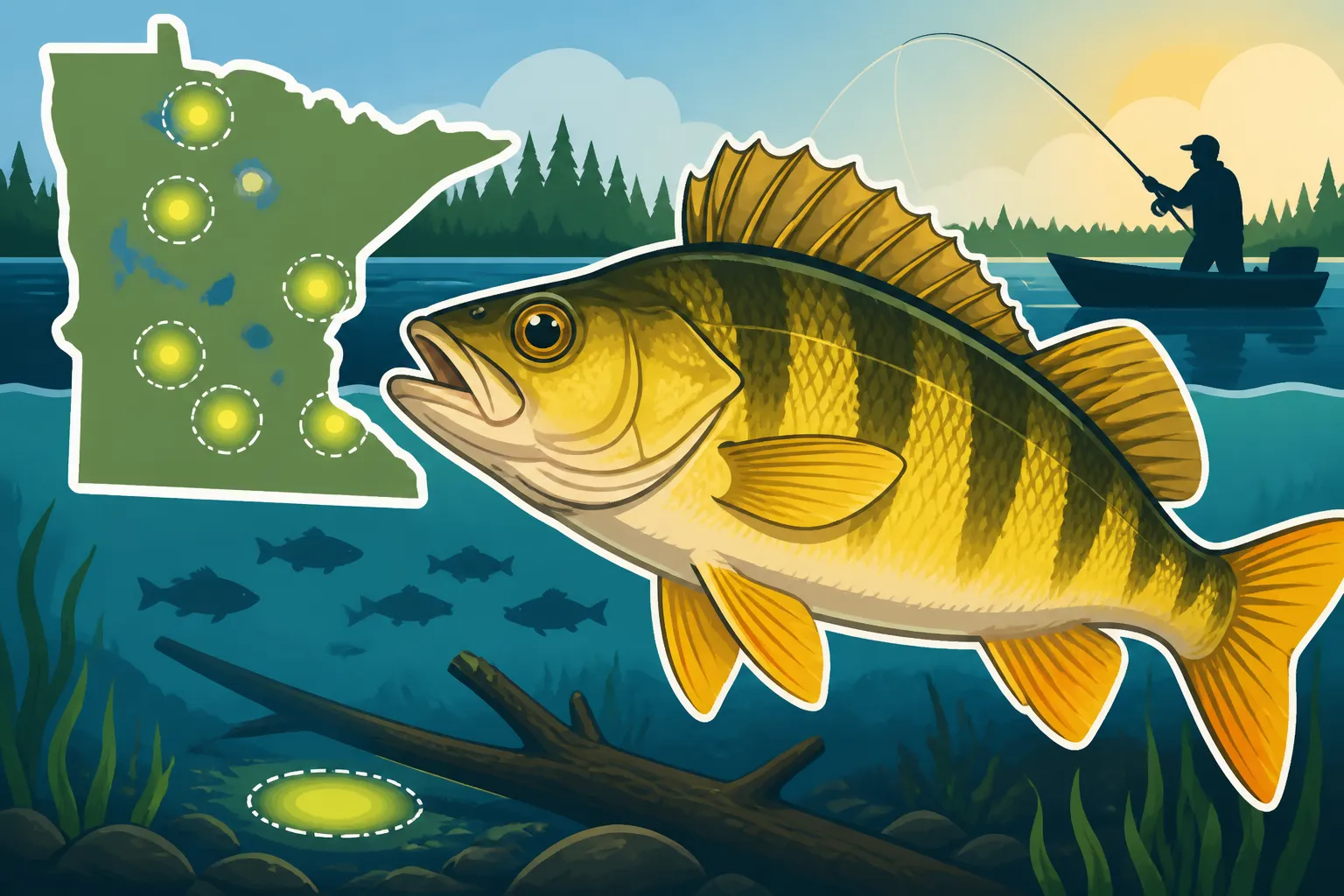
Finding jumbo perch is often about heading to the right waters at the right time. Minnesota is blessed with thousands of lakes, but a handful stand out consistently for their potential to produce those coveted big yellow perch. These aren't necessarily hidden gems; some of them are well-known, but knowing how and where to fish them for jumbos is key.
Northern Minnesota's Perch Powerhouses
When you talk about jumbo perch in Minnesota, a few northern giants immediately come to mind. These expansive, often remote, lakes offer the perfect conditions for perch to grow to impressive sizes.
- Upper Red Lake: This lake, especially in winter, has gained legendary status for its jumbo perch. The vast, relatively shallow basin with its unique forage base (primarily tullibee and young walleye) allows perch to thrive. While the walleye population often gets the most press, the perch fishery here is phenomenal. You'll find anglers chasing these fat perch from early ice through late winter. The key here is often mobility and finding those roaming schools that relate to subtle depth changes or areas where forage concentrates. Many anglers travel long distances, often staying in rental ice houses or resorting to tracked vehicles to access the most productive areas of Upper Red Lake.
- Lake of the Woods: While famous for its walleye and sauger, Lake of the Woods also harbors a fantastic jumbo perch population. The lake’s immense size, diverse structure, and abundant forage provide excellent habitat. Look for perch around the numerous islands, reefs, and expansive mud flats, especially in areas with transitions from hard bottom to softer sediments. Both the main lake and the Rainy River arm can produce quality perch, particularly during the late fall and early ice periods before heavy snow cover makes access difficult. Anglers often target perch in conjunction with walleye, as these species often share similar feeding areas. If you’re planning a trip, consider exploring both the Minnesota side and the waters near the Northwest Angle for diverse fishing opportunities, remembering to adhere to specific Border Water Fishing Rules (Minnesota-Ontario, Wisconsin) when applicable.
- Lake Winnibigoshish (Winnie): Another perennial favorite, "Big Winnie" consistently kicks out big perch, especially during the ice fishing season. Known for its extensive flats and deep holes, perch often congregate near structural elements like humps, submerged islands, and deep weed lines. The abundance of forage fish contributes to the impressive size of perch found here. Winter anglers will often find themselves in crowds, but for good reason – the perch are often schooling up in predictable locations, making for some fast action. Remember to consult specific Lake Winnibigoshish Fishing Regulations (2026) as limits can vary year to year.
Central Minnesota's Hidden Gems and Consistent Producers
While the northern giants get a lot of press, Central Minnesota has its own share of excellent perch fishing, often in waters that might surprise you.
- Leech Lake: Known predominantly for its walleye and muskie, Leech Lake also offers excellent jumbo perch opportunities, particularly in certain bays and around the extensive shallow flats. Areas like Walker Bay, Portage Bay, and the numerous shallow reefs and islands can hold impressive numbers of large perch. Fishing edges where weed lines meet open water, or along transitions from hard sand to soft bottom, can be highly effective. The key is to be mobile and use electronics like a Vexilar or Humminbird to pinpoint schools, especially during the hardwater season. Many anglers come for the Leech Lake Walleye Fishing Tips but leave with a cooler full of big perch.
- Cass Lake & Lake Bemidji: These connected lakes in the heart of the Chippewa National Forest offer beautiful scenery and solid perch fishing. Cass Lake, with its deep basins and varied structure, can hold schools of jumbo perch, particularly in winter. Lake Bemidji also produces well, with anglers finding success around drop-offs and main lake points. Both lakes benefit from a healthy ecosystem that supports strong forage bases. These are great choices for anglers looking for a more relaxed experience with good chances at quality fish.
- Small to Mid-Sized Lakes: Don't overlook the countless smaller and mid-sized lakes scattered throughout central Minnesota. Many of these lakes, if they have good water quality, ample forage, and moderate fishing pressure, can be absolute goldmines for jumbo perch. These "less-pressured" waters often require a bit more legwork in terms of research and exploration, but the rewards can be significant. Local bait shops and online fishing reports are excellent resources for identifying these sleeper lakes. They might not have the notoriety of a Red Lake, but they can offer incredibly consistent action for big perch.
Here's a quick look at characteristics to identify potential jumbo perch lakes:
| Characteristic | Jumbo Perch Lake | Numbers Perch Lake |
|---|---|---|
| Lake Size | Often large, expansive lakes | Can be any size, including small, shallow lakes |
| Forage Base | Diverse & abundant baitfish (tullibee, shiners), large invertebrates | Often limited, leading to smaller, stunted fish |
| Water Clarity | Varies, but usually good clarity allowing visual hunting | Can be turbid or clear |
| Structure | Varied: deep basins, reefs, humps, expansive weed beds | Often uniform, shallower, less complex habitat |
| Predator Population | Balanced predator (walleye, pike) population | Can be low or high, sometimes leading to overpopulation |
| Fishing Pressure | Can be high, but perch are resilient; some less pressured spots | Can be high, but less impact on individual fish size |
| Growth Rate | Faster growth due to rich food sources | Slower growth, often reaching sexual maturity at small size |
Understanding Perch Behavior and Habitat
To consistently catch jumbo perch, you need to think like a perch. Their behavior is largely dictated by their need to feed and avoid predators, and these patterns change significantly throughout the year and even throughout the day.
Seasonal Movements and Depths
Perch are schooling fish, and their location can shift dramatically depending on the season, water temperature, and available forage.
- Spring (Post-Spawn): After the ice goes out and perch complete their spawning rituals (which typically happens shortly after ice-out in shallow, vegetated areas), they often disperse to recover and feed aggressively. You'll find them moving into shallower bays, around emerging weed lines, and along flats, especially in areas where insects are hatching or small baitfish are congregating. Water temperatures in the 45-55°F range are ideal for this shallow feeding frenzy. Fishing around new growth weeds in 5-15 feet of water can be very productive.
- Summer: As waters warm, perch typically move deeper, seeking cooler temperatures and stable food sources. They’ll often relate to the edges of expansive weed beds, deep humps, rocky reefs, and the main lake basin transitions in 15-35 feet of water, sometimes even deeper in very large lakes. They use submerged structure as ambush points for baitfish. Understanding Summer Walleye Patterns: Deep Structure can often give you clues for where perch might be found as well, as they often share similar deep-water structures. Fishing early morning or late evening can be best as they become more active in lower light conditions.
- Fall (Turnover): This is a prime time for jumbo perch. As water temperatures cool and the lake "turns over," oxygen levels equalize throughout the water column, allowing perch to roam freely. They will often move back to shallower flats and points to feed heavily in preparation for winter. Look for them in 10-25 feet of water, often near schools of baitfish that are also moving shallower. This aggressive feeding period can lead to some of the best catches of the year, similar to how Fall Walleye Fishing: Turnover & Cold Water brings the walleye shallower.
- Winter (Ice Fishing): Ice fishing is arguably the most popular time to target jumbo perch. They tend to school up tightly, making them easier to locate with electronics once you find a spot. Early ice often finds them shallower, similar to fall patterns, near green weeds or breaklines in 10-20 feet. As winter progresses, they'll often move to deeper flats, main lake humps, and points, sometimes in 20-40+ feet, relating to basin structure where tullibee and other forage fish reside. For detailed advice, check out How to Catch Yellow Perch Through the Ice in Minnesota. You can find great information on Ice Fishing for Perch in Minnesota which talks about specific tactics for these frozen giants.
Ideal Habitat and Structure
Jumbo perch are opportunistic predators, and their habitat preferences are closely tied to food availability and refuge from larger predators like northern pike and muskie.
- Weed Edges and Transitions: Healthy, submerged vegetation provides cover, food (insects, small fish), and oxygen. The edges of these weed beds, particularly where they meet open water or a sharp drop-off, are prime feeding zones. Perch will often cruise these edges, darting into the weeds for cover or out to ambush bait.
- Rocky Reefs and Humps: Hard-bottom structures like rock piles, gravel bars, and submerged humps attract crayfish and various invertebrates, making them magnets for perch. Look for these structures, especially those that rise from deeper water, as they act as gathering points for both food and the perch themselves.
- Mud Flats and Soft Bottoms: In large, nutrient-rich lakes, vast mud flats can be extremely productive, especially during winter. These areas are often rich in burrowing invertebrates (like bloodworms) and can hold schools of baitfish. Jumbo perch will cruise these flats, often relating to subtle contours or small, isolated pieces of hard bottom.
- Deep Water Access: Regardless of the specific structure, lakes that hold jumbo perch often have access to deeper water. This allows perch to retreat to stable temperatures and oxygen levels when shallower waters become too warm or cold, or when they need to escape intense fishing pressure. A good example is a deep weed line that runs into a main lake basin.
Effective Techniques and Baits for Jumbo Perch
Catching jumbo perch isn't rocket science, but it does require a bit more finesse and specialized tactics than catching their smaller cousins. It’s about presenting the right bait, at the right depth, with the right action.
Open Water Strategies
When the ice is out, perch can be found using a variety of methods.
- Slip Bobber Fishing: This is a fantastic technique, especially for targeting perch around weed lines, docks, or other shallow structures. A sensitive slip bobber allows you to present live bait (like a minnow, piece of nightcrawler, or leech) at a precise depth. The key is to use enough weight to get your bait down quickly, but not so much that it spooks the fish. A small jig or plain hook paired with a lively minnow, suspended just above the weeds or structure, can be irresistible. This method is incredibly versatile and can be used from a boat or for Shore & Bank Fishing in Minnesota (No Boat).
- Bottom Bouncing with Crawler Harnesses: While often associated with walleye, a scaled-down bottom bouncer rig with a small crawler harness can be deadly for active, larger perch on deeper flats or breaklines. Troll slowly along contours or structure, letting the bouncer tick the bottom. The fluttering action of the spinner blade combined with a juicy piece of nightcrawler is a strong attractant. Experiment with blade colors and sizes, but often smaller, more subtle blades work best for perch.
- Jigging: Small jigs, tipped with live bait or a soft plastic, are highly effective. For active fish on reefs or humps, vertical jigging with a 1/16 to 1/8 oz jig can produce quick bites. Tip the jig with a small minnow, a piece of gulp, or even just a waxworm. Work the jig with short, sharp lifts and pauses. This method is excellent for covering water and identifying where the perch are holding. For more general jigging strategies, look into Jigging for Walleye: Jig & Minnow Basics, as many principles apply to perch.
Ice Fishing Tactics
Ice fishing is arguably the most popular and productive time to target Minnesota's jumbo perch, primarily because they tend to school up more tightly and are easier to pinpoint.
- Electronics are Your Friend: A good flasher (like a Vexilar or Humminbird) is almost indispensable for ice fishing perch. It allows you to see your bait, the fish, and their reaction to your presentation in real-time. This feedback loop is crucial for adjusting your jigging cadence or bait choice to entice bites. Learning How to Read a Flasher (Vexilar/Humminbird) will significantly improve your success.
- Downsizing and Finesse: While jumbo perch can hit aggressively, they can also be finicky. Often, downsizing your presentation to smaller tungsten jigs (1/32 to 1/16 oz) tipped with a single maggot, waxworm, or a small piece of minnow works wonders. The smaller profile and subtle action can trigger bites when larger baits are ignored.
- Active Jigging vs. Deadsticking: A common tactic is to work two holes: one with an actively jigged lure and one with a deadstick. The actively jigged hole might have a small spoon or jigging rap to call fish in, while the deadstick (a rod propped up with a plain hook and live minnow) offers an easy meal for less aggressive fish. Perch often respond well to this combination. A good resource for this is Deadsticking for Walleye on Ice, which shares many similar concepts applicable to perch.
- Mobility is Key: Jumbo perch often roam. Don't be afraid to drill multiple holes and move frequently until you locate an active school. Even if you catch a few, if the bite slows, it's often more productive to move a short distance and find a new pocket of fish rather than waiting endlessly.
- Specific Lures: For ice fishing, small jigging spoons (like a Northland Forage Minnow Spoon or a Custom Jigs & Spins Chekai), small lipless crankbaits (like a Rapala Jigging Rap in a smaller size), and tiny tungsten jigs are all excellent choices. Vary your colors, but often natural patterns, glow, or bright colors like chartreuse and orange are effective depending on water clarity and light conditions. For more ideas on what baits to use, check out Best Live Bait for Walleye (Leeches, Minnows, Crawlers), as many of these baits are excellent for perch too.
Regulations and Responsible Perch Fishing
Minnesota's waters are a precious resource, and responsible angling is crucial to maintaining healthy perch populations for future generations. Understanding and adhering to regulations is not just about avoiding fines; it's about stewardship.
Daily Limits and Possession Rules
The Minnesota Department of Natural Resources (DNR) sets specific regulations for perch, which can vary by lake and change periodically. It’s absolutely vital to check the current fishing regulations handbook or the DNR website before you head out. Generally, yellow perch have a generous statewide daily limit, but some specific lakes might have reduced limits or special regulations to protect trophy fisheries.
- Statewide Limits: As of the latest regulations (always double-check the current year's rules), Minnesota typically has a very liberal daily bag limit for yellow perch, often around 20 fish daily with a possession limit to match. However, this general rule might not apply to every body of water.
- Lake-Specific Regulations: Some lakes might have experimental regulations or special management plans that influence perch limits. For example, a lake managed for panfish quality might have a lower daily limit to ensure fish reach larger sizes. Always consult the specific lake regulations section in the DNR guide. You can find comprehensive details in the Minnesota Fishing Limits: Bag & Possession (2026) guide. Ignoring these can lead to Penalties for Keeping Over-Limit Fish in Minnesota.
Catch and Release Best Practices
While many anglers keep perch for their delicious table fare, practicing selective harvest and catch and release, especially for the largest females, can significantly contribute to a healthier jumbo perch fishery.
- Identify Your Keepers: Be mindful of the size of the perch you’re keeping. If you're targeting numbers for a meal, smaller 8-9 inch fish are perfectly fine. But consider releasing those truly impressive 12-inch-plus fish. These are often prime spawners that contribute significantly to the lake's population health.
- Handle with Care: If you plan to release a fish, handle it minimally. Keep it in the water as much as possible, use a de-hooking tool if the hook is deep, and avoid squeezing its internal organs.
- Minimize Air Exposure: Fish out of water struggle to breathe. Get a quick photo if you must, but return the fish to the water promptly, especially in cold weather where gills can freeze quickly.
- Selective Harvest: A good practice for panfish, including perch, is "selective harvest." This means keeping a few smaller fish for the frying pan and releasing the largest ones. This helps thin out the overpopulated smaller fish, allowing the remaining fish to grow faster, while also protecting the largest, most valuable spawners.
- Know When to Release: If you're fishing in very deep water (say, 40+ feet), perch can suffer from barotrauma (swim bladder issues) when brought to the surface quickly. While perch are more resilient than some other species, consider limiting your harvest in extremely deep water if you intend to release many fish, or use a fizzing tool if you know how. Generally, in shallower depths, their survival rate is much higher.
By understanding and respecting these regulations and practicing responsible angling, we can all contribute to ensuring Minnesota's perch fisheries continue to thrive and produce those fantastic jumbo fish for years to come.
Other Important Considerations
Beyond finding the right lake and using the right techniques, a few other factors can significantly impact your success in landing those jumbo yellow perch.
The Role of Forage and Water Quality
The presence of abundant and diverse forage is paramount for growing large perch. Lakes rich in insect larvae, freshwater shrimp (like Mysis and Gammarus), and especially baitfish like emerald shiners, fathead minnows, and young-of-the-year tullibee or walleye, provide the fuel for rapid growth. When perch have a consistent, high-protein diet, they can pack on inches and girth quickly. Good water quality—stable oxygen levels, appropriate temperatures, and healthy aquatic plant life—is the foundation for this abundant food chain. Lakes with clear water often support visual hunters like perch more effectively, allowing them to locate and ambush prey efficiently.
Understanding What Do Walleye Eat? (Forage in MN Lakes) can give you insights into what other predators, including large perch, might be targeting. If walleye are eating tullibee, chances are jumbo perch are too. This often means fishing areas where these forage species are likely to congregate.
Weather Conditions and Time of Day
Like most fish, perch are influenced by weather and light. Overcast days or periods of low light (dawn and dusk) are often prime feeding times when perch feel more secure moving into shallower areas to feed. Bright, sunny days can push them deeper or into denser cover. Stable weather patterns, especially a few days of consistent conditions, can lead to more predictable and aggressive feeding. Rapid changes in barometric pressure, like before a storm front, can sometimes trigger a bite, but often the bite slows significantly during and immediately after a major front passes.
In winter, a cloudy, mild day (for Minnesota) with light snow can often produce some of the best perch bites, especially if it follows a prolonged cold snap. On the flip side, extremely cold, bluebird days can make perch more lethargic and less willing to chase baits.
Equipment for Success
Having the right gear won't guarantee a jumbo perch, but it will certainly improve your odds and your overall experience.
- Sensitive Rods and Reels: For perch, especially when ice fishing, a sensitive rod is key to detecting those subtle bites. Ultra-light or light action spinning rods (5' to 6'6" for open water, 24" to 32" for ice fishing) with a fast tip will allow you to feel even the slightest tap. Pair it with a small, smooth spinning reel spooled with 2-4 pound test monofilament or fluorocarbon line. Braided line with a fluorocarbon leader can also be excellent for sensitivity, particularly in deeper water. Check out Best Spinning Rod for Walleye Under $100 for ideas on sensitive rods that can also crossover for perch.
- Electronics: We've mentioned flashers for ice fishing, but a quality fish finder with side-imaging or down-imaging can be invaluable for open water. These tools help you locate structure, weed lines, and most importantly, schools of fish.
- Lure and Bait Selection: Keep a variety of lures and baits on hand. Small jigs, spoons, jigging raps, soft plastics, and a selection of live bait (minnows, waxworms, maggots, small leeches) will cover most scenarios. Don't be afraid to experiment with color and size until you find what the fish prefer on any given day. Remember, sometimes the difference between a good day and a great day is just a slight change in your presentation or bait.
By combining knowledge of perch behavior, ideal habitats, effective techniques, and responsible angling practices, your chances of consistently landing those fantastic jumbo yellow perch in Minnesota will soar. Happy fishing!
Disclaimer
The information provided in this guide is for general informational purposes only and is subject to change. Fishing regulations, seasons, and limits are determined by the Minnesota Department of Natural Resources (DNR) and can vary by water body and year. Always consult the official Minnesota DNR fishing regulations handbook or their website for the most current and accurate information before heading out on the water. Following all applicable laws and regulations is the responsibility of the angler.