Catfish in Minnesota: Channel & Flathead
You know, when many folks think about fishing in Minnesota, their minds often jump straight to walleye, crappie, or even a muskie. And don't get me wrong, those are fantastic fish! But there's a whole other world beneath the surface, especially in our bigger rivers and lakes, that often gets overlooked: the incredible world of catfish. If you've ever dismissed them as just "bottom feeders" or "mud cats," you're missing out on some of the hardest-fighting, most accessible, and surprisingly delicious fish Minnesota has to offer. This guide is here to change that perception, diving deep into everything you need to know about targeting Minnesota's Channel and Flathead catfish, from identifying them to landing a true river monster.
Understanding Minnesota's Catfish Species
Minnesota is home to two primary species of catfish that truly capture an angler's imagination: the widespread and feisty Channel Catfish, and the elusive, monstrous Flathead Catfish. While both offer a thrilling fight, they have distinct characteristics, preferred habitats, and even different palates when it comes to bait. Understanding these differences is your first step to becoming a successful catfisherman in the Land of 10,000 Lakes.
Channel Catfish: The Widespread Scrappers
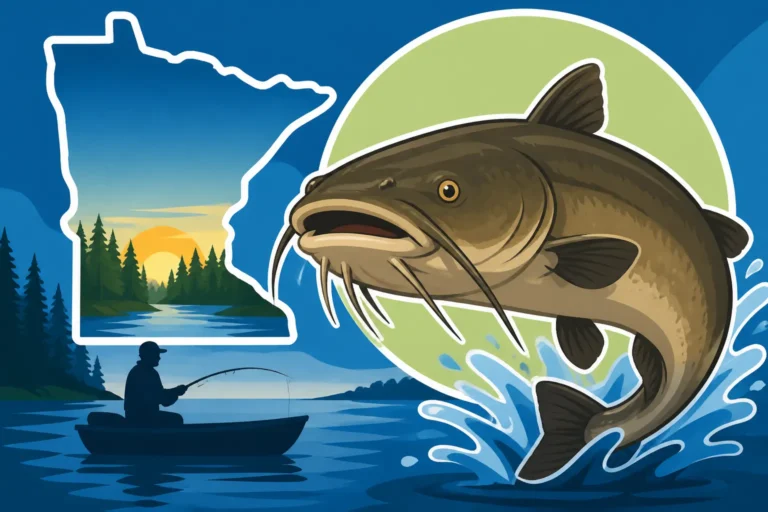
The Channel Catfish is probably what most people picture when they think of a "catfish." These fish are incredibly adaptable and can be found in a wide variety of Minnesota waters, from muddy rivers to cleaner lakes, though they tend to thrive in warmer, slower-moving systems with soft bottoms. They're recognized by their sleek, often silvery-gray to olive-green bodies, deeply forked tails, and scattered dark spots, especially when they're younger. Their barbels, or "whiskers," are prominent and used to detect food in murky water or low light conditions.
While they don't reach the colossal sizes of their Flathead cousins, Channel Cats are powerful fish that put up a phenomenal fight on the right tackle. A typical Channel Cat in Minnesota might range from 2 to 10 pounds, but fish exceeding 20 pounds are certainly possible, especially in our major river systems. Their widespread presence and willingness to bite a variety of baits make them an excellent target for anglers of all skill levels. They're often underestimated, but hook into a 15-pound Channel Cat in a strong current, and you'll quickly understand the appeal!
As for eating, Channel Catfish are fantastic table fare. Many anglers swear by their mild, flaky white meat, especially when caught from cleaner waters. Proper cleaning and preparation, which we'll get into later, can elevate them to a culinary delight. They truly offer the full package: an exciting catch and a delicious meal.
Flathead Catfish: The River Monsters
Now, if you're looking for a true heavyweight, the Flathead Catfish is your quarry. These are the giants of Minnesota's catfish world, capable of reaching immense sizes and possessing an unparalleled brute strength that can test even the most experienced angler. Unlike the Channel Cat, Flatheads are much more solitary, ambush predators, preferring deep holes, log jams, and heavy cover in major river systems. You won't typically find them in lakes.
Their appearance is distinct: a broad, flattened head (hence the name) with small eyes, a prominent lower jaw, and a mottled brown and yellow coloration that provides excellent camouflage against woody debris. Their tail is square or slightly rounded, not deeply forked like a Channel Cat's. These fish are true predators, feasting almost exclusively on live fish, crayfish, and other unsuspecting aquatic critters. Their diet and habitat make them a different kind of challenge, but the reward of hooking into a trophy Flathead is an experience you won't soon forget.
Landing a Flathead can feel like trying to pull a submerged log off the bottom, only that log pulls back with incredible force. Fish from 10 to 40 pounds are common in productive stretches of rivers like the Mississippi, but flatheads over 50 pounds are caught every year, and the state record is a truly impressive specimen. Their meat is also highly prized, often described as firmer and less "fishy" than other catfish, with a sweet, mild flavor due to their predatory diet.
Key Differences: Channel vs. Flathead
Understanding the nuances between these two species is crucial, not just for identification but also for tailoring your fishing approach and adhering to specific regulations. While both are "catfish," they occupy different niches and demand different strategies.
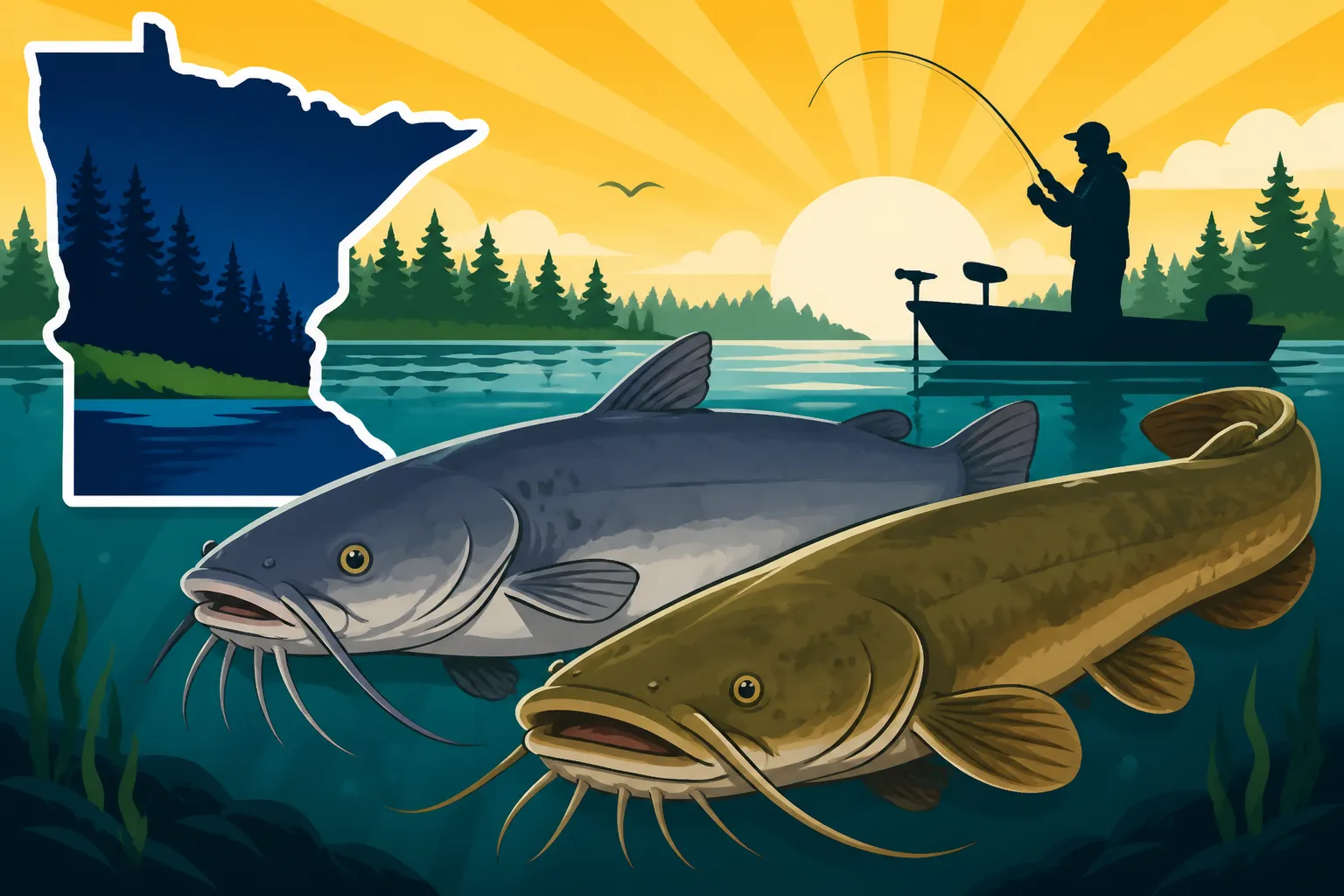
One of the most immediate visual differences is their tail. Channel Cats have a distinctly forked tail, almost like a salmon or trout, whereas Flatheads have a square or slightly rounded tail. Their heads are also very telling: the Channel Cat has a more streamlined, conical head, while the Flathead, as its name suggests, boasts a broad, flattened cranium. The lower jaw of a Flathead will often protrude beyond its upper jaw, giving it a characteristic underbite, perfectly adapted for gulping down live prey. Channel Cats typically have an even jaw or a slight overbite.
Coloration can also be a clue, though it varies with water clarity and habitat. Channel Cats tend to be more uniformly silvery, gray, or olive, often with spots in younger fish. Flatheads usually have a mottled, camouflaged pattern of browns, yellows, and blacks, blending seamlessly with logs and rocks. These differences aren't just cosmetic; they reflect their primary diets and behaviors. Channel Cats are opportunistic scavengers and omnivores, while Flatheads are pure predators. This distinction heavily influences bait choice, with Flatheads almost exclusively preferring live bait.
| Feature | Channel Catfish | Flathead Catfish |
|---|---|---|
| Tail | Deeply forked | Square or slightly rounded |
| Head | Conical, streamlined | Broad, flattened, prominent lower jaw (underbite) |
| Color | Silvery-gray, olive-green, often spotted (young) | Mottled brown/yellow, camouflaged |
| Diet | Omnivore, scavenger, opportunistic predator | Primarily live fish, crayfish, true predator |
| Habitat | Rivers, streams, larger lakes, reservoirs | Major river channels, deep holes, heavy woody cover |
| Average Size | 2-10 lbs (up to 25+ lbs) | 10-40 lbs (up to 70+ lbs) |
| Fight | Strong, erratic, good runs | Powerful, stubborn, heavy pulls, dogged fight |
Knowing these differences will help you quickly identify your catch and apply the correct regulations. For example, some river stretches might have specific size or bag limits for Flatheads that differ from Channel Cats, due to their slower growth rate and trophy potential. Always double-check the current Minnesota fishing regulations PDF to ensure you're in compliance.
Where to Find Catfish in Minnesota
Minnesota's reputation for pristine lakes is well-deserved, but when it comes to catfish, our mighty rivers are where these whiskered wonders truly shine. While you can certainly find Channel Catfish in some of our larger, warmer lakes, the biggest, baddest Flatheads are almost exclusively river dwellers. Understanding their preferred habitats and seasonal movements is key to putting yourself in the right place at the right time.
Major Rivers: The Catfish Highways
Our state's extensive river systems act as superhighways for catfish, offering rich feeding grounds, plenty of cover, and strong currents that keep them healthy and robust. If you're serious about targeting trophy catfish, these waterways should be your primary focus.
The Mississippi River is arguably the most famous catfish hotspot in Minnesota. From the Twin Cities metro area all the way down to the border with Wisconsin, the Mississippi offers incredible opportunities. Anglers often focus on areas below dams, where turbulent water creates current breaks and concentrated baitfish. Wing dams, which are rock structures built to channel flow, are absolute magnets for catfish, providing eddies and ambush points. Look for deep holes, especially those with submerged timber or rock piles. Popular spots can include the pools around Red Wing and Lake City, where the river widens and deepens. The diverse structure and abundant forage make it a prime location for both Channel and Flathead catfish. You can learn more about specific tactics in our guide on Mississippi River Pool Fishing in Minnesota.
The Minnesota River, though often muddier and slower, is another fantastic option, particularly for Channel Catfish. Its meandering course and numerous oxbow lakes provide countless deep bends, log jams, and slow-current areas where catfish love to hide and feed. Access points might be a bit more challenging than the Mississippi, but the rewards can be significant. Target deep outside bends and areas where tributaries enter, bringing in fresh food and oxygen.
The St. Croix River, part of the National Scenic Riverway, offers a unique catfish experience. While perhaps not as renowned for sheer numbers as the Mississippi, it holds some truly impressive Channel and Flathead catfish, particularly in its deeper, wider sections closer to its confluence with the Mississippi, such as near Prescott, Wisconsin. Look for deep pools, submerged rock ledges, and areas with strong current next to calmer slack water. The scenic beauty of the St. Croix also makes for a particularly enjoyable day on the water, whether you're fishing from shore or boat. For a more comprehensive overview of these river systems, check out our piece on Minnesota River Fishing: Mississippi, Minnesota & St. Croix.
Finally, you can't talk about Minnesota catfish without mentioning the Red River of the North. Flowing northward along the Minnesota-North Dakota border, the Red River is legendary for its gargantuan Channel Catfish. It's not uncommon to pull 15 to 20-pound Channel Cats from this river, and true giants of 30+ pounds are reported annually. Its slow, silty flow and abundance of forage create an ideal environment for these fish to grow to immense proportions. Key locations often include stretches near the cities of East Grand Forks and Moorhead, where public access is available. If landing a state-record class Channel Cat is your dream, the Red River is a must-visit destination.
Productive Lakes and Reservoirs
While rivers are king for Flatheads, many of Minnesota's larger, warmer lakes and reservoirs can be fantastic for Channel Catfish. These fish are more adaptable and will readily colonize lake environments, especially those with ample forage and suitable habitat.
One prime example is Lake Pepin, a natural widening of the Mississippi River, which supports a thriving population of Channel Catfish. Its broad, fertile waters and direct connection to the Mississippi make it a consistent producer. Anglers here often target the deeper channels, mud flats, and areas around current breaks where the river flow is still noticeable. Other large lakes, particularly those in southern and central Minnesota that are warmer and often connected to river systems, can also hold good numbers of Channel Cats. Think about lakes like Mille Lacs Lake or Lake Minnetonka—while not traditional catfish destinations, if they have an inflow or outflow from a river system, catfish can often be found there.
When fishing lakes for Channel Cats, look for areas that mimic their river preferences: deeper basins, especially near inflows or outflows, areas with significant structure like submerged brush piles, rock reefs, or drop-offs, and soft, muddy bottoms where they can root for food. During warmer months, they might cruise shallower flats at night, but during the day, they'll often retreat to deeper, cooler water. Target points, saddles, and ledges where fish can ambush baitfish or scavenge for food.
Seasonal Movements and Habitat Preferences
Understanding how catfish move throughout the year is critical for consistent success. Their behavior is heavily influenced by water temperature, current, and spawning cycles.
In spring, as water temperatures rise, catfish begin to become more active after their winter lethargy. During the pre-spawn period, typically late April to early June, they'll often move into shallower areas, especially current breaks and creek mouths, to feed aggressively. This is an excellent time to target them, as they're hungry and more accessible. Flatheads will begin to move out of their deep wintering holes and into areas with woody debris in preparation for spawning.
Summer is prime time for catfish, especially during the warmer months of July and August. However, as water temperatures peak, Channel Cats might move to deeper, cooler holes during the day, becoming most active in low light conditions or at night. Flatheads will be in their prime predatory mode, lurking in the deepest, snaggiest log jams and holes in the main river channels. Night fishing becomes incredibly effective for both species, as they use their keen sense of smell and barbels to hunt in the dark. Look for them concentrated in deeper scour holes or along outside river bends where the current creates deep pockets.
As fall approaches and water temperatures begin to drop, catfish will enter a major feeding frenzy to bulk up for winter. This is another fantastic time to catch them, as they aggressively strike baits. They'll often be found in similar locations as summer, but their feeding windows can extend throughout the day. Flatheads, in particular, will gorge themselves before retreating to their deep wintering holes, where they become largely inactive.
During winter, catfish are generally quite dormant. While it's possible to catch Channel Catfish through the ice in some lakes, especially if you're jigging deep with cut bait or stink bait, it's not a primary target species for most ice anglers. Flatheads, being strictly river fish, are extremely difficult to catch in winter as they congregate in deep, often inaccessible wintering holes and rarely feed. However, if you're targeting other species in warmer lake basins during the ice season, don't be surprised if a hungry Channel Cat slurps up your offering.
Essential Gear and Tackle for Catfish
Let's be real, you're not going to land a 30-pound Flathead with your ultralight panfish setup. Catfish, especially the larger ones, are built like tanks and fight like freight trains. They demand robust gear that can handle their powerful runs, stubborn headshakes, and the often snag-infested environments they call home. Investing in the right rod, reel, line, and terminal tackle isn't just about catching more fish; it's about minimizing lost fish and lost gear, which can be a huge frustration.
Rods, Reels, and Line: Built for Battle
When assembling your catfish arsenal, think heavy-duty and durable. You need a setup that can withstand serious abuse.
Rods: For Channel Catfish, a medium-heavy to heavy action casting rod, typically 7 to 9 feet long, is a great choice. This length provides excellent casting distance, especially important for bank anglers, and helps to absorb the powerful lunges of a big cat. Brands like Ugly Stik have been a go-to for catfishermen for decades because of their legendary durability and sensitivity, but many modern rod manufacturers now offer specialized catfish rods. Look for a rod with a strong backbone but a relatively forgiving tip to detect subtle bites. For Flatheads, you'll want to step up to a true heavy or extra-heavy action rod, usually 8 to 10 feet in length. The extra length helps you control fish in strong current and steer them away from snags like submerged timber. A fast action tip combined with a strong blank is ideal for setting large hooks and muscling big fish out of cover.
Reels: Baitcasting reels are almost universally preferred for serious catfishing, particularly for Flatheads. They offer superior cranking power, a robust drag system, and the ability to cast heavy baits with precision. Look for reels with a high line capacity (you might need 100+ yards of heavy line) and a smooth, reliable drag that can handle prolonged runs. Reputable brands like Abu Garcia (especially their C3 or C4 series) or Daiwa are popular choices among catfishermen. For Channel Cats, a sturdy spinning reel in the 4000-6000 size range can also work, especially if you're fishing lighter baits or prefer spinning gear. However, for sheer power and handling heavy loads, a baitcaster is hard to beat.
Line: This is where you absolutely cannot skimp. Catfish live in abrasive environments, and their fights are brutal. For Channel Catfish, a monofilament line in the 20-30 pound test range is a good starting point. Monofilament offers some stretch, which can be forgiving during sudden runs, and good abrasion resistance. However, many experienced anglers, especially those targeting larger Channel Cats or Flatheads, opt for braided line. Braided line, typically 50-80 pound test (or even heavier for monster Flatheads), has zero stretch, offering incredible sensitivity to bites and maximum power for pulling fish out of snags. Its thin diameter for its breaking strength also helps cut through current. While more expensive, the benefits of braid often outweigh the cost. You can learn more about fishing line choices in our guide on Best Fishing Line for Walleye (Braid vs Mono vs Fluoro), as some principles apply here. A good strategy is to use braided main line with a 2-4 foot leader of heavy monofilament or fluorocarbon (30-80 lb test) for abrasion resistance and to make leader changes easier.
Hooks, Sinkers, and Rigs: The Business End
Your terminal tackle needs to be as tough as your rod and reel. Catfish have tough mouths, and you'll often be fishing in areas with snags.
Hooks: For catfish, you'll primarily be using circle hooks. These are a game-changer for ethical angling and effective hookups. Circle hooks are designed to hook fish in the corner of the mouth, minimizing deep hooking and making catch-and-release much safer for the fish. When a catfish takes the bait, you don't "set" the hook with a strong sweep; instead, you simply apply steady pressure, and the hook rolls into place. Sizes can range from 4/0 to 8/0 for Channel Cats, and 8/0 to 10/0 (or even larger) for big Flatheads, depending on the size of your bait. Brands like Gamakatsu and Mustad offer excellent, sharp circle hooks. Kahle hooks are another option for their wide gap.
Sinkers: You'll need a variety of sinker styles and weights to contend with different currents. For slower water or lighter current, egg sinkers (1-3 oz) or flat no-roll sinkers (1-4 oz) work well. For stronger currents, pyramid sinkers (3-8 oz, or even heavier) are essential to keep your bait pinned to the bottom. Bank anglers often carry a wide assortment. For heavy current, some anglers even use heavy rebar weights or specialized "sputnik" sinkers that grip the bottom more effectively.
Rigs: The two most common and effective rigs for Minnesota catfish are the Carolina Rig (or Santee Cooper Rig) and the Three-Way Rig.
- Carolina Rig: This is a classic bottom rig. It consists of a sliding sinker (egg, no-roll, or pyramid) on your main line, followed by a bead (to protect the knot), a heavy-duty swivel, and then a monofilament or fluorocarbon leader (12-24 inches) tied to your circle hook. This allows the fish to pick up the bait without immediately feeling the weight of the sinker, giving you time for the circle hook to do its job. The Santee Cooper Rig is a variation that adds a small float to the leader to keep the bait slightly off the bottom, making it more visible and keeping it out of snags in certain situations.
- Three-Way Rig: This rig is excellent for fishing in current, especially from a boat or for keeping multiple baits at different depths. You tie your main line to one eye of a three-way swivel. To the second eye, you tie a short leader (6-12 inches) with your sinker. To the third eye, you tie a longer leader (18-36 inches) with your hook and bait. This keeps your bait suspended off the bottom, allowing it to flutter naturally in the current.
Always use heavy-duty swivels (barrel or coastlock snaps) and sturdy leaders that can withstand sharp teeth and abrasive cover.
Essential Accessories: Beyond the Basics
To truly be prepared for catfishing, a few key accessories will make your life much easier and safer.
First and foremost, a heavy-duty landing net is non-negotiable, especially for Flatheads. Look for a net with a large hoop and a deep, rubberized mesh bag. Rubberized mesh is gentler on the fish's slime coat if you're practicing catch and release, and it prevents hooks from getting tangled. Trying to hand-land a thrashing, spiny catfish, especially a large one, is a recipe for injury.
Speaking of injuries, gloves are highly recommended. Catfish, particularly Channel Cats, have sharp spines on their dorsal and pectoral fins that can deliver a painful poke. Heavy-duty fishing gloves offer protection. A good pair of long-nosed pliers or hook removers is also essential for safely extracting hooks, especially from deeper-mouthed fish.
If you're bank fishing, sturdy rod holders that can be jammed into the ground are a must. They allow you to set multiple rods, keep your expensive gear out of the mud, and absorb the initial violent strike of a big fish without pulling your rod into the water. For boat anglers, robust rod holders mounted to your boat are equally important.
Finally, for those magical summer nights spent chasing big cats, a reliable headlamp is indispensable. It frees up your hands for baiting, re-rigging, and landing fish in the dark. A good quality, waterproof headlamp with multiple brightness settings will be your best friend when the action heats up after sundown.
Best Baits and How to Present Them
When it comes to catfish, bait is king. These fish are primarily smell-driven, especially Channel Cats, and their preferred diet can vary significantly between species. What works wonders for a Channel Cat might not even get a sniff from a Flathead, and vice-versa. Understanding their culinary preferences is paramount to successful catfishing.
Top Baits for Channel Catfish
Channel Catfish are true omnivores and scavengers, meaning they'll eat just about anything that smells appealing and fits in their mouth. This makes them relatively easy to target with a wide array of baits. The stronger and more pungent the smell, generally the better!
Stink Baits (Prepared Baits): These are perhaps the most popular and effective baits for Channel Catfish, especially for numbers and smaller to medium-sized fish. Brands like Sonny's Super Sticky or Catfish Charlie offer various prepared baits in dough, dip, or punch bait forms. These baits are designed to leach scent into the water, attracting catfish from a distance. Dip baits are typically used with a "worm" or plastic lure designed to hold the gooey bait, while punch baits are pressed onto a treble hook with a stick. While incredibly effective, they can be messy, so bring plenty of paper towels!
Cut Bait: This is a fantastic option for targeting larger Channel Cats. Cut bait involves using pieces of fish, often local baitfish like shiners, suckers, or even oily fish like shad (if legal to use in your area), cut into chunks. The blood and oils released into the water create a potent scent trail. Fresh cut bait is always best. You can even use the belly strips of previously caught panfish or rough fish like carp. The fresher and bloodier, the better.
Live Bait: While not always necessary for Channel Cats, live bait can be very effective, especially for more aggressive feeders. Large nightcrawlers, wiggling freely on a hook, are a classic choice. Leeches, often used for walleye, are also surprisingly effective for Channel Cats. Small minnows or shiners, if presented properly, can also draw strikes. For more on selecting and using live bait effectively, our guide on Best Live Bait for Walleye (Leeches, Minnows, Crawlers) might offer some useful cross-species tips.
Other "Kitchen Sink" Baits: Don't underestimate the power of everyday items. Chicken livers are legendary for their strong scent and effectiveness, though they can be soft and challenging to keep on a hook. Hot dogs (plain or doctored with garlic) and shrimp (especially those left out to "spoil" a bit) can also be surprisingly productive. Some anglers even have success with corn, marshmallows, or pieces of soap! The key is finding what the fish in your specific body of water are accustomed to eating.
Go-To Baits for Flathead Catfish
Flatheads are a completely different beast when it comes to bait. These are true apex predators, and their preference is overwhelmingly for one thing: live bait. Forget the stink baits; a Flathead is looking for a struggling, vulnerable fish.
Live Bait is Paramount: Your best bet for Flatheads is always fresh, lively, and often large, live bait.
- Suckers: White suckers or other local sucker species, typically 6-12 inches long, are a top choice. They're hardy and offer a substantial meal.
- Bullheads: Live bullheads, especially smaller ones (4-8 inches), are incredibly effective. Flatheads love to eat bullheads, and their tough nature means they stay lively on the hook for a long time.
- Large Chubs/Shiners: Depending on local regulations and availability, large creek chubs or golden shiners can also be excellent. The key is size; you want a baitfish that represents a hearty meal for a big Flathead.
The size of your bait directly correlates with the size of the Flathead you're trying to catch. If you want to target trophy fish, don't be afraid to use a baitfish that seems almost too big – a 10-inch sucker for a 40-pound Flathead is not out of the question. Presenting live bait correctly, usually hooked through the back or lips to keep it active, is crucial. Ensure your bait is healthy and swimming naturally to attract these selective predators.
Presentation Techniques: Getting the Bait Where They Are
Having the right bait is only half the battle; you also need to present it effectively to entice a strike. Catfish, especially Flatheads, often hold tight to structure or in specific current seams, so accurate placement is vital.
Anchoring vs. Drifting:
- Anchoring: This is a very common technique, especially in river systems. You anchor your boat upstream of a prime piece of structure (like a log jam, deep hole, or wing dam) and cast your baits into the target zone. The current will carry the scent downstream, drawing fish to your bait. This is particularly effective for Flatheads that are holding tight to cover. Multiple rods can be deployed, each with a different bait or rig if desired.
- Drifting: In some river stretches or larger lake areas with current, controlled drifting can be effective. You allow your boat to drift slowly with the current, dragging your baits along the bottom. This allows you to cover more ground and present your bait to a wider range of potential holding spots. Using a controlled drift can also be effective for finding Channel Catfish scattered across larger flats. Your depth finder will be invaluable here for staying in prime areas.
Casting to Structure: Catfish love structure. For river fishing, this means casting your bait precisely to the edges of log jams, behind wing dams, into scour holes, or along riprap banks. These areas provide current breaks, ambush points, and cover. Use your boat's trolling motor or anchor precisely to ensure your bait lands in the strike zone and stays there. For Channel Cats in lakes, cast towards submerged brush, rock piles, or channel edges.
Understanding Current and Weight Requirements: River currents can be tricky. You need enough weight to keep your bait on the bottom without it rolling or being swept away, but not so much that it's completely unnatural. Experiment with different sinker weights. A good rule of thumb is to use the lightest weight possible that still holds bottom. The goal is for your bait to be presented naturally, with the scent trail flowing downriver to where the fish are holding.
Night Fishing Strategies: Catfish, especially Flatheads, are often most active during low light conditions or at night. This is when they move out of their deepest cover to feed more aggressively. If you're night fishing, safety is paramount: tell someone where you're going, have all your gear organized and illuminated with a headlamp, and be extra cautious on the water. Focus on those same structures you'd fish during the day, but expect more active feeding from larger fish. The darkness gives them an advantage and makes them bolder.
Techniques for Catching Minnesota Catfish
Catching catfish isn't always about brute force; it's a blend of patience, persistence, and understanding their behavior. Whether you're casting from a river bank or drifting through a deep lake basin, tailoring your technique to the environment and the species you're targeting will significantly improve your success rate.
Bank Fishing and Shoreline Strategies
Bank fishing for catfish is incredibly popular and accessible, especially on Minnesota's larger rivers. It requires a bit of scouting and strategic setup, but it can be highly rewarding.
Finding Accessible Spots: The first step is to find good access points. Look for public boat launches, city parks, or state land that provides shoreline access to rivers like the Mississippi, Minnesota, or St. Croix. Ideal spots often include stretches with riprap (rocky banks), current breaks created by bends or fallen trees, or areas downstream of dams. These locations tend to concentrate baitfish and provide cover for catfish. Apps like Fishbrain or websites like the DNR's lake and river finders can help you locate potential spots and access points.
Setting Up Multiple Rods: One of the advantages of bank fishing is the ability to deploy multiple rods. This allows you to cover a wider area, use different baits, and fish at varying depths or distances from shore. Make sure your rod holders are firmly planted in the ground, and your reel's drag is set appropriately. You want enough tension to keep the bait in place, but loose enough to allow line to peel off when a fish strikes without pulling your rod into the water. Remember, in Minnesota, you are generally allowed to fish with up to three lines at once, provided they are under your immediate control. Our guide on How Many Lines Can You Fish in Minnesota? can provide specific details.
Patience and Scent Trails: Catfishing is often a waiting game. Once your baits are out, relax and let the scent do its work. Channel Cats, in particular, will follow a strong scent trail. Check your baits every 30-60 minutes to ensure they're still on the hook and releasing scent. Night fishing from the bank is a fantastic way to target both species, as they move into shallower areas to feed under the cover of darkness. Just be mindful of your surroundings and have good lighting.
Boat Fishing: Anchoring, Drifting, and Trolling
Fishing from a boat opens up a whole new world of catfish opportunities, allowing you to access prime river channels, deep holes, and extensive lake structures that are out of reach from shore.
Anchoring Upstream of Structure: This is a classic river catfishing technique. Position your boat upstream from a known catfish hot spot—a deep hole, a log jam, a prominent wing dam, or a river bend with significant scour. Drop your anchor well upstream so that as the anchor digs in, your boat settles into position, perhaps 20-50 yards upstream from your target. This allows you to cast your baits down into the structure, letting the current carry your scent and present your bait naturally. It also keeps your boat clear of the actual fishing zone. This is particularly effective for Flatheads, which prefer to sit tight in cover.
Controlled Drifting with Current: For covering larger areas, especially when searching for scattered Channel Cats or even mobile Flatheads, controlled drifting can be very effective. Use your bow-mount trolling motor (like a Minn Kota Terrova) to slow your drift, keeping your boat moving slightly slower than the current. This allows your baits to roll or bounce along the bottom naturally, covering more potential holding spots. Pay close attention to your fish finder during drifts, marking any humps, holes, or submerged structure that appear.
Slow Trolling with Cut Bait: While less common than still-fishing or drifting, slow trolling can be a productive method for Channel Catfish in larger lakes or slower river sections. Use cut bait on a three-way rig or a bottom bouncer rig, trolling slowly (0.5-1.5 mph) along channel edges, deep contours, or over large mud flats. This technique is more about covering water and finding active fish than targeting specific structure, and it often works best in the evening or night.
Reading the Water: Locating Catfish Structure
Catfish are master opportunists, but they're not everywhere. Learning to "read the water" and identify key structural elements will exponentially increase your success. This applies whether you're fishing rivers or lakes.
Current Breaks, Eddies, and Deep Holes: In river systems, these are prime targets.
- Current Breaks: Any feature that disrupts the main flow of the river creates a current break. This could be a submerged rock pile, a fallen tree, an island, or a man-made structure like a bridge pilings. Catfish will sit in the slower water behind these breaks, conserving energy while waiting for food to drift by.
- Eddies: These are swirling pockets of calmer water formed downstream of obstructions or in protected bends. They're natural collection points for baitfish and food, making them catfish magnets.
- Deeper Holes: Rivers naturally scour out deep holes, often on the outside bends of curves or below rapids/dams. These provide refuge from strong current, cooler water in summer, and wintering areas. Flatheads, in particular, are drawn to these deep, dark sanctuaries.
Submerged Wood, Rock Piles, and Wing Dams: These are physical structures that provide both cover and ambush points.
- Submerged Wood: Log jams, fallen trees, and brush piles are prime real estate for Flatheads. They offer dark, secure cover from which to ambush prey. Fishing these spots requires heavy tackle and a willingness to get snagged occasionally.
- Rock Piles and Riprap: These provide small pockets of calmer water, hideaways for crayfish, and cover for baitfish. Catfish will patrol these areas, especially at night.
- Wing Dams: Man-made structures designed to direct river flow, wing dams create dynamic current breaks, eddies, and scour holes on both their upstream and downstream sides. The deepest water is often found at the very end of the dam or where current flows over them. They are some of the best catfish producers on the Mississippi River.
Using Electronics to Identify Prime Holding Areas: Modern fish finders and chartplotters are incredibly valuable tools for locating catfish structure, especially in unfamiliar waters.
- Sonar: Use your traditional 2D sonar to identify bottom contours, drop-offs, and deep holes. Look for "hard" returns indicating rock or wood.
- Side Imaging/Down Imaging: These technologies provide photographic-like views of the bottom, allowing you to clearly see submerged trees, brush piles, and rock formations that might be holding fish. Brands like Humminbird with their MEGA Imaging or Garmin with their LiveScope have revolutionized the way anglers find structure. You can learn more about these tools in our comparison of Best Ice Fishing Flashers: Vexilar vs Humminbird vs Garmin, as many principles apply to open water units.
- GPS Mapping: Utilize detailed lake and river maps (like those from Navionics or LakeMaster) on your chartplotter. These maps show contours, channels, and sometimes even highlight common structural elements like wing dams or historic river beds. Marking waypoints of productive spots and significant structure will help you return to them quickly.
Regulations and Conservation in Minnesota
Like any species in Minnesota, catfishing comes with its own set of rules and responsibilities. The Minnesota Department of Natural Resources (DNR) establishes regulations to ensure healthy fish populations for future generations. Understanding and adhering to these rules isn't just about avoiding a fine; it's about being a responsible angler and contributing to the conservation of these incredible fish.
Understanding Bag Limits and Size Restrictions
Regulations can vary depending on the specific water body and species, so always consult the most current Minnesota fishing regulations. Ignorance is no excuse, and wardens take these rules seriously.
General Statewide Limits: For Channel Catfish, the statewide daily limit is generally 5 fish, with a possession limit of 10. There are typically no statewide size restrictions, meaning you can keep any legal-sized fish within the bag limit. However, always double-check the current regulations as these can change annually.
For Flathead Catfish, the regulations are often more restrictive due to their slower growth rate and trophy potential. The statewide daily limit is usually 5 fish, with a possession limit of 5. Again, there are typically no statewide size restrictions, but local regulations on specific rivers are very common and important to note.
Special Regulations for Specific Rivers or Zones: This is where it gets critical. Many of Minnesota's prime catfish rivers, especially the Mississippi and Red River of the North, have special regulations that supersede the statewide rules.
- Red River of the North: This river, famous for its trophy Channel Catfish, often has more restrictive bag limits for them to protect the large fish. For instance, in some years, the daily and possession limit might be lower, and there could even be a slot limit or a restriction on the number of fish over a certain size that can be kept.
- Mississippi River: Specific pools on the Mississippi River, particularly the border waters with Wisconsin, might have slightly different rules for both Channel and Flathead Catfish. These border water agreements ensure consistent regulations across state lines, but they require anglers to be especially vigilant. Our article on Border Water Fishing Rules (Minnesota-Ontario, Wisconsin) can provide more insight into these nuances.
- Rainy River: While more famous for walleye and sturgeon, the Rainy River also holds catfish. You should always consult the specific regulations for the Rainy River, especially if you're targeting other species like the impressive Lake Sturgeon, which requires a special tag and has very specific catch-and-release practices detailed in our Lake Sturgeon Regulations & Tag in Minnesota guide.
It is absolutely essential to check the current Minnesota Fishing Regulations booklet or the DNR website before every fishing trip, as rules are subject to change annually. What was legal last year might not be this year. Penalties for keeping over-limit fish in Minnesota can be significant, so play it safe.
Proper Handling and Release
Whether you're keeping your catch or releasing it, responsible handling is crucial for both the fish's survival and your safety. Catfish have sharp spines, and large fish can be powerful.
Minimizing Harm with Circle Hooks: As mentioned in the gear section, using circle hooks is one of the best ways to ensure proper hook-sets in the corner of the fish's mouth, making hook removal much easier and reducing internal injury. When using circle hooks, resist the urge to "set" the hook with a hard snap; instead, simply reel down until your line is taut and apply steady pressure. The hook will usually do the rest of the work.
Safe Hook Removal: Always have a good pair of long-nosed pliers or hook removers on hand. Once the fish is in the net or secured, carefully unhook it. If the hook is stubborn, use the pliers to gently twist it out. Avoid tearing at the fish's mouth. If a fish is deeply hooked, especially if it's a smaller fish you intend to release, it's often better to cut the line as close to the hook as possible rather than attempting a difficult extraction that could cause more harm.
Handling Spines Safely: Catfish have a sharp, bony spine on their dorsal fin (back) and one on each pectoral fin (sides). These spines can inflict a painful, sometimes infected, wound. When handling a catfish, grip it firmly behind the pectoral fins, pressing them gently against its body. Alternatively, use a landing net to control the fish while you remove the hook, and avoid putting your hands near the fins until you're confident they're controlled. For larger fish, a lip-grip tool can also be useful, but be cautious with their powerful jaws.
Catch and Release Best Practices: For any fish you plan to release, especially large Flatheads which are valuable trophy fish, minimizing stress is key.
- Keep them Wet: Try to keep the fish in the water as much as possible, especially during hook removal. If you need to lift it for a photo, do so quickly and support its body horizontally, avoiding hanging it vertically by the jaw, which can damage its internal organs and spine.
- Quick Release: Release the fish as soon as possible after a quick photo. If it seems sluggish, hold it gently in the water, facing into the current, until it regains its strength and swims off on its own. These principles are part of our broader guide on Catch and Release Best Practices in Minnesota.
Protecting Our Catfish Fisheries
Anglers play a vital role in the health and sustainability of Minnesota's fish populations. Responsible behavior goes beyond just following the rules; it's about being an active steward of our natural resources.
Role of Anglers in Conservation:
- Respect Limits: Adhering to bag and size limits helps prevent overfishing and ensures a healthy population structure.
- Report Violations: If you witness poaching or other illegal fishing activities, contact the Minnesota DNR's Turn In Poachers (TIP) line immediately. Protecting our fisheries benefits everyone.
- Aquatic Invasive Species (AIS) Awareness: Catfish are often found in river systems that are highly susceptible to AIS. Always clean, drain, and dry your boat, trailer, and all fishing gear after leaving any water body. This includes draining livewells, bilges, and removing any weeds from your prop and anchor. This is particularly important for preventing the spread of things like zebra mussels or Eurasian watermilfoil. Our comprehensive guide on Aquatic Invasive Species (AIS) Rules for Boaters provides all the details you need to comply.
- Leave No Trace: Pack out everything you pack in. Dispose of fishing line, bait containers, and other trash properly. Healthy environments lead to healthy fish.
By being mindful of regulations, practicing proper handling, and embracing conservation, we can ensure that future generations of Minnesotans will continue to enjoy the thrill of catfishing for years to come.
The Thrill of the Fight and Culinary Delights
So, you've located the perfect spot, deployed your irresistible bait, and then it happens: your rod bends over, the drag screams, and you know you've hooked into something powerful. The battle is just beginning, and after the fight, the question becomes: keep or release? If you choose to keep some for the table, you'll be surprised at how delicious Minnesota catfish can be with the right preparation.
The Battle: What to Expect
Let's talk about the fight. Catfish don't jump like a bass or make lightning-fast runs like a muskie. What they do is pure, unadulterated power and stubbornness.
When a Channel Catfish hits, it's often a sudden, aggressive thump. Then, the fight begins. They'll make strong, powerful runs, often hugging the bottom and using the current to their advantage. You'll feel their signature headshakes as they try to dislodge the hook. They are scrappy fighters that will test your drag and your forearm strength. Landing a double-digit Channel Cat in a strong river current can feel like wrestling a small alligator, and it's a truly exhilarating experience.
Now, a Flathead Catfish? That's a whole different ballgame. When a big Flathead takes your bait, it's usually a slow, deliberate pull initially. Then, all hell breaks loose. They are absolute powerhouses. The fight of a Flathead is characterized by deep, dogged pulls, long, sustained runs, and an incredible ability to stay glued to the bottom or dive into heavy cover. They don't give up easily. You'll feel every ounce of their weight and muscular strength as they try to bury themselves in log jams or pull you into snags. It's a true test of angler and tackle, demanding patience, a strong backbone on your rod, and a well-tuned drag. Many anglers describe the fight as an unstoppable force, a tug-of-war against a determined submarine.
Cleaning and Preparing Your Catch
If you decide to keep some catfish, you're in for a treat! Catfish are excellent table fare, but proper cleaning is essential to maximize their flavor. Many people are put off by the "muddy" taste sometimes associated with catfish, but this is often due to improper cleaning or keeping fish from poor water quality.
The key to cleaning catfish is skinning them. Unlike most other fish that are scaled and filleted, catfish have tough, slimy skin that needs to be removed.
- Bleed the Fish: Immediately after catching and humanely dispatching the fish, cut the gills or throat to bleed it out. This significantly improves meat quality.
- Make an Incision: Lay the fish on its side. Using a sharp fillet knife, make a shallow cut behind the head, just deep enough to cut through the skin all the way around the body, from the top of its back down to its belly.
- Use Pliers: Grab a corner of the skin with a sturdy pair of pliers (some people use a specific catfish "skinner" tool). Pull the skin firmly towards the tail. It will peel off in strips. Repeat this process around the entire body until all the skin is removed. For really big Flatheads, you might need to make a few more relief cuts along the back and belly to help the skin peel.
- Fillet: Once skinned, you can fillet the fish like any other. Make a cut behind the pectoral fin down to the backbone, then turn the knife flat and run it along the backbone towards the tail. Flip the fillet over and remove any rib bones.
- Remove Dark Meat: This is crucial for flavor, especially with larger fish or those from muddier waters. Catfish fillets often have a prominent "dark meat" or red line along the lateral line. Use your knife to trim this dark meat away completely. It has a stronger, sometimes "fishier" or "muddy" flavor. Removing it will leave you with pure, mild white meat. This step is particularly important for Channel Catfish, less so for the cleaner-eating Flatheads.
Recipe Ideas and Best Practices for Eating
Once you have those beautiful, clean, white fillets, the culinary possibilities are endless! Catfish is incredibly versatile.
Classic Fried Catfish: This is probably the most popular way to enjoy catfish, and for good reason.
- Batter: Dip your fillets in an egg wash or buttermilk, then dredge them generously in a seasoned cornmeal mixture (cornmeal, flour, salt, pepper, garlic powder, paprika, cayenne).
- Frying: Fry in hot oil (vegetable, peanut, or canola) at around 350-375°F until golden brown and flaky. Don't overcrowd the pan. Serve with coleslaw, french fries, and hushpuppies for a true Southern-style meal.
Grilled or Baked Catfish: For a lighter option, catfish grills beautifully.
- Marinade: Marinate fillets in lemon juice, olive oil, garlic, and your favorite herbs and spices for 30 minutes.
- Grilling: Grill over medium-high heat for 3-5 minutes per side, or until flaky.
- Baking: Bake at 400°F for 12-15 minutes, or until cooked through. A little butter or lemon slices on top add moisture and flavor.
Catfish Tacos: Flaky, mild catfish is fantastic in tacos.
- Preparation: Lightly pan-sear or grill seasoned catfish fillets.
- Assembly: Flake the cooked fish into warm tortillas and top with shredded cabbage, a creamy chipotle sauce, fresh salsa, and a squeeze of lime.
Best Practices for Flavor:
- Freshness is Key: Catfish, like any fish, tastes best when cooked fresh. If you plan to freeze fillets, vacuum seal them to prevent freezer burn and thaw slowly in the refrigerator.
- Water Quality Matters: While catfish are adaptable, those caught from cleaner, flowing waters (like the main channels of the Mississippi or St. Croix) often have a milder flavor profile than those from stagnant, muddy ponds.
- Season Generously: Don't be afraid to use bold seasonings. Catfish meat can stand up to robust flavors.
Embrace the delicious possibilities of Minnesota catfish. From the thrill of the powerful fight to a satisfying meal, these often-underestimated fish offer a complete angling experience. So next time you're heading out, consider dedicating a trip to these whiskered warriors. You might just find a new favorite species!
Disclaimer
Fishing regulations, seasons, and limits are subject to change by the Minnesota Department of Natural Resources (DNR). This guide provides general information based on current understanding, but it is the angler's responsibility to consult the most recent official DNR regulations before fishing. Always prioritize safety, responsible angling, and adherence to all local and state laws.