What Do Walleye Eat? (Forage in MN Lakes)
It’s a question every angler, from seasoned veterans to hopeful beginners, asks themselves when they’re staring at a vast expanse of Minnesota water: "What are these walleye actually eating?" It can feel like a frustrating puzzle, especially when your usual go-to bait isn't producing. Understanding the walleye's natural diet and how it shifts throughout the year and across different lakes is absolutely crucial for putting more fish in the boat or on the ice. This guide will dive deep into the diverse menu of a Minnesota walleye, helping you unlock their feeding patterns and ultimately, improve your chances of a successful outing.
The Walleye's Predatory Nature and Opportunistic Diet
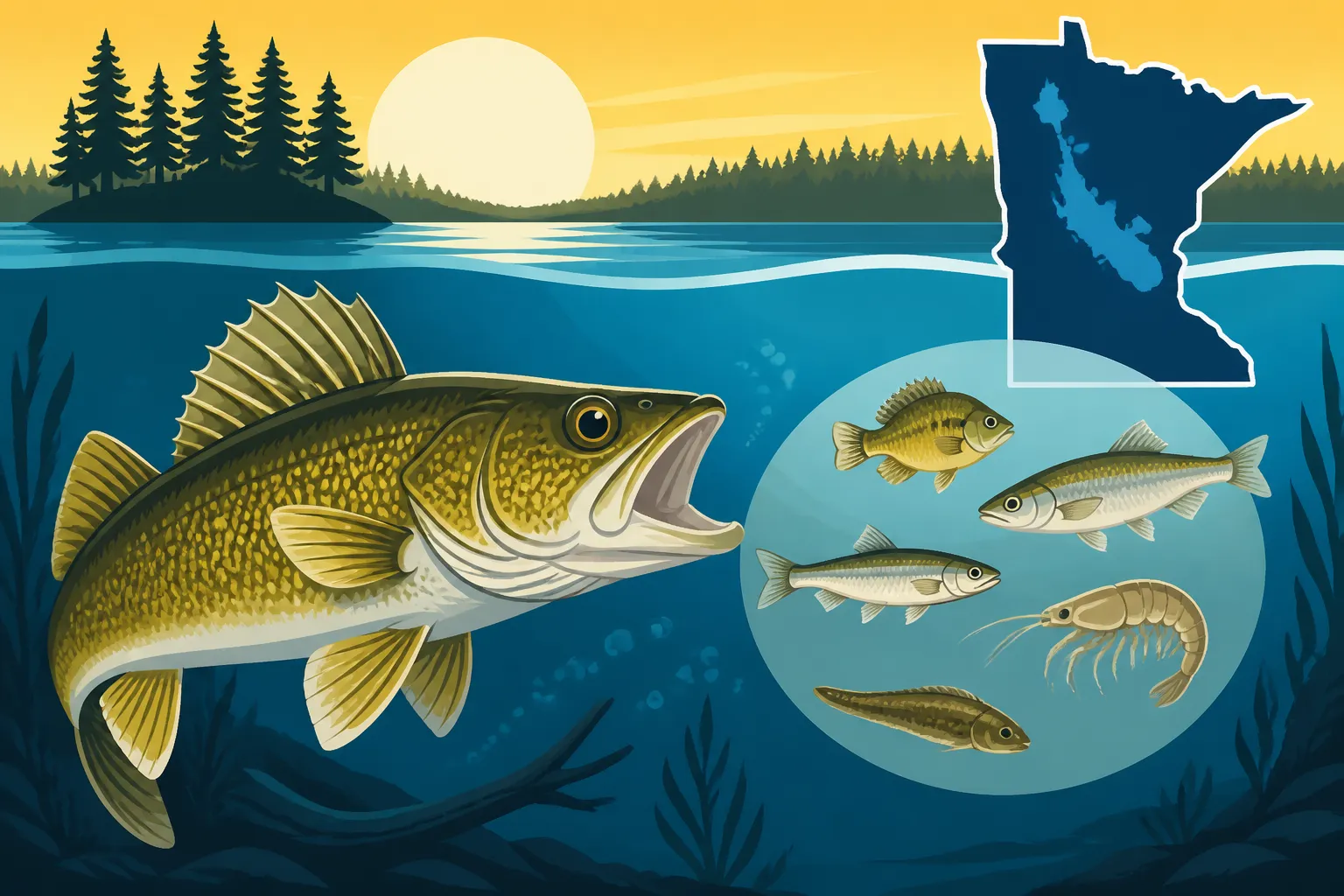
Walleye are, first and foremost, efficient predators. Their large, light-sensitive eyes are perfectly adapted for hunting in low-light conditions, giving them a distinct advantage during dawn, dusk, cloudy days, and deep water excursions. They're not often chasing prey wildly across the lake; instead, they're more likely to ambush, using structure, depth changes, and current seams to their advantage. This predatory instinct means they're always on the lookout for an easy meal, making them highly opportunistic feeders.
What they eat isn't static. It's a dynamic menu that changes based on a multitude of factors – their size, the time of year, the specific lake they inhabit, and the abundance of various prey species. A juvenile walleye might feast predominantly on insect larvae and small minnows, while a trophy-sized lunker is focused on larger, more calorie-dense meals. This adaptability in diet is precisely what makes them such a dominant force in Minnesota's aquatic ecosystems and, sometimes, a challenging target for anglers trying to "match the hatch."
Key Forage Species in Minnesota Lakes
The culinary landscape for a walleye in Minnesota is rich and varied, but certain food sources consistently top their menu. Understanding these primary and secondary forage types is your first step in thinking like a walleye.
Primary Baitfish Targets
When you think about what walleye eat, you're almost certainly thinking about baitfish, and for good reason. These finned morsels make up the bulk of a walleye's diet, providing the necessary energy for growth and survival.
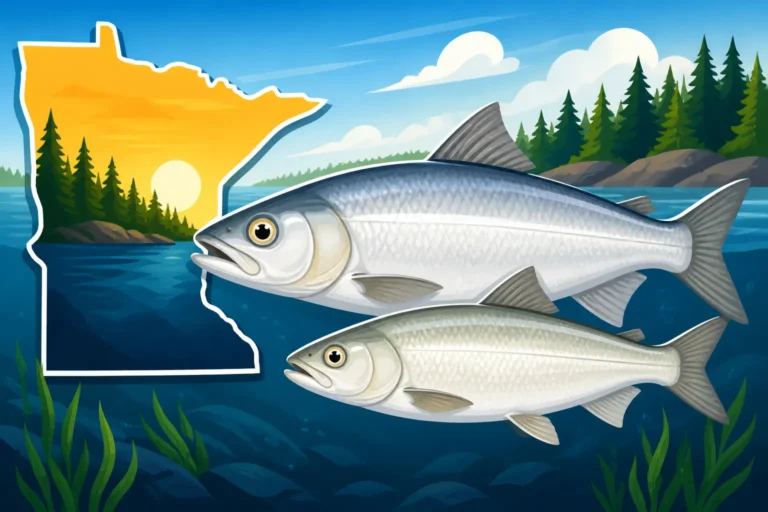
One of the most significant forage species, especially in the larger, deeper, cooler lakes of Minnesota, is the cisco, often locally referred to as tullibee. These fatty, nutrient-rich fish are a powerhouse meal for walleye. In lakes like Leech Lake, Mille Lacs Lake, and Lake Vermilion, where cisco populations are robust, walleye often grow to impressive sizes, directly benefiting from this high-energy food source. Walleye will track cisco schools, especially as they move into deeper, cooler water during the warmer months, making them a key target for anglers employing tactics like open-water trolling. You can learn more about these important baitfish in our guide on Whitefish & Tullibee (Cisco) in Minnesota.
Next up are the various shiner species, including emerald shiners, spottail shiners, and golden shiners. These smaller, schooling baitfish are abundant in many Minnesota lakes and are a staple for walleye of all sizes. They tend to be found in shallower, vegetated areas, or along sandy flats, particularly in spring and fall. When walleye are feeding on shiners, lighter presentations like small jigs with live minnows or shiner-imitating crankbaits can be incredibly effective.
Yellow perch are another critical food source. While anglers love to catch perch themselves, they are also a crucial part of the walleye diet, particularly in lakes where cisco might be less common or during periods when perch are vulnerable, such as when they school up in shallower weeds or during ice fishing season. Walleye often key in on the distinct barred pattern and yellow-gold flash of a perch, making perch-patterned lures incredibly popular. Our guide on Yellow Perch & Sauger in Minnesota provides more details on these common fish.
Finally, suckers (white suckers and redhorse suckers) represent a larger, slower-moving meal. While not as agile as shiners or cisco, their size makes them an attractive target for larger, more mature walleye looking for a substantial meal without expending too much energy. You'll often find walleye intercepting suckers during their spring spawning runs or targeting them in river systems.
Secondary Forage and Opportunistic Meals
While baitfish dominate, walleye are not picky eaters. They will readily consume a variety of other aquatic organisms, especially when primary forage is scarce or when these alternative food sources are particularly abundant and easy to catch.
Crayfish are a significant part of the walleye's diet in many rocky, clear-water lakes. These crustaceans provide a rich source of protein and calcium. Walleye will scour rocky bottoms, boulder fields, and weed edges where crayfish hide. When crayfish are molting and their shells are soft, they become even more vulnerable and appealing. Soft plastics mimicking crayfish or jigs bounced along the bottom can be deadly when walleye are keying in on these shelled snacks.
Insects play a more prominent role for smaller, younger walleye, but even larger fish will slurp up emerging insect larvae, nymphs, and even adult insects during major hatches. Mayfly hatches, for example, can be a major event on a lake, causing walleye to shift their focus from baitfish to these easy-to-catch insects. When this happens, often in shallower water, light lines and small jigs or even fly-fishing techniques can be surprisingly effective.
Frogs and leeches are also on the menu. Frogs are often consumed by walleye lurking in shallow, vegetated areas, especially after dark. Leeches, particularly large ribbon leeches, are a favorite live bait for many walleye anglers because walleye naturally prey on them. They are slow-moving and easy to catch, offering a simple, high-protein snack, particularly in the spring and early summer. Our article on the Best Live Bait for Walleye (Leeches, Minnows, Crawlers) explores this further.
Here's a quick overview of some common forage and their importance:
| Forage Type | Typical Size (Adult) | Preferred Habitat | Season of Importance | Angler Relevance (Lures/Bait) |
|---|---|---|---|---|
| Cisco/Tullibee | 6-12 inches | Deep, cool open water | Summer, Fall, Winter | Large crankbaits, jigging spoons |
| Shiners | 2-5 inches | Shallow weeds, sandy flats | Spring, Early Summer, Fall | Small minnow jigs, small crankbaits |
| Yellow Perch | 4-8 inches | Weeds, rocky areas, open water | All year | Perch-patterned lures, live perch |
| Suckers | 10-20+ inches | Bottom, current areas, rivers | Spring, Fall | Large minnows, swimbaits |
| Crayfish | 1-4 inches | Rocky bottoms, weeds | Summer, Fall | Jig & plastics, bottom bouncers |
| Insects | <1 inch | Varies (bottom, surface) | Spring, Early Summer | Small jigs, sometimes fly patterns |
| Leeches | 2-6 inches | Weedy bottoms, mud | Spring, Early Summer | Live leeches, leech-imitating plastics |
Seasonal and Environmental Influences on Walleye Diet
The walleye's diet isn't just about what's available; it's heavily influenced by the changing seasons and the unique characteristics of each lake. Understanding these shifts is key to anticipating where walleye will be and what they'll be willing to bite on. This seasonal movement and feeding pattern is a core concept covered in our broader guide, Seasonal Fishing Patterns in Minnesota.
Spring and Early Summer Feeding
As the ice melts and water temperatures begin to rise in spring, walleye are often recuperating from their arduous spawning ritual. Immediately after spawning, which usually occurs in shallow, rocky areas or moving water, walleye are hungry and looking for easily accessible meals. Our article on Walleye Spawning: When and Where provides more context here.
During this post-spawn period, walleye are often found in shallower waters, congregating near spawning grounds or moving into warmer bays and river mouths. Their diet shifts to whatever is readily available in these areas. This often includes small minnows like shiners, emerging insect larvae, and, critically, leeches. Leeches are particularly abundant in the muddy and vegetated shallow areas that warm up first, making them an excellent choice for anglers. As the water continues to warm into early summer, metabolism increases, and walleye become more active hunters, still favoring easily ambushed baitfish in transition areas between shallow and deeper water.
Mid-Summer Patterns
When the dog days of summer arrive and surface water temperatures soar, walleye in many lakes will move to deeper, cooler water. This is when the thermocline – the layer of water where temperature changes rapidly – becomes incredibly important. Walleye will often suspend or relate to structure along or just above the thermocline, especially in deeper lakes with good cisco populations.
In these conditions, cisco become a primary target. Walleye will follow schools of cisco in the open water or stage on deep humps and breaks where cisco congregate. This can make them challenging to find, often requiring advanced electronics and open-water trolling techniques. In lakes without significant cisco populations, walleye will still utilize deeper main lake structure like humps, points, and deep weed edges, feeding on yellow perch and other baitfish that also seek refuge in cooler water. Crayfish also become a major food source during summer, particularly as they molt. This deep-water pursuit is a cornerstone of summer Walleye Fishing Techniques: Complete Minnesota Guide.
Fall and Winter Foraging
As summer fades and water temperatures begin to drop in the fall, walleye enter a crucial "feed up" period. They instinctively know winter is coming, and they need to build up fat reserves. This makes fall one of the best times to target trophy walleye, as they become aggressive feeders, often pursuing larger baitfish.
They will move back into shallower areas, especially as baitfish like shiners and young perch return from deep water or move towards spawning areas. Structure on main lake basins, sharp breaks, and even large shallow flats become key areas. As winter sets in and the lakes freeze over, walleye continue to feed under the ice. Their metabolism slows down, but they still need to eat. Common ice fishing forage includes yellow perch, small minnows, and, in cisco lakes, even juvenile cisco. Anglers often find success using jigging spoons and small minnow imitations, and live minnows on dead sticks or tip-ups. Our detailed guide on Ice Fishing for Walleye: Tactics & Setups covers these winter feeding patterns extensively.
Lake-Specific Forage Patterns
It's vital to remember that not all Minnesota lakes are created equal when it comes to walleye forage. What a walleye eats on Mille Lacs Lake might be very different from its diet on Upper Red Lake or a smaller, shallower natural lake.
- Mille Lacs Lake: This large, diverse lake is famous for its abundant yellow perch and strong cisco populations. Walleye here often cycle between feeding on schools of perch found on rocky reefs and mud flats, and suspending for cisco in the open basin. A good understanding of Mille Lacs Lake Fishing Guide: Walleye, Bass & More will highlight this dynamic.
- Lake of the Woods: Up north, this massive border water offers an incredible smorgasbord, with a huge population of shiners, yellow perch, and burbot (eelpout) as key forage. Walleye here are often found on expansive sand flats, rocky points, and around islands, targeting these plentiful baitfish. The sheer size of this lake means walleye can be anywhere, but they'll always be near their food source, as explained in our Lake of the Woods Fishing Guide.
- Shallow, Stained Lakes: In many shallower, often murkier lakes across central and southern Minnesota, cisco may be absent. Here, walleye rely heavily on perch, various minnow species, and invertebrates like leeches and crayfish. The absence of deep-water forage means walleye in these lakes might stay shallower for longer into the summer or relate more tightly to weed lines and rock piles.
How Understanding Forage Helps Anglers Catch More Walleye
So, how do you translate all this knowledge about walleye diets into more fish on your line? It boils down to a concept often called "matching the hatch." By understanding what walleye are likely to be eating, you can make informed decisions about your lure selection, fishing location, and presentation. Our comprehensive Walleye Fishing in Minnesota: Complete Guide delves into many of these applications.
Matching the Hatch: Lure Selection
When walleye are feeding on a specific type of forage, presenting a lure or bait that mimics that forage is incredibly effective.
- Minnow Imitations: If walleye are keying in on shiners or young perch, minnow-shaped crankbaits (like Rapalas or Berkley Flicker Shads), soft plastic swimbaits, or jigs tipped with live minnows are excellent choices. Match the size and color as closely as possible to the prevalent baitfish.
- Perch Patterns: When perch are the dominant forage, crankbaits, jigging spoons, or even spinner rigs with colors that emulate a perch (greens, yellows, oranges, and dark bars) can be irresistible.
- Cisco/Tullibee Mimics: For deeper water walleye chasing cisco, larger, slender crankbaits, trolling spoons, or heavy jigging spoons (like a Rapala Jigging Rap) that flash and dart like a cisco are often the ticket.
- Crayfish Imitations: In rocky lakes, soft plastic creature baits, jigs with crayfish trailers, or even certain crankbaits designed to imitate a crayfish can be highly productive when dragged or bounced along the bottom.
- Leeches: A live leech under a bobber is a classic for a reason – it’s a natural food source! When walleye are active, using a leech-imitating plastic on a jig can also work wonders.
Locating Fish: Structure and Depth
Knowing what walleye eat also helps you predict where they'll be. Fish and their food sources are rarely far apart. The principle of Where Do Walleye Live in a Lake? (Structure) is fundamentally tied to forage.
- Baitfish Schools: If walleye are eating open-water baitfish like cisco, you'll need to look for them near deep-water humps, offshore reefs, or suspended in the main basin. If they're eating shiners, target shallow points, weed lines, and sandy flats.
- Crayfish Habitat: If crayfish are on the menu, focus your efforts on rocky structures, boulder fields, and hard-bottom areas.
- Weed Beds: Walleye will often cruise the edges of weed beds, especially coontail and cabbage, looking for smaller baitfish and perch that use the weeds for cover.
Presentation and Time of Day
The way you present your bait should also reflect the walleye's feeding mood, which is often dictated by their current forage. If they are aggressively chasing schools of baitfish, a fast-moving crankbait or a rapidly retrieved jig might be best. If they are picking off slower-moving crayfish on the bottom, a slower, more deliberate presentation like a bottom bouncer with a crawler harness or a dragging jig might be more effective. Our guide on Best Walleye Fishing Tactics in Minnesota elaborates on these.
Remember, walleye are sight feeders adapted to low light. They tend to be most active at dawn, dusk, and on cloudy days, or in deeper, darker water. This is when their superior vision gives them an advantage over their prey, making these prime feeding times. Understanding this also impacts your lure color choice – brighter, more contrasting colors can be seen better in low light or stained water, while more natural, subtle colors might be better in clear water.
By constantly asking yourself, "What are these walleye eating right now?" and adjusting your approach accordingly, you'll be well on your way to more consistent success on Minnesota's fantastic walleye waters.
Disclaimer
Fishing regulations, seasons, and limits can change frequently. Always consult the latest Minnesota Department of Natural Resources (DNR) fishing regulations handbook or website before heading out on the water. This article is intended for informational purposes only and does not constitute legal advice regarding fishing regulations.