How to Catch Yellow Perch Through the Ice in Minnesota
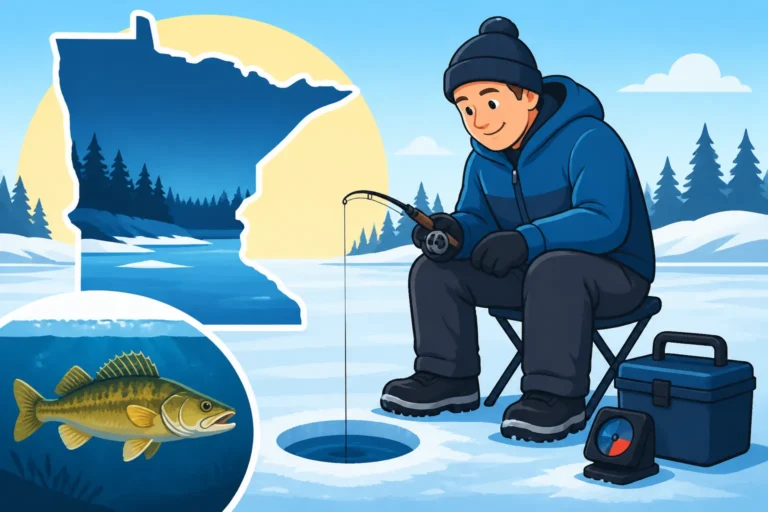
It's a common story in Minnesota: you're bundled up, out on the ice, hoping for a bite, but those yellow perch seem to have vanished. They can be incredibly elusive, moving in schools, hugging subtle structure, and frustrating even the most seasoned angler. If you've ever drilled a dozen holes only to come up empty-handed, or struggled to get those finicky eaters to commit, you're in the right place. This comprehensive guide is dedicated to helping you unlock the secrets of catching yellow perch through the ice in Minnesota, covering everything from understanding their winter habits to the specific gear and techniques that will put more fish on your bucket.
Understanding Yellow Perch Behavior in Minnesota Winters
Yellow perch are a fantastic ice fishing target because they're plentiful, put up a decent fight on light tackle, and are absolutely delicious. However, their behavior shifts significantly once the lakes freeze over, and understanding these changes is your first step to consistent success.
Perch Habitat and Schooling Patterns Under the Ice
When winter descends upon Minnesota, yellow perch don't just disappear; they adapt. They are schooling fish, meaning where you find one, you often find many. This is a huge advantage for ice anglers, as it means once you locate the school, you can often experience fast and furious action.
Unlike summer, when they might be scattered, winter perch tend to concentrate around specific types of underwater structure. They're often drawn to areas that offer both food and protection. Think about the softer bottom transitions where sand meets mud, or areas adjacent to deep weed lines, especially green weeds that still produce oxygen. Humps, points, and even subtle changes in depth can act as magnets for perch. In large, classic Minnesota lakes like Leech Lake or Lake Winnibigoshish, you might find them roaming vast flats, following schools of baitfish. They’re less likely to be in the extremely shallow, barren basins, but they also won't always be in the deepest holes unless there's a specific reason, like a concentration of invertebrates. Their preferred depths can vary greatly, from 10 feet early in the season to 40 feet or more during mid-winter, depending on the lake and available forage.
Adapting to Seasonal Perch Activity Levels
Just like us, perch have different moods depending on the time of winter. Their activity isn't constant; it changes with ice conditions, weather, and pressure.
- Early Ice (December-January): This is often a fantastic time for perch. They're still relatively shallow, often in 10-25 feet of water, and more aggressive as they haven't been pressured much. They'll be near remaining green weeds or shallow breaks where they can easily ambush baitfish. Fishing can be very productive during this period, provided ice conditions are safe.
- Mid-Winter Doldrums (January-February): This is when things can get tougher. Cold fronts, deep snow cover blocking sunlight, and increased fishing pressure can make perch lethargic and finicky. They might move deeper, to 25-40 feet, and suspend off the bottom or hug it very tightly. This is when your finesse techniques, electronics, and patience truly come into play. They're still there, but you'll have to work harder to coax a bite.
- Late Ice (March): As the ice starts to melt and oxygen levels improve, perch often become much more active again. They'll move back shallower, often targeting transitional areas leading to spawning grounds. This can be another fantastic bite, with aggressive fish taking a wider range of lures. It's a sprint to get out there before the ice becomes unsafe. Always prioritize safety and know the ice thickness.
Essential Gear for Minnesota Ice Perch
Having the right tools for the job can make all the difference, especially when you're trying to coax a bite out of a tight-lipped school of perch.
Rods, Reels, and Line for Finesse Fishing
Perch fishing through the ice is truly a finesse game. You need gear that allows you to detect the most subtle bites, which often feel like nothing more than extra weight or a slight stop in your line.
- Rods: Look for ultra-light to light action ice rods, typically 24-30 inches long. The most critical feature is a very sensitive tip, often a "noodle" or "spring bobber" style, that will telegraph those faint taps. A good graphite or composite blank helps with sensitivity in the main rod body. Brands like Fenwick, St. Croix, and Clam offer excellent panfish-specific ice rods that perfectly balance sensitivity and backbone for these smaller fish.
- Reels: A small spinning reel (500 or 1000 size) is ideal. It should have a smooth drag system, as even small perch can make a run, and you don't want to snap your light line. Quality reels from Shimano or Daiwa in these sizes are perfect.
- Line: This is paramount for perch. You want a line that's barely visible and has minimal stretch for maximum sensitivity.
- Fluorocarbon: My go-to is 2-4 lb test fluorocarbon. It's nearly invisible underwater, has low stretch, and sinks quickly. This helps your small jigs get down to the fish efficiently.
- Monofilament: Some anglers prefer 2-3 lb test monofilament for its slightly more forgiving stretch, which can prevent hook pulls on aggressive strikes. However, it's more visible and absorbs water, potentially freezing on your reel.
- Braided Line (with fluorocarbon leader): For even more sensitivity, you can use 4-6 lb test braid with a 2-3 foot section of 2-4 lb fluorocarbon leader. The braid has zero stretch, but the leader maintains stealth. Just remember to tie a good knot!
You can often find great deals on these lines on Amazon, ensuring you're stocked up for the season.
Lures and Baits to Entice Perch
Perch are opportunistic feeders, but they can be incredibly picky. A variety of small lures and the right live bait are essential.
- Tungsten Jigs: These are absolute game-changers for perch. Tungsten is denser than lead, meaning a smaller jig can have the same weight, allowing it to drop faster and appear more natural. This is especially useful when fishing deeper water or in current. Colors like glow, chartreuse, orange, and naturalistic insect patterns are top producers. Pair them with live bait or small soft plastics. For more details on specific options, check out our guide on Best Tungsten Jigs for Panfish.
- Small Spoons: Classic ice fishing spoons like the Northland Tackle Forage Minnow Spoon, Clam Leech Flutter Spoon, or a VMC Tingler Spoon in sizes 1/16 to 1/8 oz can be deadly. They imitate fleeing baitfish and offer a nice flash and wobble. Tip them with a minnow head or a whole crappie minnow for added attraction.
- Small Soft Plastics: Tiny plastic baits, like micro-grubs, small worms, or insect imitations, can be incredibly effective when tipped on a tungsten jig. They offer subtle movement and come in a vast array of colors. The key is small – think 1 to 2 inches.
- Jigging Raps/Rapala Ice Jigs: These lipless, swimming lures mimic baitfish and are excellent for more aggressive perch or when you're trying to cover water and attract fish from a distance. Sizes 3 or 5 are usually best.
- Live Bait: This is often the ultimate persuader.
- Crappie Minnows: Small crappie minnows or fatheads are fantastic. Hook them lightly through the lips or dorsal fin.
- Wax Worms, Spikes (Maggots), Euro Larvae: These are standard panfish baits. Thread a couple onto a small jig. Their wiggling action drives perch wild.
- Red Worms/Gulp! Maggots: Can also be effective, especially on tough days.
When buying live bait, always support your local bait shops, as they often have the freshest supply and valuable local knowledge.
Electronics and Augers for Efficient Angling
Modern technology has revolutionized ice fishing, and for perch, it's practically non-negotiable.
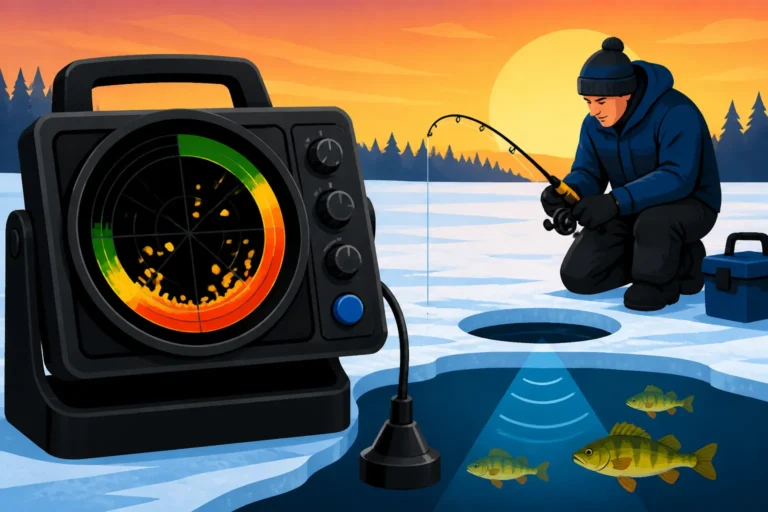
- Flashers/Sonars: A good flasher (like a Vexilar, Humminbird Ice Helix, or Garmin Striker series) is an investment that pays dividends. It allows you to see your lure, detect fish approaching it, and observe how they react to your presentation in real-time. This feedback loop is crucial for fine-tuning your technique. You'll quickly learn if they're aggressive, timid, or just ignoring your offering. Understanding How to Read a Flasher Vexilar/Humminbird will significantly increase your catch rate.
- Augers: For perch fishing, you'll be drilling a lot of holes to find those schools.
- Hand Augers: Lightweight and cost-effective, a 4-6 inch hand auger is perfect for perch and panfish. It's quiet and great for staying mobile.
- Electric Augers: If you're drilling dozens of holes or fishing with a group, an electric auger like a StrikeMaster Lithium 40V or ION is a game-changer. They're fast, quiet, and effortless. Learn more in our Best Ice Augers for Minnesota Electric vs Gas guide.
- Gas Augers: While powerful, they are typically overkill for perch fishing and heavier to transport when constantly moving.
Top Techniques for Catching Ice Perch
Once you've got your gear, it's time to put it to use. Perch fishing through the ice isn't just about dropping a line; it's about presentation, patience, and persistence.
Mastering the Jigging Presentation
This is where the magic happens. How you work your lure often dictates whether a perch bites or swims away.
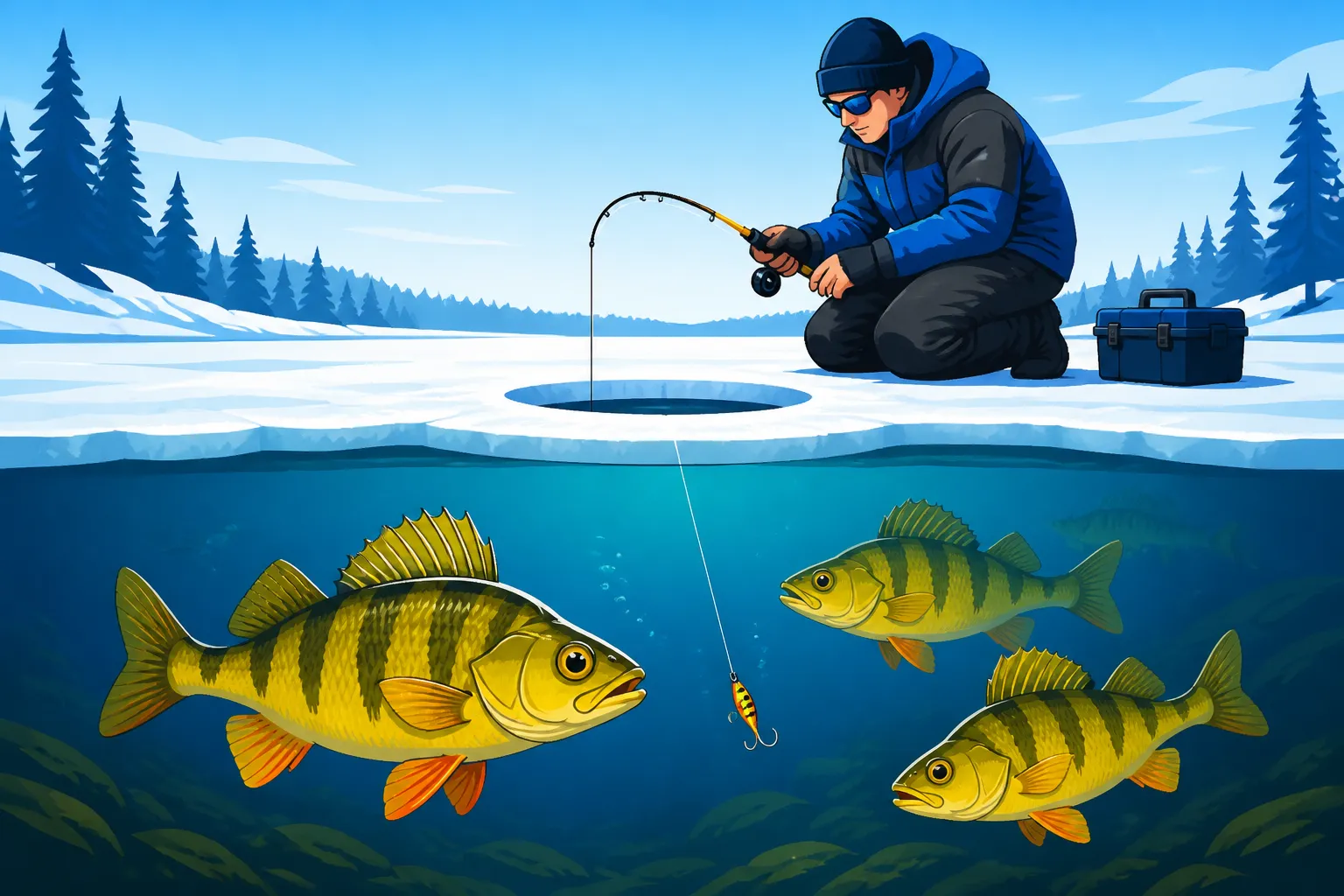
- Finesse Jigging: This is the bread and butter for perch. Drop your tungsten jig or small spoon down to the desired depth (often just above or on the bottom). Then, initiate tiny, subtle twitches with your wrist, just enough to make the lure "dance." Think of it as imitating a struggling insect or small baitfish. The key is to watch your flasher intently.
- Deadsticking: Often, the most effective technique for finicky perch is to hold your lure completely still. Drop it down, give it a few small twitches to get their attention, and then hold it perfectly still, maybe a few inches off the bottom. Many times, a perch will approach a jig that's actively moving but only commit when it stops. You can even use a second rod (if legal, check How Many Lines Can You Use Ice Fishing in Minnesota?) rigged with just a plain hook and a crappie minnow, set in a rod holder, while you actively jig with another.
- Pounding the Bottom: For perch that are tight to the bottom and perhaps a bit sluggish, try dropping your jig so it hits the bottom with a puff of silt. Then lift it an inch or two and pause. This can attract attention and make the perch think a tasty meal has stirred up the bottom.
- Lift and Fall: With small spoons or Jigging Raps, a slightly more aggressive lift and fall can be effective. Lift the rod tip a foot or two, then let the lure flutter back down on a semi-slack line. Most bites will come on the fall or immediately after it settles.
- Watching Your Flasher: This cannot be stressed enough. If you see fish come in but not bite, experiment with presentation. Speed up, slow down, try a deadstick, change the jig color or bait. The perch will tell you what they want.
Spreading Out and Scouting for Active Schools
Perch are nomadic, moving in schools, so you can't just drill one hole and expect them to come to you. You need to be mobile.
- Drill, Drill, Drill: The best perch anglers are always drilling holes. Start by drilling a series of holes in a grid or along a contour line in a promising area. Don't be afraid to drill 10-20 holes in a morning.
- Quick Scan: Use your flasher to quickly check each hole. Drop your transducer in, see if there are any fish, and if not, move on. If you see marks, fish it for 5-10 minutes. If you get bites, stay put. If not, move to the next hole.
- Targeting Depth Ranges: If you're finding perch in 20 feet of water, continue drilling holes in that general depth range, following the contour. If the bite slows, try moving slightly shallower or deeper within the same area.
- Use the Wind: If it's a calm day, fish can be more spread out. If it's windy, perch might hunker down or seek shelter behind structure, making them more concentrated.
- Leveraging Electronics for Scouting: Modern fish finders like the Humminbird Ice Helix units with GPS and mapping capabilities can help you mark productive holes and navigate back to specific structures.
Interpreting Your Electronics and Adjusting
Your flasher isn't just a fish detector; it's a communication device between you and the fish.
- Identifying Marks: Learn to differentiate between a school of baitfish (often a soft, broad band) and larger individual fish (stronger, sharper marks). Perch schools will often appear as a "cloud" or multiple strong marks, often near the bottom but sometimes suspended.
- Lure Interaction: Watch how fish react to your lure. Do they shoot up to it aggressively? Do they approach slowly and hover? Do they ignore it completely? This tells you everything about their mood.
- Aggressive Perch: If fish are rising quickly and attacking your lure, maintain an aggressive jigging cadence or try a slightly larger, more active lure like a Jigging Rap.
- Neutral Perch: If they rise slowly, hover, and then sink, they're neutral. Slow down your presentation, try a deadstick, and use smaller baits with live offerings. Sometimes, a subtle lift away from the fish can trigger a chase instinct.
- Negative Perch: If they ignore your lure or spook, you might need to move, change baits significantly, or try an even lighter line. Sometimes, a tiny glow jig with a single spike is the only thing that works.
Finding the Best Perch Spots on Minnesota Lakes
Knowing how to fish for perch is great, but knowing where to find them is the key to consistent success. Minnesota has countless lakes, and each can fish a bit differently.
Key Structure and Depths for Perch Hotspots
Perch are creatures of habit, and during winter, their habits are closely tied to food and safety.
- Soft Bottom Transitions: Look for areas where hard bottom (sand, gravel) transitions to soft bottom (mud, silt). These edges often hold invertebrates that perch feed on. On a contour map, these might be subtle changes, but they're critical. Lakes like Lake of the Woods are famous for their vast mud flats that hold massive schools of perch.
- Deep Weed Lines: While many weeds die off in winter, some remain green, especially in deeper water (10-20 feet). These green weeds produce oxygen and hold baitfish and invertebrates. Perch will often hug the outer edge of these weed beds, darting in for cover or to ambush prey.
- Humps and Points: Any underwater hump or point that rises off the main basin can concentrate perch, especially if it has a mix of hard and soft bottom or some remaining weeds. These are often productive ambush points.
- Basins and Flats: In very large lakes, perch will often roam large, relatively featureless basins, following schools of tullibees or other baitfish. This is where mobility and electronics are absolutely crucial to covering water and intercepting schools.
- Optimal Depth Ranges: While highly variable, a general range for Minnesota ice perch is 10-40 feet. Early ice and late ice often find them shallower (10-25 feet), while mid-winter might push them deeper (25-40+ feet). Don't be afraid to experiment. Start shallower and work your way out until you find them.
Leveraging Lake Maps and Local Knowledge
You don't have to start from scratch on every lake. There's a wealth of information available.
- Digital Lake Maps: Apps like Navionics and LakeMaster (often built into Humminbird or Garmin units) are invaluable. They show contour lines, depth changes, weed beds, and potential humps or points. Study these maps before you even step on the ice to identify promising areas. Pay attention to "inside turns" on contour lines, where fish often congregate. Many anglers find great deals on these mapping chips on Amazon.
- Bait Shops: Never underestimate the local bait shop! The folks working there live and breathe fishing. They can tell you what lakes are producing, what depths fish are being caught at, and even what baits are hot. They’re a fantastic resource for real-time, hyper-local information.
- Online Forums and Fishing Reports: Websites and social media groups dedicated to Minnesota fishing can provide recent reports and general trends. However, always take online info with a grain of salt and verify it yourself. Our Best Fishing Apps for Minnesota Fishbrain, Navionics guide offers more insights into leveraging technology for finding fish.
- Talk to Other Anglers: Don't be shy! A friendly chat at the landing or on the ice can yield valuable tips. Most ice anglers are happy to share general info, even if they won't give up their secret spot.
Scouting Techniques: Drilling, Searching, and Moving
The key to finding perch is the willingness to move until you find them.
- Systematic Drilling: Don't just wander around. Pick a promising area on your map (e.g., a specific point or a weed line) and drill a series of holes in a methodical pattern. You might drill a line of holes across a depth contour, or a grid over a suspected hump.
- Quick Checks with Electronics: As mentioned before, drop your flasher transducer into each hole for a quick scan. If you don't see anything after a minute or two, move on. If you see fish, drop a line immediately!
- Following the Bite: When you do find fish, pay attention to the depth. If you catch several perch in 25 feet of water along a weed line, assume the rest of the school is in similar conditions. Drill more holes along that same contour or feature.
- Consider Time of Day and Weather: Perch can be more active during low-light periods (early morning, late afternoon) or on overcast days. A stable weather pattern is generally better than a rapidly changing one. If the bite is tough, revisit an area at a different time. For more general ice fishing strategies, consult our Ice Fishing in Minnesota: Complete Beginner-to-Pro Guide.
Remember, finding perch is often a puzzle. The more pieces of information you gather – from maps to electronics to local tips – and the more willing you are to move and adapt, the more successful you'll be. Ultimately, consistent success comes down to a combination of knowledge, the right gear, and a whole lot of on-ice persistence. If you're looking for Yellow Perch: Where to Find Jumbo Perch, these principles apply even more critically, as the biggest perch often hold to more specific, less pressured locations.
Disclaimer
Fishing conditions, regulations, and ice safety can change rapidly. Always check the current Minnesota Department of Natural Resources (DNR) fishing regulations before heading out. Exercise extreme caution on the ice, especially early and late in the season. No guide can replace personal judgment and experience. Stay safe and have fun!