Eelpout (Burbot): Minnesota’s Ugly Delicacy
Let's be honest, for a long time, the eelpout, or burbot as it's also known, has gotten a bad rap here in Minnesota. Many anglers see this fish, with its slick skin and single barbel, as a bit of an ugly duckling, often mistakenly labeled as trash fish or something to just toss back. But what if I told you that beneath that somewhat unconventional exterior lies a true culinary gem, a fish that tastes remarkably like lobster and offers an incredible fight on the line, especially during our long winter months? This guide is going to peel back the layers on Minnesota's "ugly delicacy," helping you understand, catch, and truly appreciate the unique eelpout.
What Exactly is an Eelpout (Burbot)?
When you first lay eyes on an eelpout, you might think you've caught something out of a science fiction movie, or perhaps a freshwater cod. That's because, despite its eel-like body and mottled skin, the burbot is actually the only freshwater member of the cod family. This unique lineage gives it a distinctly different texture and flavor profile than most other Minnesota game fish, setting it apart as a true specialty.
Identifying the Freshwater Cod
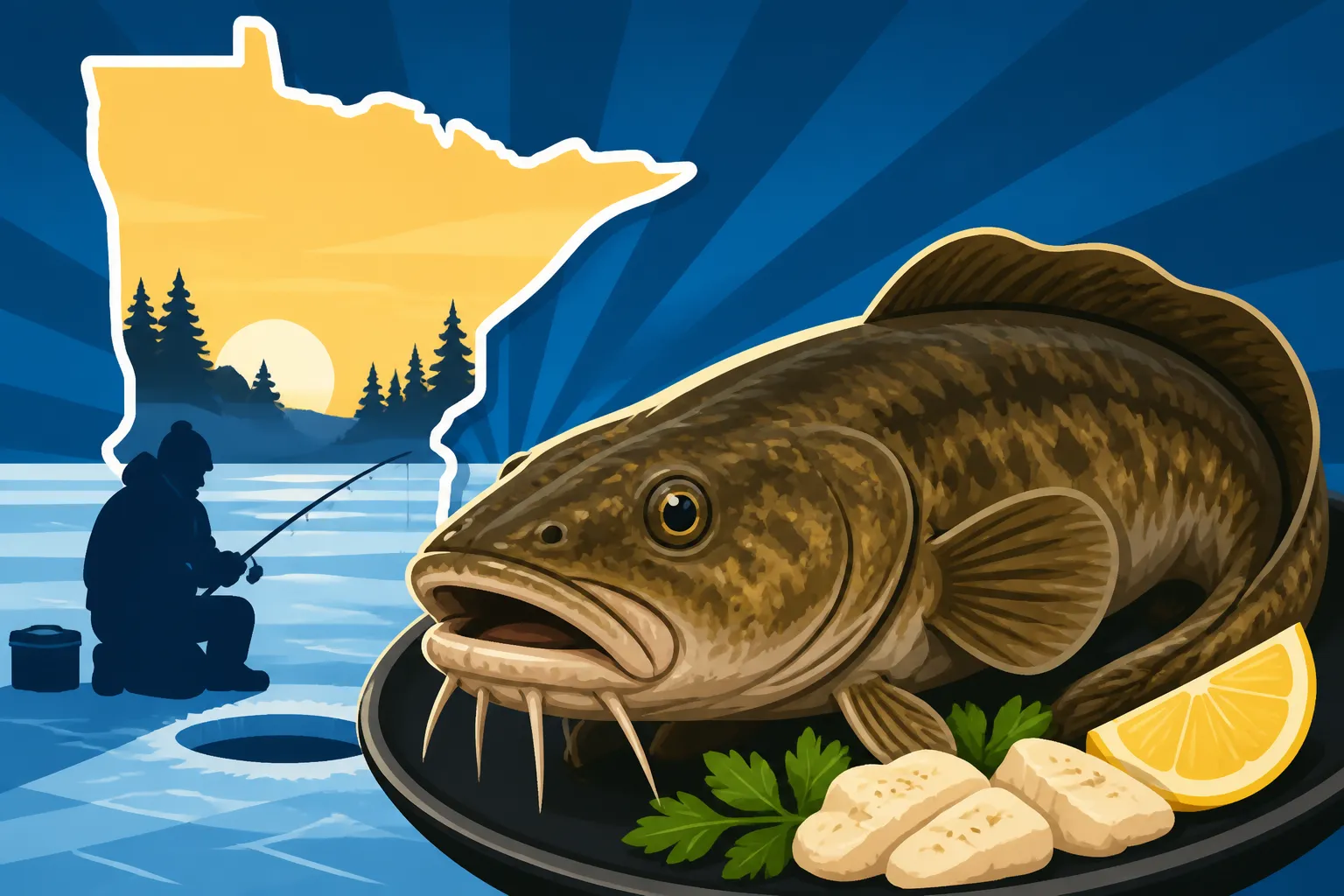
Identifying an eelpout is usually pretty straightforward once you know what to look for. They have a long, slender, almost serpentine body, but it's their single, prominent barbel (whiskers) under their chin that's the real giveaway. Their skin is smooth and scaleless, covered in a protective mucus, which can make them quite slippery to handle, especially when they're fresh out of the water in freezing temps. Their coloring typically ranges from olive green to brown, with dark blotches and spots, providing excellent camouflage against the lakebed. They also possess two dorsal fins, with the second being notably long, stretching almost to their rounded tail fin.
Unlike some of our more iconic species like walleye or northern pike, the eelpout rarely makes it onto fishing calendars or magazine covers. This lack of mainstream attention contributes to the mystery surrounding them. They are bottom-dwelling predators, preferring cold, deep water, which is why they become so accessible during ice fishing season when their preferred habitats are easier to reach. Understanding these unique physical traits and behaviors is the first step to truly appreciating this often-misunderstood creature.
Debunking Common Misconceptions
One of the biggest frustrations for eelpout enthusiasts is how often these fish are misunderstood. The "ugly fish" label is perhaps the most persistent myth. While they might not have the streamlined, silvery appeal of a walleye, their appearance is perfectly adapted to their deep, dark environments. Another common misconception is that they're a "trash fish" that aren't good to eat. This couldn't be further from the truth! This is a culinary injustice that needs to be corrected. Their firm, white, flaky meat is delicious and holds up incredibly well to various cooking methods.
Many anglers also assume they're scarce or difficult to catch, which isn't always the case, especially in certain lakes during the winter. Some even think they're slimy and unappetizing. While they are indeed slimy (it's a protective layer!), this doesn't impact their edibility once properly cleaned. We're talking about a fish that, once you get past the initial appearance, offers a delightful surprise, often comparing favorably to much more expensive seafood. Don't let the myths stop you from experiencing one of Minnesota's hidden angling and culinary treasures.
Where to Find Eelpout in Minnesota
Eelpout are creatures of habit, preferring specific environments that cater to their need for cold water and ample forage. Knowing their preferred haunts is key to a successful fishing trip, especially during the colder months when they become most active.
Preferred Habitats and Depths
These fascinating fish are typically found in deeper, colder lakes and large rivers, especially those with rocky or gravelly bottoms. They are sensitive to warm water, which is why their activity peaks under the ice or in the depths during summer. In Minnesota, you'll often find them patrolling depths of 30 feet or more, particularly during daylight hours. As evening approaches, they might move shallower to feed, but generally, thinking deep and cold is your best bet.
Look for areas with significant structure: underwater humps, rock piles, sudden drop-offs, and channel edges in lakes. In rivers, they'll congregate in deep pools, eddies, and below rapids. These structures provide cover and ambush points for their prey, which includes smaller fish, crustaceans, and insect larvae. Knowing the topography of your chosen lake or river, often through detailed lake maps, will greatly increase your chances of finding these elusive bottom-dwellers. They don't mind a bit of current either, so river systems can be prime locations.
Top Minnesota Lakes and Rivers for Burbot
Minnesota boasts several prime locations where eelpout thrive, offering excellent opportunities for anglers willing to brave the cold. Big, deep, clear-water lakes are often the best producers.
One of the most renowned eelpout fisheries in the state is undoubtedly Lake of the Woods. It's legendary for its winter walleye, but the burbot population here is robust, offering consistent action, especially on the American side around areas like the Northwest Angle and Big Traverse Bay. Another fantastic spot is Rainy Lake, bordering Canada, known for its deep, cold waters and abundant burbot. Voyageurs National Park, encompassing lakes like Kabetogama and Namakan Lake, also offers exceptional burbot fishing opportunities in its interconnected chain of deep lakes.
Further south, Lake Superior and its tributaries hold a strong population of burbot, particularly in the deeper sections. While not as heavily targeted as some other species, anglers often encounter them here, especially during deeper water surveys. Smaller, deep lakes across the northern half of the state can also hold good numbers, though they might not be specifically managed for burbot. Always check the specific lake regulations, but generally, if a lake has a healthy population of ciscos (tullibees) or other forage fish, and possesses ample deep, cold water, it's a good candidate for eelpout.
| Lake/River System | Primary Features for Burbot | Key Locations/Tips |
|---|---|---|
| Lake of the Woods | Deep, cold, rocky structure | Big Traverse Bay, Northwest Angle; fish deeper flats |
| Rainy Lake | Large, deep, international waters | Deep basins, river channels; target evening hours |
| Lake Kabetogama | Connected to Rainy, deep basins | Around islands, sudden drop-offs; often caught jigging |
| Namakan Lake | Deep, clear, good forage | Similar to Kabetogama; explore underwater humps |
| Lake Superior | Immense depth, consistently cold | Near shore tributaries during spawning; offshore deepwater |
| Red River of the North | Deep holes, slower currents | Target deep bends and scour holes in winter |
How to Catch Eelpout
Catching eelpout is a unique experience, especially because their peak activity often coincides with Minnesota's ice fishing season. While they can be caught during open water, their true potential as a targeted species shines when the lakes freeze over.
Best Ice Fishing Tactics
Ice fishing is hands-down the most popular and effective way to target eelpout in Minnesota. These fish become incredibly active in cold water, using the reduced light and cold temperatures to their advantage for feeding. They are primarily nocturnal feeders, so evening and nighttime hours are often the most productive. Imagine drilling a hole, setting up your portable ice house, and waiting for that tell-tale thud on your line as a big eelpout takes your bait in the dark of a Minnesota winter night – it's an exhilarating experience!
When ice fishing for walleye, you might accidentally hook into an eelpout, but if you're serious about targeting them, you'll want to focus on deeper spots from 30 to 70 feet. Look for transition zones where soft bottom meets rock or gravel, or deep structure like underwater humps and points. A heavier jigging spoon, often tipped with a piece of cut bait (like a minnow head, sucker belly, or even a small chunk of tulibee), is a classic setup. The action of jigging attracts them, and the scent of the bait seals the deal. Don't be afraid to let your bait sit right on the bottom or a foot or two above it, as they are primarily bottom feeders. Remember, patience is key, and often, the bite can be quite subtle before they really commit. Many anglers find the bite picks up significantly an hour or two before sunset and continues well into the night.
Recommended Baits and Gear
Eelpout aren't generally picky eaters, which is good news for anglers. However, certain baits and presentations will definitely increase your success rate. Live bait, particularly minnows or cut bait, is almost always the preferred choice. A lively shiner, sucker, or even a simple minnow head on a jigging spoon or a deadstick rig can be irresistible to a hungry burbot. Scent plays a huge role in attracting these fish in the deep, dark water they inhabit.
For gear, you'll want a stout ice fishing rod with a medium-heavy to heavy action, capable of handling a decent fight and heavier lures. A strong reel with a smooth drag spooled with 10-20 pound braided line is advisable, especially when fishing deep and potentially encountering larger fish. A fluorocarbon leader (10-15 lb test) can provide abrasion resistance against their rough mouths and any bottom structure. Popular lures include heavier jigging spoons like the Northland Buck-Shot Rattle Spoon, Lindy Darter, or Swedish Pimple. Tipping these with cut bait adds extra attraction. When fishing multiple lines (always check local regulations, but often you can use How Many Lines Can You Fish in Minnesota? for ice fishing), a deadstick with a whole minnow a few inches off the bottom can also be highly effective while you actively jig another rod. Remember to have a good pair of pliers or a jaw spreader handy, as their mouths can be tough, and they often swallow hooks deeply.
Preparing Eelpout for the Table
This is where the eelpout truly shines and converts skeptics into ardent fans. Forget the initial appearance; once you properly clean and cook this fish, you'll understand why it's considered Minnesota's "ugly delicacy."
Cleaning and Filleting Tips
Cleaning an eelpout might seem daunting at first due to their slimy skin, but it's actually quite simple with the right approach. The key is to start by removing that protective slime layer. A common method is to simply hold the fish by the tail and dip it in hot water (not boiling, just hot tap water) for about 10-15 seconds. This will loosen the slime, allowing you to easily wipe it off with a rag or paper towel. Another effective technique is to use a coarse salt or even sand to scrub the slime away.
Once the slime is removed, you can fillet an eelpout much like a walleye or other fish, but many prefer the "sock method" or "skinning method." This involves making a circular cut just behind the head, down to the backbone, but not through it. Then, using pliers or a strong grip, you peel the skin back like a sock down to the tail. It comes off surprisingly easily, revealing the pristine white meat underneath. After skinning, you can then fillet the fish off the backbone. Remove the dorsal and anal fins by cutting along them, and then slice the meat off the ribs. You'll be left with firm, boneless fillets that are ready for cooking. It's a remarkably clean fish with very few bones to contend with once filleted.
Culinary Delights: From Pan to Plate
Now for the best part: cooking your eelpout! Its firm, flaky, white meat is often compared to lobster or scallops, earning it the nickname "poor man's lobster." This comparison isn't just hype; the texture and subtle sweetness are genuinely remarkable.
One of the most popular ways to prepare eelpout is to simply poach chunks of the meat in butter, much like you would lobster. Just cut the fillets into bite-sized pieces, melt some butter in a pan, and gently poach until opaque and flaky. Serve with a squeeze of lemon and a sprinkle of fresh parsley, and you've got a dish that will fool even the most discerning seafood lover.
Another fantastic option is to fry it. Bread the fillets in a seasoned flour or cornmeal mixture and pan-fry them until golden brown and crispy. This preparation highlights its firm texture and mild flavor. You can also bake, grill, or even smoke eelpout. For a heartier meal, consider adding it to a chowder or stew, where its firm meat won't fall apart. Don't be afraid to experiment! This fish is incredibly versatile, and you'll quickly discover why it's a hidden gem among Minnesota's Best Eating Fish in Minnesota Lakes.
Here's a quick comparison of common cooking methods:
| Cooking Method | Description | Best For | Flavor/Texture Notes |
|---|---|---|---|
| Poaching | Gently simmering in liquid (butter, broth, white wine) | Mimicking lobster/scallops, delicate flavor | Tender, flaky, sweet; highlights natural "lobster" taste |
| Pan-Frying | Breading and cooking in oil or butter until crispy | Classic fish fry, crispy exterior | Crispy crust, moist and tender interior |
| Baking | Roasting in an oven with seasonings and butter | Healthier option, easy group preparation | Firm, moist, absorbs flavors well |
| Grilling | Cooking over direct heat on a grill | Smoky flavor, firm texture | Maintains structure, good char marks, robust flavor |
| Fish Chowder | Adding chunks to a creamy, savory soup base | Hearty meals, colder weather | Meat holds shape well, adds body and richness |
Eelpout Regulations in Minnesota
Just like with any other fish species in Minnesota, there are specific rules and regulations governing the harvest of eelpout. These regulations are designed to help maintain healthy fish populations and ensure sustainable angling for future generations. It's crucial to be aware of the current guidelines, as they can sometimes change annually.
Daily Limits and Possession
When it comes to eelpout, you'll find that the regulations are generally quite generous compared to some of our more prized game fish. This often reflects their abundant populations in many waters and the fact that they are not as heavily targeted. As of the current regulations, there isn't typically a statewide daily limit or possession limit for eelpout in most Minnesota waters. This means you can keep as many as you'd like, provided you are fishing in waters where this general regulation applies.
However, and this is critical, always double-check the latest Minnesota Fishing Regulations PDF: Where to Find It from the Minnesota Department of Natural Resources (DNR) before you head out. While the general rule is often "no limit," there might be specific lakes or border waters that have unique regulations. For instance, border water fishing rules (e.g., with Wisconsin or Ontario) can differ. Always carry a copy of the regulations, either digitally or physically, to avoid any misunderstandings or penalties.
Seasonality and Special Rules
Eelpout generally do not have a closed season in Minnesota, meaning you can fish for them year-round. However, as we've discussed, their prime fishing season in terms of catchability is during the winter months, when they are most active and accessible through the ice. This makes them a fantastic target for those who love to Ice Fishing in Minnesota: Complete Beginner-to-Pro Guide.
While there isn't a specific "eelpout opener" date like there is for walleye, understanding general fishing seasons can still be helpful. For example, if you're fishing a lake that is known for its walleye, you might encounter eelpout incidentally. Specific areas like Lake Kabetogama fishing regulations (2026) might have nuances to be aware of, so always consult the DNR's lake-specific information. There are no size limits for eelpout, which is also a significant difference from many other species where slot limits or minimum/maximum sizes are common. This allows anglers to keep any legal-sized fish they catch. Remember, even with liberal limits, practicing responsible angling, and only keeping what you will consume, is always the best practice.
The Resurgence of the Eelpout: Why it's Gaining Popularity
For years, eelpout was a bycatch, often seen as nothing more than bait stealers or an accidental catch. But thankfully, the tide is turning, and more and more anglers and chefs are starting to recognize the true value of this unique Minnesota fish.
Changing Perceptions and Culinary Trends
The shift in how eelpout is perceived is largely due to a growing appreciation for local, sustainable food sources and a willingness to explore less common species. As people become more adventurous with their palates and more environmentally conscious, the humble burbot has found its moment in the spotlight. Its "poor man's lobster" reputation isn't just a fun anecdote; it's a legitimate culinary attribute that has captured the attention of foodies and chefs alike. You'll even find eelpout featured at popular winter festivals, like the annual Eelpout Festival on Leech Lake (though it has recently ceased operations, its legacy certainly helped popularize the fish!). This kind of exposure helped introduce thousands to the deliciousness of eelpout.
Furthermore, many anglers are realizing that targeting eelpout offers a unique challenge and a great way to extend their fishing season into the coldest parts of winter. The thrill of hooking a strong-fighting eelpout in the dead of night, often in serene ice houses, provides a memorable experience. It’s a great option for those looking to expand beyond walleye or crappie during the hardwater season. As more anglers share their successful catches and delicious recipes, the word continues to spread, slowly but surely solidifying the eelpout's place as a respected and sought-after fish in Minnesota's waters.
Ecological Role and Conservation Efforts
Beyond its culinary appeal, the eelpout plays an important ecological role in Minnesota's aquatic ecosystems. As a cold-water, bottom-dwelling predator, they help keep populations of smaller forage fish in check and contribute to the overall health and balance of their habitats. They are generally resilient fish, thriving in many of our state's deep, cold lakes and rivers. While there aren't specific large-scale conservation programs exclusively for burbot in Minnesota, the DNR's broader efforts in maintaining healthy water quality and managing sustainable fish populations indirectly benefit eelpout.
Protecting deep-water habitats from pollution and invasive species, for example, is crucial for burbot survival. Anglers also play a vital role by understanding and adhering to regulations, practicing responsible catch-and-release when not keeping fish for the table, and properly disposing of bait to prevent the spread of aquatic invasive species. By respecting the waters and the creatures within them, we ensure that the eelpout will continue to thrive, offering both unique angling opportunities and delicious meals for generations to come.
Disclaimer
Fishing regulations, seasons, and limits are subject to change. Always consult the latest Minnesota Department of Natural Resources (DNR) fishing regulations before heading out on the water. This guide provides general information and should not be considered a substitute for official DNR publications.