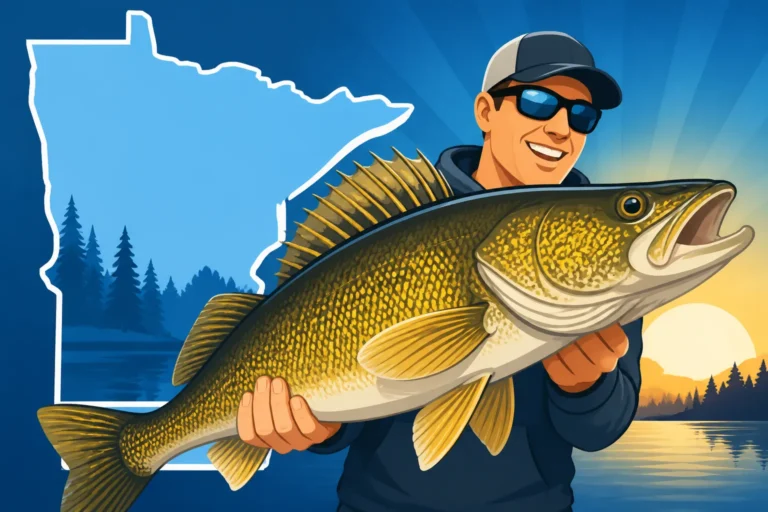
Walleye Season & Limits in Minnesota
Navigating Minnesota's walleye regulations can feel like trying to untangle a snarled fishing line after a long day on the water – frustrating, confusing, and if you get it wrong, you might end up with more headaches than fish. We all know the thrill of a walleye bite, but keeping track of ever-changing seasons, daily limits, and those tricky slot sizes for specific lakes can be a real headache. This comprehensive guide is here to untangle that mess, breaking down everything you need to know about walleye seasons and limits across Minnesota, ensuring your next trip is both successful and fully compliant with the rules.
The Walleye Season: When the Bite Begins (and Ends)
For many Minnesotans, the Walleye Opener isn't just a date on the calendar; it's a sacred holiday, marking the true beginning of summer and the chance to chase our state's most beloved fish. But just like everything in life, it's not always as simple as "open season." There are statewide general rules, and then there are exceptions, especially when you're fishing border waters.
Statewide Walleye Season Opener and Closer
The general statewide walleye season typically kicks off on the Saturday two weeks prior to the Saturday of Memorial Day weekend. This usually puts it in mid-May, offering anglers a fantastic opportunity to hit the lakes as the ice officially melts away and the fish become more active. It's a day steeped in tradition, with camps opening, boats launching, and the undeniable buzz of anticipation.
While the opener is a big deal, it's also important to remember that the season does have an end date. For most of the state, the walleye season will continue through late February of the following year. This long season allows for plenty of open water and ice fishing opportunities, which is fantastic. However, remembering that February end date is crucial, especially for those who like to extend their ice fishing into the late winter months. Always double-check the current year's dates for "Minnesota Fishing Seasons & Opener Dates (2026)" to avoid any last-minute surprises or miscalculations.
Walleye Seasons on Border Waters
Things can get a little more complicated when you're fishing Minnesota's incredible border waters. These are shared fisheries with neighboring states or provinces, and to ensure consistent management and cooperation, their regulations often differ from the general statewide rules. The most prominent examples are Lake of the Woods (shared with Ontario) and the Mississippi River (shared with Wisconsin).
For instance, if you're planning a trip to the famed Lake of the Woods, you'll quickly discover that while parts of it are in Minnesota, the Canadian side, and even the "Minnesota-Ontario border waters" section, often operate under different regulations entirely. The same applies if you're casting lines in the Mississippi River pools shared with Wisconsin. These specific agreements ensure that anglers on both sides of a border understand and adhere to a unified set of rules. This can mean different opening and closing dates, as well as distinct daily and possession limits. It's truly essential to know which side of the line you're on, both literally and figuratively, and consult the specific "Border Water Fishing Rules (Minnesota-Ontario, Wisconsin)" to make sure you're compliant.
Understanding Walleye Limits: Bag, Possession, and Slots
Once the season is open, the next big hurdle is understanding how many walleye you can keep, and what size they need to be. This is where most anglers, even seasoned veterans, sometimes find themselves scratching their heads. Minnesota employs a variety of limits – daily bag, possession, and specific length-based regulations like slot limits – all designed to protect the walleye population and ensure sustainable fishing for generations to come.
Statewide Daily Bag and Possession Limits
The most basic regulation you'll encounter is the daily bag limit. This refers to the maximum number of walleye you can legally keep in a single day of fishing. For most of Minnesota's waters, the standard daily bag limit for walleye is six. This means that if you're out on Lake Mille Lacs or some smaller lake, you can only keep up to six walleye during that 24-hour period.
The possession limit, however, is a different beast entirely, and it's where many anglers get confused. The possession limit is the maximum number of walleye you can have in your possession at any given time, regardless of when or where they were caught. For walleye, the statewide possession limit is also six. This means if you caught six walleye on Monday and brought them home, you cannot go out on Tuesday and catch another six if you still have Monday's fish in your freezer, cooler, or livewell. The total number of fish you have, anywhere, cannot exceed that limit. This rule is designed to prevent people from stockpiling fish and exceeding what is considered a reasonable take. Always refer to the "Minnesota Fishing Limits: Bag & Possession (2026)" for the most current numbers.
Slot Limits and Protected Length Regulations
Ah, slot limits. These are probably the most talked-about and often misunderstood regulations, but they're incredibly important for managing walleye populations, especially on trophy lakes or those recovering from overfishing. A slot limit means that walleye within a certain length range must be immediately released, unharmed, back into the water. Anglers are only allowed to keep fish that are outside of that protected slot – either smaller than the minimum length or larger than the maximum length of the slot.
For example, a common slot limit might be "no walleye between 17 and 26 inches may be kept." This means you can keep fish under 17 inches (often called "eaters") or fish over 26 inches (trophy size), but anything falling within that 17-26 inch range must be released. The purpose of these slots is to protect the crucial spawning-size fish, allowing them to reproduce and sustain the fishery. It's also sometimes used to thin out an overabundant smaller fish population or protect larger, older fish that contribute significantly to egg production. Understanding these nuances is key, as violating a slot limit can carry significant penalties. The "Minnesota Walleye Limit & Size Rules" article delves deeper into this topic.
Minimum and Maximum Length Restrictions
In addition to slot limits, some lakes or bodies of water might simply have a minimum length restriction, meaning any walleye caught under a certain size must be released. Less common, but still possible, are maximum length restrictions, where any fish over a certain size must be released. These are generally simpler than slot limits but still demand attention.
For instance, a lake might have a rule that says "all walleye under 15 inches must be released." This is straightforward: measure your fish, and if it's too short, it goes back. These rules are usually in place to allow juvenile fish to grow to a more productive size before being harvested. It's all about ensuring the health and future of the walleye population. Always keep a reliable measuring device on hand – a tape measure or a marked fishing net handle will do the trick – and practice proper catch and release techniques, especially for those slot fish that need to go back quickly and safely.
Specific Lake Walleye Regulations You Must Know
While statewide rules provide a good baseline, Minnesota is home to thousands of lakes, and many of our premier walleye destinations have their own highly specific and often dynamic regulations. Ignoring these lake-specific rules can quickly turn a fantastic fishing trip into a disappointing encounter with a conservation officer. Always, and I mean always, check the current regulations for the specific body of water you plan to fish.
Mille Lacs Lake Walleye Regulations
Mille Lacs Lake is an iconic Minnesota fishery, famous for its walleye, but it's also a lake that has seen its share of regulatory changes. Due to the complexities of its walleye population, harvest pressure, and a co-management agreement with tribal nations, Mille Lacs often operates under unique and frequently adjusted regulations. It’s not uncommon for the rules to change even within a season, sometimes shifting from a one-fish limit to catch-and-release only, or having a highly specific slot limit and harvest window.
For example, in recent years, anglers might have faced a regulation allowing only one walleye between 21-23 inches, or even periods where only catch-and-release was permitted. These changes are made based on scientific assessments of the walleye population, aiming to protect the lake's future. Before you even think about putting a line in the water on this magnificent lake, make sure you've checked the latest "Mille Lacs Walleye Regulations (2026)". Trust me, a quick check of the DNR website or a call to a local bait shop can save you a lot of grief. Many anglers even check the rules daily when on an extended trip, as conditions can change.
Lake of the Woods Walleye Regulations
Head north to Lake of the Woods, and you're entering another world-class walleye fishery that comes with its own set of rules, often influenced by its status as a border water with Canada. While the Minnesota portion generally follows state guidelines, there are often subtle but important differences, especially concerning the size and number of fish you can possess. The sheer size and distinct ecological characteristics of Lake of the Woods necessitate careful management.
Typically, Lake of the Woods allows for a generous bag limit, but often includes a specific slot or length restriction. For instance, you might be allowed to keep a certain number of walleye, with only one of them being over a larger size. This protects the large, breeding females while allowing for ample harvest of smaller, more abundant fish. Given the popularity of this lake, particularly for ice fishing, it's paramount to be familiar with the current "Lake of the Woods Fishing Regulations (2026)" before you head out. These regulations ensure that both the recreational angler and the commercial interests, as well as the health of the fishery, are balanced.
Upper Red Lake Walleye Regulations
Upper Red Lake has been an incredible success story for walleye management, recovering from past declines to become one of Minnesota's most productive walleye fisheries. Its regulations are carefully designed to maintain this healthy population and provide consistent angling opportunities. Often, this lake will have a protected slot limit with a specific number of fish allowed to be kept, and sometimes a higher number of sauger (a close relative of the walleye) that can be included in the aggregate limit.
A typical regulation for Upper Red Lake might allow for a specific number of walleye, with only one fish over a certain length. This type of regulation helps spread the harvest among anglers and maintains a robust population structure. The DNR keeps a close eye on Upper Red Lake, and its success is a testament to adaptive management. So, before you pack your gear for this popular destination, ensure you're up-to-date on the "Upper Red Lake Walleye Limit & Slot" rules. It's a fantastic fishery, and following the rules helps keep it that way for everyone.
Table: Common Minnesota Walleye Regulations Overview (Always Check Specific Lake Rules)
| Regulation Type | Statewide General Rule | Mille Lacs Example (Varies Annually) | Lake of the Woods Example (Varies Annually) | Upper Red Lake Example (Varies Annually) |
|---|---|---|---|---|
| Season Opener | Mid-May (Specific Sat) | Mid-May (Specific Sat) | Mid-May (Specific Sat) | Mid-May (Specific Sat) |
| Season Closer | Late February (Approx.) | Late February (Approx.) | Early April (Approx.) | Late February (Approx.) |
| Daily Bag Limit | 6 Walleye | 1 (21-23") or Catch/Release | 6 (max 4 over 17") | 3 (only 1 over 17") |
| Possession Limit | 6 Walleye | Same as daily bag | Same as daily bag | Same as daily bag |
| Slot Limit | Varies by lake | Often 17-20" protected | 17-28" protected | 17-26" protected |
| Special Notes | Check DNR annually | Co-managed with tribes | Border water rules apply | High productivity, specific harvest rules |
Note: This table provides typical examples. Walleye regulations are subject to change annually and even within a season. Always consult the official Minnesota DNR Fishing Regulations Handbook for the most current and specific rules for your chosen body of water.
Staying Informed and Compliant
The ever-evolving nature of fishing regulations, especially for a highly managed species like walleye, means that staying informed is not just a recommendation – it's a necessity. Nobody wants to face a fine or, worse, lose their fishing privileges because they weren't aware of a rule change.
Where to Find the Most Current Regulations
The absolute best and most reliable source for Minnesota fishing regulations is the Minnesota Department of Natural Resources (DNR). Their website is constantly updated, and they publish an annual fishing regulations handbook. This handbook is your Bible for fishing in Minnesota, containing all statewide rules, specific lake regulations, and any special provisions. You can download the "Minnesota Fishing Regulations PDF: Where to Find It" directly from their website, which is incredibly handy for quick reference on your phone.
Physical copies of the regulations handbook are usually available for free wherever fishing licenses are sold, such as bait shops, sporting goods stores like Fleet Farm, or even some convenience stores. It's also possible to order them online, perhaps even through platforms like Amazon, if you prefer to have a fresh copy delivered to your door each year. Always make sure you're looking at the current year's regulations, as rules can (and do) change from one season to the next.
Consequences of Violations
It's easy to think "it won't happen to me" or "they won't notice one extra fish." But Minnesota conservation officers are dedicated, observant, and take their job of protecting our natural resources very seriously. Violating fishing regulations, whether it's an over-limit, keeping a protected slot fish, or fishing without a license, can lead to some significant and unpleasant consequences.
Penalties can range from hefty fines, confiscation of your catch and gear, to even loss of fishing privileges for a period of time. These aren't just minor inconveniences; they can seriously impact your ability to enjoy our state's fantastic fishing opportunities. For example, the penalties for keeping over-limit fish in Minnesota are designed to deter such actions and protect the fishery. Beyond the legal ramifications, there's also the ethical consideration. Regulations are in place for a reason – to ensure the long-term health of our fish populations. As responsible anglers, it's our duty to understand and adhere to these rules. When in doubt, always err on the side of caution and release the fish. Practicing proper "Catch and Release Best Practices in Minnesota" ensures that any fish you return to the water have the best chance of survival and future spawning.
Disclaimer
Please remember that fishing regulations, seasons, and limits are subject to change by the Minnesota Department of Natural Resources (DNR). While we strive to provide the most accurate and up-to-date information, it is the angler's responsibility to verify current regulations before heading out on the water. Always consult the official Minnesota DNR Fishing Regulations Handbook or their website for the most current rules and any in-season adjustments.