Lake Sturgeon Size, Age & Records
When you talk about fishing in Minnesota, most folks immediately think walleye. But there’s a whole different class of fish swimming in our waters, one that harks back to ancient times and commands respect with its sheer size and incredible longevity: the lake sturgeon. Encountering one of these prehistoric giants is an unforgettable experience, a true testament to the health and richness of our aquatic ecosystems. This guide will take you deep into the world of Minnesota’s lake sturgeon, exploring just how massive they can get, how old they can become, and celebrating the phenomenal records set by lucky anglers who've tangled with these magnificent creatures.
The Majestic Lake Sturgeon: Minnesota's Gentle Giants
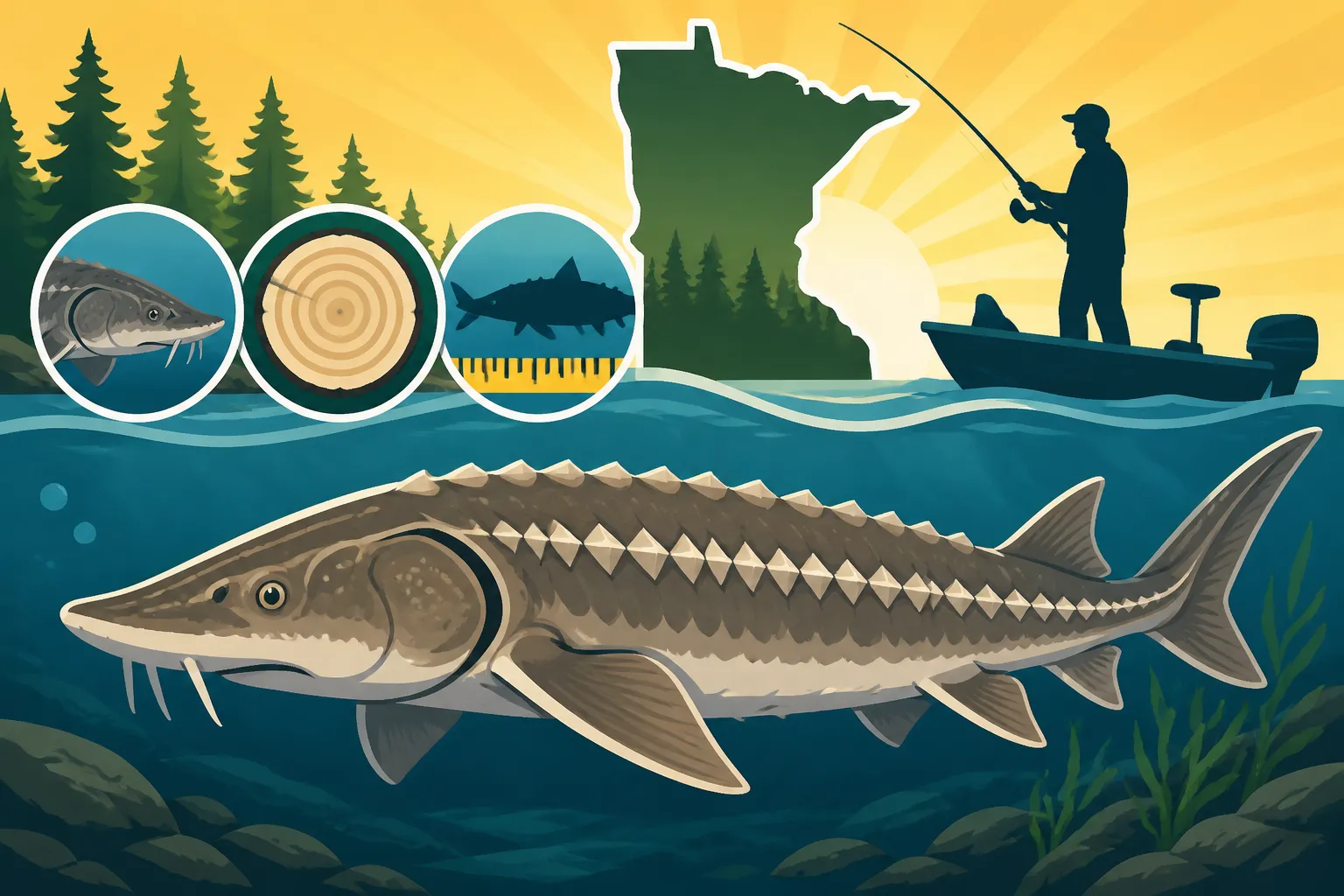
Lake sturgeon, Acipenser fulvescens, are truly unique residents of Minnesota’s rivers and lakes. They're often called "living fossils" because their lineage dates back millions of years, largely unchanged from their ancestors. Unlike most of the fish we target, sturgeon possess a shark-like cartilaginous skeleton, rows of bony plates called scutes instead of scales, and a distinctive shovel-like snout with barbels used for detecting food on the riverbed. They are bottom-feeders, cruising along the substrate, vacuuming up anything from insect larvae and crayfish to small clams and snails.
Their imposing presence and ancient lineage make them a species of immense interest, not just to anglers but to conservationists and researchers alike. For decades, lake sturgeon populations faced severe decline due to overfishing and habitat loss. However, thanks to dedicated conservation efforts by the Minnesota Department of Natural Resources (DNR) and other organizations, these resilient fish are making a remarkable comeback in many of their native waters. This resurgence allows us a chance to appreciate and responsibly interact with these incredible creatures, understanding their role as a vital part of our state's natural heritage.
A Glimpse into Sturgeon History in Minnesota
Historically, lake sturgeon were abundant across Minnesota, particularly in the larger river systems like the Mississippi, St. Croix, and Rainy River, as well as interconnecting lakes such as Lake of the Woods and Lake Superior. Native American tribes revered sturgeon, utilizing them for food and resources for millennia. Early European settlers also harvested them extensively, initially for their meat and later for their valuable roe, which was sold as caviar. The robust commercial fishery in the late 19th and early 20th centuries, combined with the construction of dams that blocked spawning routes and pollution, devastated their populations.
It took decades for awareness to grow about the critical state of sturgeon stocks. By the mid-20th century, strict protections were put in place, and active restoration programs began. These programs included stocking efforts, habitat restoration, and stringent fishing regulations, many of which are still in effect today to ensure the species' continued recovery and sustainability. Understanding this history is crucial because it reminds us of the delicate balance in our ecosystems and the importance of responsible angling practices, especially when dealing with a slow-growing, long-lived species like the lake sturgeon.
Ecological Role and Importance
Beyond their aesthetic appeal and angling challenge, lake sturgeon play a significant role in the aquatic ecosystem. As bottom feeders, they help to churn and aerate the sediment, influencing nutrient cycles and the distribution of benthic (bottom-dwelling) organisms. Their diet of invertebrates helps control populations of species that might otherwise overpopulate. Moreover, their large size and longevity mean they are an indicator species; a healthy sturgeon population often signifies a healthy overall aquatic environment.
When these fish thrive, it's a good sign that the water quality is good, there's ample food, and critical habitats like spawning grounds are intact. They are also a key food source for larger predators when they are young, though once they reach adult size, they have few natural enemies other than humans. Supporting lake sturgeon conservation efforts, therefore, means supporting the health of the entire water body, which benefits all species, including the more common game fish we love to pursue.
Unpacking Lake Sturgeon Size: From Fry to River Monsters
One of the most captivating aspects of lake sturgeon is their immense size. These aren't your average panfish; they are bona fide giants of the freshwater world. While seeing a 4-foot sturgeon is impressive, it's the 6-footers and beyond that really capture the imagination and earn them the "river monster" moniker.
Typical Size Ranges in Minnesota Waters
In Minnesota, lake sturgeon sizes can vary depending on the specific water body, influenced by factors like food availability, habitat quality, and population density. However, we can break down some typical size expectations.
Young sturgeon, often caught accidentally by anglers targeting other species, might range from a foot to two feet in length. These are often fish that are still several years from reaching sexual maturity. As they grow, sturgeon in their prime angling years (typically 15-30 years old) often measure between 40 and 60 inches. These are substantial fish, capable of putting up an incredible fight on the end of a line.
Then there are the truly massive specimens, the trophy fish that define the species. These often exceed 60 inches, with some reaching lengths of 70 inches or more. The most legendary sturgeon can push towards the 80-inch mark, a size that is comparable to a small human! The state record catch-and-release sturgeon in Minnesota was 78 inches, illustrating the immense potential of these fish. Anglers targeting these giants often head to specific waters renowned for their trophy potential, such as the Rainy River and parts of the St. Croix and Mississippi Rivers.
For example, on the Rainy River, especially during the spring and fall migrations, it’s not uncommon for experienced guides to report multiple fish over 50 inches, with several exceeding 60 inches in a good outing. This concentration of large fish is a major draw for anglers from across the country. Conversely, in some smaller, restored populations, the average size might be a bit smaller as the fish are still in earlier stages of recovery and growth.
Factors Influencing Sturgeon Growth
Several critical factors contribute to how large a lake sturgeon can grow in a particular body of water. Understanding these elements helps explain why some areas consistently produce bigger fish.
- Food Availability: This is perhaps the most crucial factor. Sturgeon are opportunistic bottom feeders. Lakes and rivers with abundant populations of their preferred prey — insect larvae, crayfish, leeches, and small mollusks — will naturally support larger and faster-growing sturgeon. The rich, silty bottoms of large river systems like the Rainy River provide a seemingly endless buffet for these hungry giants.
- Water Quality and Habitat: Clean, well-oxygenated water is essential for all fish, and sturgeon are no exception. Good water quality supports a healthy food web and reduces stress on the fish. Furthermore, access to diverse habitats, including deep holes for resting, shallow flats for feeding, and gravel shoals for spawning, is critical. Impassable dams or degraded spawning areas can limit a population's potential size and overall health.
- Genetics: While not as easily observed as environmental factors, the genetic makeup of a sturgeon population can also play a role in their growth potential. Some populations may simply have a genetic predisposition for larger size, passed down through generations of larger, healthier fish.
- Population Density: In waters where sturgeon populations are very dense, there can be increased competition for food, potentially leading to slower growth rates and smaller average sizes. Conversely, in areas with fewer fish and abundant resources, individual sturgeon might grow larger and faster. The Minnesota DNR constantly monitors populations to ensure they remain balanced and healthy.
- Water Temperature: As cold-blooded creatures, a sturgeon's metabolism is influenced by water temperature. Optimal temperature ranges for feeding and growth can contribute to overall size. Prolonged periods outside this optimal range can slow growth.
These factors intertwine, creating unique conditions in each sturgeon-holding waterbody across Minnesota, ultimately dictating the size and health of the fish that call it home.
The Ancient Lives of Lake Sturgeon: Longevity and Growth
Imagine a fish that was born before your grandparents, perhaps even before your great-grandparents, first saw the light of day. That's entirely possible with lake sturgeon. These fish are not just big; they are incredibly long-lived, truly earning their reputation as ancient marvels of the aquatic world.
How Sturgeon Age is Determined
Unlike most fish where scales can give a rough estimate, determining the precise age of a lake sturgeon is a bit more involved. The most common and accurate method involves examining a cross-section of a fin ray, usually from the pectoral fin. Similar to how you'd count the rings on a tree trunk to determine its age, scientists can count the annular rings (called annuli) that form on these fin rays. Each ring represents a year of growth.
This method requires careful removal of a small, non-lethal section of the fin ray, which then needs to be prepared and examined under a microscope. It's a testament to the dedication of fisheries biologists that they undertake such detailed work, providing invaluable data on sturgeon populations. This information helps them understand growth rates, age structures, and overall population health, all of which are crucial for setting appropriate fishing regulations and conservation strategies. For more details on these regulations, check out our guide on Lake Sturgeon Regulations & Tag in Minnesota.
Unbelievable Lifespans and Slow Growth Rates
The lifespans of lake sturgeon are truly astonishing. While most freshwater fish live for a handful of years, lake sturgeon can regularly live for 50 to 80 years, and some individuals have been documented to live for over 100 years! The oldest recorded lake sturgeon was an incredible 152 years old! Imagine the history that fish has witnessed, swimming through our waters decade after decade.
This incredible longevity, however, comes with a trade-off: extremely slow growth rates and delayed sexual maturity. Female sturgeon, for example, might not spawn for the first time until they are 20 to 25 years old, and then only once every three to five years. Males mature a bit earlier, around 10 to 15 years old, and spawn more frequently. This slow reproductive cycle means that sturgeon populations are particularly vulnerable to overfishing and habitat degradation, as it takes a very long time for them to recover from setbacks. This is why strict catch limits and seasons, like those discussed in Lake Sturgeon Season & Limit in Minnesota, are so vital.
Here's a quick comparison of typical lifespans:
| Fish Species | Average Lifespan (Years) | Maximum Recorded Lifespan (Years) |
|---|---|---|
| Lake Sturgeon | 50-80 | 152 |
| Walleye | 10-15 | 20 |
| Northern Pike | 7-10 | 25 |
| Largemouth Bass | 6-10 | 16 |
| Bluegill | 5-8 | 10 |
This table clearly highlights the unique longevity of the lake sturgeon compared to more common game fish in Minnesota. Their slow life history dictates that we treat them with immense care and respect, ensuring their survival for future generations of anglers and nature enthusiasts.
Minnesota's Record-Breaking Sturgeon Catches
Every angler dreams of catching a record-breaking fish, and when it comes to lake sturgeon in Minnesota, those dreams involve truly gargantuan specimens. The Minnesota DNR maintains records for both length (catch and release) and weight (harvested), reflecting the differing priorities in sturgeon management.
The All-Time Minnesota State Records
Minnesota has seen some incredible sturgeon caught over the years, a testament to the comeback of these magnificent fish. It's important to distinguish between catch-and-release records, which prioritize the fish's survival, and harvested records, which are based on weight.
For catch-and-release (length-based) lake sturgeon, the official state record is an astounding 78 inches. This colossal fish was caught in the St. Croix River in 2017. Imagine a fish over six and a half feet long! This record reflects the incredible growth potential in the St. Croix, a river that has been a focal point of sturgeon conservation and restoration for decades.
For harvested (weight-based) lake sturgeon, which are allowed under very specific regulations and usually require a special tag, the state record is 94 pounds, 4 ounces. This massive sturgeon, measuring 64.5 inches, was caught in Lake of the Woods in 2018. The fact that a fish of this size can still be legally harvested (under strict rules) speaks to the robustness of the Lake of the Woods/Rainy River population.
These records aren't just numbers; they represent monumental achievements for the anglers and a huge victory for the conservation efforts that have allowed these populations to rebound. The stories behind these catches often involve epic battles, testing both angler and gear.
Notable Catches and Trophy Waters
While the official state records are certainly impressive, countless other notable sturgeon catches happen every year that might not break records but are still trophy-worthy in their own right. The Rainy River, which forms part of the border between Minnesota and Ontario, is arguably the most famous sturgeon hot spot in Minnesota. Every spring and fall, huge numbers of lake sturgeon migrate through the river, offering incredible opportunities for anglers. Many guides operating on the Rainy River report multiple fish over 60 inches each season.
One such example might be an angler named Sarah from Minneapolis, who, while fishing the Rainy River near Baudette, hooked into a fish she battled for over an hour. Her guide estimated it at well over 70 inches before she safely released it back into the murky depths. Experiences like Sarah's highlight the world-class sturgeon fishery we have in Minnesota.
The lower St. Croix River, particularly the stretch near Stillwater and south to Prescott, Wisconsin, is another premier location for trophy sturgeon. This section of the river has a robust population and consistently produces large fish. Anglers fishing the Mississippi River below the various dams also encounter large sturgeon, though often in lower concentrations than the Rainy or St. Croix. These are true trophy waters, demanding heavy-duty gear and a good understanding of How to Catch Lake Sturgeon in Minnesota.
Where to Encounter Minnesota's Giant Sturgeon
If the thought of battling an ancient river monster has sparked your angling ambition, Minnesota offers some truly world-class destinations to pursue lake sturgeon. Each location has its unique charm and characteristics, but they all share the potential for an unforgettable encounter.
The Legendary Rainy River and Lake of the Woods
Without a doubt, the Rainy River and its connection to Lake of the Woods is the undisputed heavyweight champion for lake sturgeon fishing in Minnesota. This vast system boasts a thriving, healthy sturgeon population, often producing both high numbers of fish and exceptional sizes. The river serves as a critical spawning and feeding ground, leading to predictable seasonal migrations that concentrate sturgeon.
- Rainy River (Spring and Fall): The spring bite, typically from early May through mid-June, sees sturgeon moving upstream to spawn, making them very accessible to shore anglers and boaters alike. The fall bite, usually from mid-September through October, is equally productive as fish feed heavily before winter. Anglers often fish deep holes and current breaks, using heavy sinkers to hold bait (like nightcrawlers or cut bait) on the bottom. Towns like Baudette and International Falls become hubs for sturgeon enthusiasts during these peak times. Many anglers specifically travel to this region for the chance to hook into a true giant.
- Lake of the Woods: While the river gets most of the attention, Lake of the Woods itself holds a significant population of lake sturgeon. These fish are more spread out in the vast lake, but dedicated anglers, often using similar bottom-fishing techniques in deeper basins or near river mouths, can find success. The ice fishing scene here also sees sturgeon caught, though it's less common to specifically target them through the ice. Our guide to Lake of the Woods Sturgeon Fishing (Rainy River) provides more detailed tactics for this incredible region.
The sheer numbers and size of sturgeon in this system are phenomenal, making it a bucket-list destination for anyone serious about targeting these freshwater titans.
The Mighty St. Croix and Mississippi Rivers
Further south, the St. Croix River, particularly its lower reaches, offers another fantastic opportunity to catch impressive lake sturgeon. This federally protected Wild and Scenic River provides excellent habitat and has been the focus of successful reintroduction programs.
- Lower St. Croix River: From Stillwater downstream to its confluence with the Mississippi River near Prescott, Wisconsin, the St. Croix is known for its strong sturgeon population, including the current catch-and-release state record holder. The deep pools and varied bottom structure provide ideal conditions. Anglers here often employ similar heavy bottom-fishing rigs with nightcrawlers or prepared sturgeon baits. Success often comes from locating deeper channels and holes where sturgeon congregate.
- Mississippi River (Pools and Tailwaters): The Mississippi River within Minnesota also holds lake sturgeon, especially in the navigation pools below dams and in deeper river sections. While perhaps not as concentrated as the Rainy or St. Croix, the Mississippi offers consistent opportunities for those who know where to look. Fishing in the tailwaters below dams can be particularly productive, as current and food sources attract sturgeon. Popular areas include stretches near Monticello, Elk River, and downstream of the Twin Cities metro area. These areas are often less crowded than the more famous sturgeon rivers, offering a quieter experience.
Fishing these major river systems requires specific gear, patience, and a deep respect for these incredible fish. Always remember to follow proper catch and release practices to ensure these long-lived fish continue to thrive. You can learn more about general sturgeon fishing tactics in our Lake Sturgeon Fishing in Minnesota: Rainy River Giants article.
Conservation Efforts and Sustainable Sturgeon Fishing
The story of the lake sturgeon in Minnesota is a powerful testament to successful conservation. From near extirpation in many areas, these fish have made a remarkable comeback, but their continued survival depends entirely on ongoing efforts and responsible angling practices. We are all stewards of this precious resource.
Protecting a Vulnerable Species
Due to their slow growth, delayed maturity, and incredible longevity, lake sturgeon are inherently vulnerable to overexploitation. It takes decades for a population to recover from even minor setbacks, which is why conservation is paramount. The Minnesota DNR has implemented a comprehensive management plan that includes strict regulations designed to protect sturgeon populations.
Key elements of this protection include:
- Harvest Limits and Seasons: In most Minnesota waters, lake sturgeon fishing is strictly catch-and-release. However, in specific, robust populations like those in the Rainy River and Lake of the Woods, a limited harvest season is allowed, typically for a very short period in the fall. This harvest requires a special, inexpensive tag, and anglers are limited to one sturgeon per calendar year, with strict size slot limits to protect both immature and large, reproducing adults. This ensures that only a sustainable number of fish are removed from the population.
- Size Restrictions: Slot limits are common, meaning only fish within a specific size range can be harvested. This protects the very young fish, which are vital for future generations, and the very large, mature breeders, which contribute the most to reproduction.
- Habitat Protection and Restoration: Efforts to maintain and improve water quality, protect spawning grounds from degradation, and ensure river connectivity (sometimes through fish ladders or dam removals) are ongoing.
- Stocking Programs: In some areas where populations were completely lost, the DNR has undertaken stocking efforts, raising young sturgeon in hatcheries and releasing them into suitable habitats to re-establish populations.
These combined strategies, informed by scientific research and public input, are crucial for ensuring the long-term health of Minnesota’s lake sturgeon.
Best Practices for Catch and Release
Because most lake sturgeon fishing in Minnesota is catch-and-release, practicing proper handling techniques is absolutely critical for the survival of these long-lived fish. A few simple steps can make a huge difference:
- Use Appropriate Gear: Heavy-duty rods, reels, and line are essential to land a sturgeon quickly, minimizing the fight time and stress on the fish. This isn't the time for ultralight tackle.
- Avoid Landing Nets: Large sturgeon can become tangled and injured in nets. Instead, use a specialized cradle or tail rope if you must bring the fish partially out of the water, or better yet, leave the fish in the water as much as possible.
- Minimize Time Out of Water: Sturgeon are robust, but their internal organs are not designed to support their massive weight out of water. Keep the fish submerged while unhooking and photographing. If you must lift it, support its entire body horizontally with two hands or a lifting cradle. Never hang a sturgeon vertically by its head or tail.
- Remove Hooks Carefully: Use long-nosed pliers or a hook remover to quickly and gently remove the hook. If the hook is deeply embedded, cut the line as close to the hook as possible. Barbless hooks are highly recommended for sturgeon fishing as they facilitate easier removal.
- Allow for Recovery: Before releasing, hold the sturgeon upright in the water, facing the current if possible, until it regains its strength and can swim away under its own power. Do not simply toss it back into the current.
Adhering to these Catch and Release Best Practices in Minnesota helps ensure that the sturgeon you catch today will continue to grow and reproduce for many decades to come, contributing to the health of the fishery. Respecting these ancient fish and their delicate life cycle is the core of sustainable sturgeon fishing in Minnesota.
Disclaimer
This guide is intended for informational purposes only and does not constitute legal advice. Fishing regulations, seasons, and limits are subject to change annually by the Minnesota Department of Natural Resources (DNR). Always consult the most current official Minnesota Fishing Regulations handbook or the MN DNR website before heading out on the water. Following regulations is the responsibility of each individual angler.