Leech Lake Fishing Report & What’s Biting
Trying to figure out what's really biting on Leech Lake can feel like an impossible quest. You scroll through forums, check outdated reports, and wonder if anyone actually knows what's going on out there. It's frustrating when you just want to plan a successful trip. This guide cuts through the noise to give you a realistic, up-to-date look at the fishing conditions on Leech Lake, helping you target the right species with the right approach, right now.
Navigating the Dynamics of Leech Lake's Fishery
Leech Lake isn't just any body of water; it's a colossal, complex ecosystem that challenges even seasoned anglers. Understanding its unique characteristics is the first step to unlocking its secrets and consistently finding fish. It's not enough to know "walleye are biting"; you need to know why and where based on the lake's ever-changing moods.
Understanding Leech Lake's Structure and Habitat
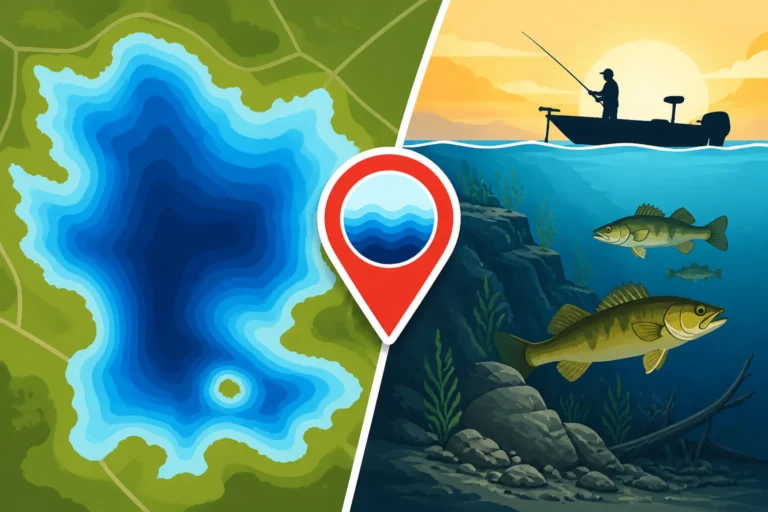
Leech Lake is Minnesota's third-largest lake, sprawling over 111,000 acres, and its sheer size and diverse bottom structure are what make it so incredible — and sometimes, so intimidating. You've got everything from vast, shallow mud flats to rocky reefs, deep basins, and extensive weed beds. This variety means different fish species will hold in distinct areas, and their locations will shift with the seasons, water temperatures, and even daily weather patterns.
Think about the famous "mud flats" like Grandview Flats or Walker Bay Flats; these massive, relatively featureless expanses might seem daunting, but they're absolutely crucial for walleye. Then you have the numerous islands like Bear Island, Star Island, and Goose Island, which often feature rocky points and humps that serve as prime ambush points for both walleye and predatory pike. The deep holes in Walker Bay, or the extensive weed lines along areas like Shingobee Bay, provide critical cover and feeding grounds for bass and panfish. Each of these distinct habitats plays a vital role, and knowing which one to focus on at any given time is key. For a more complete overview of the lake's layout, check out our Leech Lake Fishing Guide.
Seasonal Shifts and Their Impact on Fish Behavior
Fishing on Leech Lake is a year-round affair, but the tactics you employ, and even the species you target, will drastically change with the seasons. What works in spring won't necessarily work in late summer, and certainly not through the ice.
- Spring (Post-Opener): This is often when walleye are still relatively shallow after spawning, often found on wind-blown points and shallow bays. Water temperatures are rising, and fish are hungry. This is a prime time for jigging with live bait or casting shallow-running crankbaits. Other species like northern pike become very active as well.
- Summer: As waters warm, walleye often transition to deeper structure like reefs, humps, and the edges of the mud flats. Trolling with bottom bouncers and crawler harnesses or crankbaits becomes highly effective. Muskie activity also picks up significantly.
- Fall: The "fall turnover" can be a challenging period, but once water temperatures stabilize, fish often return to shallower feeding grounds before winter. Walleye and muskie can be incredibly aggressive during this time, gorging themselves for the coming cold.
- Winter (Ice Fishing): Leech Lake transforms into an ice fishing paradise. Walleye are still a primary target, often found on the mud flats, breaklines, and deeper reefs. Panfish congregate in weed edges and bays, while pike roam the shallows. The techniques shift to jigging raps, spoons, and dead sticks with live bait. For a deep dive into ice fishing, our Ice Fishing in Minnesota: Complete Beginner-to-Pro Guide has you covered.
Understanding these seasonal patterns isn't just about what bait to use; it's about predicting where the fish will be and how active they'll be. It influences everything from your approach angle to your retrieve speed.
The Current Fishing Snapshot: What's Biting Now (and Where!)
Alright, let's get down to brass tacks: what's the latest buzz from the lake? Based on recent reports and typical seasonal patterns, Leech Lake is offering some fantastic opportunities, but you need to know where to look and what to throw. Remember, conditions can change daily with weather fronts, so always keep an eye on the forecast!
Walleye: Minnesota's Crown Jewel on Leech
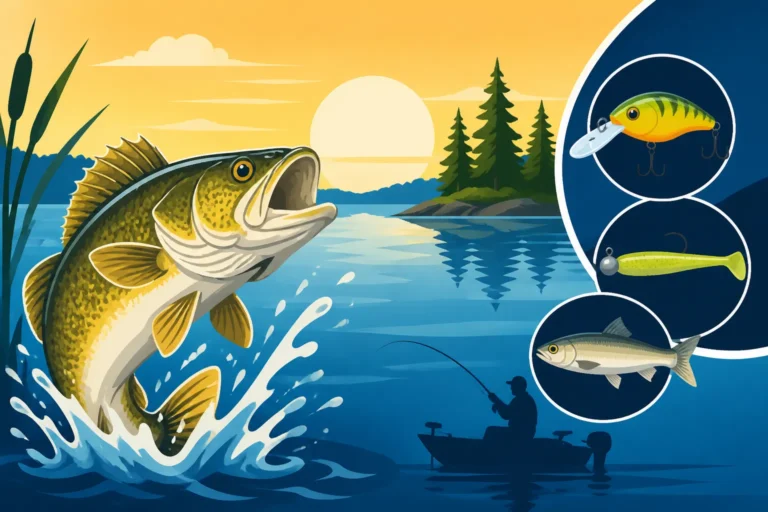
Walleye fishing on Leech Lake is almost always decent, but it truly shines when you hit their pattern. Currently, depending on the exact timing of your read, walleye are often found in transition zones. If it's early season, look for them on wind-blown points and shallower reefs, particularly around areas like Pine Point or the main lake side of Walker Bay. They'll be relatively aggressive, looking for an easy meal.
As the season progresses into summer, these fish will begin to spread out over the vast mud flats and deeper rock reefs. Fishing the edges of the Grandview Flats, the Goose Island Flats, or around the Submarine Reef can be incredibly productive. Focus on depths between 15-30 feet, especially during midday. During low light conditions – early morning, late evening, or overcast days – they might push shallower, up onto the tops of reefs or mud humps in 10-15 feet of water. Effective presentations include Lindy rigging with jumbo leeches or shiners, slow-trolling bottom bouncers with crawler harnesses, or jigging with minnows or artificial soft plastics. For those serious about walleye, our Walleye Fishing Techniques: Complete Minnesota Guide provides an in-depth look.
Northern Pike: Aggressive Action on Leech
Northern pike are abundant in Leech Lake and provide fantastic action, especially for anglers looking for a consistent bite. They are often less finicky than walleye and can be found almost everywhere walleye are, but they also have their preferred hangouts. Look for pike in and around the extensive weed beds in bays like Shingobee Bay, Steamboat Bay, or Portage Bay. They'll also patrol the deeper weed lines and sharp breaks where they can ambush baitfish.
Larger pike will often hold on deeper points and structures, similar to walleye, but they are also quite comfortable in shallower, warmer water throughout the summer. Casting spoons (like a Doctor Spoon or Dardevle), spinnerbaits (like a Mepps Musky Killer), or larger crankbaits in bright, flashy colors often triggers aggressive strikes. Don't be afraid to try some topwater action near weed edges during low light. Live sucker minnows fished under a bobber can also be deadly for bigger pike. For help identifying these toothy critters, check out Northern Pike in Minnesota: Identification & Where to Catch.
Muskie: The Fish of a Thousand Casts on Leech
Leech Lake boasts a fantastic muskie fishery, and if you're chasing these apex predators, you've chosen a great lake. Muskie activity tends to pick up as the water warms, peaking in summer and fall. Look for them on prominent main lake points, rocky reefs, and along the edges of vast weed beds. Areas like Otter Tail Point, Portage Bay, and the deep breaks around Bear Island are notorious muskie haunts.
Successful muskie fishing often involves casting large bucktails (like a Musky Mayhem Double Cowgirl), jerkbaits (like a Rapala Super Shad Rap), or glide baits. Trolling large crankbaits over open water and along deep breaks can also be very effective, especially during the fall. Remember, muskie fishing is a game of patience and persistence. You'll make hundreds, if not thousands, of casts for one bite, but that one bite is absolutely worth it. If you're new to the muskie hunt, our Muskie Fishing in Minnesota: The Fish of 10,000 Casts is a must-read. If you're looking for an expert to guide you, websites like FishingBooker can connect you with experienced muskie guides on Leech Lake.
Panfish (Crappie & Sunfish): Family Fun and Frying Pan Delights
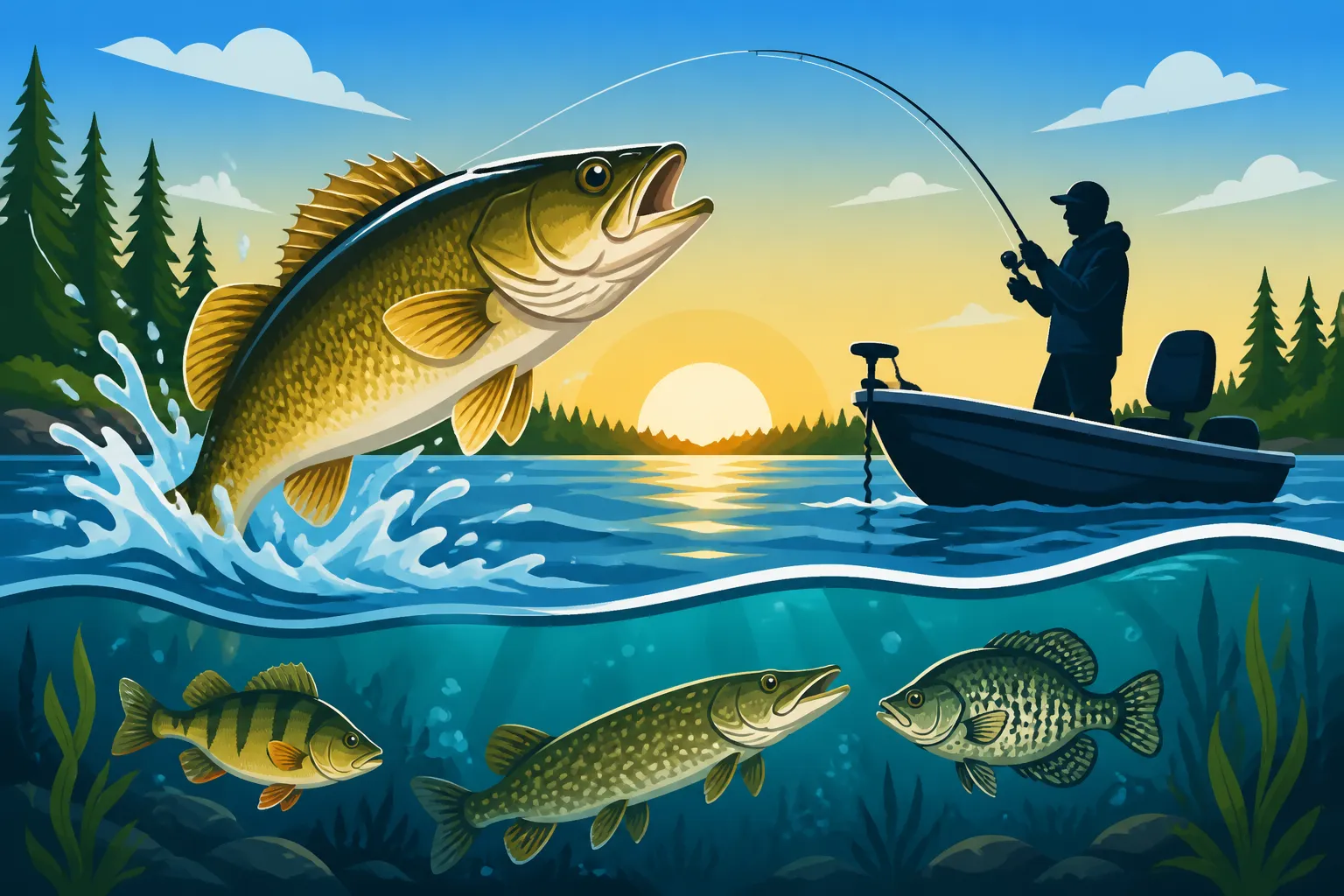
For those seeking consistent action and a delicious meal, Leech Lake's panfish population, particularly crappie and sunfish (bluegill, pumpkinseed, etc.), offers plenty of opportunities. These species are often found in the shallower, calmer bays with abundant aquatic vegetation.
- Crappie: Crappie tend to school up in deeper weed lines and around submerged timber or brush piles in bays like Shingobee, Steamboat, or Portage Bay. Look for them suspending over deeper water or tight to cover. Small jigs tipped with a minnow or a tiny soft plastic (like a Bobby Garland Baby Shad) fished under a slip bobber are highly effective. Early morning and late evening are often prime times.
- Sunfish: Bluegill and other sunfish species will be found tight to dense weed beds, docks, and other shallow cover throughout the summer. Small jigs, waxworms, or even just a piece of nightcrawler under a bobber will usually get them biting. They are excellent targets for young anglers or anyone just looking for a fun, active day on the water.
Crappie and sunfish are often willing biters, making them perfect for a relaxed day on the lake with the family. For more tactics, explore our Crappie & Panfish Fishing Techniques guide.
Here's a quick summary of what's currently biting on Leech Lake:
| Species | Primary Locations | Recommended Depths | Best Baits/Lures | Notes |
|---|---|---|---|---|
| Walleye | Mud flats, rocky reefs, wind-blown points | 15-30 feet | Leeches, Shiners, Crawler Harnesses, Jigs | Focus on transitions and structure edges |
| Northern Pike | Weed edges, shallow bays, points | 5-20 feet | Spoons, Spinnerbaits, Large Crankbaits | Aggressive, often willing biters |
| Muskie | Main lake points, deep reefs, weed lines | 10-30 feet (over) | Large Bucktails, Jerkbaits, Glide Baits | Patience is key, focus on prime structure |
| Crappie | Deep weed lines, submerged timber in bays | 8-15 feet | Small Jigs + Minnow/Soft Plastic | Suspending over cover |
| Sunfish | Dense weed beds, docks, shallow cover | 3-10 feet | Waxworms, Small Jigs + Nightcrawler | Excellent for kids, consistent action |
Essential Techniques and Baits for Leech Lake Success
Knowing where the fish are is only half the battle; the other half is knowing how to make them bite. Leech Lake demands versatility, as fish can be picky, and conditions can change rapidly. Having a few go-to techniques and understanding the nuances of bait presentation will make all the difference.
Mastering Walleye Rigs and Presentations
When it comes to walleye on Leech Lake, versatility is king. You'll often find success by adapting your presentation to the conditions.
- Lindy Rigs: This is a classic for a reason. A basic Lindy Rig consists of a walking sinker, a swivel, a leader, and a hook. The key is to drag your live bait (leeches, shiners, or nightcrawlers are the Best Live Bait for Walleye (Leeches, Minnows, Crawlers)!) slowly along the bottom, allowing the fish to pick up the bait without feeling much resistance. It's incredibly effective on the mud flats and rocky breaks. For a detailed walkthrough, our guide on How to Fish a Lindy Rig for Walleye is indispensable.
- Bottom Bouncers with Crawler Harnesses: When fish are more scattered, or you want to cover ground quickly, a bottom bouncer rig with a spinner harness (often called a "crawler harness") can be deadly. Tip the harness with a lively nightcrawler. The spinner creates flash and vibration, attracting fish from a distance. Experiment with different blade colors and sizes.
- Jigging: Whether it's casting jigs with minnows or soft plastics to shallow breaks in spring, or vertical jigging with a Jigging Rap or blade bait over deeper structure, jigging is a fundamental walleye technique. Pay attention to your boat control and feel for those subtle bites. Learn more with our Jigging for Walleye: Jig & Minnow Basics.
Lures and Tactics for Pike and Muskie
Pike and muskie demand more aggressive presentations, often involving larger baits and heavier tackle.
- Casting Big Baits: For pike, spoons, spinnerbaits, and crankbaits are go-to choices. Vary your retrieve speed and depth, sometimes a pause-and-go is all it takes to trigger a strike. For muskie, step up to larger versions of these baits. Bucktails, especially double-bladed models, are incredibly popular, as are large jerkbaits that can be worked with a twitch-pause retrieve.
- Trolling: Trolling large crankbaits is a highly effective way to cover water and find active muskie or larger pike, especially during summer and fall. Use a GPS to maintain consistent speed and track your productive lines. Matching the hatch in terms of baitfish size and color can be crucial here.
- Topwater: Don't overlook topwater lures for both pike and muskie, especially during calm mornings or evenings. Explosive topwater strikes are incredibly exciting and addictive.
Simple Setups for Panfish Action
Panfish fishing on Leech Lake is generally less complex, making it perfect for beginners and families.
- Slip Bobber Rigs: A small jig (1/32 to 1/16 ounce) tipped with a waxworm, minnow, or piece of nightcrawler under a slip bobber is a highly effective and easy-to-use setup. It allows you to present your bait at a precise depth, which is often crucial for crappie that might be suspended. For a step-by-step, see How to Set Up a Slip Bobber Rig Step by Step.
- Small Jigs and Plastics: Tiny soft plastics, often mimicking small insects or larvae, can be deadly for bluegill and crappie. Experiment with different colors and retrieve speeds. A slow, steady retrieve or subtle jigging motion is usually best.
- Ice Fishing Considerations: When the lake freezes, crappie and sunfish are still very catchable. Small tungsten jigs tipped with plastics or a maggot are excellent. Using a flasher will greatly improve your success by showing you fish and your bait in real-time. If you're ice fishing, check out How to Find Fish While Ice Fishing.
Planning Your Leech Lake Fishing Trip
Leech Lake is a magnificent destination, but a little planning goes a long way. Beyond the "what's biting," understanding the rules and logistics will ensure a smooth and enjoyable trip. Websites like FishingBooker can assist in finding accommodations or guide services tailored to Leech Lake, saving you precious planning time.
Navigating Regulations and Slot Limits
Minnesota fishing regulations, particularly on a trophy lake like Leech, can be quite specific and complex. It's absolutely crucial to know the current rules before you hit the water. Leech Lake frequently has special regulations for walleye and other species, often including slot limits designed to protect a certain size class of fish.
- Walleye Regulations: For example, Leech Lake often has a "slot limit" where you might be able to keep fish under a certain size and one fish over a larger size, but nothing in between. This helps protect the breeding stock. Always double-check the current Minnesota DNR regulations for Leech Lake. Our Leech Lake Walleye Limit & Slot guide provides specific details on these regulations.
- General Limits: Beyond walleye, be aware of daily bag and possession limits for northern pike, muskie, crappie, and sunfish. These can vary by lake and season. Ignorance of the law is no excuse, and DNR conservation officers are active on Leech Lake. You can find comprehensive information in our Minnesota Fishing Limits: Bag & Possession (2026) guide.
- Aquatic Invasive Species (AIS): Minnesota takes AIS seriously. Before leaving Leech Lake, make sure you "Clean, Drain, Dry" your boat and equipment to prevent the spread of invasives. This is not just a suggestion; it's the law. Read up on Aquatic Invasive Species (AIS) Rules for Boaters for full details.
Finding the Right Guide or Resort
Leech Lake offers a wide range of services for anglers, from full-service resorts to independent fishing guides.
- Fishing Guides: If you're new to Leech Lake, or simply want to maximize your time on the water, hiring a local guide is an excellent investment. They know the lake intimately, understand the current patterns, and can teach you effective techniques. Many guides specialize in specific species, like walleye or muskie. Services like FishingBooker allow you to browse and book guides based on their expertise and availability, making it easy to find a pro for your Leech Lake adventure.
- Resorts and Lodging: Leech Lake is surrounded by numerous resorts, cabins, and campgrounds, catering to all budgets and preferences. Many resorts offer boat rentals, bait shops, and even guided services right on site. Popular areas like Walker, Hackensack, and Federal Dam offer excellent access and amenities. Book early, especially for prime summer and fall dates, as Leech Lake is a highly sought-after destination.
Whether you choose to DIY or enlist the help of a professional, take the time to prepare. Check weather forecasts, ensure your gear is in top shape, and always prioritize safety on this large body of water. Good luck out there, and tight lines!
Disclaimer
Please remember that fishing conditions, regulations, and fish behavior can change rapidly. Always consult the official Minnesota Department of Natural Resources (DNR) website for the most current regulations, advisories, and fishing reports before heading out on the water. This guide provides general information and best practices, but local conditions may vary.