Northern Pike in Minnesota: Identification & Where to Catch
Northern Pike in Minnesota are often misunderstood, sometimes viewed as a nuisance or a "hammer handle" by anglers primarily chasing walleye. But let me tell you, dismissing these toothy predators is a huge mistake! Pike are tenacious, powerful fighters that offer incredible action, whether you're casting spoons in the weeds or jigging through the ice. This comprehensive guide will peel back the layers, helping you truly identify these incredible fish, understand their habits, and discover the best spots and techniques to reel in some serious Minnesota pike.
Understanding Minnesota's Northern Pike
Minnesota is truly a haven for pike, and getting to know these fish is the first step to becoming a successful angler. They're not just a fish; they're an integral part of our aquatic ecosystems, and understanding their unique characteristics and behaviors will make your time on the water far more rewarding.
Key Characteristics and Identification
When you hook into a northern pike, there's no mistaking its distinctive profile. They're built for speed and ambush, a true freshwater predator.
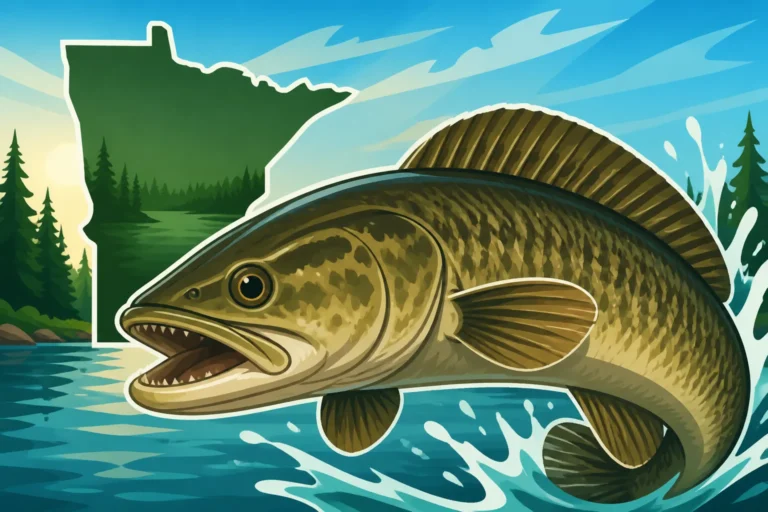
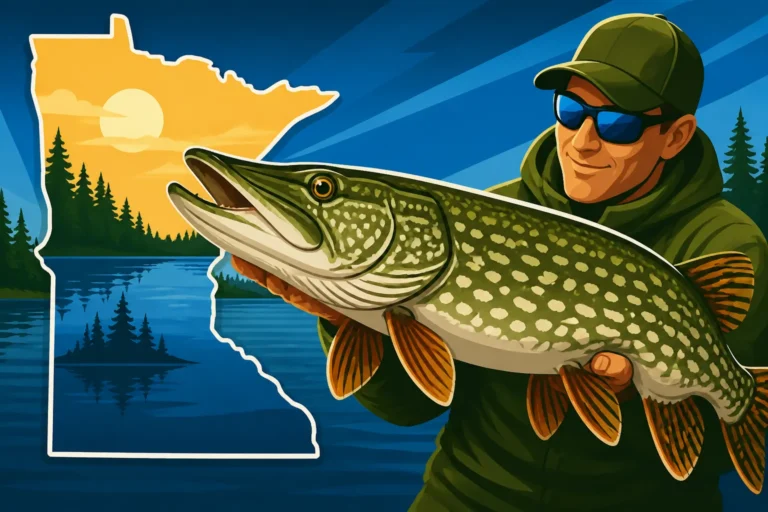
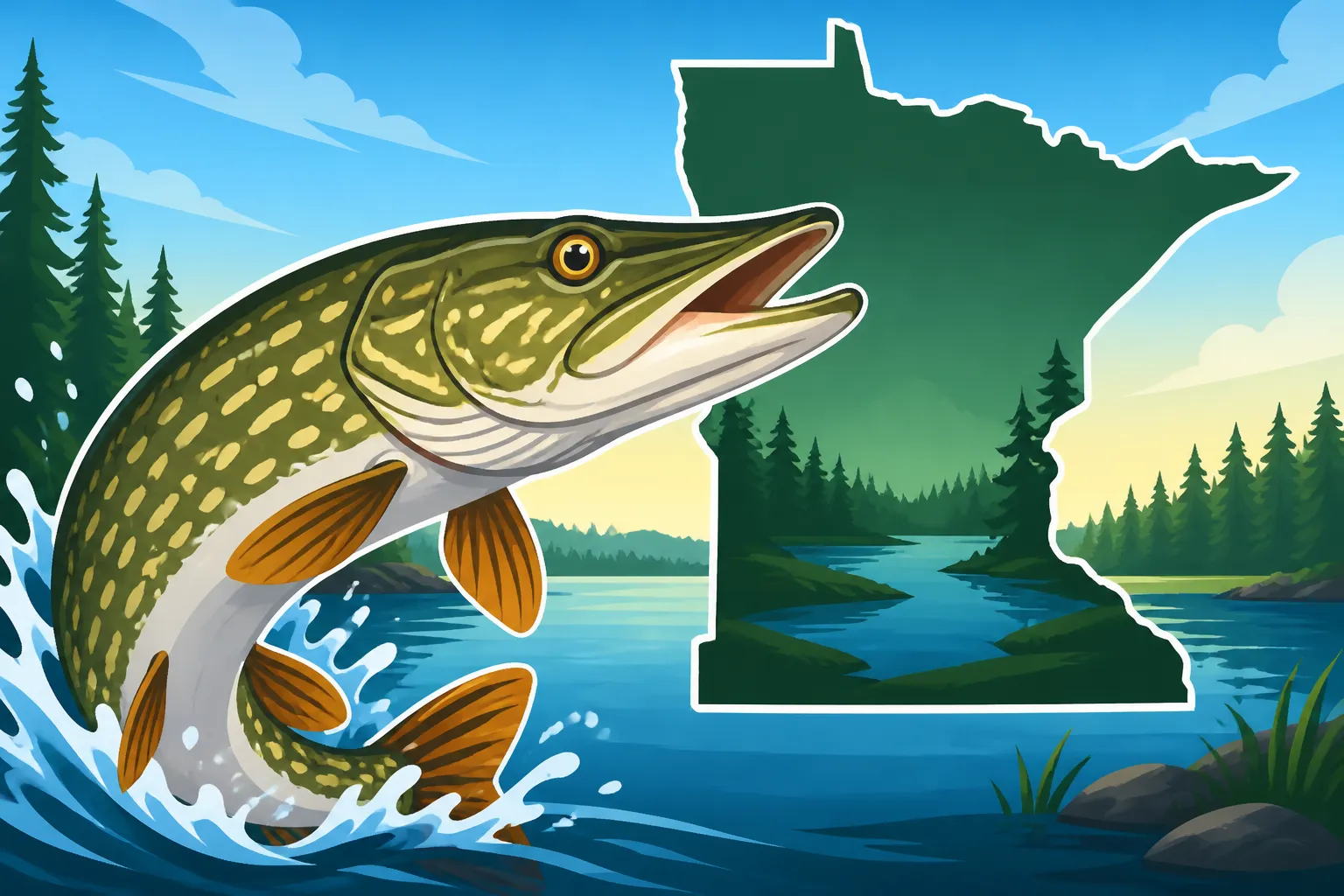
Pike possess a long, torpedo-shaped body that tapers to a powerful tail. Their most striking feature is arguably their "duckbill" snout, which is flattened and elongated, housing rows upon rows of needle-sharp teeth. Seriously, be careful when handling them! Their coloration can vary, but generally, they're olive green to dark green on their backs, fading into a lighter, often yellowish-white belly. Along their sides, you'll see distinctive, bean-shaped spots that are lighter than their background color. This mottled pattern provides excellent camouflage in the weeds, allowing them to disappear into their ambush points. Another key identifier is their single dorsal fin, which is set far back on their body, almost directly above their anal fin. This posterior placement of fins gives them incredible bursts of speed when striking prey.
One of the most common identification challenges for anglers is telling the difference between a northern pike and its larger, more elusive cousin, the muskie. While both are long, toothy, and live in similar habitats, there are crucial differences, especially since regulations often vary between the two. The easiest way to tell them apart involves looking at their markings and the scales on their cheek and gill cover. Pike typically have lighter, bean-shaped spots on a darker body, whereas muskie often have darker vertical bars or spots on a lighter body, though some muskie can be quite plain. For a more definitive identification, check the scales on their cheek and gill plate: pike have scales covering the entire cheek and only the upper half of the gill cover, while muskie have scales only on the upper half of both their cheek and gill cover. This might sound like a small detail, but it's important for adhering to specific regulations. You can learn more about differentiating these two powerful predators in our guide, Muskie vs Northern Pike: How to Tell the Difference.
In terms of size, northern pike in Minnesota can range from the smaller "hammer handles" of 18-24 inches that are plentiful in many lakes, up to true trophy fish exceeding 40 inches. While not as massive as a muskie, a 30-inch pike is a fantastic fight, and a 40-inch class fish is a real accomplishment, pulling hard and making strong runs. Their growth rates depend heavily on food availability and water temperatures, with lakes boasting abundant forage often producing bigger, healthier pike.
Pike Behavior and Habitat Preferences
To catch a pike, you really need to think like one. These are classic ambush predators, masters of camouflage and sudden, explosive strikes.
Pike will lie perfectly still, blending into their surroundings, waiting for an unsuspecting baitfish, frog, or even a duckling to swim by. Once their prey is within striking distance, they unleash a lightning-fast burst of speed, engulfing their meal in their formidable jaws. This ambush style means they are often found lurking in areas where they can hide effectively and surprise their prey. They aren't generally "chasers" like some other predators; instead, they prefer to let their food come to them, conserving energy for those intense, short bursts of activity.
Their preferred habitat mirrors their hunting strategy. You'll almost always find pike in or around some form of cover. This includes dense weed beds (especially cabbage and coontail), submerged timber, brush piles, and fallen trees. They love transitions – places where a shallow weed flat drops off into deeper water, or where a hard bottom meets a soft, weedy area. In clearer lakes, they might be deeper, relating to significant drop-offs and rock piles, but they rarely stray too far from structure where they can find both cover and prey. Shallow bays and channels that warm up quickly in the spring are prime spots, as are the edges of inlets and outlets throughout the season. These are the places where baitfish congregate, and where pike will patiently wait for their next meal.
While smaller pike might occasionally be found in loose schools, especially during certain times of the year or in areas with very high forage density, larger pike are generally solitary. They establish territories and will aggressively defend them from other pike. This means if you catch one good pike, it's often worth working that same spot thoroughly, as another large fish might move in, or there might be smaller, less dominant fish lurking nearby. Their activity levels are somewhat temperature-dependent. They are cool-water fish and can be quite active in colder water, making them a fantastic target for early season and late fall fishing, and, of course, a prime species for ice anglers.
Why Target Northern Pike?
If you've heard the whispers about "hammer handles" or the complaints about "ruining the walleye bite," you might wonder why anyone would specifically target northern pike. Let me tell you, there are a ton of fantastic reasons why these fish deserve your dedicated attention.
First and foremost, the fight! Northern pike are incredibly aggressive and powerful. When you hook a decent one, prepare for some tackle-busting runs, head shakes, and often acrobatic jumps. They don't give up easily, making every catch a thrilling experience. From the moment they strike your lure with a jarring thud to the final thrash at the boat or hole, it's pure adrenaline. This aggressive nature means they'll often hit a wide variety of lures with gusto, which is a lot of fun for anglers who love experimenting with different presentations.
Another major draw is their accessibility. Pike are incredibly widespread across Minnesota, inhabiting a vast number of lakes and rivers, often in much higher densities than more finicky species like walleye or muskie. This makes them a fantastic target for beginners, kids, or anyone looking for consistent action. You don't need highly specialized gear or advanced electronics to find and catch pike; a basic rod and reel, some simple lures, and a willingness to explore weed lines can put you on fish. For folks just getting into fishing, the confidence boost from catching a few aggressive pike can be invaluable.
And then there's the eating quality. Yes, you heard me right! Many people dismiss pike as "bony" or "not good to eat." This is largely due to the presence of intramuscular bones, often called "Y-bones." However, with a proper filleting technique, these bones are easily removed, leaving you with delicious, flaky, white fillets that rival many other popular game fish. They have a mild, firm flesh that holds up well to grilling, frying, or baking. We’ll delve deeper into preparing pike later, but trust me, once you master the Y-bone removal, you’ll be a convert. Pike are an underrated table fare, and keeping a few legal-sized fish (within regulations!) for a meal is a fantastic bonus to a fun day on the water.
Pike Fishing Regulations in Minnesota (2026)
Navigating fishing regulations can feel like trying to untangle a bird's nest of fishing line, but understanding Minnesota's pike rules is absolutely critical. The Minnesota Department of Natural Resources (DNR) has implemented a zone-based system to manage northern pike populations, aiming to balance harvest with maintaining healthy fish sizes across different ecological regions. Always remember, regulations can change, so your most current and reliable source will always be the official Minnesota DNR Fishing Regulations Handbook for the current year.
Statewide Bag and Possession Limits
Minnesota's pike regulations are designed to reflect the different population structures and environmental conditions found across the state. Instead of a one-size-fits-all approach, the DNR has divided Minnesota into three distinct pike zones: the North Central Zone, the Northeast Zone, and the Southern Zone. Each zone has its own specific bag limit and protected slot size, which dictates how many pike you can keep and what size they must be. This system helps manage different types of pike fisheries, from those producing lots of smaller fish to those managed for larger, trophy-sized individuals.
When you're out on the water, you need to know which zone you're in. Generally, the North Central Zone aims for more "quality" sized pike, the Northeast Zone manages for "trophy" potential, and the Southern Zone tries to reduce the abundance of small pike to improve the overall fishery. These regulations are not arbitrary; they are based on scientific data regarding pike growth rates, mortality, and reproductive success in these specific regions. Ignoring them can lead to hefty fines and loss of fishing privileges, which nobody wants. Always double-check your location against the official DNR map before heading out.
Understanding Zone Regulations and Protected Slots
Let's break down the specific rules for each zone. This is where it gets a little detailed, but it's essential knowledge for any pike angler in Minnesota.
- North Central Zone: This zone encompasses a large portion of central and northern Minnesota, including many popular lakes. Here, you're allowed to keep 10 northern pike, but only two of them can be over 26 inches in length. This regulation is designed to thin out the abundant smaller pike (the "hammer handles") to allow the remaining fish to grow larger, while still allowing anglers to harvest some larger, but not trophy-sized, fish. This means you can keep eight pike under 26 inches, and then two more that are 26 inches or longer.
- Northeast Zone: This zone covers the Arrowhead region and extends west, including some of our deepest, coldest, and often least fertile lakes. The regulations here are much stricter: you can only keep 2 northern pike, and only one of them can be over 40 inches. This zone is managed for true trophy pike potential, recognizing that these lakes grow pike slower but to much larger sizes. It's a true "quality over quantity" approach. If you're chasing that monster pike, this is your zone, but be prepared for lower catch rates and the need for patience.
- Southern Zone: This zone covers the southern third of the state, an area with generally warmer, more fertile waters that can produce a high number of smaller pike. Here, you're allowed to keep 2 northern pike, and only one of them can be over 24 inches. This regulation is aimed at reducing the overall population of smaller pike, which can sometimes overpopulate lakes and stunt growth. It encourages harvest of smaller fish to improve the health and size structure of the remaining population.
To give you a quick overview, here's a helpful table:
| Pike Zone | Bag Limit (Per Day) | Possession Limit (Total) | Length Restrictions |
|---|---|---|---|
| North Central | 10 | 10 | Only 2 over 26 inches |
| Northeast | 2 | 2 | Only 1 over 40 inches |
| Southern | 2 | 2 | Only 1 over 24 inches |
Remember that the possession limit is usually the same as the daily bag limit. This means you can't have more than the daily limit of fish in your possession, whether that's in your livewell, cooler, or freezer at home. For specific lake-by-lake details, or if you're fishing a border water with different state regulations, always consult the current Minnesota DNR regulations handbook. You can often find a downloadable PDF version online. Check out our guide on Minnesota Northern Pike Limits by Zone for more specific details.
License Requirements and General Rules
Before you even wet a line, you'll need a valid Minnesota fishing license. This is standard for nearly all fishing in the state, with only a few specific exceptions (like during Free Fishing Weekends in Minnesota, or for very young children). The types of licenses vary by residency, age, and duration (annual, 24-hour, etc.), so make sure you have the correct one for your situation. You can find comprehensive information on acquiring your license in our article, Minnesota Fishing License: Cost, Types & How to Buy (2026).
Beyond your license, there are a few general statewide rules that apply to pike fishing as well as other species. For instance, the number of lines you can use is typically restricted to one in open water, and two lines when ice fishing. This means no setting out multiple rods hoping to cover more water during the open water season. If you're ice fishing, remember the rules expand a bit, allowing for multiple lines, which is fantastic when targeting active pike. Additionally, if you're considering dark house spearing for pike, which is a popular winter activity in Minnesota, there are specific additional licenses and rules that apply to that method. Always be aware of these general rules to avoid any issues with conservation officers.
Finally, some lakes might have special regulations that supersede the general zone rules. These are often implemented to protect unique fisheries or to address specific management goals for that particular body of water. For example, a lake might have a more restrictive slot limit or even a catch-and-release only rule for pike. It's crucial to check the "Special Regulations" section in the DNR handbook for any lake you plan to fish, as these can make a big difference in what you can keep. Always verify the rules for the specific body of water you intend to fish.
Where to Find Northern Pike in Minnesota
Minnesota is truly a pike paradise, with these toothy predators inhabiting waters from the Canadian border all the way down to the Iowa line. But like real estate, fishing is often about location, location, location. Knowing where to focus your efforts can make all the difference between a slow day and an unforgettable pike adventure.
Top Lakes for Trophy Pike
If you're dreaming of a true wall-hanger pike, a fish that stretches the tape past 40 inches, you need to set your sights on specific lakes known for producing these giants. These are often large, diverse water bodies with ample forage and excellent habitat for pike to grow old and large.
Lake of the Woods is arguably one of the best trophy pike destinations in the state, if not the entire continent. Its immense size, diverse structure, and connection to the Rainy River create an ideal environment for pike to thrive. Here, you'll find them lurking in the vast expanses of weed beds, particularly in the shallower bays and around the numerous islands. The big water of Lake of the Woods offers endless opportunities, and pike exceeding 40 inches are caught regularly. The food chain is rich, with abundant ciscos, tulibees, and whitefish providing the fuel for these pike to reach enormous sizes. Check out our comprehensive Lake of the Woods Fishing Guide for more insights into this incredible fishery.
Similarly, Rainy Lake, another massive border water, is a prime location for trophy pike. With its rugged Canadian Shield landscape, deep clear waters, and countless islands and bays, Rainy Lake offers incredible habitat. The pike here often relate to rocky points, expansive weed beds, and submerged timber. Fishing the transition areas where rock meets weeds can be particularly productive. Like Lake of the Woods, the forage base is strong, allowing pike to grow to impressive sizes. Our Rainy Lake Fishing Guide can provide a deeper dive into this incredible lake.
Moving south, Lake Vermilion in northeastern Minnesota is another legendary pike fishery. Known for its stunning beauty and complex structure, Vermilion offers excellent habitat for large pike. Target the extensive wild rice beds, rocky reefs adjacent to deep water, and the numerous bays and points. The lake's cooler, clearer waters and diverse forage contribute to the growth of hefty pike that challenge anglers with powerful fights. Anglers often find pike here near large schools of ciscoes and suckers, which are key prey species for trophy fish. For more on this lake, see our Lake Vermilion Fishing Guide.
Other notable trophy pike waters include Leech Lake and Lake Winnibigoshish in north-central Minnesota. While often celebrated for their walleye, these large, fertile lakes also hold significant populations of big pike. Target their expansive weed flats, particularly around the large bays and inlets. Pike here benefit from abundant perch and various baitfish. On Leech Lake, the famous "Muskie Bar" and adjacent weed beds can hold some truly monstrous pike, often providing an unexpected surprise while targeting muskie or walleye.
Best Lakes for Abundant "Hammer Handles"
Sometimes, you're not chasing a monster; you just want to bend a rod and feel some action. For abundant numbers of smaller to mid-sized pike – the "hammer handles" (generally 18-26 inches) that are perfect for a fish fry – Minnesota offers countless opportunities. These lakes are often shallower, more fertile, and have high pike densities.
Many smaller to medium-sized lakes throughout the Brainerd Lakes Area are absolutely loaded with pike. Lakes like Gull Lake, Pelican Lake, and even some of the smaller, interconnected lakes in the region will provide consistent action. The key here is to target the dense weed beds, shallow flats, and areas with emergent vegetation like lily pads. These lakes are often highly accessible with numerous public accesses, making them perfect for a casual outing with family or friends. These pike might not break any records, but they offer aggressive bites and are a blast to catch, especially for new anglers.
The Park Rapids area and Detroit Lakes region also boast a multitude of lakes with high pike populations. These areas are characterized by hundreds of lakes, many of which are relatively shallow and weedy. Places like Lake Belle Taine, Potato Lake, or Big Detroit Lake (outside of the deeper areas) can be excellent for numbers of pike. Look for extensive shallow weed lines, especially where they meet a slight depth change or have a pocket of open water. These lakes are often teeming with panfish and smaller baitfish, providing an endless buffet for hungry pike.
Don't overlook the Twin Cities Metro Area either! While not known for trophy pike, many smaller suburban lakes hold healthy populations of smaller pike that provide great action close to home. Lakes like Lake Minnetonka, White Bear Lake, or even some of the smaller city lakes can be surprisingly productive. These urban fisheries are often heavily fished, but pike are resilient and can be found in the remaining weed cover and less-pressured areas. They are fantastic spots for a quick evening trip or teaching a child how to fish.
River and Flowage Hotspots
While lakes are often the focus, Minnesota's extensive river systems and associated flowages also offer excellent pike fishing, often providing a different challenge and environment.
The mighty Mississippi River in Minnesota, particularly its various pools (e.g., Pools 2, 3, and 4), holds impressive numbers of northern pike. In these riverine environments, pike will often relate to current breaks – areas where the main flow slows down, allowing them to ambush prey without fighting a strong current. Look for them in slack water behind islands, in side channels, oxbows, and anywhere there's significant emergent or submerged vegetation. The mouths of tributaries are also prime locations, as they often bring in both baitfish and cooler water. The Mississippi offers diverse habitats, from shallow backwaters to deeper main channel edges, all of which can hold pike.
The St. Croix River, forming part of Minnesota's eastern border with Wisconsin, is another fantastic river system for pike. This designated Wild and Scenic River offers beautiful scenery and a healthy fish population. Pike can be found in the slower-moving sections, particularly in bays, weed lines, and around log jams and fallen trees. The St. Croix provides ample cover and a good forage base, allowing pike to grow to respectable sizes. Fishing transition areas where the current meets stagnant water, or along deep weed edges, can be very productive.
Finally, the Rainy River, which flows into Lake of the Woods, is not only famous for its walleye and sturgeon, but also for its healthy pike population. Especially in the spring and fall, pike can be found concentrating in slower moving bays and areas with abundant vegetation. They'll also patrol the river bends and current seams, taking advantage of forage moving through the system. The Rainy River's connection to Lake of the Woods means it's a highway for all sorts of fish, and pike are no exception, often migrating in and out of the river system.
Effective Northern Pike Fishing Techniques
Northern pike are aggressive fish, which is great news for anglers because they'll strike a wide variety of presentations. However, knowing which techniques to employ and when can significantly increase your success. It's not just about throwing anything shiny; it's about understanding their feeding behavior and matching your approach to the conditions.
Casting & Trolling for Pike
Casting and trolling are two of the most popular and effective methods for catching pike in open water, allowing you to cover ground and find active fish.
Casting is particularly effective when targeting specific structures like weed edges, rocky points, or submerged timber. The key is to present your lure directly into potential ambush points. Classic pike lures include spoons, spinnerbaits, and crankbaits.
- Spoons like a bright red and white Daredevle or a Five of Diamonds are iconic for a reason. Their wobbling action and flash mimic injured baitfish, driving pike wild. Cast them out, let them sink briefly, and retrieve with a steady, moderate pace, occasionally adding a twitch or pause.
- Spinnerbaits are fantastic for working through weeds. Their wireframe design allows them to deflect off vegetation, preventing snags, while the spinning blades create flash and vibration. Brands like Mepps and other inline spinners are excellent. Vary your retrieve speed; sometimes a slow, steady pull works best, other times a faster retrieve or "burn and kill" with pauses can trigger a strike.
- Crankbaits and Jerkbaits are also highly effective. Larger, suspending jerkbaits (like a Rapala X-Rap or Smithwick Rattlin' Rogue) worked with a twitch-pause retrieve can be irresistible to pike, especially when they're a bit finicky. Dive-and-rise crankbaits that mimic perch or shad can be trolled or cast to cover different depths.
Trolling is a great way to cover large areas of water, especially when pike are scattered or relating to deeper structures like offshore humps or along extensive breaklines.
- Large crankbaits are your bread and butter for trolling pike. Choose models that run at your desired depth and have an aggressive wobble. Color patterns that imitate common forage (perch, cisco, firetiger) are often effective.
- Spoons can also be trolled, often behind a planer board or with added weight to reach depth. The key to successful trolling is experimenting with speed. Pike often prefer a slightly faster retrieve than walleye, but sometimes a slow, deliberate pace can trigger strikes from less aggressive fish. Pay attention to your electronics to find baitfish and structure, and troll your lures through these zones. For tips on specific lures, check out our guide on Best Walleye Lures: Jigs, Cranks & Spinners, many of which also appeal to hungry pike!
Live Bait Rigs and Bobber Fishing
While artificial lures are exciting, sometimes nothing beats the real thing. Live bait can be incredibly effective for pike, especially when they're less active or when you're looking to tempt a larger, more cautious fish.
Using large shiners, suckers, or chubs under a float (or "bobber") is a classic and highly effective technique. A slip bobber rig is ideal, allowing you to set your bait at any desired depth, from just a few feet under the surface to directly above a weed line in deeper water. The natural swimming action of a live minnow is often irresistible to pike. For a more secure hookup, consider using a quick-strike rig, which typically involves two treble hooks designed to hook the pike more effectively on the initial take, preventing it from swallowing the bait deeply. This is particularly important if you plan on releasing fish.
When fishing live bait, patience is key. Cast your rig out near prime pike habitat (weed edges, fallen trees, deep breaks) and let the minnow do the work. When a pike strikes, the bobber will usually go down decisively. Resist the urge to set the hook immediately. Let the pike take the bait and swim off for a few seconds (often referred to as the "long pause" or "drop-back") to ensure it has fully committed to the bait before setting the hook with a firm sweep of the rod. This helps ensure the hooks are in the mouth and not too deep, especially important for releasing fish.
Deadsticking is another variation, though more commonly associated with ice fishing, it can also be adapted for open water when anchored. This involves presenting a dead baitfish (often a large sucker or cisco) on the bottom or suspended slightly above it, often with a large hook or quick-strike rig. The scent and natural appearance of the dead bait can be highly attractive to larger, more opportunistic pike that are looking for an easy meal. This method works well in areas where you know big pike are present, but might not be actively chasing fast-moving lures.
Ice Fishing for Northern Pike
Minnesota's long winters mean ice fishing for pike is a massively popular activity, and it can be incredibly productive. Whether you're setting tip-ups or jigging aggressively, pike offer thrilling action through the ice.
Tip-ups are undoubtedly the most common and effective method for ice fishing pike. They allow you to cover a wide area with multiple lines (remember Minnesota allows two lines per angler for ice fishing), presenting live bait to cruising pike.
- Setup: Choose heavy-duty tip-ups that can handle the violent strike and pull of a pike. Spool them with strong braided line (50lb+), and always use a steel or heavy fluorocarbon leader (at least 60-80lb test) to prevent bite-offs from those razor-sharp teeth.
- Bait: Large live minnows are king for tip-ups. Suckers, shiners, and chubs in the 6-10 inch range are perfect. Hook them lightly through the back or lips to keep them lively.
- Placement: Set your tip-ups along weed lines, over submerged structure, or along drop-offs. Pike will cruise these areas looking for food. Set your bait at varying depths in the water column to find where the fish are active – sometimes suspended, sometimes near the bottom. When that flag goes up, get ready for a fight! Our guide on Ice Fishing for Northern Pike (Tip-Ups) has more specific details.
Jigging for pike through the ice can also be incredibly exciting and effective. While tip-ups are passive, jigging is active and allows you to call in fish and trigger strikes.
- Lures: Heavy spoons (like Northland Buck-Shot Rattle Spoon or Williams Wabler), large lipless crankbaits (such as a Rapala Rippin' Rap or Jigging Rap), and even large tube jigs can be deadly. Sizes range from 1/2 oz to 1.5 oz or even larger, depending on depth and target fish size.
- Technique: Aggressive jigging is often key. Lift your lure sharply, let it flutter down, and repeat. Sometimes a slight pause at the bottom of the drop or after a strong lift can trigger a reaction strike. Pike are visual predators, so the flash and vibration are crucial. Work different depths in the water column, especially if you're seeing fish on your flasher.
- Dark House Spearing is a unique and traditional winter method for harvesting pike (and other species) in Minnesota. This involves sitting in a dark, heated ice shelter over a large hole, using a decoy to lure pike into range, and then spearing them. It requires specific licenses and knowledge of regulations regarding decoy size, hole size, and legal species. It's a completely different kind of hunting experience, requiring patience and keen eyesight.
Essential Gear for Northern Pike Anglers
Chasing northern pike isn't just about showing up with a rod and reel. These fish are powerful and aggressive, and their razor-sharp teeth demand specific gear choices to ensure both successful catches and angler safety. Skimping on the right equipment can lead to broken lines, lost fish, and even injury.
Rods, Reels, and Line
Having the right foundational setup for your rod, reel, and line is paramount when targeting pike. You need equipment that can handle the punishment these fish dish out.
For rods, you'll want something with a medium-heavy to heavy power rating and a fast to moderate-fast action. This provides the backbone needed to set hooks firmly and control a strong-fighting fish, while the action allows for good casting distance and sensitivity to detect subtle bites (though pike bites are rarely subtle!). Rod lengths typically range from 6'6" to 7'6", with longer rods being beneficial for casting larger lures and controlling fish around heavy cover. A good quality graphite or composite rod will offer the right balance of strength and sensitivity. Brands like St. Croix or Fenwick offer excellent options that can withstand the demands of pike fishing.
When it comes to reels, you have a choice between baitcasting and spinning setups.
- Baitcasting reels are often preferred for casting heavy lures and offer superior cranking power and drag systems, making them ideal for larger pike and muskie-style baits. A low-profile baitcaster with a smooth, powerful drag and a good gear ratio (around 6.x:1 or 7.x:1) is a solid choice.
- Spinning reels are also perfectly capable, especially for lighter pike setups or when using lighter lures. Opt for a larger spinning reel, generally a 3000-4000 series or higher, with a robust drag system. The key is a strong, smooth drag that won't seize up under the pressure of a running pike.
Your fishing line is arguably the most critical component. Pike have teeth that can shred standard monofilament or fluorocarbon in an instant.
- Braided line is the top choice for your main line. Its zero stretch provides excellent sensitivity for detecting strikes and superior hook-setting power. More importantly, it's incredibly abrasion-resistant. For pike, a test strength of 30 to 65 pounds is appropriate, depending on the size of fish you expect and the cover you're fishing. PowerPro and Sufix 832 are popular, reliable choices.
- Leaders are absolutely crucial. Never, ever fish for pike without a leader. These fish will bite through your main line every single time. Your options are steel leaders (wire leaders) or heavy fluorocarbon leaders. Steel leaders (multi-strand wire or single-strand) are the most bite-proof, typically ranging from 30 to 80 pounds test and 6-12 inches long. Heavy fluorocarbon leaders (60-100 pounds test) offer a nearly invisible presentation and are quite bite-resistant, but they can still be cut by a large pike's teeth if swallowed deeply. Choose a leader material and strength appropriate for the size of pike you're targeting; for true trophies, wire is the safest bet. Learn more about the best gear for chasing these powerful fish in our Best Gear for Northern Pike Fishing in Minnesota guide.
Lure Selection for Different Conditions
Pike are opportunistic feeders, so having a diverse arsenal of lures is a great strategy. Different conditions, depths, and activity levels call for different presentations.
- Topwater Lures: When pike are shallow and active, especially in warmer water or low-light conditions, topwater lures can provide explosive strikes. Frog or mouse imitations, or large prop baits, can be deadly when fished over heavy weed beds or lily pads. The key is a slow, deliberate retrieve with plenty of pauses to entice an ambush strike.
- Spinnerbaits and Buzzbaits: These are workhorses for covering water quickly and effectively, particularly in and around vegetation. Spinnerbaits, with their flashing blades and pulsating skirts, are excellent for working along weed edges and through sparse cover. Buzzbaits create a commotion on the surface, drawing strikes from aggressive pike in shallower water.
- Crankbaits and Jerkbaits: As mentioned earlier, these are versatile options. Shallow-diving crankbaits are great for weed tops, while deeper models can target breaklines. Suspending jerkbaits are fantastic for cold water or when fish are neutral, allowing you to pause the lure in the strike zone for extended periods. Colors that imitate perch, cisco, or firetiger patterns are often effective.
- Soft Plastics: Large swimbaits (4-8 inches) or paddle-tail grubs rigged on heavy jig heads can offer a more subtle, natural presentation. These are excellent for slower retrieves, especially when pike are hesitant to chase faster lures. You can vary the retrieve from a steady reel to a lift-and-drop presentation, mimicking an injured baitfish.
Experimentation is key. Don't be afraid to try different colors, sizes, and retrieve speeds until you find what the pike are reacting to on any given day.
Landing Gear and Safety Considerations
Landing a toothy, powerful northern pike requires the right tools and a healthy respect for their predatory nature. Safety for both you and the fish is paramount.
- Long-nose pliers or jaw spreaders: These are non-negotiable. Pike have incredibly sharp teeth that can do serious damage to your fingers. Long-nose pliers (at least 6-8 inches) are essential for reaching into their mouth and safely removing hooks. Jaw spreaders can be used to prop open a pike's mouth, making hook removal much safer and easier, especially if the fish is hooked deeply.
- BogaGrip or a large landing net: A quality landing tool will make your life much easier. A BogaGrip (or a similar fish gripper) allows you to secure the fish by its lower jaw, keeping your hands away from the teeth and allowing for better control, especially for unhooking and quick photos. Alternatively, a large, rubberized landing net is excellent for both safely landing the fish and minimizing damage to its protective slime coat, which is important for catch and release. Avoid knotless nylon nets as they can harm fish.
- Gloves: While optional, a good pair of puncture-resistant gloves can offer an extra layer of protection when handling large pike, especially if you're not entirely comfortable with handling toothy fish barehanded.
- Respect the teeth and gill plates: Always remember that pike are predators. Their teeth are designed to tear flesh, and their gill plates can be surprisingly sharp. When handling, support the fish horizontally with one hand under the belly and the other gently gripping the head or gill plate away from the sharp edges. Avoid putting fingers into the gill arches unless you are specifically trained in how to do so safely without causing harm to the fish. Minimize their time out of the water, especially if you plan to release them.
Releasing Northern Pike Responsibly
Catching a magnificent northern pike is a thrilling experience, and for many anglers, the satisfaction comes from the fight, not necessarily the dinner plate. Practicing responsible catch and release is vital for sustaining healthy pike populations and ensuring these powerful predators continue to thrive for future generations.
Handling Pike for Survival
The way you handle a pike can dramatically impact its chances of survival after release. A few simple practices can make all the difference.
First and foremost, minimize the time the fish spends out of the water. Every second a fish is out of its aquatic environment, it's under stress and potentially suffocating. Have your landing gear, pliers, and camera ready before you even bring the fish in. If you're going to take a photo, make it quick – literally just a few seconds – and then get the fish back in the water. Prolonged exposure to air can cause irreparable damage to a fish's gills and other internal organs.
When handling the fish, support its body horizontally. Never hold a large pike vertically by its jaw or gills, as this can severely damage its spine, internal organs, and jaw structure. Use two hands: one hand to gently grip the base of the tail or a fish gripper on the lower jaw, and the other hand supporting the belly, distributing its weight evenly. This natural position minimizes stress on the fish's body.
Avoid contact with the gill plates and sensitive areas. The gills are incredibly delicate and essential for respiration. Any damage to them can be fatal. Likewise, try to avoid stripping off too much of the fish's protective slime coat, which acts as a barrier against disease and parasites. Using wet hands or a wet net can help preserve this critical layer. If the fish is thrashing, a brief moment of calm in the water can often help it settle down before handling. For a more general overview on ethical angling, our article on Catch and Release Best Practices in Minnesota offers valuable insights that apply to all species.
Proper Hook Removal Techniques
Removing hooks safely and efficiently is crucial for the fish's survival and your own safety. Pike have an impressive array of teeth, so always proceed with caution.
Always use long-nose pliers or hemostats (forceps) for hook removal. Never try to use your fingers. If the hook is visible and easily accessible in the mouth or lip, simply grasp the hook shank with your pliers and gently back it out the way it went in. If the fish is thrashing, keep its head submerged or use a fish gripper to control it.
Sometimes, a pike might be deeply hooked. If the hook is in the gill area or too far down the throat to be easily and quickly removed, cut the line as close to the hook as possible. Do not try to yank or tear the hook out, as this will cause far more damage than leaving the hook in. Fish often have remarkable abilities to dissolve or shed hooks over time, especially if they are barbless or made of non-stainless steel. This is a tough decision to make in the moment, but it's often the best option for the fish's long-term survival.
Consider using barbless hooks or crimping down the barbs on your lures. Barbless hooks make hook removal significantly faster, easier, and less damaging to the fish, allowing for quicker release and less stress. This simple modification can greatly improve the survival rate of released fish, especially if you're frequently catching pike in slot-protected waters.
Best Practices for Trophy Fish Release
Catching a truly massive northern pike, a 40-inch plus brute, is a moment to savor. But these large, old fish are incredibly valuable to the fishery, both as breeders and as trophy specimens. Releasing them properly is a mark of a responsible angler.
When you land a trophy pike, the temptation to celebrate and take multiple photos is strong, but time is of the essence. Prioritize quick photos and immediate release. Have your camera ready and pre-set. Get one or two good shots, then return the fish to the water without delay. The less time a large fish spends out of water, the better its chances.
After unhooking, gently hold the fish in the water, supporting its belly, and allow it to revive itself. Sometimes a fish needs a moment to regain its equilibrium and oxygenate its gills. Hold it upright in the water, pointing its head into any gentle current if present, allowing water to flow over its gills. You'll feel it start to kick its tail and try to swim away when it's ready. Don't force it to swim off before it's ready; if it swims away only to roll over, you've released it too soon. Allow it to fully recover before letting it go.
Remember that the impact of the fight on a large fish's energy reserves can be significant. A long, strenuous fight can exhaust a pike, making it more vulnerable to predators or disease after release. Use appropriately heavy tackle to minimize fight time, bringing the fish to the boat or shore as quickly and efficiently as possible without horsing it in. Every effort you make towards a responsible release contributes to the health and vitality of Minnesota's incredible northern pike fisheries.
Common Misconceptions About Northern Pike
Northern pike, despite being one of Minnesota's most widespread and aggressive game fish, often get a bad rap. You'll hear them called "snot rockets," "hammer handles," or worse. Many misconceptions swirl around them, often unfairly diminishing their value as a sport fish and a component of a healthy ecosystem. Let's debunk some of these persistent myths.
The "Trash Fish" Fallacy
One of the most enduring and frustrating misconceptions is that northern pike are "trash fish." This couldn't be further from the truth! This idea likely stems from their abundance in many lakes, their aggressive nature (which can lead to them "ruining" a walleye bite), and the perceived difficulty of preparing them due to their Y-bones.
However, labeling them as trash utterly ignores their incredible value. As a sport fish, pike offer arguably some of the most exciting and consistent action in Minnesota. Their aggressive strikes, powerful runs, and tackle-testing fights are exhilarating. For anglers looking for a guaranteed fight, especially beginners or those introducing kids to fishing, pike are a fantastic target. They're accessible, willing biters, and they don't require highly specialized or expensive gear to catch. This consistent action can be the gateway for many to fall in love with fishing.
Ecologically, pike are crucial apex predators in many of our lakes. They help maintain balance in fish populations by preying on smaller, overpopulated species, including stunted panfish, which can actually benefit walleye and bass populations by reducing competition for food. They are a vital part of the food web, keeping prey species in check and contributing to overall lake health. So next time someone calls a pike a "trash fish," gently remind them of the thrilling fight and ecological significance these amazing creatures bring to our waters.
The "Y-Bone" Myth and Delicious Fillets
The biggest hurdle for many anglers to embrace pike as a table fish is the infamous "Y-bone." It's true, pike have a complex set of intramuscular bones that can make filleting intimidating for the uninitiated. This complexity has led many to believe pike are too bony to eat, or that their meat is inferior. This is a myth born of ignorance, not fact!
The reality is that once you learn the proper technique, removing the Y-bones is straightforward, leaving you with five boneless fillets of delicious, firm, white meat. There are several popular methods, often referred to as the "five-fillet method" or variations thereof, that involve making strategic cuts along the backbone and then separating the Y-bone section from the main fillet. It requires a sharp, flexible fillet knife and a bit of practice, but it's far from impossible. Once you master it, you'll wonder why you ever discarded such fine table fare.
When properly filleted, northern pike meat is mild, flaky, and firm, making it incredibly versatile for cooking. It stands up well to frying (a Minnesota favorite!), baking, grilling, or even smoking. Many anglers who've learned to fillet pike often rank it right up there with walleye in terms of taste and texture. Don't let the Y-bones deter you from enjoying one of Minnesota's most abundant and delicious fish. If you're ready to give it a try, our guide on How to Fillet a Northern Pike (Remove Y-Bones) will walk you through the process step-by-step.
Pike & Walleye Populations: Are They Truly Antagonistic?
Another common belief is that large northern pike aggressively deplete walleye populations, making them antagonists to Minnesota's most prized game fish. This perception often leads anglers to dislike pike, especially on lakes where walleye are the primary target.
While pike are indeed predators and will eat young walleye if given the opportunity, the relationship between pike and walleye populations is far more nuanced and complex than a simple predator-prey dynamic. The Minnesota DNR and fisheries biologists understand that a healthy ecosystem requires a balance of predators and prey. In many lakes, pike actually play a beneficial role by preying on smaller, overabundant species (like stunted perch or smaller pike themselves) that compete with walleye for food. In some cases, reducing the number of smaller, overpopulated pike can actually improve walleye growth rates by increasing the available forage.
The DNR's zone-based pike regulations, particularly the Southern Zone's mandate to harvest smaller pike, are a testament to this understanding. These regulations are designed not to eliminate pike, but to manage their populations for optimal size structure and overall lake health, which indirectly benefits other species like walleye. Healthy pike populations are indicative of a healthy lake. Rather than seeing them as a threat, it's more accurate to view pike as an essential component of a balanced aquatic environment. Understanding this ecological role can help foster a greater appreciation for these tenacious fighters.
Disclaimer
Fishing regulations, season dates, and limits are subject to change. While we strive to provide the most current information available, it is always the angler's responsibility to consult the official Minnesota Department of Natural Resources (DNR) fishing regulations handbook for the most accurate and up-to-date rules before heading out on the water. This guide is for informational purposes only.