Lake of the Woods Fishing Report & What’s Biting
Lake of the Woods is a true leviathan among Minnesota's fishing destinations, and trying to keep up with what's biting can feel like chasing a phantom. Anglers often struggle with the sheer scale of the lake, wondering where to even begin and what lures to tie on. This guide cuts through the noise, offering an in-depth look at how to interpret fishing reports, understand seasonal patterns, and consistently find success on this incredible border water.
Understanding the Lake of the Woods Fishery
Known as the "Walleye Capital of the World," Lake of the Woods isn't just a catchy slogan; it's a reputation earned through consistent, world-class fishing. But the lake offers far more than just walleye, presenting diverse opportunities that can be overwhelming if you don't know where to look. Its vastness, from the expansive Big Traverse Bay to the intricate channels of the Northwest Angle and the fish-rich waters of the Rainy River, means that conditions and hot bites can vary dramatically from one section to another.
Walleye: The Undisputed King
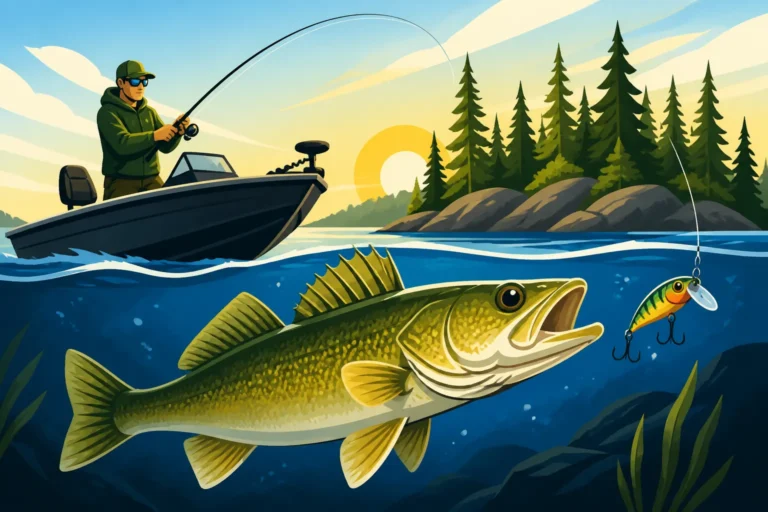
Walleye truly dominate the angling scene here. Their abundance, combined with generally favorable regulations that often allow for a generous take, makes them the primary target for most visitors. What many don't realize is that "walleye fishing" on Lake of the Woods isn't a single technique; it's a dynamic puzzle involving understanding their movements across different depths and structures throughout the seasons. From early spring to late fall, and even through the ice, walleye offer consistent action, often moving from shallow spawning areas to deeper main lake structure and back again. The sheer number of walleyes here means that even on a "slow" day, you're likely to put a few in the boat or on the ice.
The size structure is also impressive. While many anglers will catch eaters, trophy-sized walleye are a real possibility, especially when fishing specific areas known for larger fish or employing techniques tailored to big bites. Knowing the current Lake of the Woods Walleye Limit & Slot is critical, as these regulations can change to maintain the health of the fishery.
Beyond Walleye: Northern Pike, Muskie, and Sturgeon
While walleye steal the spotlight, Lake of the Woods is a multi-species angler's dream. Giant northern pike roam the weed lines and shallow bays, offering aggressive strikes and a thrilling fight. These "water wolves" are often a welcome bonus for walleye anglers but can be targeted specifically for an exciting day on the water. For those seeking the ultimate freshwater challenge, the lake also boasts a thriving population of muskellunge, the elusive "fish of 10,000 casts." The sheer size and power of these fish draw dedicated anglers from across the globe. Targeting them requires specialized gear and immense patience, but the reward of landing a true Lake of the Woods monster is unparalleled.
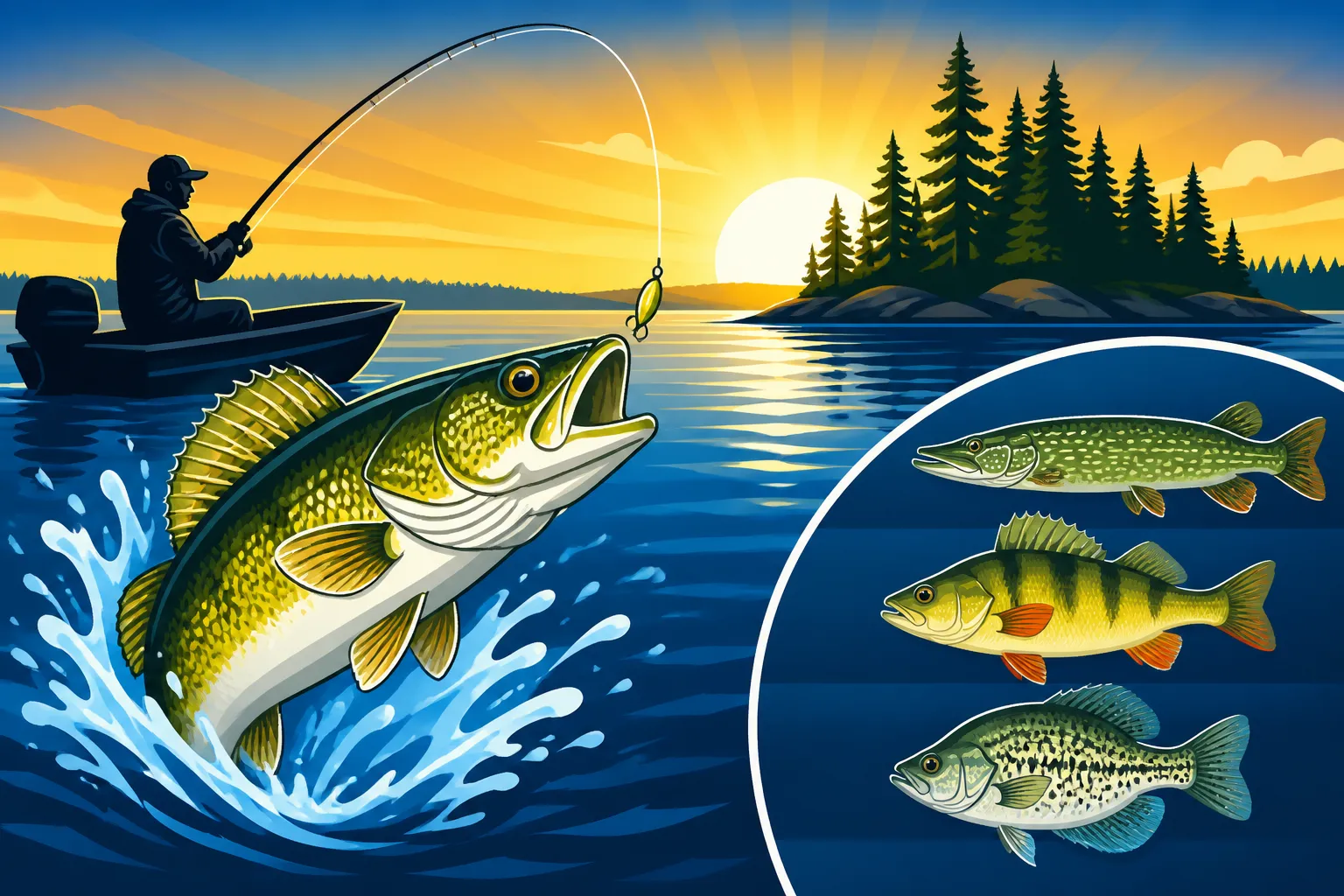
And let's not forget the incredible lake sturgeon fishery, particularly in the Rainy River. These ancient giants provide a unique angling experience, often requiring heavy tackle and a strong back. For dedicated Lake of the Woods Sturgeon Fishing (Rainy River), understanding their seasonal movements and preferred baits is key. Additionally, healthy populations of crappies, saugers, and yellow perch round out the catch, especially offering fantastic action for those seeking panfish or alternative species.
The Ever-Changing Nature of Lake of the Woods Fishing Reports
Fishing reports, whether online, from a local bait shop, or directly from guides, are an invaluable resource, but they're snapshots in time. To truly benefit from them, you need to understand the underlying factors that influence fish behavior on a massive system like Lake of the Woods. It's not just about what they're biting on, but why and where those patterns are emerging.
Understanding Key Environmental Factors
Several critical environmental factors dictate fish behavior and, consequently, what makes a fishing report relevant.
- Water Temperature: This is arguably the most significant factor. As water temperatures rise or fall, fish metabolism changes, impacting their activity levels and preferred depths. In spring, warming shallow bays draw fish in for spawning and feeding. In summer, fish might seek deeper, cooler water or relate to thermoclines. Fall cooling can trigger aggressive feeding binges. A report mentioning "walleyes are deep" might be tied to warm surface temperatures, while "shallow bite" often indicates cooler water.
- Water Levels and Flow: The Rainy River, which feeds into Lake of the Woods, and subsequent outflow into the Winnipeg River, means water levels and current can fluctuate. High water might push fish into flooded vegetation, while low water can concentrate them in deeper channels or near distinct breaks. Strong currents in river sections or narrows can also dictate where fish hold and how they feed.
- Weather Patterns: Barometric pressure, wind, and cloud cover all play a role. A stable high-pressure system often means a more consistent bite, while rapidly falling pressure before a storm can trigger a feeding frenzy, followed by a post-front lull. Wind, especially on an open lake like the Big Traverse, can concentrate baitfish and active predators on windy points or flats. Understanding how these factors influence fish helps you read between the lines of a fishing report. For instance, if a report says "tough bite after the cold front," you know to adjust your expectations and potentially slow down your presentation.
Seasonal Shifts and What to Expect
Lake of the Woods experiences distinct seasons, each offering unique fishing opportunities and challenges. A "current report" is always contextualized by the time of year. Knowing the general seasonal patterns will help you predict fish movements even before you read the latest update. The Minnesota Fishing Seasons & Opener Dates (2026) are always good to review before planning a trip.
- Spring (Ice-Out to June): After the ice melts, walleyes move to tributary rivers and shallow shoreline areas for spawning. Early season reports will often highlight jigging with minnows in these areas. As the water warms, they'll disperse but often remain relatively shallow, moving to rocky points and shallow reefs. This is also a prime time for crappies in bays.
- Summer (July-August): As surface temperatures climb, walleyes often move to deeper main lake structures – mud flats, rock reefs, and humps in 20-35 feet of water or more. Trolling with crankbaits or spinner rigs becomes highly effective. Pike are active in and around weed beds, while muskie anglers are out in force.
- Fall (September-October/November): The "fall bite" is legendary. As water cools, walleyes go on a major feeding binge to stock up for winter. They can be found shallower again, often on rocky structure or deep transitions. Jigging, casting crankbaits, and trolling are all effective. This is also a fantastic time for trophy pike and muskies.
- Winter (Ice-On to Ice-Out): Ice fishing on Lake of the Woods is a massive industry. Walleyes can be found across various depths, from shallow sand flats to deep mud. Crappies often suspend in basins. Reports during this time will focus on specific depths, jigging presentations, and whether deadsticks are producing.
Where to Find Reliable Current Information
Getting truly "current" and reliable information is key. While many resorts and bait shops offer reports, the best insights often come from consistent, local sources.
- Local Resorts and Guide Services: Reputable resorts like Angle Outpost Resort or Border View Lodge often provide daily or weekly fishing reports, as their guides are on the water constantly. Many also partner with services like FishingBooker, where you can find and book guides who provide real-time updates to their clients.
- Bait Shops: Stopping at a local bait shop, like Adrian's Resort and Bait Shop or Joe's Lodge, is a ritual for many anglers. The staff often have their finger on the pulse of the local bite and can offer crucial tips on what bait is working best and where.
- Online Forums and Social Media Groups: Several active online communities dedicated to Lake of the Woods fishing exist. While helpful, always take information from these sources with a grain of salt and cross-reference with other reports. Look for patterns, not just individual heroic catches.
- FishingBooker: If you're looking for a guide to put you directly on fish, checking out guides listed on FishingBooker can provide insights into what species they're targeting and what success they're having. Many guides update their availability and highlight recent catches, which acts as a form of a fishing report itself.
Current Fishing Outlook and What's Actively Biting
Based on typical seasonal patterns and general reports from this incredible fishery, let's dive into what you can generally expect to be biting and where, assuming open water season is in full swing. Remember, this is a generalized outlook to help you prepare, and specific conditions will always require a local check.
Walleye: The Main Event
Walleyes are almost always biting somewhere on Lake of the Woods. During the prime open-water season (late spring through fall), they can be found relating to a variety of structures.
- Big Traverse Bay Mud Flats: These vast, fertile flats in the central and southern parts of the lake are walleye magnets. Fish will cruise these areas, often relating to subtle depth changes or rock piles. Depths typically range from 20 to 32 feet.
- Northern Structure (NW Angle, Big Narrows): The more intricate structure of the Northwest Angle, with its numerous islands, reefs, and points, holds walleyes that relate more to hard bottom. Look for fish in 15-25 feet of water near current seams or wind-swept shores.
- Rainy River Mouth: Early in the season, after the spawn, and again in the fall, the river mouth can be a hotbed of activity as walleyes move in and out of the river system. Depths here can vary wildly, from 10 to 40+ feet, often with strong current.
Other Active Species: Crappies, Pike, and Lake Trout
While walleye are the stars, other species offer fantastic fishing.
- Crappies: Often found in the shallow, protected bays of the Northwest Angle or areas like Big Island and Flag Island in the spring and fall. Look for them holding around submerged timber or reed beds in 8-15 feet of water. In summer, they might suspend in deeper basins. These fish provide excellent action and make for a delicious meal.
- Northern Pike: Abundant throughout the lake, pike are often found cruising the edges of emergent and submerged weed beds in bays and shallower sections (6-15 feet). Points and pinch points with current are also prime ambush spots.
- Lake Trout: While less commonly targeted by the average angler, lake trout thrive in the deepest, coldest waters, particularly in the northern reaches of the lake and areas near the international border. Trolling deep or jigging near steep drop-offs in 50-100+ feet of water is the way to go for these powerful fish.
Here’s a general overview of what you might encounter:
| Species | Primary Locations (Open Water) | Typical Depths (Feet) | Preferred Techniques | Go-To Baits/Lures |
|---|---|---|---|---|
| Walleye | Mud Flats, Rock Reefs, Points, River | 20-32 (Flats), 15-25 (Reefs) | Trolling, Jigging, Rigging | Crankbaits, Jigs, Live Bait Rigs |
| Northern Pike | Weed Edges, Shallow Bays, Points | 6-15 | Casting, Trolling | Spoons, Spinnerbaits, Jerkbaits |
| Crappie | Protected Bays, Submerged Timber | 8-15 (Spring/Fall), Suspending (Summer) | Jigging, Slip Bobbers | Small Jigs, Minnows, Plastics |
| Lake Trout | Deep Basins, Steep Drop-offs | 50-100+ | Trolling, Deep Jigging | Spoons, Tubes, Deep Divers |
| Lake Sturgeon | Rainy River (Below Dams) | 20-40 | Bottom Fishing | Cut Bait (Nightcrawlers, Suckers) |
Effective Techniques and Baits for Lake of the Woods
To succeed on Lake of the Woods, you need more than just a general idea of where the fish are. You need to know how to present your offerings effectively. The vastness of the lake often calls for different strategies depending on the season, conditions, and species you're pursuing.
Open Water Tactics: Trolling, Jigging, and Rigging
Lake of the Woods offers a diverse range of fishing scenarios, requiring anglers to be versatile with their techniques.
- Trolling for Walleye: This is perhaps the most popular and effective way to cover water on the expansive mud flats and open basins. You'll often see boats slowly moving, deploying multiple lines with planer boards to spread out crankbaits at various depths. Precision in speed and depth is key. Many anglers rely on specific brands of crankbaits, matching colors to forage or water clarity. Using Trolling for Walleye: Crankbaits & Leadcore is a go-to strategy here, especially in summer. Leadcore line allows crankbaits to reach deeper depths without added weights, presenting lures naturally. Experiment with different speeds from 1.5 to 2.5 mph until you find what the walleyes prefer on a given day.
- Jigging: Whether casting or vertical jigging, this technique is incredibly versatile. In spring and fall, jigging with a minnow or a soft plastic can be deadly on rocky points or around current breaks. Through the ice, jigging is the primary method. For vertical jigging, especially over distinct structure or when fish are concentrated, using a heavier jig allows for precise presentation. When jigging for walleyes, a popular setup is a 3/8 to 1/2 oz jig tipped with a shiner or a large plastic grub. This is a fundamental technique, and mastering Jigging for Walleye: Jig & Minnow Basics will serve you well.
- Live Bait Rigging (Lindy Rigs): For a more subtle, natural presentation, especially when walleyes are finicky or spread out on flats, live bait rigs are highly effective. A classic Lindy Rig, consisting of a walking sinker, a swivel, a leader, and a hook, allows a live minnow, leech, or nightcrawler to swim naturally just off the bottom. Slow-trolling or drifting these rigs over contours can entice bites from even the most hesitant walleyes. The sensitivity of this setup allows you to feel the lightest taps. Knowing how to choose the Best Live Bait for Walleye (Leeches, Minnows, Crawlers) can make a huge difference in your success with rigging.
Prime Bait and Lure Choices
The right bait or lure can make all the difference, and successful Lake of the Woods anglers often carry a diverse arsenal.
- Walleye Specifics:
- Live Bait: Shiner minnows, particularly larger ones, are often the top choice for walleyes, especially when jigging or on a rig. Fathead minnows, leeches, and nightcrawlers are also highly effective, especially for rigging.
- Crankbaits: Shad Raps, Berkley Flicker Shads, and Salmo Hornets are perennial favorites for trolling. Carry a variety of sizes and colors, focusing on natural baitfish patterns, perch, and firetiger, chartreuse, or purple for stained water.
- Jigs: Stand-up jigs or traditional round-head jigs in 1/4 to 1/2 ounce are workhorses. Tipping them with live minnows or soft plastics like Berkley Gulp! or Z-Man ElaZtech minnows in white, chartreuse, or pink can be irresistible.
- Pike and Muskie Attractors:
- Pike: Large spoons (Daredevls, Five of Diamonds), spinnerbaits (Mepps Musky Killers), and soft plastic swimbaits (Storm WildEye Swim Shads) are excellent for northern pike.
- Muskie: Bucktails (Musky Mayhem Double Cowgirls), jerkbaits (Rapala Super Shad Raps), and large topwater lures are essential for muskie. Focus on natural baitfish colors and bright, contrasting patterns.
- Crappie Delights: Small tungsten jigs or leadhead jigs (1/16 to 1/8 oz) tipped with a small plastic grub, a Gulp! crappie fry, or a tiny minnow under a slip bobber are perfect for crappies. Colors like pink, chartreuse, and white are often very effective.
Navigating Regulations and Planning Your Trip
Fishing on Lake of the Woods means navigating unique regulations and planning logistical details, especially given its international status. Being prepared ensures a smooth, enjoyable, and legal fishing adventure.
Essential Lake of the Woods Fishing Rules
Understanding the rules is paramount. Lake of the Woods, being a border water with Canada, has specific regulations that can differ from typical inland Minnesota lakes. It's crucial to consult the most current Minnesota fishing regulations pamphlet annually.
- Fishing Licenses: Everyone aged 16 and older needs a valid Minnesota fishing license. If you plan to cross into Canadian waters, you'll need a separate Ontario fishing license and potentially an RABC (Remote Area Border Crossing) permit if accessing certain remote areas of the Northwest Angle. Make sure to understand the requirements for a Minnesota Fishing License: Cost, Types & How to Buy (2026) before you head out.
- Walleye and Sauger Limits: These are often the most closely watched regulations. Lake of the Woods has unique aggregate limits and slot limits for walleye and sauger, which can sometimes change season to season based on fish populations. For example, the combined limit for walleye and sauger might be six, with specific size restrictions on walleyes (e.g., one over 28 inches). Always double-check the current Lake of the Woods Walleye Limit & Slot before you keep any fish.
- Aquatic Invasive Species (AIS) Rules: Minnesota has strict rules regarding the transport of watercraft and bait to prevent the spread of AIS. You must drain all water from your boat and livewell, remove all weeds, and dispose of unwanted bait in the trash. These Aquatic Invasive Species (AIS) Rules for Boaters are non-negotiable and strictly enforced.
- Northern Pike Zones: Minnesota now has zone-based regulations for northern pike. Lake of the Woods falls within the Northern Pike Management Zone, which typically allows for a more generous limit.
Hiring a Guide or Planning Solo
Both approaches have their merits on Lake of the Woods, depending on your experience and goals.
- Hiring a Professional Guide: For newcomers or those looking to maximize their fishing time, hiring a local guide is highly recommended. Guides intimately know the lake, current patterns, and regulations. They provide all the necessary equipment, bait, and often cleaning services. A good guide can significantly shorten the learning curve on such a vast body of water. Websites like FishingBooker are excellent resources for finding experienced, reputable guides on Lake of the Woods. You can review their profiles, check availability, and read testimonials from other anglers to find the perfect match for your trip.
- Planning a Solo Trip: If you're an experienced angler with your own boat, venturing out solo or with friends offers immense freedom. However, it requires careful planning. Study detailed lake maps (e.g., Navionics or LakeMaster), monitor weather forecasts closely, and ensure your boat is fully equipped for safety on big water, including a reliable GPS, marine radio, and emergency gear. Having a good understanding of various Walleye Fishing Techniques: Complete Minnesota Guide and even species-specific guides like Northern Pike in Minnesota: Identification & Where to Catch or Crappie & Panfish Fishing Techniques will empower your solo adventures. Be mindful of fuel range, as distances can be substantial, especially if you venture to the Northwest Angle.
Regardless of how you choose to experience Lake of the Woods, preparing thoroughly and respecting the lake's immense power will ensure a memorable and successful fishing trip.
Disclaimer
The information provided in this guide is for general informational purposes only and is subject to change. Fishing regulations, conditions, and reports can vary. Always consult the most current official Minnesota Department of Natural Resources (DNR) regulations before fishing. Exercise caution and practice safe boating and ice fishing habits.