Mille Lacs Lake Walleye Fishing Tips
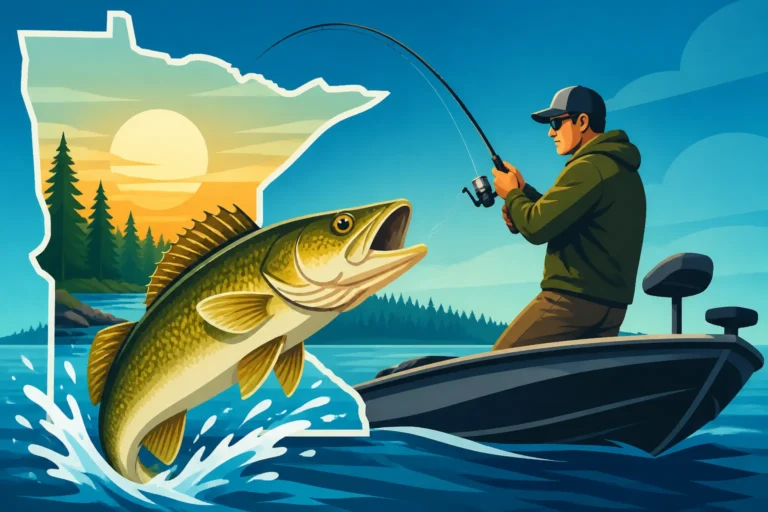
Mille Lacs Lake is legendary for its walleye, but anyone who's spent time on this massive body of water knows it can also be incredibly challenging. The sheer size, varied structure, and ever-changing fishing regulations can leave even seasoned anglers scratching their heads. This comprehensive guide will arm you with the specific knowledge and practical tips you need to confidently target and catch walleye on Mille Lacs, turning frustration into successful fishing trips.
Understanding Mille Lacs Walleye Behavior and Regulations
Fishing Mille Lacs is a dynamic experience, and understanding how walleye behave throughout the year, coupled with keeping a keen eye on the regulations, is absolutely essential. This isn't your grandma's fishing pond; the walleye here are responsive to subtle changes, and the rules are tailored to protect this precious resource.
Seasonal Movements: Where Walleye Go When
Walleye on Mille Lacs are constantly on the move, driven by spawning cycles, baitfish availability, and water temperature. Knowing these patterns is like having a cheat sheet to the lake.
In the spring, especially right after the Minnesota Fishing Seasons & Opener Dates (2026), walleye are often found shallower, recovering from the spawn and feeding aggressively. Look for them around rocky points, gravel bars, and shallow weed edges, particularly those with a quick drop-off into deeper water. They’ll be concentrating in areas where they finished their Walleye Spawning: When and Where activities, often near river inlets or areas with good current. The bite can be furious in these initial weeks, with fish often hitting crankbaits or jigs aggressively.
As summer progresses and water temperatures rise, many walleye transition to deeper, cooler waters, often congregating on the expansive mud flats that Mille Lacs is famous for. These aren't just flat, featureless bottoms; they're dotted with subtle humps, sandgrass, and scattered rocks that act as prime ambush points. Additionally, walleye will relate to the deeper edges of the lush green weed lines and the vast rock reefs scattered throughout the lake. Finding these sweet spots within the mud can feel like looking for a needle in a haystack, but that's where modern electronics really shine.
Fall sees walleye once again becoming more active as water temperatures begin to drop and baitfish schools consolidate. This is often a time of transition, where fish might move between deep summer haunts and shallower feeding grounds. They'll follow schools of tullibee and perch, making presentations that mimic these forage species particularly effective. This can be one of the best times for trophy-sized walleye, as they bulk up for the winter ahead.
Navigating the Regulations: Walleye Limits on Mille Lacs
Here's the kicker about Mille Lacs: the walleye regulations are perhaps the most dynamic and closely managed in Minnesota, and for good reason. The health of the walleye population is paramount, and the Minnesota Department of Natural Resources (DNR) works tirelessly to balance angler harvest with conservation. It's not uncommon for the rules to change even within a fishing season, depending on harvest levels and population assessments.
Currently, if you're planning a trip, it's absolutely critical to check the official DNR website or pick up a current regulations booklet specific to Mille Lacs. While specific numbers can fluctuate, the lake often operates under a restrictive slot limit and a limited harvest opportunity, or even a catch-and-release mandate for certain periods. For example, recent years have seen very tight regulations, sometimes allowing only one walleye within a specific size slot, or perhaps even entirely catch and release for walleye at certain times of the year. This ensures that a healthy population of spawning fish remains and that the fishery continues to thrive for future generations. Don't rely on outdated information; always confirm the latest Mille Lacs Walleye Regulations (2026) before you cast a line.
It's also important to understand the difference between bag limit and possession limit. The bag limit refers to the number of fish you can keep in one day, while the possession limit is the total number of fish you can have in your possession at any given time, including those at your cabin, in your cooler, or in your freezer. On Mille Lacs, these limits are often the same for walleye, but always double-check. Ignoring these rules, even unintentionally, can lead to significant fines and penalties. Many anglers use services like FishingBooker to connect with local guides who are always up-to-date on the latest rules and can help you navigate them seamlessly on the water.
Top Walleye Fishing Techniques for Mille Lacs
Mille Lacs demands a versatile approach to walleye fishing. What works on the mud flats won't necessarily be effective on the rock reefs, and vice-versa. Having a few different tactics in your playbook will dramatically increase your success rate.
Mastering the Mud Flats: Trolling and Drifting
The vast, subtle mud flats of Mille Lacs are legendary, holding immense schools of walleye, particularly during the summer months. These fish are often spread out, making covering water crucial.
Trolling is a highly effective way to find active walleye on the flats. This involves covering large areas, often following contours or specific depth ranges, with multiple lines out. Crankbaits are king here, with popular choices including Rapala Shad Raps, Berkley Flicker Shads, and Salmo Hornets. The key is to experiment with different depths and colors until you find what the fish are keying in on. Using planer boards can help spread your lines out, preventing tangles and allowing you to cover an even wider swath of water. Pay close attention to your speed; often, a subtle change in trolling speed can trigger a strike. Learning about Trolling Crankbaits for Walleye: Speed & Depth will be a game changer for many anglers.
Drifting with live bait rigs is another classic Mille Lacs mud flat tactic. This allows for a slower, more natural presentation, which can be deadly when walleye are finicky or during periods of high sun. The How to Fish a Lindy Rig for Walleye is a staple here, consisting of a walking sinker, a swivel, a long fluorocarbon leader, and a hook tipped with a lively leech, minnow, or nightcrawler. The idea is to let the bait move freely and naturally just off the bottom. Similarly, a Bottom Bouncer & Crawler Harness for Walleye can be incredibly effective, especially when tipped with a juicy nightcrawler. The blades on the spinner harness add flash and vibration, attracting walleye from a distance. The depth of the mud flats means you often need substantial weight to keep your bait down, especially if there's any wind creating a drift.
Rock Reefs and Structure: Jigging and Slip Bobbers
When walleye move onto the hard-bottom structures like rock reefs, humps, and points, a more precise approach is often required. These areas can hold concentrated schools of fish, but they also demand careful boat control to stay on top of the structure.
Jigging is perhaps the most iconic walleye fishing method and is incredibly effective on Mille Lacs' numerous rock reefs. The classic setup is a jig (1/8 to 1/4 ounce, depending on depth and wind) tipped with a live minnow, often a shiner or rainbow chub. The key to successful Jigging for Walleye: Jig & Minnow Basics is to maintain contact with the bottom, lifting and dropping the jig to create an enticing action. Popular jig colors vary, but chartreuse, orange, and white are perennial favorites. Vertical jigging directly below the boat is crucial to staying in the strike zone, especially when targeting specific breaks or isolated rock piles.
When walleye are suspended just off the bottom, or in areas with thick weeds where traditional jigging might snag, slip bobbers become invaluable. A slip bobber rig allows you to present a live bait, such as a leech or a jumbo minnow, at a precise depth without the buoyancy of the bobber interfering with the bait's natural movement. This is particularly effective during calmer conditions or when fish are less aggressive. Learning How to Use a Slip Bobber for Walleye & Crappie correctly means setting your bobber stop to position your bait just above the fish you see on your electronics, or directly in a known feeding zone. The subtle take of a walleye on a slip bobber can be electrifying!
Essential Gear and Bait for Mille Lacs Walleye
Having the right tools for the job can make a world of difference on Mille Lacs. This isn't just about having expensive gear, but rather the right gear that gives you an advantage in different situations.
Rods, Reels, and Line: Your Walleye Arsenal
A good walleye setup is all about sensitivity and control. You need to feel those subtle bites and have the backbone to set the hook and fight a strong fish.
For jigging and slip bobber fishing, a medium-light to medium power spinning rod, typically 6'6" to 7'6" in length, with a fast or extra-fast action, is ideal. The fast tip allows for excellent sensitivity to detect light bites, while the backbone helps with hook sets. Look for rods with comfortable handles, often cork or EVA foam, for long days on the water. Paired with a lightweight spinning reel in the 2000-3000 size range, spooled with 8-10 pound braided line and a 6-8 pound fluorocarbon leader, you'll have a highly sensitive and strong system. The braid provides incredible sensitivity and minimal stretch, while the fluorocarbon leader is virtually invisible underwater and offers abrasion resistance against Mille Lacs' rocky bottom. Checking out the Best Walleye Rods & Reels can provide more specific recommendations.
For trolling or using bottom bouncers, a slightly heavier setup might be preferred. A medium-heavy power casting or spinning rod (7' to 8'6") with a moderate-fast action can handle the heavier weights and larger lures used in these techniques. Paired with a baitcasting reel (for trolling) or a larger spinning reel, this setup provides the power needed to manage multiple lines and larger fish. When booking a guided trip through platforms like FishingBooker, often the guides will provide all the necessary, high-quality gear perfectly matched for Mille Lacs walleye.
Best Baits and Lures for Mille Lacs
Mille Lacs walleye are often particular about what they eat, so having a variety of both live and artificial presentations is key.
Live bait is, without a doubt, a staple for Mille Lacs walleye. Shiner minnows are gold, especially for jigging. Their erratic swimming action and natural scent are irresistible to walleye. Leeches are another fantastic choice, particularly when fished under a slip bobber or on a Lindy Rig. They are incredibly hardy, stay alive for a long time, and are effective throughout the warmer months. Nightcrawlers, often presented on a spinner harness, are superb for covering water on the mud flats, especially when fish are chasing bait. For a deeper dive, read our guide on the Best Live Bait for Walleye (Leeches, Minnows, Crawlers).
When it comes to artificial lures, crankbaits are essential for trolling the mud flats. Deep-diving models in natural baitfish patterns (perch, shiner) or bright, contrasting colors (firetiger, hot pink) can both be effective depending on water clarity and light conditions. Jigs, as mentioned, are critical for working structure. Beyond standard ball head jigs, jigging spoons like Rapala Jigging Raps or Northland Puppet Minnows can be deadly when fish are aggressive and you want to trigger a reaction strike, especially when jigged vertically. Spinner rigs with a crawler harness are excellent for drifting and trolling, providing both flash and a natural bait presentation.
Here’s a quick overview of popular Mille Lacs Walleye baits and their uses:
| Bait Type | Ideal Technique | Key Species Mimicked | Best Conditions | Notes |
|---|---|---|---|---|
| Shiner Minnow | Jigging, Lindy Rig | Perch, Tullibee | All conditions, especially cold | Energetic, natural scent, classic walleye bait |
| Leech | Slip Bobber, Lindy Rig | Worm, Larvae | Warmer water, calmer days | Hardy, subtle action, very consistent |
| Nightcrawler | Crawler Harness, Lindy Rig | Worm, Invertebrate | Drifting/Trolling, active fish | Larger profile, good for covering water |
| Crankbait | Trolling | Baitfish (Perch, Cisco) | Aggressive fish, searching large areas | Covers water quickly, triggers reaction bites |
| Jig | Jigging, Pitching | Minnow | Targeting structure, vertical presentation | Versatile, allows for precise bait control |
| Jigging Rap | Vertical Jigging | Dying Baitfish | Aggressive fish, reaction strikes | Erratic darting action, no live bait needed |
Advanced Tips for Consistent Mille Lacs Success
Beyond the basics, there are subtleties that separate good walleye anglers from great ones on Mille Lacs. These advanced tips focus on maximizing your time and effort on the water.
Reading the Lake: Electronics and Mapping
On a lake as vast and complex as Mille Lacs, fishing blind is a recipe for frustration. High-quality electronics are not just a luxury; they're an absolute necessity.
Your fish finder (sonar) is your window into the underwater world. Brands like Humminbird, Lowrance, and Garmin offer excellent units with features like CHIRP sonar, side imaging, and down imaging. CHIRP sonar provides clearer target separation, allowing you to distinguish fish from bait balls or bottom structure. Side imaging is revolutionary for scouting large areas, letting you see structure and fish off to the sides of your boat without having to drive directly over them. This is particularly useful for finding those subtle humps on the mud flats or the edges of rock reefs. Down imaging offers a photo-like view directly below your boat, making it easier to identify what you're seeing. Learning How to Catch More Fish With a Fish Finder is an essential skill to develop for Mille Lacs.
Coupled with your fish finder, detailed GPS lake maps are indispensable. Products like Navionics and LakeMaster offer highly accurate contour maps of Mille Lacs, highlighting depth changes, humps, reefs, and weed lines. Using these maps, you can identify prime fishing spots even before you launch your boat. You can create custom waypoints for areas where you find fish, mark submerged hazards, and even follow precise contour lines while trolling. Many modern units integrate these maps directly, allowing you to overlay your sonar data on top of the contour lines, providing a comprehensive understanding of the underwater environment. Consider using Best Fishing Apps for Minnesota (Fishbrain, Navionics) to get the most out of your electronics.
Timing is Everything: Best Hours and Conditions
Walleye are notoriously light-sensitive, and this trait heavily influences their feeding behavior. Understanding when they are most active can significantly improve your catch rates.
The low-light periods of dawn and dusk are often prime time for walleye on Mille Lacs. During these hours, walleye move shallower and become more aggressive as their superior low-light vision gives them an advantage over baitfish. This is a fantastic time for both jigging and casting crankbaits or even working topwater lures in exceptionally shallow situations. On cloudy or overcast days, these low-light conditions can extend throughout the day, providing an "all-day bite" opportunity.
Weather patterns also play a critical role. A steady, consistent weather pattern, even if it's not "perfect," often leads to more predictable fishing. However, post-cold front conditions can be notoriously tough. After a strong cold front passes through, bringing clear skies and high pressure, walleye often become lethargic and less willing to bite. During these times, slowing down your presentation, using smaller baits, and focusing on deeper cover or transition zones can help. Conversely, a gentle breeze or light chop on the water can actually improve walleye fishing, as it breaks up the light penetration, making walleye feel more comfortable and active in shallower water. Before heading out, always check the Mille Lacs Lake Fishing Report & What's Biting for the latest insights.
Mille Lacs Lake is a truly incredible walleye fishery, offering both challenges and immense rewards. By understanding walleye behavior, staying on top of regulations, mastering various techniques, and equipping yourself with the right gear and knowledge, you'll be well on your way to consistent success on this magnificent Minnesota gem. Enjoy the pursuit, and tight lines!
Disclaimer
Fishing regulations, including bag limits and slot sizes, are subject to change. Always consult the official Minnesota Department of Natural Resources (DNR) website or their current fishing regulations booklet before heading out on the water. This guide provides general information and tips, but individual fishing success can vary greatly based on conditions, skill, and luck.