Leech Lake Fishing Guide
Leech Lake in north-central Minnesota is a legendary fishery, but its sheer size and complex structure can feel downright intimidating. Many anglers arrive eager to tackle its famed waters, only to feel lost trying to decipher vast mud flats, navigate countless islands, or pinpoint elusive schools of walleye. This comprehensive guide will peel back the layers of Leech Lake, offering seasoned insights and practical advice to help you confidently target its diverse fish populations and make your next trip a resounding success.
Leech Lake: A Gem of Northern Minnesota Fishing
Leech Lake isn't just another body of water; it's an institution in Minnesota fishing circles. Nestled in Cass County, near the charming town of Walker, this immense lake offers an angling experience that's both challenging and incredibly rewarding. Its reputation precedes it, often whispered about in the same breath as other legendary Minnesota lakes.
The Lake's Unique Character and Geography
Leech Lake is the third-largest lake entirely within Minnesota, covering a sprawling 111,527 acres. Imagine driving for miles and still being on the same lake – that's Leech. Its average depth is about 19 feet, but it plunges to a remarkable 150 feet in Walker Bay, offering diverse habitats from shallow weed beds to deep, dark holes. What truly sets Leech apart is its incredible variety of structure. You'll find everything from expansive, featureless mud flats that stretch for miles, to intricate rock reefs, steep breaks, countless islands, and protected bays choked with lily pads and wild rice.
The lake’s geography is dominated by its "big lake" sections, like the main basin, but it also features numerous large bays such as Walker Bay, Sucker Bay, Steamboat Bay, and Kabekona Bay. These bays often hold different species and patterns, acting almost like separate mini-lakes within the larger system. Water clarity can vary significantly, from the stained, tannin-rich waters in some of the northern bays to clearer sections in the main lake, influencing everything from lure choice to fishing depth. This diverse geography means that understanding Leech Lake is less about finding "one spot" and more about learning how to read various types of structure and adapt to conditions.
Why Leech Lake Stands Out for Anglers
For those who love to cast a line, Leech Lake is a bucket-list destination, and for good reason. It stands out not just for its size, but for the quality and diversity of its fishing opportunities. First and foremost, it’s a world-renowned walleye fishery, famous for producing healthy numbers of eater-sized fish and legitimate trophies. The lake's abundant forage base, including tullibees and perch, supports a robust walleye population.
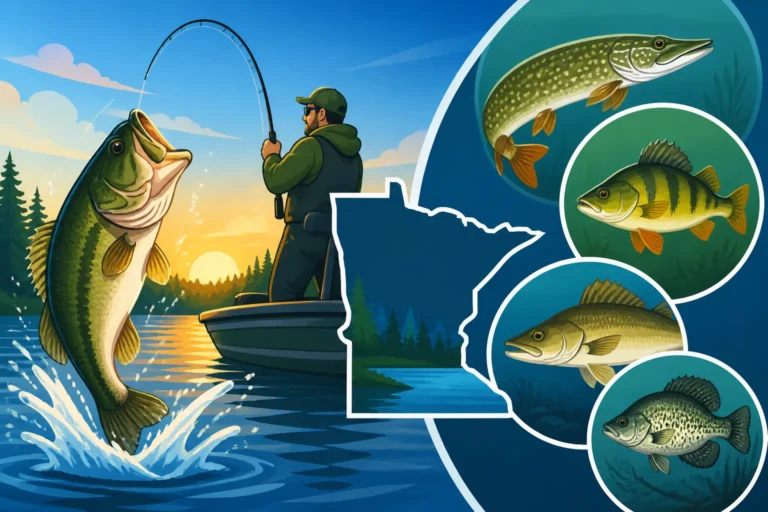
But Leech Lake isn't a one-trick pony. It also boasts an exceptional muskie fishery, home to a unique strain of fish known for their aggressive nature and impressive size. Many anglers consider it one of the premier muskie lakes in the entire Midwest. Beyond these two giants, you'll find healthy populations of northern pike, both aggressive eaters and larger trophies, along with respectable numbers of smallmouth and largemouth bass, and various panfish like crappie, bluegill, and yellow perch.
This ecological richness translates into year-round angling opportunities. From the frantic walleye bite on the opener in May to the strategic ice fishing battles in January, Leech Lake provides consistent action. Its vastness ensures that even on busy weekends, you can often find solitude and untouched water. Plus, the surrounding towns of Walker and Hackensack offer excellent amenities, from bait shops to lodging, making it an ideal destination for a multi-day fishing adventure. The sheer variety and potential for trophy fish truly make Leech Lake a standout destination.
Target Species: What You'll Catch on Leech Lake
When you drop a line into Leech Lake, you're entering a diverse underwater world teeming with possibilities. While some species get more headlines than others, understanding all the available targets can make your trip even more enjoyable and productive.
Walleye: The Main Event
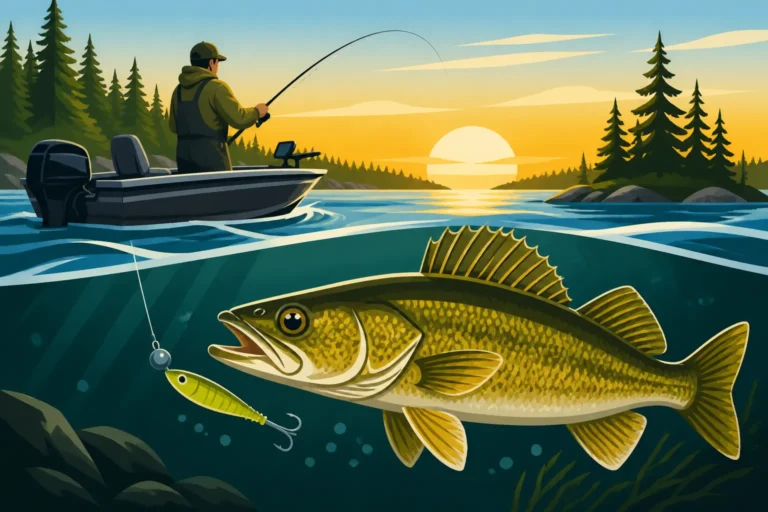
Let's be honest, for most anglers coming to Leech Lake, the main draw is the walleye. Minnesota's state fish thrives here, with a reputation for consistent action and the chance at a true trophy. The lake's immense forage base of tullibees, shiners, and perch keeps the walleye population healthy and well-fed.
Seasonality and Preferred Forage
Walleye patterns on Leech Lake shift dramatically throughout the year. In spring, after the spawn, they'll often be found in shallower bays and near river mouths, gorging on minnows. As summer progresses, they move to deeper structures like mud flats, rock humps, and the edges of expansive weed beds, often feeding on tullibees and perch. Fall sees them aggressively feeding again, pushing into shallower areas during low light and deeper breaks during the day, packing on weight for winter. During ice fishing season, they can be found on humps, mud flats, and even shallow weed edges, often preferring shiners and perch under the ice. Understanding these seasonal movements is key to consistent success. For a comprehensive overview of how to target these elusive fish, be sure to check out our guide on Walleye Fishing Techniques: Complete Minnesota Guide.
Key Structures and Fishing Hotspots
Leech Lake walleye are structure-oriented fish, but "structure" means many things here. The famous Leech Lake mud flats are prime walleye territory, especially in summer. These vast, relatively featureless areas hold schools of walleye that relate to subtle depth changes, baitfish concentrations, or scattered rock piles. Popular mud flat areas include those near Horseshoe Flats, Grand View Flats, and the Star Island Flats. Rock reefs and humps, particularly those with sharp breaks or adjacent deep water, are also magnets for walleye. Islands like Bear Island, Star Island, and Portage Island all have nearby structure that holds fish. Don't overlook the expansive weed beds, especially coontail and cabbage, which provide cover and ambush points. Finding fish on Leech Lake often involves covering water, using your electronics to locate baitfish and fish arches, and paying close attention to contours on your GPS maps.
Muskie: The Fish of 10,000 Casts
For the dedicated trophy hunter, Leech Lake offers some of the finest muskie fishing in the country. It's home to a unique, highly sought-after strain of muskie, often referred to as the "Leech Lake strain," known for their robust size and hard fights. These are truly apex predators, and tangling with one is an unforgettable experience.
Specific Leech Lake Strain and Trophy Potential
The Leech Lake muskie are characterized by their distinct dark markings and impressive girth. They grow large here, with fish over 50 inches caught regularly. The healthy population of tullibees provides an abundant food source, fueling their growth to truly monumental proportions. While they are famously known as the "fish of 10,000 casts," Leech Lake provides ample opportunities to reduce that number, especially if you know where and how to target them. The Minnesota Muskie Season & Size Limit is something you'll definitely want to be familiar with before you hit the water.
Hot Spots and Tactics
Muskie on Leech Lake relate strongly to baitfish and cover. Major weed lines, especially large cabbage beds, are prime hunting grounds. Look for areas where weeds meet deeper water or where a prominent point extends into the main lake. Rock reefs and island points, particularly those with current or access to deep water, are also key areas. Walker Bay and Portage Bay are perennial muskie favorites, but fish can be found throughout the main lake basin. Popular tactics include casting large bucktails, jerkbaits, and topwater lures over weed beds and along breaklines. Trolling oversized crankbaits or natural baitfish imitations along deep weed edges or over structure is also highly effective, especially for covering vast areas. Remember, patience and persistence are your greatest allies when chasing these giants. You can learn more about specific presentations in our guide on Muskie Fishing Techniques for Beginners.
Northern Pike: Abundant Action
If you're looking for aggressive bites and consistent action, Leech Lake's northern pike population will not disappoint. They are abundant throughout the lake and can provide exciting battles for anglers of all skill levels.
Size, Where to Find Them, and Table Fare
Leech Lake pike come in all sizes, from "hammer handles" that provide non-stop entertainment to legitimate trophies over 40 inches. They are less finicky than walleye or muskie and will readily strike a variety of lures and baits. Pike are typically found in and around weed beds, especially healthy cabbage and coontail, but also relate to rocky points and shallow bays. Think ambush predators, waiting to dart out from cover.
While often overshadowed by walleye, pike can be excellent table fare, especially smaller "eater" sized fish (around 22-26 inches). Many anglers successfully fillet pike using the five-fillet method to remove the Y-bones, resulting in boneless, delicious white meat. Remember to check the Minnesota Northern Pike Limits by Zone as regulations can vary and are crucial to follow.
Bass and Panfish: Overlooked Opportunities
While walleye and muskie dominate the spotlight, Leech Lake offers fantastic, often overlooked, fishing for smallmouth and largemouth bass, as well as a variety of panfish species.
Smallmouth and Largemouth Bass
Leech Lake boasts a fantastic smallmouth bass fishery, particularly in the clearer sections and around rocky structures. Look for them on points, reefs, and rocky shorelines, especially in the main lake and Walker Bay. These bronzebacks fight hard and are a blast on light tackle. Largemouth bass prefer the shallower, weedier bays, backwaters, and areas with fallen timber. Kabekona Bay and Sucker Bay are excellent places to target largemouth. Both species offer exciting topwater action during warmer months.
Crappie, Sunfish, and Perch
For family fishing or just a relaxing day catching plenty of fish, Leech Lake's panfish are a great option. Crappies, both black and white, can be found in bays with emergent vegetation or over deeper structure during different seasons. Bluegills and other sunfish species are abundant in the shallower, weedy areas. Yellow perch are a favorite forage for walleye and muskie, but they also offer a fun bite for anglers, especially jumbo perch found on the mud flats or around deeper weed lines. These species are often overlooked by anglers focused solely on walleye, making them a fantastic alternative when the "main event" is slow.
Seasonal Strategies for Leech Lake Success
Leech Lake is a fishery that truly changes with the seasons. What works in May will likely fall flat in August, and completely fail in January. Understanding these seasonal shifts in fish behavior and location is paramount to consistent success.
Spring Fishing: Post-Spawn Blitz
Ah, spring on Leech Lake! This is a time of renewed hope and often frantic action, particularly for walleye. The lake slowly shakes off its icy blanket, and fish begin to transition from their spawning grounds to feeding areas.
Opener Excitement and Shallow Bays
The walleye opener in mid-May is one of the most anticipated events on the Minnesota fishing calendar, and Leech Lake often delivers. After the ice-out and spawning rituals, walleye are hungry and looking to recover. They gravitate towards shallower, warming bays and river mouths, where baitfish are abundant. Think areas like Sucker Bay, Agency Bay, and the mouths of the Leech River and Kabekona River. These shallow areas warm up faster, activating both baitfish and the walleyes that pursue them. Look for depths of 8-15 feet, especially near developing weed lines or transition areas from soft to hard bottom. A simple jig-and-minnow presentation is often king during this time, pitched to likely holding areas or slowly trolled. For exact dates and further details, you can always consult the Minnesota Fishing Seasons & Opener Dates (2026).
Warming Trends and Key Forage
As water temperatures steadily climb through late May and early June, the fish become more active. Walleye will start to spread out from the immediate post-spawn areas but will still generally remain relatively shallow. They'll be keying in on shiners, perch, and emerging insect hatches. Northern pike are also incredibly active in the spring, often found cruising the shallower weed beds. Smallmouth bass begin to stage for their spawn around rocky points and shorelines, offering fantastic pre-spawn action. This is a great time to experiment with different presentations, but don't stray too far from those warming, food-rich shallow areas. Live bait, like shiner minnows, is particularly effective.
Summer Fishing: Structure and Deep Water
When the summer sun really heats up Leech Lake, the fishing patterns shift to deeper, more defined structures. The big lake is calling, and so are the deep-water walleye and cruising muskies.
Mid-Lake Humps, Weeds, and the Thermocline
By mid-summer (July and August), walleye on Leech Lake often move to deeper structures. This includes the vast mud flats, but also distinct mid-lake humps and reefs. Popular examples are Bear Island, Annex Hill, and the countless smaller, unnamed humps scattered across the main lake basin. Walleye will suspend over these humps, feeding on schools of tullibees, or relate tightly to the breaklines. Trolling crankbaits or using bottom bouncers with spinner rigs (crawler harnesses) are incredibly effective methods for covering these large areas and locating active fish. The thermocline, the layer of water where temperature changes rapidly, also plays a role, often concentrating baitfish and predators just above or within it in deeper sections.
Muskie fishing also hits its stride in summer. These leviathans will patrol the deep weed lines, especially large cabbage beds, and the edges of rocky structures. They are actively feeding, and both casting large bucktails and jerkbaits, and trolling oversized crankbaits are prime tactics. Bass, particularly smallmouth, will be found on deeper rock piles and rocky points, while largemouth will hold tight to heavy cover in the shallower bays.
Fall Fishing: Pre-Winter Feed Bag
As the days shorten and water temperatures begin to drop in September and October, Leech Lake experiences a distinct "fall turnover" and a subsequent feeding frenzy. This is often when some of the biggest fish of the year are caught.
Turnover, Aggressive Bites, and Big Fish
Fall turnover is a critical period. As the surface water cools, it becomes denser and sinks, mixing with the deeper, warmer water. This process can scatter fish for a few days, making fishing tough. However, once the lake "settles," typically in late September to early October, the fish go on an aggressive pre-winter feed. Walleye will move shallower during low-light conditions, hitting rocky points and shallow breaks, before retreating to deeper haunts during the day. They are actively gorging on tullibees, minnows, and perch. Trolling large crankbaits and using jigging raps or spoons on deep breaks can be incredibly effective.
Muskie also become extremely aggressive in the fall, bulking up for winter. They will feed heavily on large baitfish, and anglers often switch to larger, slower-moving baits like glide baits and large soft plastics. This is often the best time to catch a true Leech Lake giant. Northern pike are also very active, often found in thick weed beds or along rocky shorelines. Don't be surprised to find large crappies moving to deeper, outside weed edges or suspending over structure. The fall bite can be some of the most rewarding fishing of the year, offering opportunities for truly big fish across multiple species.
Winter Ice Fishing: Hardwater Hotspots
When Leech Lake freezes over, a whole new world of angling opens up. Ice fishing on Leech is a treasured winter tradition, offering both productive fishing and a unique social experience.
Safety First and Popular Areas
Ice safety is paramount. Always check ice conditions before venturing out, especially early and late in the season. Major roads are often plowed on the ice, leading to popular areas, but never assume ice is safe without verifying. Popular ice fishing areas often mirror open water hotspots: the main mud flats (especially those near Walker Bay), Steamboat Bay, and the shallower bays like Sucker Bay and Agency Bay for panfish. Portable shelters and permanent ice houses dot the landscape, creating small communities on the ice. If you're new to the hardwater scene, our Ice Fishing in Minnesota: Complete Beginner-to-Pro Guide is an excellent resource.
Species-Specific Tactics Through the Ice
- Walleye: On the mud flats, walleye often relate to subtle bumps or breaklines. Jigging spoons (like Northland Buck-Shot Rattle Spoons or Rapala Jigging Raps) tipped with a minnow head are popular, as are deadsticking live shiners or perch. On humps and reefs, the same tactics apply. Many anglers use a one-two punch: aggressive jigging on one line and a passive deadstick on the other. Having a flasher unit, like a Vexilar or Humminbird, is almost essential for locating fish and presenting your bait effectively. You can learn how to get the most out of your electronics by reading How to Read a Flasher (Vexilar/Humminbird).
- Northern Pike: Tip-ups baited with large shiners or sucker minnows are highly effective for pike, often set along weed edges in bays. You can also jig for pike with larger spoons or lipless crankbaits.
- Crappie and Panfish: Deeper holes in bays and deeper weed edges are prime crappie territory. Small tungsten jigs tipped with plastics or wax worms are deadly. Bluegills are found in shallower weeds. Jumbo perch will roam the mud flats or hang around transition areas.
- Muskie: While less common, some dedicated anglers target muskie through the ice, often using large live baits under tip-ups in known muskie haunts. This requires heavy tackle and immense patience.
The variety of species and opportunities makes Leech Lake a premier ice fishing destination throughout the winter months.
Essential Techniques and Gear for Leech Lake
Tackling a lake the size and complexity of Leech requires not only an understanding of fish behavior but also a solid grasp of the techniques and gear that will give you an edge. Having the right tools for the job can make all the difference between a frustrating day and a memorable one.
Walleye Tactics: Jigs, Rigs, and Trolling
Walleye are the undisputed kings of Leech Lake, and there are several go-to techniques that consistently put fish in the boat. Mastering these will serve you well no matter the season.
Jigging and Slip Bobbers for Precision
Jigging is a fundamental technique for Leech Lake walleye, especially during the spring opener and in colder water. A 1/8 to 1/4 oz jig tipped with a shiner minnow, cast to shallow breaks or slowly worked over rock piles, is incredibly effective. Colors like chartreuse, orange, and white often perform well. When fish are concentrated on specific pieces of structure or relating to distinct cover, vertical jigging with plastics or jigging spoons can also be highly productive. For precise depth control over deeper structure or in weed pockets, slip bobbers are indispensable. They allow you to present a live minnow, leech, or nightcrawler at a suspended depth, perfectly positioning your bait in the walleye's strike zone without spooking them. This is particularly effective on the edges of weed beds or when fish are suspended just off the bottom on humps. Learn how to rig this presentation in How to Set Up a Slip Bobber Rig Step by Step.
Lindy Rigs and Bottom Bouncers for Covering Water
When walleye are scattered across the mud flats or along vast breaklines, passive presentations that allow you to cover ground are essential. The Lindy Rig, a classic for a reason, is incredibly effective on Leech Lake. It consists of a walking sinker, a swivel, a long fluorocarbon leader (3-6 feet), and a hook, typically baited with a leech, minnow, or nightcrawler. The walking sinker allows the bait to flow naturally just above the bottom, enticing finicky walleye. Slowly drifting or trolling at speeds under 1 mph is key. How to Fish a Lindy Rig for Walleye provides a detailed walkthrough.
For faster trolling or in situations where snags are an issue, bottom bouncers combined with spinner rigs (often called crawler harnesses) are excellent. These rigs keep your bait off the bottom, presenting a flashy, vibrating offering. They work wonderfully on the edges of mud flats or over rocky structure, especially when baited with a lively nightcrawler. Brands like Northland Tackle and Lindy Fishing Tackle offer a variety of effective spinner rigs designed for these situations.
Trolling Crankbaits and Leadcore for Open Water
When walleye move to open water or suspend over deep structure, trolling crankbaits becomes the most efficient way to locate and catch them. Diving crankbaits, like Rapala Shad Raps or Berkley Flicker Shads, can be trolled directly behind the boat to reach specific depths. Experiment with speeds (typically 1.5-2.5 mph) and colors until you find what the fish prefer on that given day.
For targeting deep-water walleye on expansive mud flats or humps, leadcore line is a game-changer. Leadcore is a braided line with a lead core that allows it to sink at a predictable rate, carrying your crankbait to precise depths without heavy weights. This technique is especially effective for presenting smaller crankbaits to deeper fish. Mastering the art of Trolling Crankbaits for Walleye: Speed & Depth and Using Leadcore Line for Walleye Trolling will significantly increase your success on Leech Lake's vast waters.
Muskie Hunting: Casting and Trolling Big Baits
Muskie fishing on Leech Lake is a game of dedication, powerful gear, and understanding the "hunt." These fish are rarely accidental catches.
Bucktails, Jerkbaits, and Topwaters
Casting is the primary method for many muskie anglers, allowing precise presentation to visible cover or structure. Bucktails, such as those from Mepps or Musky Mayhem Tackle, are often the go-to lure, especially in warmer water. Their flash and vibration can trigger aggressive strikes. Jerkbaits, like those from Grandma Lures or Bondy Baits, excel when fish are less active or in colder water, allowing for a slower, more erratic presentation. Topwater lures, buzzing and gurgling across the surface, provide some of the most exciting strikes in muskie fishing. Remember the figure-eight at the boat – many muskie follow and strike at the last second!
Trolling for Giants
For covering vast areas, particularly over deep structure or along extensive weed lines, trolling large crankbaits is highly effective. Oversized diving crankbaits, like those from Salmo or Bagley, can reach depths where big muskie lurk. Trolling allows you to present these large baits for extended periods and often draws strikes from fish that might not react to cast baits. A good trolling motor, like a Minn Kota Ulterra, can maintain precise speeds and courses, which is critical for successful muskie trolling.
Panfish and Bass Strategies
While not always the focus, Leech Lake offers excellent opportunities for panfish and bass, providing fast action and a chance to hone your skills.
Light Tackle for Panfish
For crappie, bluegill, and perch, lighter tackle is key. A light to medium-light spinning rod paired with 4-6 lb test line is perfect. Small jigs (1/32 to 1/16 oz) tipped with plastics, wax worms, or a small minnow under a slip bobber are highly effective. Look for crappie in deeper holes in bays or around submerged timber and brush piles. Bluegills are often found in shallower weed beds, especially those with lily pads or reeds. Perch will roam the mud flats or hang on the edges of weed lines. Keep it simple and focus on presentations that mimic their natural forage.
Finesse and Structure for Bass
Smallmouth bass on Leech Lake love rocky structure. Drop-shot rigs, tube jigs, and small swimbaits are excellent for targeting them on points, reefs, and rocky shorelines. For largemouth bass, target the thick cover in the shallower, weedier bays. Flipping and pitching jigs or soft plastics into lily pads, reeds, and submerged wood is very effective. Topwater frogs or buzzbaits can provide explosive action over matted vegetation.
Must-Have Gear and Electronics
Equipping yourself properly for Leech Lake is crucial. The right gear makes fishing more enjoyable and productive.
Rods, Reels, and Lines for Each Species
- Walleye: Medium-light to medium power spinning rods (6'6" to 7'6") with fast actions are versatile for jigging and rigging. Pair with 2500-3000 size spinning reels spooled with 8-10 lb braided line and a fluorocarbon leader. For trolling, medium-heavy casting rods with line counter reels and 10-14 lb mono or leadcore are ideal.
- Muskie: Heavy to extra-heavy power casting rods (8'6" to 9'6") with a fast action are necessary for casting large baits. Pair with high-quality baitcasting reels designed for muskie, spooled with 80-100 lb braided line and a heavy fluorocarbon leader.
- Bass: Medium-heavy spinning or casting rods (6'8" to 7'3") are versatile for both smallmouth and largemouth. Use 10-15 lb braid with a fluorocarbon leader for spinning, or 15-20 lb fluoro for casting.
- Panfish: Ultra-light to light spinning rods (5'6" to 6'6") with small 1000-2000 size reels and 4 lb mono or braid are perfect.
Flasher, GPS, and Mapping for Navigation
On a lake as vast as Leech, electronics are non-negotiable. A quality fish finder with GPS and detailed mapping is your best friend. Brands like Humminbird (with LakeMaster maps) and Garmin (with Navionics) offer excellent units that display depth contours, identify structure, and mark waypoints. Side imaging and down imaging can help you find subtle changes in bottom composition and locate schools of baitfish and game fish. For ice fishing, a dedicated flasher or an ice-specific fish finder is essential for reading depth, seeing your lure, and detecting fish activity directly below your hole. A portable GPS unit or a reliable fishing app on your phone can also be invaluable for navigation and marking hotspots.
Navigating Leech Lake: Hotspots and Structure
Leech Lake's immense size can be daunting, but understanding its underlying structure and key hotspots can help you break it down into manageable, fishable sections. It's not about memorizing every spot, but understanding why certain areas hold fish.
Key Structures: Humps, Reefs, and Weeds
Leech Lake is a mosaic of different underwater features, each attracting various species at different times of the year. Learning to identify and fish these structures is fundamental to consistent success.
The Allure of Mud Flats and Subtleties
The vast mud flats are perhaps Leech Lake's most famous characteristic. These aren't barren wastelands; they are teeming with life. Walleye, especially, will roam these flats, feeding on perch and tullibees. The key to fishing mud flats successfully isn't just to drift aimlessly. You need to look for subtleties: small depth changes, isolated rock piles, patches of firmer bottom, or areas where baitfish are concentrated. These small features act as magnets for walleye. Areas like Horseshoe Flats, Portage Bay Flats, and the main basin flats south of Star Island are legendary. Use your electronics to scan for bait balls and fish arches, and pay close attention to depth contours on your map. Often, a slight 1-2 foot rise or fall on a seemingly flat bottom can hold dozens of fish. Lindy rigging or slow-trolling with bottom bouncers are excellent methods for picking apart these expansive areas.
Rocky Reefs and Islands as Fish Magnets
Beyond the mud, Leech Lake is studded with numerous rocky reefs and islands that provide essential cover and feeding grounds. Islands like Bear Island, Star Island, and Portage Island aren't just scenic; their surrounding waters often feature submerged rock reefs, points, and sudden depth changes that attract walleye, smallmouth bass, and even muskie. Look for reefs that top out around 10-20 feet and have access to deeper water nearby. These structures provide ambush points and foraging opportunities. Walleye will often sit on top or along the edges, while smallmouth bass relate tightly to the rocks. Jigging with live bait, casting crankbaits, or slow-trolling with spinner rigs are effective here. The varied structure around these islands offers diverse fishing scenarios, making them a consistent draw for anglers.
Expansive Weed Beds: Cover and Food
Leech Lake also boasts impressive weed growth in many of its bays and shallower sections. Healthy beds of coontail, cabbage, and even wild rice provide critical habitat for baitfish and, consequently, for predators. Northern pike are absolute patrons of the weed lines, using them for ambush cover. Largemouth bass will burrow deep into the thickest vegetation. Walleye will often relate to the edges of these weed beds, especially where they transition to deeper water or a harder bottom. Crappies and bluegills will also use these weeds for cover and food. Identifying healthy weed lines on your electronics and fishing the inside and outside edges, as well as any pockets or points within the weeds, can be highly productive. Jerkbaits, spinnerbaits, and even topwater lures are excellent for working these areas.
Popular Bays and Channels
While the main lake is vast, Leech Lake's numerous bays and channels offer more protected waters and often distinct fishing opportunities.
Walker Bay: Depth and Diversity
Walker Bay, located on the southwest end of the lake, is perhaps the most well-known bay. It's unique for its significant depth, plunging to over 150 feet, making it the deepest part of Leech Lake. This deep water attracts species like lake trout (though rare) and offers different walleye patterns, particularly in summer and fall when fish might suspend. Walker Bay also features a mix of rocky points, sandy beaches, and developing weed lines, making it a diverse fishery for walleye, smallmouth bass, and muskie. Many resorts and public access points are located here, making it a convenient starting point for many anglers.
Kabekona Bay and Portage Bay: Weeds and Walleye
Kabekona Bay and Portage Bay are two other prominent bays, known for their shallower depths, extensive weed growth, and consistent walleye and panfish action. Kabekona Bay, especially, is famous for its walleye fishery, with vast areas of healthy weeds and mud bottom. These bays are excellent for spring walleye and pike, and later in the summer, for largemouth bass, crappies, and bluegills hiding in the cover. Portage Bay also connects to the legendary Portage Canal, which can be a fun spot for various species, particularly during early season movements.
The Importance of Lake Maps and Local Knowledge
On a lake as intricate as Leech, relying solely on intuition is a recipe for frustration. Modern tools and local wisdom are invaluable.
High-Definition Lake Maps for Detailed Structure
Investing in high-definition lake maps, such as those offered by Navionics or Humminbird LakeMaster, is perhaps the single best investment you can make for fishing Leech Lake. These maps provide incredibly detailed depth contours, highlight various bottom compositions (rock, sand, mud, weeds), and pinpoint subtle structural elements like humps and breaks that are invisible from the surface. Studying these maps before you go out allows you to identify potential hotspots and plan your approach. Once on the water, integrating these maps with your GPS allows for precise navigation and boat control, ensuring you stay on the fish.
Guide Services and Community Insights
While maps are powerful, there's no substitute for local knowledge. Hiring a reputable fishing guide, even for half a day, can provide an immediate crash course in current patterns, hot spots, and effective techniques. Guides spend countless hours on the water and can quickly put you on fish. Platforms like FishingBooker can help you find experienced guides specializing in Leech Lake walleye or muskie. Beyond guides, don't underestimate the value of talking to locals at bait shops, resorts, or public launches. They often have real-time insights into what's biting and where. Online fishing forums and local fishing reports can also offer valuable, up-to-date information. Combining your mapping skills with these local insights will dramatically shorten your learning curve on Leech Lake.
Leech Lake Regulations and Conservation Efforts
Fishing on Leech Lake, like anywhere in Minnesota, comes with a set of rules designed to protect the fishery and ensure its health for future generations. Understanding and adhering to these regulations is a crucial part of being a responsible angler.
Understanding Current Fishing Limits
The Minnesota Department of Natural Resources (DNR) actively manages Leech Lake's fisheries, and regulations can change annually based on fish population assessments. It's vital to have the most current information before you cast your line.
Walleye Slot Limits and Management
Walleye regulations on Leech Lake are often unique and subject to specific slot limits. A slot limit means that fish within a certain size range must be immediately released. For example, a common Leech Lake walleye regulation might allow anglers to keep a certain number of fish, but only one over a specific size (e.g., 20 inches) and none between a narrower slot (e.g., 18-26 inches). These regulations are put in place to protect the lake's spawning stock and foster a healthy age structure in the walleye population. Always consult the most current Minnesota Fishing Regulations booklet or the DNR website for the exact Minnesota Walleye Limit & Size Rules for Leech Lake. Failure to comply can result in significant fines and penalties. It's a small effort to check, but it makes a huge difference to the sustainability of this fantastic fishery.
Muskie Size and Northern Pike Zones
Muskie on Leech Lake also have strict size limits, typically quite high (e.g., 54 inches) to protect these slow-growing trophy fish. The goal is to allow muskies to reach their full potential, contributing to the "fish of 10,000 casts" legacy. Northern pike regulations in Minnesota use a zone system, and Leech Lake falls into a specific zone that dictates the daily and possession limits, as well as any length restrictions. These zones are designed to manage pike populations based on local conditions. For instance, some zones encourage harvest of smaller pike to improve overall fish health. Always verify the current Minnesota Northern Pike Limits by Zone and Minnesota Muskie Season & Size Limit before your trip. Knowing these rules helps conserve these valuable species.
Aquatic Invasive Species (AIS) Prevention
Aquatic Invasive Species (AIS) pose a severe threat to Minnesota's lakes, including Leech Lake. From zebra mussels to starry stonewort, these invaders can decimate native ecosystems and irrevocably alter a fishery. Preventing their spread is every angler's responsibility.
Clean, Drain, Dry: The Golden Rule
The most effective way to combat AIS is through strict adherence to the "Clean, Drain, Dry" protocol every time you move your boat or equipment between bodies of water.
- Clean: Remove all visible aquatic plants, mud, and debris from your boat, trailer, and all fishing gear (nets, anchors, ropes, waders) before leaving the access.
- Drain: Drain all water from your boat, including the bilge, livewell, baitwells, and motor, before leaving the access. Minnesota has a "drain plug out" law for boats in transit.
- Dry: Allow your boat and equipment to dry completely for at least 5 days (or longer if possible) before launching into another body of water. If you can't dry it, wash it with high-pressure, hot water.
Leech Lake is known to have several AIS, including zebra mussels, which attach to hard surfaces and filter plankton, disrupting the food chain. Starry stonewort, an aggressive invasive algae, can form dense mats, hindering fishing and recreation. Preventing their spread from Leech to other lakes, or vice versa, is critical. For a complete understanding of the rules and best practices, refer to Aquatic Invasive Species (AIS) Rules for Boaters.
Responsible Angling: Catch and Release
While keeping legal fish for the dinner table is a time-honored tradition, practicing responsible catch and release is essential for maintaining healthy fish populations, especially for trophy species.
Best Practices for Muskie and Large Walleye
For species like muskie and large walleye, which often represent valuable spawning stock or are simply magnificent trophies, catch and release is highly encouraged.
- Minimize Fight Time: Use appropriate heavy tackle to land fish quickly, reducing stress.
- Handle with Care: Keep the fish in the water as much as possible. If you must remove it for a quick photo, support its body horizontally with both hands, never vertically by the jaw.
- Dehooking Tools: Carry long-nose pliers, jaw spreaders, and bolt cutters (for muskie hooks) to quickly and safely remove hooks. Barbless hooks also make release easier.
- Revive the Fish: Gently hold the fish in the water, supporting it until it swims away under its own power. Do not release a fish that is struggling.
The DNR's Master Angler program recognizes anglers for catching and releasing large fish, promoting the conservation of trophy fisheries. Practicing Catch and Release Best Practices in Minnesota not only helps the fish but also ensures that the next generation of anglers can experience the thrill of catching a Leech Lake giant.
Planning Your Leech Lake Fishing Trip
A successful fishing trip to Leech Lake involves more than just knowing where to cast. Thoughtful planning regarding accommodations, guide services, and boat access can significantly enhance your experience.
Accommodation and Amenities
Leech Lake is a major tourist destination, offering a wide array of options for lodging and amenities to suit various budgets and preferences.
Resorts and Cabins: A Classic Minnesota Experience
The shores of Leech Lake are dotted with numerous resorts and cabin rentals, many of which have been family-run for generations. These establishments often cater specifically to anglers, offering amenities like boat docking, bait shops, fish cleaning houses, and even guided services. Towns like Walker, Hackensack, and Federal Dam provide a central hub for many of these resorts. Staying at a resort allows you to be right on the water, often with direct access to prime fishing grounds. Imagine waking up, grabbing your coffee, and stepping straight onto the dock to cast a line – that's the classic Minnesota lake experience. These options range from rustic, cozy cabins to luxurious, modern lakeside homes, ensuring there's something for everyone, whether you're planning a solo trip or a large family vacation.
Campgrounds and Alternative Stays
For those who prefer a more rugged experience or are traveling on a tighter budget, several campgrounds are available around Leech Lake. The Chippewa National Forest offers numerous public campgrounds, some with lake access. These can be a fantastic option for connecting with nature and often provide a quieter, more secluded atmosphere. Additionally, private campgrounds often offer more amenities like shower houses and electricity. Beyond traditional resorts and campgrounds, vacation rental platforms also feature private homes and cabins, providing a comfortable base camp with varying levels of privacy and luxury. Booking in advance, especially during peak season (summer and the walleye opener), is highly recommended for all types of accommodations.
Guide Services and Charters
While DIY fishing is rewarding, a professional guide can unlock Leech Lake's secrets, especially if you're new to the lake or targeting a specific species.
The Value of Local Expertise
Hiring a local fishing guide is an investment that often pays dividends. Leech Lake's complexity means that current patterns, hotspots, and effective techniques can change daily. A seasoned guide brings years of experience and up-to-the-minute knowledge, drastically cutting down your learning curve. They know where the fish are, what they're biting on, and how to present baits effectively. This is particularly valuable for species like muskie, where specific techniques and locations are paramount, or for finding walleye on the vast mud flats. A guide can teach you new tricks, help you master techniques like Lindy rigging, and even fillet your catch at the end of the day.
Finding and Booking a Reputable Guide
You can find reputable Leech Lake guides through several avenues. Many local resorts have preferred guides they recommend. You can also search online directories or use booking platforms like FishingBooker, which lists various guides specializing in different species and fishing styles (e.g., walleye, muskie, ice fishing). When booking a guide, ask about their experience, what species they specialize in, what equipment they provide, and what you need to bring. It's also a good idea to check reviews and ask for references. A good guide isn't just about catching fish; it's about learning, having fun, and experiencing the lake in a way you might not otherwise.
Boat Access and Rentals
Whether you're bringing your own vessel or need to rent one, accessing Leech Lake is generally straightforward, but knowing your options helps.
Public Boat Launches and Parking
Leech Lake has numerous public boat launches maintained by the DNR and local municipalities. These launches typically offer ample parking and facilities. Popular launches include those in Walker, Federal Dam, and various points around the lake. Before you launch, always ensure your boat and trailer comply with all AIS regulations to prevent the spread of invasive species. Most public launches are well-maintained, but they can get busy during peak times, especially on weekends and during major fishing seasons like the Minnesota Walleye Opener 2026. Arriving early is always a good strategy.
Resort Rentals and Full-Service Options
If you don't own a boat or prefer not to haul yours, many resorts around Leech Lake offer boat rentals. These range from small fishing boats with outboard motors to larger pontoons for family cruising. Some resorts even offer fully equipped fishing boats with electronics. When renting, inquire about safety equipment (life vests), fuel policies, and any damage waivers. This is an excellent option for those looking for a hassle-free fishing experience or for trying out Leech Lake before investing in their own boat setup. Additionally, some bait shops and marinas also provide boat rental services.
Other Considerations for Leech Lake Anglers
Beyond the core fishing strategies, a few other factors can significantly impact your Leech Lake experience, from safety on the water to connecting with the local fishing community.
Weather Challenges and Safety
Leech Lake is a big body of water, and big water can mean big weather. Being prepared for rapidly changing conditions is not just smart; it's essential for safety.
Wind and Waves: A Constant Factor
The sheer expanse of Leech Lake means it's highly susceptible to wind. A moderate breeze can quickly whip up significant waves, making boat travel uncomfortable, if not dangerous, especially in smaller boats. Always check the weather forecast, paying particular attention to wind speed and direction, before heading out. Strong winds can create whitecaps that make navigating large sections of the lake treacherous. If you encounter unexpected strong winds, seek shelter in a protected bay or near a large island. Many anglers plan their fishing spots based on the prevailing wind direction, choosing protected areas when the wind is up, and venturing into the main lake on calmer days. A marine radio or a reliable weather app on your phone is a must-have safety item.
Thunderstorms and Ice Safety
Summer thunderstorms can develop quickly on Leech Lake, bringing with them lightning, heavy rain, and strong winds. Monitor radar on your phone or marine electronics, and if storms are approaching, head to shore immediately. Do not wait until the last minute. When ice fishing, safety is paramount. Always check ice thickness, particularly early and late in the season, and avoid areas near current or known pressure ridges. Drive slowly on the ice, use proper spacing between vehicles, and carry appropriate safety gear like ice picks and a throwable rope. Never assume the ice is safe just because others are out there. Conditions can vary dramatically across a large lake like Leech.
Family-Friendly Fishing Opportunities
Leech Lake isn't just for hardcore muskie hunters or walleye fanatics; it's a fantastic destination for family fishing trips, offering something for anglers of all ages and skill levels.
Accessible Spots and Panfish Action
Many resorts and public access areas around Leech Lake offer excellent shore fishing opportunities, perfect for kids or those without a boat. Public docks, piers, and designated fishing areas can provide easy access to panfish like bluegill, crappie, and perch, which are often eager to bite. These species offer consistent action, keeping younger anglers engaged and excited. Look for areas with light tackle, small jigs, and live bait like worms or small minnows. Teaching kids how to cast, reel, and unhook their own fish creates lasting memories. Even from a boat, targeting panfish in shallower, protected bays can be a relaxing and highly productive way to spend an afternoon with the family.
Educational and Recreational Activities
Beyond fishing, the Leech Lake area offers a wealth of other activities. Many resorts have swimming beaches, playgrounds, and organized activities for kids. The towns of Walker and Hackensack boast charming shops, restaurants, and attractions. Consider visiting the Northern Lights Casino, the Forest History Center, or exploring the Paul Bunyan State Trail for biking and hiking. Combining fishing with other recreational activities ensures that everyone in the family has an enjoyable and memorable vacation. It's about creating an overall positive experience that fosters a love for the outdoors and fishing.
Local Fishing Reports and Community
Staying connected with the local fishing community and keeping up-to-date with fishing reports can be a secret weapon for success on Leech Lake.
Staying Updated on What's Biting
Fishing conditions on a large lake like Leech can change rapidly due to weather, forage movements, and fishing pressure. Regularly checking local fishing reports is crucial. Many bait shops, resorts, and charter services in towns like Walker and Hackensack provide daily or weekly fishing reports. These reports often detail what species are biting, where they're being caught, and what baits or techniques are working best. Websites, online forums, and social media groups dedicated to Leech Lake fishing can also be excellent sources of real-time information. It's a great way to gauge the pulse of the lake before you even launch your boat.
Connecting with the Local Fishing Culture
Leech Lake has a vibrant fishing culture, and engaging with locals can enrich your experience. Strike up conversations at the bait shop, ask for advice (respectfully, without demanding secret spots), and share your own successes. Many local businesses, like Reed's Family Outdoor Outfitters or Reedsport, are pillars of the community and invaluable resources for tackle, bait, and insider tips. Participating in local fishing tournaments or events can also be a fun way to immerse yourself in the culture and meet fellow anglers. This sense of community and shared passion for the lake is part of what makes fishing on Leech Lake so special.
| Species | Best Season | Key Structures | Primary Baits/Lures | Average Size (inches) |
|---|---|---|---|---|
| Walleye | Spring, Summer, Fall, Winter | Mud flats, humps, rocky reefs, weed edges | Jig & minnow, Lindy Rigs, bottom bouncers, crankbaits, spoons | 15-22 |
| Muskie | Summer, Fall | Deep weed lines, rocky points, main lake basins | Bucktails, jerkbaits, topwaters, large crankbaits | 40-55+ |
| Northern Pike | Spring, Summer, Fall, Winter | Weed beds, shallow bays, rocky points | Spinnerbaits, spoons, crankbaits, live minnows (tip-ups) | 20-30 |
| Smallmouth Bass | Summer, Fall | Rocky points, reefs, clear main lake areas | Tubes, swimbaits, jerkbaits, topwaters | 14-18 |
| Largemouth Bass | Summer | Heavy weed cover, lily pads, timber in bays | Jigs, soft plastics, frogs, buzzbaits | 12-16 |
| Crappie | Spring, Fall, Winter | Deeper bay holes, brush piles, outside weed edges | Small jigs & plastics, minnows, wax worms | 9-12 |
| Bluegill | Summer | Shallow weed beds, lily pads | Small jigs & worms, wax worms | 6-9 |
| Yellow Perch | Summer, Fall, Winter | Mud flats, weed edges, humps | Small jigs, minnow pieces, worms | 8-11 |
Disclaimer
Fishing regulations, conditions, and fish behavior can change rapidly. Always consult the most current Minnesota Department of Natural Resources (DNR) fishing regulations before your trip. This guide is for informational purposes only and does not guarantee fishing success. Always prioritize safety on the water.