Steelhead on Minnesota’s North Shore
The North Shore of Minnesota holds a legendary allure for anglers, but few experiences rival the pursuit of steelhead, those elusive, powerful rainbow trout that migrate from Lake Superior into its tributary rivers. For many, the dream of hooking one of these chrome beauties is often met with frustration, as their migratory habits and finicky nature make them one of the most challenging fish to target. This comprehensive guide will unravel the mysteries of North Shore steelhead, offering insights into their behavior, the best times and places to find them, and the proven techniques to increase your chances of success.
Understanding Minnesota's North Shore Steelhead
Steelhead fishing isn't just about catching a fish; it's about the adventure, the wild beauty of the North Shore, and the sheer challenge of outsmarting one of nature's most magnificent trout. These aren't your typical stocked rainbows; they are true wild warriors, battling the strong currents of Lake Superior and its rugged tributaries.
What Makes Them Special
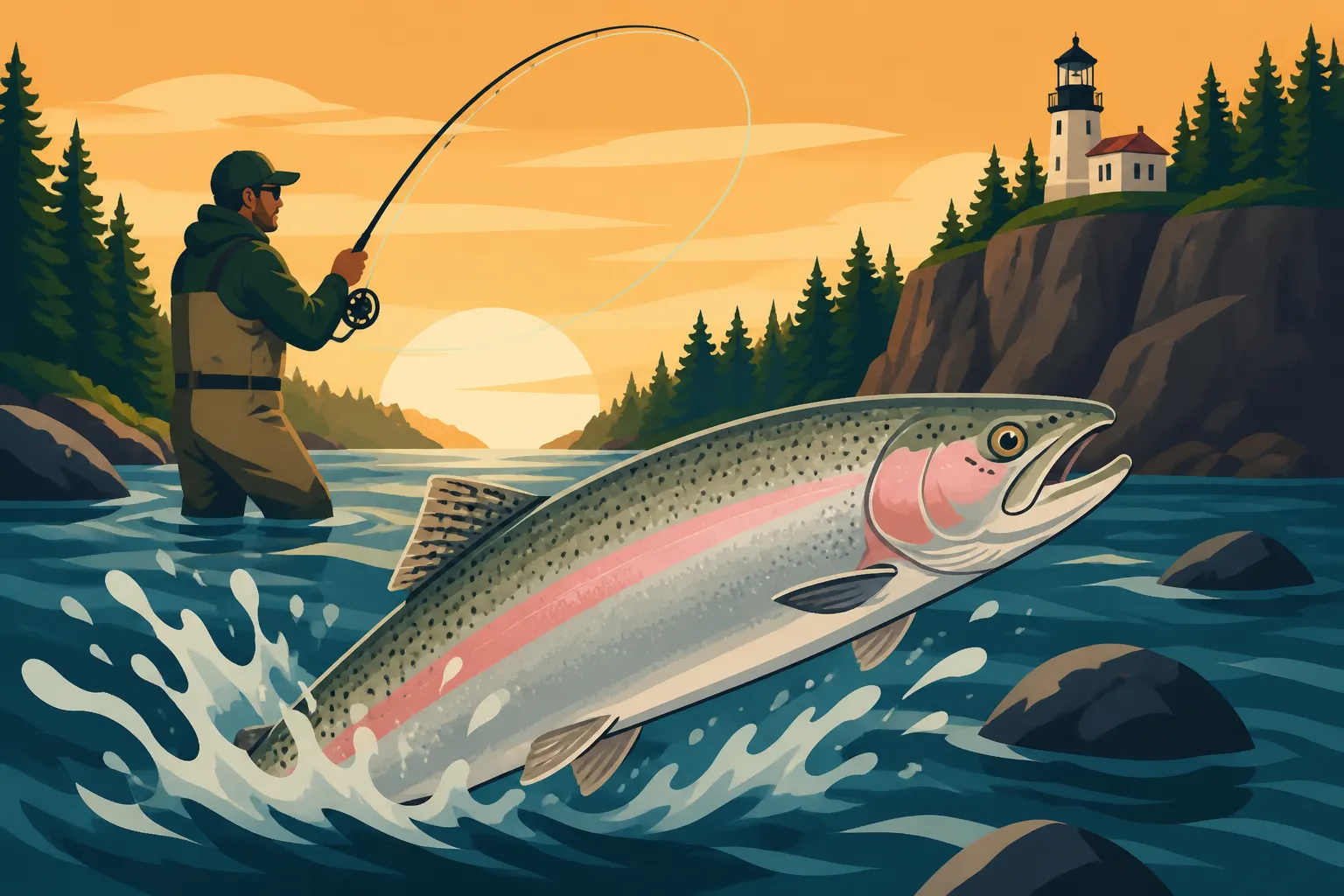
Minnesota's North Shore steelhead are essentially rainbow trout (Oncorhynchus mykiss) that exhibit an anadromous lifestyle, meaning they spend most of their lives in the vast waters of Lake Superior and return to its tributary rivers to spawn. This migratory pattern is what sets them apart, giving them their incredible size, strength, and fighting prowess. Unlike many resident stream trout, these fish grow large and powerful in the nutrient-rich depths of the big lake, developing a sleek, silver, "steel" colored body that gives them their name.
When they enter the rivers, usually in spring or fall, they are driven by ancient instincts to reproduce. This makes them a fleeting target, influenced by water levels, temperature, and current. The journey up the rocky rivers is arduous, demanding immense energy and resilience. Hooking one of these fish often feels like wrestling a small torpedo, as they are renowned for their acrobatic jumps and long, drag-screaming runs. It's an experience that leaves an indelible mark on any angler, win or lose.
Identifying Steelhead on the North Shore
Distinguishing a true "steelhead" (migratory rainbow trout) from a resident rainbow trout or even other species like brown trout in North Shore streams can sometimes be tricky, but there are key characteristics to look for. Steelhead typically possess a more streamlined, torpedo-shaped body, reflecting their life in open water, and often have a brilliant silver or chrome sheen with a bluish-green back. Their spots are generally smaller and more numerous, often extending down to their lateral line and even onto their caudal (tail) fin.
In contrast, a resident stream rainbow will often be darker, with more pronounced pink or red lateral stripes, and may not have the same silvery luster. Brown trout, another common North Shore species, are usually more golden or brownish, with distinct dark spots surrounded by lighter halos, and often orange or red spots as well. When you finally land a steelhead, you'll immediately notice its muscular build and powerful tail, built for navigating strong currents and open water. Keep an eye out for clipped adipose fins, which sometimes indicate a hatchery-raised fish, though many of Minnesota's North Shore steelhead are wild-born.
The North Shore's Steelhead Waters
The North Shore is a ribbon of rugged beauty where dozens of rivers and streams tumble down from the Sawtooth Mountains into Lake Superior. Not all of them host significant steelhead runs, but many provide vital spawning and migratory habitat. These rivers are characterized by their clear, cold water, rocky bottoms, and often steep gradients, creating a dynamic environment that changes with rainfall and snowmelt.
Some of the most famous steelhead rivers include the Lester River, known for its accessibility within Duluth; the French River, home to a DNR spawning facility; the Sucker River, a popular early-season spot; the Knife River, another major spawning tributary; and further up the shore, the Baptism River and Temperance River, which offer more remote and challenging fishing opportunities. Each river has its unique quirks, from deep pools and swift runs to intricate rock gardens and cascading falls. Understanding the character of each river is key to unlocking its steelhead secrets, and many anglers spend years exploring these diverse waters to find their honey holes.
When and Where to Find Steelhead
Timing is absolutely everything when it comes to steelhead fishing. These fish are on a mission, and their presence in the rivers is often fleeting, dictated by the rhythm of the seasons and the specific conditions of each stream. Missing the prime window by even a few days can mean the difference between a memorable day on the water and a long, cold walk without a bite.
Seasonal Patterns for Steelhead Runs
Steelhead in Minnesota typically undertake two main migratory runs: a spring run and a fall run.
Spring Run: The Thaw and the Spawn
The spring run is arguably the most anticipated period for North Shore steelhead anglers. As the ice begins to break up on Lake Superior and snowmelt swells the tributary rivers, usually from late March through May, steelhead begin their push upstream to spawn. Water temperature is the primary trigger; as river temperatures climb into the 40s Fahrenheit, more fish will move into the rivers. Early spring fishing can be brutally cold and involve slush, but it often yields larger, "trophy" class fish that have overwintered in the big lake and are full of vigor. The peak of the run often coincides with stable water levels after initial snowmelt, before heavy spring rains blow out the rivers. This is when you'll find most of the action, with fish actively moving and holding in prime spawning gravel.
Fall Run: The Pre-Spawn and the Lakers
While less celebrated than the spring run, the fall steelhead run (typically late September through November) offers a different, but equally rewarding, experience. These fish are generally moving into the rivers as pre-spawn staging fish, or in some cases, following spawning salmon or whitefish. They aren't as focused on immediate spawning as in the spring, and often seem a bit more willing to chase a lure. Fall colors on the North Shore provide a stunning backdrop, and fishing pressure can sometimes be lighter than in the spring. However, conditions can be more volatile, with sudden cold snaps or heavy rains dramatically affecting river levels and fish activity. The fall run is often shorter and more concentrated in specific rivers, but the fish you find are usually incredibly robust and healthy, having fed heavily in Lake Superior all summer.
| Season | Typical Timing | Primary Motivation | Water Conditions | General Behavior |
|---|---|---|---|---|
| Spring Run | Late March – May | Spawning | Rising temps (40-50°F), snowmelt | Aggressive, holding in spawning gravel, active movement |
| Fall Run | Late September – November | Pre-spawn staging, foraging | Cooling temps (30-40°F), fall rains | More subtle, often holding in deeper pools, less active movement |
Prime North Shore Rivers and Access Points
While many rivers host steelhead, some are perennial favorites due to their accessibility and consistent runs.
- Lester River (Duluth): Easily accessible within Duluth, the Lester often sees early fish. It's a great spot for beginners to understand river dynamics. Parking is usually straightforward along Superior Street or city parks.
- French River (Duluth/North): Just north of Duluth, the French is known for its DNR trout hatchery and consistent runs. Several public access points and bridge crossings provide entry. The lower stretches near the lake often hold fish waiting to move upstream.
- Sucker River (North of Duluth): A relatively smaller river, but one that gets a strong early spring run. Access is available from Highway 61, often requiring a short walk through state land.
- Knife River (Knife River): This is a larger, significant steelhead river with a good mix of riffles, runs, and pools. There's a public access point near the mouth, and further upstream access can be found via county roads. It’s also a vital river for Steelhead on Minnesota's North Shore.
- Stewart River (Two Harbors): Closer to Two Harbors, this river offers classic steelhead water. Look for parking areas off Highway 61.
- Split Rock River (Split Rock Lighthouse State Park): A more challenging river due to its gorge-like sections, but can hold fish. Access is typically through Split Rock Lighthouse State Park, which may involve longer hikes.
- Gooseberry River (Gooseberry Falls State Park): Famous for its waterfalls, the lower stretches near Lake Superior can hold steelhead. Access is within Gooseberry Falls State Park.
- Baptism River (Tettegouche State Park): A larger, more powerful river with impressive waterfalls further upstream. The lower sections near the mouth, especially around the Highway 61 bridge, are popular. This river is a fantastic example of a Trout Fishing in Minnesota: Streams & Lakes destination.
- Temperance River (Tofte): Another beautiful river with a challenging gorge and some excellent runs. Access is primarily off Highway 61.
Always consult current Minnesota Fishing Regulations PDF: Where to Find It and local signage for specific access rules and parking. Many sections of these rivers run through state parks or state forest lands, which generally allow public access for fishing, but always be respectful of private property.
Reading the Water for Steelhead
Finding steelhead isn't like finding a walleye on a deep flat; it’s about understanding river currents, structure, and their migratory path. Steelhead typically hold in specific types of water where they can rest, hide, and ambush prey while conserving energy for their upstream journey.
- Current Seams: These are critical. Look for areas where fast water meets slower water, creating a "seam." Steelhead will often sit just out of the main current, letting food drift to them with minimal effort. This can be behind a large boulder, alongside a log jam, or on the inside bend of a river.
- Deep Pools: After navigating a stretch of rapids, steelhead will often congregate and rest in deeper pools, especially those with some overhead cover or rocky structure. These provide refuge from strong currents and a sense of security.
- Tailouts of Pools: As a pool shallows out and transitions into a faster run, the "tailout" area can be a prime feeding zone or a staging area before fish push further upstream.
- Gravel Beds: During the spring spawn, female steelhead will look for clean gravel beds to deposit their eggs, and males will be nearby. These areas are often found in relatively shallower, oxygenated water with moderate current.
- Log Jams and Undercuts: Any structure that breaks the current or provides a dark, sheltered spot can hold a steelhead. Log jams, overhanging banks, and undercut banks are excellent places for fish to hide.
- Confluence Areas: Where smaller tributaries join the main river, the mixing currents and potential influx of warmer or cooler water can attract steelhead, especially if the smaller stream offers suitable spawning habitat.
Understanding these holding areas and how they change with water levels and flow is paramount. High, fast water will push fish to the edges and into deeper, slower pockets, while lower, clearer water might find them in more exposed runs.
Essential Gear for North Shore Steelhead
Steelhead fishing demands specialized gear that can handle powerful fish in often challenging conditions. You wouldn't use a panfish rod for muskie, and the same applies here. Having the right tools won't guarantee a catch, but it will certainly improve your chances and make the battle more manageable.
Rods, Reels, and Line
The fight of a steelhead is legendary, and your tackle needs to be up to the task.
- Rods: For traditional drift or float fishing, a longer rod (9 to 11 feet) is highly advantageous. This extra length helps with line management, mending your line to achieve a natural drift, and absorbing the shock of a powerful run or jump. A medium-light to medium power rod with a fast action is generally preferred, offering enough backbone to fight the fish but a sensitive tip to detect subtle bites. For fly fishing, a 9-10 foot 7-8 weight rod is standard for handling larger flies, heavy lines, and strong winds, and has the power to subdue these formidable trout.
- Reels: A high-quality spinning reel in the 2500-3000 size range, or a baitcasting reel with a smooth, reliable drag system, is crucial. Steelhead will make blistering runs, and a sticky or unreliable drag can lead to break-offs in an instant. Ensure your reel holds at least 150-200 yards of line. For fly anglers, a large arbor reel with a strong drag and plenty of backing is essential.
- Line: The choice of line is critical. Many anglers prefer a main line of 8-10 lb test monofilament or fluorocarbon, or 15-20 lb braid with a fluorocarbon leader. Monofilament offers some stretch, which can act as a shock absorber during violent head shakes. Fluorocarbon is nearly invisible underwater and sinks, which can be an advantage. Braid provides exceptional sensitivity and strength but requires a fluorocarbon leader for stealth. For leaders, stepping down to 6-8 lb test fluorocarbon is common, especially in clear water. This lighter leader helps with natural presentation but demands careful knot tying and a perfectly set drag. You can learn more about different line types in Best Fishing Line for Walleye Braid vs Mono vs Fluoro.
Waders and Layering for Comfort
North Shore steelhead fishing often means cold water, chilly air, and wet conditions. Staying warm and dry is not just about comfort; it's about safety and endurance.
- Waders: Breathable chest waders are essential. Brands like Simms or Patagonia are popular, but there are many reputable options. Look for durable construction and a comfortable fit that allows for layering underneath. Neoprene waders can offer more warmth in frigid conditions, but breathable waders are more versatile for varying temperatures.
- Wading Boots: A good pair of felt-soled or rubber-soled wading boots with studs (if allowed and necessary for traction) are crucial for navigating slippery rocks and uneven riverbeds. Ensure they fit well over your wader booties.
- Layering: Dress in layers! Start with a moisture-wicking base layer (merino wool or synthetic, never cotton). Add a fleece or insulated mid-layer, and then a waterproof, breathable outer shell (your waders and a good jacket). A warm hat, gloves, and a neck gaiter are also vital. Even on a seemingly mild day, standing in cold water for hours can quickly lead to a chill. Consider investing in a good quality float suit if you fish in truly cold conditions, as discussed in Best Ice Fishing Suits & Bibs Float Suits (though designed for ice fishing, their insulation and flotation properties are relevant for cold water safety).
Recommended Lures and Baits
Steelhead can be incredibly finicky, and what works one day might be ignored the next. Having a diverse tackle box is key.
- Spawn Bags: These are often the most effective bait, especially during the spring run. Small mesh bags filled with cured steelhead or salmon eggs mimic natural forage. Tie them in various sizes and colors (pink, orange, natural).
- Yarn Flies/Glo-Bugs: Imitate single salmon or trout eggs. These are often drifted under a float and can be deadly.
- Jigs: Small marabou jigs (1/16 to 1/8 oz) in colors like black, white, pink, or chartreuse can be highly effective, especially tipped with a wax worm or a small piece of minnow. Best Jig Color for Walleye in Stained Water principles can sometimes cross over to steelhead jigs, especially in murky conditions.
- Small Spoons and Spinners: Lures like a Luhr-Jensen Kwikfish or a small Mepps Aglia spinner can provoke a reaction strike, especially in faster water or when fish are more aggressive. Colors like silver, gold, or brass with orange/red accents work well.
- Drift Baits: Small plastic worms, often scented, can be deadly when drifted naturally.
- Flies (for fly anglers): A variety of patterns, including egg patterns, stonefly nymphs, caddis nymphs, and various "intrusions" or "leech" patterns, are used depending on the season and water conditions. Streamers can also be effective when fish are aggressive. Check out How to Catch Stream Trout Nymphs & Dries for more fly patterns.
Remember, presentation is often more important than the specific bait. A natural, unhindered drift is what steelhead are looking for.
Effective Steelhead Fishing Techniques
Catching steelhead on the North Shore is a masterclass in finesse, patience, and adapting to ever-changing river conditions. There's no single magic bullet, but rather a set of techniques honed over years that give you the best shot at success.
Float Fishing: The Art of Presentation
Float fishing, often called "centerpinning" when using a specialized reel, is one of the most popular and effective methods for steelhead on the North Shore. It's all about achieving a perfectly natural, drag-free drift of your bait or lure through a target zone.
- The Setup: A long rod (9-11 feet), a sensitive spinning reel, and a slip float are key. The slip float allows you to fish any depth by adjusting a bobber stop. A small amount of weight (split shot or pencil lead) is placed above your leader to get your bait down quickly and keep it in the strike zone, while also balancing the float so only a small portion is visible.
- The Drift: Cast upstream of your target area and allow the current to carry your float and bait downstream. The crucial part is to "mend" your line – mending involves lifting your rod tip and flipping slack line upstream of the float to eliminate drag from the main current pulling on your line. This ensures your bait travels at the same speed as the current, just like a natural food item.
- Reading the Bite: Steelhead bites can be incredibly subtle. The float might dip slightly, hesitate, or disappear completely. Set the hook decisively with a sweeping motion of the rod. Mastering the drag-free drift is paramount for success, as steelhead will often reject anything that doesn't look completely natural. This technique is similar to how you might use a How to Use a Slip Bobber for Walleye & Crappie but adapted for river currents.
Drift Fishing with Spawn or Yarn
Drift fishing is a more traditional method, particularly effective when fish are holding close to the bottom or in heavier current where a float might be difficult to control. It relies on the subtle bump-and-go presentation of your bait along the riverbed.
- The Rig: A standard drift fishing rig involves a main line, often with a small swivel, and then a leader (usually 18-36 inches) tied to your bait. Pencil lead, slinky weights, or split shot are typically pinched directly onto the main line or above a swivel, designed to tick along the bottom without snagging too much. The amount of weight depends on the current speed and depth.
- The Technique: Cast upstream and slightly across the current. Allow your weight to sink and gently bounce along the bottom. You'll need to feel for the subtle taps of the weight on the rocks. A steelhead bite often feels like a heavier "thud" or a sudden stoppage that isn't a snag. It requires a lot of feel and practice to distinguish between the bottom and a fish.
- Bait Choices: Spawn bags, yarn flies, or small scented plastic baits are excellent choices for drift fishing. The idea is to present them directly in the face of a holding steelhead, making it an easy meal to grab as it tumbles past. This method is often highly effective in sections of rivers where fish are actively staging or resting in deeper pockets.
Swinging Flies (Fly Fishing)
For many fly anglers, swinging flies for steelhead is the pinnacle of the sport. It's an active, engaging technique that seeks to entice a territorial or aggressive strike from a steelhead.
-
The Setup: A spey rod or switch rod (longer two-handed fly rods) is common, allowing for powerful casts and excellent line control for covering wide stretches of river. Single-hand fly rods (7-9 weight) can also be used, especially on smaller rivers or in tighter quarters.
-
The Swing: Cast downstream and slightly across the current. The line and fly are then allowed to "swing" naturally through the current, across the river, mimicking a baitfish or insect moving through the water. As the fly moves, it creates an enticing broadside presentation.
-
The Retrieve: The retrieve is minimal; the current does most of the work. As the fly completes its arc and hangs downstream, you might take a step or two downriver and repeat the process, systematically covering the water. The takes can be incredibly aggressive – a sudden, jarring strike that rips the rod from your hand.
-
Fly Patterns: Common swinging flies include various spey flies, intruder patterns, leeches, and streamers in various colors and sizes. The key is to select a fly that matches the water conditions (darker flies for darker water, brighter for clear) and the mood of the fish. Swinging flies for steelhead is a captivating blend of art and science, and a deep dive into How to Catch Stream Trout: Nymphs & Dries can inspire some relevant patterns.
Navigating Regulations and Conservation
Fishing for steelhead on the North Shore is a privilege, and respecting the resource through proper regulations and conservation practices is paramount to ensuring these magnificent fish thrive for future generations. The Minnesota Department of Natural Resources (DNR) works hard to manage these fisheries, and anglers play a crucial role in their success.
Special North Shore Trout Regulations
Steelhead are a type of rainbow trout, and as such, they fall under specific trout regulations in Minnesota. However, the North Shore streams often have special regulations that differ from statewide trout rules due to the unique nature of the anadromous runs.
- Designated Streams: Only certain North Shore streams are open to fishing for migratory trout (including steelhead and stream trout), and these often have specific opening and closing dates that may differ from the general trout season. Always check the current Minnesota Fishing Regulations handbook or the DNR website for the specific stream you plan to fish. You can find general information on Minnesota Trout Season Dates & Streams.
- Season Dates: The Minnesota Fishing Seasons & Opener Dates (2026) will clearly outline when you can target steelhead. Typically, there's a spring opener (often in April) and a fall season. Fishing is generally closed during the sensitive peak spawning periods to protect the fish.
- Size and Bag Limits: These are highly variable and can change year to year based on fish populations and management goals. For steelhead, there's usually a minimum size limit (e.g., 16 or 20 inches) and a very conservative bag limit, often one fish. Some streams might be entirely catch-and-release, or have specific slot limits. It’s absolutely critical to know the specific Minnesota Fishing Limits: Bag & Possession (2026) for the stream you're on, and this information can sometimes be found on signs at popular access points, but always defer to the official DNR regulations.
- Trout Stamp: Anglers aged 18-64 typically need a valid Minnesota fishing license and a Minnesota Trout Stamp to fish designated trout waters. Even if you only plan on catch-and-release, the stamp is usually required. Confused? Find out Do You Need a Trout Stamp in Minnesota?.
Penalties for keeping over-limit fish or violating season dates can be severe, including significant fines and loss of fishing privileges. When in doubt, always release the fish.
Catch and Release Best Practices
Given the limited numbers and the conservation status of wild steelhead, catch and release is highly encouraged, if not mandated, on many North Shore streams. Proper handling ensures the fish's survival after the thrill of the catch.
- Minimize Fight Time: Use appropriate tackle to bring the fish in as quickly as possible without over-stressing it. A prolonged fight can exhaust a steelhead to the point of no return.
- Keep Fish in Water: If possible, do not remove the fish from the water. Unhook it while it's still submerged. This protects its delicate slime coat, gills, and internal organs.
- Wet Hands: If you must handle the fish, wet your hands thoroughly first. Dry hands can remove the protective slime layer, leaving the fish vulnerable to disease.
- Barbless Hooks: Crimp down the barbs on your hooks. Barbless hooks greatly reduce injury to the fish and make unhooking much faster and easier.
- Proper Unhooking Tools: Keep a pair of long-nosed pliers or a hemostat handy to quickly remove hooks.
- Revive the Fish: If the fish seems lethargic, hold it gently upright in the current, facing upstream, allowing water to flow over its gills. Do not squeeze its belly. Only release it when it can swim away strongly on its own.
- No Photos of Dying Fish: While a trophy photo is tempting, prioritize the fish's life. Quick, in-water photos are best. Avoid hanging fish by the gills or tail, or dragging them onto abrasive surfaces. This aligns with general Catch and Release Best Practices in Minnesota.
Aquatic Invasive Species Prevention
The pristine waters of the North Shore are constantly threatened by aquatic invasive species (AIS). Anglers have a responsibility to prevent their spread.
- Clean, Drain, Dry: This mantra is critical for all boaters and anglers.
- Clean: Remove all visible aquatic plants, animals, and mud from your boat, trailer, waders, and fishing gear before leaving any water access. Pay special attention to anchors, ropes, and fishing nets.
- Drain: Drain all water from your boat, livewell, bilge, and bait buckets. Pull the drain plug. This is even a law in Minnesota (Minnesota AIS Drain Plug Law Explained).
- Dry: Allow your boat and gear to dry thoroughly for at least 5 days before using it in another body of water. If drying isn't possible, wash with high-pressure, hot water.
- Dispose of Bait Properly: Never release unused bait into the water. Dispose of it in the trash. This prevents the introduction of non-native species or diseases.
- Inspect Waders and Boots: Waders and boots can easily transport microscopic invaders or plant fragments. Inspect them meticulously after each outing and ensure they are clean and dry.
- Know the Rules: Familiarize yourself with the Aquatic Invasive Species (AIS) Rules for Boaters and other anglers. The rules are designed to protect our precious waters.
By following these guidelines, you're not just being a responsible angler; you're actively participating in the conservation of Minnesota's natural treasures, ensuring that the magic of North Shore steelhead fishing can be enjoyed for generations to come.
Disclaimer
Fishing conditions and regulations in Minnesota are subject to change. This guide is intended for informational purposes only. Always consult the most current Minnesota Department of Natural Resources fishing regulations before heading out on the water. Be safe, respect the environment, and practice ethical angling.