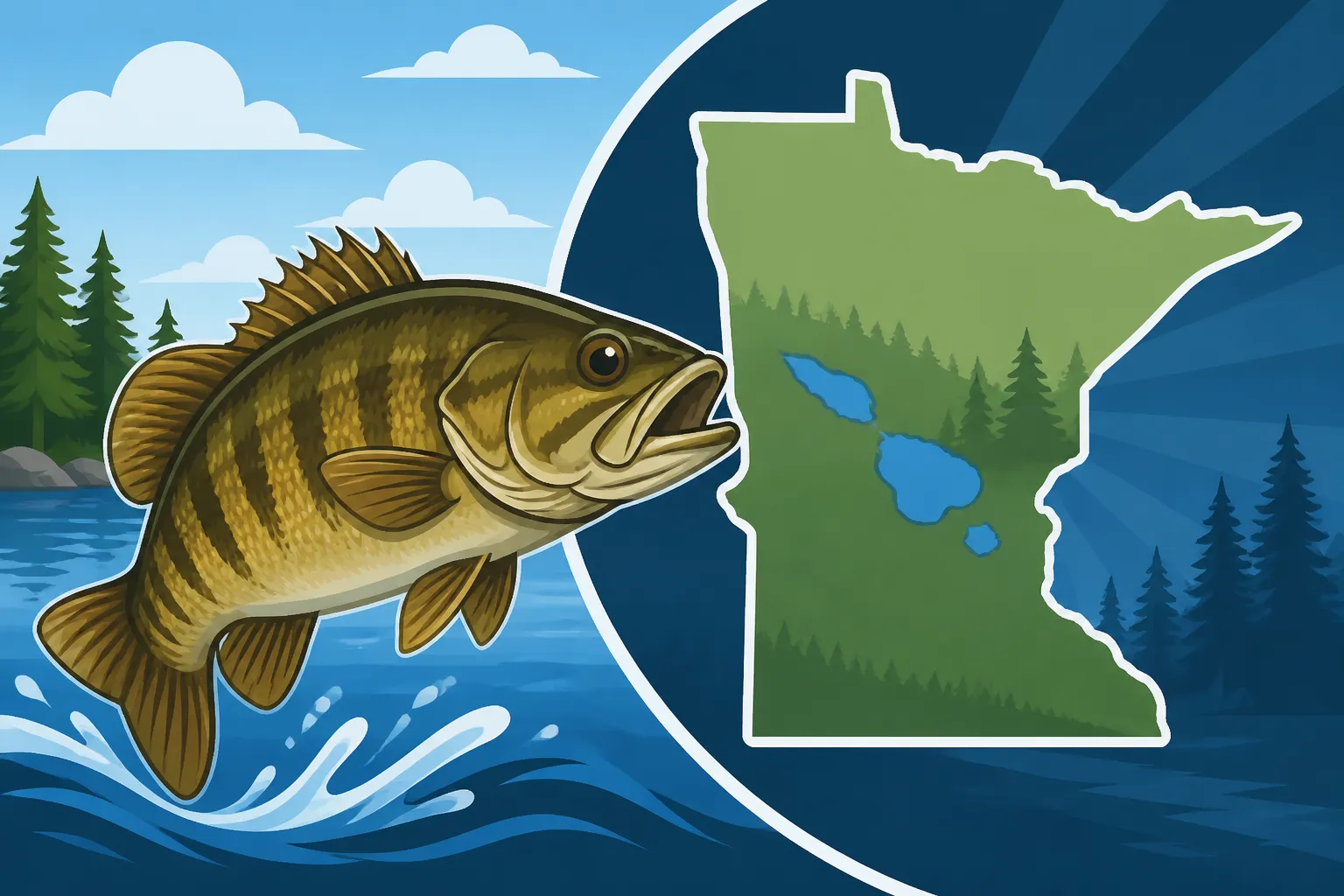
Are Smallmouth Bass Native to Minnesota?
It can feel a little confusing, navigating the history of a fish species in Minnesota. Many anglers wonder if smallmouth bass, those feisty bronzebacks we love to catch, are truly native to our waters or if they're a more recent addition, perhaps even an invasive one in some folks' minds. This guide is here to clear up that confusion, diving deep into the fascinating journey of smallmouth bass in the Land of 10,000 Lakes.
The Big Question: Are Smallmouth Bass Native to Minnesota?
Let's cut right to the chase because this is where a lot of the misunderstanding lies. Yes, smallmouth bass are absolutely native to a significant portion of Minnesota's waters. This might come as a surprise to some, especially if your local lake only started producing good smallmouth numbers in recent decades due to stocking. But historically, these incredible game fish have always called parts of our state home.
However, the picture isn't entirely black and white, and that's where the confusion often stems from. While they are native to certain river systems and natural lakes, their presence in all of Minnesota's diverse waterways isn't natural. Over time, human efforts have expanded their range considerably, leading to situations where they are now found in waters where they historically did not exist. So, while "native" is the correct answer for their broader presence in Minnesota, it's crucial to understand the nuances of where and how they spread.
The Minnesota Department of Natural Resources (DNR) recognizes their native status, particularly in the larger river systems and interconnected lakes that naturally supported them for centuries. It's the subsequent expansion, sometimes accidental and sometimes intentional, that blurs the lines for many anglers. Understanding this dual history helps us appreciate the species and its place in our fishing heritage, both ancient and modern.
Historical Presence and Natural Range
Before human intervention truly began reshaping our aquatic landscapes, smallmouth bass carved out a niche in specific parts of Minnesota. These weren't random occurrences; their natural distribution was tied directly to the hydrology and habitat characteristics of certain river basins.
Ancient Strongholds: Rivers and Natural Lakes
The Mississippi River, particularly its upper reaches and major tributaries like the St. Croix and Rum Rivers, served as primary native habitats for smallmouth bass. These rivers, with their diverse bottom structures, rocky stretches, and flowing water, provided the ideal environment for smallmouth to thrive. They prefer clear, cool-to-warm water with gravel, rock, or sand bottoms, and plenty of cover in the form of submerged logs, boulders, or ledges – conditions perfectly met in many of our river systems.
Beyond the rivers, certain natural lakes that were historically connected to these river systems also boasted native smallmouth populations. Think about lakes that are essentially widened sections of rivers or those with strong inflows and outflows. These connections allowed for natural migration and colonization, establishing smallmouth in areas like parts of the St. Croix River basin's lake systems. For anglers today, understanding this natural distribution helps in appreciating the long-standing ecological role smallmouth bass have played in these original Minnesota ecosystems.
Ecological Role in Native Habitats
In their native range, smallmouth bass are integral predators within the aquatic food web. They feed on a variety of prey, including crayfish, insects, and smaller fish, helping to maintain balance in these ecosystems. Their presence indicates healthy, diverse aquatic environments, often with good water quality and complex habitat features. The robust populations found in places like the St. Croix River are a testament to their ability to flourish when conditions are right, contributing to the overall biodiversity and health of these systems.
These native populations have adapted over millennia to the specific climatic and ecological conditions of Minnesota, developing unique genetic traits. This evolutionary history further underscores their intrinsic connection to these waters, distinguishing them from populations that have been introduced elsewhere. Understanding their historical importance reminds us that not every bass in Minnesota is a newcomer; many carry a long and storied heritage. If you're looking to catch some of these historical fish, checking out prime river spots is key. You can find excellent advice on "How to Catch Smallmouth Bass on a River".
The Role of Human Introduction and Expansion
While smallmouth bass undeniably have native roots in Minnesota, their current widespread distribution is heavily influenced by human activity. This expansion has been a mixed bag of intentional stocking programs and accidental introductions, shaping the fishery we know today.
Intentional Stocking Programs
Starting in the late 19th and early 20th centuries, state agencies, fishing clubs, and even private individuals actively stocked smallmouth bass into numerous lakes and rivers where they were not historically present. The motivation was often to enhance recreational fishing opportunities, as smallmouth were — and still are — highly prized game fish due to their aggressive strikes and powerful fights. Many waters that are now considered premier smallmouth fisheries, like some in the Brainerd Lakes Area or even parts of Mille Lacs Lake, owe their thriving populations to these early stocking efforts.
These deliberate introductions were, at the time, viewed as beneficial acts of conservation and fishery enhancement. Anglers wanted more access to exciting game fish, and smallmouth bass proved to be adaptable and capable of establishing self-sustaining populations in many new environments. This history is important because it clarifies why you might find healthy smallmouth populations in lakes far from their original riverine strongholds. For instance, the renowned smallmouth fishing on Mille Lacs Lake, a true "World-Class Fishery," is largely a result of these strategic introductions.
Accidental Introductions and Spread
Beyond direct stocking, smallmouth bass have also spread through less intentional means. The interconnectedness of our waterways, coupled with human activities like bait bucket dumping or movement of livewells without proper inspection, has undoubtedly contributed to their expansion. A fisherman moving a few small bass from one lake to another, unaware of the ecological consequences, could inadvertently establish a new population. Even the construction of canals and locks can create pathways for fish to move into new territories they otherwise couldn't access.
This "unofficial" spread is harder to track but is a real factor in the current distribution of the species. It highlights the complex relationship between human activity and aquatic ecosystems, demonstrating how even small actions can have long-lasting effects on fish populations and their habitats. While it's generally best practice to avoid moving any fish between bodies of water, this historical context helps explain the prevalence of smallmouth bass across many non-native Minnesota lakes.
Ecological Impact and Management
The introduction and expansion of smallmouth bass into non-native Minnesota waters have, predictably, led to both positive and negative ecological consequences. Understanding these impacts is crucial for responsible fisheries management and ensuring the health of our diverse aquatic ecosystems.
Potential Negative Impacts on Native Species
In lakes and rivers where smallmouth bass are not native, their introduction can sometimes lead to competition with or predation on existing native species. For instance, smallmouth are aggressive predators that can compete with native fish like walleye or even certain panfish for food resources, especially in lakes with limited forage. There's also concern about predation on the fry and juveniles of native species, potentially impacting their recruitment and overall population health.
While smallmouth bass are often seen as less problematic than truly invasive species like carp or zebra mussels, the long-term ecological shifts they can cause are still a consideration for the Minnesota DNR. These concerns are particularly relevant in pristine waters or those with sensitive native fish communities. The impact can vary greatly depending on the specific lake's characteristics, existing fish populations, and the overall health of the ecosystem. This careful balance is why regulations and management strategies are continuously evaluated for different bodies of water.
Minnesota DNR Management Strategies
The Minnesota DNR actively manages smallmouth bass populations, taking into account their native status in some areas and their introduced status in others. Management efforts often focus on maintaining healthy populations in their native range, while sometimes monitoring or controlling their spread in areas where they are considered non-native and might pose ecological risks. This nuanced approach reflects the DNR's commitment to both recreational angling opportunities and ecosystem health.
Management tools can include targeted stocking in certain areas to enhance populations, specific bag and size limits to protect spawning fish or encourage harvest, and public education on the importance of preventing further accidental spread. For example, some lakes might have special regulations aimed at balancing smallmouth populations with other species. Anglers play a vital role in these management efforts by adhering to Minnesota Fishing Limits: Bag & Possession (2026) and understanding the specific regulations for the waters they fish. The goal is to ensure that smallmouth bass, whether native or introduced, contribute positively to the overall fishing experience without unduly harming other valuable components of Minnesota's aquatic heritage.
Fishing for Smallmouth Bass in Minnesota
Regardless of their native status in a particular water body, smallmouth bass offer some of the most exciting and challenging fishing opportunities in Minnesota. Their aggressive nature and powerful fights make them a favorite among many anglers.
Top Smallmouth Fisheries
Minnesota boasts an incredible array of smallmouth bass fisheries, from the rocky rivers where they are native to large, deep lakes where they have been successfully introduced. The St. Croix River, forming part of the border with Wisconsin, is a phenomenal native smallmouth fishery, offering scenic beauty and feisty bronzebacks. Other major rivers like the Mississippi and Minnesota Rivers also provide fantastic opportunities for river smallmouth. For those who prefer lake fishing, Mille Lacs Lake stands out as a truly world-class smallmouth destination, known for its massive, hard-fighting bass. Other lakes in the central and northern parts of the state, such as Lake Vermilion and some of the larger lakes in the Brainerd and Alexandria chains, also hold incredible smallmouth populations.
The diversity of these fisheries means that anglers can pursue smallmouth in a variety of settings, each offering a unique challenge and reward. Whether you're casting to rocky points on a windswept lake or navigating the currents of a clear river, the pursuit of Minnesota smallmouth is always an adventure. To learn more about specific spots, you might want to check out our guide on the "Best Bass Lakes in Minnesota".
Popular Techniques and Baits
Smallmouth bass are opportunistic predators, making them susceptible to a wide range of lures and baits. When fishing rivers, jigs, soft plastics (like tubes and grubs), and crankbaits that mimic crayfish or small baitfish are often highly effective. In lakes, anglers frequently employ topwater lures during low-light conditions, various types of crankbaits, spinnerbaits, and finesse presentations like drop shots or Ned rigs when the bite is tough. Live bait such as leeches or minnows can also be deadly, especially when the fish are less active.
The key to consistent smallmouth success often lies in understanding their preferred habitat – rocky areas, transitions from rock to sand, humps, ledges, and current breaks. Many anglers employ a "run-and-gun" approach, covering a lot of water until they locate active fish. Mastering techniques like reading structure or finding current seams will significantly improve your chances. If you're looking for more specific tactics, our detailed guide on "Smallmouth Bass Fishing Techniques for Minnesota Lakes" is a fantastic resource.
Here's a quick overview of popular smallmouth bass fishing tactics and baits:
| Tactic | Best Conditions | Lure/Bait Examples |
|---|---|---|
| Jigging | Current, rocky bottoms, deep water | Tubes, grubs, Ned rigs, bucktail jigs |
| Crankbaiting | Targeting baitfish, covering water, rocky areas | Squarebills, deep divers, jerkbaits |
| Topwater | Low light (dawn/dusk), calm water, aggressive fish | Poppers, walk-the-dog baits, prop baits |
| Drop Shot/Finesse | Clear water, pressured fish, suspended bass | Small worms, minnow imitations, micro jigs |
| Spinnerbaits/Swim Jigs | Weedy edges, stained water, active fish | Single or double blade spinnerbaits, swim jigs |
| Live Bait | Any conditions, especially tough bites | Leeches, shiners, crayfish |
Remember, the "Smallmouth Bass Season & Limit in Minnesota" varies, so always consult the current DNR regulations before heading out.
Identifying Smallmouth Bass
Sometimes, telling a smallmouth bass from its larger, green cousin, the largemouth, can be a bit tricky, especially for newer anglers. Both are members of the sunfish family, but they have distinct characteristics that make identification straightforward once you know what to look for.
Smallmouth vs. Largemouth Bass: Key Differences
The most obvious difference lies in their mouths. A smallmouth bass has an upper jaw that extends back only to the middle of its eye when its mouth is closed. A largemouth bass, true to its name, has an upper jaw that extends noticeably beyond the rear edge of its eye. This is the quickest and most reliable visual cue.
Beyond the mouth, their body shape and coloration also differ. Smallmouth bass typically have a bronzish-brown to golden-green hue, often with vertical bars or stripes along their sides, giving them their "bronzeback" nickname. Their bodies are generally more streamlined and torpedo-shaped, indicative of their preference for moving water. Largemouth bass, on the other hand, are usually green with a prominent horizontal dark stripe or blotches along their sides. They tend to have a chunkier, more oval body shape. Their dorsal fin is also distinctly separated, while a smallmouth's dorsal fin is more continuous, though deeply notched. These visual distinctions are incredibly helpful when you're out on the water trying to determine what kind of bass you've just landed.
Habitat Clues for Identification
Where you catch the fish can also be a big hint about its species. Smallmouth bass prefer cooler, clearer water, often with rocky or gravel bottoms and some current. They thrive in rivers, large clear lakes with plenty of rock structure, and deeper sections. Think of them as the "rock fish." Largemouth bass, conversely, prefer warmer, weedier, and often murkier water. They're typically found in shallower bays, around lily pads, submerged timber, and dense vegetation. They are the "weed fish."
While there can be overlap, especially in large, diverse lakes, paying attention to the habitat where you hook a bass will often give you a strong indication of whether you're dealing with a smallmouth or a largemouth. For example, if you're fishing a clear, rocky point on Lake Vermilion and you hook a bass, chances are it's a smallmouth. If you're pitching a frog into thick lily pads on Lake Minnetonka, it's almost certainly a largemouth. This combined approach of visual identification and habitat clues will make you a pro at telling these two popular Minnesota game fish apart. For a deeper dive into all our state's popular species, consult the "Minnesota Fish Species: Identification Guide".
Disclaimer
The information provided in this guide is for general informational purposes only and is subject to change. Always consult the most current Minnesota Department of Natural Resources (DNR) fishing regulations before engaging in any fishing activities. Fishing regulations can vary by body of water and change seasonally.