Best Ice Fishing Suits & Bibs (Float Suits)
Let's be honest, there's nothing quite like the thrill of ice fishing in Minnesota. But that feeling can turn to sheer misery (or worse) if you're battling bone-chilling cold, relentless wind, or the terrifying thought of what happens if you take an unexpected dip. Many of us have shivered through a day on the ice, or worse, felt that fleeting panic wondering about ice safety. This guide is all about equipping you with the ultimate protection and comfort: the best ice fishing suits and bibs, especially float suits, so you can truly enjoy your time out on Minnesota’s frozen lakes, safely and warmly.
Why a Float Suit is Non-Negotiable for Minnesota Ice Fishing
For those of us who spend any significant time out on the hard water, an ice fishing float suit isn't just a nice-to-have piece of gear; it's an absolute game-changer. It’s a specialized piece of clothing designed to keep you warm, dry, and, most critically, safe when you're out battling the elements and chasing those elusive walleye or jumbo perch. Forget those bulky, separate layers that offer little in terms of real protection against an unexpected plunge. A float suit is a cohesive system built for the unique demands of ice fishing in a state like Minnesota.
Beyond Just Warmth: Safety First
Minnesota winters are no joke, and neither is the ice. While many focus on staying warm, the often-overlooked, yet most vital, aspect of a quality ice fishing suit is its integrated flotation. These suits are built with unique closed-cell foam insulation that not only traps heat incredibly well but also provides buoyancy, helping you stay afloat should you unexpectedly break through the ice. This isn't just about saving your life; it’s about giving you precious time to self-rescue or for others to help. In the icy cold waters of a Minnesota lake, every second counts. Without a float suit, the shock of cold water and the weight of saturated clothes can quickly lead to hypothermia and make it incredibly difficult to stay above water, let alone climb out. Having that extra lift and thermal protection is absolutely crucial for anyone venturing onto the ice, especially during early or late season when ice conditions can be less predictable. This is why many seasoned anglers consider float suits an essential part of their Minnesota Ice Fishing & Shelter Rules compliant gear.
The Comfort Factor: Staying on the Ice Longer
Beyond the life-saving aspect, the comfort provided by a modern float suit is unparalleled. Think about it: you’re often sitting or standing for hours in sub-zero temperatures, exposed to wind, snow, and slush. Traditional winter wear might keep you warm for a bit, but it often becomes stiff, absorbs moisture, and restricts movement, making activities like jigging or setting tip-ups a chore. Float suits, with their advanced insulation and waterproof-breathable membranes, create a microclimate around your body. They allow perspiration to escape, preventing that clammy, chilled feeling, while simultaneously blocking out external moisture and cold. This superior comfort means you can focus on fishing, not on shivering. It extends your time on the ice, allowing you to wait out that bite or move to another spot without feeling utterly drained by the cold, ultimately leading to more successful outings, whether you're targeting walleye or chasing after panfish.
Key Features to Look for in an Ice Fishing Float Suit
When you're ready to invest in a float suit, you'll quickly realize that not all suits are created equal. There's a lot of technology packed into these garments, and understanding the key features will help you pick one that truly stands up to Minnesota's harsh conditions and keeps you safe and comfortable.
Insulation and Thermal Rating
The primary job of any winter suit is to keep you warm, and a float suit excels here. The insulation used is often proprietary, but it generally involves layers of closed-cell foam that not only provides buoyancy but also exceptional thermal retention. When you’re looking at different models, pay attention to the manufacturer's thermal rating or temperature recommendations. Some suits are designed for extreme cold, down to -30°F or even colder, while others might be better suited for milder (but still freezing) conditions.
Think about the kind of fishing you typically do. Are you primarily in a heated Best Ice Shelters: Clam vs Otter (Flip vs Hub) or do you prefer to run and gun, spending more time exposed to the elements? For those long days out on Lake of the Woods or Mille Lacs Lake, you'll want maximum insulation. Look for suits that clearly state their insulation weight (often in grams) or have features like extra padding in the seat and knees. Remember, while a good float suit provides excellent warmth, layering underneath is still key, especially if you're not moving much.
Waterproofing and Breathability
You might think "waterproof" is a given for an ice fishing suit, but the level of waterproofing and, just as importantly, breathability, can vary significantly. You need a suit that can withstand slush, snow, freezing rain, and accidental splashes without letting any moisture seep through to your base layers. Look for suits with a high waterproof rating (often measured in millimeters) and fully taped seams, which prevent water from entering through the stitching.
However, being completely waterproof isn't enough. If the suit isn't breathable, you'll quickly become clammy and cold from your own sweat buildup, especially if you're walking across the lake or drilling holes with a Best Ice Augers for Minnesota: Electric vs Gas. A breathable membrane allows water vapor (sweat) to escape while keeping liquid water out. This balance is critical for comfort. Brands often use their own proprietary membranes, similar to Gore-Tex, to achieve this. Look for features like pit zips and leg zips that allow for ventilation control, helping you regulate your body temperature as activity levels change throughout the day.
Flotation Assistance: The Lifesaving Feature
This is the defining feature of a float suit. The closed-cell foam insulation isn't just for warmth; it's strategically placed throughout the suit to provide buoyancy. While these suits aren't Coast Guard-approved Personal Flotation Devices (PFDs), they offer significant flotation assistance that can be the difference between life and death in an immersion scenario. They are designed to help you stay horizontal in the water, head up, giving you a chance to react and self-rescue.
When evaluating float suits, check if the manufacturer specifies the amount of flotation assistance provided. While exact ratings vary, the key is knowing that the suit will help keep you buoyant. This feature is particularly reassuring when you're venturing out onto less-trafficked parts of a lake or during marginal ice conditions. It’s an investment in your safety that far outweighs the cost, providing peace of mind whether you're alone or with fishing buddies.
Durability and Construction
Ice fishing is tough on gear. Your suit will inevitably rub against rough ice, snag on auger blades, get covered in fish slime, and endure constant movement. A quality float suit needs to be built to last. Look for heavy-duty, abrasion-resistant fabrics, often reinforced in high-wear areas like the knees, seat, and cuffs. These reinforcements can be made from materials like Cordura or other rugged nylons.
Pay attention to the zippers – YKK zippers are generally considered top-tier for their durability and smooth operation, even in freezing conditions. Strong stitching, often double or triple stitched in critical areas, also indicates a well-constructed garment. Good suits also feature adjustable cuffs with internal gaskets to prevent water and wind from entering, and robust storm flaps over zippers. These small details contribute significantly to the suit's longevity and performance over many seasons of hard use on Minnesota's frozen waters.
Fit and Mobility
A float suit might be packed with insulation and safety features, but if it doesn't fit well or restricts your movement, it's going to detract from your fishing experience. You need a suit that allows for a full range of motion – bending, kneeling, casting, and reeling – without feeling cumbersome.
Many float suits are designed with an articulated fit, meaning the knees and elbows are pre-shaped to allow for natural movement. Look for adjustable features like waist belts, suspenders on bibs, and Velcro cuff closures to customize the fit. You want enough room for layering underneath (which is important for managing warmth), but not so much that the suit feels baggy or hinders your dexterity. Trying on a suit in person, if possible, is ideal to ensure it allows for comfortable, unrestricted movement, especially if you're going to be actively jigging for crappies or setting up multiple tip-ups.
Popular Ice Fishing Float Suit Brands and Models
The market for ice fishing float suits has grown significantly, with several key players consistently delivering top-notch gear. These brands understand the unique challenges of ice fishing and design their suits with both safety and angler comfort in mind. When you're searching, you'll often find these trusted names at retailers like Bass Pro Shops or online at Amazon, making it easy to compare and find the perfect fit for your needs.
| Brand | Key Features | Target Angler | Price Range (Approx.) |
|---|---|---|---|
| StrikerICE | Advanced insulation (Thermadex), Sureflote® flotation, Hydrapore® waterproof/breathable, Crossflow Venting, Reinforced knees/seat. | Serious ice anglers, guides, those prioritizing safety & warmth. | $$$$ |
| Clam | Motion Float® technology, aggressive styling, good warmth-to-weight ratio, reinforced areas, often includes padded knees. | Dedicated anglers who value performance, comfort, and safety. | $$$ |
| IceArmor by Otter | Rugged build, high denier fabrics, comfortable fit, integrated flotation, ample pockets. | Anglers needing extreme durability and reliability for tough conditions. | $$$ |
| Eskimo | Versatile insulation, Uplyft™ Breathable Flotation, Duradry™ fabric, good value, thoughtful storage. | Anglers seeking a balance of safety, warmth, and affordability. | $$ |
Note: Price ranges are general estimates and can fluctuate based on specific models and sales.
StrikerICE: The Industry Leader
When it comes to ice fishing float suits, StrikerICE often sets the benchmark. They were among the first to truly popularize the concept of integrated flotation in ice gear, and their commitment to innovation and safety continues. Their suits, like the popular Predator or Hardwater series, are renowned for their exceptional warmth, waterproofing, and the patented Sureflote® flotation assist technology.
StrikerICE suits typically feature Thermadex® insulation, which provides impressive warmth without excessive bulk. They also incorporate Hydrapore® waterproof/breathable technology, ensuring you stay dry from both external moisture and internal perspiration. Many anglers swear by their Crossflow Venting system, which allows for adjustable airflow to prevent overheating during active periods. The reinforced knees and seat, often with padded inserts, add to durability and comfort when kneeling on ice or sitting in a portable shelter. For a serious ice angler who demands the best in safety and performance, StrikerICE is a consistent top choice, and you'll find them widely available at specialty tackle shops and larger outdoor retailers.
Clam: Trusted by Many Anglers
Clam is another powerhouse in the ice fishing world, known for everything from their portable shelters to their innovative fishing gear. Their IceArmor line, particularly the Rise and Ascent series, are incredibly popular float suits that offer a fantastic balance of warmth, mobility, and the crucial Motion Float® flotation technology.
Clam's suits are often praised for their comfortable fit and less bulky feel compared to some competitors, while still delivering serious thermal protection. They use their own waterproof and breathable fabrics to keep you dry and comfortable. Anglers appreciate the thoughtful design elements like magnetic storm flaps, multiple pockets for gear, and durable zippers. The padded knees and seat are a welcome feature, especially when kneeling to retrieve a fish or set up an auger. Clam suits are a solid choice for anyone looking for reliable performance and safety on the ice, and they're a common sight on Minnesota lakes. They're readily available and often found at stores like Bass Pro Shops.
IceArmor by Otter: Rugged and Reliable
While Otter Outdoors is perhaps most famous for its rugged ice fishing shelters and sleds, their IceArmor line of clothing, specifically their float suits, carry the same reputation for robust durability and performance. The X-Factor and Xtreme suits are designed for anglers who need gear that can withstand brutal conditions and heavy use.
IceArmor suits emphasize heavy-duty construction, often utilizing high-denier fabrics in their outer shells, making them highly resistant to tears and abrasions. They integrate their own flotation technology for safety and use quality insulation to ensure warmth. Anglers who frequently fish in exposed areas, or who are particularly hard on their gear, often gravitate towards IceArmor for its sheer ruggedness. These suits provide excellent protection against wind, snow, and extreme cold, and their features like internal leg gaiters and adjustable cuffs help seal out the elements effectively. Much like Clam, Otter's IceArmor products are frequently seen on the ice, a testament to their reliability.
Other Notable Brands
While StrikerICE, Clam, and IceArmor tend to dominate the conversation around high-end float suits, other brands also offer excellent options that cater to various budgets and preferences. Eskimo, for instance, has gained a strong following with their Yukon and Keeper suits, which offer Uplyft™ Breathable Flotation and Duradry™ waterproof fabrics at a competitive price point. These suits provide a great entry into the safety and comfort of float suits without breaking the bank, often found on Amazon or other online retailers. Other brands like Frabill also offer reputable float suits, often focusing on features like mobility and strategic insulation placement. It’s always worth checking out reviews and comparing features across brands to find the suit that best matches your personal fishing style and the specific conditions you anticipate on the ice.
Components of a Float Suit: Bibs vs. Jackets
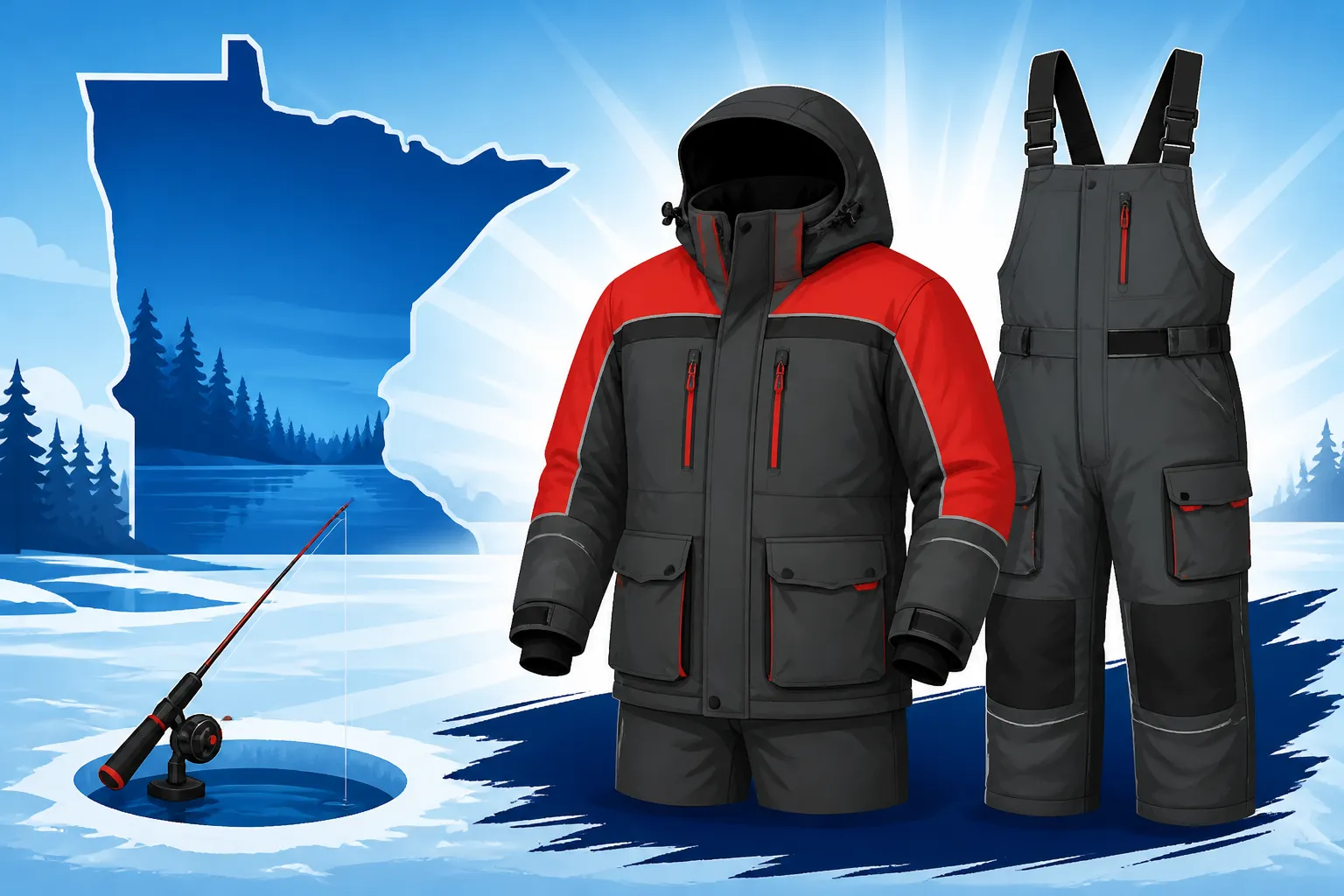
Understanding the individual components of a float suit is key to making an informed decision. While many anglers refer to a "float suit" as a complete jacket and bib combo, these pieces are often sold separately or designed with distinct functionalities. Both the bibs and the jacket play crucial roles in providing warmth, protection, and flotation.
Understanding Ice Fishing Bibs
The bibs are arguably the workhorse of the ice fishing float suit system. They cover your legs, torso, and often part of your chest and back, providing a substantial layer of warmth and protection where you need it most when sitting or kneeling on the ice. High-quality bibs feature the integrated closed-cell foam insulation throughout, offering critical flotation assistance for your lower body.
Look for bibs with reinforced, padded knees and seat areas. These are high-wear points and also where you'll be making contact with the cold, wet ice. Adjustable suspenders are essential for a comfortable, customizable fit, allowing you to layer appropriately underneath. Long leg zippers, often extending from the ankle all the way up to the hip, are a huge convenience, enabling you to put on or take off the bibs without removing your boots – a small detail that makes a big difference when you're bundled up. Many bibs also include internal gaiters or snow cuffs that fit over your boots to prevent snow and slush from getting in. Pockets, of course, are a must-have for storing small tackle, a phone, or hand warmers. When you're spending hours out in an ice shelter, the comfort and protection of a good pair of bibs are absolutely priceless.
The Importance of a Matching Jacket
While bibs cover a lot of ground, a matching float jacket completes the system, offering full-body protection and maximizing the flotation benefits. The jacket will feature the same integrated closed-cell foam as the bibs, providing additional buoyancy and thermal insulation for your upper body.
A good ice fishing jacket will typically have an adjustable hood, often insulated, to protect your head and neck from wind and snow. Storm cuffs or internal neoprene cuffs are crucial for sealing out cold and water at your wrists, especially when handling fish or reaching into the auger hole. Look for durable, waterproof zippers with storm flaps to prevent water intrusion. Ample pockets, both external and internal, are incredibly useful for carrying essential gear, a fishing license, or snacks. Ventilation zips, like pit zips, are a bonus, allowing you to dump excess heat if you're active. When combined with the bibs, the jacket creates a comprehensive, interlocking system that provides maximum warmth, dryness, and most importantly, flotation in an emergency.
Full Suit vs. Separates: Pros and Cons
One common question anglers have is whether to buy a full, one-piece float suit or a two-piece system (separate bibs and jacket). Both options have their merits.
Full One-Piece Suits (Coveralls):
- Pros: Offer seamless protection from head to ankle, eliminating any gaps where cold or water could enter. This can be fantastic for extreme conditions or when you're crawling around on the ice. Maximize overall flotation.
- Cons: Can be less versatile – you're all-in or all-out. Bathroom breaks can be more challenging. May feel more restrictive for some anglers compared to separates. Less practical for warmer days or transitioning from the vehicle to the ice.
Two-Piece Systems (Separate Bibs and Jacket):
- Pros: Highly versatile. You can wear just the bibs on milder days or if you're working inside a very warm shelter. You can mix and match with other layers. Easier for bathroom breaks. Offers more flexibility in sizing if your upper and lower body sizes differ.
- Cons: A slight potential for cold air or moisture to creep in at the waist if the jacket isn't long enough or overlaps properly with the bibs. While flotation is excellent, it's divided between two garments.
For most Minnesota ice anglers, a high-quality two-piece system offers the best combination of safety, warmth, and versatility. It allows you to adapt to changing weather conditions or adjust for different activity levels throughout a long day of Ice Fishing for Walleye: Tactics & Setups. However, those who face truly extreme conditions or prefer the ultimate in sealed protection might lean towards a one-piece suit.
Sizing, Care, and Maintenance of Your Float Suit
Investing in a good ice fishing float suit is like investing in a boat or a quality set of Best Walleye Rods & Reels – it needs to fit right and be properly cared for to perform its best and last for years. Getting the right size ensures both comfort and the effectiveness of the flotation, while proper maintenance protects your investment.
Getting the Right Fit
This is crucial. A float suit that's too tight will restrict movement, making it uncomfortable and potentially compressing the insulation, reducing its warmth. One that's too loose can feel bulky, allow cold air to sneak in, and compromise the intended flotation performance by shifting around.
Here's how to aim for the perfect fit:
- Layer Up: When trying on a suit, wear the typical base layers and mid-layers you’d wear while ice fishing. This is essential for getting an accurate feel for the fit.
- Freedom of Movement: Perform common ice fishing motions: bend at the knees, raise your arms, crouch down as if pulling a fish out of a hole, and sit. The suit should allow for full, unrestricted movement without feeling stretched or pulling anywhere.
- Bibs First: Ensure the bibs fit well around your waist and thighs, with enough length in the legs for full extension without riding up. The suspenders should provide support without digging into your shoulders.
- Jacket Overlap: When wearing the jacket over the bibs, make sure there's good overlap at the waist to prevent gaps. The jacket sleeves should extend past your wrists when your arms are outstretched.
- Adjustability: Utilize all adjustable features like waist straps, suspenders, cuff closures, and hood drawstrings to fine-tune the fit.
Many manufacturers provide detailed sizing charts, often including height, chest, and waist measurements. Always consult these, and if in doubt, trying on the suit at a store like Bass Pro Shops is your best bet. Remember, a properly fitting float suit will enhance your comfort and safety significantly, making those long days on the ice far more enjoyable.
Washing and Storing for Longevity
Taking care of your float suit properly will ensure its integrated flotation remains effective, its waterproofing holds up, and it continues to provide warmth for many seasons. These aren't your everyday clothes; they require specific care.
Washing:
- Read the Label: Always start by checking the manufacturer's care instructions, as they can vary slightly between brands (StrikerICE, Clam, Otter, etc.).
- Gentle Cycle, Cold Water: Use a front-loading washing machine (top-loaders with agitators can damage the fabric and foam). Wash on a gentle cycle with cold water.
- Mild Detergent: Use a mild, non-detergent soap specifically designed for technical outerwear, such as Nikwax Tech Wash or Granger's Performance Wash. Avoid harsh detergents, bleach, fabric softeners, or stain removers, as these can strip the DWR (Durable Water Repellent) coating and damage the waterproof membrane or flotation foam.
- Rinse Thoroughly: Ensure the suit is thoroughly rinsed to remove all soap residue. You might need to run an extra rinse cycle.
- Spot Clean: For small stains, spot clean with a damp cloth and mild soap.
Drying:
- Air Dry is Best: The safest way to dry a float suit is to hang it on a sturdy hanger in a well-ventilated area, away from direct sunlight or heat sources. This can take a day or two due to the insulation.
- Low Heat Tumble (Carefully): Some suits can be tumble dried on a very low or no-heat setting. If you do this, check the manufacturer's instructions very carefully and remove the suit as soon as it's dry to the touch. High heat can damage the waterproof membranes and the flotation foam.
Reactivating DWR:
Over time, the DWR coating on the outside of your suit will wear off, causing the fabric to "wet out" (absorb water instead of beading it up). You can reactivate or reapply DWR using spray-on or wash-in products from brands like Nikwax or Granger's. Follow product instructions carefully.
Storage:
- Clean and Dry: Ensure your suit is completely clean and dry before storing it for the off-season. Storing a damp suit can lead to mildew and degradation of materials.
- Hang Loosely: Store it hanging on a wide hanger in a cool, dry place. Avoid compressing it in a small bag or bin for extended periods, as this can affect the loft of the insulation and the integrity of the flotation foam.
Proper care will not only extend the life of your expensive gear but will also ensure it performs optimally when you need it most, keeping you warm, dry, and safe on the ice for years to come.
Real-World Scenarios: When a Float Suit Saves the Day
It’s easy to think of a float suit as just another piece of expensive gear, but the true value becomes profoundly clear in critical moments. While we all hope to never experience the worst-case scenario, being prepared with a float suit can turn a potentially tragic event into a manageable, albeit scary, incident. The peace of mind alone is worth the investment, but let’s look at some real-world situations where these suits shine.
Breaking Through Thin Ice
This is the scenario everyone dreads, and sadly, it happens every year across Minnesota's vast network of lakes. You might be walking out to your favorite spot, or perhaps even driving an ATV, and suddenly, the ice gives way. Without a float suit, the immediate shock of the frigid water can cause gasping and disorientation, while the weight of soaked clothes can drag you down quickly. Panic sets in, and self-rescue becomes incredibly difficult.
With a float suit, the experience is dramatically different. The integrated closed-cell foam immediately provides buoyancy, helping you pop back up to the surface and maintain a horizontal position with your head above water. This buys you precious time – time to calm down, assess the situation, and initiate self-rescue techniques, such as using ice picks to pull yourself out, or to call for help using a waterproof phone stored in a pocket. The thermal insulation also significantly delays the onset of hypothermia, giving you a much better chance of survival and recovery. This safety net allows you to fish with a greater sense of confidence, even when exploring new areas or during those early-season outings when ice thickness can be inconsistent. Always remember to practice Ice Safety Rules before venturing out!
Unexpected Weather Changes
Minnesota weather is notoriously fickle, especially in winter. You can start the day with clear skies and moderate temperatures, only for a sudden whiteout blizzard to roll in, bringing plummeting temperatures, driving snow, and howling winds. While not as immediately life-threatening as falling through the ice, these rapid changes can still put you in a dangerous situation if you're not adequately dressed.
A high-quality float suit is your best defense against such abrupt shifts. Its superior insulation, combined with its windproof and waterproof exterior, acts as a fortress against the elements. You won't just stay warm; you'll stay comfortably warm, even when the wind chill drops significantly. The breathable membrane prevents you from getting clammy as you pack up your gear or move your shelter through the snow, ensuring you remain dry from the inside out. This protection means you can safely endure an unexpected squall, pack up your Best Ice Fishing Gear for Minnesota (2027 Guide), and make your way back to shore or a heated ice house without risking frostbite or severe hypothermia.
Long Days on the Lake
Sometimes, the "saving the day" isn't about averting disaster, but about enhancing the overall experience. Imagine a perfect winter day on Leech Lake, the fish are biting, and you’ve got several flags popping for northern pike, or you’re consistently pulling up big crappies from a brush pile. You want to stay out there as long as possible, but after several hours, the cold starts to seep into your bones, your clothes feel stiff, and you’re just plain miserable.
This is where the comfort of a float suit truly shines. Its ergonomic design, combined with excellent thermal regulation, allows you to remain comfortable for extended periods. The ability to move freely, kneel on the padded knees without getting cold or wet, and have convenient access to your gear through well-placed pockets all contribute to a more enjoyable, less fatiguing day. Instead of packing up because you're too cold, you can stay out until the bite dies down, maximizing your fishing time and creating more lasting memories. It’s about more than just survival; it’s about making every moment on the hard water count.
Disclaimer
Please remember that while float suits provide significant buoyancy assistance, they are not certified U.S. Coast Guard Personal Flotation Devices (PFDs) and should not be considered a substitute for a life vest in situations where one is required. Always prioritize ice safety, check ice conditions regularly, and inform others of your fishing plans. Be aware of and follow all Minnesota Fishing Regulations Changes for 2026 set by the Minnesota Department of Natural Resources (DNR).