Where to Catch Lake Trout in Minnesota
Finding lake trout in Minnesota can feel like chasing a ghost if you're not sure where to start. Unlike our ubiquitous walleye or the aggressive northern pike, lake trout are particular about their habitat, preferring the deep, cold, oxygen-rich waters found in only a select few of our state's 10,000+ lakes. This guide is dedicated to cutting through the guesswork, helping you pinpoint the prime locations and arm you with the knowledge needed to successfully pursue these magnificent, hard-fighting fish.
Unveiling Minnesota's Prime Lake Trout Fisheries
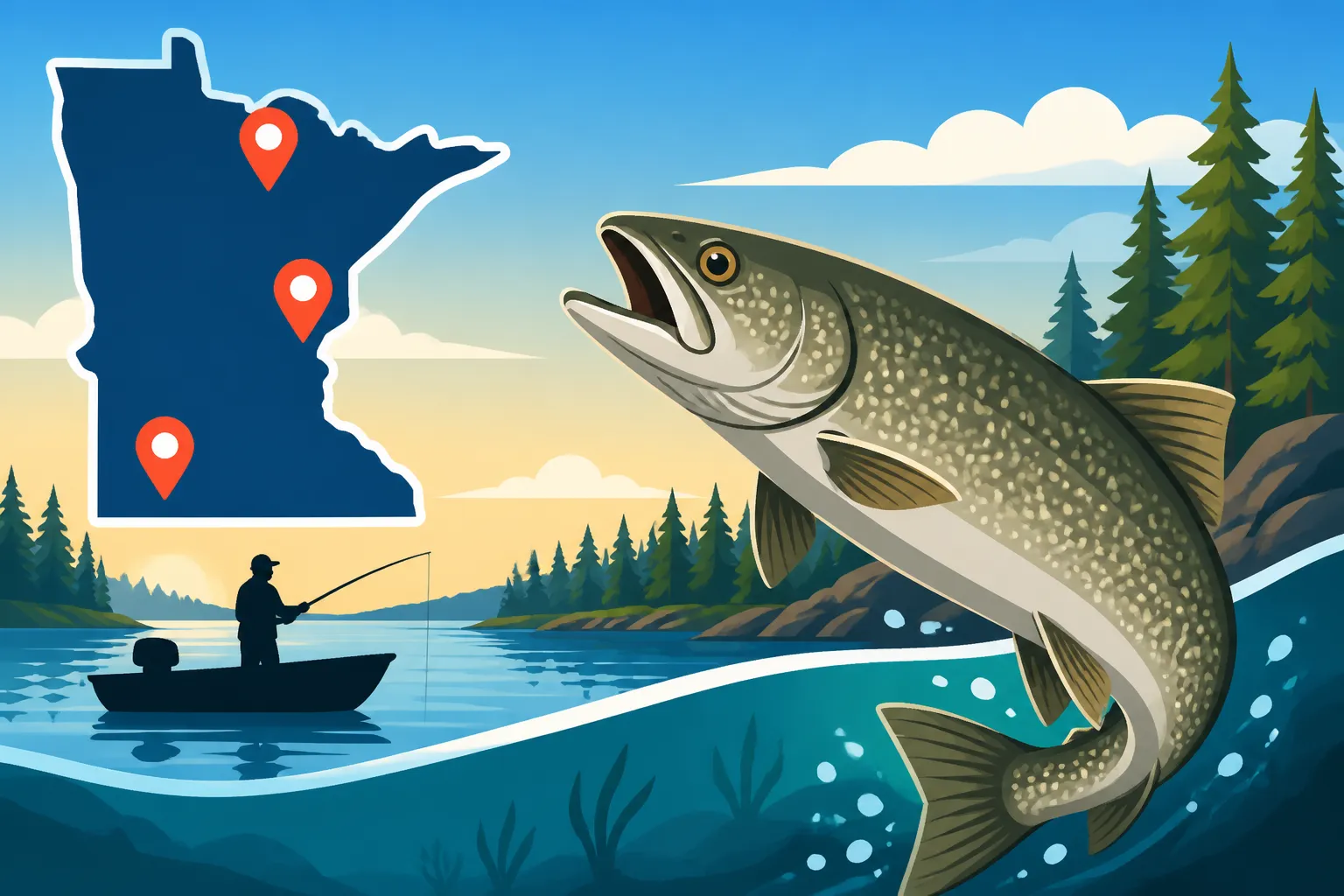
Minnesota might be known as the Land of 10,000 Lakes, but when it comes to true lake trout habitat, the numbers shrink dramatically. These ancient predators require specific conditions: consistently cold water, ample oxygen at depth, and a healthy forage base. This typically points us to the deepest, clearest, and often most rugged bodies of water, primarily concentrated in the northeastern part of the state.
The Crown Jewel: Lake Superior and its Tributaries
When we talk about lake trout in Minnesota, Lake Superior immediately springs to mind. It's not just a lake; it's an inland sea, offering vast expanses of prime lake trout real estate. The sheer depth and cold temperatures are exactly what these fish thrive in, and the abundance of cisco, smelt, and other baitfish provides a robust food source. Anglers here can target a variety of lake trout strains, including the native Siscowet, which are known for their high fat content, and leaner strains found closer to shore or in shallower depths.
Fishing Lake Superior for lake trout is a unique experience that often involves substantial boats and specialized gear. You're not just fishing a lake; you're often navigating conditions that can change rapidly, demanding respect and preparedness. The North Shore, from Duluth all the way up to Grand Portage, offers numerous access points. Popular areas include the waters off of Two Harbors, Silver Bay, and Grand Marais. During the warmer months, lake trout often suspend over deep water, sometimes 100 to 200 feet down, requiring downriggers and heavy spoons or stickbaits to reach them. However, during the spring and fall, they can move into shallower waters, even within casting distance of shore or tributary mouths, making them accessible to a wider range of anglers. For those exploring the deep, a good fish finder is an absolute must to locate schools of bait and the trout lurking beneath them.
Boundary Waters Canoe Area Wilderness Gems
For many, the ultimate lake trout adventure lies within the pristine, unspoiled wilderness of the Boundary Waters Canoe Area Wilderness (BWCA). This vast area of interconnected lakes and rivers, largely untouched by development, hosts some of the state's most iconic lake trout populations. The deep, clear, oligotrophic (nutrient-poor) lakes of the BWCA are tailor-made for lake trout. Here, you'll find a true wilderness experience, often requiring portaging canoes and camping, far from the hustle and bustle of motorized traffic.
Lakes like Saganaga, Trout Lake, Knife Lake, Basswood Lake, and Lac La Croix are legendary for their lake trout fishing. Accessing these waters means a commitment to the journey, but the rewards are often spectacular. The trout in these lakes tend to be native, wild fish, offering incredible fights in a breathtaking setting. While some of these larger lakes allow motors up to 25 horsepower on certain portions, many smaller, equally productive lakes are paddle-only, demanding a more primitive approach. Ice fishing in the BWCA, while challenging due to remoteness, can be incredibly productive, with fewer anglers and aggressive fish. You might want to brush up on Minnesota Ice Fishing & Shelter Rules before planning a winter trip there.
Voyageurs National Park's Icy Depths
Just west of the BWCA, Voyageurs National Park offers another incredible, yet slightly more accessible, lake trout fishery. This park is a water wonderland, consisting of four large interconnected lakes: Rainy Lake, Kabetogama, Namakan, and Sand Point Lake. These lakes are part of the larger Rainy Lake watershed that straddles the US-Canada border. While walleye and northern pike get a lot of attention here, the deep basins of Kabetogama and Namakan especially hold thriving lake trout populations.
Fishing in Voyageurs National Park offers a blend of wilderness feel with some modern conveniences. Resorts and boat launches are available on the fringes of the park, making it easier to access with larger boats. The lake trout here are often found in very deep water during the summer, requiring similar trolling or deep jigging tactics as Lake Superior. However, in the spring and fall, they move up to shallower rocky points and reefs, offering excellent opportunities for casting or jigging. Anglers targeting these waters should definitely check out the specific Lake Kabetogama Fishing Regulations (2026) and Namakan Lake Fishing Regulations (2026) as they are border waters and regulations can be complex, often requiring adherence to both Minnesota and Ontario rules.
Lesser-Known but Worthwhile Lake Trout Lakes
Beyond the major fisheries, Minnesota has a scattering of smaller, often overlooked lakes that hold viable lake trout populations. These can be fantastic options for anglers looking for a less crowded experience or a challenge closer to home, though they may not produce the sheer numbers or trophy sizes of the larger waters. Many of these lakes are managed by the Minnesota Department of Natural Resources (DNR) with specific stocking programs.
Some examples include secluded lakes in the Superior National Forest like Clearwater Lake, Mountain Lake, and numerous smaller, unnamed lakes accessible via portage or forest roads. These lakes often offer intimate settings and a real sense of discovery. While their trout might not reach the proportions of a Lake Superior leviathan, they provide exciting action on lighter tackle. It's always a good idea to consult the current Minnesota fishing regulations pamphlet or the DNR website for specific stocking information and any special regulations for these smaller, sometimes more sensitive, trout fisheries.
Understanding Lake Trout Biology and Habitat
To consistently catch lake trout, it’s not enough to know where they are; you also need to understand why they are there and how they behave. Lake trout are distinct from stream trout (like brook, brown, and rainbow trout) in their preferences and life cycles, primarily being cold-water specialists that inhabit large, deep lakes.
The Need for Cold, Oxygenated Water
Lake trout are obligate cold-water fish, meaning they absolutely depend on water temperatures typically below 55°F (13°C). As lake waters stratify in summer, the thermocline forms, creating a distinct layer of cold water at depth. This is where lake trout spend their summers, seeking refuge from warmer surface temperatures. They also require high levels of dissolved oxygen, which is usually abundant in these cold, deep zones.
In shallower lakes or during periods of prolonged heat, the "deep water refuge" can shrink, concentrating fish and making them harder to entice. This physiological requirement dictates not only where they live but also their activity levels. In overly warm water, they become lethargic and stressed, which is why proper catch-and-release techniques are crucial, especially during summer months, to ensure their survival. Learning Catch and Release Best Practices in Minnesota is vital for these sensitive species.
Forage and Structure Preferences
Lake trout are apex predators in their ecosystems, primarily feeding on other fish species. Their diet is largely influenced by what's available in their specific lake. In Lake Superior and the larger deep lakes, their main diet consists of pelagic baitfish like cisco (also known as lake herring) and rainbow smelt. These baitfish often suspend in open water, prompting lake trout to follow suit.
Beyond open water, lake trout relate to underwater structure. Deep reefs, humps, sharp drop-offs, and sunken islands provide ambush points and foraging grounds. They use these structures to corral baitfish or to hide, waiting for an opportune moment to strike. When ice fishing, identifying these structural elements using a good lake map and a quality fish finder or flasher, like a Vexilar, can be the key to success. Understanding Where Do Walleye Live in a Lake? (Structure) can provide some transferable knowledge, as both species often relate to similar underwater features, albeit at different depths.
Seasonal Strategies for Lake Trout Success
Lake trout behavior changes significantly throughout the year, largely driven by water temperature and spawning cycles. Adapting your approach to the season is crucial for consistent success.
Spring and Fall: Shallower Opportunities
The shoulder seasons—early spring after ice-out and late fall before ice-up—offer some of the most exciting lake trout fishing. During these periods, the entire water column is often uniformly cold, allowing lake trout to move into shallower waters, sometimes as shallow as 10-30 feet. This brings them within reach of casting anglers and makes them more accessible to those without specialized deep-water trolling gear.
In spring, immediately after the ice leaves, lake trout are often found cruising rocky points, shallow reefs, and even along shorelines where they might be feeding on newly emerged insect larvae or baitfish. Trolling shallow-running crankbaits or casting heavy spoons and swimbaits can be highly effective. The fall is equally productive, especially as lake trout move towards their spawning grounds, which are typically rocky shoals in relatively shallow water. They become very aggressive and territorial during this pre-spawn period, readily hitting a variety of lures. This is also a fantastic time to target them from shore or small boats in the right locations.
Summer: The Deep Water Game
As summer progresses and surface waters warm, lake trout retreat to their deep, cold sanctuaries. This is when the "deep water game" truly begins. Anglers targeting summer lakers often employ techniques designed to get lures down to depths of 60 to 200 feet or even deeper. Trolling with downriggers is a popular method, allowing precise depth control for spoons, dodgers, and flies, or large crankbaits. Lead core line can also be effective for reaching specific depths without downriggers.
Vertical jigging with heavy spoons, tube jigs, or large plastic swimbaits over deep structure like humps and drop-offs is another highly effective summer tactic. A good sonar unit is indispensable for marking fish and structure in these conditions. The challenge of summer lake trout fishing lies not just in finding the fish but also in enduring the often long boat rides and the physical exertion of retrieving lures from extreme depths.
Winter: Ice Fishing for Lakers
Ice fishing for lake trout is a revered tradition in Minnesota's lake trout country, offering a unique and often exhilarating experience. While it requires a bit more effort to set up on large, deep lakes, the rewards can be incredible. Lake trout remain active under the ice, often cruising vast areas in search of food. They can be found anywhere from 30 to over 100 feet deep, depending on the lake and time of winter.
Popular tactics for ice fishing lake trout include jigging large spoons, tube jigs, and specialized "jigging raps" or "paddle tail" baits. Live bait, such as large shiners or cisco, fished under a tip-up or deadstick, can also be deadly. Anglers frequently use electronics like flashers or forward-facing sonar to locate fish and monitor their presentations. The sight of a big lake trout streaking up from the depths on the screen of a Vexilar FLX-28 Review or Humminbird Ice Helix Review is enough to get any ice angler's heart pounding. On the big lakes like Lake Superior or the Boundary Waters, you might need heavy-duty ice fishing gear. Consider checking out How to Catch Lake Trout Through the Ice in Minnesota for more specific tips.
Essential Gear and Techniques for Minnesota Lake Trout
Chasing lake trout requires specific gear and tactics tailored to their size, strength, and deep-water habitat. Don't go out with your panfish rod expecting to land a 20-pound laker!
Robust Rods, Reels, and Line
Lake trout are powerful fish that can grow to impressive sizes, so your tackle needs to be up to the task. For open water fishing, especially trolling or deep jigging, a medium-heavy to heavy action rod, typically 7 to 9 feet long, is recommended. This provides the backbone needed to handle heavy weights, fight large fish, and absorb the shock of their powerful runs. Matching this with a stout baitcasting reel or a large spinning reel capable of holding a substantial amount of line is critical.
For line, a braided line of 20-50 lb test is often preferred for its no-stretch properties, which provide excellent sensitivity at depth and strong hooksets. A fluorocarbon leader (15-30 lb test) is often tied to the braid for stealth and abrasion resistance. When ice fishing, a medium-heavy to heavy action ice rod, 30-48 inches long, paired with a reliable spinning reel and 10-20 lb braided or fluorocarbon line, will give you the necessary power and sensitivity.
Lure and Bait Selection
The world of lake trout lures is vast, but a few categories consistently produce results:
- Spoons: Heavy trolling spoons (like Mag Lip, Silverstreak, or Northern King) in various sizes and colors are mainstays for open water trolling. For jigging, vertically jigged spoons (like Gibbs Minnow, Swedish Pimple, or various cast-metal spoons) are highly effective, especially when tipped with a piece of minnow or a gulp minnow.
- Tube Jigs: These soft plastic baits, often 3-6 inches long, are incredibly versatile for jigging. White, glow, and natural baitfish colors are popular. The erratic fall of a tube jig mimics an injured baitfish, often drawing aggressive strikes.
- Swim Baits and Grubs: Large paddle tail swimbaits rigged on heavy jig heads or plastic grubs can imitate cisco or smelt, making them excellent choices for both jigging and casting in shallower water.
- Crankbaits and Stickbaits: Deep-diving crankbaits (like Rapala Deep Tail Dancer or Storm Thunderstick) are used for trolling, especially when targeting fish at specific depths. During spring and fall, shallow-running stickbaits can be cast effectively along shorelines and reefs.
- Live Bait: Large shiners, cisco, or suckers, fished whole on a quick-strike rig under a float or on a deadstick, can be incredibly effective, particularly when ice fishing or when fish are less active.
The key is to match the hatch, meaning trying to use lures that imitate the primary forage in the lake you are fishing. For more detailed lure advice, you might want to look into Best Lures & Baits for Minnesota by Species.
Key Lake Trout Destinations in Minnesota
Let's dive into a few specific spots that consistently produce lake trout. While Lake Superior and the BWCA are top-tier, here's a broader look at where you can realistically expect to find success.
| Lake Name | Primary Access | Typical Depth (ft) | Best Season(s) | Notes |
|---|---|---|---|---|
| Lake Superior | Duluth, Grand Marais | 100-1300+ | Year-round | Vast, diverse fishery. Deep trolling in summer, shallower in spring/fall. Check regulations for specific zones and strains (e.g., Siscowet). |
| Saganaga Lake (BWCA) | Gunflint Trail (Grand Marais) | 50-240+ | Ice, Spring, Fall | Requires BWCA permit. Known for large, wild lake trout. Accessible by limited motors on certain sections. |
| Lake Kabetogama | Voyageurs NP (Int'l Falls) | 50-130+ | Ice, Spring, Fall | Part of Voyageurs National Park. Border water regulations apply. Offers good access with boat launches and resorts. |
| Namakan Lake | Voyageurs NP (Kabetogama) | 50-150+ | Ice, Spring, Fall | Also in Voyageurs NP. Known for strong lake trout and smallmouth bass. Border water, so expect strict regulations. |
| Clearwater Lake (SNF) | Gunflint Trail (Grand Marais) | 30-100+ | Ice, Spring, Fall | Smaller, more intimate lake. Often requires portaging or hike-in. DNR managed. |
| Trout Lake (BWCA) | Ely Area (via portage) | 50-170+ | Ice, Spring, Fall | Wilderness lake, paddle access only. True solitude and wild fish. |
Fishing Lake Superior's Depths and Shallows
The sheer size of Lake Superior can be intimidating, but breaking it down into accessible zones makes it manageable. From Duluth and Two Harbors, anglers often target waters near the Apostle Islands (though mostly Wisconsin waters, the principles apply) or the nearshore reefs. Further north, Grand Marais offers excellent access to deeper offshore areas as well as sheltered bays that can hold fish in spring and fall. Pay close attention to current Minnesota Fishing Regulations Changes for 2026 specific to Lake Superior, as quotas and seasons can vary for different lake trout strains.
Summer fishing typically involves trolling offshore humps and drop-offs where baitfish congregate. A good starting point is often around 80-150 feet of water, but fish can be found much deeper. During spring and fall, look for rocky points and structures in 20-60 feet of water, especially near areas where rivers or streams enter the lake, bringing in nutrients and drawing baitfish.
Navigating the Boundary Waters for Lakers
Fishing for lake trout in the BWCA is as much about the journey as it is about the catch. Planning is paramount. You'll need permits, sturdy canoes, and a willingness to portage. Hiring an experienced guide, especially for a multi-day trip, can significantly increase your chances of success and safety. The deep, clear waters mean that stealth is often important; light lines and quiet approaches can make a difference.
Concentrate your efforts on the deep basins, especially during the summer. Look for structure like submerged islands, reefs, and prominent points that drop into deep water. In spring and fall, explore the rocky shorelines and shallow points. The solitude of catching a pristine lake trout in the heart of the BWCA is an unforgettable experience, making every paddle stroke and portage worth it. Remember to always practice Leave No Trace principles in this fragile wilderness.
Lake Kabetogama and Namakan Adventures
Voyageurs National Park offers a different flavor of lake trout fishing. While still wild, the presence of resorts and easier boat access makes it more family-friendly for some. These lakes are part of a complex system of international waters, so always be aware of where you are and what regulations apply.
The lake trout in Kabetogama and Namakan often congregate around specific deep structures. Large geological formations, steep drop-offs, and deep points are prime areas. Again, a high-quality fish finder is crucial for locating these underwater features and the schools of baitfish that lake trout prey on. Ice fishing on these lakes can be exceptional, with the vast expanses of ice providing opportunities for portable shelters or even renting a cozy ice house.
Final Thoughts on Your Lake Trout Quest
Chasing lake trout in Minnesota is a commitment, but it's a commitment that pays off with some of the most rewarding angling experiences our state has to offer. These fish are beautiful, powerful, and inhabit some of the most stunning landscapes in Minnesota. Whether you're battling a laker from the cold depths of Lake Superior, paddling into a pristine BWCA lake, or enjoying the unique beauty of Voyageurs National Park, the pursuit of these majestic fish is a truly special endeavor. Don't be discouraged by their elusive nature; with the right knowledge, proper gear, and a healthy dose of patience, you'll be well on your way to adding a Minnesota lake trout to your angling resume.
Disclaimer
Fishing regulations, seasons, and limits can change annually. Always consult the most current Minnesota Department of Natural Resources (DNR) fishing regulations handbook or their official website before heading out on the water. This guide is for informational purposes only and should not replace official DNR publications. Stay safe and fish responsibly.