Trout Fishing in Minnesota: Streams & Lakes
Minnesota offers an incredible, diverse tapestry for trout anglers, from the smallest spring-fed brooks to the colossal depths of Lake Superior. Yet, the sheer variety of trout species, their distinct habitats, and the ever-changing regulations can leave even seasoned anglers scratching their heads. This comprehensive guide aims to demystify trout fishing across the state, equipping you with the knowledge to pursue brook, brown, rainbow, and lake trout in Minnesota's stunning waters, ensuring a fulfilling and successful angling experience.
Understanding Minnesota's Trout Diversity
When we talk about trout in Minnesota, we're not just talking about one fish. The state boasts several distinct species, each with its own unique characteristics, preferred habitats, and angling challenges. Knowing the difference is the first step to becoming a truly effective trout angler here.
The Stream Trout Trio: Brook, Brown, and Rainbow
These three species are often grouped as "stream trout" because they thrive in the state's colder, oxygen-rich rivers and streams. However, they also find homes in certain designated trout lakes and even in the vastness of Lake Superior.
Brook Trout: The Native Jewels
Ah, the brook trout. For many, this vibrant fish, with its distinct vermiculation patterns (worm-like markings) on its back and the telltale white leading edges on its fins, is the epitome of stream fishing. Brook trout are Minnesota's only native stream trout, and they demand the coldest, cleanest water to survive. You'll often find them in the smallest, most pristine headwater streams in the southeastern Driftless Area or the North Shore. They rarely grow very large in streams, typically ranging from 6 to 12 inches, but their beauty and the wild places they inhabit make every catch a treasure. When pursuing these wild fish, especially, practicing proper Catch and Release Best Practices in Minnesota is crucial for their survival and the health of the fishery.
Brown Trout: The Wary Warriors
Brown trout, originally introduced from Europe, are known for their resilience and their often-elusive nature. They tolerate slightly warmer water than brook trout and can grow significantly larger, making them a popular target for anglers seeking a real challenge. Browns are distinguished by their dark spots, many of which have light halos, and a general golden-brown hue. You'll find them in a wider range of streams, from the smallest trickles where they might hide under an undercut bank, to larger rivers, and even in some designated trout lakes. Their reputation for wariness means careful approach and presentation are key to success. They're often found holding tight to structure like logjams, deep pools, and current seams.
Rainbow Trout: The High-Flying Fighters
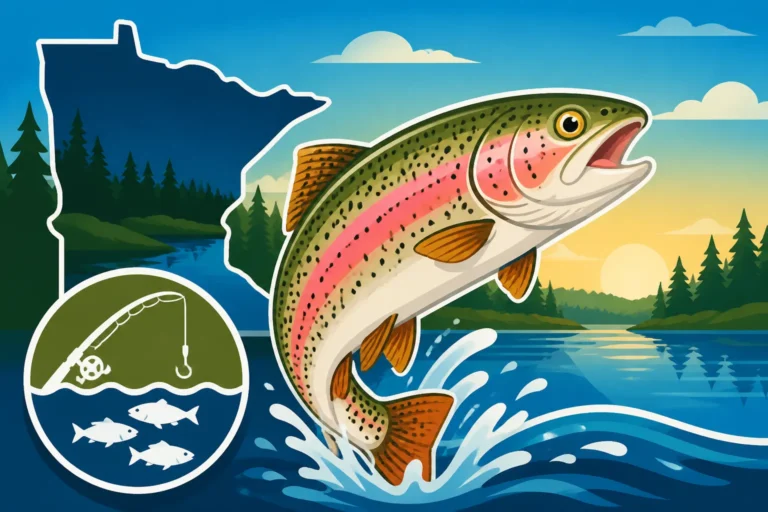
Rainbow trout, easily recognized by their iridescent pink or red stripe along their flanks and numerous small dark spots, are another introduced species but have become a staple of Minnesota's trout program. They're known for their acrobatic fights once hooked, often leaping clear of the water. Rainbows are frequently stocked in designated stream trout lakes and many of the state's coldwater streams, especially where fishing pressure is high. They also make up the population of "steelhead" when they migrate from Lake Superior into its tributaries to spawn, offering a truly unique angling experience on the North Shore. These fish are aggressive feeders and provide consistent action for many anglers.
Lake Trout: The Deepwater Giants
Lake trout are a world apart from their stream-dwelling cousins. These incredible fish are true coldwater specialists, requiring deep, oxygen-rich lakes to thrive. They are native to many of Minnesota's largest and deepest waters, particularly in the Arrowhead region and within the Boundary Waters Canoe Area Wilderness (BWCAW). Lake trout are identifiable by their deeply forked tails and light spots on a darker, often greenish-grey body. They are slow-growing and can reach impressive sizes, with fish over 20 pounds being caught regularly in places like Lake Superior or some of the larger BWCA lakes. Anglers targeting lake trout often need specialized gear and techniques to reach them in their deepwater haunts.
Steelhead and Salmon: North Shore's Anadromous Wonders
The North Shore of Lake Superior presents a unique trout fishing scenario, hosting not only lake trout in the main lake but also anadromous (migratory) rainbow trout, locally known as "steelhead," and several species of Pacific salmon.
Steelhead: The Silver Streak
Minnesota's steelhead are migratory rainbow trout that spend most of their lives growing large in Lake Superior before making incredible upstream runs into its tributaries to spawn. These powerful fish, often chrome-bright with a faint pink stripe, offer a challenging and rewarding fishery in the spring and fall. They are incredibly strong fighters, known for their long runs and aerial displays. Understanding their migratory timing and the specific conditions of North Shore rivers is critical for success. You can learn more about these fascinating fish in our guide on Steelhead on Minnesota's North Shore.
Pacific Salmon: Coho, Chinook, and Pink
While not as prevalent as steelhead, Lake Superior also supports populations of Coho (silver) salmon, Chinook (king) salmon, and even smaller pink salmon. These species are also anadromous, running up North Shore rivers to spawn, primarily in the fall, though some can be found in the lake year-round. They offer another exciting dimension to the North Shore's coldwater fishery, providing a unique challenge for anglers willing to explore.
Where to Find Trout: Streams, Lakes, and the Big Lake
Minnesota offers a remarkably diverse range of trout habitats, each providing a distinct angling experience. Understanding where each species thrives is crucial for planning your next trout adventure.
Southeastern Minnesota's Driftless Area Streams
If you're looking for quintessential stream trout fishing, the Driftless Area of southeastern Minnesota is an absolute must-visit. This region, spared by glaciers, is characterized by its dramatic limestone bluffs, deep valleys, and an abundance of cold, clear, spring-fed streams. The constant influx of cold water from underground springs keeps these streams at ideal temperatures for trout year-round.
A Network of Coldwater Fisheries
Counties like Fillmore, Houston, and Winona are honeycombs of designated trout streams. The water here is typically crystal clear, making stealth and presentation paramount. Many of these streams are managed by the Minnesota Department of Natural Resources (DNR) as wild trout fisheries, supporting naturally reproducing populations of brown and brook trout. Others are "put-and-take" streams, regularly stocked with rainbow and brown trout to supplement natural populations and provide more angling opportunities. You'll find a mix of riffles, runs, and deep pools, often with undercut banks and fallen timber providing excellent cover for trout. Exploring these pristine waters is truly an immersive experience. For a deeper dive, check out our guide to Driftless Area Trout Streams (Southeast Minnesota).
Access and Etiquette
Public access to these streams is generally excellent, often via easements through private land or state and county parks. However, it's vital to respect private property and always stay within designated public access areas. Wading is common, but stream beds can be slick, so sturdy wading boots with good traction (felt or studded rubber) are essential. The clear water and often narrow confines mean a quiet approach and careful casting are key to avoid spooking fish.
North Shore Rivers and Lake Superior
Moving north, the rugged landscape of Minnesota's North Shore, where the ancient Sawtooth Mountains meet Lake Superior, offers a completely different trout fishing experience. Here, trout fishing is dominated by the migratory runs of steelhead and salmon, and the deep-water pursuit of lake trout.
The Migratory Runs of the Rivers
The dozens of rivers and streams that tumble into Lake Superior, from the Brule River in the north to the Knife River closer to Duluth, are the battlegrounds for steelhead and salmon. These rivers are often characterized by steep gradients, rocky bottoms, and dramatic waterfalls. Fishing these waters means timing your trip with the spring (steelhead) and fall (steelhead and salmon) migratory runs. Water levels and clarity are critical factors; too high and muddy, or too low and clear, can make fishing tough. Anglers often brave cold weather, snow, and challenging wading conditions for a chance at these powerful fish. While the North Shore offers thrilling fishing, knowing the specific rules is important; our guide on Minnesota Trout Season Dates & Streams provides more detail.
Lake Superior: The Inland Sea
Beyond the rivers, Lake Superior itself holds immense fishing potential, particularly for lake trout, and also for salmon and resident rainbow trout. These fish inhabit the deep, cold waters of the lake, often orienting to underwater structures, reefs, and sudden drop-offs. Fishing Lake Superior typically involves larger boats, downriggers, and specialized trolling techniques to present lures at the precise depths where these fish lurk. Charter operations are popular for those looking to experience this unique fishery without owning specialized offshore gear. Targeting lake trout here offers the chance at truly enormous fish, a testament to the abundant forage base of the world's largest freshwater lake by surface area. For specific guidance, you might find our article on Where to Catch Lake Trout in Minnesota useful.
Inland Lake Trout and Stocked Lakes
Beyond the rivers and the big lake, Minnesota also offers diverse lake-based trout opportunities, ranging from remote, pristine lakes to easily accessible, actively managed ponds.
Boundary Waters and Northern Lake Trout Lakes
Northern Minnesota, especially within the vast wilderness of the BWCAW and Voyageurs National Park, is home to numerous deep, clear lakes that support healthy, native populations of lake trout. These waters are often remote, requiring canoe portages or long drives, but the solitude and the chance at a wild, ancient lake trout are unparalleled. These fish typically inhabit depths of 50 to 150 feet or more, seeking out cold, oxygenated water. Anglers here often employ deep jigging tactics or troll with heavy gear. The challenge of reaching these lakes is part of the allure, offering a truly wild trout experience.
Designated Stream Trout Lakes (DSTLs)
The Minnesota DNR actively manages a program of "Designated Stream Trout Lakes" – smaller, often formerly fishless lakes that are regularly stocked with rainbow, brook, and sometimes brown trout. These lakes are spread across the state, including some surprisingly close to urban centers. They provide excellent, accessible trout fishing opportunities, especially for beginners or those without access to boats (many have good shore fishing access). These lakes are typically stocked in the spring and fall, providing a "put-and-take" fishery where anglers can harvest their catch. Ice fishing on these lakes is also hugely popular, offering an easy way to target trout during the winter months. For more information on these specific fisheries, check out our article on the Best Stocked Trout Lakes in Minnesota.
Seasonal Considerations for Trout Anglers
Trout fishing in Minnesota is a year-round pursuit, but the tactics and locations can change dramatically with the seasons. Understanding these patterns is key to consistently finding fish.
Spring: Opening Day Excitement and Runs
Spring is arguably the most anticipated time for trout anglers in Minnesota, kicking off with the general stream trout opener in mid-April. This is when the coldwater streams of the Driftless Area come alive, and the North Shore rivers begin their spectacular migratory runs.
Stream Trout Opener in the Driftless
When the general stream trout season opens, usually around mid-April, anglers flock to the Driftless Area. Water temperatures are still quite cold, and streams can be running high from snowmelt and spring rains. This often means trout are concentrated in slower pools, eddies, and behind current breaks, seeking refuge from strong flows. Spinners, small spoons, and live bait (like worms) are highly effective during this period. Fly anglers will find success with nymphing tactics, imitating the abundant aquatic insect larvae that are prevalent. The air is crisp, the landscape is awakening, and the fish are often aggressive after a long winter. It's an exciting time, but checking the specific Minnesota Trout Season Dates & Streams is essential as regulations can vary by stream section.
North Shore Steelhead and Salmon Runs
Coinciding with the stream opener, or sometimes even starting earlier if conditions are right, are the iconic spring steelhead runs on the North Shore. As water temperatures in Lake Superior warm slightly and snowmelt swells the rivers, these chrome-bright rainbows push upstream to spawn. Anglers line the banks, drifting spawn bags, beads, or small jigs under floats, or casting spoons and crankbaits. The fish are powerful and put up an incredible fight. Fall also brings steelhead back to the rivers, often larger, along with migrating Coho and Chinook salmon. However, river conditions are paramount; low water can make fish reluctant to enter, while flood conditions can blow out fishing entirely.
Summer: Challenging Conditions and Deepwater Tactics
As Minnesota summer heats up, trout fishing shifts, presenting new challenges and opportunities. Stream trout become more sensitive to rising water temperatures, while lake trout remain in their deep, cold sanctuaries.
Streams: Seeking Refuge
In the warmer summer months, stream trout become much harder to find in many streams. They seek out the coldest water available, often congregating around spring inflows, deep pools, and areas with dense overhead cover. Anglers typically need to fish very early in the morning or late in the evening when water temperatures are at their coolest. Stealth becomes even more critical, and light lines with delicate presentations are often necessary. Fly fishing with terrestrial patterns (hoppers, ants, beetles) or small nymphs can be effective as trout shift their diet. Some streams, especially those managed for wild trout, may have sections that switch to catch-and-release only or even close entirely during peak summer to protect vulnerable fish.
Lakes: Diving Deep
Summer is prime time for lake trout, as they are consistently found in the deeper, colder sections of their home lakes. This means anglers need to employ tactics to reach them, such as trolling with downriggers, lead core line, or heavy weights to get large spoons, stickbaits, or dodger-and-fly combinations down to depths of 50-150 feet. Jigging heavy spoons or tube jigs over deep underwater structure like humps, ledges, and breaks can also be highly effective. Electronics like fish finders are invaluable for locating these deepwater structures and the thermocline where lake trout often suspend. Many anglers enjoy the quiet solitude of fishing the remote BWCA lakes for lake trout in summer, or the thrill of trolling Lake Superior.
Fall: Vibrant Colors and Aggressive Bites
Autumn is a favorite time for many Minnesota trout anglers. The cooling temperatures and changing foliage create a beautiful backdrop, and the fishing can be exceptional as trout become more active and aggressive.
Stream Trout: Pre-Spawn Aggression
As fall progresses and water temperatures drop, stream trout in the Driftless Area and other coldwater streams become very active. Brown trout, in particular, begin their pre-spawn feeding frenzy, making them more susceptible to aggressive lure presentations like larger spinners, crankbaits, and streamer flies. Brook trout also become more vibrant in their spawning colors. The fish are often scattered throughout the stream, taking advantage of renewed access to cooler water. Fishing can be excellent all day, not just during the low-light hours. The abundance of falling leaves, however, can sometimes create challenges with snagging lines.
North Shore: Double-Header Runs
Fall sees a second major steelhead run on the North Shore, often with larger, stronger fish than in the spring. Coho and Chinook salmon also make their annual spawning migrations into the rivers, providing additional targets. Anglers employ similar tactics as in the spring – drifting natural baits or artificials under floats, or casting hardware. The vibrant fall colors against the deep blue of Lake Superior make for truly picturesque fishing trips. This is a time when a dedicated angler might land both a steelhead and a salmon in the same day, a true North Shore double-header.
Winter: Ice Fishing for Trout
When the lakes freeze over, many trout anglers simply transition their focus, as Minnesota offers fantastic ice fishing for several trout species.
Lake Trout Through the Ice
Ice fishing for lake trout is a popular and exhilarating pursuit on many northern lakes, especially those in the BWCA and Voyageurs National Park. Anglers drill holes over deep water, often near structural elements like points, humps, and drop-offs. Heavy spoons, tube jigs, and even large dead baits fished on a quick-strike rig are common presentations. A flasher or forward-facing sonar is incredibly helpful for marking fish and determining their depth. The fight of a lake trout through the ice is legendary, with powerful runs that can strip line and test tackle. Our guide on How to Catch Lake Trout Through the Ice in Minnesota delves deeper into specific strategies.
Stream Trout Lakes Under Ice
The Designated Stream Trout Lakes (DSTLs) mentioned earlier become immensely popular ice fishing destinations. These smaller, shallower lakes freeze solid quickly, offering easy access for anglers of all skill levels. Rainbow, brook, and brown trout are targeted with small tungsten jigs tipped with wax worms, plastic larvae, or even corn. Tip-ups set with live minnows or PowerBait can also be effective. It’s a great way to introduce beginners to ice fishing, as these lakes often provide consistent action. Remember that you'll still need your Minnesota Fishing License: Cost, Types & How to Buy (2026) and a Do You Need a Trout Stamp in Minnesota? even for ice fishing for trout.
Essential Gear for Minnesota Trout Fishing
Having the right gear makes all the difference when pursuing Minnesota's diverse trout species. What works for a brook trout in a small stream won't cut it for a lake trout in the deep.
Rods, Reels, and Line for Stream Trout
For stream trout, whether you're spin fishing or fly fishing, a lighter, more sensitive setup is typically the way to go. These fish often inhabit tight quarters, and a delicate presentation is paramount.
Spinning Gear: Light and Responsive
For most stream trout fishing, an ultralight to light action spinning rod is ideal. Look for rods in the 5 to 6.5-foot range. This length provides enough casting distance for small lures while maintaining accuracy in tight stream environments. Brands like St. Croix or Fenwick offer excellent sensitivity for detecting subtle bites. Pair this with a small, lightweight spinning reel, typically a 500 to 1000 size, like a Shimano Sedona or Daiwa LT series. Spool your reel with 2 to 4-pound test monofilament or fluorocarbon line. Monofilament offers good knot strength and stretch, acting as a shock absorber for aggressive strikes. Fluorocarbon is nearly invisible underwater and has less stretch, offering better sensitivity. Using a light line is crucial for achieving natural lure presentations and for not spooking wary trout in clear water.
Fly Fishing Gear: Grace and Precision
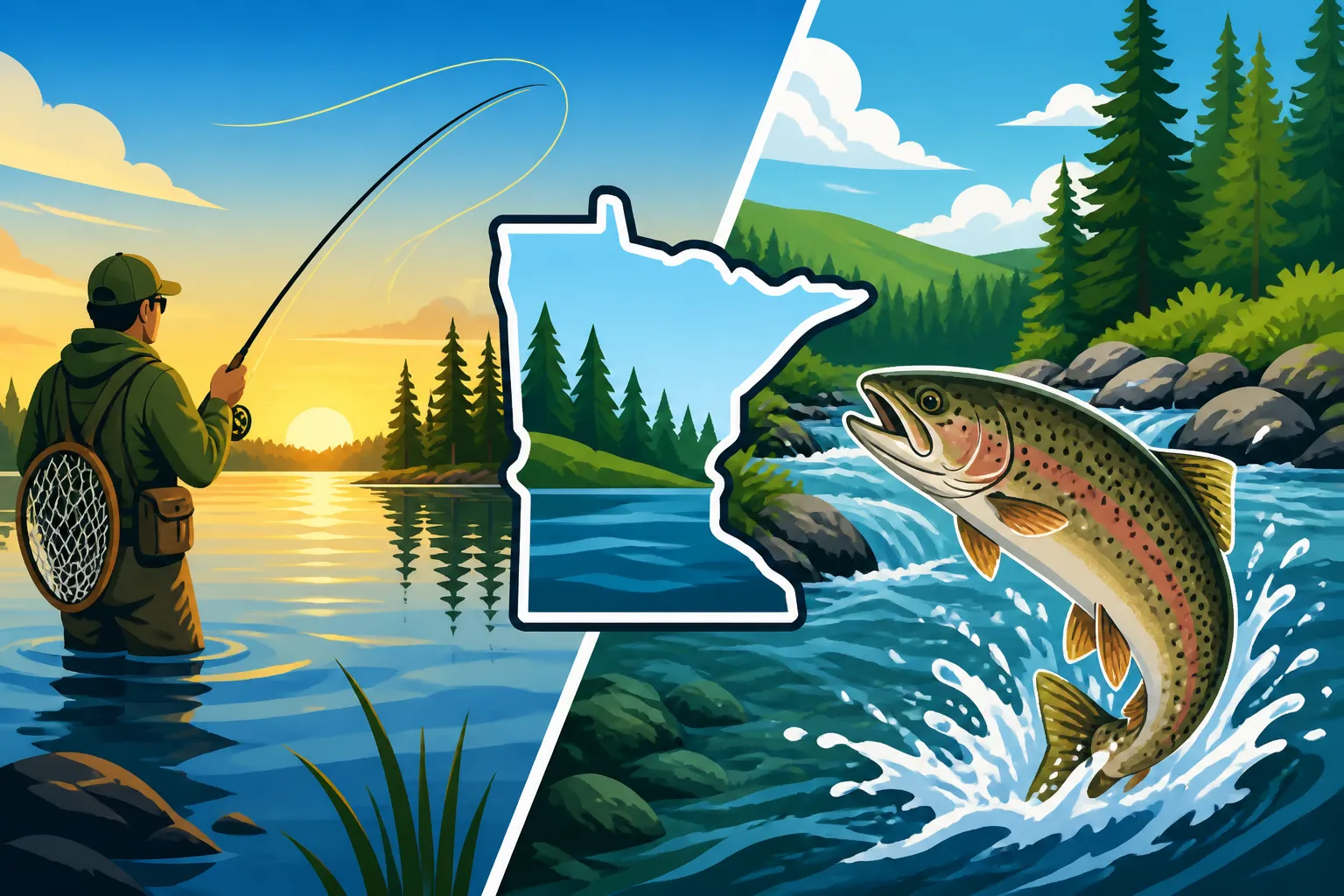
Fly fishing for stream trout is an art form. A 3-weight or 4-weight fly rod, typically 7.5 to 9 feet long, is perfect for Minnesota's smaller streams and selective trout. This lighter rod allows for delicate presentations of small dry flies, nymphs, and emergers. Pair it with a matching fly reel (often just a line holder) and a weight-forward floating fly line. A tapered leader, usually 7.5 to 9 feet long with a 4X to 6X tippet, will ensure your fly lands softly and naturally. For those just getting into it, our guide on Fly Fishing the Driftless Area: A Beginner's Guide offers more detailed advice.
Lake Trout and Steelhead Heavy-Duty Setups
When you're chasing the larger, more powerful lake trout or migratory steelhead and salmon, you need to step up your gear considerably. These fish fight hard and often require heavier lines and more robust rods.
Lake Trout: Power for the Depths
For trolling for lake trout, a medium to medium-heavy action rod, 7 to 8.5 feet long, is appropriate. These rods need enough backbone to handle heavy weights, downriggers, or lead core lines, and to subdue a large, powerful fish. Baitcasting setups are often preferred for trolling due to their better line control and drag systems under heavy loads. Pair with a sturdy reel spooled with 15 to 30-pound braided line, which offers superior strength and sensitivity in deep water. A fluorocarbon leader (10 to 20-pound test) is typically added for abrasion resistance and stealth. For jigging, a sensitive medium-heavy spinning or casting rod, 6.5 to 7 feet, with similar line setups will allow you to feel subtle bites at depth.
Steelhead and Salmon: Fighting the Current
For North Shore steelhead and salmon, a longer, more forgiving rod is often preferred to absorb the shock of their powerful runs and to allow for longer casts or easier mending of line while drift fishing. A medium-light to medium action spinning rod, 8 to 10.5 feet long, is a common choice. Match this with a reliable 2500 to 3000 size spinning reel. Spool with 6 to 10-pound monofilament or fluorocarbon main line, or an even heavier braid with a long monofilament or fluorocarbon leader. The longer rod helps to control fish in swift current and protects lighter lines.
Waders, Boots, and Essential Accessories
Beyond rods and reels, a few key accessories will significantly enhance your trout fishing comfort, safety, and success.
Waders and Boots: Stay Dry and Safe
For stream fishing, good quality waders are almost a necessity. Chest waders (neoprene for cold weather, breathable for warmer conditions) keep you dry and comfortable. Pair them with felt-soled or studded rubber-soled wading boots for superior traction on slippery rocks and uneven stream beds. Hypothermia is a real risk in cold water, so investing in good waders is not just about comfort, it's about safety.
Nets and Pliers: Tools for Success and Conservation
A rubber or knotless nylon landing net is essential for safely landing trout, especially if you plan to release them. Rubber nets are gentler on fish scales and slime coats. Long-nosed pliers or hemostats are invaluable for quickly and safely removing hooks, especially when dealing with smaller fish or deeply hooked ones. Always have them handy.
Other Essentials
- Polarized Sunglasses: Crucial for spotting fish, reading water, and protecting your eyes from glare and errant hooks.
- Creel or Cooler: If you plan to harvest fish, a wicker creel or a small cooler with ice will keep your catch fresh.
- Insect Repellent: Especially in spring and summer, mosquitoes and gnats can be relentless near water.
- Layered Clothing: Minnesota weather can be unpredictable. Dress in layers to adapt to changing temperatures throughout the day.
- First-Aid Kit: Basic supplies for cuts, scrapes, or minor emergencies are always a good idea.
- Navigation: A map (paper or digital) of the specific streams or lakes you are fishing can be invaluable for finding access points and understanding the water. The best GPS Lake Maps for Minnesota (Navionics, LakeMaster) can provide detailed contours and public land info.
Mastering Trout Fishing Techniques
Catching trout consistently requires more than just good gear; it demands an understanding of their behavior and the techniques best suited to their habitats.
Stream Fishing Strategies: Lures, Bait, and Flies
Fishing Minnesota's coldwater streams, whether in the Driftless Area or on the North Shore, demands finesse and a keen eye for trout lies.
Spinning Tackle: Covering Water Effectively
For spin anglers, small inline spinners like Mepps Aglia or Panther Martin, in sizes #0 to #2, are perennial favorites. Their flash and vibration are irresistible to hungry trout. Small spoons, such as a 1/8 oz Kastmaster or Little Cleo, also work well, particularly in deeper pools. Tiny crankbaits, mimicking minnows, can be very effective for larger brown trout. The key is to cast upstream and retrieve just fast enough to get the lure working, allowing it to drift naturally downstream through prime holding water. Focus your casts into current seams, eddies behind rocks, undercut banks, and the tails of pools. Bait fishing with live worms (nightcrawlers or garden worms), often drifted naturally with minimal weight or under a small float, is also highly effective, especially for freshly stocked fish or after heavy rains. Ensure bait use is legal in your chosen stream section.
Fly Fishing: Imitation and Presentation
Fly fishing for stream trout is all about "matching the hatch" and presenting your fly naturally.
- Nymphing: This is often the most productive method, as trout feed on aquatic insect larvae (nymphs) most of the time. Techniques like tight-line nymphing or fishing an indicator rig allow you to present subsurface flies (e.g., Pheasant Tail, Hare's Ear, Prince Nymph) at the trout's feeding depth. You can delve deeper into these methods with our guide on How to Catch Stream Trout: Nymphs & Dries.
- Dry Fly Fishing: When trout are actively feeding on insects on the surface, dry flies (e.g., Caddis, Adams, Parachute Adams) can be incredibly exciting. Present the fly gently upstream of a rising fish and allow it to drift drag-free over the trout.
- Streamers: For larger, more aggressive trout, especially brown trout, streamers (e.g., Woolly Bugger, Clouser Minnow) that imitate baitfish can be deadly. Fish them with short strips and pauses, mimicking a wounded minnow.
Regardless of your chosen method, approaching the stream quietly, casting accurately, and minimizing false casts are critical to avoid spooking the fish in these often-clear waters.
Lake Trout Tactics: Trolling, Jigging, and Downriggers
Lake trout reside in deep, cold water, so getting your lure down to them is the primary challenge.
Trolling: Covering Expansive Water
Trolling is one of the most effective ways to find and catch lake trout, especially in large lakes like Lake Superior or the vast waters of the BWCA. Large spoons (like Luhr-Jensen Kwikfish, Sutton Spoons, or Northern King), stickbaits (Rapala Deep Diver, Storm Deep Thunder), and dodger/flasher-and-fly combinations are popular choices. To reach the necessary depths, anglers use several methods:
- Lead Core Line: This segmented line changes color every 10 yards, with each color segment typically sinking to a predictable depth at a given speed.
- Diving Planers/Boards: These devices take your lure down to a specific depth without heavy weights directly on the line.
- Downriggers: These are mechanical devices that use a heavy weight (cannonball) to carry your fishing line and lure down to a precise, desired depth. Once a fish strikes, the line releases from the downrigger clip, allowing you to fight the fish directly. Downriggers are extremely effective for controlling depth with pinpoint accuracy.
Speed is critical when trolling; experiment with speeds from 1.5 to 3 mph, watching your electronics for fish responses.
Jigging: Targeting Structure and Suspended Fish
For lake trout holding on specific underwater structures like humps, ledges, or suspended in the water column, vertical jigging can be highly productive. Heavy jigs, such as 1/2 oz to 2 oz bucktail jigs, tube jigs, or jigging spoons (like a Northland Buck-Shot Rattle Spoon or a Swedish Pimple), are fished directly beneath the boat. Tip them with a piece of cut bait (sucker or smelt) for added scent and appeal. Use your fish finder to locate fish and structure, then drop your jig to their depth. A sharp, erratic jigging motion followed by a pause often triggers strikes.
North Shore Steelhead and Salmon Techniques
Fishing for migratory steelhead and salmon in North Shore rivers requires specific techniques adapted to moving water and powerful fish.
Drift Fishing: A Subtle Approach
Drift fishing is a primary method for steelhead and salmon in these rivers. This involves presenting a bait or lure that drifts naturally with the current, mimicking food items that are dislodged.
- Spawn Bags and Beads: These are extremely popular. Spawn bags are small mesh sacks containing cured salmon or trout eggs, providing natural scent and appeal. Beads, often imitating single eggs, are fished a short distance above a small hook. These are typically drifted under a float (bobber) that helps control depth and detect subtle bites.
- Jigs under Floats: Small marabou jigs or plastic grub jigs, often tipped with a maggot or wax worm, can be drifted effectively under a float.
The key is to achieve a "drag-free drift," where your float and bait move at the exact same speed as the current, presenting a natural appearance to the fish.
Casting Hardware: Covering Water and Triggering Strikes
When fish are aggressive or water levels are higher, casting spoons and crankbaits can be highly effective. Heavy casting spoons (e.g., Little Cleo, Krocodile, Koho) in silver, blue/silver, or orange patterns, are cast across or slightly upstream and retrieved with a moderate, steady pace. Small to medium-sized crankbaits (like Rapala countdowns or flat-sided crankbaits) that dive to moderate depths can also trigger strikes, particularly in deeper pools or slower runs. Work these lures through likely holding water, twitching and pausing to entice a bite.
Regulations and Conservation for Trout Fishing
Minnesota's trout fisheries are precious, and adhering to regulations and conservation practices is paramount to their long-term health.
Understanding Licenses, Stamps, and Seasons
Before you even think about casting a line for trout, you need to ensure you're properly licensed and aware of the specific season dates.
The Essential Fishing License and Trout Stamp
In Minnesota, any resident 16 years of age or older, and all non-residents regardless of age, need a valid fishing license to fish. Beyond that, if you plan to fish for trout (any species, in any water type, including Lake Superior and its tributaries), you are also required to purchase a separate trout stamp. This stamp is not just a formality; the funds generated directly support the DNR's trout management, stocking programs, and habitat restoration efforts. There are no exemptions for seniors or youth regarding the trout stamp if they are fishing for trout. Our detailed guide, Minnesota Trout Stamp & Trout Regulations, covers everything you need to know about this vital requirement. The only exception to the license requirement is during Free Fishing Weekends in Minnesota, but even then, a trout stamp might be needed depending on the rules for that specific event.
Varying Season Dates
Minnesota's trout seasons are not uniform across the state.
- Stream Trout: The general stream trout season typically opens in mid-April and runs through mid-September. However, many specific streams or stream sections have special early catch-and-release seasons, or extended fall catch-and-release opportunities. For instance, some sections of streams in the Driftless Area might be open year-round for catch-and-release only.
- Lake Trout: The season for lake trout in inland lakes usually opens in mid-May and runs through late September, with an extended ice fishing season from mid-January through late March. For Lake Superior, lake trout season is typically open year-round, but specific regulations might apply, especially near tributaries.
- North Shore Rivers (Steelhead/Salmon): These rivers often have complex regulations with specific dates for different reaches, or even catch-and-release only periods. Spring and fall are the primary migratory run times.
It is absolutely critical to consult the most current Minnesota DNR fishing regulations handbook or their website before each trip. These regulations are updated annually, and failing to check them can lead to fines and penalties. Look for the Minnesota Fishing Regulations PDF: Where to Find It for the most up-to-date information.
Bag Limits, Size Restrictions, and Special Regulations
Knowing the general rules is a start, but trout fishing often comes with very specific lake- or stream-specific regulations that you must be aware of.
General vs. Special Regulations
The statewide general regulations for stream trout might be, for example, a daily limit of 5 trout, with no more than 1 being over 16 inches. However, many individual streams or lakes will have "special regulations" that supersede these general rules. These special regulations might include:
- Reduced Bag Limits: Some streams might have a daily limit of 3, or even 1 fish.
- Protected Slot Limits: For example, all fish between 12 and 16 inches must be immediately released, allowing smaller and larger fish to be kept. This is often implemented to protect specific age classes of fish.
- Minimum/Maximum Size Limits: Only fish above a certain size, or within a specific size window, may be kept.
- Catch-and-Release Only: Many high-quality wild trout waters are managed as catch-and-release only to preserve their populations.
- Gear Restrictions: Some areas might be restricted to artificial lures only, or single, barbless hooks only.
These special regulations are implemented by the DNR to manage specific fisheries effectively, often to protect vulnerable populations, promote trophy fish, or distribute angling pressure. You will find these listed in the regulations handbook, often under specific lake or stream names. It's your responsibility as an angler to know these rules for every waterbody you fish. Understanding these nuances is part of being a responsible angler and contributes to the overall health of the fishery.
Protecting Our Coldwater Resources
Trout are indicator species; their presence signifies healthy, cold, clean water. Protecting these fragile ecosystems is a responsibility shared by all anglers.
Preventing Aquatic Invasive Species (AIS) Transfer
Many of Minnesota's trout waters are pristine, and preventing the introduction of Aquatic Invasive Species (AIS) is critical. AIS, like zebra mussels, rusty crayfish, or New Zealand mudsnails, can devastate trout habitats and food sources. Always remember to "Clean, Drain, Dry" your boat, waders, and gear after every fishing trip. This means removing all visible aquatic plants and animals, draining all water from your boat and livewells, and allowing everything to dry completely before moving to another water body. If possible, spray your waders and boots with a diluted bleach solution (following manufacturer recommendations) or allow them to freeze for several days to kill any microscopic invaders. Our guide on Aquatic Invasive Species (AIS) Rules for Boaters provides comprehensive information on these vital practices.
Stream Bank Etiquette and Waste Disposal
Trout stream banks are often fragile and can be easily eroded by careless foot traffic. Stick to established paths, avoid trampling vegetation, and cross streams carefully to minimize disturbance. Pack out everything you pack in – and then some. Leave no trace of your visit, whether it's fishing line, bait containers, or food wrappers. Responsible anglers understand that preserving the pristine nature of these environments is just as important as the fishing itself.
Best Practices for Catch and Release
For many trout anglers, particularly those targeting wild fish or fishing in special regulation waters, catch and release is a fundamental part of the experience. Mastering proper techniques ensures the fish you release have the best chance of survival.
Minimizing Stress on the Fish
Every moment a fish is out of water or handled improperly increases its stress and reduces its chance of survival after release. Your goal should be to handle the fish as little and as gently as possible.
Barbless Hooks and Quick Unhooking
The first step in effective catch and release is to use barbless hooks. You can buy them pre-made, or easily pinch down the barb on any hook with a pair of pliers. Barbless hooks greatly reduce tissue damage and allow for much quicker and easier unhooking. When you catch a fish, try to unhook it while it's still in the water, ideally without removing it from its element at all. If the hook is deeply set, a pair of long-nosed pliers or hemostats can help. If you absolutely must remove the fish from the water for a quick photo, keep it out for only a few seconds.
Wet Hands and Proper Support
Always wet your hands thoroughly before touching a fish. Dry hands can remove the fish's protective slime coat, leaving it vulnerable to infections and diseases. When handling the fish, support its entire body weight horizontally. Avoid holding it vertically by the jaw or tail, which can damage its spine and internal organs, especially with larger fish. Cradle the fish gently, ensuring its gills are submerged as much as possible, even during a quick photo.
The Importance of Reviving Trout
Sometimes, after a long fight, especially with larger fish or in warmer water, a trout might be exhausted. Simply tossing it back might not be enough for it to survive.
Facing Upstream and Waiting for Strength
If a fish seems lethargic after unhooking, gently hold it in the water, facing upstream into the current. This allows oxygenated water to flow over its gills. Support the fish upright and gently move it back and forth a few inches, but don't force water through its gills by pulling it backward. The fish will tell you when it's ready; you'll feel it regain strength and start kicking its tail vigorously. When it tries to swim away from your grasp on its own, let it go. Never release a fish that is still struggling or floating on its side. This revival process is especially critical when water temperatures are on the higher side, as trout are more susceptible to stress in warmer conditions. Learn more about techniques in our guide to Catch and Release Best Practices in Minnesota.
Considering Water Temperature
Be particularly mindful of water temperature. In streams, if the water temperature climbs above 65°F (around 18°C), trout become highly stressed, and catch-and-release mortality rates dramatically increase. In these conditions, it's often best to put away the trout gear and pursue other species or find a different, colder water body. Conservation isn't just about following rules; it's about making ethical choices to protect the resource.
Beyond the Cast: Enjoying the Trout Experience
While catching fish is undeniably exciting, the true joy of trout fishing in Minnesota often extends far beyond the strike. It’s an immersive experience that engages all your senses and connects you deeply with nature.
The Solitude and Scenery
One of the most profound aspects of trout fishing is the opportunity it provides for quiet contemplation and appreciation of the natural world.
Escaping the Hustle and Bustle
Whether you're wading a secluded spring creek in the Driftless Area, surrounded by towering bluffs and rustling leaves, or casting into the misty expanse of a North Shore river with the roar of Lake Superior in the background, trout fishing offers a unique escape. It's a chance to unplug from the demands of daily life, to slow down, and to simply be present in the moment. The rhythmic sounds of flowing water, the chirping of birds, and the rustling of leaves create a calming symphony that soothes the soul. This solitude is often as rewarding as any fish caught, offering a mental reset and a deep sense of peace.
Witnessing Minnesota's Natural Beauty
Trout thrive in some of Minnesota's most beautiful and pristine environments. The vibrant green moss and ancient limestone formations of the Driftless Area, the rugged, pine-scented shores of northern lake trout country, or the dramatic waterfalls and rocky canyons of the North Shore rivers – each location offers breathtaking scenery. Trout fishing encourages you to pay attention to your surroundings, to notice the intricate details of a wildflower, the flight of an eagle overhead, or the subtle changes in the water. It’s an active form of nature appreciation, where every cast is an invitation to immerse yourself in Minnesota's wild heart.
Delicious Rewards: Preparing Your Catch
For those times when regulations allow and you choose to keep a few fish, trout are a delightful culinary treat. There’s immense satisfaction in preparing and enjoying a meal that you've personally harvested from Minnesota's clean waters.
Simple Preparations for Delicate Flavor
Trout, especially smaller stream trout or pan-sized rainbows from stocked lakes, have a delicate, flaky texture and a mild, slightly nutty flavor. They are incredibly versatile in the kitchen and don't require elaborate preparations.
- Pan-Fried: This is a classic method. Simply gut and clean the fish, leave the skin on, and dredge it lightly in seasoned flour or cornmeal. Pan-fry in butter or oil until the skin is crispy and the flesh is cooked through. A squeeze of lemon and a sprinkle of fresh parsley are often all that's needed.
- Baked or Broiled: Whole trout (or fillets) can be baked or broiled with herbs (dill, thyme, rosemary), lemon slices, and a pat of butter. This method keeps the fish moist and allows its natural flavors to shine.
- Grilled: For a smoky flavor, trout can be grilled whole in a fish basket or wrapped in foil with vegetables.
Whether you’re sharing a shore lunch by the stream or preparing a meal at home, enjoying your catch is a natural extension of the angling experience, connecting you even further to the resource and the adventure of your day on the water.
Disclaimer
Fishing regulations, seasons, and limits are subject to change. Always consult the latest official Minnesota Department of Natural Resources (DNR) fishing regulations handbook or their website before heading out on the water. This guide provides general information and should not be considered a substitute for official regulations.