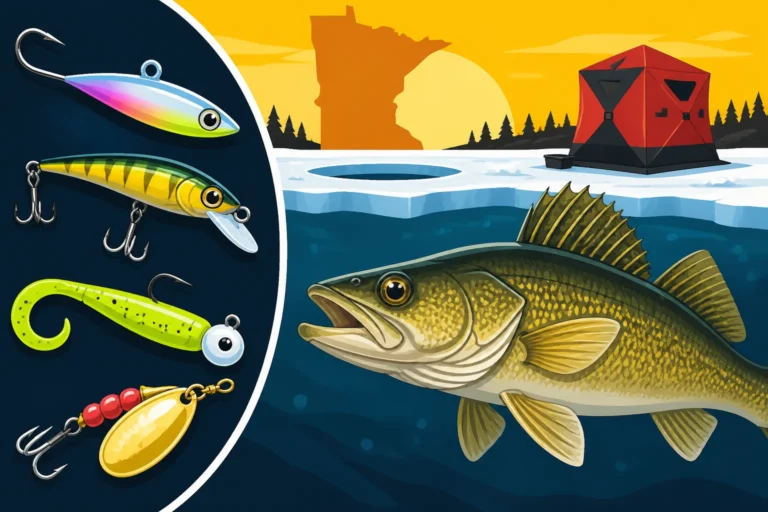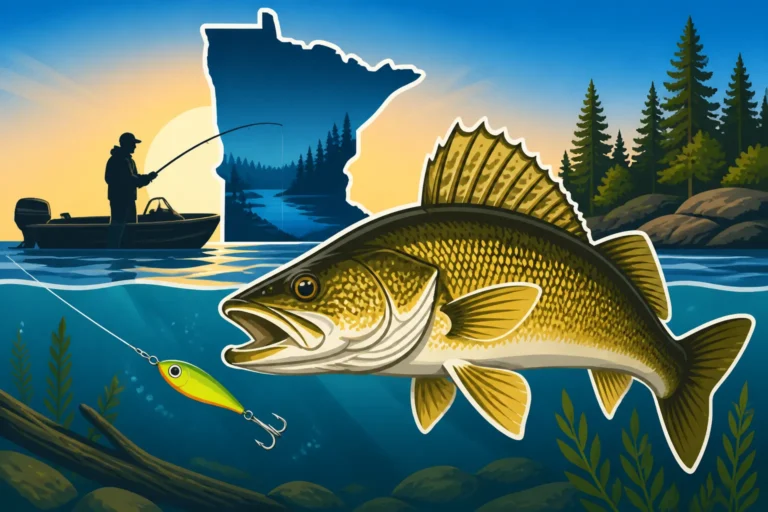
Best Jig Color for Walleye in Stained Water
There’s nothing quite as frustrating as pulling up to your favorite Minnesota walleye spot, only to find the water looking like a murky cup of coffee or a pea-green soup. Deciding on the best jig color when you can barely see a foot down can feel like a complete shot in the dark, leading to wasted time and second-guessing every retrieve. This guide is here to cut through that confusion, helping you understand why certain jig colors excel in stained water and empowering you to make confident choices for more successful walleye fishing trips, even when conditions are less than ideal.
Understanding Stained Water and Its Impact on Walleye Vision
Fishing for walleye in stained water isn't just about picking a bright color and hoping for the best; it's about understanding how light behaves in that water and how a walleye's unique eyes perceive its surroundings. Walleye are already built for low-light conditions, but heavily stained water adds another layer of complexity.
What "Stained Water" Really Means in Minnesota Lakes
When we talk about "stained water" in Minnesota, it’s not a one-size-fits-all definition. You might encounter several distinct types, each presenting its own challenges for light penetration and fish visibility:
- Tannic Stains (Tea-Stained Water): This is common in many northern Minnesota lakes, especially those fed by bogs and swamps. The water takes on a brownish, tea-like hue due to tannins leaching from decaying vegetation. Think of lakes like portions of Leech Lake or many smaller, bog-rimmed waters in the Iron Range. While it reduces overall light, it often retains some clarity, meaning fish can still see a fair distance, but the color spectrum is significantly altered.
- Turbid or Muddy Water: This usually results from heavy rains and runoff, especially in river systems like the Mississippi River or the Red River of the North, or shallower lakes with easily disturbed bottoms. The water is laden with suspended silt and clay particles, making it truly opaque. Visibility can be mere inches, forcing walleye to rely heavily on other senses.
- Algal Blooms (Green Water): During warmer months, some lakes can experience algal blooms, turning the water a soupy green. This significantly reduces light penetration and can sometimes even deplete oxygen. Lakes with high nutrient loads are susceptible, and while the green itself offers some unique light properties, it’s still a heavily stained environment.
Each of these types of stained water affects how light penetrates and how your jig appears to a walleye. Your goal is to choose a color that either stands out starkly or creates a strong silhouette, even in these challenging conditions.
The Science Behind Color and Light Absorption
It’s easy to think "bright colors always work in dark water," but there's a bit more science to it. Water absorbs different wavelengths of light at different rates. As light penetrates water, certain colors disappear first:
- Red is the first color to vanish, typically within the first 10-20 feet of clear water. In stained water, it's gone almost immediately.
- Orange follows red, fading quickly.
- Yellow and Green penetrate deeper than reds and oranges.
- Blue and Violet penetrate the deepest, but even they are quickly diminished in heavily stained conditions.
What does this mean for your jig? A red jig, for example, might look vibrant out of the water, but underwater, especially in stained conditions, it will quickly appear as a dull gray or black silhouette. This is why highly visible, fluorescent colors are often recommended. They don't necessarily retain their true color deep down, but their intense pigmentation and reflectivity can still create a strong, noticeable presence that catches the walleye's attention. The key isn't always about the color itself, but about creating contrast and a visible profile.
Top Jig Colors for Stained Water Walleye
When the water clarity is against you, reaching for specific jig colors can dramatically increase your odds. These aren't just guesses; they're choices backed by how light behaves in murky environments and how walleye react to visual cues.
Bright, Fluorescent Colors for Maximum Visibility
In stained water, your primary goal is to make your jig as conspicuous as possible. This is where fluorescent colors truly shine. They absorb ultraviolet light and re-emit it as a visible color, making them appear brighter and more vibrant than non-fluorescent colors, even in low light or murky conditions.
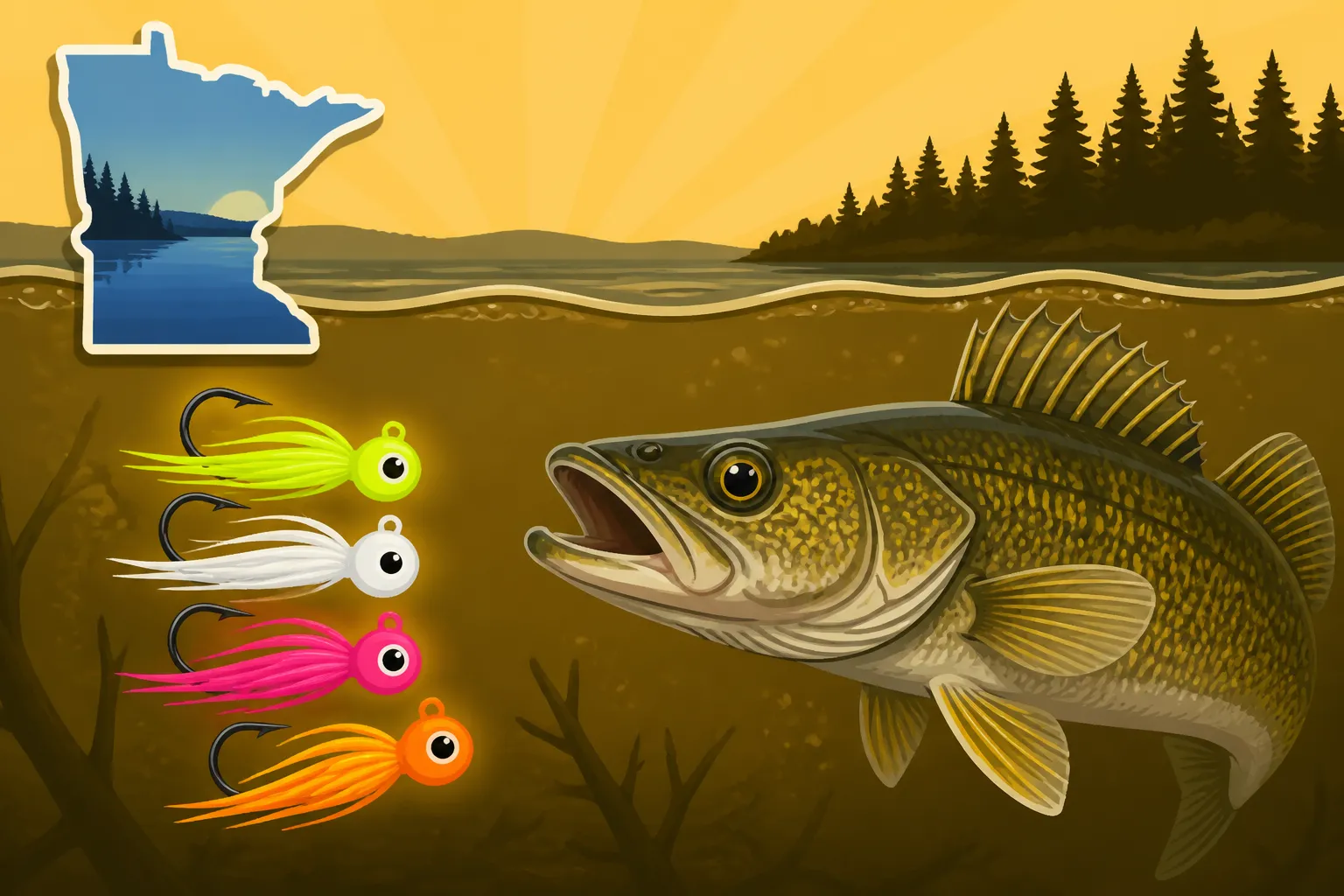
- Chartreuse: This is arguably the king of stained water jig colors, and for good reason. Its bright, yellowish-green hue is incredibly effective at reflecting what little light is available, making it highly visible to walleye even in very turbid or tannic water. Many seasoned anglers on places like Upper Red Lake swear by chartreuse, especially when jigging for walleye through the ice or targeting them in low-light conditions. Whether you're using a plain jig head or pairing it with a soft plastic, chartreuse is a must-have. You can find a huge selection of chartreuse jigs on Amazon, making it easy to stock up.
- Orange/Firetiger: Vibrant orange is another fantastic choice. It creates a strong contrast and can often be seen by walleye in moderately stained water where chartreuse might be a bit too "common." The classic "Firetiger" pattern, which combines orange, yellow, and black stripes, is exceptionally potent because it offers multiple contrasting colors that can catch a walleye's eye. This pattern is particularly effective when you're fishing river systems with some current and light stain, as the flash of the multiple colors can trigger strikes.
- Pink: Don't underestimate pink! While often overlooked, a hot pink or fluorescent pink jig can be surprisingly effective in extremely dark or even deep, stained water. It creates an unusual, yet highly visible, presentation that walleye aren't always accustomed to seeing, making it stand out from more traditional choices. It can be a real game-changer on heavily overcast days or when the walleye are particularly lethargic.
Imagine you're fishing a tannic lake after a heavy rain, and the water is extra dark. Tying on a fluorescent chartreuse jig, perhaps tipped with a minnow, provides that unmistakable visual signal that walleye can home in on. Or, on a summer evening bite in an algal-stained lake, a bright orange jig might be just enough to grab their attention before they commit.
High-Contrast and Dark Silhouettes
While bright colors aim for maximum visibility, sometimes the most effective strategy in stained water is to create a strong, clear silhouette. This method plays on the walleye's ability to detect changes in light and shadow, even if they can't discern true color.
- Black: This might seem counterintuitive – a dark color in dark water? But black jigs, especially when viewed from below against a lighter sky or the dim glow of the surface, create an incredibly sharp, undeniable silhouette. This strong contrast allows walleye to easily pinpoint the bait. It’s particularly effective in very muddy water or during night fishing sessions where ambient light is minimal. A black jig can mimic many natural forage fish or even leeches, making it a versatile option.
- Purple/Blue: Darker purples and blues can also be surprisingly effective. While they don't pop like fluorescents, they often retain their "color" longer at depth than reds or oranges, especially if there’s any hint of blue light spectrum still penetrating. They offer a more subtle, yet still contrasting, profile. A deep purple jig can be excellent in deeper, stained lakes or on partly cloudy days.
- Combination Patterns: The best of both worlds often lies in jigs that combine bright, fluorescent colors with dark, contrasting elements. Think jigs with chartreuse bodies and black stripes, or orange heads with purple bodies. These patterns offer both the stand-out visibility of fluorescents and the strong silhouette of darker colors, appealing to walleye in various light and water conditions. Many popular jig brands offer these dynamic patterns, and they're always a good idea to have in your tackle box. For a deeper dive into lure choices, check out our guide on Best Walleye Lures: Jigs, Cranks & Spinners.
When you're fishing conditions where visibility is truly minimal, like fishing on a dark, rainy day, a black jig might perform better than a dull, faded red one. The walleye might not "see" the black in the traditional sense, but they will definitely detect its shape moving through the water column. The table below summarizes some general recommendations for jig colors in various stained water scenarios.
| Stained Water Type | Primary Jig Colors | Secondary Jig Colors | Key Principle |
|---|---|---|---|
| Heavy Tannic (Tea) | Chartreuse, Fluorescent Orange | Pink, White | High contrast, UV reflectivity |
| Muddy/Turbid | Chartreuse, Black | Orange, Firetiger | Strong silhouette, bright pop |
| Algal Bloom (Green) | Orange, Hot Pink | Chartreuse, White | Contrast with green, bright pop |
| Deep/Low Light Stained | Black, Purple, Chartreuse | Glow-in-the-Dark (if applicable) | Silhouette, subtle visibility |
Beyond Color: Other Factors for Stained Water Success
While jig color is a critical piece of the puzzle, it's certainly not the only factor that influences your success in stained water. Walleye have highly developed senses beyond sight, and leveraging these can make all the difference when visual cues are limited.
Scent, Sound, and Vibration: Attracting Walleye When Sight is Limited
When walleye can't see your jig clearly, their other senses become paramount. This is where you can truly gain an advantage.
- Scented Soft Plastics: These are absolute game-changers in murky water. Brands like Berkley Gulp! Alive or PowerBait are infused with strong fish attractants that release a scent trail in the water. Walleye can follow this trail, even from a distance, directly to your jig. Using a chartreuse Gulp! minnow on a jig head gives you both visual appeal and olfactory attraction. The effectiveness of these plastics cannot be overstated when walleye are having trouble locating bait.
- Rattle Jigs: Sound travels incredibly well underwater, especially through the lateral line of a fish. Jigs with internal rattles create vibrations and noise that can draw walleye in from surprising distances. These are perfect for fishing in deeper, stained holes or when trying to call fish out of dense cover. The subtle "clack" can mimic a struggling baitfish, triggering an inquisitive or predatory response.
- Live Bait: Nothing beats the natural scent, taste, and subtle vibrations of live bait. Tipping your jig with a lively minnow (like a shiner or fathead), a wriggling leech, or a juicy nightcrawler significantly enhances its appeal in stained water. The natural movement and organic scent are irresistible. For more on this, check out our guide on Best Live Bait for Walleye (Leeches, Minnows, Crawlers). When you're jigging for walleye, combining a brightly colored jig with a lively minnow is often the deadliest combo in stained conditions. The jig's color helps the walleye spot it, and the live bait seals the deal with scent and subtle action.
Think of it like this: if you were blindfolded, you'd rely on smell and sound to find something. Walleye do the same. Giving them multiple "clues" increases the chance they'll find and strike your bait.
Jig Size, Shape, and Presentation
The physical characteristics of your jig and how you present it also play a huge role in stained water.
- Larger Profile Jigs: In low visibility, a larger jig presents a bigger target. It also displaces more water, creating more vibration that walleye can detect with their lateral lines. Don't be afraid to bump up your jig size slightly. Instead of a 1/8 oz, try a 1/4 oz or even 3/8 oz, especially if you're targeting bigger walleye.
- Slower, More Deliberate Presentations: Walleye in stained water often need more time to locate and commit to a bait. A fast, erratic retrieve might blow past them before they can react. Slow down your jigging cadence. Let the jig sit for a few seconds longer on the bottom, or lift and drop it with a more gentle, deliberate motion. Consider subtle "deadsticking" techniques, where the jig is held almost motionless, letting the current or subtle rod movements provide the action.
- Heavy Jigs for Bottom Contact: If you're fishing in stained water with current, like the Rainy River, a heavier jig is crucial to maintain bottom contact. Walleye often hug the bottom in these conditions, and if your jig is constantly being swept away, you're not in the strike zone. The added weight also creates more thud on the bottom, attracting attention.
- Alternative Rigs: Sometimes, a jig isn't the only answer. In very stained or difficult conditions, a How to Fish a Lindy Rig for Walleye with a long snell and live bait can be incredibly effective, allowing the bait to waft naturally in front of the walleye. Similarly, a How to Use a Slip Bobber for Walleye & Crappie setup can present a live minnow or leech at a precise depth in front of lethargic fish. These presentations prioritize natural movement and scent over aggressive jigging.
Adapting to Conditions and Local Favorites
Fishing is rarely static, and stained water conditions can change by the hour, day, or season. The most successful anglers are those who constantly adapt and learn from their experiences.
Trial and Error: The Angler's Best Tool
No matter how much scientific theory you read, there's no substitute for on-the-water experimentation. Stained water conditions can vary wildly from one lake to another, and even within different sections of the same lake.
- Start with Proven Colors: Begin your day with the "go-to" stained water colors like chartreuse or bright orange. These are your confidence baits.
- Experiment Systematically: If the bite is slow, don't be afraid to change things up. Try different shades of green or orange, or switch to a dark black or purple. Sometimes, the most unexpected color is the one that triggers a bite. Keep a variety of jig colors in your tackle box. Many anglers find convenient multi-packs on Amazon, which is a great way to build up your selection for different conditions.
- Pay Attention to Subtle Cues: Did you get a follow? A bump? Even if you didn't hook up, that's valuable information. Was it on the bright jig or the dark one? At a specific depth? This intel helps you narrow down your choices.
- Keep a Fishing Log: Over time, documenting your successes and failures in specific stained water conditions will build a personal knowledge base that's invaluable. Note the water clarity, light conditions, and successful jig colors. This will help you identify patterns for future trips. For a more comprehensive approach to catching walleye, refer to our Walleye Fishing Techniques: Complete Minnesota Guide.
Regional Preferences and Angler Lore
Minnesota's fishing culture is rich with local wisdom, and sometimes, the best advice comes from those who fish a particular body of water day in and day out.
- Talk to Local Bait Shops: These are goldmines of current information. The folks working at your local bait shop in Baudette near Lake of the Woods or in Garrison by Mille Lacs Lake know what's been working right now on their specific bodies of water. They'll often have insights into particular shades or patterns that are hot. Don't just ask about bait; ask about jig colors for the current water conditions. They might tell you that on Rainy Lake, a specific shade of yellow has been outperforming everything else this week, or that for Upper Red Lake Walleye Fishing Tips, the fish are hammering a certain chartreuse-and-orange combination.
- Observe Other Anglers (Respectfully): While you don't want to crowd anyone, observe what successful anglers are using, if visible. Sometimes seeing what's catching fish can give you ideas to try in your own boat or from shore.
- Online Fishing Forums and Reports: Websites dedicated to Minnesota fishing often have forums or recent fishing reports where anglers share their successes, including details on jig colors that are working in various lakes. This can be a great way to get real-time feedback before you even leave home. For specific lake information, always check detailed resources like the Rainy Lake Fishing Guide or the Mille Lacs Walleye Regulations (2026) to ensure you're compliant while trying new techniques.
Ultimately, mastering walleye fishing in stained water is about combining scientific understanding with practical experience and a willingness to adapt. By focusing on high-visibility or high-contrast jig colors, incorporating scent and sound, and fine-tuning your presentation, you'll be well on your way to more productive days on the water, no matter how murky it gets.
Disclaimer
Fishing regulations, seasons, and limits can change frequently. Always consult the most current Minnesota Department of Natural Resources (DNR) fishing regulations before heading out on the water. This guide provides general information and recommendations, but it is your responsibility to know and follow all applicable rules.