Minnesota Fish Consumption: Mercury & PFAS Advisories
Ah, there's nothing quite like the satisfaction of reeling in a beautiful walleye from a clear Minnesota lake or jigging up a mess of panfish for a family fish fry. We spend countless hours on the water, investing in gear, perfecting our techniques, and dreaming of that next big catch. But then, a little voice in the back of your head pipes up: "Is this fish actually safe to eat? What about all those warnings I've heard?" It's a valid concern, and one that every angler, from seasoned veterans to excited beginners, grapples with. This comprehensive guide is here to cut through the confusion and address those nagging worries head-on, giving you a clear understanding of Minnesota's fish consumption advisories, particularly concerning mercury and PFAS.
Understanding Fish Consumption Advisories in Minnesota
For many years, the joy of fishing often culminated in a delicious meal. Nowadays, however, with increased awareness about environmental contaminants, it's natural to have questions. The Minnesota Department of Health (MDH) and the Minnesota Department of Natural Resources (DNR) work tirelessly to test fish from our beloved lakes and rivers, providing advisories to help us make informed choices about what we eat. These aren't meant to scare you away from fishing or eating your catch, but rather to empower you with knowledge.
Why Advisories Exist: Protecting Public Health
Think of these advisories as a helpful guide, much like a nutritional label on food from the grocery store. They exist because certain contaminants, even in tiny amounts, can build up in fish over time. When we consume these fish, those contaminants can then accumulate in our bodies, potentially leading to health issues. The primary goal is to protect public health, especially for those who are most vulnerable. This includes pregnant people, those who are breastfeeding, young children, and women of childbearing age, as contaminants can affect development. But really, these guidelines are for everyone. Nobody wants to unknowingly consume something harmful, especially when we're enjoying a wholesome activity like fishing. The MDH and DNR want us to enjoy our incredible natural resources safely, ensuring that a day on the lake doesn't come with hidden risks. They're constantly monitoring, updating, and refining these recommendations so we can keep enjoying the bounty of Minnesota's waters.
The Key Contaminants: Mercury and PFAS
When we talk about fish consumption advisories, two big players usually come to mind: mercury and PFAS. While both are contaminants, they behave differently and have different sources.
Mercury, specifically methylmercury, is probably the one most anglers are familiar with. It's a naturally occurring element, but human activities like coal-burning power plants and certain industrial processes significantly increase its presence in the environment. Once it gets into water, microorganisms convert it into methylmercury, which is then absorbed by aquatic life. It's notorious for accumulating up the food chain, meaning bigger, older, predatory fish tend to have higher levels.
PFAS, or per- and polyfluoroalkyl substances, are a newer concern, often dubbed "forever chemicals" because of their persistence in the environment. These are man-made chemicals used in a vast array of industrial and consumer products, from non-stick cookware and water-repellent clothing to firefighting foams. They've found their way into our soil, water, and air, and just like mercury, they can accumulate in fish tissue. The scientific understanding of PFAS and their effects is evolving, and new advisories related to them are becoming more common in Minnesota's waters.
How Advisories are Developed and Updated
The process of creating these advisories is incredibly thorough and science-driven, not just a shot in the dark. It starts with biologists from the DNR collecting fish from various lakes and rivers across Minnesota. These fish are then sent to specialized laboratories where their tissues are analyzed for levels of contaminants like mercury and PFAS. It’s a pretty complex process, involving precise measurements and careful handling to ensure accurate results.
Once the contaminant levels are known, scientists and toxicologists at the MDH get to work. They compare these levels to established health benchmarks, considering factors like how much fish people typically eat, the average body weight, and the varying sensitivities of different population groups (remember those vulnerable groups like pregnant people and young children). This data is used to calculate how many meals of a particular fish species from a specific water body can be safely consumed over a certain period. The advisories aren't static; they are regularly reviewed and updated as new scientific information becomes available, as environmental conditions change, or as more fish are tested from different locations. This means the guide you look at this year might have slightly different recommendations next year, which is why it's so crucial to always check the most current information available, typically found on the MDH's website.
Delving Deeper into Mercury in Minnesota Fish
Mercury has been a persistent concern for fish consumers for decades. Its presence in our environment is a complex issue, affecting everything from tiny microorganisms to the largest apex predators in our lakes. Understanding its journey from the atmosphere to our dinner plates is key to appreciating why these advisories are so important.
Sources of Mercury Contamination
When we talk about mercury, it's important to recognize that some level of it occurs naturally in the environment from sources like volcanic activity and forest fires. However, the overwhelming majority of mercury that ends up in our lakes and rivers comes from human activity. The biggest culprit globally is the burning of fossil fuels, particularly coal, in power plants and industrial facilities. Even though Minnesota has made great strides in reducing mercury emissions, mercury travels through the atmosphere and can be deposited far from its source, meaning mercury from a coal plant across the globe can eventually find its way into a Minnesota lake.
Once airborne, this mercury eventually settles back down to Earth, often carried by rain and snow. When it lands on land, it can wash into waterways, and when it lands directly on lakes, it becomes part of the aquatic ecosystem. It's a long, circuitous journey, and it highlights how interconnected our environment truly is – what happens far away can directly impact the fish we catch in our local waters.
Bioaccumulation and Biomagnification in Fish
These are two fancy scientific terms that explain why some fish have more mercury than others, and they're crucial to understanding fish advisories.
Bioaccumulation means that over time, an organism takes in more of a substance than it excretes. So, as a fish eats and lives, mercury builds up in its tissues. It doesn't get rid of it very quickly, so the longer a fish lives, the more mercury it's likely to accumulate. This is why older, larger fish of the same species often have higher mercury levels than younger, smaller ones.
Biomagnification takes it a step further. This refers to the increasing concentration of a substance in the tissues of organisms at successively higher trophic levels (i.e., further up the food chain). Imagine a tiny insect eating algae with a little bit of mercury. A small fish eats many of these insects, concentrating the mercury. Then, a larger predatory fish like a walleye or Northern Pike eats many small fish, further concentrating the mercury in its own body. This effect means that fish at the top of the food chain, such as many of the prized sport fish we love to catch in Minnesota, often have the highest mercury levels. This phenomenon is a major reason why different species, and different sizes within those species, have varying consumption recommendations.
Interpreting Mercury-Specific Advisories
Navigating the detailed tables and recommendations can feel a bit like trying to read a foreign language sometimes, but it's simpler than it looks once you know the basics. The MDH guidelines typically categorize fish by species and often by size, and then provide advice for different population groups.
For example, you might see a recommendation that says "Walleye over 20 inches: 1 meal per week for the general population; 1 meal per month for pregnant women and children." This clearly illustrates the impact of size and the elevated risk for sensitive groups. Smaller walleye, generally under that 20-inch mark, might have a more relaxed recommendation because they've had less time to bioaccumulate mercury. Similarly, panfish like crappies or bluegills, which are lower on the food chain and generally smaller, often have the least restrictive advisories, sometimes allowing for multiple meals per week for all groups.
It's vital to remember that these are average guidelines. A specific walleye from a specific lake might have slightly higher or lower mercury, but the advisories aim to provide a safe general framework. The key is to check the specific lake and species you plan to keep. The official Minnesota DNR and MDH website offers an interactive map where you can search by lake or river name to get the most up-to-date, hyper-local advice. Don't just rely on general knowledge; those regulations can change, and it's best to always be informed. When considering Walleye Fishing in Minnesota: Complete Guide, it's a good practice to consult these advisories.
Here's a simplified table illustrating how recommendations might look:
| Fish Species (Common MN Sizes) | General Population (Meals/Week) | Vulnerable Populations (Meals/Month) | Primary Contaminant Concern |
|---|---|---|---|
| Bluegill / Sunfish (<10") | 4+ | 4+ | Low (usually none specified) |
| Crappie (<12") | 4+ | 4+ | Low (usually none specified) |
| Yellow Perch (<10") | 4+ | 4+ | Low (usually none specified) |
| Northern Pike (20-30") | 1 | 1 | Mercury, some PFAS |
| Walleye (16-20") | 1 | 2 | Mercury, some PFAS |
| Walleye (>20") | 1 (smaller portion) | 1 | Mercury, some PFAS |
| Lake Trout (>25") | 1 (smaller portion) | 1 (smaller portion) | Mercury, some PFAS |
| Largemouth Bass (15-18") | 1 | 2 | Mercury, some PFAS |
| Muskie (Catch & Release) | Not recommended for eating | Not recommended for eating | Very High Mercury |
Note: This table is illustrative. Always consult the official MN DNR/MDH advisories for specific lakes and up-to-date information.
PFAS: The "Forever Chemicals" and Their Impact on Fish
While mercury has been a known concern for decades, the issue of PFAS in fish is a more recent and rapidly evolving area of focus for environmental agencies and public health officials. These "forever chemicals" pose a unique challenge due to their widespread use and persistence.
What are PFAS and Where Do They Come From?
PFAS, or per- and polyfluoroalkyl substances, are a family of thousands of synthetic chemicals. What makes them so useful, and also so problematic, are their strong carbon-fluorine bonds, which make them highly resistant to heat, water, and oil. This is why they've been used in so many products we encounter daily: think non-stick coatings like Teflon, water-resistant fabrics like Gore-Tex, stain-resistant carpets and upholstery, certain food packaging, and even personal care products. They were, and in some cases still are, integral to industrial processes and, notably, in aqueous film-forming foams (AFFF) used to extinguish petroleum fires, particularly at airports and military bases.
The problem arises because these chemicals don't break down easily in the environment or in our bodies. They persist, which is why they've earned the nickname "forever chemicals." They enter our aquatic environments through various pathways: industrial discharges, wastewater treatment plant effluents (because they're not fully removed by conventional treatments), runoff from areas where firefighting foams were used, and even through the air from industrial emissions. Once in a lake or river, they can settle into sediments, dissolve in the water, and become available for fish and other aquatic organisms to absorb. It's a sobering thought that something designed to make our lives easier can have such a long-lasting and widespread environmental footprint.
How PFAS Accumulate in Fish
While both mercury and PFAS accumulate in fish, their specific accumulation patterns can differ. Mercury primarily accumulates in muscle tissue and magnifies up the food chain, as we discussed. PFAS also accumulate in fish, but the specific compounds, species, and tissues where they concentrate can vary. Some PFAS compounds tend to accumulate more in the liver and other internal organs, while others can be found in muscle tissue, much like mercury.
Research is ongoing to fully understand the dynamics of PFAS accumulation in different fish species and across various aquatic environments. Generally, predatory fish and those with higher fat content may show higher levels, but it's not always as straightforward as with mercury. The presence of PFAS in fish is a direct reflection of these chemicals being pervasive in our environment. When fish consume contaminated water or prey, the PFAS are absorbed into their bodies, where they can accumulate over their lifespan. This means that fish from areas with historical industrial contamination or where certain firefighting foams were heavily used are more likely to have detectable levels of PFAS. This issue requires specific monitoring of fish species and bodies of water to adequately inform the public.
Navigating PFAS Fish Advisories
PFAS advisories are a newer development in Minnesota's fish consumption guidelines compared to mercury. Because the science is still evolving and detection methods are improving, you might find that PFAS advisories are often more localized, affecting specific lakes, rivers, or stretches of waterways where known contamination sources have been identified. For instance, specific advisories have been issued for sections of the Mississippi River downstream from known industrial sites or for lakes near former military installations that used PFAS-containing firefighting foams.
Unlike mercury, which is a concern in almost all Minnesota waters to some degree, PFAS advisories often highlight particular "hot spots." This means it's even more crucial to check the specific body of water you're fishing. The MDH website provides detailed information, often listing the exact stretch of river or lake and the species and sizes that have specific PFAS-related recommendations. These recommendations might suggest reduced consumption for certain species, or even recommend against consumption altogether for particular fish from certain areas, especially for vulnerable populations. The emergence of these advisories has further complicated what used to be simpler guidelines, but they are a necessary step in protecting our health from these persistent chemicals. This level of detail ensures that when you're checking for information related to your catch, say from Lake of the Woods Fishing Regulations (2026), you're getting the most precise advice available.
Practical Tips for Safer Fish Consumption
So, with all this talk of contaminants, does that mean we should just stop eating fish altogether? Absolutely not! The health benefits of eating fish, especially lean protein and essential omega-3 fatty acids, are well-documented. The key is to be an informed consumer and make smart choices. By understanding the advisories and adopting a few simple practices, you can significantly reduce your potential exposure while still enjoying your catch.
Choosing Lower-Risk Fish Species and Sizes
This is perhaps the most straightforward way to reduce your risk. As we learned about bioaccumulation and biomagnification, smaller, younger fish and those lower on the food chain generally have lower levels of contaminants.
- Panfish Powerhouses: Crappies, bluegills, and yellow perch are often the safest bets. They're typically smaller, have shorter lifespans, and are generally insect and invertebrate eaters rather than apex predators. So, fill your bucket with panfish! They're delicious and generally have very few, if any, restrictions. If you're looking for How Many Crappie Can You Keep in Minnesota?, rest assured that these are often great choices for eating.
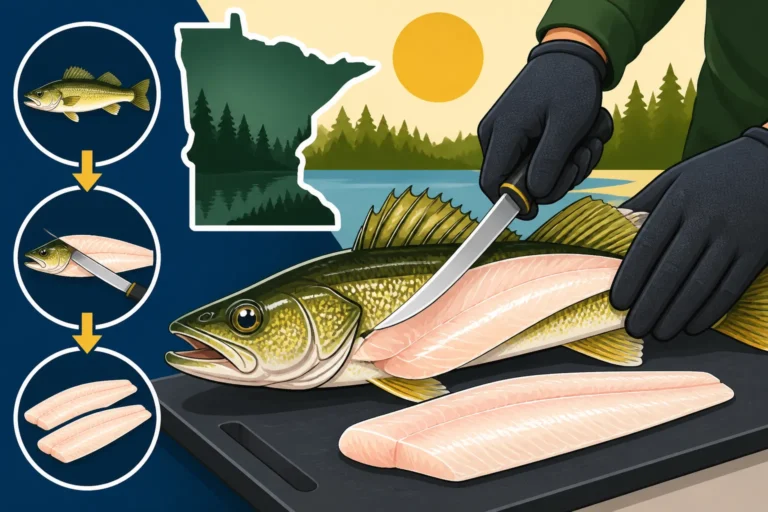
- Smaller is Better: Even for species like walleye or northern pike, choosing smaller individuals within the legal slot limit can make a difference. A 16-inch walleye will almost always have less mercury than a 25-inch walleye from the same lake. While the thrill of a trophy is undeniable, if you plan to eat your catch, consider releasing the true giants. For example, specific regulations for Mille Lacs Walleye Regulations (2026) often include slot limits that encourage harvesting smaller fish.
- Specific Species: Some species are known for being generally lower in contaminants across the board. Catfish, for instance, often have less mercury than walleye or pike from the same waters. Whitefish and Tullibee, often caught in deeper, colder lakes, are also generally considered good choices.
This table gives a general idea of common Minnesota fish and their relative risk levels based on typical contaminant accumulation:
| Species Group | Typical Contaminant Risk (Mercury/PFAS) | Consumption Tip |
|---|---|---|
| Panfish (Crappie, Bluegill, Perch) | Low | Generally safe for frequent consumption. |
| Catfish (Channel, Flathead) | Low to Medium | Good choice, especially smaller individuals. |
| Trout (Stream/Rainbow/Brown) | Low to Medium | Varies by stream/lake; check local advisories. |
| Walleye | Medium to High (size-dependent) | Choose smaller fish; limit consumption, especially for larger ones. |
| Smallmouth Bass | Medium to High (size-dependent) | Similar to Walleye, smaller is better. |
| Northern Pike | Medium to High (size-dependent) | Choose smaller fish; limit consumption due to mercury. |
| Lake Trout | High | Limit consumption, especially larger/older fish. |
| Muskie | Very High | Strongly advised catch-and-release; not recommended for eating. |
| Lake Sturgeon | High (though mostly catch & release) | Limit consumption if legally harvested. |
Always check specific advisories for the body of water you are fishing.
Preparation Methods to Reduce Exposure
You might have heard conflicting advice about how to clean and cook fish to reduce contaminants. It's important to know what actually works.
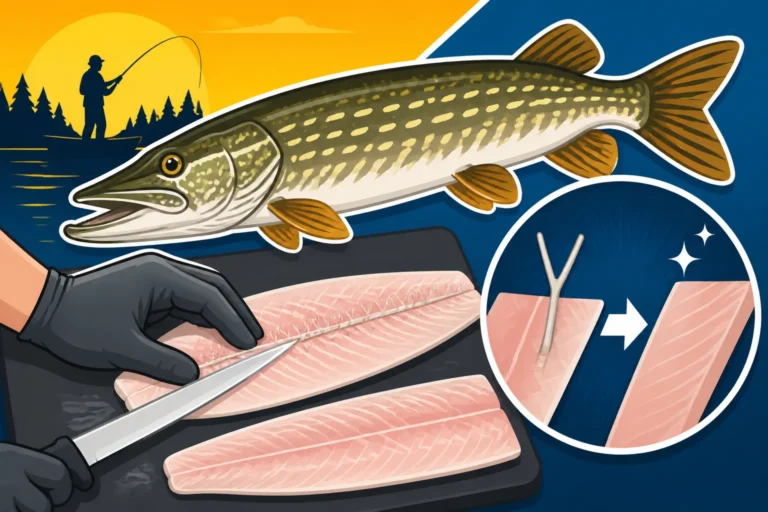
- Trim the Fat and Skin: This is especially effective for reducing fat-soluble contaminants, like many PFAS compounds and PCBs (though PCBs are less common now). Removing the skin, gutting the fish thoroughly, and trimming away the fatty belly meat and dark lateral line meat can help. Since many PFAS chemicals can accumulate in fatty tissues, this step is more beneficial for them than for mercury. When you're learning How to Fillet a Northern Pike Remove Y-Bones, remember that removing the skin and belly fat is also a good health practice.
- Mercury is Different: Unfortunately, mercury binds tightly to muscle tissue (the meat you eat) and is not significantly reduced by cleaning, skinning, or any cooking method. Frying, baking, grilling – none of these will magically make mercury disappear. This is why choosing lower-mercury species and sizes is so critical.
- Cooking Methods: While cooking doesn't remove mercury, methods that allow fat to drip away (like grilling or baking on a rack) can help reduce fat-soluble contaminants. However, it's not a substitute for choosing safer fish in the first place.
In summary, focus on selective harvesting and then prepare your fish by removing skin and fatty parts. These are your best defenses for healthier fish consumption.
Utilizing the Minnesota DNR and MDH Resources
The single most important action you can take to ensure safer fish consumption is to consult the official, up-to-date resources provided by the Minnesota Department of Health and the Department of Natural Resources. They put an incredible amount of effort into these guides, and they are your best friends when it comes to understanding what's safe.
- The MDH Fish Consumption Advisory Website: This is your go-to. The MDH maintains a comprehensive and user-friendly website dedicated to fish consumption advisories. It often features an interactive map where you can simply click on a lake or river section and get all the current advisories for that specific body of water. You can also search by fish species. This is crucial because advisories are often lake-specific, even for the same species.
- Annual Fishing Regulations Booklet: While the online resource is the most dynamic, the annual Minnesota Fishing Regulations PDF: Where to Find It usually contains a summary of general statewide advisories and highlights for major water bodies. It's always a good idea to flip through that section when you get your new regulations.
- Before You Go: Make it a habit to check the advisories for your target lake or river before you head out fishing. It takes just a few minutes, and it allows you to plan your harvest responsibly. Knowing in advance can influence which species you target or which sizes you choose to keep. For instance, if you're planning a trip to Lake Vermilion Fishing Guide, take a moment to look up its specific advisories.
These resources are constantly updated, so don't rely on information from a few years ago. Our waters are dynamic, and so are the efforts to monitor and protect them.
Common Misconceptions and Important Considerations
The topic of fish consumption advisories can sometimes lead to confusion or unnecessary alarm. Let's clear up some common misunderstandings and put the whole discussion into a broader, more balanced perspective. After all, the goal isn't to instill fear, but to foster informed decision-making so you can continue to enjoy Minnesota's fishing traditions safely.
Debunking Myths About Fish Cleaning and Contaminant Removal
It's common to hear anglers discuss various "tricks" for reducing contaminants in fish, but not all of them hold water (pun intended!).
One persistent myth is that soaking fish in milk or saltwater, or even bleeding them extensively, will draw out contaminants like mercury. Unfortunately, this isn't true. As previously mentioned, mercury is tightly bound to the protein in muscle tissue, and no amount of soaking or cleaning will remove it. If the mercury is in the meat, it's staying in the meat. This is why species and size selection are paramount for mercury.
For fat-soluble contaminants like some PFAS compounds, trimming away skin and fat does help, but it's not a complete solution. You can't remove every single trace, and some PFAS can also be present in muscle. The idea that cooking at high temperatures "burns off" contaminants is also incorrect. While cooking might alter some chemical structures, it generally concentrates rather than removes heavy metals and persistent organic pollutants.
The bottom line: Don't rely on preparation methods alone to eliminate contaminants. Your primary strategy should always be to consult advisories and choose fish species and sizes with lower contaminant levels.
The Health Benefits of Eating Fish
Let's not lose sight of the incredible nutritional value that fish brings to our diet. For many Minnesotans, fish isn't just a meal; it's a cultural staple and a source of incredible enjoyment. Fish is a fantastic source of lean protein, essential vitamins (like D and B12), and minerals (such as selenium and iodine).
Most importantly, fish, especially fatty fish like salmon (though less common in Minnesota's inland waters), trout, and even walleye, are rich in omega-3 fatty acids. These healthy fats are crucial for brain health, heart health, and can reduce inflammation. For pregnant people, omega-3s are vital for fetal brain and eye development. Studies have shown that the benefits of eating fish, when consumption follows advisories, generally outweigh the risks of contaminant exposure.
The goal of advisories is to help you achieve this balance—to maximize the health benefits of fish consumption while minimizing exposure to harmful contaminants. It's about smart choices, not avoidance. Many of the "Best Eating Fish in Minnesota Lakes" are also low on the contamination scale, making them ideal choices.
The Role of Anglers in Environmental Stewardship
Ultimately, the best long-term solution to fish consumption advisories is cleaner water. As anglers, we have a vital role to play in protecting Minnesota's precious aquatic resources. Every action we take, from how we dispose of trash to how we maintain our boats, has an impact.
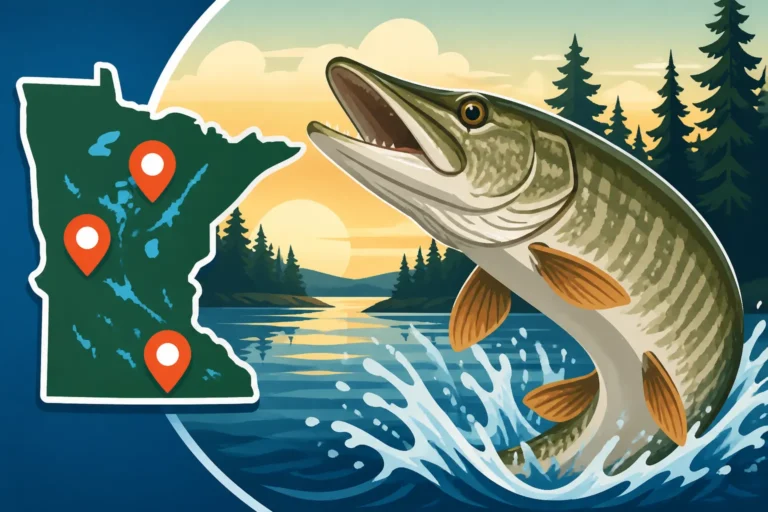
- Practice Catch and Release Wisely: Consider releasing larger, older fish of species known to accumulate high levels of mercury. Not only does this reduce your personal contaminant exposure, but it also helps maintain healthy breeding populations of trophy fish. For example, many anglers practice catch and release for Muskie Fishing in Minnesota: The Fish of 10,000 Casts, not only because they are challenging to catch but also due to high mercury levels.
- Prevent Aquatic Invasive Species (AIS): This might not seem directly related to contaminants, but healthy ecosystems are more resilient. Following all Aquatic Invasive Species (AIS) Rules for Boaters is crucial.
- Report Pollution: If you see unusual discharges, fish kills, or other signs of pollution, report them to the DNR or the Minnesota Pollution Control Agency (MPCA). Our eyes on the water are invaluable for identifying and addressing environmental threats.
- Advocate for Clean Water: Support policies and initiatives that aim to reduce industrial emissions, manage stormwater runoff, and clean up historical contamination sites. Our collective voice as anglers can make a significant difference in ensuring that future generations can enjoy both the thrill of the catch and the safety of the meal. By staying informed and engaged, we help ensure that Minnesota’s waters remain pristine and healthy for all.
Disclaimer
The information provided in this guide is for general informational purposes only and is not intended as a substitute for professional medical advice or the official guidelines issued by the Minnesota Department of Health (MDH) and the Minnesota Department of Natural Resources (DNR). Always consult the most current fish consumption advisories directly from the MDH and DNR websites before consuming fish from Minnesota waters. Regulations and advisories can change frequently.