Bowfin Season & Limits in Minnesota
It can be confusing trying to figure out the exact rules for every single fish species in Minnesota, especially when it comes to fish that aren't the usual walleye or northern pike. Many anglers wonder if there's a specific season or bag limit for a misunderstood species like the bowfin, often called dogfish, leading to uncertainty when you hook into one. This comprehensive guide will clear up all that confusion about bowfin regulations, where to find them, and how to enjoy fishing for these unique freshwater fighters in Minnesota.
Understanding Bowfin in Minnesota's Waters
The bowfin is one of Minnesota's most fascinating, yet often overlooked, native fish. They're a true survivor, an ancient species with a lineage tracing back millions of years. For many anglers, encountering a bowfin can be a surprise, leading to questions about what they are and what to do with them. Let's peel back the layers on this remarkable creature.
What Exactly is a Bowfin? Identifying the "Dogfish"
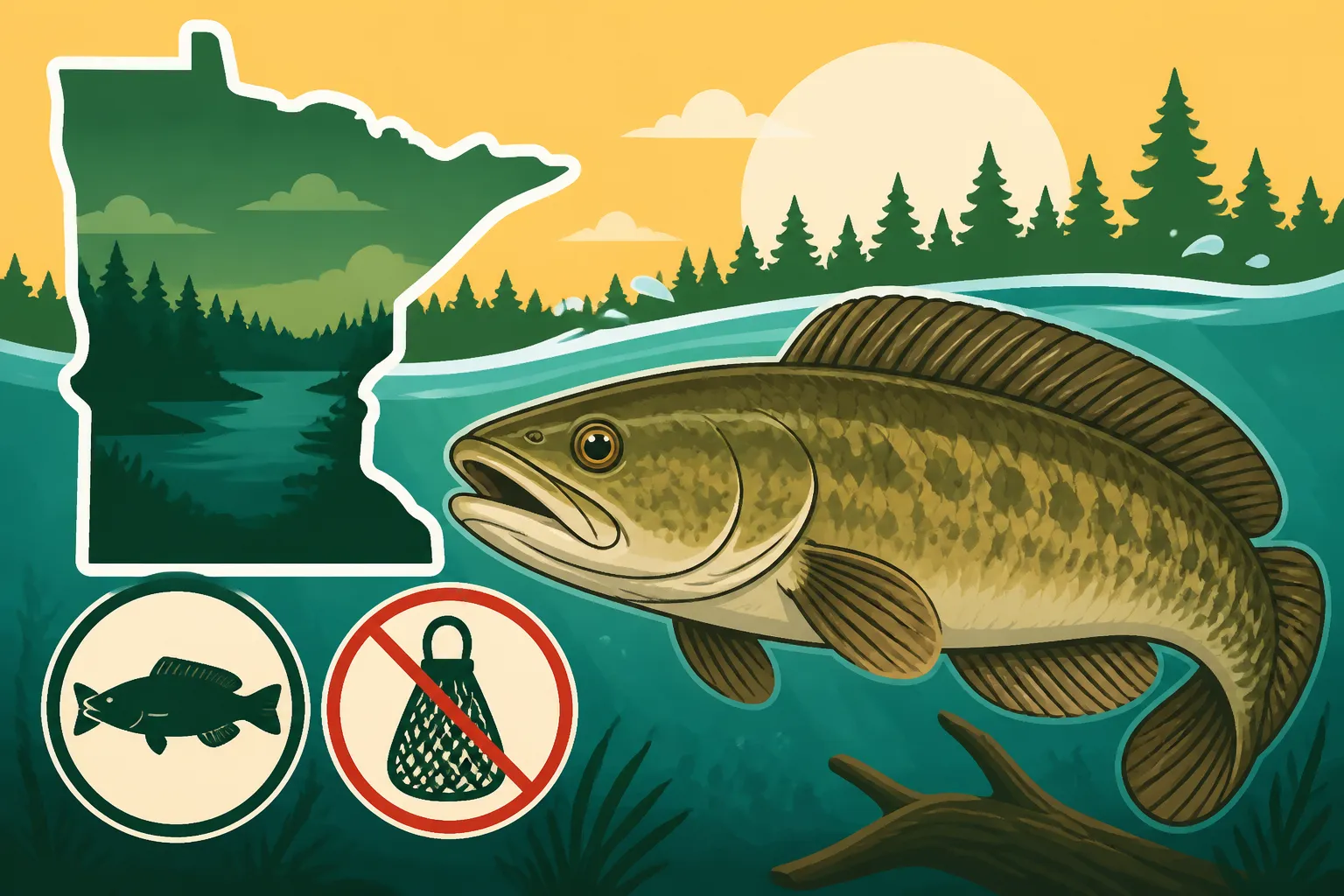
First off, let's talk about what a bowfin actually is. You'll hear them called "dogfish" a lot here in Minnesota, and that's usually because of their distinctive, toothy grin and powerful, dog-like bite. But don't confuse them with saltwater dogfish sharks – these are purely freshwater fish. Their scientific name is Amia calva, and they're the last living species of an ancient order. You can typically spot a bowfin by its long, cylindrical body, a very long dorsal fin that runs almost the entire length of its back and undulates as it swims, and a large, heavily armored head. They have a distinct gular plate (a bony plate under the chin) and sharp, conical teeth. Males often have a prominent black spot, or "ocellus," with an orange or yellow halo at the base of their tail fin, especially vibrant during spawning. This can be a key identifier.
They're frequently mistaken for burbot (eelpout) due to their elongated shape, or even sometimes northern pike because of their toothy mouths. However, the continuous dorsal fin is a dead giveaway for the bowfin. If you're looking for more details on identifying various aquatic residents, our guide to the Minnesota Fish Species: Identification Guide can be a great resource. While they might not be everyone's target species, understanding what you've caught is the first step to being a responsible angler.
Where Do Bowfin Live in Minnesota? Preferred Habitats
Bowfin are pretty widespread across Minnesota, especially in the central and southern parts of the state, though you can find them further north too. They're incredibly adaptable, but they tend to prefer warmer, shallower waters with abundant vegetation. Think slow-moving rivers, backwater sloughs, marshy lake bays, and even drainage ditches. Lakes with plenty of lily pads, submerged weeds, and woody cover are prime bowfin territory. They're unique in that they possess a modified swim bladder that allows them to breathe atmospheric air, which means they can survive in low-oxygen conditions that would kill many other fish.
You'll often find them lurking in the thickest cover, waiting to ambush prey. Places like Lake Minnetonka, portions of the Mississippi River, and many of the smaller, weedier lakes in central Minnesota are known to hold good populations. They're not particularly picky about water clarity, thriving in both stained and clear environments as long as there's cover and food. If you're exploring different waters, knowing what types of habitats to look for can significantly improve your chances of encountering one of these fascinating creatures.
Why Fish for Bowfin? The Thrill of the Fight
So, why would anyone specifically target a bowfin? Well, if you've ever hooked into one, you know the answer: they are phenomenal fighters. Pound for pound, a bowfin will give you one of the most aggressive, dogged battles of any freshwater fish in Minnesota. They have incredible power, often making furious runs, head shakes, and even aerial jumps. They're the kind of fish that makes your drag sing and truly tests your tackle. For catch-and-release anglers, they offer an exciting challenge when other species might be less active.
They also play an important ecological role as predators in their habitat, helping to keep other fish populations in check. Many anglers, especially those focusing on sport fishing, have grown to appreciate the sheer power and resilience of the bowfin. It's a fantastic alternative when you want a hard fight and a break from the usual suspects. Plus, learning to target them expands your angling skills and understanding of different aquatic environments.
Bowfin Season and Regulations in Minnesota
One of the most common questions about bowfin is whether there are specific rules or seasons you need to worry about. The good news is, for the most part, bowfin regulations in Minnesota are quite straightforward, which makes them a great option for opportunistic anglers.
Statewide Bowfin Season Rules
Unlike many popular game fish that have specific Minnesota Fishing Seasons & Opener Dates (2026), bowfin can generally be fished for year-round in Minnesota. That's right, there's no closed season for bowfin. This means if you encounter one while targeting other species, or if you decide to specifically pursue them, you don't have to worry about whether it's the "right" time of year from a regulatory standpoint. This continuous season makes them a reliable target when other fish might be off-limits or less active.
However, always remember that while the species might be open year-round, the body of water you're fishing might have access restrictions (like private property) or other general regulations (like needing a valid fishing license) that apply to all fishing activities. Make sure you always have your Minnesota Fishing License: Cost, Types & How to Buy (2026) before you cast a line.
Daily and Possession Limits for Bowfin
When it comes to how many bowfin you can keep, Minnesota's regulations are also quite generous, reflecting their abundant and resilient nature. For bowfin, there is no daily limit and no possession limit in most waters across the state. This means you can keep as many as you legally catch, although most anglers who target bowfin do so for the fight and practice catch-and-release.
While this lack of a limit might seem unusual compared to strict regulations for walleye or bass, it's consistent with how many "rough fish" or lesser-targeted species are managed. The Minnesota DNR recognizes their robust populations and their role in the ecosystem. This also provides flexibility for those interested in harvesting them, perhaps for bait or other uses, though always check local consumption advisories for any body of water, as you should for all fish. You can find more about general fish limits in our guide to Minnesota Fishing Limits: Bag & Possession (2026).
Special Regulations and Exceptions
While statewide rules are generally "no closed season, no limit," it's always, always crucial to double-check the specific regulations for the particular body of water you're fishing. The Minnesota DNR's fishing regulations booklet (available online or at license vendors) is your best friend here. While specific bowfin regulations are rare, sometimes there can be broader lake-specific or river-specific rules that might indirectly affect how or when you fish for any species, including bowfin.
For instance, certain waters might have restrictions on gear types, or might be designated as special management waters where even general rules can be altered. Always consult the official DNR regulations. Ignorance of the law is never an excuse, and a quick check can save you from a potential fine. This is especially true if you are fishing in border waters with states like Wisconsin or provinces like Ontario, where different rules might apply. Our article on Border Water Fishing Rules (Minnesota-Ontario, Wisconsin) can provide more insight into those specific situations.
Here's a quick summary of the bowfin regulations:
| Regulation Type | Statewide Rule | Notes |
|---|---|---|
| Season | Open Year-Round | No closed dates for bowfin fishing. |
| Daily Limit | None | You can keep any number legally caught per day. |
| Possession Limit | None | No restriction on the number you can possess. |
| Gear Restrictions | Standard MN rules apply | Check local regulations for any specific water body. |
| License Required | Yes | A valid Minnesota fishing license is always required. |
Practical Tips for Catching Bowfin
Now that we've covered the rules, let's talk about how to actually get one of these feisty fish on the end of your line. Bowfin are aggressive predators, and while they aren't always targeted, they are a blast to catch once you understand their habits and preferences.
Best Baits and Lures for Bowfin
Bowfin are opportunistic eaters, so a variety of baits and lures can work. For live bait, nothing beats a juicy live minnow, especially larger shiners or suckers. They also readily take live frogs, small panfish, or even crayfish. Presenting these under a slip bobber near heavy cover can be incredibly effective. For those who prefer artificials, bowfin aren't shy about striking. Spinnerbaits, chatterbaits, and swimbaits that mimic a struggling baitfish are excellent choices. Topwater lures like prop baits or frogs can also elicit explosive strikes, especially in shallow, weedy areas. They often smash a lure with incredible force!
Don't be afraid to use something with a good vibration or a flashy profile. Consider using a lure with a strong weed guard if you're fishing in their preferred thick cover. Our guide on Best Live Bait for Walleye (Leeches, Minnows, Crawlers) can give you some ideas for minnow presentations, which are often effective for bowfin too. Just remember, these fish have a serious set of teeth, so always be mindful when unhooking them.
Recommended Gear and Tackle
Given their powerful fighting ability, you don't want to go too light on your tackle when targeting bowfin. A medium-heavy to heavy action spinning or baitcasting rod, about 6.5 to 7.5 feet long, is ideal. Pair this with a sturdy reel spooled with at least 20-30 pound braided line. Braided line is fantastic because it has no stretch, allowing you to really feel those powerful strikes and providing the strength needed to pull them out of thick vegetation. A fluorocarbon or heavy monofilament leader (around 30-50 lb test) is a good idea to prevent bite-offs from their sharp teeth.
You'll also want strong, sharp hooks. A 2/0 to 4/0 circle hook or stout J-hook works well for live bait. For lures, ensure your treble hooks are robust enough to handle the fight. Gloves and long-nose pliers or a jaw spreader are absolute necessities for safe unhooking. Many anglers find good, heavy-duty tackle options, including strong braided lines and pliers, readily available on Amazon. Equipping yourself properly will not only increase your success rate but also ensure you can safely handle and release these incredible fish. For more specific gear recommendations, check out our guide on Best Fishing Gear for Beginners in Minnesota (By Budget).
Handling and Releasing Bowfin Safely
Hooking a bowfin is one thing; safely landing and releasing it is another. They are notorious for thrashing and twisting, and those teeth are no joke. Always approach a landed bowfin with caution. Use a landing net to secure them, or if shore fishing, slide them onto a flat, clear patch of ground. Avoid grabbing them by the gill plates, as these are sharp and delicate. Instead, grasp them firmly behind the head, or use a lip grip tool if you have one. This helps control their powerful head shakes.
Once you have control, use your long-nose pliers to carefully remove the hook. If the hook is deeply set, it might be better to cut the line and leave the hook rather than causing excessive damage. Bowfin are incredibly tough, and most will survive if handled with care. If you plan to release them, do so quickly and gently, allowing them to swim away under their own power. For more universal tips on returning fish to the water, refer to our article on Catch and Release Best Practices in Minnesota. Their resilience is a testament to their ancient lineage, and respecting them ensures future generations can enjoy the thrill of catching a bowfin.
Dispelling Myths About Bowfin
Unfortunately, bowfin have long suffered from a reputation as a "trash fish" or "nuisance species." This perception is largely unfair and based on outdated information and misunderstandings. Let's tackle some of these common myths head-on.
Are Bowfin "Trash Fish"? Unpacking the Misconception
The term "trash fish" is often applied to species that aren't traditionally sought after for their table fare or are perceived to compete with more popular game fish. Bowfin often fall into this category, but it's far from the truth. Biologically, bowfin are fascinating and important components of their ecosystem. As mentioned, they are incredible fighters, offering a challenge that many dedicated anglers actively seek out. Just because they don't taste like walleye doesn't make them "trash."
In fact, some people do eat bowfin! While their meat can be a bit firm and takes on a unique texture if not prepared correctly, smoked bowfin is considered a delicacy by some, and they can be quite good when filleted and fried, especially if you remove the darker red meat. If you're curious about their culinary qualities, our guide to Are Bowfin Good to Eat? delves deeper into preparation methods. The truth is, there's no such thing as a "trash fish" – every species plays a role, and every fish can offer a rewarding experience on the line.
Impact on Game Fish Populations: Are They a Threat?
Another common misconception is that bowfin are detrimental to game fish populations, voraciously eating walleye, bass, and panfish to their detriment. While bowfin are indeed predators and will eat smaller fish, their diet primarily consists of smaller baitfish, crayfish, and invertebrates. In a healthy ecosystem, predators like bowfin help maintain balance by preying on weaker or diseased individuals, which can actually strengthen game fish populations in the long run.
Research suggests that their presence doesn't typically harm populations of popular game fish. In fact, their ability to thrive in low-oxygen environments means they often inhabit areas that are less preferred by species like walleye or northern pike, thus minimizing direct competition. Minnesota's aquatic ecosystems are complex, and each species has its niche. Appreciating the bowfin for its unique biology and role helps us understand the broader health of our lakes and rivers.
Disclaimer
Please note that fishing regulations can change. While we strive to provide the most current information available for 2026, it is always your responsibility to consult the official Minnesota Department of Natural Resources (DNR) fishing regulations booklet or website before you go fishing. This content is for informational purposes only and should not be considered a substitute for official legal documents.