Mille Lacs Lake Fishing Rules & Limits
If you have ever planned a trip to the "Big Lake" only to find yourself scrolling through page after page of confusing state updates, you are not alone. The constant shifts in harvest windows and size restrictions on this specific body of water can make any angler feel like they need a law degree just to bait a hook. This guide clarifies the current Mille Lacs Lake fishing rules and limits to ensure your season is spent catching fish rather than worrying about a DNR citation.
Understanding the 2026 Walleye Regulations
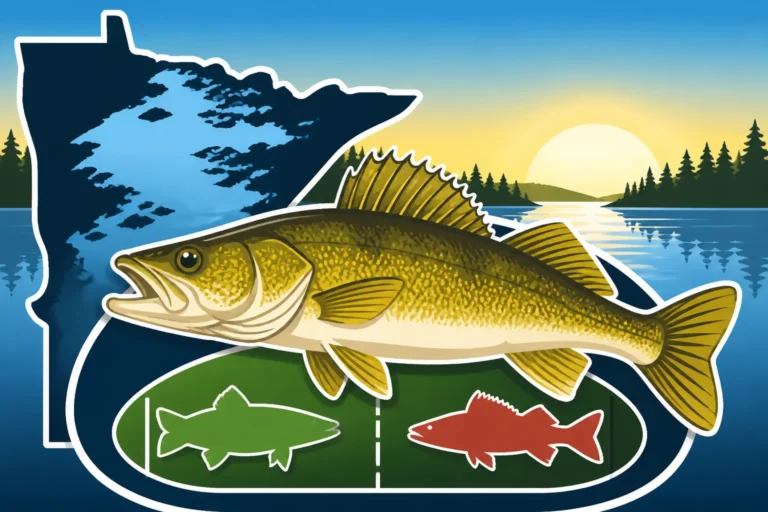
For many of us, Mille Lacs is synonymous with walleye. However, because the lake is managed with a high degree of sensitivity to the spawning population and overall biomass, the rules for walleye are significantly different here than on almost any other lake in the state. In 2026, the management plan continues to use a "quota" system, which means the rules can actually change mid-season depending on how many fish are being caught—and how many are unfortunately dying after being released in warm water.
The Spring and Early Summer Harvest Window
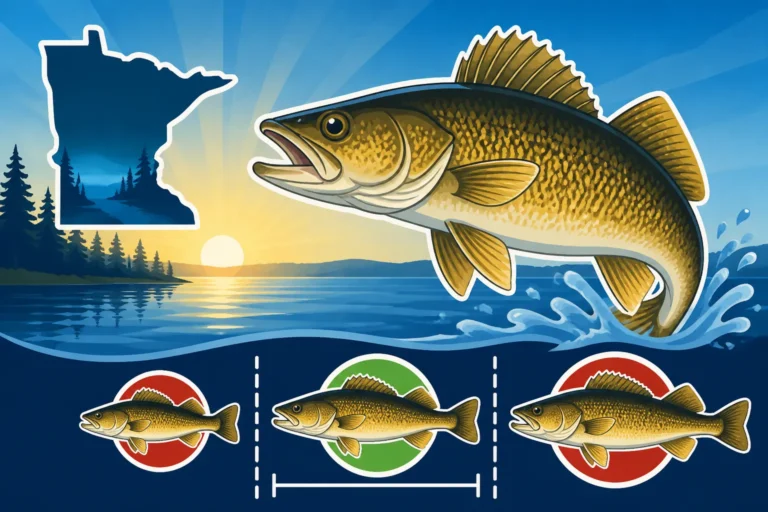
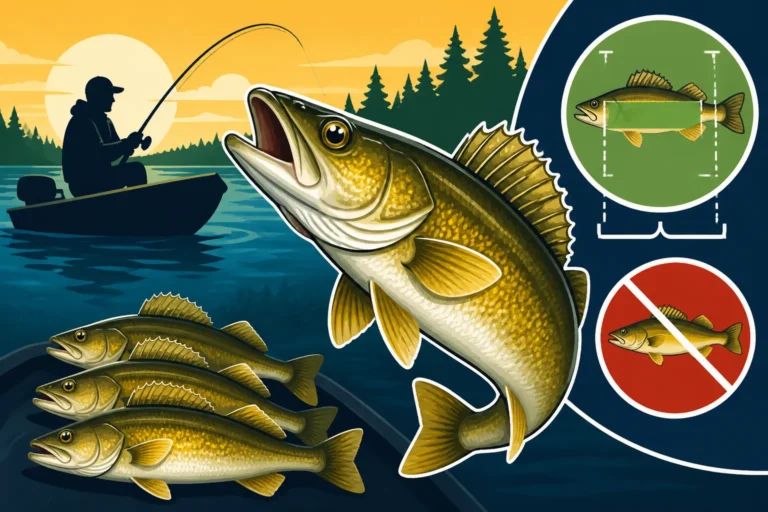
During the early part of the 2026 season, specifically starting with the When Is the Minnesota Walleye Opener 2026? date, anglers are typically allowed a limited harvest. For this year, the regulation allows for a one-fish limit. However, the "slot" is very tight. You are generally looking at a requirement where the fish must be between 21 and 23 inches, or over 28 inches. This "trophy or eater" approach is designed to protect the "engine room" of the population—those mid-sized spawning females that keep the lake healthy.
If you happen to land a fish that falls outside these specific measurements, it must be returned to the water immediately. It is heartbreaking to let a fat 20-inch walleye go when you were hoping for a fish fry, but these Mille Lacs Walleye Regulations (2026) are what have allowed the lake to rebound from the lean years of the past decade. Always keep a calibrated measuring board on your boat; "eye-balling" it isn't going to hold up if a conservation officer pulls alongside your boat near 7-Mile Flat.
The Mid-Summer Catch and Release Period
As we move into the heat of July, the risk of "hooking mortality" increases. When the surface water temperatures climb, walleye experience much higher stress levels during a fight, and even a perfectly executed release can result in the fish dying later. To combat this, the DNR often implements a strictly catch-and-release period for walleye during the mid-summer weeks.
During this time, you can still target them using Walleye Fishing Techniques: Complete Minnesota Guide strategies, but no fish can be in your livewell or on a stringer. This period is often the most frustrating for vacationers who booked a cabin specifically for a shore lunch, but it is a necessary evil to ensure the fall harvest remains an option. If you are fishing during this window, consider using heavier tackle to bring the fish to the boat faster, reducing their exhaustion level.
The Fall Harvest Re-Opening
If the quota hasn't been met by the time the water cools in September, the harvest often re-opens. This is widely considered the best time to be on the lake. The crowds have thinned, the pleasure boaters are gone, and the walleye are feeding aggressively to bulk up for winter. The one-fish limit usually remains in effect, but the cooling temperatures mean the fish are much hardier. Many locals prefer this time of year because Mille Lacs Lake Fishing Rules & Limits are often more stable in the autumn than during the volatile spring transition.
Smallmouth Bass and Northern Pike Rules
While walleye get all the headlines, Mille Lacs has quietly become one of the premier smallmouth bass destinations in the United States. Because of this, the regulations for bass are almost as strict as those for walleye, aiming to maintain the "trophy" status of the fishery.
Smallmouth Bass Harvest and Size Limits
In 2026, the smallmouth bass season on Mille Lacs follows a specific path. From the opener through early autumn, it is primarily a catch-and-release fishery. However, there is a harvest season that typically opens in September. During this window, the Minnesota Bass Season (New 2026 Catch-and-Release) guidelines for the rest of the state are superseded by Mille Lacs' special rules.
Currently, the limit is one bass, and it must be over 21 inches. If you’ve ever fought a 20-inch "smallie" on the rocks near any of the southern entries, you know how hard it is to put that fish back. But the goal here isn't to provide a limit of fish for the frying pan; it's to ensure that when you use How to Catch Smallmouth Bass on Mille Lacs tactics, you have a legitimate shot at a 6-pounder. The lake's clear water and abundant crayfish population make it a factory for massive bass, and the DNR is intent on keeping it that way.
Northern Pike Slot Limits
Northern pike are the wolves of the weed lines on Mille Lacs, and their regulations are designed to keep the population balanced. For 2026, the pike limit is three fish. However, there is a significant protected slot. All pike between 30 and 40 inches must be released immediately. You are allowed to keep one fish over 40 inches as a trophy.
This regulation is a bit different from the Minnesota Northern Pike Limits by Zone you might find in the southern or northeastern parts of the state. On Mille Lacs, the presence of large pike is actually beneficial for the walleye population, as they help control the numbers of smaller perch and other competing species. If you are targeting these toothy predators, make sure you have long-handled pliers and a heavy-duty net to ensure a safe release for those mid-sized fish.
The Mille Lacs Night Fishing Ban
One of the most unique and often confusing aspects of fishing this lake is the night fishing ban. For a significant portion of the open-water season, fishing for any species is prohibited during the overnight hours.
Why the Ban Exists
The ban was originally implemented to reduce the overall "effort" or pressure on the walleye population. Walleye are famously light-sensitive and feed most aggressively under the cover of darkness. By prohibiting fishing from 10:00 PM to 6:00 AM, the state effectively cuts the potential harvest and hooking mortality by a significant margin without having to shorten the actual calendar season.
Exceptions to the Rule
There are a few nuances to this rule that you should be aware of. Usually, beginning in early June, the night ban is strictly enforced for all species. However, as the season progresses into the fall, the ban is often lifted for those targeting muskellunge. If you are out after dark for muskies, you must be using specific Muskie Fishing Techniques for Beginners equipment—usually lures longer than 8 inches or large 10/0 hooks—to prove you aren't "accidentally" targeting walleye. Always check the most recent DNR "Notice of Rule Change" before heading out for a midnight troll, as these dates can shift by a week or two every year.
Summary of 2026 Species Limits
To help you keep everything straight while you're out on the water, here is a quick-reference table for the 2026 season on Mille Lacs.
| Species | Daily Bag Limit | Size Restrictions | Season Notes |
|---|---|---|---|
| Walleye | 1 | 21-23" or over 28" | Check for mid-summer C&R dates |
| Smallmouth Bass | 1 | Must be over 21" | C&R only until early September |
| Northern Pike | 3 | 30-40" must be released | Only one over 40" allowed |
| Muskellunge | 1 | Minimum 54" | Catch and release highly encouraged |
| Yellow Perch | 15 | No size limit | Excellent winter fishery |
| Crappie/Sunfish | 5 of each | No size limit | Often found in the sheltered bays |
Important Bait and Gear Restrictions
Beyond just what you can keep, there are rules about how you fish. Mille Lacs is a "Special Regulation" lake, which means you can't always use the same gear you use on your local farm pond.
Invasive Species and Live Bait
Because Mille Lacs is infested with zebra mussels and spiny waterfleas, the Aquatic Invasive Species (AIS) Rules for Boaters are strictly enforced. You cannot transport lake water away from the access. This means if you bought a few dozen leeches or minnows at a shop in Garrison or Onamia, you must drain your bait bucket before leaving the landing. Many anglers keep a gallon of fresh tap water in their truck to transfer their bait into so they don't have to throw away expensive leftovers.
Line Limits and Hook Requirements
When fishing the open water, you are limited to one line per angler. This is standard for Minnesota Fishing Limits: Bag & Possession (2026) rules, but it's worth repeating because the temptation to "dead stick" a second rod for walleye while jigging is high. During the winter, the rules change, and you can typically use two lines through the ice. However, you must stay within 200 feet of your lines. If you are using a wheelhouse, make sure you understand the Minnesota Ice House License & Rules before the lake freezes over.
Navigating the Lake Safely
Mille Lacs is essentially an inland sea. It is roughly 132,000 acres, and because it is relatively shallow (averaging 20-35 feet in the main basin), the waves can turn life-threatening in a matter of minutes.
Understanding the Structure
Most of the fishing pressure occurs on the "flats" in the northern half of the lake or the rock reefs in the southern half. If you are new to the lake, using a high-quality mapping chip is essential. The "Mud Flats" like 7-Mile, 8-Mile, and Mille Lacs Flat rise sharply out of the deep water. These are prime spots to use Jigging for Walleye: Jig & Minnow Basics during the early season. However, they are also exposed to the wind. If the forecast calls for gusts over 15 mph, the center of the lake is no place for a small boat.
Public Access and Marinas
There are excellent public landings maintained by the DNR around the entire perimeter. The Garrison access on the northwest side and the Cove access on the south are popular but can get incredibly crowded on weekends. Many anglers find it easier to pay a small "launch fee" at one of the private resorts like McQuoid's or Hunter Winfield's. These resorts often provide the most up-to-date Mille Lacs Lake Fishing Report & What's Biting information, which can save you hours of searching on such a massive body of water.
Final Advice for a Successful Trip
The key to enjoying Mille Lacs is flexibility. If the walleye aren't biting or the regulation changes to catch-and-release, don't let it ruin your weekend. Switch gears and target the world-class smallmouth bass or spend an afternoon chasing jumbo perch in the weed beds. This lake is a crown jewel of the Northland, and while the rules are complex, they exist to ensure that our kids and grandkids can experience the same thumping hit of a Mille Lacs walleye that we do today.
Always keep a copy of the current Minnesota Fishing Regulations Explained in your glovebox, and don't be afraid to ask the local bait shop owners for clarification. They are the frontline experts on how the 2026 rules are being applied on any given day.
Minnesota Fishing Regulations Disclaimer
Fishing regulations in Minnesota, particularly on highly managed waters like Mille Lacs Lake, are subject to emergency changes by the Department of Natural Resources (DNR) at any time based on population surveys and harvest quotas. While this guide provides an extensive overview for the 2026 season, it is not an official legal document. Always consult the most recent version of the Minnesota Fishing Regulations booklet and check for posted signs at public water accesses or the official DNR website before beginning your fishing trip to ensure compliance with the most current laws.