Ten Mile Lake Walleye Limit & Slot
There is nothing quite as gut-wrenching as reeling in a gorgeous, golden-bellied walleye on a crystal-clear evening at Ten Mile Lake, only to realize you aren't 100% sure if it’s legal to put in the livewell. With the DNR frequently updating rules to protect our natural resources, keeping track of specific lake requirements can feel like a full-time job. This guide dives deep into the Ten Mile Lake Walleye Limit & Slot, ensuring you stay legal while enjoying one of Minnesota’s most unique deep-water fisheries.
Understanding the Ten Mile Lake Walleye Limit
When you head out from the landing in Hackensack, the first thing you need to know is that Ten Mile Lake is not your average Minnesota mud-puddle. Because of its incredible depth—reaching over 200 feet in some areas—and its legendary water clarity, the walleye population behaves a bit differently here than it might on Mille Lacs or Winnibigoshish. For 2026, the walleye regulations on Ten Mile Lake generally follow the statewide inland water standards, but with a few critical caveats that every angler must memorize before their first cast.
The current daily bag limit for walleye on Ten Mile Lake is 6 fish. However, the "bag limit" is only half the story. You also have to navigate the Minnesota Walleye Limit & Size Rules which dictate exactly which of those fish can actually go home with you. In Minnesota, the "possession limit" is the same as the daily bag limit, meaning you can't have more than 6 walleyes in your freezer or your boat at any given time.
The One-Over-20 Rule Explained
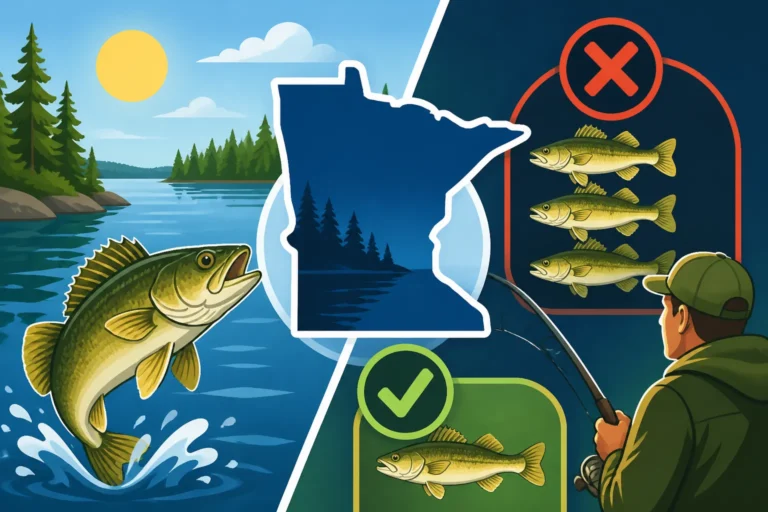
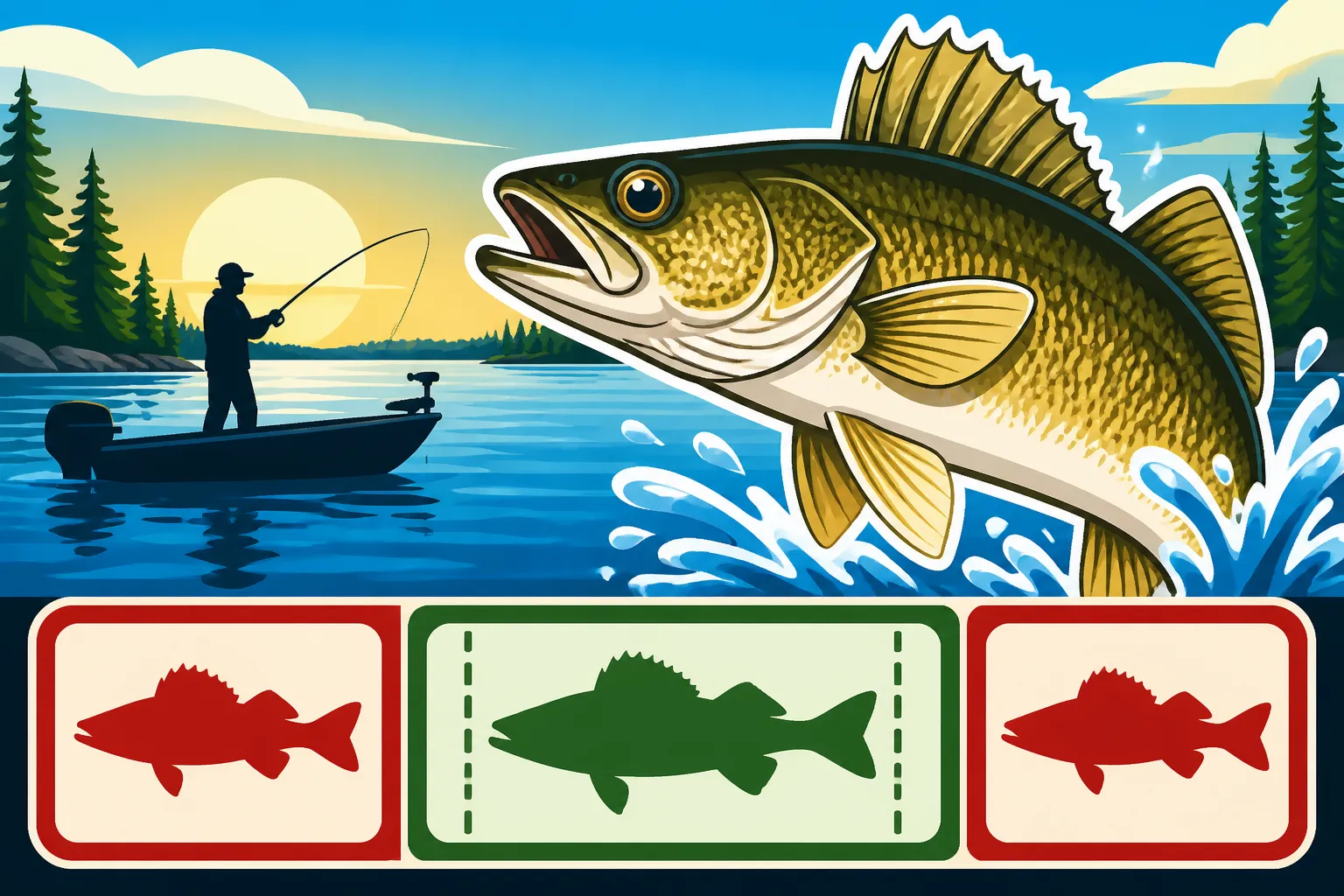
The most important "slot" or size restriction you will encounter on Ten Mile Lake is the "one-over" regulation. While you are allowed to keep 6 walleye, only one of those fish can be longer than 20 inches. This rule is designed to protect the large, spawning-age females that keep the lake's population healthy.
If you happen to catch two 22-inch walleyes, you are legally required to release one of them immediately. Many local sticks on Ten Mile actually prefer to release all fish over 20 inches, as these older fish are vital for the lake's future and often don't taste as sweet as the smaller "eaters." If you're looking for more details on why these rules exist, you can check out our deep dive on Minnesota Possession Limits Explained.
Daily Bag vs. Possession Limits
It is a common mistake for weekend warriors to think they can catch 6 fish on Friday, put them in the cabin freezer, and then catch another 6 on Saturday. In the eyes of the law, you are now in possession of 12 fish, which is a significant violation. The Minnesota Fishing Limits: Bag & Possession (2026) guidelines are very clear: your possession limit includes fish in your boat, your cooler, your car, and your home freezer combined.
On Ten Mile, where the fishing can be lights-out during a June evening, it is very easy to hit your limit quickly. If you plan on a multi-day trip, make sure you are eating your fish as you go or stopping once you’ve reached that magic number of six per licensed angler.
Why Ten Mile Lake Regulations Matter
You might wonder why a lake like Ten Mile doesn't have a more restrictive "protected slot" like the Mille Lacs Walleye Regulations (2026) do. The answer lies in the lake’s ecology. Ten Mile is an oligotrophic lake, meaning it is deep, cold, and low in nutrients. Walleyes here grow slower than they do in warmer, shallower lakes.
Because growth is slower, the DNR monitors the harvest closely. If too many 15-to-18-inch fish are taken out in a single season, it can take years for the next "class" of fish to reach maturity. By adhering to the Minnesota Fishing Regulations Changes for 2026, you are helping ensure that Ten Mile remains a premier destination for the next generation of anglers.
Protecting the Spawning Population
The walleyes in Ten Mile Lake often spawn on the deep gravel bars and rock reefs that the lake is famous for. Because the water is so clear, these fish are often more vulnerable to angling pressure during the early season. This is why the When Is the Minnesota Walleye Opener 2026? dates are so strictly enforced. Giving the fish time to finish their spawn without being targeted is essential for the long-term health of the fishery.
Impact of Water Clarity on Regulations
The exceptional clarity of Ten Mile Lake—sometimes exceeding 20 feet of visibility—means that walleyes often retreat to very deep water during the day. When the DNR sets limits, they account for "hooking mortality." Fish caught in 40 or 50 feet of water often suffer from barotrauma, making catch-and-release more difficult. This is why the 6-fish limit is balanced the way it is; it allows for a reasonable harvest while encouraging anglers to stop fishing once they've reached their limit to avoid unnecessary fish kills.
How to Measure and Identify Your Catch
Accuracy is your best friend when it comes to staying legal. A "guestimate" on a fish that looks like it's right around 20 inches could result in a costly interaction with a Conservation Officer. Always use a flat measuring board rather than a flexible tape measure, as tape measures can follow the curve of the fish and give you an inaccurate reading.
Measuring for the Slot
To measure your walleye correctly for the Ten Mile Lake limit:
- Lay the fish flat on the measuring board.
- Squeeze the tail fins together to get the maximum total length.
- If the tip of the tail touches the 20-inch mark or exceeds it, that fish counts as your "one over."
If you find yourself catching a lot of fish right on the line, it’s always safer to let them go. If you are unsure about the rules for other species you might encounter, such as pike, it’s worth reviewing the Minnesota Northern Pike Limits by Zone as Ten Mile falls into the North-Central zone.
Walleye vs. Sauger Identification
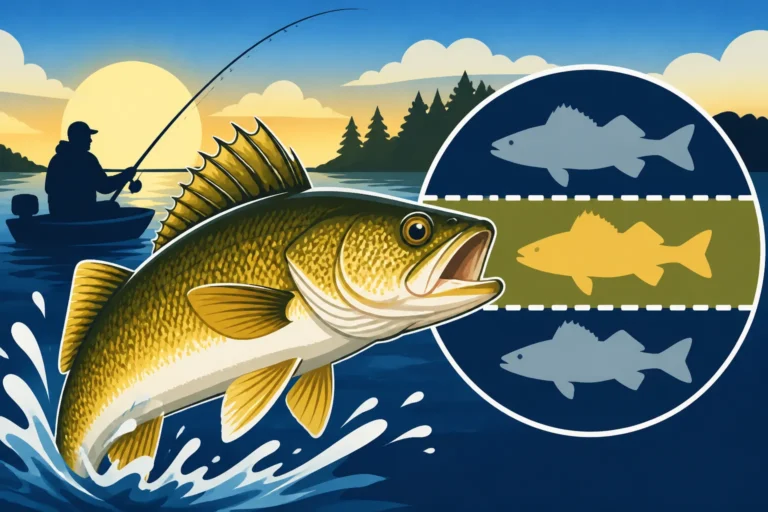
While saugers are much less common in Ten Mile than in places like the Rainy River, they do occasionally show up in the area. It is vital to know the difference because saugers and walleyes fall under the same combined limit. A sauger will have distinct dark spots on its dorsal fin and lacks the white "tip" on the lower lobe of the tail that is iconic to the walleye. For a refresher on identification, see our guide on Minnesota Fish Species: Identification Guide.
Best Practices for Catch and Release on Ten Mile
Given the depth of Ten Mile Lake, practicing responsible catch and release is just as important as knowing the limit. If you are targeting walleyes in water deeper than 30 feet, you need to be prepared for the physical toll that pressure changes take on the fish.
Handling Deep-Water Fish (Barotrauma)
When a walleye is pulled rapidly from deep water, its swim bladder can expand, preventing the fish from diving back down when released. This is known as barotrauma. If you plan on releasing fish to stay within the Minnesota Walleye Limit & Size Rules, try to fish in water shallower than 30 feet. If you must fish deep, reel the fish in slowly to allow them to "fizz" or adjust to the pressure change naturally. To learn more about the ethics of handling fish, read our article on Catch and Release Best Practices in Minnesota.
Gear for Successful Release
Using the right gear can also minimize damage to the fish. High-quality Walleye Fishing Techniques: Complete Minnesota Guide often recommend using circle hooks or specialized jigs that hook the fish in the corner of the mouth. Avoid using treble hooks if you are targeting large fish that you intend to release, as these can cause significant damage to the gills.
Summary of Ten Mile Lake Walleye Regulations 2026
To keep things simple for your next trip, here is a quick reference table for the regulations on Ten Mile Lake.
| Regulation Category | 2026 Rule Details |
|---|---|
| Daily Bag Limit | 6 Walleye |
| Possession Limit | 6 Walleye (includes all stored fish) |
| Size Restriction | Only 1 Walleye over 20" allowed in possession |
| Season Dates | Follows General Minnesota Inland Opener |
| License Required | Valid MN Angling License (Resident or Nonresident) |
| Combined Species | Walleye and Sauger count toward the same 6-fish limit |
Preparing for Your Ten Mile Fishing Trip
Before you launch your boat at the public access on the south end of the lake, make sure you have your paperwork in order. If you haven't purchased your tags yet, you can find information on the Minnesota Fishing License: Cost, Types & How to Buy (2026). For those who prefer a digital approach, learning How to Get a Minnesota Fishing License Online can save you a trip to the local bait shop.
Ten Mile is a rewarding but challenging lake. The walleyes are smart, the water is clear, and the structure is complex. By following the Ten Mile Lake Walleye Limit & Slot, you’re not just following the law—you’re participating in the stewardship of one of the finest lakes in the Northwoods. Whether you are using a Lindy Rig for Walleye or jigging the deep breaks, always keep your measuring board handy and your eye on the regulations.
Minnesota Fishing Regulations Disclaimer
While every effort is made to provide the most accurate and up-to-date information regarding Minnesota fishing regulations, rules can change due to DNR emergency orders or mid-season adjustments. Always consult the official Minnesota DNR Fishing Regulations handbook or the DNR website before heading out on the water. The information provided here is for educational purposes and does not replace official state laws. Stay safe, respect the resource, and tight lines!