Minnesota Northern Pike Limits by Zone
Navigating Minnesota's fishing regulations can feel like trying to untangle a particularly stubborn snarl in your fishing line, especially when it comes to species like northern pike. Many anglers, even seasoned ones, find themselves scratching their heads over the unique zonal limits, wondering if they're following the rules correctly for their favorite lake. This comprehensive guide will untangle those knots, breaking down Minnesota's northern pike regulations by zone, explaining why these rules are in place, and offering practical advice to help you stay compliant and enjoy a successful day on the water.
Understanding Minnesota's Pike Zones
For years, Minnesota had a one-size-fits-all approach to northern pike regulations. However, biologists and anglers alike noticed that pike populations varied wildly across the state. What worked for the trophy pike waters up north wasn't helping the stunted "hammer handles" found in many southern lakes. This disparity led to a revolutionary shift: the implementation of a zonal management system for northern pike.
The Rationale Behind Zonal Management
The fundamental reason behind creating distinct pike zones was to address the diverse ecological conditions and pike populations found throughout Minnesota. The state is vast, stretching from the boreal forests of the Canadian Shield in the north, through the agricultural plains of the central region, to the prairie-dotted landscape in the south. Each of these regions presents unique challenges and opportunities for pike management. In some areas, pike grow large and are highly sought after as trophy fish, while in others, they reproduce prolifically but struggle to reach substantial size due to overpopulation and competition for food. A single statewide regulation simply couldn't effectively manage these vastly different scenarios.
This zonal approach allows the Minnesota Department of Natural Resources (DNR) to tailor regulations to specific regions, promoting healthy fish populations and improving the quality of the fishing experience. It's about recognizing that a lake like Upper Red Lake has very different needs than a smaller, shallow lake outside of Mankato. This nuanced strategy helps to create more balanced ecosystems and better fishing opportunities for all types of anglers, whether they're targeting a wall-hanger or just looking to put some fish in the frying pan.
A Brief History of Pike Regulations
Historically, northern pike regulations in Minnesota were relatively simple, often a straightforward bag limit of three or six fish, with perhaps a general size restriction. For a long time, the thinking was that pike were abundant and resilient, and that liberal limits were acceptable. However, as fishing pressure increased and more detailed biological studies emerged, it became clear that this blanket approach was missing the mark. Anglers in the north often felt that too many large fish were being harvested, impacting their chances at trophy pike. Conversely, anglers in the south were often frustrated by lakes teeming with small, skinny pike that offered little in the way of sport or table fare.
The shift to a zonal system was a direct response to these observations and growing concerns. It marked a significant evolution in fisheries management, moving away from broad strokes towards a more scientific, geographically specific approach. The zones were established after extensive research, public input, and a deep understanding of pike biology and angler desires in different parts of the state. This move was a proactive step to ensure the long-term health and sustainability of Minnesota's northern pike fishery, aiming to satisfy a wider range of angling goals while conserving the resource.
Identifying Your Fishing Zone
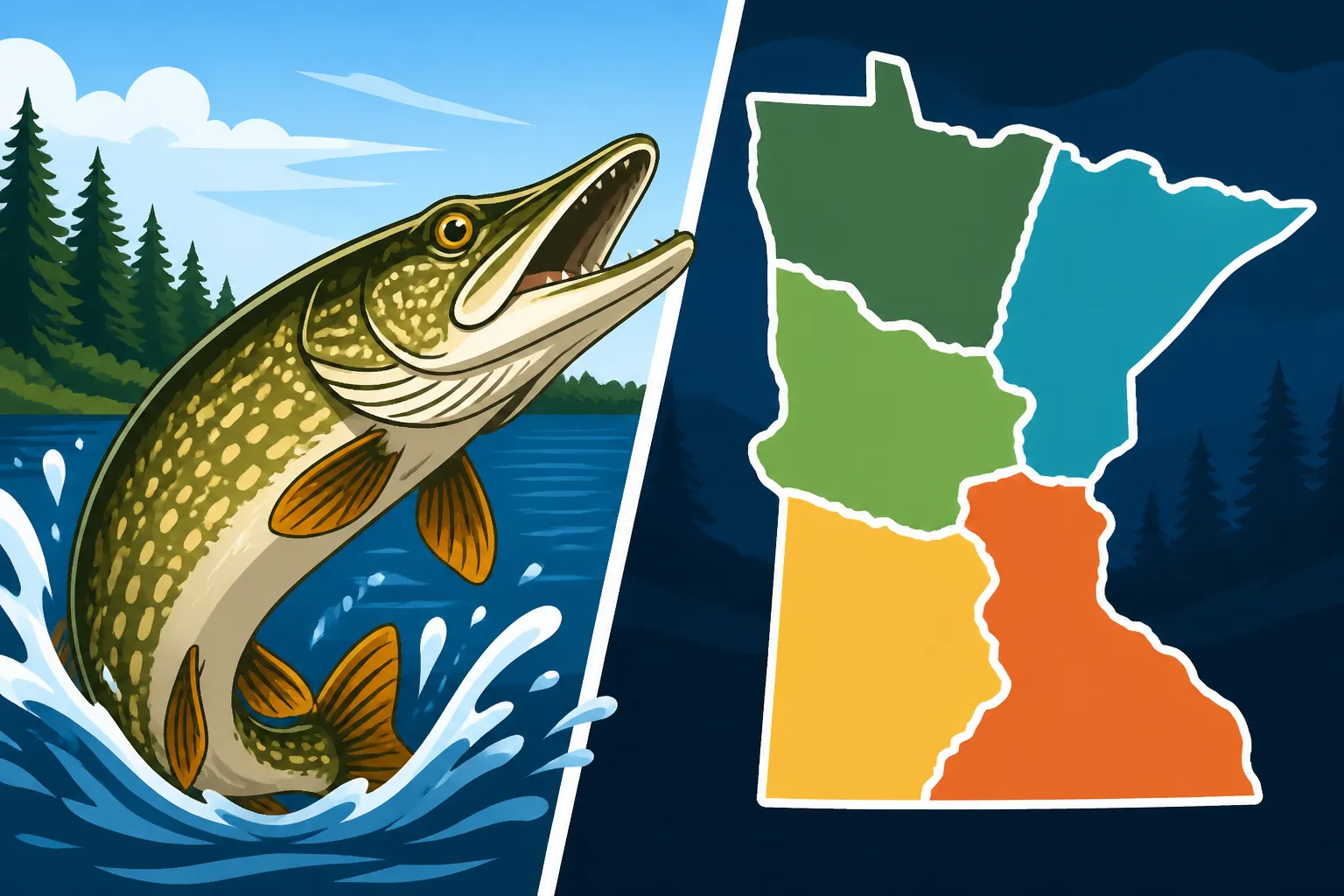
Knowing which pike zone you're in is absolutely critical before you cast a line. Guessing can lead to costly fines and, more importantly, can unknowingly contribute to imbalances in fish populations. Fortunately, the DNR has made it fairly straightforward to determine your location. The state is divided into three primary zones: North, Central, and South. These zones are defined by specific county lines and major highways, making them relatively easy to identify on a map.
When planning a fishing trip, especially if you're venturing to a new part of the state, always consult the official Minnesota DNR fishing regulations booklet or their online Lake Finder tool. This will clearly show you the boundaries. For instance, if you're heading to a lake like Leech Lake or Lake Winnibigoshish, you'll find yourself squarely in the North Zone. If your destination is closer to the Twin Cities, like a lake in Wright County, you'll likely be in the Central Zone. If you're fishing near the Iowa border, you'll definitely be in the South Zone. Don't rely on memory or hearsay; double-check every time to ensure you're compliant. For a comprehensive overview of statewide rules, check out our guide on Minnesota Fishing Limits: Bag & Possession (2026).
The Northern Pike Zone Regulations Explained
Each of Minnesota's three pike zones has a distinct set of regulations tailored to the specific characteristics of the pike populations within that region. These regulations include varying bag limits and protected slot limits, which dictate the size of fish you can keep and release. Understanding these nuances is key to a successful and legal fishing trip.
The North Zone: Focus on Quality
The North Zone, generally encompassing the northern third of the state, from the Canadian border down to a line roughly drawn by Highway 210 and portions of Highway 2 and 10, is managed to produce higher quality, larger northern pike. Many of Minnesota's most renowned trophy pike waters, such as Lake Vermilion and Rainy Lake, fall within this zone. The regulations here are designed to protect the middle-sized pike, allowing them to grow into those impressive, larger specimens that anglers dream of catching.
In the North Zone, the daily bag limit is three northern pike. However, there's a strict protected slot limit: all pike between 22 and 26 inches must be immediately released. This means you can keep smaller pike (under 22 inches) and one larger pike (over 26 inches). This specific slot limit encourages anglers to harvest smaller, more abundant pike, which can help reduce competition for food, while simultaneously protecting the breeding stock and those fish that are on their way to becoming true giants. It's a system designed to maximize the potential for trophy catches while still allowing for some harvest. For more on catching these elusive fish, explore Best Northern Pike Fishing Tactics in Minnesota.
The Central Zone: Balanced Opportunities
The Central Zone occupies the middle portion of Minnesota, typically bordered by the North Zone to the north and the South Zone to the south, often following major roads like Highway 2 and Highway 210. This zone represents a transition area, with a mix of lakes that can produce quality pike and those that might have slightly higher densities of smaller fish. The regulations in the Central Zone aim for a balanced approach, offering anglers reasonable harvest opportunities while still maintaining healthy pike populations capable of growing to respectable sizes.
The daily bag limit for northern pike in the Central Zone is five fish. This is a higher bag limit than the North Zone, reflecting a slightly different management goal. Within that five-fish limit, anglers must release all northern pike from 22 to 26 inches. This again means you can keep fish under 22 inches and one pike over 26 inches. This regulation tries to thin out some of the abundant smaller pike while giving a chance for those mid-range fish to get bigger, providing a balance between harvest and quality. It's important to always accurately measure your fish, especially when dealing with slot limits, to ensure you're within legal bounds.
The South Zone: Managing Abundant Smaller Pike
The South Zone covers the southern third of Minnesota, primarily south of Interstate 94 and Highway 10. Many lakes in this region are shallower, more fertile, and often experience high reproductive rates for northern pike. This can lead to overpopulation, where a large number of pike compete for limited food resources, resulting in stunted growth. These fish are often referred to as "hammer handles" – thin, small pike that don't offer much sport or meat. The regulations in the South Zone are specifically designed to encourage harvest of these abundant smaller fish to improve the overall health and size structure of the population.
In the South Zone, the daily bag limit for northern pike is a generous 10 fish. The most significant difference here is the reverse protected slot limit: only one pike over 24 inches can be kept. This means you can keep nine pike under 24 inches, and if you catch a larger one, you can keep just one of those. The primary goal is to encourage anglers to keep more of the smaller pike, reducing their numbers and allowing the remaining fish to grow larger and healthier. It's a management strategy that directly combats the problem of stunted populations, making the fishing experience more rewarding for everyone.
Here's a quick summary table of the Northern Pike Zone Regulations:
| Pike Zone | Daily Bag Limit | Protected Slot Limit (Must Release) | Special Rule | Management Goal |
|---|---|---|---|---|
| North | 3 Pike | 22 to 26 inches | Only 1 over 26 inches allowed | Quality fishing, larger pike |
| Central | 5 Pike | 22 to 26 inches | Only 1 over 26 inches allowed | Balanced opportunities, good growth |
| South | 10 Pike | None | Only 1 over 24 inches allowed | Reduce stunting, encourage harvest of smaller pike |
It's vital to remember that these are the general zone regulations. Always check for specific lake regulations, as some waters may have experimental or special rules that supersede the zone limits.
Why Zones Matter for Pike Management
The zonal system for northern pike isn't just about creating more rules; it's a sophisticated management tool designed to enhance pike populations and improve fishing experiences across the state. It reflects a deeper understanding of fish biology and the unique characteristics of Minnesota's diverse aquatic environments.
Protecting Larger Fish in the North
In the North Zone, the primary goal is to cultivate and maintain a healthy population of large, trophy-sized northern pike. These lakes often have a slower growth rate for pike, meaning it takes longer for fish to reach impressive sizes. The protected slot limit of 22 to 26 inches ensures that these "middle-class" pike, those that have survived their initial years and are on track to become truly large, are left in the water to continue growing and reproducing. Removing too many fish in this size range would deplete the future trophy potential of these waters.
This management strategy directly benefits anglers seeking that once-in-a-lifetime catch. By encouraging the harvest of smaller pike, which can be abundant even in northern lakes, it reduces competition for food for the remaining fish, allowing them to grow faster and larger. It's a long-term investment in the quality of the fishery, ensuring that northern Minnesota continues to be a premier destination for those hoping to land a true giant. Remember to practice Catch and Release Best Practices in Minnesota to ensure these big fish survive.
Reducing Stunted Populations in the South
The challenges in the South Zone are almost the inverse of the North. Here, many lakes have an overabundance of northern pike, leading to intense competition for food. When there are too many mouths to feed, all the fish suffer, resulting in slow growth rates and a population dominated by small, skinny "hammer handle" pike. These fish offer poor fishing quality and limited recreational value. The 10-fish bag limit, with only one over 24 inches, is a direct assault on this problem.
By encouraging anglers to keep a large number of smaller pike, the DNR aims to thin out these overpopulated lakes. This culling effect reduces the overall competition for food, allowing the remaining pike to grow faster and attain a healthier size. It's a form of active management that relies on angler participation to restore balance to these ecosystems, turning what might have been a frustrating fishing experience into one where anglers can harvest plenty of fish for a meal and potentially encounter a larger, healthier pike.
Adapting to Diverse Lake Ecosystems
Ultimately, the zonal system is about acknowledging and adapting to the incredible diversity of Minnesota's 10,000+ lakes. Each lake, and indeed each region, has its own unique mix of water chemistry, forage availability, habitat, and angling pressure. A regulation that works perfectly for a deep, clear, infertile lake in the Boundary Waters is unlikely to be effective for a shallow, nutrient-rich lake in southwestern Minnesota. The zonal approach provides the flexibility needed to apply management strategies that are truly appropriate for the local conditions.
This adaptability extends beyond just pike. It informs how other species are managed and how conservation efforts are prioritized. It's a living system, constantly monitored and adjusted based on scientific data and angler feedback. This ensures that Minnesota's fisheries remain robust and dynamic, capable of sustaining both healthy fish populations and the cherished tradition of angling for generations to come. Keep an eye on Minnesota Fishing Regulations Changes for 2026 for any updates.
Common Questions and Misconceptions About Pike Zones
Even with the best intentions, specific regulations can sometimes lead to confusion. Understanding the common questions and misconceptions about Minnesota's northern pike zones can help clarify any lingering doubts and ensure you're always fishing within the rules.
What if a Lake Crosses Zones?
This is a fantastic question and one that trips up many anglers. While the zone boundaries are primarily defined by county lines and major highways, there are indeed a few lakes that might straddle a zone boundary. For instance, a long, winding river system or a very large lake might technically fall into two different zones. The general rule for these situations is to refer to the official DNR regulations. Usually, a specific lake will be designated as belonging to one zone, even if a small portion of it extends into another.
However, it's crucial not to assume. The best course of action is to check the DNR's Lake Finder tool or the detailed regulations booklet, which often list specific exceptions or designations for such waters. If a lake is truly split, the regulations might even specify which part of the lake falls under which zone, or a compromise regulation might be in place for the entire water body. When in doubt, always err on the side of caution and follow the more restrictive regulation, or contact a local DNR office for definitive guidance.
How Often Do Regulations Change?
Minnesota's fishing regulations, including those for northern pike, are not static. They are dynamic tools that are regularly reviewed and, when necessary, adjusted by the DNR in response to changes in fish populations, environmental conditions, and scientific understanding. While the basic zonal structure for northern pike has been in place for some time, the specific bag limits or slot sizes within those zones can and do change. These changes are typically implemented to fine-tune management efforts, such as addressing an unexpected decline in a specific size class or reacting to new data on growth rates.
Regulations are usually reviewed on an annual or biennial basis, with any changes typically announced well in advance of the fishing season. It's an ongoing process to ensure sustainable fishing. This is why it's absolutely paramount to get a new regulations booklet every year or to check the DNR's website for the most current rules before heading out. Relying on last year's knowledge, or even what you heard from a friend a few seasons ago, can easily lead you astray. For broader context on how regulations are set, you might find our article on Minnesota Fishing Seasons & Opener Dates (2026) interesting, as it highlights the annual nature of regulation cycles.
The "Hammer Handle" Problem
The term "hammer handle" is a common, albeit somewhat derogatory, nickname for the small, skinny northern pike often found in overpopulated lakes, particularly in the South Zone. These pike are characterized by their poor body condition, looking more like the handle of a hammer than a robust fish. They result from intense competition for limited food resources. When a lake has too many pike, especially smaller ones, they all struggle to find enough to eat, leading to stunted growth and poor health for the entire population.
The "hammer handle" problem is precisely what the South Zone regulations are designed to combat. By encouraging anglers to harvest a larger number of these smaller fish, the management strategy aims to reduce the overall pike density in these waters. This thinning allows the remaining pike to access more food, grow faster, and become healthier, ultimately improving the overall quality of the fishery. It transforms a lake full of undesirable small fish into one that can produce more respectable-sized pike, offering a better experience for anglers who are willing to participate in the management effort by keeping their limit of smaller fish.
Staying Compliant: Tips for Anglers
Following fishing regulations isn't just about avoiding a ticket; it's about being a responsible angler and contributing to the health of Minnesota's cherished fisheries. With the nuanced pike zone regulations, a few practical tips can help ensure you're always compliant.
Measuring and Identifying Pike Accurately
The protected slot limits in the North and Central Zones, and the "only one over" rule in the South Zone, make accurate fish measurement non-negotiable. A dedicated measuring board or tape, securely affixed to your boat or easily accessible, is an essential piece of gear. Lay the fish flat, with its mouth closed and touching the end of the measuring device, and pinch the tail to get the total length. Don't eyeball it; a half-inch can make all the difference between a legal fish and a violation.
Beyond length, ensure you can properly identify a northern pike. While generally distinct, some anglers new to the state or species might occasionally confuse them with muskie, especially smaller ones. Northern pike typically have dark bodies with lighter, bean-shaped spots. Muskies, on the other hand, usually have lighter bodies with dark spots, bars, or no markings at all. Knowing these differences is important, as Minnesota Muskie Season & Size Limit regulations are entirely different. When in doubt, release the fish. It's always better to be safe than sorry, both for your wallet and for the fish population.
Proper Release Techniques for Protected Fish
Since slot limits require you to release fish of certain sizes, mastering proper catch-and-release techniques is crucial. Pike are notoriously hardy, but mishandling can still lead to delayed mortality. First, use appropriate tackle for the size of pike you expect to encounter; overly light gear can prolong the fight and exhaust the fish. When landing a pike, use a net with rubberized mesh to protect its slime coat and fins, or carefully grip it by the gill plate (not the gills themselves) or the base of the tail.
Avoid touching the fish's eyes or gills. Remove hooks quickly using long-nosed pliers or a hook remover. If the fish is deeply hooked, especially in the gills, it's often best to cut the line as close to the hook as possible rather than trying to remove it, as this can cause more damage. Hold the fish gently in the water, facing the current if possible, until it regains its strength and swims away on its own. Never throw a fish back into the water; always release it gently. These practices are covered in more detail in our article on Catch and Release Best Practices in Minnesota.
Consulting Official DNR Resources
The Minnesota DNR is your ultimate authority for fishing regulations. While guides like this one offer valuable insights, the official DNR fishing regulations booklet and their website are the definitive sources for the most current and accurate information. The DNR website features an excellent Lake Finder tool where you can look up specific lakes and see their general and special regulations, including pike zones and limits. They also provide downloadable PDFs of the annual regulations.
Make it a habit to review these resources before every fishing season and especially before visiting a new lake or area of the state. These resources are regularly updated, and staying informed is your best defense against inadvertently violating a regulation. Failing to check the current rules is not a valid excuse, and ignorance of the law is no defense against Penalties for Keeping Over-Limit Fish in Minnesota. Your fishing license purchase helps fund these vital conservation efforts, and knowing the rules is part of that responsibility.
Finding Your Zone and Specific Lake Rules
Knowing the general zone regulations is a great start, but Minnesota's fishing rules can get even more specific. Many individual lakes have special regulations that can supersede or modify the general zone rules. It's your responsibility as an angler to know these specific lake rules.
Navigating the DNR Lake Finder
The Minnesota DNR's Lake Finder is an invaluable online tool for any angler in the state. Instead of flipping through pages trying to find your lake, you can simply type in the lake's name or number, and the tool will pull up a wealth of information. This includes current fishing regulations, fish stocking reports, lake maps, public access points, and often even recent fishing reports from DNR surveys. For northern pike, the Lake Finder will explicitly state which zone the lake falls into and list any special regulations that apply to that particular body of water.
This is especially helpful for lakes that might be close to a zone boundary or for popular fishing destinations that might have experimental regulations in place. For example, if you're planning a trip to Mille Lacs Lake, you'll want to use the Lake Finder to check its current regulations, which often include specific rules for walleye, smallmouth bass, and northern pike that might differ from the general zone. Always cross-reference the information with the official regulations booklet to ensure you have the complete picture.
Special Regulations on Individual Waters
Even within a specific pike zone, some individual lakes have their own unique "special regulations." These are usually implemented to address very specific management needs for that particular lake, often due to unique ecological conditions, high fishing pressure, or a desire to experiment with different management strategies. These special regulations can include different bag limits, size restrictions, or even seasonal closures for certain species. For instance, while the North Zone has a general pike slot, a particular lake within that zone might have an even more protective slot or a higher bag limit for small pike if biologists determine it's needed.
It's critical to understand that these special regulations override the general zone rules. You cannot assume that just because you're in the Central Zone, the five-pike limit with the 22-26 inch slot applies to every single lake. Always, always check the specific lake you intend to fish. These specific rules are clearly listed in the annual regulations booklet under "Special Regulations by Lake" and are prominently featured on the DNR Lake Finder. Neglecting to check for these can easily lead to a violation, even if you know the general zone rules by heart.
Border Water Considerations
Minnesota shares borders with several states and provinces, and fishing these "border waters" adds another layer of complexity. If you're fishing on a lake or river that forms a border with Wisconsin, North Dakota, South Dakota, Iowa, or the Canadian provinces of Ontario or Manitoba, you'll need to be aware of the specific "border water agreements." These agreements often have their own set of regulations that can differ significantly from Minnesota's inland rules, including different seasons, bag limits, and size restrictions for northern pike and other species.
For example, fishing on the St. Croix River, which forms a border with Wisconsin, will have specific rules that are a blend of both states' regulations. Similarly, Lake of the Woods, shared with Ontario, has distinct regulations agreed upon by both jurisdictions. You'll need to know not only the border water regulations but also which state or province's license is required for where you're fishing. Always consult the specific border water section in the Minnesota fishing regulations booklet, or our guide on Border Water Fishing Rules (Minnesota-Ontario, Wisconsin), to ensure you are legally prepared for these unique fishing situations.
Disclaimer
Please note that fishing regulations are subject to change. While this guide aims to provide accurate and up-to-date information, it is not a substitute for the official Minnesota Department of Natural Resources (DNR) fishing regulations. Always consult the current official Minnesota Fishing Regulations booklet or the DNR website for the most precise and current rules before engaging in any fishing activity.