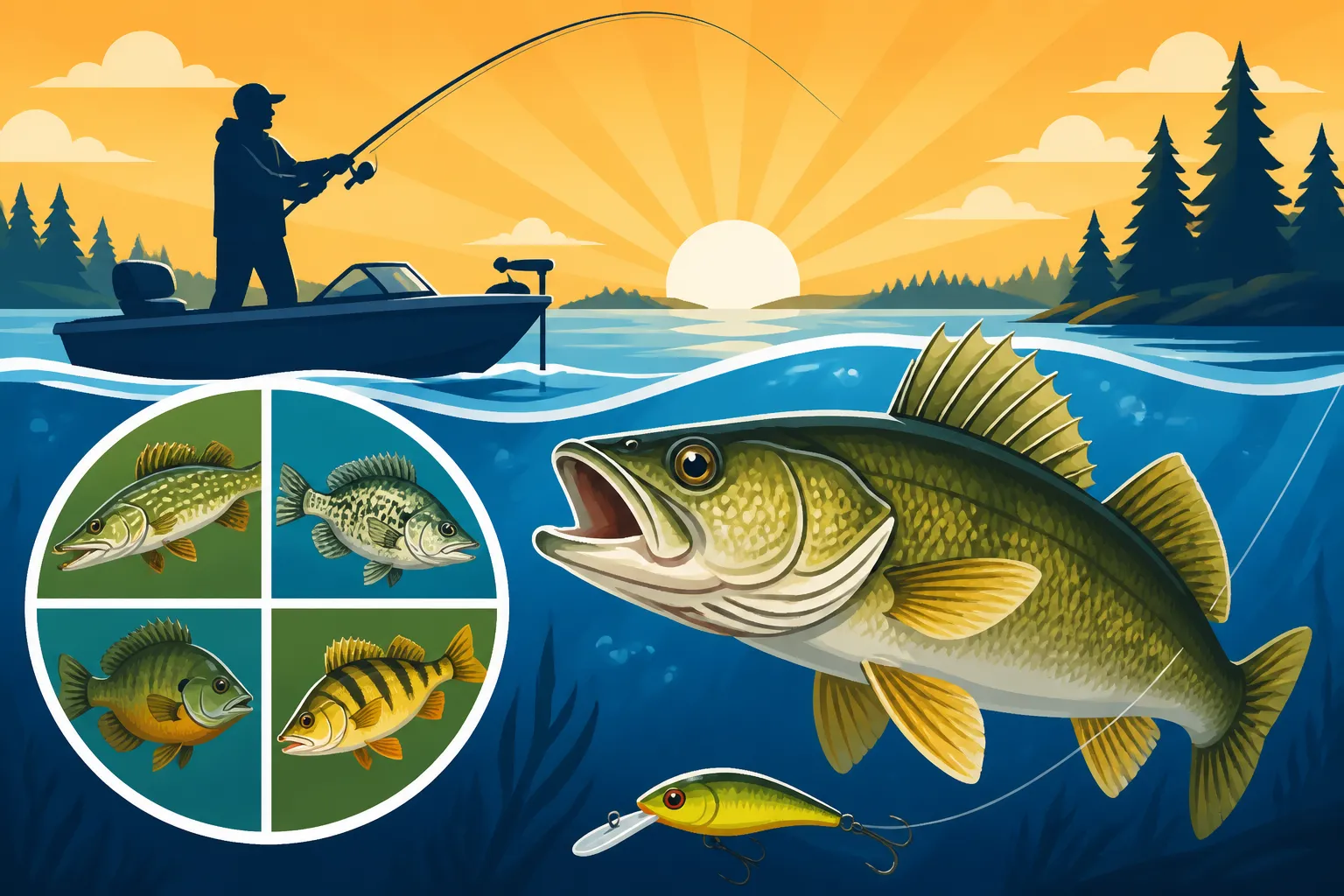
Mille Lacs Lake Fishing Report & What’s Biting
Oh, Mille Lacs! If you've ever tried to keep up with what's biting on this incredible lake, you know it can feel like trying to hit a moving target while blindfolded. Between ever-changing regulations, the sheer size of the lake, and the whims of Mother Nature, getting a solid handle on the current fishing conditions can be a real headache. This guide is here to cut through the confusion and give you the most current, real-world rundown of what fish are active and what techniques are working on Minnesota's beloved "Big Lake."
Understanding Mille Lacs Lake's Dynamic Fishery
Mille Lacs isn't just any lake; it's a massive, shallow basin that acts like an inland sea, and its fishery is incredibly dynamic. One day the walleye are on the mud flats, the next they've vanished into the abyss, only to reappear on a rock reef. It’s enough to drive a seasoned angler crazy, let alone someone new to the lake. The frustrations are real, but understanding why it changes so much is the first step to conquering it.
Why Mille Lacs is Always Changing
This isn't your typical small, sheltered lake where fish patterns are predictable day in and day out. Mille Lacs is the second-largest lake entirely within Minnesota, spanning over 132,000 acres, and it's notoriously shallow with an average depth of around 20 feet. This combination means wind has a massive impact, stirring up the water, creating currents, and pushing baitfish and game fish alike. A strong west wind can completely shut down a bite on the western shore and ignite it on the east, almost overnight.
Beyond the wind, the forage base is constantly shifting. Cisco (tullibee) populations fluctuate, yellow perch numbers ebb and flow, and these changes directly influence where walleye, pike, and muskie choose to feed. If the cisco are abundant in the deep mud, that's where the walleye will often be, making it a deep-water game. If perch are schooling in shallower rock, expect the walleye to follow. It’s like a complex ecological dance, and we anglers are just trying to follow the rhythm.
How Regulations Shape the Fishing Experience
Perhaps one of the most talked-about and often frustrating aspects of Mille Lacs fishing is the constantly evolving set of regulations, especially for walleye. The Minnesota Department of Natural Resources (DNR) works tirelessly to manage this world-class fishery, but balancing conservation with angler desires is a monumental task. Over the years, we've seen everything from strict catch-and-release rules to single-fish possession limits and protective slot limits. These regulations aren't just arbitrary; they're based on scientific assessments of the walleye population's health and spawning success.
For anglers, this means you can't just assume last year's rules apply. It's crucial to check the current Mille Lacs Walleye Regulations (2026) before you even think about dropping a line. These rules directly impact how you target fish. If it's catch-and-release for walleye, your focus might shift to finding larger numbers of fish or targeting other species like smallmouth bass or northern pike for the dinner table. If there's a slot limit, you might adjust your presentation to try and entice a keeper-sized fish. It forces adaptability, which, while sometimes frustrating, also makes us better anglers.
What's Biting on Mille Lacs Right Now (Seasonal Breakdown)
Knowing what's typically biting is one thing, but Mille Lacs rarely follows a textbook pattern. Still, understanding the general seasonal movements and patterns can give you a significant advantage. Let's break down what you can generally expect throughout the year, keeping in mind that the specific bite can change week to week. For the most up-to-the-minute details, always consult local bait shops or fishing guides.
Spring Opener Excitement (May-June)
When the walleye opener finally arrives in May, there's an undeniable buzz on Mille Lacs. After the long winter, fish are hungry and often in predictable areas following their spawn. Early spring walleye can often be found in shallower, protected bays and along shoreline breaks, especially those with some remaining green weeds or rocky transitions. Pitching jigs tipped with shiners or plastics is a classic opener tactic, and it still puts a lot of fish in the boat (or at least boat-side for release).
The excitement is palpable, but so are the crowds. Fishing pressure can be intense, especially on the more popular spots. Don't overlook the crappie bite during this time, either. While not as famous as the walleye, some of the bays can hold surprisingly good numbers of crappie, offering a fun diversion if the walleye are being finicky. For a deeper dive into these early season patterns, check out our guide on Early Season Walleye After the Opener.
Summer Structure Fishing (July-August)
As water temperatures rise and the sun beats down, Mille Lacs transforms into a deep-water game, especially for walleye. The vast mud flats in the central part of the lake become prime real estate, holding massive schools of baitfish and, consequently, hungry walleye. Trolling crankbaits over these flats is a go-to strategy, often employing leadcore line to get baits down to specific depths. Lindy Rigs or slip bobbers fished with leeches or nightcrawlers on the edges of the mud or on rock reefs can also be incredibly effective. Understanding Summer Walleye Patterns: Deep Structure is key here.
It’s not just walleye, though. Summer is prime time for Mille Lacs' world-class smallmouth bass. These bronzebacks patrol rocky shorelines, reefs, and points, and they are incredibly aggressive. Throwing topwater baits in low light or working tubes and dropshots around structure can lead to explosive action. Fishing can be challenging during the bright midday sun, but early mornings and late evenings often produce the best results. If you're looking to master the classic live bait presentation, our guide on How to Fish a Lindy Rig for Walleye is an excellent resource.
Fall Turnover and Feeding Frenzy (September-October)
Ah, fall on Mille Lacs. This is a time of dramatic changes and often some of the most intense fishing of the year. The dreaded "turnover" can make fishing tough for a week or two as the lake's water column mixes, scattering fish. But once it settles, the fish go on a serious feeding binge in preparation for winter. Walleye often move shallower again, gorging on baitfish before the ice sets in. Trolling large crankbaits, casting big plastics, or jigging Rapalas can all be highly productive.
This is also when the lake's monster muskie become extremely active. They'll be targeting those same schooling baitfish, and anglers throwing massive bucktails and jerkbaits can have a shot at a true trophy. The key to fall fishing is being flexible and willing to cover water. It can be a "hero or zero" experience, but those hero moments are what we live for. Learn more about adapting your approach in our guide to Fall Walleye Fishing: Turnover & Cold Water.
Ice Fishing Action (December-March)
Once Mille Lacs freezes solid, a whole new world of angling opens up. Ice fishing is a major draw, with everything from portable shelters to elaborate "ice castles" dotting the frozen landscape. Walleye are still the main target, found on the same mud flats and rock reefs they inhabit in summer, just accessed from above! Jigging spoons, Rapalas, and deadsticking with shiners are popular tactics. The use of modern electronics like Vexilar or Humminbird flashers is almost essential for locating fish and presenting baits effectively through the ice.
But don't forget the other species! Jumbo yellow perch are a common catch, often found shallower on the flats. Crappie school up in deeper basins and are susceptible to small tungsten jigs tipped with plastics or wax worms. It's a fantastic time to get out and enjoy the serene (or sometimes boisterous, depending on your ice house neighbors!) winter landscape. Just remember to always prioritize safety and be aware of Minnesota Ice Fishing & Shelter Rules.
Targeting Specific Species on Mille Lacs
While walleye often steal the spotlight, Mille Lacs is a multi-species powerhouse. Diversifying your targets can lead to more consistent action and a richer overall fishing experience. Each species demands a slightly different approach, and understanding these nuances will make you a more versatile and successful angler on this vast body of water.
Walleye: The King of Mille Lacs
The walleye is, without a doubt, the undisputed king of Mille Lacs. This lake consistently produces some of the healthiest and fastest-growing walleye in Minnesota. Your approach will heavily depend on the season and the current regulations, as discussed. In spring, expect to find them in shallower breaks and spawning areas. As summer progresses, the mud flats become central, with fish relating to changes in depth or bottom composition. Fall sees them moving back shallower for a pre-winter feast.
Popular techniques include pitching jigs and plastics or shiners, especially during low light or in shallow water. For deeper water, a classic Walleye Fishing Techniques: Complete Minnesota Guide often includes the Lindy Rig with a leech or nightcrawler, or slip bobbers presenting a shiner or leech over structural elements. Trolling crankbaits like Rapalas or Berkley Flicker Shads is highly effective over the mud flats, allowing you to cover vast amounts of water. Don't be afraid to experiment with color patterns; sometimes a subtle change can make all the difference.
Smallmouth Bass: World-Class Brawlers
Mille Lacs boasts one of the premier smallmouth bass fisheries in the entire country, and for good reason. These hard-fighting fish grow large and are incredibly abundant. They are primarily structure-oriented, preferring rocky shorelines, boulder fields, main lake reefs, and points. If you see rocks, think smallmouth.
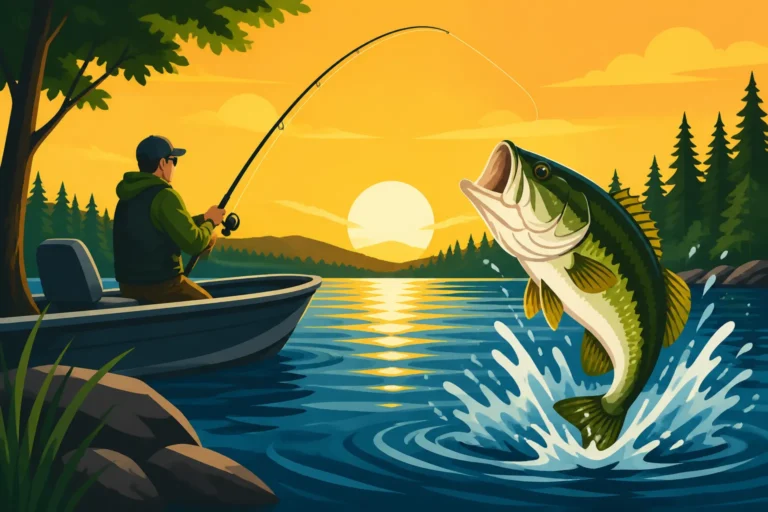
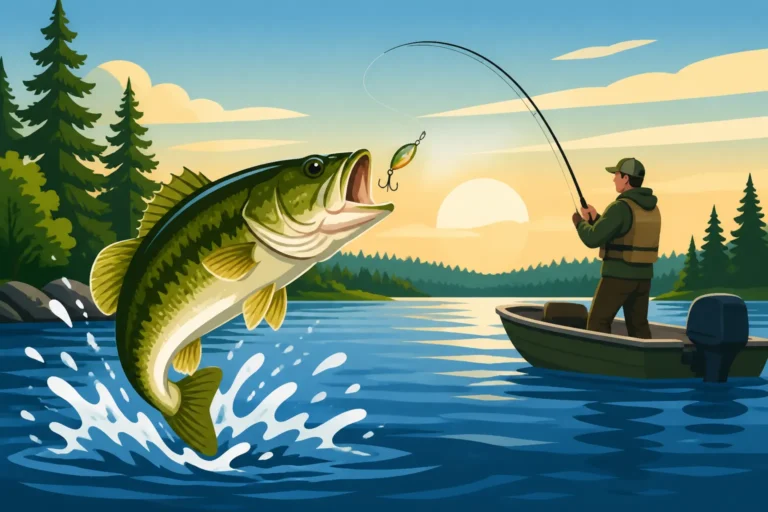
During the summer months, smallmouth are often found in 10-25 feet of water. Dropshot rigs with soft plastics, tube jigs, Ned Rigs, and jerkbaits are all extremely effective. Early mornings and evenings often bring them shallow to feed, making topwater baits like poppers and walk-the-dog lures an absolute blast. They're a fantastic alternative if the walleye bite is slow or if you're just looking for a powerful fight. We've got a whole guide dedicated to Mille Lacs Smallmouth Bass: World-Class Fishery, and it's well worth a read.
Northern Pike and Muskie: Apex Predators
For those who love a fierce fight and the thrill of a big game fish, Mille Lacs delivers with both northern pike and muskie. Northern pike are widespread, often found in weed beds, along drop-offs, and in shallower bays. They'll readily strike spinnerbaits, spoons, large crankbaits, or even a simple minnow under a bobber. They're an excellent option for consistent action, especially for kids or beginners.
Muskie, the "fish of 10,000 casts," are a true trophy species on Mille Lacs. The lake supports a healthy population of truly giant muskie, often over 50 inches. These fish patrol rocky reefs, offshore humps, and sometimes suspended over open water, tracking baitfish. Targeting them requires specialized heavy tackle and large baits like bucktails, jerkbaits, and glide baits. Patience is key, as is a commitment to catch and release to preserve this incredible fishery. If you're up for the challenge, our guide to Muskie Fishing in Minnesota: The Fish of 10,000 Casts will get you started.
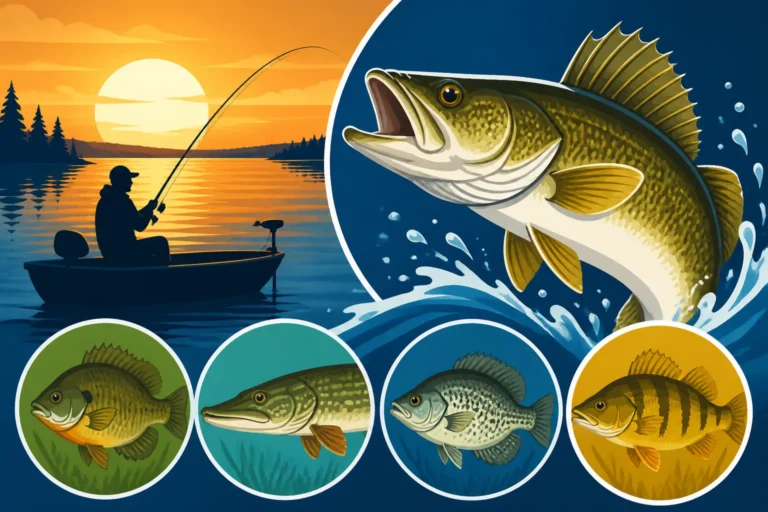
Panfish Opportunities (Crappie, Perch, Bluegill)
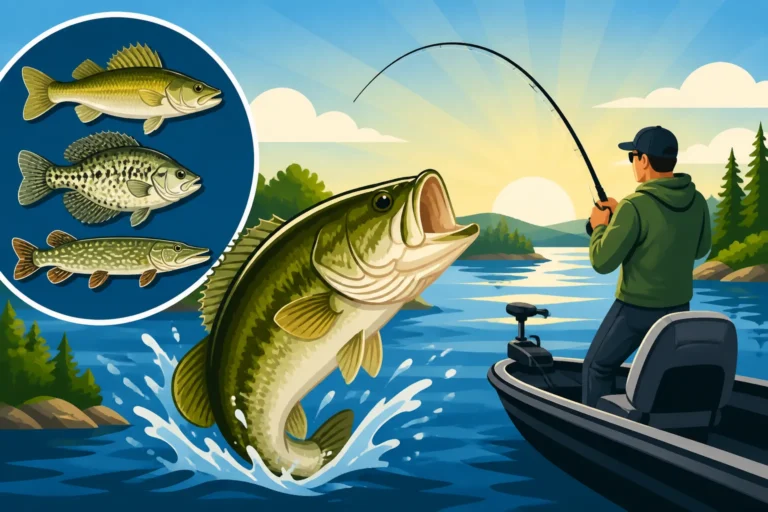
While not as heavily targeted by many anglers on Mille Lacs, the lake offers solid panfish opportunities, particularly for crappie and jumbo yellow perch. Crappie can be found schooling in deeper basins or sheltered bays, especially during spring and fall. Small jigs tipped with plastics or live minnows under a bobber are the ticket.
Yellow perch are abundant, especially on the mud flats where they feed on insect larvae and small crustaceans. While many are smaller, Mille Lacs is known for producing "jumbo" perch that can provide excellent table fare and a lot of fun on light tackle. Bluegill are less prevalent but can be found in some of the shallower, weedy areas. Don't underestimate the joy of a good panfish bite when the conditions for other species are tough.
Maximizing Your Mille Lacs Fishing Success
Mille Lacs is a challenging lake, but with the right information and approach, it's incredibly rewarding. Don't let its vastness or reputation intimidate you. By leveraging local knowledge, utilizing modern gear, and prioritizing safety, you can significantly increase your chances of a successful and memorable trip.
Checking Current Fishing Reports and Local Knowledge
On a lake as dynamic as Mille Lacs, current information is gold. The best place to start is often a local bait shop around the lake, such as those in Garrison, Isle, or Brainerd. These folks are on the water constantly or talking to anglers who are, and they can provide invaluable, real-time insights into what's biting, where, and on what.
Online fishing forums and social media groups dedicated to Mille Lacs are also excellent resources. Many guides and avid anglers share reports regularly. If you're really serious about having a productive trip and want the guesswork taken out, consider hiring a local guide. Services like FishingBooker can connect you with experienced Mille Lacs guides who live and breathe this lake, providing not just current reports but also the expertise to put you on fish. A guide can save you days of searching and show you nuances of fishing this unique lake. For an overall understanding of the lake's topography, studying a Mille Lacs Lake Depth Map & Structure can also be highly beneficial.
Essential Gear and Electronics
Given the size and depth variations of Mille Lacs, certain gear becomes almost indispensable. A reliable depth finder with GPS and detailed lake mapping (like those offered by Humminbird or Garmin with LakeMaster or Navionics chips) is crucial for navigating, locating structure, and staying on top of fish schools. Forward-facing sonar, like Garmin LiveScope, has become a game-changer for many, allowing anglers to see fish and their reactions to baits in real-time.
Beyond electronics, ensure you have a variety of rods and reels suitable for different techniques. A medium-light spinning rod for jigging walleye, a heavier baitcasting setup for muskie, and maybe a sensitive panfish rod. Don't skimp on quality fishing line; braided line with a fluorocarbon leader is a popular choice for many walleye techniques due to its sensitivity and strength. Having a diverse tackle box with a range of jigs, crankbaits, and live bait options is also critical for adapting to changing conditions. Knowing the Best Time to Fish Mille Lacs Lake can also help you pack accordingly.
Safety and Preparedness on a Large Lake
Mille Lacs is beautiful, but it can turn dangerous quickly. Its large, shallow basin means that even moderate winds can whip up significant waves, making travel uncomfortable or even unsafe in smaller boats. Always check the weather forecast before heading out, and be prepared for sudden changes.
Essential safety gear includes life jackets for everyone on board, a fully charged cell phone, a marine radio, navigation lights, and an anchor that can hold your boat in strong winds. Inform someone of your float plan – where you're going and when you expect to return. The sheer size of the lake means it's easy to get disoriented, especially on cloudy days or when fog rolls in. Being prepared means you can focus on fishing and enjoy your time on the water without unnecessary worry.
Here's a quick overview of what's often biting and how to target them on Mille Lacs:
| Species | Typical Season | Common Locations | Effective Techniques/Baits |
|---|---|---|---|
| Walleye | All Year | Mud flats, rock reefs, shoreline breaks, gravel bars | Jigging (minnows, plastics), Lindy Rigs (leeches, crawlers), Slip Bobbers (shiners), Trolling (crankbaits) |
| Smallmouth Bass | May – October | Rocky shorelines, reefs, points, boulder fields | Dropshot (plastics), Tube jigs, Jerkbaits, Topwater, Spinnerbaits |
| Northern Pike | All Year | Weed beds, shallow bays, adjacent to drop-offs | Spinnerbaits, Spoons, Large crankbaits, Live minnows under bobber |
| Muskie | June – November | Rocky reefs, open water, deep weed lines | Large bucktails, Jerkbaits, Glide baits, Topwater |
| Crappie | May – October, Ice Fishing | Deeper basins, sheltered bays, brush piles | Small jigs (plastics, wax worms), Live minnows under bobber |
| Yellow Perch | All Year | Mud flats, soft bottom areas, shallow weed edges | Small jigs (plastics, wax worms), Live minnows, Bottom rigs (worms) |
Disclaimer
Fishing conditions, regulations, and reports can change rapidly. Always consult the official Minnesota Department of Natural Resources (DNR) website for the most current regulations before fishing. This guide provides general information and should not be considered a substitute for official sources or real-time local knowledge. Stay safe and fish responsibly.