Bowfin Season & Limit in Minnesota
It's easy to feel a bit lost when it comes to understanding fishing regulations for species that aren't the typical Minnesota superstars like walleye or crappie. Many anglers either don't realize they can specifically target fish like bowfin, or they're completely unsure about what rules apply. This guide will clarify the season and limits for bowfin in Minnesota, helping you confidently pursue these incredibly powerful and often misunderstood fish.
Understanding Bowfin in Minnesota Waters
For many, the mention of "bowfin" draws a blank stare or maybe a vague memory of a "dogfish" that pulled hard and looked a little prehistoric. These fish are far from the mainstream, yet they represent a unique and exciting challenge for anglers willing to step outside the box. Knowing a bit more about them can change your whole perspective.
Why Bowfin Often Get Overlooked
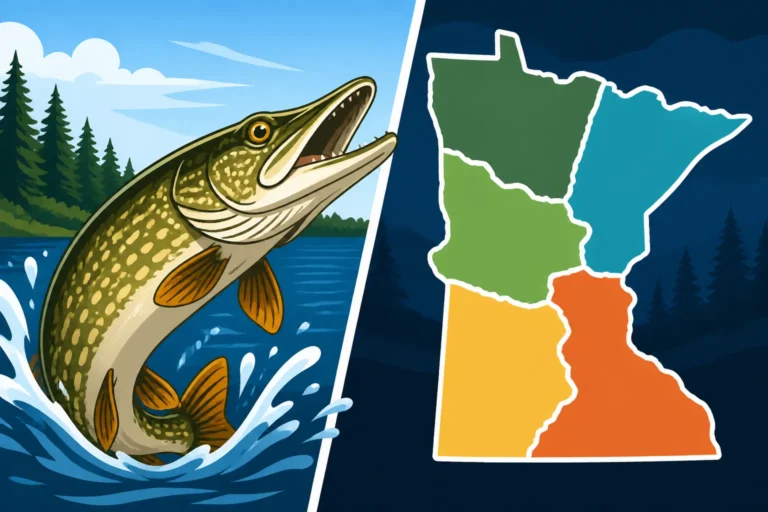
Let's be honest, bowfin don't exactly grace the covers of outdoor magazines in Minnesota. They're often lumped into the category of "rough fish," a term that, while officially designated for certain species by the state, sometimes carries a negative connotation among recreational anglers. This perception often leads to a lack of interest, and subsequently, a lack of specific knowledge about their seasons and limits. People are busy trying to keep up with the ever-changing Mille Lacs Walleye Regulations (2026) or the nuances of Minnesota Northern Pike Limits by Zone, so a fish like the bowfin simply slips through the cracks. It's a shame, really, because these fish are incredible fighters, giving any angler a run for their money. They're built like tanks and fight with an intensity that can surprise even seasoned pros.
Another reason they're overlooked is their appearance. With their long, cylindrical bodies, powerful jaws, and a dorsal fin that stretches almost the entire length of their back, they definitely stand out. They have a reputation as being "ugly" or "undesirable" by some, which is completely unfair given their sporting qualities. This visual bias, combined with the fact that they're generally not considered table fare by most, means they don't get the same attention as species destined for the frying pan. However, for those who love a fierce battle on the end of their line, the bowfin is a hidden gem waiting to be discovered. They thrive in many of our shallower, weedier waters, which are sometimes overlooked by anglers focusing on deeper, clearer walleye or trout lakes.
Bowfin Identification and Habitat
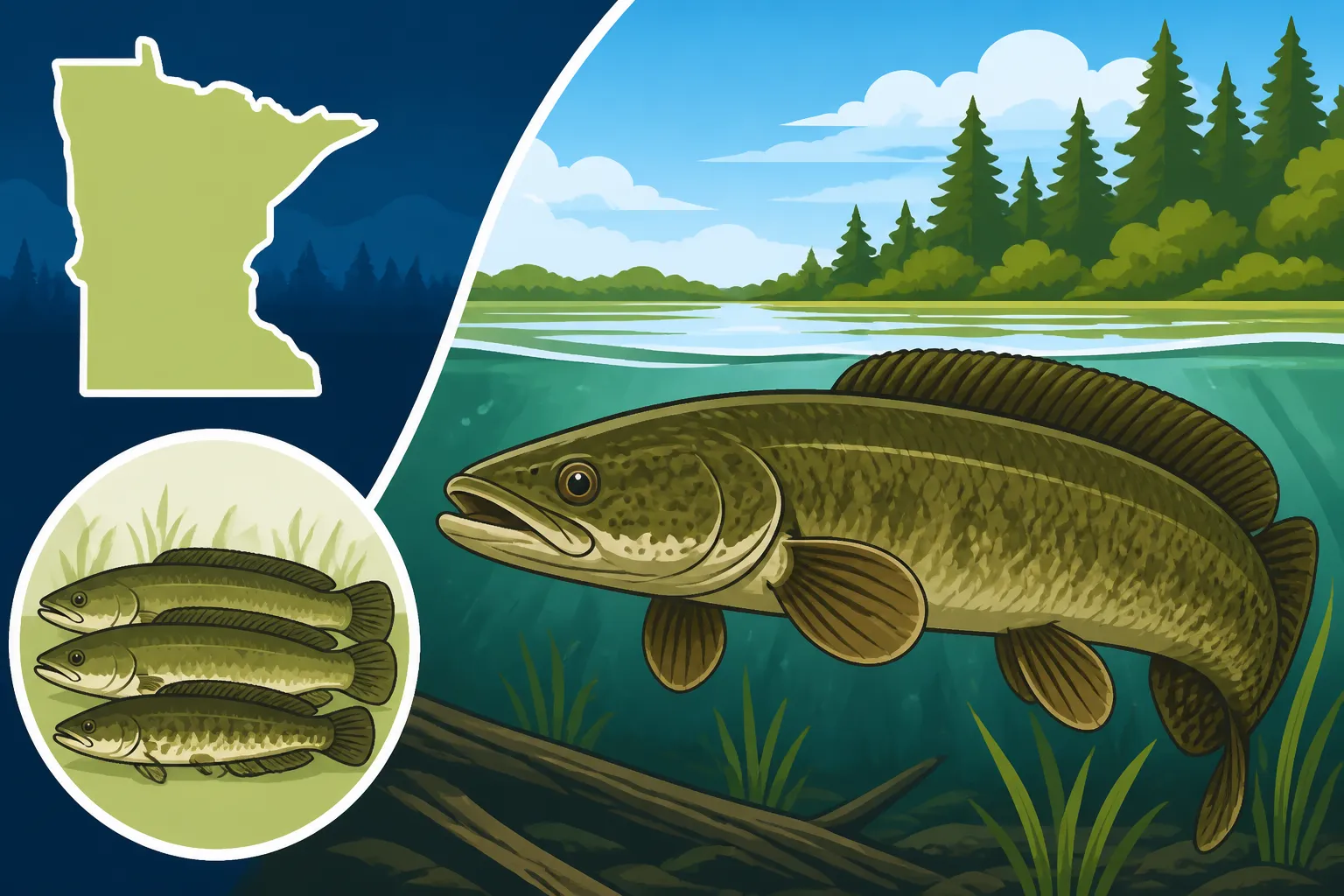
Proper identification is key, not just for bowfin but for any species you might encounter in Minnesota. While bowfin are quite distinctive, it's good to know their key features to avoid confusion. They have a long, rounded body, a large mouth full of sharp teeth, and a unique, long dorsal fin that undulates as they swim. A tell-tale sign, especially on males, is the prominent, dark spot, often ringed in yellow or orange, at the base of the tail fin. This "eyespot" is quite striking. They can grow fairly large, often reaching 20-30 inches and weighing several pounds, with the Minnesota state record being over 10 pounds!
When it comes to habitat, bowfin are true survivors. They prefer shallow, heavily vegetated waters, often with soft bottoms in lakes, slow-moving rivers, and backwaters. Think lily pads, dense coontail, and cattail edges – places where other predatory fish might struggle with oxygen levels. Bowfin have a unique swim bladder that functions much like a primitive lung, allowing them to gulp air from the surface, which means they can thrive in warm, stagnant, low-oxygen environments where other fish would perish. This adaptation makes them incredibly resilient and often abundant in specific types of water. You'll find them scattered throughout many of Minnesota's larger river systems like the Mississippi and its tributaries, and in numerous shallower, fertile lakes across the state. They're often found in the same areas as large northern pike or bass, but they tend to lurk deeper within the thickest cover.
Minnesota Bowfin Season and Limits Explained
One of the beautiful things about fishing for certain species, especially those outside the "glamour" categories, is the simplicity of their regulations. When it comes to bowfin in Minnesota, you'll find they offer a welcome break from complex slot limits and specific opener dates.
Statewide Bowfin Season Rules
Here's some great news for those looking to target bowfin: in Minnesota, bowfin have a continuous open season statewide. That's right, there are no specific closed periods for bowfin, unlike the highly anticipated When Is the Minnesota Walleye Opener 2026? or the various Minnesota Bass Season (New 2026 Catch-and-Release) dates. You can pursue these powerful fish year-round, whether the ice is thick or the summer sun is blazing. This continuous season reflects the Minnesota Department of Natural Resources' (DNR) management approach for species that are generally abundant and not subject to the same fishing pressure or population concerns as some other sport fish.
This continuous season means you can plan your bowfin adventures whenever suits you best. Want to try them in the dead of summer when other species are sluggish? Go for it! Looking for a hard pull through the ice? You're good to go. This flexibility makes them an excellent target for anglers seeking consistent action or those who simply want to try something different without having to constantly check the regulations for specific dates. It's truly a "whenever you want to go" kind of fishery, which is a rare and wonderful thing in our heavily regulated fishing world. So, if you're ever looking for a species that offers a challenge without calendar constraints, the bowfin is your friend.
Daily and Possession Limits for Bowfin
Just like their continuous season, the daily and possession limits for bowfin in Minnesota are incredibly straightforward, almost refreshingly so. The statewide regulation for bowfin is no daily limit and no possession limit. This means you can catch and keep as many bowfin as you'd like, within reason, of course. This differs dramatically from species like walleye, which have strict Minnesota Walleye Limit & Size Rules, or panfish, which are subject to Minnesota Crappie & Sunfish Limits. The reason for these liberal limits stems from the bowfin's classification and its widespread presence in various Minnesota water bodies. They are not considered a "game fish" in the same vein as walleye or trout, but rather a "rough fish" species, and their populations are generally robust enough to withstand significant angling pressure without specific restrictions.
While you can keep as many as you want, most anglers targeting bowfin practice catch and release, primarily due to the general perception that they aren't desirable table fare. However, if you're curious, some people do prepare them, particularly in southern states where they are more commonly consumed. The lack of a limit gives you the freedom to choose, whether you want to release every fish or, for whatever reason, decide to harvest some. It’s always important to remember that even with no limits, responsible angling means not wasting fish and always adhering to the principles of ethical harvesting. The generous limits also make them a great target for those simply looking to bend a rod and experience a strong fight without worrying about over-harvesting a prized species.
Special Regulations and Exceptions
While statewide rules for bowfin are generally continuous season with no limits, it’s always, always, always a good habit to double-check the current Minnesota DNR fishing regulations booklet for any specific lake or river exceptions. While bowfin are usually consistent across the board, sometimes unique situations or local management plans can introduce variances for certain species, though it's less common for rough fish. For example, a particular lake might have a special regulation for a different species that incidentally affects how you fish for everything else in that body of water, even if it doesn't specifically call out bowfin.
The good news is, for bowfin, significant exceptions are rare. You won't typically find specific slot limits or reduced bag limits tailored just for them on individual lakes or rivers. However, regulations can change from year to year, and sometimes even mid-season if conditions warrant. That's why having a fresh copy of the Minnesota Fishing Regulations PDF: Where to Find It is essential, or simply checking the DNR website before each trip. For border waters, such as those shared with Wisconsin or Ontario, you might find slightly different rules that apply to all species, including bowfin. So, if you're planning a trip to, say, the St. Croix River or Lake of the Woods, make sure to check the Border Water Fishing Rules (Minnesota-Ontario, Wisconsin) section, just to be absolutely certain you're compliant. It’s a small extra step that saves a lot of potential headaches!
How to Legally and Responsibly Fish for Bowfin
Fishing for bowfin, like any other species in Minnesota, comes with the responsibility of adhering to general fishing laws and practicing good stewardship of our natural resources. While the specific bowfin regulations are lenient, the overarching framework of Minnesota fishing still applies.
Required Licenses and Gear Considerations
First and foremost, to legally fish for bowfin in Minnesota, you absolutely need a valid Minnesota fishing license if you are 16 years of age or older and are not exempt. This is true whether you're targeting walleye, bass, or even those powerful bowfin. You can learn all about acquiring one in our detailed guide on Minnesota Fishing License: Cost, Types & How to Buy (2026). There are different types of licenses available, from annual resident licenses to non-resident options, and even short-term licenses for visitors. Make sure you've got the correct one for your situation before you even wet a line. Don't forget, even if you are only going for a single day, you likely still need a license.
When it comes to gear for bowfin, don't underestimate them! These fish are incredibly strong and have powerful, crushing jaws. You'll want stout gear to handle their aggressive strikes and powerful runs. A medium-heavy to heavy spinning or baitcasting setup with 20-30 lb braided line is a good starting point. They'll readily hit a variety of baits and lures, including live minnows, cut bait, worms, spinnerbaits, chatterbaits, and even topwater frogs fished in heavy cover. Think bass or pike gear, and you're in the right ballpark. Heavy-duty hooks are a must, as their bony mouths can be tough to penetrate and they'll straighten weaker hooks with ease. Many anglers enjoy them on conventional bass tackle, but if you're going for true monsters in thick slop, don't be afraid to beef up your setup. The goal is to bring them in quickly and efficiently, minimizing stress on the fish.
Catch and Release Best Practices for Bowfin
Given that most anglers aren't keeping bowfin for the frying pan, practicing proper catch and release techniques is especially important. These fish are incredibly hardy, but like any species, they can be stressed by improper handling. When you land a bowfin, try to handle it as little as possible. Use a strong landing net to secure it quickly, or if you must handle it by hand, grasp it firmly behind the head and support its body. Their teeth are sharp, so a pair of pliers or a jaw gripper can be invaluable for hook removal. If you're using treble hooks, consider replacing them with single hooks to make unhooking easier and less damaging to the fish.
Minimizing air exposure is also crucial. Keep the fish in the water as much as possible while you remove the hook, and if you're taking a quick photo, do so swiftly. When releasing, gently place the fish back into the water, allowing it to swim off on its own power. Don't just toss it back. Often, a brief moment of support will help it regain its bearings. By following these simple steps, you ensure that these unique and feisty fighters can live to fight another day, contributing to the healthy ecosystem of our Minnesota lakes and rivers. This commitment to conservation is part of what makes Minnesota anglers truly special, whether it's for a walleye or a bowfin.
Aquatic Invasive Species Prevention
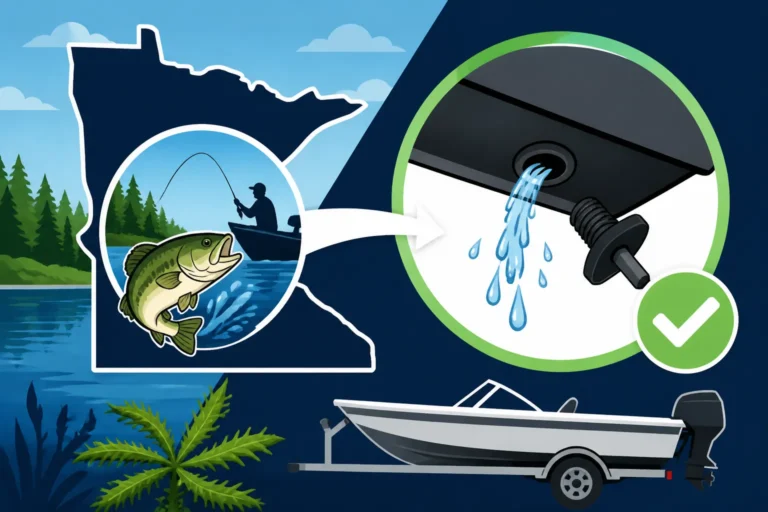
While bowfin regulations are quite simple, the rules surrounding Aquatic Invasive Species (AIS) are anything but, and they apply to every angler and every boat or piece of equipment used in Minnesota waters. This is a critical responsibility we all share, and it's especially pertinent when fishing in weed-choked waters where bowfin often reside, as these environments are prime breeding grounds for many invasive plants and animals. Before you leave any body of water, you must clean, drain, and dry your equipment.
This means removing all aquatic plants and prohibited invasive species from your boat, trailer, and fishing gear. Pull your drain plug and drain all water from your boat, including the bilge, livewell, and baitwell. And finally, dry your equipment thoroughly before entering another body of water. This could mean leaving it out in the sun for several days, or if time is short, using a pressure washer. Live bait regulations are also critical; you cannot transport water from one lake to another, and any unused bait must be disposed of properly, not released into the water body. Familiarize yourself with the full Aquatic Invasive Species (AIS) Rules for Boaters to ensure you're always doing your part. These rules are non-negotiable and protect our precious fishing resources for future generations.
Bowfin Fishing Regulations Summary
To help you keep track of the key details for fishing bowfin in Minnesota, here's a quick summary.
| Regulation Aspect | Statewide Bowfin Rule in Minnesota | Notes |
|---|---|---|
| Season | Continuous, year-round | No closed dates, fish anytime. |
| Daily Limit | None | You can keep any number of bowfin daily. |
| Possession Limit | None | You can possess any number of bowfin. |
| Size Limit | None | No minimum or maximum size restrictions. |
| License Required | Yes (for ages 16+) | A valid Minnesota fishing license is always required. |
| Special Rules | Rare; always check specific water regulations for any exceptions. | Unlikely for bowfin, but a good practice for all fishing trips, especially on Mille Lacs Lake Fishing Regulations Explained. |
This table provides a snapshot, but remember, the detailed explanations above and the official DNR regulations are your most complete resource.
Disclaimer
Please remember that fishing regulations, seasons, and limits can change. While we strive to provide the most up-to-date and accurate information, it is your responsibility as an angler to always consult the official Minnesota Department of Natural Resources (DNR) fishing regulations before heading out on the water. This guide is for informational purposes only and should not be considered a substitute for the official DNR regulations.