Mantrap Lake Walleye Limit & Slot
Planning a trip to the Park Rapids area often starts with dreams of a heavy stringer, but the reality of complex lake-specific rules can quickly turn an exciting morning into a stressful game of "can I keep this?" This guide breaks down the Mantrap Lake walleye limit and slot regulations for 2026, ensuring you stay legal while enjoying one of Minnesota's most unique fisheries.
Understanding the Mantrap Lake Walleye Slot Limit
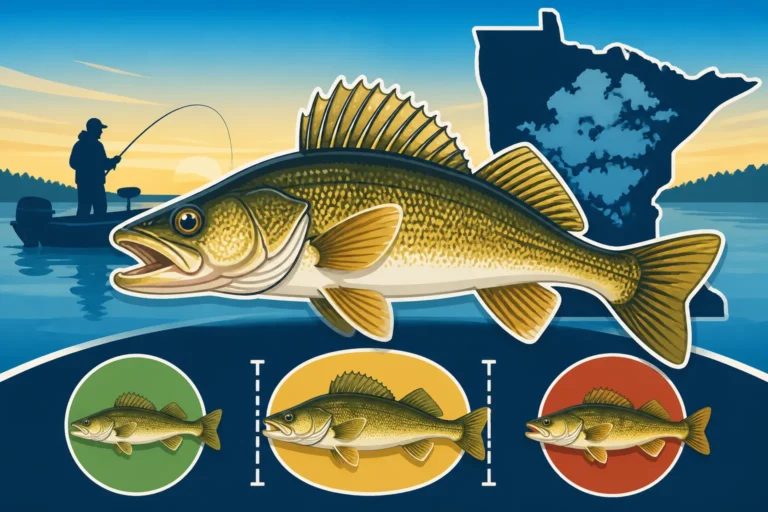
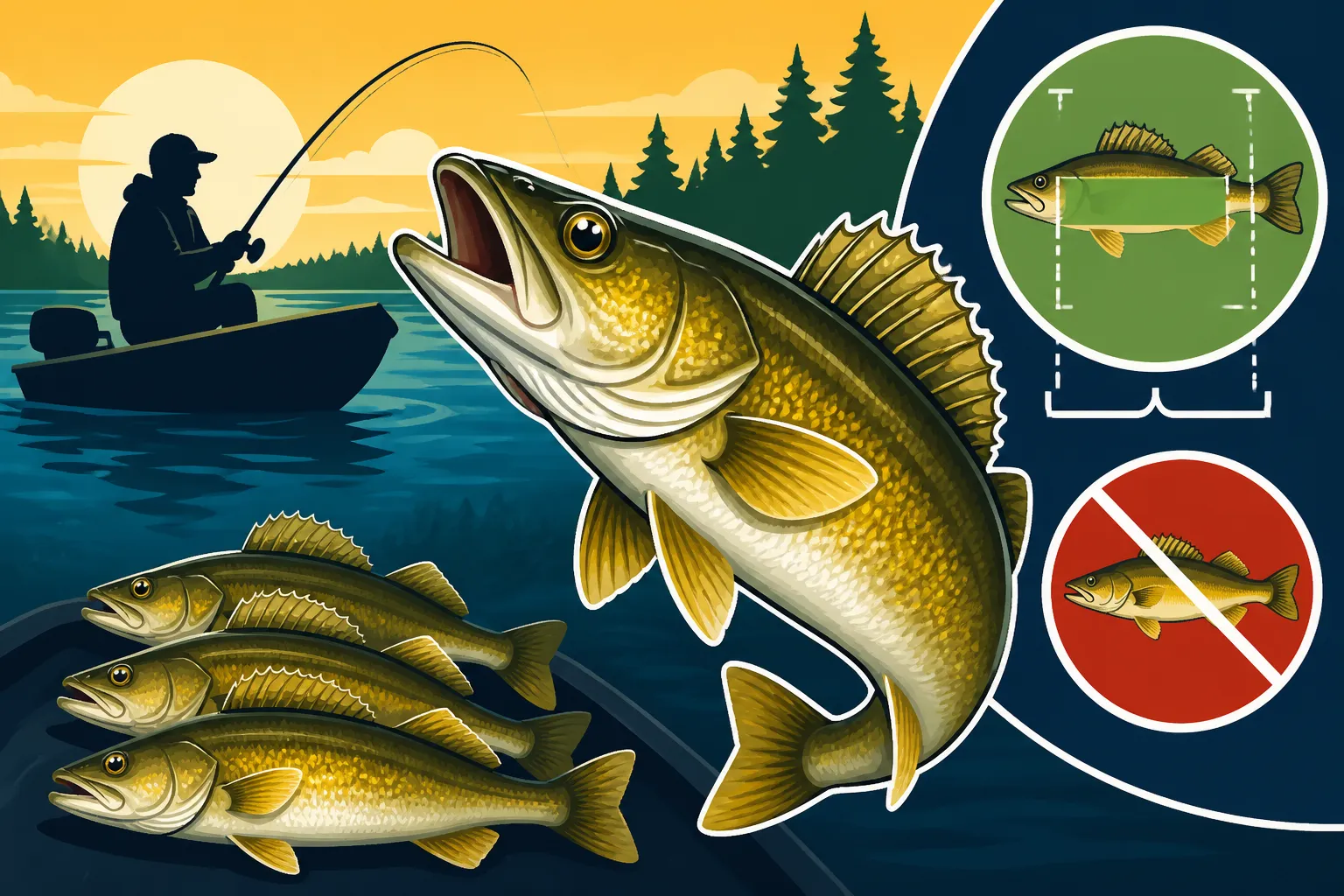
If you have ever fished the clear, irregular basin of Mantrap Lake, you know it is not your typical bowl-shaped walleye factory. Because the lake has a unique habitat and a high-profile reputation for muskie, the walleye population is managed with a very specific touch. For the 2026 season, the most critical piece of information for any angler is the protected slot limit. On Mantrap, all walleye between 17 and 26 inches must be immediately released.
This protected slot is designed to keep the "prime" spawners in the water. These are the fish that have survived the initial gauntlet of predation and are now the most efficient at producing the next generation. When you hook a beautiful 20-inch fish, the impulse is to reach for the fillet knife, but on Mantrap, that fish is the future of the lake. The regulation allows you to keep smaller "eaters" or one true trophy, but those mid-sized fish are strictly off-limits.
The Protected Slot Explained
The 17-to-26-inch protected slot means that any fish measuring exactly 17 inches, exactly 26 inches, or anything in between must go back into the lake as quickly as possible. This creates two "keep" zones: the smaller fish under 17 inches and the very large fish over 26 inches. Most locals will tell you that the 14-to-16-inch fish are the best for the frying pan anyway, as they haven't had as much time to accumulate the levels of mercury sometimes found in older, larger predators. For more on safe eating, you should check out the Minnesota Fish Consumption: Mercury & PFAS Advisories guide.
Why Mantrap Has Special Regulations
You might wonder why Mantrap doesn't just follow the standard statewide rules. The answer lies in its geography and pressure. Located just north of Park Rapids, Mantrap is a destination lake. Its crystal-clear water and intricate shoreline make it susceptible to overfishing if the harvest isn't strictly controlled. The DNR uses these special regulations to balance the desire for a fish fry with the biological necessity of maintaining a healthy age structure in the lake.
By protecting the 17-to-26-inch fish, the state ensures there is always a "middle class" of walleyes. These fish are large enough to be the primary predators of perch and small forage, keeping the lake's ecosystem in check. Without this slot, those mid-sized fish are usually the first to be harvested, leading to a "boom and bust" cycle that ruins the fishing for everyone. If you're new to these types of rules, Minnesota Slot Limits: Which Lakes & Why offers a deeper dive into the science behind the decisions.
Daily and Possession Limits for Walleye on Mantrap
While the slot limit tells you which fish you can keep, the bag limit tells you how many. For Mantrap Lake in 2026, the daily and possession limit for walleye is 3 fish. It is important to remember that this is a total limit, and only one of those fish can be over 26 inches. This is more restrictive than the standard Minnesota statewide limit, which is typically 6 fish.
In the Park Rapids area, several lakes have moved toward this three-fish limit to preserve the quality of the fishery. It is a trade-off: you might take home fewer fillets, but the fish you do catch are likely to be larger and more plentiful. Understanding the nuance of Minnesota Fishing Limits: Bag & Possession (2026) is key here, especially if you plan on hopping between Mantrap and nearby lakes like Belle Taine or Long Lake.
Daily Bag vs. Possession
A common mistake made by vacationers is confusing the daily bag limit with the possession limit. On Mantrap, your daily limit is 3. Your possession limit is also 3. This means if you catch 3 walleyes on Monday and put them in the freezer at your cabin, you cannot keep any more walleyes on Tuesday until you have eaten the ones from Monday.
Possession includes fish in your livewell, your cooler, your freezer at home, or even fish you have processed and frozen. If you are caught with more than 3 walleyes per person in your possession—even if they were caught over multiple days—you are in violation of state law. For a full breakdown of how this is enforced, take a look at Minnesota Possession Limits Explained.
The One Over 26 Inches Rule
The regulation allows for one "trophy" fish over 26 inches to be kept as part of your 3-fish limit. However, as a veteran of these waters, I highly encourage you to consider a replica mount instead. A 26-inch walleye in Mantrap has lived through a lot of Northwoods winters and is a genetic powerhouse. While it is legal to keep one, the trend among modern anglers is to take a quick photo, a precise measurement, and let the big girl go. If you do decide to keep a trophy, make sure you have the right gear to measure it accurately; a mistake of a quarter-inch could lead to a hefty fine. You can find recommendations for high-quality measuring boards in our guide on Best Walleye Rods & Reels.
| Regulation Type | Mantrap Lake Requirement (2026) |
|---|---|
| Daily/Possession Limit | 3 Walleye |
| Protected Slot | 17" to 26" (Must be released) |
| Maximum Size Rule | Only 1 fish over 26" allowed in possession |
| Season Dates | Follows the North-Central Zone Opener |
| License Requirement | Standard MN Resident or Nonresident License |
Navigating the 2026 Fishing Season on Mantrap Lake
Timing is everything on Mantrap. Because the lake is so deep and clear (reaching depths of over 60 feet), the walleye behavior shifts dramatically from the May opener through the heat of August. You need to be aware of the Minnesota Fishing Seasons & Opener Dates (2026) to ensure you aren't targeting them out of season, especially during the early spring when they are spawning in the shallow inlets.
Opening Dates and Seasonal Shifts
The 2026 walleye opener is the traditional Saturday before Memorial Day. Early in the season, the fish are often found in the shallower bays where the water warms up first. As the sun gets higher and the cabbage weeds start to grow, they move toward the points and the numerous islands that dot the lake. Because Mantrap is so clear, the walleye "bite" is often best during the "golden hour"—that period just before sunset and just after sunrise. During the day, they often retreat to deeper water or bury themselves in the thickest weed beds they can find.
Best Times of Day for Mantrap Walleyes
On a lake with 15+ feet of clarity, "walleye chop" becomes your best friend. A little wind on the surface breaks up the light penetration, making the fish feel more secure in shallower water. If you are fishing on a dead-calm, bluebird day, you will likely struggle to find fish within the legal keep zone during the afternoon. Many successful Mantrap anglers switch to Night Fishing for Walleye in Minnesota tactics, using lighted slip bobbers or trolling shallow-running crankbaits over the tops of weed beds after dark.
Practical Tips for Catch and Release on Mantrap
Given that a significant portion of the walleyes you catch on Mantrap will fall into that 17-to-26-inch protected slot, mastering catch and release is your responsibility as an ethical angler. It’s not just about letting them go; it’s about making sure they survive to be caught again.
Proper Handling for Slot-Sized Fish
When you hook a slot fish, time is of the essence. Avoid using a net with coarse nylon mesh, which can strip the protective slime coat off the fish. Instead, use a rubberized net. Keep the fish in the water as much as possible while you remove the hook. If the fish is hooked deeply, it is often better to cut the line rather than tear at the gills or stomach. We go into much more detail on this in our guide on Catch and Release Best Practices in Minnesota.
Essential Gear for Measuring and Releasing
Accuracy is non-negotiable on Mantrap. A "guestimate" doesn't hold up when the DNR officer pulls alongside your boat. Invest in a solid, flat measuring board rather than a flexible tape measure. Flexible tapes can follow the curve of the fish’s body, giving you an inaccurate reading that might make a legal 16.5-inch fish look like a 17-inch slot fish—or vice versa.
Always measure the fish from the tip of the closed mouth to the tip of the tail. To get the maximum length, you should pinch the tail fins together. If that tail reaches the 17-inch mark, back she goes. Having the right tools makes the process faster and reduces the stress on the fish. For those looking to improve their success rates while following these rules, Walleye Fishing Tips for Minnesota Anglers provides excellent technical advice.
Local Knowledge and Logistics
Before you head out to the public access on the south end of the lake, make sure your paperwork is in order. You can easily find information on Where Can I Buy a Minnesota Fishing License? online or at local bait shops in Park Rapids. The local shops are also your best source for current "bite" reports—they will tell you if the fish are hitting leeches on a Lindy rig or if the minnow bite has started early.
If you are staying in the area, take some time to explore the town. Fishing Near Park Rapids, Minnesota is world-class, and Mantrap is just one of dozens of high-quality lakes within a twenty-minute drive. Whether you are chasing the elusive muskie or just looking for a few walleyes for a shore lunch, respecting the slot limits on Mantrap ensures that this beautiful lake remains a gem of the Northwoods for decades to come.
Remember, the goal isn't just to catch fish; it's to be a steward of the water. By following the How to Catch Walleye in Minnesota techniques while strictly adhering to the 17-to-26-inch slot, you are doing your part. Happy fishing, and I'll see you on the water!
Minnesota Fishing Regulations Disclaimer
Fishing regulations in Minnesota, including slot limits, bag limits, and season dates, are subject to change by the Minnesota Department of Natural Resources (DNR) at any time. While this guide provides the most current information for the 2026 season, always consult the official MN DNR Fishing Regulations handbook or the DNR website before your trip. Local lake signs at public accesses also contain the most up-to-date special regulations for specific bodies of water. Failure to comply with state fishing laws can result in significant fines and loss of fishing privileges.