Lake Kabetogama & Namakan Fishing (Voyageurs)
Navigating the unique fishing regulations and understanding the best tactics for a vast, interconnected water system like Lake Kabetogama and Namakan can feel overwhelming, especially when you're also trying to soak in the incredible beauty of Voyageurs National Park. This guide cuts through the confusion, offering a deep dive into the specific species, prime locations, effective techniques, and crucial regulations you need to know to make your fishing adventure in this unparalleled Minnesota wilderness a resounding success.
Understanding the Kabetogama and Namakan Waters
These two magnificent lakes, part of the larger Voyageurs National Park water system, offer an angling experience unlike any other in Minnesota. They aren't just bodies of water; they're intricate ecosystems carved by glaciers, boasting rugged shorelines, countless islands, and varying depths that create incredibly diverse habitats for fish. The sheer scale and wildness can be intimidating at first, but with a little understanding, you'll see why so many anglers consider this their sacred fishing ground.
Geographic Layout and Unique Features
Lake Kabetogama, often simply called "Kabet," is nestled in the heart of Voyageurs National Park, characterized by its numerous islands, rocky points, and expansive open water areas. It’s a classic northern Minnesota shield lake, meaning it’s relatively clear, deep in spots, and surrounded by boreal forest. Access is primarily from the south, with several resorts and public launches making it a popular starting point for park explorations. Its complex structure, from shallow bays choked with reeds to deep, rocky drop-offs, provides endless opportunities for different fishing approaches.
Lake Namakan, to the east, is even larger and shares a direct connection with Kabetogama via the Ash River and a series of smaller channels. Namakan stretches across the US-Canada border, meaning anglers need to be acutely aware of border water regulations, which can add a layer of complexity but also opens up even more fishing grounds. This lake is known for its incredible depth, steep structure, and a wilder feel, with fewer resorts directly on its shores compared to Kabet. Both lakes are part of the interconnected chain of lakes that define Voyageurs, flowing west towards Rainy Lake, making the entire region a true freshwater paradise for those who love to explore.
Why Voyageurs National Park is a Premier Fishing Destination
Voyageurs National Park isn't just a place to catch fish; it's an experience rooted in wilderness and tranquility. Unlike many other popular Minnesota fishing destinations, the park's strict development rules mean you won't find bustling towns or crowded commercial strips along the shorelines. This translates directly into less fishing pressure in many areas, pristine natural beauty, and a genuine sense of escape. The park's commitment to conservation ensures that the fisheries remain robust and healthy for generations to come.
The park offers a unique blend of accessibility and solitude. While there are numerous public boat launches and established resorts on the periphery, venturing into the vastness of the park quickly immerses you in a rugged, untouched environment. This makes it an ideal destination for anglers who cherish both productive fishing and the serene beauty of nature, offering a profound connection to the wild heart of the Northwoods.
Target Species and What Makes Them Thrive Here
The interconnected waters of Kabetogama and Namakan are teeming with a variety of sought-after game fish, each offering a distinct challenge and reward. Understanding what makes each species thrive in these specific conditions is key to unlocking your angling potential.
Walleye: Minnesota's Crown Jewel
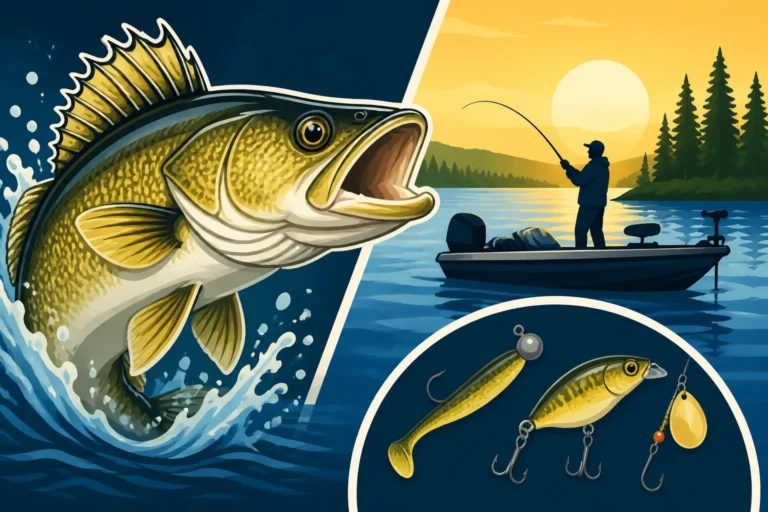
Walleye are undoubtedly the star attraction in Kabetogama and Namakan, much like in many premier fishing destinations across the state. These lakes offer ideal walleye habitat: a healthy forage base of ciscoes and perch, abundant rocky reefs, deep points, and gradual tapering flats. The walleye here are known for their strong fighting spirit and excellent table fare. You'll find them scattered throughout the system, often relating to structure but also moving into shallow feeding areas during low-light conditions.
The population in these lakes is consistently strong, providing excellent opportunities for both numbers of fish and the chance at a trophy. Anglers often comment on the consistent bite and the quality of the fish. If you're looking to consistently hook into Minnesota's favorite fish, understanding the Walleye Fishing Techniques: Complete Minnesota Guide is a great start, especially when applied to these specific waters.
Northern Pike: Abundant and Aggressive
Northern pike are incredibly prolific in Kabetogama and Namakan. You'll find them virtually everywhere, from the shallow, weedy bays where they ambush unsuspecting prey to deeper, cooler waters during the peak of summer. These aggressive predators offer thrilling fights and are often willing to strike a wide variety of lures, making them a fantastic target for anglers of all skill levels, including those bringing kids along.
While many pike caught might be "hammer handles" (smaller fish), there's always a legitimate chance to hook into a true monster in these expansive waters. These larger pike often lurk in deeper weed lines or around significant rock structure, patiently waiting for a meal. For more on these fierce fighters, check out our guide on Northern Pike in Minnesota: Identification & Where to Catch.
Smallmouth Bass: Feisty and Fun
The smallmouth bass fishery in Kabetogama and Namakan has truly exploded in recent decades, offering some of the best smallmouth action in the state. These bronzebacks thrive on the rocky bottom, extensive shorelines, and island structure found throughout both lakes. They are notoriously feisty, providing acrobatic jumps and hard runs, making them an absolute blast to catch on light tackle.
You'll typically find smallmouth bass shallower than walleye, often cruising rocky points, humps, and along riprap shorelines. Their aggressive nature means they'll readily strike a variety of presentations, from topwater lures to jigs and crankbaits. For more detailed insights into these exciting fish, our guide on Smallmouth & Largemouth Bass in Minnesota offers excellent tips, many of which are directly applicable to the Voyageurs region.
Lake Trout: Deepwater Giants
While not as widespread as walleye or pike, Lake Namakan offers a fantastic, though often overlooked, lake trout fishery. These cold-water species require specific conditions – deep, oxygen-rich waters – which Namakan provides in abundance. Catching a lake trout is a unique challenge, often requiring specialized techniques and a willingness to explore deeper water. They are magnificent, powerful fish, and landing one is a memorable accomplishment.
Lake trout are typically found in the deepest basins of Namakan, especially during the warmer months when they retreat to the cooler thermocline. Early season or late fall can sometimes bring them shallower, but generally, expect to target them in 60-100 feet of water or more. For those intrigued by the pursuit of these deepwater giants, our resource on Lake Trout Fishing in Minnesota: Streams & Lakes can provide a solid foundation.
Fishing Techniques Tailored for Kabetogama and Namakan
The diverse structure and species in these lakes mean that a versatile approach to fishing will yield the best results. Adapting your techniques to the conditions and target species is paramount.
Jigging and Live Bait Strategies
Jigging with live bait is a perennial favorite and one of the most effective ways to catch walleye in Kabetogama and Namakan, especially during the spring and fall transitions. A classic jig-and-minnow or jig-and-leech presentation is often irresistible to hungry walleye. Focus your efforts around rocky points, current areas where the lakes connect, and underwater humps.
When the bite is tough, switching to a slip bobber rig with a leech or a nightcrawler can be incredibly effective, especially when targeting walleye and larger panfish in specific depth zones. The subtle presentation allows the bait to hover naturally, often enticing hesitant biters. For the best bait options, consider what's on offer locally; typically, shiner minnows, fatheads, leeches, and nightcrawlers are readily available and highly effective. Knowing the Best Live Bait for Walleye (Leeches, Minnows, Crawlers) is a definite advantage here.
Trolling for Success
Trolling is an incredibly efficient method for covering vast expanses of water and locating active fish, particularly walleye and northern pike. Crankbaits are king here, with colors like firetiger, perch, and natural minnow patterns often producing excellent results. When trolling, pay close attention to your electronics to identify changes in depth, baitfish schools, and isolated structure. Vary your speed and lure depth until you find what triggers bites.
Leadcore line allows you to present crankbaits or spinner rigs at precise depths, which can be a game-changer when fish are suspended or holding tightly to a specific thermocline. This technique is particularly effective in the deeper basins of Namakan or when walleye move out to open water structure in Kabet. For detailed guidance on this method, refer to our article on Trolling for Walleye: Crankbaits & Leadcore. Remember, varying your presentation – from long-lining to using planer boards – can significantly increase your catch rate.
Casting Lures and Artificials
For smallmouth bass, northern pike, and even aggressive walleye, casting artificial lures can be incredibly exciting and productive. Spinnerbaits and spoons are excellent for pike in and around weed lines, while various soft plastics, jerkbaits, and topwater lures can drive smallmouth bass absolutely wild, especially during early mornings and evenings. Pay attention to visible structure like fallen trees, boulder fields, and the edges of weed beds.
When fishing for smallmouth, consider working jerkbaits like a Rapala Husky Jerk or soft plastics like tube jigs and grubs around rocky outcroppings and points. For pike, classic spoons like Dardevles or Johnson Silver Minnows, retrieved with an erratic stop-and-go action, often trigger explosive strikes. Even walleye can be caught casting jigs with soft plastic trailers or ripping jigging raps over deeper humps.
Ice Fishing on Kabetogama and Namakan
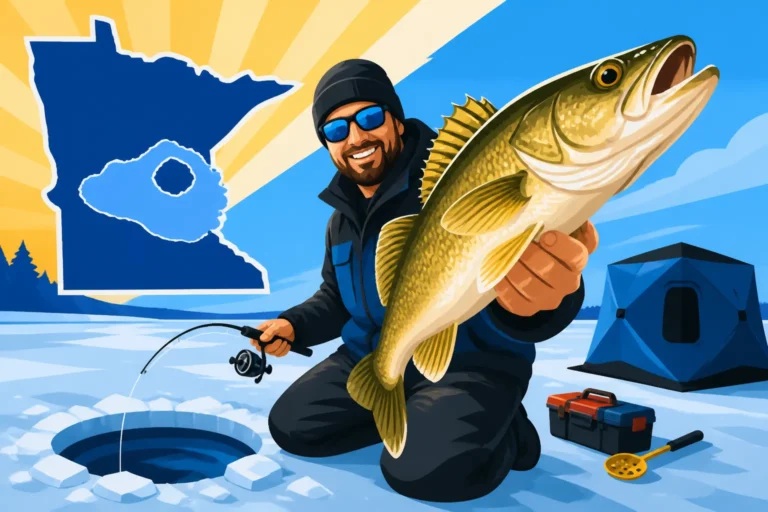
When winter blankets Voyageurs National Park, the lakes transform into an ice fishing paradise. The sheer size of Kabet and Namakan means there are endless spots to explore. Walleye, crappie, perch, and northern pike are all popular targets through the ice. Setting up an ice shelter, whether it's a portable flip-over or a larger wheelhouse, allows you to brave the elements and stay comfortable while pursuing fish.
Common techniques include jigging spoons and jigging raps for active fish, often tipped with a minnow head or a full minnow. Deadsticking a minnow just above the bottom in a second hole is also a very effective strategy for more passive biters. Access can be tricky, so local knowledge or a reputable guide service is highly recommended, especially when navigating vast expanses of ice and potential pressure ridges. For more insights on the season, our guide on Minnesota Ice Fishing & Shelter Rules is essential reading.
Navigating Regulations and Conservation in Voyageurs
Fishing in a national park brings with it a unique set of responsibilities and regulations. It’s not just about what you catch, but how you protect the pristine environment and the fisheries for future generations.
Licenses and Border Water Rules
First and foremost, you need a valid Minnesota fishing license. Whether you're a resident or a non-resident, purchasing your license is a simple process, often done online or at local bait shops. You can find comprehensive details on obtaining your license in our guide, Minnesota Fishing License: Cost, Types & How to Buy (2026). What truly makes Kabetogama and Namakan unique, however, are the border water regulations.
Since Lake Namakan straddles the US-Canada border, any fishing across the invisible line into Canadian waters requires an Ontario fishing license, in addition to your Minnesota license. This is not a trivial matter; border patrol and fisheries enforcement agencies from both countries actively monitor these waters. Always carry your appropriate licenses and be aware of your location, especially if venturing into the expansive reaches of Namakan or other interconnected lakes like Rainy Lake. It's often safer to stick to clearly marked U.S. waters unless you're fully prepared for the dual licensing requirements.
Bag and Possession Limits
The Minnesota Department of Natural Resources (DNR) sets specific bag and possession limits for various species to ensure sustainable fishing. These limits can vary by lake or even by zone within a lake, depending on the management goals. For Kabetogama and Namakan, while general statewide regulations often apply, it's crucial to always consult the most current Minnesota fishing regulations booklet, available online or at license vendors, as special regulations can be enacted.
For example, walleye limits might specify a certain number of fish with a slot limit, meaning fish within a particular size range must be immediately released. This protects spawning fish and larger breeding adults. Knowing the Minnesota Fishing Limits: Bag & Possession (2026) is paramount to staying legal and contributing to conservation efforts. Always measure your fish carefully and understand the difference between daily bag limits (what you can keep in one day) and possession limits (what you can have in your cooler or at your cabin).
Aquatic Invasive Species Prevention
Voyageurs National Park is incredibly sensitive to the threat of Aquatic Invasive Species (AIS). Preventing the spread of these unwanted plants and animals is a critical responsibility for every angler and boater. The drain plug law in Minnesota is strictly enforced, requiring all watercraft to have their drain plugs removed during transport.
Beyond the drain plug, the "Clean, Drain, Dry" protocol is mandatory. This means:
- Clean: Remove all visible aquatic plants and prohibited invasive species from your boat, trailer, and fishing equipment before leaving the access.
- Drain: Drain all water from your boat, including the motor, livewell, and bilge, before leaving the access.
- Dry: Allow your boat and equipment to dry thoroughly before launching into another body of water.
These steps are not just suggestions; they are legal requirements designed to protect Minnesota's precious waters. Ignoring these rules can result in significant fines and contribute to irreversible damage to these vital ecosystems. For more detailed instructions, review the Aquatic Invasive Species (AIS) Rules for Boaters.
Planning Your Kabetogama and Namakan Fishing Trip
A successful trip to Voyageurs National Park requires a bit of planning, especially when it comes to accommodations, boat access, and potential guide services. The wilderness setting means that resources might be more spread out than you'd find around more developed lakes.
Lodging and Accommodations
Around Lake Kabetogama, you'll find a welcoming array of resorts, cabins, and campgrounds. Many of these establishments cater specifically to anglers, offering boat rentals, bait and tackle shops, and even fish cleaning facilities. Popular choices include places like Northern Lights Resort & Outfitting or Gateway Store & Cabins, which provide direct access to the lake and offer a comfortable base for your adventures. Booking well in advance, especially for peak summer or ice fishing seasons, is highly recommended.
For those seeking a more rustic experience, Voyageurs National Park offers numerous backcountry campsites, accessible only by boat. These sites provide a truly immersive wilderness experience, but require self-sufficiency and adherence to Leave No Trace principles. While fewer direct lodging options exist on Namakan itself, several resorts on Kabetogama offer easy boat access to the connecting waters.
Boat and Equipment Rentals
Unless you're bringing your own boat, securing a rental is almost a necessity for fully exploring Kabetogama and Namakan. Most resorts offer a range of fishing boats, from smaller tiller models perfect for two anglers to larger, well-equipped boats suitable for families. It's wise to inquire about boat features, such as depth finders, livewells, and trolling motors, to ensure they meet your fishing needs.
Beyond boats, many places also rent ice fishing equipment during the winter, including portable shelters, augers, and even Vexilar or Humminbird flashers. If you're new to the area or prefer to travel light, relying on local rentals can significantly simplify your trip. Make sure to reserve your boat or equipment when you book your lodging, as availability can be limited, particularly during busy times. If you're looking for specialized gear, our Best Fishing Gear for Beginners in Minnesota (By Budget) might help you decide what to pack or rent.
Utilizing Fishing Guides
For first-timers or those looking to maximize their fishing time, hiring a local fishing guide is an invaluable investment. A seasoned guide will have intimate knowledge of the lakes, knowing where the fish are biting, what techniques are working best, and how to navigate the complex structure and ever-changing conditions. They often provide all the necessary tackle, bait, and even clean your catch.
Many guides operate directly out of the local resorts, making it easy to arrange a trip. Companies like Voyageurs Outfitters or Kabetogama Lake Association offer resources to connect with experienced professionals. A guided trip can shorten the learning curve, put you on fish quickly, and provide a deeper understanding of these unique waters. Plus, they can navigate border water intricacies if you choose to explore Namakan's Canadian side legally. Services like FishingBooker also make it easy to find and book reputable local guides for a stress-free experience.
Seasonal Fishing Strategies for Kabetogama and Namakan
The fishing action in Kabetogama and Namakan changes dramatically with the seasons, from the flurry of activity at ice-out to the slower, methodical approaches of winter. Understanding these seasonal patterns is key to consistent success. For a broader look at how fish behavior changes, our article on Seasonal Fishing Patterns in Minnesota provides a great overview applicable here.
Spring and Early Summer: Post-Spawn Action
Spring, particularly right after ice-out and through the walleye opener in mid-May, is a fantastic time to target walleye as they recover from spawning and begin to feed aggressively in shallower waters. Look for them on shallow flats adjacent to spawning areas, rocky points, and current seams near river mouths or lake connections. Jigs tipped with minnows are incredibly effective during this cold water period.
As waters warm into early summer, walleye start transitioning to deeper structure, but smallmouth bass become very active in the shallows as they move to spawn. This is a prime time for casting jerkbaits and soft plastics for smallmouth around rocky shorelines and islands. Northern pike will also be active, lurking in emerging weed beds. You'll often find multiple species willing to bite during this vibrant season.
Mid-Summer: Deep Water and Low Light
By mid-summer, when water temperatures peak, walleye often move to deeper main lake structure like humps, reefs, and deep breaklines. Trolling crankbaits or spinner rigs with nightcrawlers (like a bottom bouncer setup) over these deeper zones becomes highly effective. Walleye also become more active during low-light conditions, making early mornings, late evenings, and even night fishing productive, especially on clearer Kabetogama.
Smallmouth bass continue to be a strong option, though they might hold a bit deeper than in spring, often relating to submerged timber or rocky ledges in 10-25 feet of water. Topwater action can still be fantastic during the dawn and dusk hours. Northern pike will retreat to deeper weed lines or shady areas to escape the heat, often holding near cooler water inflows. Using services like FishingBooker can help you find guides who specialize in these mid-summer patterns.
Fall: Feeding Frenzy Before Ice-Up
Fall is a truly magical time to fish Kabetogama and Namakan. As water temperatures cool, fish enter a pre-winter feeding frenzy, bulking up for the lean months ahead. Walleye become very aggressive, often moving shallower again, particularly during overcast days. Trolling crankbaits along main lake points and structure, or jigging with larger minnows, can yield impressive catches.
Northern pike will also be voracious, often hitting large spoons and crankbaits with abandon in deeper weed edges. Lake trout in Namakan might become more accessible, moving up from their deepest haunts to feed on ciscoes. This is also a fantastic time for trophy smallmouth bass, as they gorge themselves on baitfish before winter sets in. The scenery, with the vibrant fall foliage, is an added bonus to the hot fishing action.
Winter: Ice Fishing Adventures
Once the ice is safe, typically from December through March, Kabetogama and Namakan offer exceptional ice fishing opportunities. Walleye, crappie, perch, and pike are the primary targets. Walleye are often found on mid-lake humps, points, and near current areas. Jigging spoons, horizontal jigs, and minnow-imitating lures like Jigging Raps or Swedish Pimples are popular, often tipped with a minnow head.
Crappie and perch will often school up in basin areas, especially in bays or protected spots, and can be caught on small tungsten jigs tipped with plastics or wax worms. Northern pike are typically caught using tip-ups baited with large shiners or suckers. The vastness of these lakes means solitude can be found, but it also means careful navigation is required. Many anglers utilize sonar units like a Vexilar or MarCum to locate fish and structure more effectively under the ice. Always verify ice conditions with local resorts or bait shops before venturing out. Booking through FishingBooker can also provide access to ice fishing outfitters.
Planning for Success: Local Knowledge and Resources
When fishing waters as vast and unique as Kabetogama and Namakan, leveraging local knowledge and readily available resources can dramatically enhance your experience and success.
Essential Gear and Boat Setup
Having the right gear is crucial. For walleye, a medium-light to medium power spinning rod with a fast action, paired with a reliable spinning reel spooled with 6-8 lb monofilament or fluorocarbon, is versatile for jigging and slip bobber fishing. For trolling, a medium-heavy rod with a baitcasting reel spooled with 10-14 lb monofilament or lead core line is ideal. Don't forget a good net, preferably a rubberized one to protect fish if you're practicing catch and release.
For northern pike, a medium-heavy baitcasting setup with braided line (30-50 lb test) is suitable for throwing larger spoons, spinnerbaits, and crankbaits. Always use a steel or heavy fluorocarbon leader to prevent bite-offs. Smallmouth bass can be targeted with similar gear to walleye, or with slightly lighter spinning gear for finesse presentations. Having a quality depth finder/GPS unit on your boat is practically a necessity for navigating and finding structure in these expansive lakes. Consider a unit from brands like Humminbird or Lowrance, which often come pre-loaded with detailed lake maps.
Staying Updated on Conditions
Lake conditions, especially water levels and clarity, can fluctuate and significantly impact fish behavior. Local bait shops, resorts, and guide services are your best sources for up-to-date fishing reports and insights into what's biting and where. Many resorts and the National Park Service also maintain websites or social media pages that provide current conditions and advisories.
For instance, sites like the Kabetogama Lake Association often post recent fishing reports and news. Before you head out, a quick call or check online can save you valuable fishing time. This is especially true for ice conditions in winter or any specific alerts issued by the National Park Service. Always prioritize safety, and when in doubt, consult local experts.
Embrace the Voyageurs Experience
Beyond the fishing, remember to embrace the unique wilderness experience that Voyageurs National Park offers. Take time to explore the historic Kettle Falls Hotel, paddle a canoe through the quiet bays, or simply enjoy the stunning sunsets over the water. The park is a tapestry of natural beauty and rich history, and fishing is just one thread.
Whether you're after trophy walleye, battling a feisty smallmouth, or just enjoying the tranquility of the Northwoods, Kabetogama and Namakan provide an unforgettable angling adventure. Prepare thoroughly, respect the regulations, and immerse yourself in this incredible corner of Minnesota.
| Species | Best Season | Preferred Depth | Typical Structure | Key Techniques | Recommended Lures/Bait |
|---|---|---|---|---|---|
| Walleye | Spring, Fall, Winter (Ice) | 10-40 ft | Rocky points, humps, breaklines, current | Jigging, Trolling, Slip Bobbers | Jigs (minnow/leech), Crankbaits, Bottom Bouncers |
| Northern Pike | Spring, Summer, Fall, Winter (Ice) | 5-25 ft | Weed beds, rocky points, submerged timber | Casting (spoons, spinnerbaits), Trolling, Tip-ups | Spoons, Spinnerbaits, Large Crankbaits, Live Minnows |
| Smallmouth Bass | Summer, Fall | 5-20 ft | Rocky shorelines, islands, boulder fields | Casting (jerkbaits, topwater), Drop-shot, Tubes | Jerkbaits, Topwater, Tube Jigs, Soft Plastics |
| Lake Trout | Spring (early), Fall (late), Winter (Ice) | 60-100+ ft | Deep basins, steep breaklines, cold water | Trolling, Deep Jigging | Spoons, Large Jigs, Cut Bait, Downriggers |
| Crappie/Perch | Winter (Ice), Spring (post-spawn) | 10-30 ft | Bays, sheltered structure, basin edges | Ice Jigging, Slip Bobbers | Small Tungsten Jigs, Plastics, Wax Worms, Minnows |
Disclaimer
Fishing regulations, seasons, and limits are subject to change by the Minnesota Department of Natural Resources (DNR) and Voyageurs National Park. Always consult the most current official Minnesota Fishing Regulations handbook or the DNR website before your trip to ensure compliance. This guide is for informational purposes only and does not supersede official regulations. Stay safe and fish responsibly.