Rainy Lake Walleye Fishing Tips
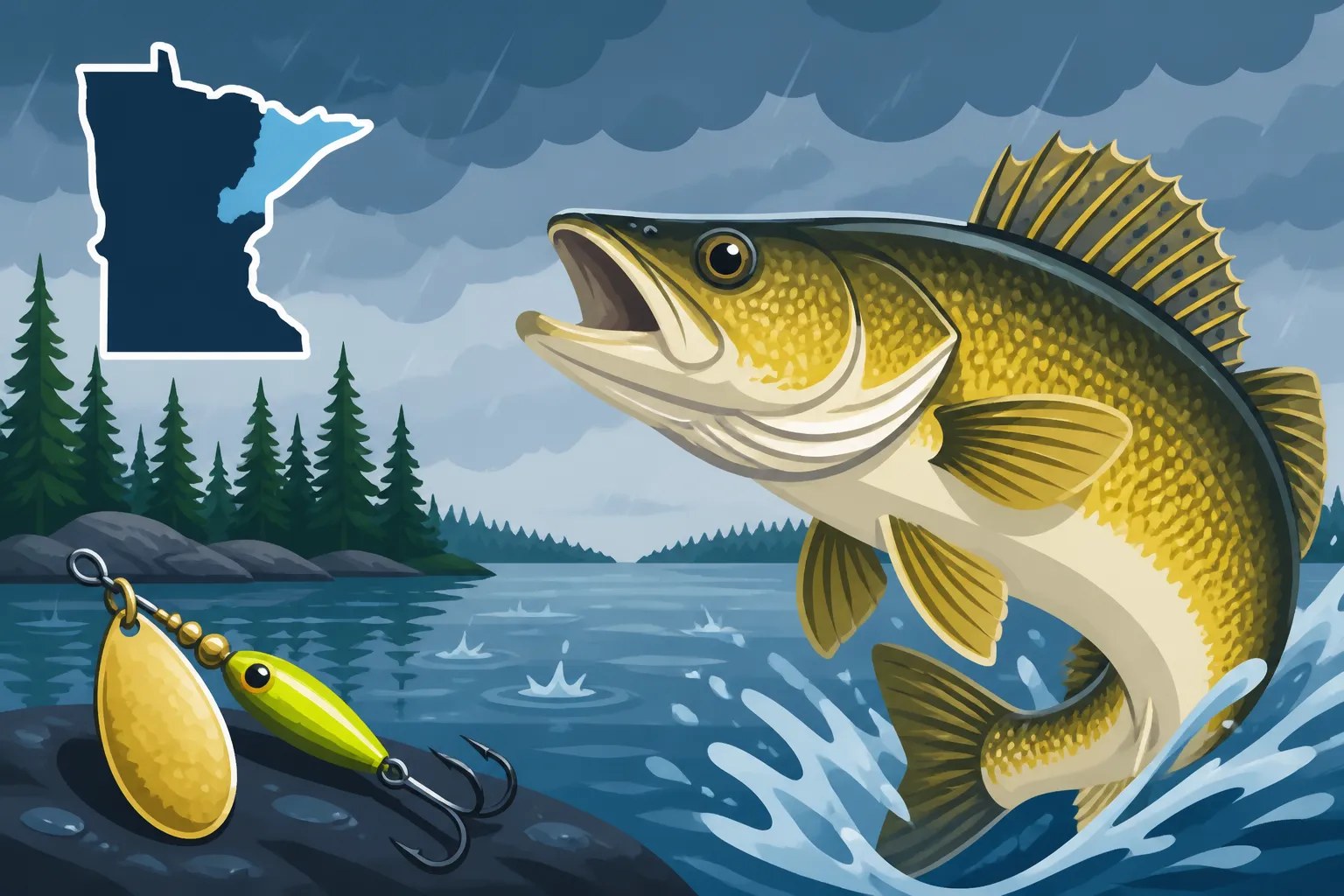
Rainy Lake, with its sprawling waters and countless islands, is a true gem for Minnesota anglers, but it can also be incredibly intimidating, especially when you're targeting its prized walleye. Many folks arrive feeling overwhelmed by its sheer size, unsure where to even begin their search for these elusive fish. This guide is here to break down the complexities, offering proven tips and strategies to help you navigate Rainy Lake and put more walleye in your boat, making your trip less daunting and far more rewarding.
Understanding Rainy Lake's Walleye Habitat
Rainy Lake is a massive, diverse fishery, straddling the US-Canadian border, and understanding where walleye prefer to hang out is your first step to success. It’s not just one big body of water; it’s a mosaic of different environments, each holding potential. Walleye here are creatures of habit, often relating to specific structures or forage patterns, so knowing these general rules can give you a huge advantage.
Deep Structure and Main Lake Reefs
When you think about Rainy Lake, you have to think deep. It’s a classic northern shield lake, meaning it's packed with underwater rock piles, humps, and reefs that rise sharply from deep basins. These aren't always easy to find, often requiring good electronics and careful navigation, but they are absolutely magnetic for walleye, especially during the summer and fall. The reason is simple: baitfish, like ciscoes and perch, congregate around these structures, offering a consistent food source for hungry walleye. You’ll often find fish sitting right on top of the humps or along the breaks, ready to ambush anything that swims by. Don't be afraid to explore areas that might look featureless on the surface; your fish finder is your best friend out here.
For example, imagine a large, submerged reef that tops out at 20-25 feet of water, surrounded by depths of 50-60 feet. Walleye will use the entire structure, often moving up to feed during low-light periods and retreating to the deeper edges as the sun climbs higher. The trick is to identify the "sweet spots" – the sharpest breaks, small pinnacles, or patches of hard bottom that attract the most bait. These spots can hold schools of fish for weeks, and once you find them, you've struck gold.
Island Shores and Bay Mouths
While deep structure is crucial, don't overlook the more accessible areas around Rainy Lake's thousands of islands and the mouths of its countless bays. These spots offer a different kind of walleye habitat, especially during the spring and early summer, or during periods of strong winds when fish push shallow. The transition zones where deeper water meets rocky shorelines or where current flows in and out of bays are prime ambush points. Walleye will stage here, waiting for baitfish to drift by or for insects to hatch.
Think about a long, rocky point extending from an island, or the entrance to a larger bay with some current. These areas often have a mix of rock, gravel, and sometimes even a bit of submerged vegetation, providing cover and feeding opportunities. In spring, as water temperatures rise, walleye will move into these areas to feed aggressively after the spawn. Later in the summer, on a breezy day, the wave action can stir up the bottom, dislodging invertebrates and attracting baitfish, bringing walleye in to feast.
River Channels and Current Areas
Rainy Lake is fed by and flows into significant river systems, most notably the Rainy River. This means that certain parts of the lake experience noticeable current, which profoundly impacts walleye behavior. River channels, narrows between islands, and areas near inflows or outflows are natural highways for baitfish and offer consistent oxygenated water, making them highly attractive to walleye. These fish are masters at using current to their advantage, positioning themselves just out of the main flow to conserve energy while waiting for food to be delivered to them.
Focus on the edges of these channels, scour holes, and any irregularities that break the current. A prime example would be a sharp bend in a submerged river channel or a constriction point where the lake narrows, creating a funnel effect. Walleye will often stack up in these areas, especially during specific times of the year when they are migrating or when large schools of shiners are moving through. Being able to read the current and understand how fish relate to it is a skill that will pay dividends on Rainy Lake.
Essential Walleye Techniques for Rainy Lake
With Rainy Lake's varied underwater landscape, you'll need a diverse toolkit of techniques to consistently catch walleye. What works one day or in one spot might not work the next, so being adaptable is key. These tried-and-true methods are excellent starting points and can be fine-tuned to match the specific conditions you encounter. If you’re ever unsure, a good guide can really help, and platforms like FishingBooker can connect you with experienced local captains who know these techniques inside and out.
Jigging the Depths
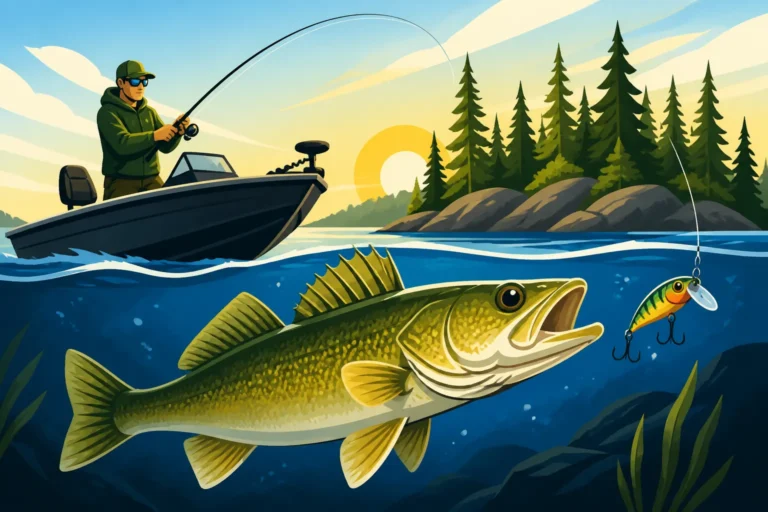
Jigging is perhaps the most fundamental and versatile walleye technique, and it's incredibly effective on Rainy Lake, especially when targeting fish on those deep humps and breaks. Whether you're vertical jigging directly over fish you see on your electronics or casting jigs to drop-offs, the goal is to present your bait or lure in a way that mimics a wounded baitfish or an easy meal. This isn't just a spring technique; it shines all season long.
For vertical jigging, use jigs ranging from 1/4 to 3/4 ounce, depending on depth and current. Tip them with live bait – a lively minnow is often king, but leeches and nightcrawlers can also be deadly. A subtle lift-and-drop presentation, keeping your jig just off the bottom, is usually best. Pay close attention to your line; walleye bites can often feel like a light "thump" or just added weight. For a complete overview, check out our guide on Jigging for Walleye: Jig & Minnow Basics. When casting, aim for rocky points or the edges of weeds and allow your jig to sink, working it back with a series of hops and pauses. The key is to maintain bottom contact and feel for those subtle takes.
Trolling with Precision
When walleye are scattered over larger flats, basin areas, or along extensive structure, trolling often becomes the most efficient way to cover water and find active fish. Rainy Lake's vastness makes trolling an indispensable technique, allowing you to present crankbaits or spinner rigs at specific depths and speeds until you hit a productive pattern. It's not just about speed; it's about precision in depth, lure choice, and boat control.
Crankbaits are a staple for trolling on Rainy Lake, particularly those designed to dive to specific depths. Brands like Rapala, Berkley, and Salmo offer a range of options that can reach various depths depending on line type and trolling speed. For deeper presentations, often 25-40 feet, consider using lead core line or bottom bouncers with crawler harnesses. Vary your speeds, S-turns, and even colors until you start getting bites. Many anglers also find success trolling around main lake reefs, aiming to keep their baits just above the tops or along the contour breaks. For more details on this, our Trolling for Walleye: Crankbaits & Leadcore article offers excellent advice. Remember, understanding the depth your lure runs at a given speed is critical.
Slip Bobbering Key Areas
While not always the first technique people reach for on big water, slip bobbering can be incredibly effective on Rainy Lake, especially in specific situations. This method shines when walleye are holding in a relatively tight area, perhaps suspended over weeds, relating to vertical structure like timber, or staging at the edge of a deep break. It allows for a natural, subtle presentation of live bait that walleye often can't resist.
Picture a calm evening, fishing a protected bay with submerged logs or a rocky island shoreline that drops into 15-20 feet of water. Walleye might be cruising these edges, and a lively leech or minnow suspended beneath a slip bobber at their eye level can be irresistible. The advantage of a slip bobber, as opposed to a fixed bobber, is that you can easily adjust your depth, setting it exactly where the fish are holding without having to re-tie. Our guide on How to Use a Slip Bobber for Walleye & Crappie goes into more detail. This method offers a relaxing yet highly effective way to fish, particularly appealing when the fish are finicky or during low-light conditions.
Gear and Bait Recommendations
Having the right gear makes a huge difference on Rainy Lake. This isn't your backyard pond; the fish can be big, and the conditions can change quickly. Investing in quality equipment means you're prepared for anything, from battling a trophy walleye in strong current to feeling the most subtle bite in deep water. You don't need the most expensive everything, but reliable tools are non-negotiable.
Rods, Reels, and Line Choices
For Rainy Lake walleye, versatility is key. You'll want a medium-light to medium-heavy power spinning rod, typically 6'6" to 7'6" in length, with a fast action tip for sensitivity. This allows you to feel those light bites when jigging, yet still have enough backbone to set the hook and fight a strong fish. Pair this with a reliable spinning reel in the 2000-3000 size range, spooled with good quality line. For specific recommendations, check out our insights on Best Walleye Rods & Reels.
When it comes to line, a lot of anglers opt for braided line (10-20 lb test) as their main line due to its superior sensitivity and lack of stretch, which is invaluable in deep water or when fishing current. Many will then use a fluorocarbon leader (6-10 lb test) of about 4-6 feet, tied to the braid with a swivel or a strong knot like an FG knot. Fluorocarbon is nearly invisible underwater and offers good abrasion resistance, which is important around Rainy Lake's rocky structures. Monofilament (8-10 lb test) can also work, especially for trolling crankbaits where a little stretch can be beneficial.
| Technique | Rod Action/Power | Reel Size | Main Line | Leader Type/Size | Key Benefits |
|---|---|---|---|---|---|
| Jigging | Fast/Medium-Light | 2000-2500 | 10-15lb Braid | 6-8lb Fluoro | Sensitivity, hook set, abrasion resistance |
| Trolling | Moderate/Medium | 2500-3000 | 10-14lb Mono/Braid | 8-10lb Fluoro | Stretch (mono), depth control, abrasion |
| Slip Bobbering | Moderate/Medium | 2500 | 10lb Mono/Braid | 6-8lb Fluoro | Natural presentation, visibility |
Best Baits and Lures
Rainy Lake walleye aren't usually overly picky, but certain baits and lures consistently outperform others. Live bait is almost always a surefire bet, especially when the bite is tough. Fathead minnows, shiners, leeches, and nightcrawlers are your bread and butter here. You can find excellent advice on this in our article about Best Live Bait for Walleye (Leeches, Minnows, Crawlers).
For artificials, jigs are king. Again, 1/4 to 3/4 ounce jigs in colors like chartreuse, orange, white, and various natural hues work well. Tipping them with a minnow or a soft plastic grub like a Berkley Gulp! Minnow or a Z-Man ElaZtech minnow imitation can dramatically increase your bites. For trolling, popular crankbaits include Rapala Shad Raps, Berkley Flicker Shads, and Salmo Hornets. Having a variety of sizes and colors to match the local forage and water clarity is always a good idea. Experimentation is crucial, as what works one day might not work the next. Don't be afraid to try something new, or something old that you've had success with on other walleye waters.
Navigating Rainy Lake Safely and Successfully
Rainy Lake is stunning, but its vastness and intricate layout demand respect and careful planning. You can’t just launch your boat and expect to stumble onto fish, or worse, get into trouble. Safety and preparation are paramount, not just for your fishing success, but for your overall experience. Being prepared means you can focus on fishing, not on worrying.
Weather Awareness and Navigation
Rainy Lake can go from glassy calm to dangerously rough in a matter of minutes. The lake’s open expanses mean winds can build up significant waves very quickly, especially from the west or north. Always check the marine forecast before heading out, and keep an eye on the sky while you're on the water. Thunderstorms can roll in fast, and you don't want to be caught far from shore or a protected bay. It's smart to plan your day with bail-out spots in mind – places you can duck into if the weather turns sour.
Navigation is another critical aspect. The lake is studded with countless islands, reefs, and shoals, many of which are not always visible. A reliable GPS unit with detailed lake mapping (like Navionics or LakeMaster charts) is absolutely essential. Don’t rely solely on visual cues, especially if you’re new to the lake. Mark your tracks, understand where you are relative to known hazards, and always proceed with caution, especially in unfamiliar areas. If you’re planning a trip and need a guide to help you navigate, FishingBooker lists several excellent captains who specialize in Rainy Lake and can safely show you around. Additionally, staying informed about Rainy Lake Fishing Regulations (2026) is key to a smooth trip.
Planning Your Trip and Local Resources
A successful Rainy Lake trip starts long before you launch your boat. Consider what time of year you want to fish. Early season after the ice goes out often means active shallow walleye, while summer and fall demand deeper tactics. Research local accommodations and services; towns like International Falls and Ranier are excellent bases for exploring the lake. Don't forget to secure your Minnesota Fishing License: Cost, Types & How to Buy (2026) beforehand.
Local bait shops, resorts, and guides are invaluable resources. They often have the most up-to-date information on what's biting, where, and with what. Don't be shy about asking for advice – a good local will usually be happy to share some pointers. You can also monitor online fishing forums or check recent Rainy Lake Fishing Report & What's Biting for current conditions. Preparing a float plan, letting someone know where you're going and when you expect to return, is also a smart safety practice, especially on such a large body of water.
Navigating the US-Canada border on Rainy Lake also adds a layer of complexity. Ensure you understand the specific rules regarding crossing the border while fishing. Typically, you need to report to customs if you land on the Canadian side, even if just to tie up to an island. Familiarize yourself with these regulations to avoid any headaches during your trip.
Rainy Lake is an incredible fishery, one that truly embodies the spirit of Minnesota fishing. It can be challenging, yes, but with a bit of knowledge, the right techniques, and a healthy respect for the water, you're well on your way to a memorable walleye adventure. Don't let its size intimidate you. Break it down, focus on the fundamentals, and enjoy the process of exploring this magnificent border water. Tight lines!
Disclaimer
The information provided in this guide is for general informational purposes only and is subject to change. Always consult the most current Minnesota Department of Natural Resources (DNR) fishing regulations and local advisories before heading out on the water. Fishing conditions, fish behavior, and regulations can vary, so staying informed is crucial for a safe and successful fishing experience.