Best Muskie Lakes in Minnesota
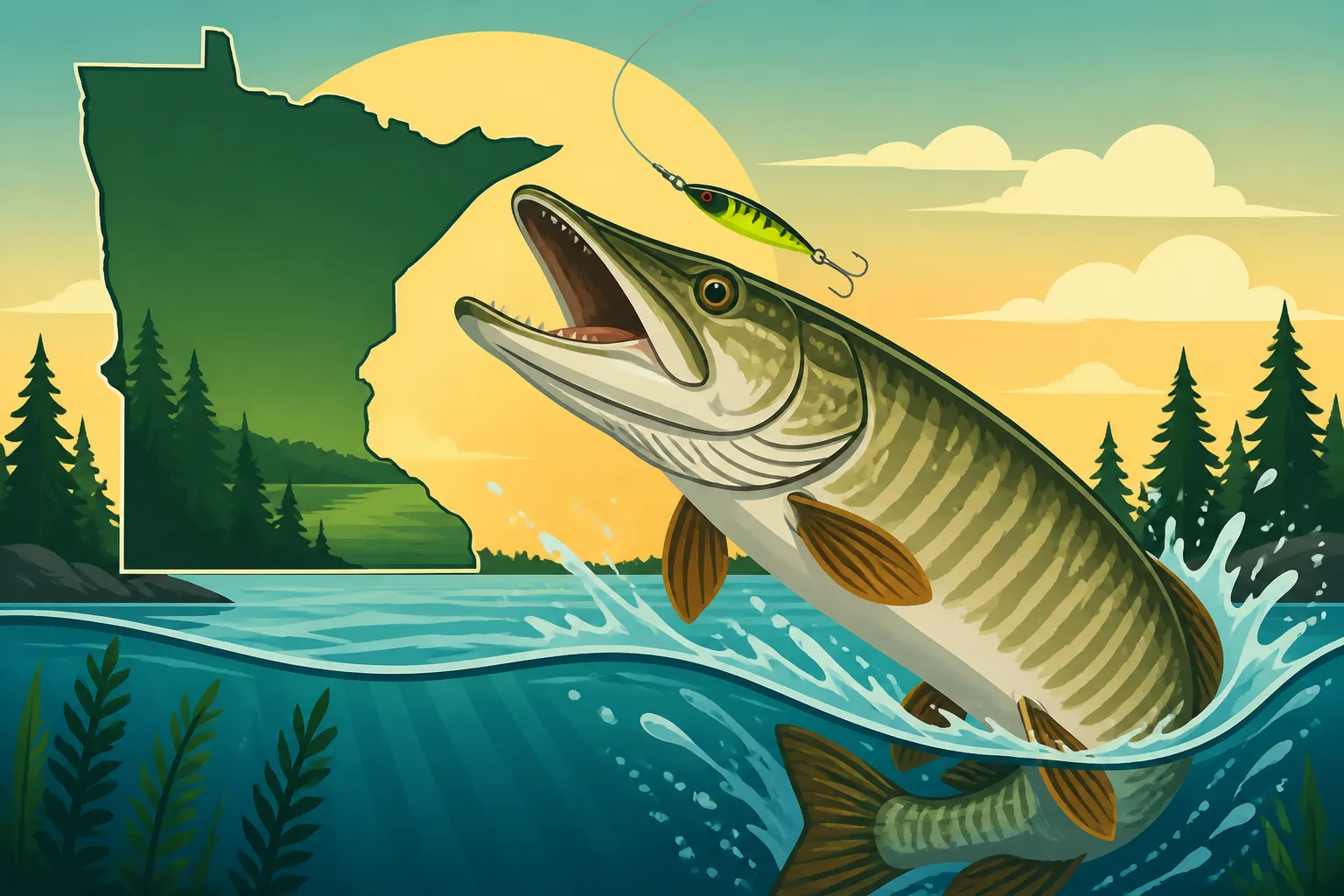
For many anglers, the pursuit of muskie in Minnesota feels like a quest for a mythical beast. It’s often dubbed the "fish of 10,000 casts" for a reason – the sheer dedication required can be daunting, and landing one of these freshwater giants is a monumental achievement. But the secret to shortening those odds isn't just about technique; it's about choosing the right waters. This comprehensive guide will lead you through Minnesota's top muskie lakes, offering insights into where these apex predators thrive and how to increase your chances of a truly memorable encounter.
The Allure of Muskie Fishing in Minnesota
There’s something undeniably captivating about muskie fishing. It’s not just a hobby; for many, it's a profound obsession, a battle of wits against one of the most elusive and powerful freshwater fish. Minnesota, with its vast network of clear, cold lakes, stands as a true mecca for muskie enthusiasts, offering some of the best opportunities to tangle with these magnificent creatures.
The Thrill of the Chase
The heart of muskie fishing isn't always the catch itself, but the anticipation. You spend hours, sometimes days, making cast after cast, cranking giant baits, and working intricate patterns, all while knowing that at any given moment, a monster could appear out of nowhere. The sudden flash of a torpedo-shaped shadow following your lure to the boat, the heart-stopping moment a muskie opens its cavernous mouth to engulf a bait boat-side, or the explosive strike that nearly rips the rod from your hands—these are the moments that hook anglers for life. It's a game of patience, perseverance, and sometimes, a little bit of madness, all culminating in an adrenaline rush unlike any other. It’s this sustained mental and physical challenge that makes the "fish of 10,000 casts" so profoundly rewarding.
Minnesota's Muskie Legacy
Minnesota didn't earn its reputation as a muskie powerhouse by accident. Our state’s dedicated fisheries management, combined with ideal natural habitats, has fostered thriving populations of these formidable fish. For generations, the Minnesota Department of Natural Resources (DNR) has implemented strategic stocking programs, focusing on specific strains like the popular Leech Lake strain, known for its rapid growth and aggressive nature. This careful stewardship, alongside a rich tradition of catch-and-release among muskie anglers, ensures that our lakes continue to produce trophy-sized fish year after year. From the clear, rocky expanses of the northeast to the sprawling, fertile basins of central Minnesota, our diverse waters offer a variety of challenges and opportunities for muskie hunters. This commitment to conservation and quality fishing truly sets Minnesota apart, making it a bucket-list destination for anyone serious about pursuing these freshwater leviathans. If you want to dive deeper into the tactics and sheer joy of the sport, check out our comprehensive guide on Muskie Fishing in Minnesota: The Fish of 10,000 Casts.
Top Tier Muskie Lakes: The Legendary Waters
When it comes to pursuing trophy muskie in Minnesota, certain lakes consistently rise to the top of every angler's list. These are the storied waters known for not just numbers, but for the genuine potential of landing a true giant. They offer diverse habitats, abundant forage, and a history of producing unforgettable encounters with these apex predators.
Lake Vermilion: A Northern Jewel
Nestled in the pristine wilderness of Minnesota's Iron Range, Lake Vermilion is often hailed as one of the state's most picturesque and productive muskie fisheries. This sprawling, 40,000-acre lake is a labyrinth of islands, bays, rocky reefs, and vast weed flats, offering a perfect mosaic of habitats for muskie to thrive. The sheer size and structural complexity mean that muskie have endless ambush points and abundant forage, from ciscoes to perch and suckers. Anglers often target Vermilion's clear waters during the summer months, focusing on main lake points, large weed beds, and transition areas where weeds meet deeper rock. Trolling large crankbaits or casting oversized bucktails and glide baits are popular and effective strategies here. The lake's deep, cool waters ensure that muskie remain active even during the warmest parts of summer, making it a consistent producer of both healthy numbers and legitimate trophy fish. To learn more about navigating this magnificent body of water, be sure to read our detailed Lake Vermilion Fishing Guide.
Leech Lake: Giant Muskie Territory
Known for its iconic walleye fishery, Leech Lake also boasts a phenomenal muskie population, particularly famed for its unique genetic strain. The "Leech Lake strain" muskie are highly sought after by anglers due to their reputation for aggressive strikes and rapid growth rates. This immense 112,000-acre lake in north-central Minnesota features a diverse bottom, from sprawling sand flats to dense cabbage beds, rocky points, and numerous islands, all providing ideal muskie habitat. Key areas like Agency Bay, Walker Bay, and the expansive main lake basins are prime muskie grounds, where fish often suspend over deeper water, chasing schools of cisco and tullibee. Early season muskie often lurk in shallower bays and weed lines, while summer sees them move to main lake points and deeper structure. Many experienced muskie hunters specifically target the unique characteristics and trophy potential of the Leech Lake Muskie Strain Explained in their pursuit of a true Minnesota giant. For specific tactics on this lake, our Leech Lake Muskie Fishing guide is a must-read.
Mille Lacs Lake: The Modern Muskie Mecca
While often celebrated for its world-class smallmouth bass and walleye fishing, Mille Lacs Lake has quietly blossomed into one of Minnesota's premier muskie destinations. This vast, shallow lake, covering over 132,000 acres, provides an incredibly rich forage base, primarily abundant tullibee, which allows muskie to grow to truly monstrous proportions. What makes Mille Lacs so special for muskie is its diverse and expansive structure, including numerous rock reefs, gravel bars, and immense mud flats. Muskie often relate to the edges of these structures, particularly where they drop off into deeper water, creating ambush points. The lake has produced numerous 50-inch plus fish, solidifying its reputation as a big fish factory. Anglers frequently troll large crankbaits over the mud flats or cast oversized jerkbaits and bucktails along the rock reefs. The clarity of the water allows for exciting follows, and the sheer volume of healthy forage means muskie are consistently on the prowl. For a full breakdown of this legendary lake, check out our Mille Lacs Lake Fishing Guide.
Excellent Muskie Destinations: Consistent Producers
Beyond the absolute titans, Minnesota offers a wealth of other fantastic muskie lakes that might fly a bit under the radar compared to the "big three," but consistently produce incredible fishing. These waters offer slightly different characteristics and angling experiences, but all hold strong populations of healthy, often trophy-sized, muskie.
Cass Lake and Lake Bemidji: Northwoods Beasts
Located in the heart of Minnesota's Chippewa National Forest, Cass Lake and Lake Bemidji are interconnected gems that form a vital part of the upper Mississippi River chain. Both lakes are known for their picturesque northwoods scenery and, importantly, their robust natural muskie populations. Cass Lake, at over 15,000 acres, features diverse structure including large weed beds, rocky points, and deep holes, while the slightly smaller Lake Bemidji offers similar habitat. These lakes are prime examples of self-sustaining muskie fisheries, providing a unique challenge for anglers looking for wild, native fish.
Muskie in these waters often relate to the extensive wild rice beds in the shallows during cooler periods, and then shift to deeper weed lines and main lake points as water temperatures rise. Fishing the channels and narrows connecting the two lakes can also be highly productive. Anglers here find success with a variety of tactics, from casting large bucktails along reed edges to slow-trolling big minnow baits over offshore humps. The thrill of hooking a true northwoods beast in such pristine surroundings is an experience every muskie angler cherishes. For more detailed information on fishing these waters, explore our guides for Cass Lake Fishing Guide and Lake Bemidji Fishing Guide.
Big Detroit Lake: Western Minnesota's Surprise
Often overlooked by those focusing on the state's more famous muskie waters, Big Detroit Lake in west-central Minnesota is a sleeper success story. This 3,000-acre lake is part of the Detroit Lakes chain and boasts a surprisingly strong and growing muskie fishery. What makes Big Detroit so productive is its abundant forage base, particularly large populations of cisco (tullibee) and whitefish, which fuels exceptional growth rates in its muskie.
The lake features a classic mix of deep weed lines, sharp breaks, and offshore humps. Muskie here frequently cruise the edges of the expansive cabbage beds during the summer, particularly in the lower light conditions of dawn and dusk. Trolling large crankbaits through the main basin or casting big soft plastics and jerkbaits along the weed edges are common and effective approaches. Anglers looking for a less crowded muskie experience with a legitimate chance at a trophy fish should definitely put Big Detroit Lake on their list. Its vibrant ecosystem and careful management continue to make it a pleasant surprise for those willing to venture west.
Lake Winnibigoshish: "Big Winnie" Muskie
Lake Winnibigoshish, affectionately known as "Big Winnie," is another colossal lake in north-central Minnesota, covering over 67,000 acres. While primarily famous for its prolific walleye fishery, Winnie also holds a robust and often overlooked muskie population. Its relatively shallow basin, combined with numerous reefs, expansive sand flats, and submerged islands, creates a rich and diverse environment where muskie can thrive. The abundance of yellow perch and tullibee provides an endless buffet for these hungry predators, leading to impressive growth.
Muskie in Big Winnie are often found relating to the deep weed edges, particularly those extensive cabbage and coontail beds that stretch for miles. They also utilize the lake's many offshore humps and reefs as ambush points. Trolling large baits along contours or casting substantial bucktails and glide baits over weed beds are proven methods. The sheer size of Winnie can be intimidating, but careful study of lake maps and understanding the seasonal movements of baitfish will dramatically improve your success. This lake provides a fantastic opportunity for anglers seeking a multi-species experience, with the added thrill of a potential muskie encounter. To fully appreciate this diverse fishery, consult our comprehensive Lake Winnibigoshish (Winnie) Fishing Guide.
Understanding Muskie Habitat and Prime Fishing Seasons
Successfully targeting muskie requires more than just knowing which lake to fish; it demands an understanding of where they live within those lakes and when they are most active. Muskie are highly migratory and their patterns are heavily influenced by water temperature, forage availability, and spawning cycles.
Structure That Holds Muskie
Muskie are ambush predators, meaning they prefer areas that offer them cover and easy access to unsuspecting prey. This translates to specific types of underwater structure:
- Weed Lines: These are classic muskie haunts. Look for sharp, distinct edges of healthy cabbage, coontail, or emergent reeds. Muskie will lie in wait at these edges, darting out to strike at passing baitfish. Deeper weed lines, especially those adjacent to sharp breaks or points, are particularly productive.
- Rock Piles and Reefs: Rocky structures, whether submerged reefs, boulder fields, or main lake points, offer excellent cover and often attract schooling baitfish. Muskie will position themselves on the deeper side of these structures, facing current or open water, ready to intercept a meal.
- Drop-Offs and Breaks: Transition areas where shallow water quickly drops into deeper water are critical. Muskie use these breaks as travel corridors and feeding lanes. Vertical jigging or casting parallel to these breaks can be very effective.
- Open Water (Pelagic Zone): In some large, clear lakes like Leech or Mille Lacs, muskie will suspend in open water, chasing schools of cisco or tullibee. This requires trolling large baits at specific depths to intercept these nomadic predators.
- Shallow Bays and Flats: Particularly in spring and fall, muskie might move into shallower, warmer bays or flats that offer dense weed cover and abundant forage like perch or suckers.
Understanding the interplay between these structures and the seasonal patterns of muskie is key to consistently finding these elusive fish.
Seasonal Patterns for Muskie Success
Muskie behavior changes dramatically with the seasons, making timing a crucial element of your fishing strategy. Knowing what to expect throughout the year can significantly boost your success rate.
- Spring (Post-Spawn): Shortly after the Muskie Season & Limit in Minnesota opens, often in early June, muskie are recovering from their spawn. They are often found in shallower, warmer bays, moving along new weed growth, or cruising hard-bottom flats. They can be incredibly aggressive during this period as they regain energy, making them susceptible to medium-sized bucktails, jerkbaits, and soft plastics. This is a great time to target visible cover.
- Summer (Mid-Season Grind): As water temperatures rise, muskie often move to deeper main lake points, offshore reefs, or suspend over deep water, particularly if a significant cisco population is present. Night fishing can become highly effective during hot summer months as muskie become more active in cooler, lower light conditions. Trolling large crankbaits is a popular method for covering water and finding suspended fish, while casting heavy bucktails or glide baits over deep weed edges remains productive. To better understand these shifts, our guide on Seasonal Fishing Patterns in Minnesota offers invaluable insights.
- Fall (Feeding Frenzy): This is arguably the most anticipated season for trophy muskie anglers. As water temperatures cool, muskie engage in a voracious feeding spree, bulking up for winter. They often move shallower again, gorging on large forage like suckers and large perch. This is the time for truly enormous baits – giant soft plastics, large jerkbaits, and heavy bucktails. Targeting main lake points, deep weed beds adjacent to open water, and rocky shorelines can be incredibly effective. The late fall bite can be intense, offering the best chance at a truly colossal muskie.
Essential Gear and Tactics for Minnesota Muskie
The "fish of 10,000 casts" demands specialized gear and specific techniques. You can't just grab your walleye rod and expect to land a muskie. These fish are powerful, aggressive, and require equipment that can withstand immense pressure.
Must-Have Gear for Muskie Anglers
Investing in the right equipment is non-negotiable for serious muskie fishing. Here’s a breakdown of what you'll need to confidently pursue these giants:
- Heavy-Duty Rods: A muskie rod is typically 8 to 10 feet long, with a heavy or extra-heavy power rating and a fast to extra-fast action. This length provides leverage for casting heavy baits and controlling large fish. Brands like St. Croix, with their Legend Tournament Musky series, or Thorne Bros. custom rods are popular choices among Minnesota anglers.
- Robust Reels: You'll need a baitcasting reel with a strong drag system and high line capacity. Low-profile baitcasters are becoming more popular for lighter muskie applications, but traditional round baitcasting reels (like a Shimano Tranx or an Abu Garcia Revo Toro Beast) are still workhorses for casting giant baits.
- Strong Line: Braided line is the standard for muskie fishing due to its zero stretch and incredible strength. Think 80 to 100 lb test. You'll also need a heavy fluorocarbon or wire leader (100-150 lb test) to prevent bite-offs from their razor-sharp teeth.
- Oversized Lures: Muskie eat big, so you need big baits. This includes large bucktails (e.g., Musky Mayhem Tackle Cowgirls), heavy jerkbaits (like those from Salmo or Grandma Lures), giant soft plastics (such as Medusa or Chaos Tackle Medussas), and formidable topwater baits (like the Whopper Plopper or Bucher TopRaider). For a comprehensive look at the best options, our guide on Best Muskie Lures (Bucktails, Jerkbaits, Topwater) is an excellent resource.
- Essential Safety Equipment: This isn't just about protecting yourself, but also about protecting the fish. A large, rubberized landing net (with a hoop opening of 40 inches or more), long-nose pliers, and heavy-duty bolt cutters (for cutting hooks if deeply swallowed) are absolutely critical for safe and effective catch and release.
- Comfortable Clothing: Given the long hours and diverse weather conditions in Minnesota, layering is key. Don't forget polarized sunglasses for spotting follows and a good wide-brimmed hat.
For a complete overview of what to bring on your next outing, refer to our Best Gear for Muskie Fishing in Minnesota guide.
Top Muskie Fishing Techniques
Catching muskie consistently involves mastering a variety of techniques that cater to different conditions and fish behaviors.
- Casting Large Baits: This is the most common and often most exciting way to fish for muskie. Anglers will make thousands of casts in a day, targeting prime ambush points like weed edges, rock reefs, and submerged timber. The key is to retrieve the bait with varied speeds and pauses to mimic injured prey. The sheer physical exertion of casting heavy lures all day requires stamina and dedication.
- Trolling: When muskie are suspended over open water or spread out across vast flats, trolling can be highly effective for covering large areas and finding active fish. Large crankbaits, often weighing several ounces, are trolled at speeds ranging from 3 to 6 mph, targeting specific depths. This method is particularly popular in bigger, open water lakes like Mille Lacs or Leech.
- The Figure-8: This technique is paramount for muskie fishing. When a muskie follows your lure to the boat but doesn't strike, you must immediately transition into a figure-8 motion directly beside the boat. Keep your rod tip in the water, drawing large "8" patterns, and speeding up the bait at the turns. This often triggers a follow-up strike from a hesitant fish that perceives the bait trying to escape. Mastering the Muskie Figure-8 Technique can be the difference between a frustrating follow and a landed trophy.
- Live Bait Rigs: While less common than artificial lures, fishing with large live bait, such as suckers, under a bobber or on a quick-strike rig, can be highly effective, particularly during late fall. This method is often employed from a stationary boat or slowly drifted over structure.
For those just starting their muskie journey, our comprehensive guide on Muskie Fishing Techniques for Beginners provides an excellent foundation.
Planning Your Minnesota Muskie Adventure
A successful muskie trip to Minnesota requires more than just knowing where the fish are; it involves thoughtful planning, respecting the resource, and sometimes, seeking expert guidance.
Hiring a Muskie Guide or Booking a Trip
For many anglers, especially those new to muskie fishing or unfamiliar with a particular lake, hiring a professional muskie guide is an invaluable investment. A good guide offers extensive knowledge of local waters, current fish patterns, and the specialized tackle needed for success. They can teach you proper casting techniques for oversized lures, effective retrieve methods, and crucial boat-side maneuvers like the figure-8. Guides also provide the boat, all the necessary high-end gear, and often, an endless supply of patience and encouragement.
If you’re planning a multi-day trip or want to explore various options, platforms like FishingBooker can be incredibly helpful. You can search for experienced muskie guides on FishingBooker across Minnesota's top lakes, compare rates, read reviews from other anglers, and even book your trip directly. Using FishingBooker allows you to easily find guides specializing in lakes like Vermilion, Leech, or Mille Lacs, ensuring you get tailored advice for your chosen destination. It takes the guesswork out of finding a reputable guide, allowing you to focus on the thrill of the chase. Many local resorts also offer guide services, which can be a convenient option if you're staying on the lake.
Respecting the Resource: Catch and Release
Muskie are slow-growing, long-lived fish, making them incredibly vulnerable to overharvest. Minnesota has strict regulations, including slot limits and single-fish possession limits, to protect these valuable resources. However, the true spirit of muskie fishing embraces catch and release as a fundamental principle. Releasing these magnificent fish ensures they can grow to their full potential and continue to provide thrilling experiences for future generations.
Practicing proper catch and release techniques is critical for the muskie's survival. This includes:
- Minimizing Fight Time: Use heavy tackle to land the fish quickly, reducing stress.
- Keeping the Fish in the Water: If possible, unhook the fish while it's still in the net and submerged. Avoid bringing it into the boat entirely for photos, if you can get a good shot with it partially in the water.
- Using a Large, Rubberized Net: These nets minimize scale and slime coat damage.
- Employing Proper Unhooking Tools: Long-nose pliers and hook cutters are essential for safe and quick hook removal.
- Supporting the Fish Properly: If you must lift the fish for a quick photo, support its entire body horizontally with two hands (one under the head, one under the tail), avoiding vertical hangs by the jaw.
- Allowing for Recovery: Gently hold the fish upright in the water until it regains its strength and swims off on its own.
By adhering to these practices and embracing the ethos of Catch and Release Best Practices in Minnesota, we ensure that Minnesota's incredible muskie fisheries remain vibrant and continue to challenge and inspire anglers for years to come.
Disclaimer
Please note that fishing regulations, including seasons, limits, and specific lake rules, can change. Always consult the latest Minnesota Department of Natural Resources (DNR) fishing regulations booklet or website before heading out on the water. This guide is for informational purposes only and does not supersede official regulations.