Best Fishing Gear for Beginners in Minnesota (By Budget)
If you're new to the world of fishing, especially here in Minnesota, it's easy to feel like you're standing at the base of Mount Everest without a map. The sheer volume of gear options, specialized techniques, and conflicting advice can be downright paralyzing, making it tough to even know where to begin without breaking the bank. This comprehensive guide is designed to cut through the noise, helping you understand exactly what fishing gear you need as a beginner in Minnesota, broken down by budget, so you can confidently hit the water and start catching fish.
Why Getting Started Fishing in Minnesota Can Feel Overwhelming
Let's be real, the fishing industry thrives on offering endless choices. For a seasoned angler, that's fantastic, but for someone just dipping their toes in the water, it often feels like a giant, confusing maze. You’re not alone if you’ve walked into a sporting goods store and felt completely lost.
The Sheer Volume of Gear Options
Think about it: for every species of fish, there seems to be a specific rod, a unique reel, a particular type of line, and a tackle box overflowing with lures you’ve never seen before. You’ve got spinning rods, baitcasting rods, ultralights, medium-heavies, fast actions, moderate actions. Then there are monofilament lines, fluorocarbon leaders, braided lines – each with its own pros and cons. Don't even get me started on the dizzying array of baits, from tiny panfish jigs to massive muskie bucktails. It’s enough to make anyone throw their hands up and just stick to watching fishing shows on TV. The reality is, while specialized gear can certainly enhance your success for particular species or situations, it's absolutely not a prerequisite for enjoying the sport or even catching some impressive fish right from the start.
Misconceptions About Expensive Gear
There's this pervasive myth that you need to invest hundreds, if not thousands, of dollars into gear before you can even think about landing a decent fish. This couldn't be further from the truth. While high-end equipment often boasts lighter materials, smoother components, and increased sensitivity, these subtle advantages are largely lost on a beginner. What truly makes a difference, especially when you're just learning, is understanding basic fish behavior, learning how to properly present your bait, and developing a feel for what’s happening at the end of your line. A well-chosen, affordable setup can easily get you on the water and catching walleye, bass, and panfish across Minnesota's countless lakes and rivers. Investing wisely in core essentials, rather than chasing the latest and greatest gadget, will serve you much better in your early angling adventures.
Essential Fishing Gear Every Minnesota Beginner Needs
Before we dive into budget breakdowns, let’s talk about the absolute non-negotiables. These are the items that form the foundation of any fishing trip, regardless of your target species or the size of your wallet. Think of these as your core tools – without them, you’re just admiring the water!
The Rod and Reel Combo: Your Primary Tool
For a beginner, the rod and reel are arguably the most important pieces of equipment you’ll buy. They are your direct connection to the fish.
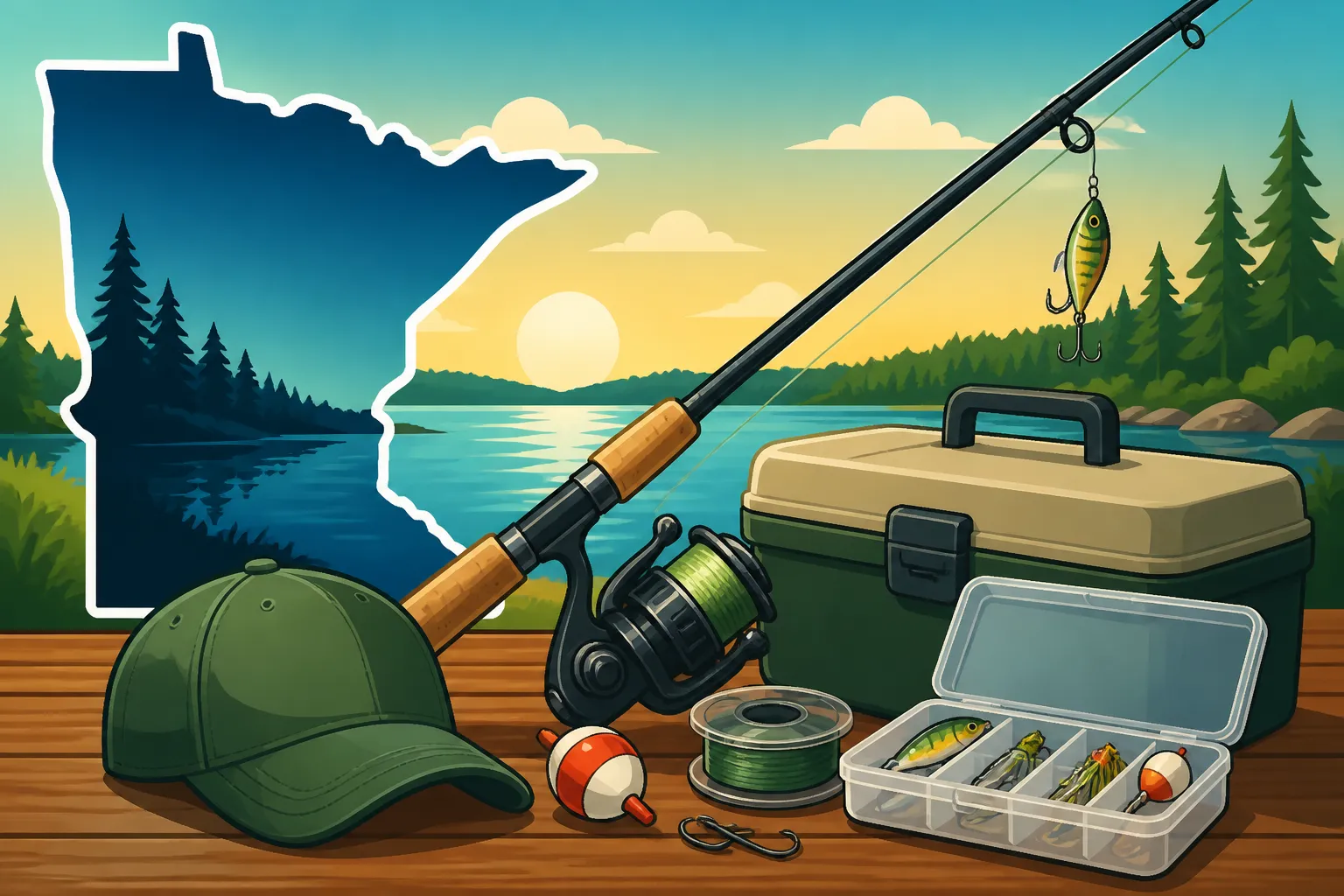
When you're starting out, a spinning rod and reel combo is hands-down the easiest to learn and most versatile. Unlike baitcasting reels, which can be prone to frustrating "bird's nests" if not cast perfectly, spinning reels are forgiving and simple to operate. They allow for easy casting of lighter baits, which is perfect for common Minnesota species like panfish, bass, and walleye. Look for a rod with a "medium-light" or "medium" power and a "fast" or "moderate-fast" action. A 6 to 7-foot rod length is a fantastic all-around choice, offering good casting distance and enough leverage to handle decent-sized fish without being unwieldy from shore or a small boat.
Pair this with a spinning reel in the 2500 or 3000 series size. This size offers a good balance of line capacity and retrieve power for most freshwater applications. A smooth drag system is crucial, as it allows fish to pull line off the reel when they run, preventing your line from breaking. When you’re at a store like Bass Pro Shops, don't be shy about asking to hold a few combos. Feel the balance in your hands; it should feel comfortable and not too heavy or tip-heavy. Many excellent brands offer reliable entry-level combos that will last you for years.
Fishing Line, Terminal Tackle, and Baits
Once you have your rod and reel, you need to connect it all to the fish! This is where line, terminal tackle, and bait come in.
-
Fishing Line: For beginners, monofilament line is often the best choice. It’s affordable, easy to tie knots with, and has a bit of stretch, which can be forgiving when a fish strikes aggressively. A 6 to 10-pound test monofilament line is a great starting point for targeting a variety of species in Minnesota. It's strong enough for most fish you'll encounter but light enough not to be overly visible in clear water. While other lines like braided or fluorocarbon have their advantages, learning the basics with mono will build a solid foundation. If you're curious about when to upgrade, you can learn more about Best Fishing Line for Walleye (Braid vs Mono vs Fluoro).
-
Terminal Tackle: This term refers to all the bits and pieces you tie onto the end of your fishing line. For beginners, a small assortment is plenty.
- Hooks: Start with a few different sizes of Aberdeen or Kahle hooks (sizes 6, 4, 2 are versatile). These are great for live bait.
- Sinkers: Split shot sinkers are easy to attach and adjust, and bell sinkers can be useful for getting bait down deeper.
- Bobbers: Both fixed bobbers (clip-on) and slip bobbers are useful. Fixed bobbers are simple for shallow water, while slip bobbers are fantastic for fishing at various depths, especially for crappie and walleye. Mastering How to Fish a Slip Bobber for Walleye & Crappie is a great skill to learn early on.
-
Baits: Live bait is truly a beginner's secret weapon. Minnows, nightcrawlers (worms), and leeches are incredibly effective and appeal to a wide range of fish species. You can buy these at almost any local bait shop in Minnesota. For artificial lures, keep it simple. A few basic jigs (1/8 oz to 1/4 oz) in common colors like white, chartreuse, or black, paired with a small curly tail grub, will catch a lot of fish. A small spinnerbait can also be very effective for bass and northern pike.
Basic Accessories for a Successful Trip
Don't overlook the little things that make a big difference in comfort and convenience.
- Pliers/Forceps: Essential for removing hooks safely and quickly, especially if you're practicing catch and release. Look for ones with a line cutter.
- Small Tackle Box or Bag: Keeps your hooks, sinkers, and lures organized and easily accessible. Even a small, inexpensive plastic box is better than a tangled mess in your pocket.
- Landing Net: A small to medium-sized net is invaluable for safely landing fish, preventing them from flopping off the hook at the last second. It also protects your hands from sharp teeth.
- Stringer or Cooler: If you plan on keeping fish to eat (and always check local regulations!), a simple stringer or a small cooler with ice is necessary to keep your catch fresh.
- Sunscreen and Bug Spray: Minnesota summers are beautiful, but the sun and mosquitoes can be relentless. Don't let them ruin your day.
- First-Aid Kit: A basic kit for minor cuts, scrapes, or hook pokes.
- Valid Fishing License: This is non-negotiable in Minnesota for anyone 16 or older. Make sure you understand the rules for your age and residency. A detailed guide on Minnesota Fishing License: Cost, Types & How to Buy (2026) can help you get started.
Budget-Friendly Beginner Fishing Setup (Under $100)
So, you want to get into fishing but don't want to empty your wallet right away? Absolutely understandable! The good news is, you can put together a perfectly functional and enjoyable setup for less than $100. This budget tier focuses on reliable, no-frills gear that prioritizes durability and effectiveness over high-tech features.
Recommended Rod and Reel Combos
For under $100, your best bet is to purchase a pre-assembled rod and reel combo. Manufacturers often bundle these to offer excellent value. One perennial favorite for beginners, and even many experienced anglers, is the Ugly Stik GX2 combo. You can often find these for $50-$70. Ugly Stiks are legendary for their nearly indestructible fiberglass and graphite blank construction, making them incredibly forgiving for new anglers who might accidentally bump or drop their rod. They’re not the most sensitive rods on the market, but they’ll tell you when a fish bites, and they'll handle a surprising amount of abuse. Other reliable brands like Daiwa (e.g., Daiwa D-Cast series) or Shimano (e.g., Shimano FX series) also offer excellent entry-level spinning combos in this price range. Look for a 6'6" medium-light or medium action combo.
When you're shopping, whether it's at a local bait shop or browsing online at Amazon, pay attention to customer reviews. These entry-level combos might not have all the bells and whistles, but they should feel solid, and the reel’s drag should operate smoothly. Many retailers will spool the reel with basic monofilament line for you, saving you an extra step and cost right off the bat.
Smart Choices for Line, Lures, and Tackle
With your combo secured, the remaining budget needs to cover your line, bait, and terminal tackle.
- Fishing Line: Stick with a good quality 8 lb test monofilament. If your combo didn't come pre-spooled, a 300-yard filler spool of Berkley Trilene XL or Stren Original will cost you less than $10 and last for multiple re-spools. It's easy to handle, knots well, and provides enough strength for panfish, bass, and smaller walleye.
- Live Bait: This is where your money will go furthest. A few dozen fathead minnows, a scoop of crappie minnows, or a container of nightcrawlers from a local bait shop will cost around $5-$10 and are incredibly effective. Forget fancy artificials for now; live bait is the most consistent producer for beginners.
- Artificial Lures: Don't go overboard. Grab a few 1/8 oz and 1/4 oz lead-head jigs (white, chartreuse, black, or pink are great choices). Pair these with a pack of inexpensive curly tail grubs or simple plastic worms. Total cost here should be under $15. You might also throw in one small spinnerbait (1/4 or 3/8 oz) for bass or northern pike, which can be found for $5-7.
- Terminal Tackle: A small assortment of hooks (sizes 6, 4, 2 Aberdeen), a few packs of split shot sinkers, and 3-4 clip-on bobbers or simple slip bobber rigs will set you back about $10-$15.
Essential Accessories on a Shoestring Budget
Being resourceful is key here.
- Tackle Organization: Instead of a fancy tackle box, grab a small, inexpensive plastic utility box from a discount store for $5-$10. It will keep your hooks and lures from tangling. An old backpack or even a reusable grocery bag can serve as a makeshift fishing bag.
- Pliers: A cheap pair of needle-nose pliers from a hardware store for $5-7 will work perfectly for hook removal. You can even find multi-tools with pliers and cutters built-in for a similar price.
- Net: If a new net pushes you over budget, consider waiting. Often, you can land smaller fish by hand carefully. If you do get one, a basic collapsible net can sometimes be found for around $20-30 online.
- Cooler/Stringer: A small, personal cooler you already own will work for drinks and snacks, and if you plan to keep fish, a cheap plastic stringer costs only a few dollars.
- License: Remember, your Minnesota Fishing License: Cost, Types & How to Buy (2026) will be part of this budget. A resident annual license is typically around $25.
By focusing on these essential, cost-effective items, you can easily get fishing for under $100 and have a blast without feeling like you skimped on the fun.
Mid-Range Beginner Fishing Setup (Budget $100 – $250)
Once you've had a taste of fishing and decide you really enjoy it, or if you simply want to start with a bit more comfort and slightly better performance, the $100-$250 budget range opens up some fantastic possibilities. This tier allows for noticeable upgrades in rod sensitivity, reel smoothness, and the diversity of your tackle, providing a more refined fishing experience.
Upgrading Your Rod and Reel Performance
In this budget, you can start looking at slightly more specialized or higher-quality all-purpose combos, or even purchasing a rod and reel separately for a better match.
-
Combos: You'll find combos like the St. Croix Triumph series paired with a Daiwa or Shimano reel. St. Croix, a proud Wisconsin-based brand, offers excellent sensitivity and durability even in their entry-level lines. The Fenwick Eagle series also provides a significant jump in feel and performance. These combos will typically feature lighter graphite blanks, more comfortable cork handles, and reels with more bearings for a smoother retrieve and more precise drag adjustments. A 6'6" to 7' medium-light to medium power, fast action spinning combo remains an ideal choice for versatility across species. You'll notice the difference immediately; a more sensitive rod helps you feel subtle bites that a cheaper rod might miss, which is a huge confidence booster for a beginner.
-
Separates: If you buy a rod and reel separately, you can often achieve a better "balance" – meaning the rod and reel feel like a natural extension of your arm. For example, a St. Croix Premier or a Fenwick HMG rod (around $100-150) could be paired with a mid-range Shimano Sienna or Pflueger President spinning reel (around $60-100). This gives you a more robust and responsive setup that will perform well for years.
Expanding Your Lure and Line Arsenal
With a bit more budget for tackle, you can start to diversify your approach beyond just live bait.
- Fishing Line: This is a great time to introduce braided line. Spool your reel with 10-15 lb test braided line (like PowerPro or Berkley X5), and then add a 6-10 lb fluorocarbon leader. Braided line offers superior sensitivity, minimal stretch, and incredible strength for its diameter, making it easier to feel light bites and detect what your lure is doing underwater. The fluorocarbon leader is virtually invisible underwater, which can be critical in clear Minnesota lakes, and it provides abrasion resistance. You can explore this further in articles like Best Fishing Line for Walleye (Braid vs Mono vs Fluoro).
- Artificial Lures: Your lure selection can become more strategic.
- Jigs & Plastics: Expand your jig head sizes (1/16 oz to 3/8 oz) and colors. Add a variety of soft plastic grub bodies, paddle tails, and creature baits. Brands like Keitech or Z-Man offer durable and effective options.
- Crankbaits: Add a couple of small to medium-sized crankbaits (e.g., Rapala Shad Rap or Berkley Flicker Shad) in natural baitfish patterns. These are excellent for covering water and targeting walleye and bass.
- Spinnerbaits: Include 1-2 more spinnerbaits in different sizes or blade configurations for bass and pike.
- Topwater: A simple topwater popper or walking bait can be incredibly exciting for bass on calm mornings or evenings.
- Terminal Tackle: You can invest in higher-quality swivels, snap swivels, and specific jigging hooks (like Gamakatsu) for better hook-ups and bait presentation.
Enhanced Comfort and Convenience Gear
Beyond just catching fish, this budget allows for gear that enhances your overall experience on the water.
- Tackle Management: Upgrade to a more organized tackle bag or backpack. Brands like Plano or Bass Pro Shops offer excellent options with multiple compartments and utility boxes, allowing you to carry more lures and keep them neatly arranged.
- Tools: A quality pair of fishing pliers (like those from Rapala or Boomerang) with dedicated line cutters will be much more durable and effective than a hardware store pair.
- Portable Electronics: While not essential for everyone, a basic portable fish finder can be a game-changer for finding structure and fish. Devices like the Humminbird PiranhaMax series or even a castable fish finder like a Deeper Smart Sonar or the more budget-friendly Garmin Striker Cast can be found in this range. These aren't as advanced as high-end units, but they will show you depth, temperature, and often depict fish arches, helping you understand what's below the surface. You can learn more about finding good value with a Best Fish Finder Under $500.
- Apparel: Invest in a good quality fishing hat for sun protection and perhaps a lightweight, breathable fishing shirt or a compact rain jacket. These small comforts make a big difference on a long day out.
This mid-range setup provides a noticeable step up in quality and versatility, making your fishing adventures in Minnesota even more rewarding.
Stepping Up Your Game: Advanced Beginner Setup ($250 – $500)
When you reach the $250-$500 budget, you're truly moving beyond basic necessities into gear that offers enhanced performance, specialization, and greater enjoyment on the water. This tier is perfect for the beginner who has fallen in love with fishing and is ready to pursue specific species or techniques with more purpose, without jumping into the truly professional-grade stuff just yet.
Specializing Your Rod and Reel Selection
At this price point, instead of one general-purpose combo, you might consider acquiring two different setups, each optimized for specific fishing situations or target species common in Minnesota.
- Dedicated Walleye Setup: Many Minnesota anglers live for walleye. A fantastic setup might be a 6'6" to 7' medium-light, fast-action rod (perhaps a St. Croix Eyecon or a Fenwick AETOS) paired with a high-quality 2500-sized spinning reel (like a Shimano Stradic FL or a Daiwa Fuego LT). This combination offers incredible sensitivity for detecting subtle walleye bites, especially when jigging or using a live bait rig. The faster action provides excellent hook-setting power. For more in-depth advice, you might check out Best Walleye Rod for Jigging.
- Bass or Panfish Setup: Alternatively, you could opt for a medium-power, fast-action rod (7' is popular for bass) and reel for targeting bass, enabling you to throw heavier lures like spinnerbaits, crankbaits, or Texas-rigged plastics with ease. Or, if you love panfish, an ultralight setup (5' to 6' light power, fast action rod with a 1000-sized reel) is an absolute joy for bluegill and crappie, making even small fish feel like giants. Brands like G. Loomis (their entry-level GLF series), St. Croix, and Daiwa all have excellent options in this category, offering superior graphite technology for lighter weight and increased sensitivity.
Advanced Lure Kits and Line Strategies
Your tackle selection in this range can become quite sophisticated, allowing you to match the hatch and adapt to various conditions.
- Specialized Baits: Beyond the basics, you can invest in proven "go-to" lures for specific scenarios. For walleye, this might mean a selection of quality jigging raps, blade baits, and various crawler harnesses. For bass, consider incorporating jerkbaits, topwater frogs, finesse worms, and creature baits from brands like Rapala, Yamamoto, or Strike King. Don’t forget to research what local anglers are having success with on your target lakes.
- Diverse Line Strategies: You'll likely run braided mainlines on most setups for sensitivity, but experiment with different leader materials and lengths. For clear water, a longer fluorocarbon leader (6-8 feet) can be beneficial. Some specific techniques might even call for straight fluorocarbon (e.g., cranking or drop-shotting for smallmouth bass) or even specific monofilament lines for topwater presentations. Having spools of different line types and sizes allows for optimal rigging.
- Pre-rigged Setups: Consider pre-tying some common rigs, like Lindy Rigs for walleye, or various bass rigs (Texas, Carolina, Wacky) to save time on the water.
Technology and Comfort on the Water
This budget tier also allows for investing in more capable electronics and comfort items that make your time on the water more productive and enjoyable.
- Advanced Portable Fish Finders: You can now look at portable fish finders with more advanced features. Think Garmin Striker 4cv or Lowrance Hook Reveal 5. These units offer better screen resolution, more detailed sonar (including CHIRP or DownVu/SideVu imaging), and often basic GPS mapping capabilities. This allows you to mark waypoints, track your trolling paths, and save productive spots. Understanding underwater contours and finding structure becomes much easier, which is crucial for locating fish, particularly in large lakes.
- Premium Storage & Organization: A high-quality tackle system, whether it's a waterproof box from Plano or a dedicated tackle backpack from brands like Simms or Mystery Tackle Box, ensures your gear is protected and easy to access. This becomes especially important as your lure collection grows.
- Angler-Specific Apparel: Invest in quality sun-protective clothing (hoodies, gloves, neck gaiters) with UPF ratings from brands like Columbia PFG or Huk. Good rain gear becomes a wise investment to stay dry and comfortable during unexpected Minnesota showers.
- Comfort & Safety: A comfortable, inflatable PFD (Personal Flotation Device) is lighter and less cumbersome than traditional life vests, encouraging you to wear it consistently. A quality insulated cooler (e.g., a YETI or RTIC knock-off) for keeping your catch fresh or your drinks cold for extended periods.
This investment will equip you with gear that provides a distinct advantage, allowing you to explore different techniques and pursue specific species with greater confidence and success throughout Minnesota's diverse waters. Whether you're targeting big smallmouth bass, or chasing elusive walleye on big lakes, a well-thought-out advanced beginner setup will serve you well.
Where to Buy Your Gear in Minnesota
Knowing what to buy is one thing, but knowing where to find it is just as important. Minnesota offers a great mix of local expertise and big-box convenience, both online and in brick-and-mortar stores.
Local Bait Shops and Sporting Goods Stores
There’s something truly special about walking into a local bait shop. These places are often the heart and soul of the local fishing community, and for a beginner, they are an invaluable resource.
- Expert Advice: The folks behind the counter at your local bait shop aren’t just employees; they’re often lifelong anglers who live and breathe fishing. They can tell you what’s biting right now, on your specific lake, and what bait or lure is working best. They’ll also be able to guide you through the local regulations, like those for Minnesota Fishing Seasons & Opener Dates (2026) or Minnesota Fishing Limits: Bag & Possession (2026). This kind of hyper-local, real-time advice is something you simply can't get from a big-box store or online.
- Fresh Live Bait: Local shops are the prime source for fresh, lively minnows, leeches, and worms. The quality of your live bait can make a huge difference, and local shops are usually on top of it.
- Hands-On Experience: You can physically hold rods, feel the weight of reels, and examine lures up close. This is crucial when you're starting out and trying to figure out what feels right in your hands.
- Community Connection: Supporting local businesses helps keep these vital hubs alive. Plus, you might even strike up a conversation with another angler and gain a fishing buddy or a mentor! Great local options include Joe's Sporting Goods in St. Paul, Thorne Bros. in Blaine, and countless smaller, dedicated bait shops dotting the landscape around popular fishing lakes across Minnesota.
Big Box Retailers and Online Options
While local shops are fantastic, big-box retailers and online stores also have their place, especially for general gear and competitive pricing.
- Big Box Stores: Places like Bass Pro Shops (which also owns Cabela's) offer an enormous selection under one roof. You can find everything from entry-level combos to high-end electronics. They often have sales and promotions, making it a good place to find deals on major purchases. Their sheer volume allows them to carry many brands and products that smaller shops might not. You can still get some advice from their staff, though it might not be as specific to your local lake as a dedicated bait shop. For instance, if you're looking for a specific brand of reel or a wide variety of specific lures, Bass Pro Shops is a strong contender.
- Online Retailers: Websites like Amazon are unbeatable for convenience, competitive pricing, and sheer variety. You can order gear from the comfort of your home and have it delivered directly to your door. This is excellent for things like fishing line, terminal tackle, or even specific artificial lures that you might not find locally. However, the downside is the lack of hands-on experience before buying and the absence of immediate, local expert advice. Always read reviews carefully when purchasing online, especially for rods and reels, as comfort and feel are very personal. Online shopping is also great for exploring specific brands or models of gear that might not be stocked locally.
Ultimately, a smart beginner angler in Minnesota will likely utilize a combination of these resources: leaning on local bait shops for fresh bait and hyper-local advice, and leveraging big-box stores or online platforms like Amazon for broader selections and potential savings on general gear.
Learning the Ropes: Beyond the Gear
Having the right gear is just the first step. To truly become an angler and enjoy Minnesota's incredible fishing opportunities, you need to arm yourself with knowledge and practice. Fishing isn't just about catching; it's about the entire experience, from preparing your gear to understanding the environment.
Understanding Minnesota Fishing Regulations
This cannot be stressed enough: know the rules. Minnesota has a complex set of fishing regulations designed to protect fish populations and ensure sustainable angling for future generations. Ignorance is not an excuse, and violating regulations can lead to significant fines, loss of equipment, and even loss of fishing privileges.
- DNR Website and Regulations Handbook: The Minnesota Department of Natural Resources (DNR) website is your primary source for up-to-date regulations. They publish a new fishing regulations handbook each year, which is freely available online as a PDF and in print at most bait shops and sporting goods stores. Always grab the latest copy.
- Key Regulations: As a beginner, pay close attention to:
- License Requirements: Who needs a license and what type (residents, non-residents, seniors, youth). Remember, even Minnesota Fishing License for Kids & Youth have specific rules.
- Season Dates: When you can legally fish for certain species (e.g., the Walleye Opener). See Minnesota Fishing Seasons & Opener Dates (2026) for details.
- Bag and Possession Limits: How many fish of each species you can keep per day, and how many you can have in your possession. This is crucial; check Minnesota Fishing Limits: Bag & Possession (2026).
- Size Limits and Slot Limits: Minimum or maximum sizes for certain fish, or "slot limits" where fish within a certain size range must be released. These vary by lake and species.
- Lake-Specific Rules: Many lakes have special regulations that differ from statewide rules. Always check the section in the regulations book for the specific body of water you plan to fish.
- Aquatic Invasive Species (AIS): Minnesota is very serious about preventing the spread of AIS. Learn the "Clean, Drain, Dry" protocol for your boat and gear. Even if you're just shore fishing, be mindful of not spreading plant fragments.
Developing Basic Fishing Techniques
Don't try to master everything at once. Start simple and build your skills.
- Casting and Retrieving: Practice in your yard or an open area without hooks. Learn to cast accurately and smoothly. Understand how to reel in at different speeds to give your lure or bait the right action.
- Setting the Hook: When you feel a bite, you need to set the hook firmly. This usually involves a quick, upward or sideways sweep of the rod. Practice makes perfect.
- Beginner-Friendly Techniques:
- Bobber Fishing: This is arguably the easiest way to start. Attach a bobber, a sinker, a hook, and a live minnow or worm, and cast it out. Watch the bobber for bites! It’s fantastic for panfish and even smaller walleye.
- Bottom Fishing with Live Bait: Use a bell sinker on the bottom, with a hook and live bait on a short leader above it. Great for catfish and often effective for walleye.
- Basic Jigging: Attach a jig head with a soft plastic or live minnow. Cast it out, let it sink, and retrieve with short hops or lifts of the rod. Very effective for walleye, crappie, and perch.
- Patience and Observation: Fishing requires patience. Don't get discouraged if you don't catch fish immediately. Pay attention to your surroundings – the wind, water temperature, structure, and what other anglers are doing. Even when you're not catching, you're learning. Consider checking out Shore & Bank Fishing in Minnesota (No Boat) if you don't have boat access yet.
Connecting with the Fishing Community
Fishing is often more fun with others, and the community can be a wellspring of information and camaraderie.
- Local Fishing Clubs: Many towns and regions have fishing clubs. These are great places to meet experienced anglers, learn new techniques, and participate in local tournaments or events.
- Online Forums and Social Media Groups: There are numerous online communities dedicated to Minnesota fishing. These can be great for asking questions, getting tips, and sharing your experiences.
- Mentors: If you know an experienced angler, ask if you can tag along sometime. Learning firsthand from someone who knows the ropes is invaluable.
- Enjoy the Process: Remember, fishing is about connecting with nature, enjoying the peace and quiet, and the thrill of the chase. It's not always about how many fish you catch, but the memories you make. And when you do catch them, remember to practice good handling practices. If you're keeping them, consider some of the Best Eating Fish in Minnesota Lakes!
By combining your new gear with knowledge, practice, and a willingness to learn, you'll quickly move past the "beginner" stage and become a confident, successful angler in Minnesota.
Minnesota Beginner Fishing Gear Budget Comparison
Here's a quick overview to help you visualize how your budget impacts your gear choices.
| Feature / Category | Under $100 (Starter) | $100 – $250 (Mid-Range) | $250 – $500 (Advanced Beginner) |
|---|---|---|---|
| Rod & Reel | Entry-level combo (e.g., Ugly Stik GX2) | Higher-quality combo (e.g., St. Croix Triumph) or basic separates | Specialized rod/reel for target species (e.g., St. Croix Eyecon + Shimano Stradic) |
| Rod Material | Fiberglass/Composite (Durable, less sensitive) | Graphite/Composite (Lighter, more sensitive) | Higher-grade Graphite (Very light, high sensitivity) |
| Fishing Line | 6-10 lb Monofilament | Braided main line (10-15 lb) + Fluorocarbon leader | Multiple line types for specialization (braid, fluoro, mono) |
| Baits (Live) | Minnows, Worms, Leeches (primary focus) | Minnows, Worms, Leeches (still key, but augmented) | Minnows, Worms, Leeches (as needed, less sole reliance) |
| Baits (Artificial) | Basic jigs, curly tails, one spinnerbait | Wider assortment of jigs, plastics, crankbaits, spinnerbaits | Specialized lures (jerkbaits, topwaters, specific jigging baits) |
| Terminal Tackle | Basic hooks, split shot, clip-on bobbers | Quality hooks, diverse sinkers, slip bobber kits, swivels | Higher-end terminal tackle, specialty rigs (Lindy, Carolina) |
| Tackle Storage | Inexpensive plastic box, old backpack | Dedicated tackle bag with utility boxes | Larger, more organized tackle backpack or system |
| Pliers/Tools | Basic hardware store pliers | Dedicated fishing pliers with cutters | Multi-function fishing tool, quality cutters |
| Landing Net | Small, basic net (optional if budget tight) | Mid-sized, durable net | Quality, larger net for target species |
| Electronics | None (or basic smartphone app) | Basic castable fish finder (e.g., Deeper, Garmin Striker Cast) | Portable unit with CHIRP sonar, basic GPS (e.g., Garmin Striker 4) |
| Apparel | Hat, sunglasses | Sun hat, basic rain jacket, perhaps a fishing shirt | UPF-rated clothing, quality rain gear, comfortable PFD |
| Overall Experience | Get on the water, catch fish, learn basics | More comfortable, increased versatility, easier to detect bites | Specialized fishing, enhanced performance, greater comfort |
Disclaimer
The information provided in this guide is for general informational purposes only and does not constitute professional advice. Fishing regulations, gear specifications, and product availability can change frequently. Always consult the most current Minnesota Department of Natural Resources (DNR) fishing regulations handbook before heading out on the water. Prices mentioned are estimates and can vary based on retailer, sales, and specific models. We are not responsible for any issues arising from the use of this information.