Best Crappie Lakes in Minnesota
Oh, the elusive crappie! If you've spent any time on Minnesota's waters, you know the pure joy of finding a slab crappie school, but also the frustration of searching endless miles of lake for them. With over 10,000 lakes, narrowing down where to find these speckled beauties can feel like an impossible task. This guide is dedicated to cutting through the noise, offering you an in-depth look at some of the best crappie lakes across Minnesota, sharing insider tips, and helping you land more of these delicious panfish.
Understanding Minnesota's Crappie Fisheries
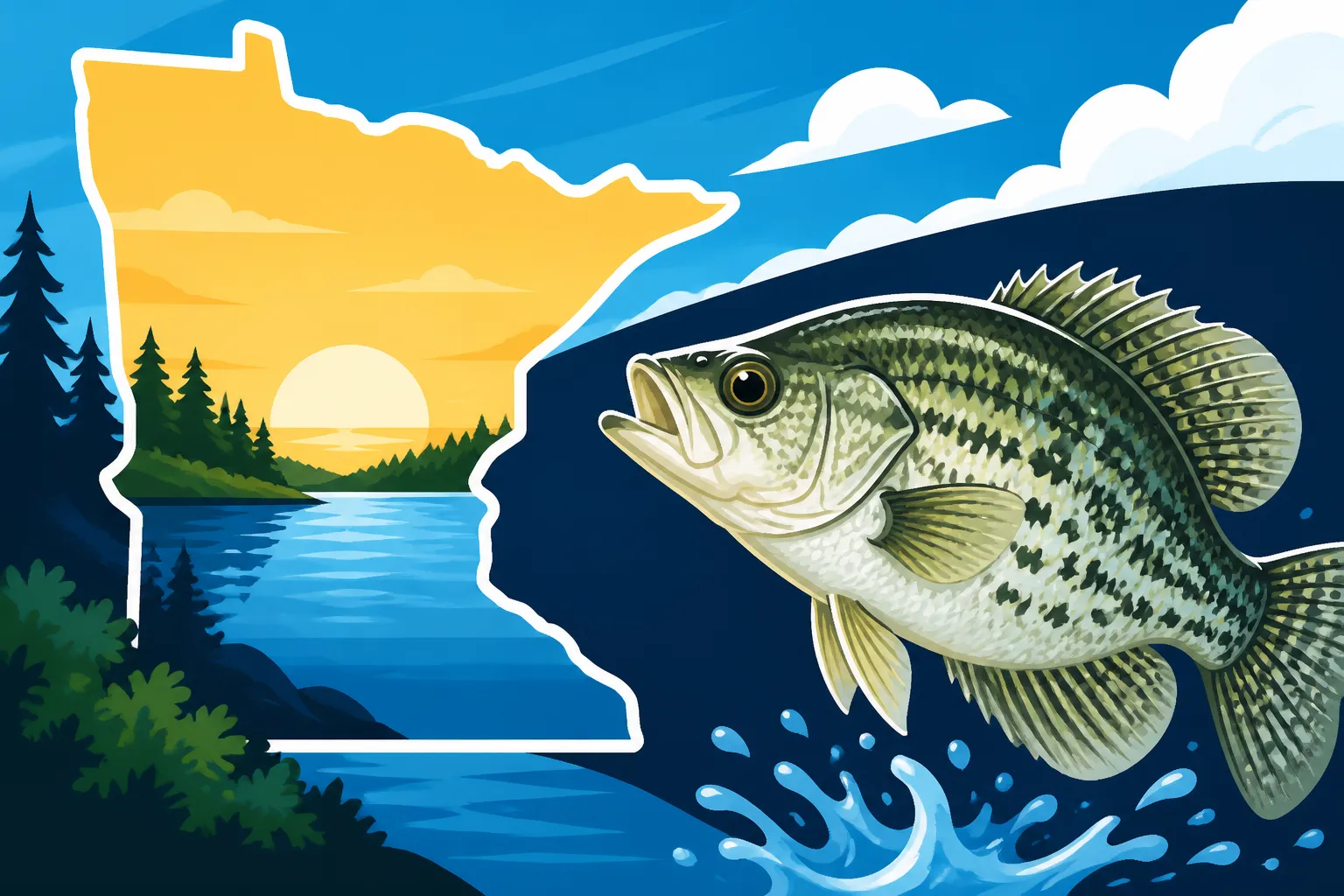
Minnesota is a crappie angler's paradise, but not all lakes are created equal when it comes to consistently producing these sought-after panfish. You'll find two main species here: Black Crappie and White Crappie. While they share many similarities, understanding their preferences can be key to unlocking a lake's full potential. Generally, black crappie tend to prefer clearer, weedier waters, while white crappie are often more tolerant of turbid conditions and can be found in rivers and larger, shallower systems.
What Makes a Lake Great for Crappie?
Crappies thrive in lakes that offer a rich tapestry of habitat. They're not just looking for open water; they want structure, cover, and a healthy food source. Think about lakes with extensive weed lines, submerged timber, brush piles, rock reefs, and distinct drop-offs. These features provide ambush points for feeding on baitfish and insects, and crucial protection from predators. A lake with a good forage base, like fathead minnows or shiner minnows, will typically support a robust crappie population. Additionally, consistent water quality and a good management plan from the Minnesota Department of Natural Resources (DNR) are vital for maintaining healthy, trophy-sized crappie populations.
Seasonal Crappie Patterns in Minnesota
Crappie fishing in Minnesota is a year-round affair, each season presenting unique opportunities and challenges. During spring, especially leading up to the spawn, crappies move into shallow, warmer bays and protected areas. This is often the easiest time to locate them, as they concentrate in predictable locations. For a deeper dive into the nuances of this time of year, check out our guide on Spring Crappie Fishing in Minnesota.
As summer progresses, they tend to move to deeper structure, suspending over humps, along deep weed edges, or near thermoclines in larger lakes. Fall sees them schooling up again, often relating to deep water and feeding aggressively before winter sets in. And then, of course, there's ice fishing, where crappies can be found suspending in basin areas or relating to deep water structure. Knowing these seasonal movements is half the battle when trying to pinpoint their location on any given lake.
Northern Minnesota's Crappie Hotspots
Northern Minnesota is synonymous with wilderness, vast lakes, and incredible fishing opportunities. For crappie enthusiasts, this region offers some truly exceptional waters, often with less pressure than lakes closer to urban centers. These lakes tend to be larger, deeper, and offer a more diverse range of habitats.
Lake Vermilion: A Northern Gem
Lake Vermilion, often called the "Gateway to the Boundary Waters," is an absolute behemoth of a lake, spanning over 40,000 acres near Ely. It's renowned for its pristine beauty and exceptional multi-species fishing, with crappies being a significant draw. The crappie here are known for their size, with slabs pushing into the 12-14 inch range being fairly common.
The key to Vermilion crappies lies in understanding its complex structure. It's a lake carved by glaciers, featuring countless islands, bays, rock reefs, and deep basins. Anglers often find success targeting crappies in the shallower, weedy bays during spring and fall, especially in areas like Pike Bay or Everett Lake (which is connected). In summer, look for them suspending over deep humps or along sharp breaks in the main lake, often near schools of baitfish. Ice fishing on Vermilion can also be fantastic, with crappies schooling up in deeper holes or around submerged timber. Services like FishingBooker can connect you with local guides who specialize in navigating Vermilion's vastness and unlocking its crappie potential.
Upper Red Lake: The Walleye King with Crappie Surprises
While Upper Red Lake is undeniably famous for its incredible walleye fishery, it also holds a significant and often overlooked crappie population. Located in North Central Minnesota, this sprawling, shallow lake (average depth of just 10 feet) offers a different kind of crappie experience. The crappies here tend to be plentiful and can grow to impressive sizes, offering a great secondary target for anglers.
The vastness and relative shallowness of Upper Red means crappies will utilize different types of cover. Look for them concentrated around the deeper holes, particularly in the northern and eastern portions of the lake, where depths might reach 15-20 feet. Large expanses of submerged vegetation also hold crappies, especially during the warmer months. Ice fishing for crappies on Upper Red has become increasingly popular, with anglers finding schools suspending just off the bottom in deeper basins. It's a fantastic lake if you're looking for a mixed bag, perhaps after catching your Upper Red Lake Walleye Limit & Slot.
Central Minnesota's Crappie Havens
Central Minnesota, with its high concentration of popular vacation lakes and easy accessibility, also boasts some of the state's most productive crappie waters. These lakes often see more angling pressure, but their robust crappie populations continue to deliver year after year.
Lake Leech: Legendary Status for Panfish
Leech Lake, the state's third-largest lake near Walker, is a household name for walleye and muskie, but its crappie fishery deserves just as much attention. This massive, diverse lake offers an incredible array of habitats perfect for crappies, including large bays, extensive weed beds, and scattered submerged timber.
Crappies on Leech Lake can be found in various locations depending on the season. During the spring, look to the shallower, warmer bays like Shingobee Bay, Steamboat Bay, or Portage Bay. These areas warm up quickly and draw crappies in to spawn. Throughout summer, crappies often relate to deeper weed lines and offshore humps, especially those with good forage. Come winter, many ice anglers target the deep basins of Walker Bay or Agency Bay, often finding large schools suspending. The consistent quality of panfish here makes it one of the Best Crappie Lakes in Minnesota.
Gull Lake: Brainerd Lakes Area Favorite
Gull Lake, part of the expansive Brainerd Lakes Area, is another central Minnesota powerhouse for crappie fishing. Its proximity to a major tourist hub means it's well-known, but its prolific crappie population can still surprise anglers. Gull Lake is a large, deep, and complex lake with a maximum depth of 80 feet, featuring numerous bays, points, and structural elements.
Crappies on Gull Lake are often found relating to the extensive weed beds that flourish in its fertile waters. During the spring, focus on the shallower bays and channels, especially those with reeds or emergent vegetation. Anglers frequently do well in Sylvan Lake (connected to Gull) or around the numerous resort docks after ice-out. As the water warms, crappies move to deeper weed edges, main lake points, and humps. They'll often suspend over deeper water, so a good fish finder is invaluable here. If you're planning a trip to the area and looking to book a charter, consider using platforms like FishingBooker to find a guide who can put you on the crappie schools.
Southern Minnesota and Metro Crappie Fisheries
Don't think all the best crappie action is up north! Southern Minnesota, including the bustling Twin Cities Metro area, holds a surprising number of quality crappie lakes. These lakes are often more accessible for a quick evening trip or a weekend outing, and many are managed specifically for panfish.
Lake Minnetonka: Metro Area's Trophy Water
Lake Minnetonka, the largest lake in the Twin Cities metro area, might be known for its stunning homes and busy boat traffic, but it also supports an outstanding crappie fishery. Despite its urban setting, Minnetonka is a sprawling, diverse lake with numerous bays, channels, and deep holes, providing ample habitat for crappies to thrive and grow to impressive sizes.
The crappies in Lake Minnetonka are often found relating to the lake's abundant submerged structure. In spring, focus on the shallow, protected bays like Wayzata Bay, Gideon Bay, or Halsted's Bay, where water temperatures rise quickly. Look for them congregated around docks, fallen trees, and new weed growth. During the summer, crappies will move to deeper weed lines, humps, and open water basins where they suspend to feed on baitfish. Ice fishing on Minnetonka for crappies can be excellent, particularly in the deeper, quieter bays away from heavy traffic. The lake's healthy crappie population means you have a good shot at catching some truly impressive slabs right in your backyard.
Lake Waconia: Consistent Panfish Action
Southwest of the Twin Cities, Lake Waconia is a consistent performer for crappie anglers. This 3,000-acre lake is known for its clarity and healthy aquatic vegetation, making it an ideal crappie habitat. While not as large as some of the northern giants, Waconia offers excellent access and a reliable bite.
Crappies in Lake Waconia often congregate around the extensive weed beds and submerged structure. In the spring, the shallow bays and flats warm up first, attracting schools of crappies. Targeting docks, brush piles, and emergent reeds can be very productive. As summer progresses, crappies move to the deeper weed lines, humps, and the numerous man-made fish cribs that have been strategically placed throughout the lake. These cribs provide excellent vertical cover and attract both crappies and their forage. Waconia is a fantastic lake for both boat and shore anglers, offering diverse opportunities.
Crappie Fishing Strategies for Success
Knowing where the crappies are is only half the battle; knowing how to catch them is the other. Crappies can be finicky, but with the right approach and a bit of patience, you can fill your livewell.
Best Baits and Lures
Crappies are opportunistic feeders, and a variety of baits and lures can be effective.
- Live Bait: Minnows are a perennial crappie favorite, especially small fathead or shiner minnows fished under a slip bobber. Leeches and even small worms can also entice a bite.
- Jigs: Small jigs, often 1/32 to 1/16 ounce, are incredibly versatile. Tipping them with a small plastic body (like a tube jig, grub, or paddle tail) or a live minnow can be deadly. Colors like white, chartreuse, pink, and black are often go-tos.
- Small Crankbaits: In some situations, especially when crappies are active and chasing baitfish, small crankbaits can be very effective, particularly when trolled. Think Rapala Ultra Light Shad or similar lures.
- Blade Baits: For suspended crappies, especially through the ice or in deep water, small blade baits or jigging spoons can trigger aggressive bites.
Our guide on Crappie & Panfish Fishing Techniques goes into much greater detail about specific presentations and tactics.
Essential Gear for Crappie Angling
Having the right tackle can make a significant difference in your crappie success.
- Rods and Reels: A light to ultralight spinning rod (5'6" to 7' long) paired with a small spinning reel (500-1000 size) is ideal. This setup allows for sensitive feel and accurate casting of light lures.
- Line: 2-4 pound monofilament or fluorocarbon line is usually sufficient. Some anglers prefer a thin braided line (4-6 pound test) with a fluorocarbon leader for added sensitivity and casting distance.
- Electronics: A good fish finder, whether it's a portable unit for a small boat or a full-blown console unit, is invaluable for locating crappie schools, especially when they are suspended. For ice fishing, a flasher like a Vexilar or Humminbird Ice Helix is practically a necessity to see your bait and the fish in real time.
Techniques for Different Depths and Cover
Crappies will adjust their depth based on water temperature, light conditions, and forage availability.
- Shallow Water (Spring/Fall): In shallower areas, a simple bobber and minnow rig or a small jig pitched near cover are hard to beat. Fan casting with small spinnerbaits or roadrunners can also cover water efficiently.
- Deep Water (Summer/Winter): When crappies go deep, vertically jigging small spoons or jigs, or using a slip bobber set at the depth where fish are marked, is very effective. For open water, trolling with small crankbaits or even slow-trolling live bait rigs can cover vast areas and locate schools.
- Suspended Crappies: Often, crappies will suspend in the water column, not necessarily tight to the bottom or structure. This is where a good fish finder is crucial. Once you mark them, present your bait directly at their depth. A slip bobber rig is perfect for precise depth control.
Responsible Crappie Angling and Conservation
Minnesota is dedicated to sustaining its incredible fisheries, and responsible angling plays a huge role in that. While crappies are generally abundant, it's vital to practice good conservation habits to ensure healthy populations for future generations. Understanding Minnesota Crappie & Sunfish Limits is your first step.
Understanding Bag and Possession Limits
The Minnesota DNR sets specific bag and possession limits for crappies, and these can vary by lake. Always consult the current fishing regulations handbook or the DNR website before heading out. Over-harvesting, especially of larger "slab" crappies, can impact a lake's population structure. Taking only what you need and releasing larger fish can help maintain a healthy balance. Some lakes even have special panfish regulations with reduced limits or protected slots to help grow larger fish.
Catch and Release Best Practices
When you do decide to release crappies, especially those larger ones that contribute to the gene pool, handling them properly is key to their survival.
- Minimize Handling Time: Get the fish back in the water as quickly as possible.
- Wet Hands: Always wet your hands before touching a fish to protect its protective slime coat.
- Support the Fish: Support the fish horizontally, especially larger crappies, to avoid damage to their internal organs.
- Use Barbless Hooks: Consider using barbless hooks or pinching down barbs for easier, less damaging hook removal.
- Avoid Deep Hooking: If a fish is deeply hooked, cut the line as close to the hook as possible rather than trying to rip the hook out, which often causes more damage.
By being mindful of limits and practicing careful catch-and-release, we can all contribute to the long-term health of Minnesota's outstanding crappie fisheries.
Comparing Top Crappie Lakes
To help you decide where to cast your line next, here's a quick comparison of some of Minnesota's top crappie lakes:
| Lake Name | Region | Average Depth (ft) | Key Crappie Size (inches) | Primary Habitat | Best Season(s) | Special Notes |
|---|---|---|---|---|---|---|
| Lake Vermilion | Northern | 25 | 10-14 | Weeds, rock reefs, islands, deep basins | All seasons | Pristine wilderness, trophy potential |
| Leech Lake | Central | 19 | 9-12 | Large bays, extensive weeds, submerged timber | Spring, Fall, Ice | Excellent multi-species, diverse structure |
| Gull Lake | Central | 28 | 9-11 | Weeds, humps, points, varied depths | Spring, Summer, Ice | Brainerd Lakes access, often good numbers |
| Lake Minnetonka | Metro Area | 15 | 10-13 | Docks, channels, deep holes, abundant vegetation | Spring, Fall, Ice | Convenient metro location, good sized crappies |
| Lake Waconia | Southern | 14 | 9-11 | Weed beds, fish cribs, moderate depth | Spring, Summer, Fall | Consistent producer, good shore access in areas |
| Upper Red Lake | North Central | 10 | 9-12 | Shallow basins, deep holes, vegetation | All seasons | Walleye stronghold, good crappie numbers, ice fishing |
Planning Your Crappie Fishing Adventure
Now that you're armed with knowledge about some of Minnesota's best crappie lakes and the strategies to tackle them, it's time to plan your next outing. Whether you're trailering your own boat or looking to hire a guide, there are resources available to help make your trip a success.
Finding Local Guides and Resources
Sometimes, the best way to get on fish quickly, especially on a new or complex lake, is to go with a local expert. Many professional fishing guides specialize in crappie, knowing the subtle nuances of a lake and its seasonal patterns. Services like FishingBooker are a great way to browse and book charters, connecting you with experienced guides who can put you on the schools. Always remember to check their reputation and what's included in the trip before booking.
Beyond guides, always consult the Minnesota DNR website for the latest regulations, lake maps, and fishing reports. Local bait shops are also goldmines of information, offering real-time updates on what's biting and where. Don't be shy about striking up a friendly conversation with shop owners or fellow anglers—we're all part of the same fishing community!
When to Go: Peak Times for Crappie
While you can catch crappie year-round in Minnesota, certain periods offer peak opportunities:
- Spring (Pre-spawn & Spawn): Late April to early June, as water temperatures rise, crappies move into shallow bays and warmer areas. This is often the most productive time for numbers and consistent action.
- Fall (Pre-ice): Late September through October, crappies start schooling up and feeding heavily in preparation for winter, often found in deeper main lake basins or along deep weed lines.
- First Ice & Mid-Winter: Early ice can be fantastic, as crappies are still active. Mid-winter often requires more searching, but large schools can be found suspending in deep water, especially on lakes like Upper Red or Leech. For tips on How to Catch Crappie Through the Ice in Minnesota, we've got you covered.
By understanding these seasonal movements and using the resources available, you'll greatly increase your chances of a successful crappie fishing trip in the Land of 10,000 Lakes. Tight lines!
Disclaimer
Please note that fishing conditions, regulations, and fish populations can change frequently. Always consult the most current Minnesota Department of Natural Resources (DNR) fishing regulations before heading out on the water. This guide is for informational purposes only and should not replace official DNR publications.