Is a Fishing License Required on Lake Winnibigoshish?
If you have ever pulled up to the public landing at the Gap or launched from one of the classic resorts in Bena, you know the excitement of a Lake Winnibigoshish morning. However, that excitement can quickly turn into a stressful encounter with a Conservation Officer if you aren't carrying the right paperwork. This guide clarifies exactly when, why, and how you need a fishing license to legally fish the massive waters of "Winnie" and its connected tributaries.
Understanding the License Requirements for Lake Winnibigoshish
Lake Winnibigoshish is one of Minnesota's premier "large lake" fisheries, spanning over 50,000 acres. Because it is managed by the Minnesota Department of Natural Resources (DNR), the short answer is a resounding yes: a valid Minnesota fishing license is required for almost everyone who intends to drop a line into its waters. Whether you are targeting the legendary yellow perch or hoping for a limit of walleyes, the law applies the moment your lure touches the water.
In Minnesota, the general rule is that all residents aged 16 to 89 and all nonresidents aged 16 and older must have a valid fishing license. This includes not only the main body of Lake Winnibigoshish but also the connected waters like Cut Foot Sioux Lake and the Mississippi River stretches that feed into the system. If you are sitting in a boat, on a dock, or in an ice house with a line in the water, the DNR considers you to be "angling."
It is a common misconception that if you are just "helping a kid" or "holding the rod for a second," you don't need a license. In reality, any active participation in the act of fishing requires a license. This is why many families opt for the Minnesota Fishing License for Kids & Youth options to ensure the younger generation is covered, though children under 16 generally fish for free under a parent's or guardian's license.
Resident vs Nonresident Requirements
The distinction between a resident and a nonresident is one of the most frequent points of confusion at the bait shop counter. To qualify for a resident license, you must have maintained a legal residence in Minnesota for at least 60 days prior to the date of purchase. You will typically need to provide a Minnesota Driver’s License or a state-issued ID to prove this.
For those traveling from out of state to experience the world-class fishing in the Chippewa National Forest, the Nonresident Fishing in Minnesota: Licenses & Rules guide is essential. Nonresidents have several options, ranging from 24-hour licenses to full-season passes. If you are only visiting Winnie for a long weekend, a 72-hour license might be the most cost-effective choice. However, if you plan on making a return trip for the fall bite, a full-season nonresident license usually pays for itself by the second visit.
Age-Based Exceptions and Special Cases
While most adults need a license, there are a few exceptions based on age and military status. Minnesota residents who are on active military duty and stationed outside of the state are often eligible to fish for free while home on leave. Similarly, residents who are 90 years of age or older do not need a license, though they are still required to follow all Minnesota Fishing Limits: Bag & Possession (2026) rules.
For those wondering How Much Is a Minnesota Fishing License?, the price fluctuates slightly depending on whether you choose a "Conservation" or "Regular" license. A conservation license is cheaper but allows you to keep only half the standard limit of fish. On a lake like Winnie, where the perch and walleye limits are a major draw, most serious anglers opt for the regular license to ensure they can bring home a full "fry" for the family.
Where and How to Purchase Your License Before Hitting Winnie
One of the great things about the Lake Winnibigoshish area is that it remains a stronghold of traditional Minnesota fishing culture. You don't have to look far to find a place to get legal. If you are staying in Deer River, Bena, or near the Dam, local vendors are your best bet for both a license and the latest "hot bite" information.
Local Vendors Near Bena and Deer River
Stopping at a local bait shop is a rite of passage for many Winnie anglers. Shops like Fred's Bait in Deer River or the various resort offices around the lake are authorized Electronic Licensing System (ELS) vendors. When you walk into these establishments, you provide your social security number or your Minnesota DNR customer number (if you’ve had a license before), pay the fee, and receive a printed paper license.
Supporting these local shops is highly recommended. Not only do they provide the Best Live Bait for Walleye (Leeches, Minnows, Crawlers), but they can also give you a heads-up on current lake conditions. They will often remind you about the Lake Winnibigoshish Fishing Regulations (2026), which can be more specific than general state rules.
Online and Mobile Purchasing Options
In the modern era, many anglers prefer the convenience of their smartphones. You can learn How to Get a Minnesota Fishing License Online through the DNR’s official website. Once purchased, you receive a digital PDF of your license. In Minnesota, it is perfectly legal to show a Conservation Officer a digital version of your license on your phone, provided you have a signal to pull it up or have saved it for offline viewing.
One warning for those relying on digital licenses: Lake Winnibigoshish is big, and cell service can be spotty, especially on the west side or deep in the "Third River" flowage. It is always a smart idea to take a screenshot of your license or print a hard copy to keep in your tackle box or boat glove compartment. If your phone dies or you lose service, you are still responsible for proving you are licensed.
| License Type | Resident Cost (Est.) | Nonresident Cost (Est.) | Best For |
|---|---|---|---|
| Annual Individual | $25.00 | $51.00 | Local residents or frequent visitors |
| 72-Hour | N/A | $36.00 | Weekend warriors from out of state |
| 24-Hour | $12.00 | $14.00 | Spontaneous day trips |
| Married Couple | $35.00 | $68.00 | Partners who fish together |
| Conservation | $15.00 | N/A | Anglers who practice catch and release |
Lake-Specific Regulations and Limits for 2026
Simply having a license in your pocket isn't enough to stay out of trouble on Lake Winnibigoshish. Because of its status as a high-pressure, high-yield lake, Winnie often has special regulations that differ from the "statewide" defaults. Understanding these is just as important as knowing How Much Is a Minnesota Fishing License? before you head out.
The Walleye Protected Slot Limit
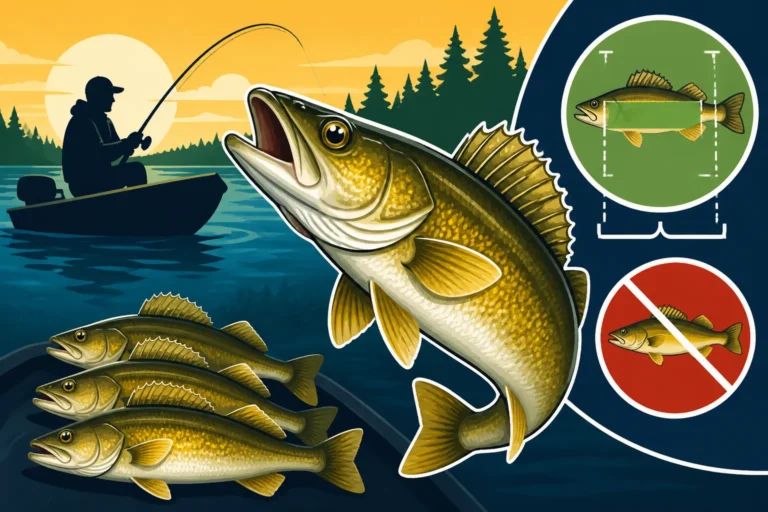
Winnie is famous for its walleye population, but to keep that population healthy, the DNR implements a "protected slot." This means there is a specific range of fish sizes that must be immediately returned to the water. Historically, this has involved a slot where fish between 18 and 23 inches must be released, with only one fish over 23 inches allowed in your possession.
These rules are designed to protect the "spawners"—the larger female fish that ensure the lake stays stocked for years to come. When you are out on the water, having a reliable measuring board is non-negotiable. If you are caught with a "slot fish" in your livewell, even if you intended to release it later, you could face significant fines. For more details on these specific measurements, check the Minnesota Walleye Limit & Size Rules for the current season.
Perch and Northern Pike Regulations
While walleye get the headlines, Lake Winnibigoshish is arguably the best "jumbo perch" lake in the lower 48. The perch limits here are usually generous, but they are strictly enforced to prevent over-harvesting of the jumbo year-classes. Similarly, the northern pike population is managed through a "zone" system. Winnie falls into the North-Central Zone, which has specific rules about how many pike you can keep and what sizes are legal.
If you are specifically targeting pike, you should be aware of the Minnesota Northern Pike Limits by Zone to ensure you aren't accidentally violating the 22-to-26-inch protected slot that often applies in this region. Many anglers choose to use Walleye Fishing Techniques: Complete Minnesota Guide methods even when targeting perch, as the two species often frequent the same mid-lake bars and rock piles.
Enforcement and Penalties for Fishing Without a License
Minnesota Conservation Officers (COs) are very active on Lake Winnibigoshish. Because the lake is a major destination, you can expect to be checked at least once if you spend a full week on the water. They may approach you at the boat ramp, or more commonly, they will pull alongside your boat while you are fishing.
What to Expect During a License Check
When a CO approaches, they will ask to see the licenses of everyone currently fishing. They will also likely check your livewell to ensure your catch matches the Minnesota Fishing Limits: Bag & Possession (2026) and check for required safety equipment like life jackets and throwable cushions.
If you are found to be fishing without a license, the consequences are rarely just a "slap on the wrist." You will likely be issued a citation, and the fine can be several hundred dollars. In some cases, the CO has the authority to seize your fishing equipment or even your boat if the violations are severe. If you are curious about the specific legal ramifications, reading about What Happens If You Fish Without a License in Minnesota? can be a sobering reminder of why that $25 investment is worth it.
Common Excuses That Don't Work
"I left it at the cabin" is the most common phrase COs hear, and unfortunately, it doesn't hold up. Technically, you must have the license "in possession" while fishing. While some officers might give you time to retrieve it if you are close to shore, they are not legally required to do so. Another common mistake is thinking you don't need a license for Minnesota Ice Fishing & Shelter Rules if you are just sitting in a heated wheelhouse. On Winnie, the rules for the ice are just as strict as the rules for the open water.
Always double-check that your license is current. Minnesota fishing licenses expire on the last day of February each year. If you are fishing the "late ice" season in March, your license from the previous summer is no longer valid. Ensure you have purchased your new 2026 credentials before heading out onto the ice.
Minnesota Fishing Regulations Disclaimer
Fishing regulations, including license requirements, fees, and lake-specific slot limits, are subject to change by the Minnesota Department of Natural Resources (DNR) at any time. While this guide provides a comprehensive overview for Lake Winnibigoshish, anglers are responsible for verifying the most current laws in the official Minnesota Fishing Regulations handbook or on the DNR website before beginning their trip. Always check for posted signs at public water accesses for any emergency rule changes or local restrictions.