Lake Winnibigoshish Walleye Limit & Slot
Fishing Lake Winnibigoshish can be a dream, but the complex, shifting slot limits often leave anglers nervous about accidentally keeping a fish that is a quarter-inch too long. This guide clarifies the current Lake Winnibigoshish Walleye Limit & Slot, ensuring you stay legal while enjoying one of Minnesota’s premier fisheries without the looming threat of a conservation officer’s ticket.
Understanding the Current Lake Winnibigoshish Walleye Limit
If you have ever pulled up to the landing at High Banks Resort or Bena Modisette with a livewell full of "eaters," you know that the first thing the DNR or a fellow angler asks is, "Did you measure them?" On Big Winnie, the walleye limit is not just about how many you catch, but the specific window of size they fall into. As of the 2024-2026 seasons, the regulation for Lake Winnibigoshish (including its connected waters like Cut Foot Sioux Lake and the Mississippi River up to the dam) is a daily and possession limit of six walleyes. However, it is the protected slot that trips most people up.
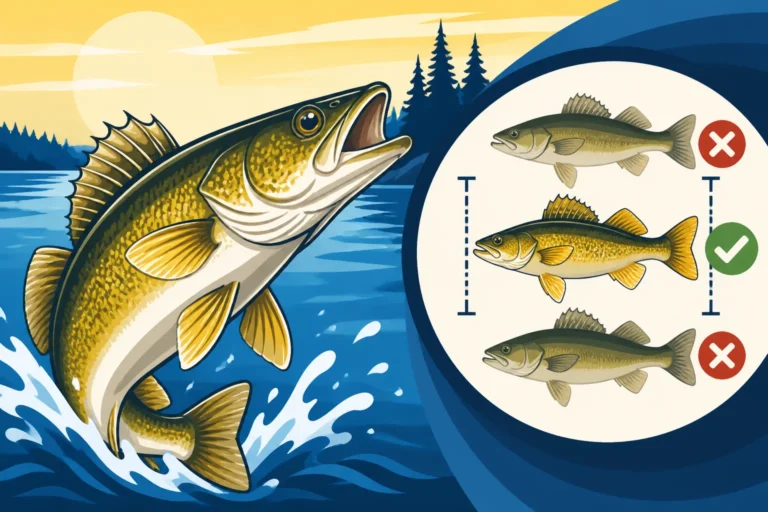
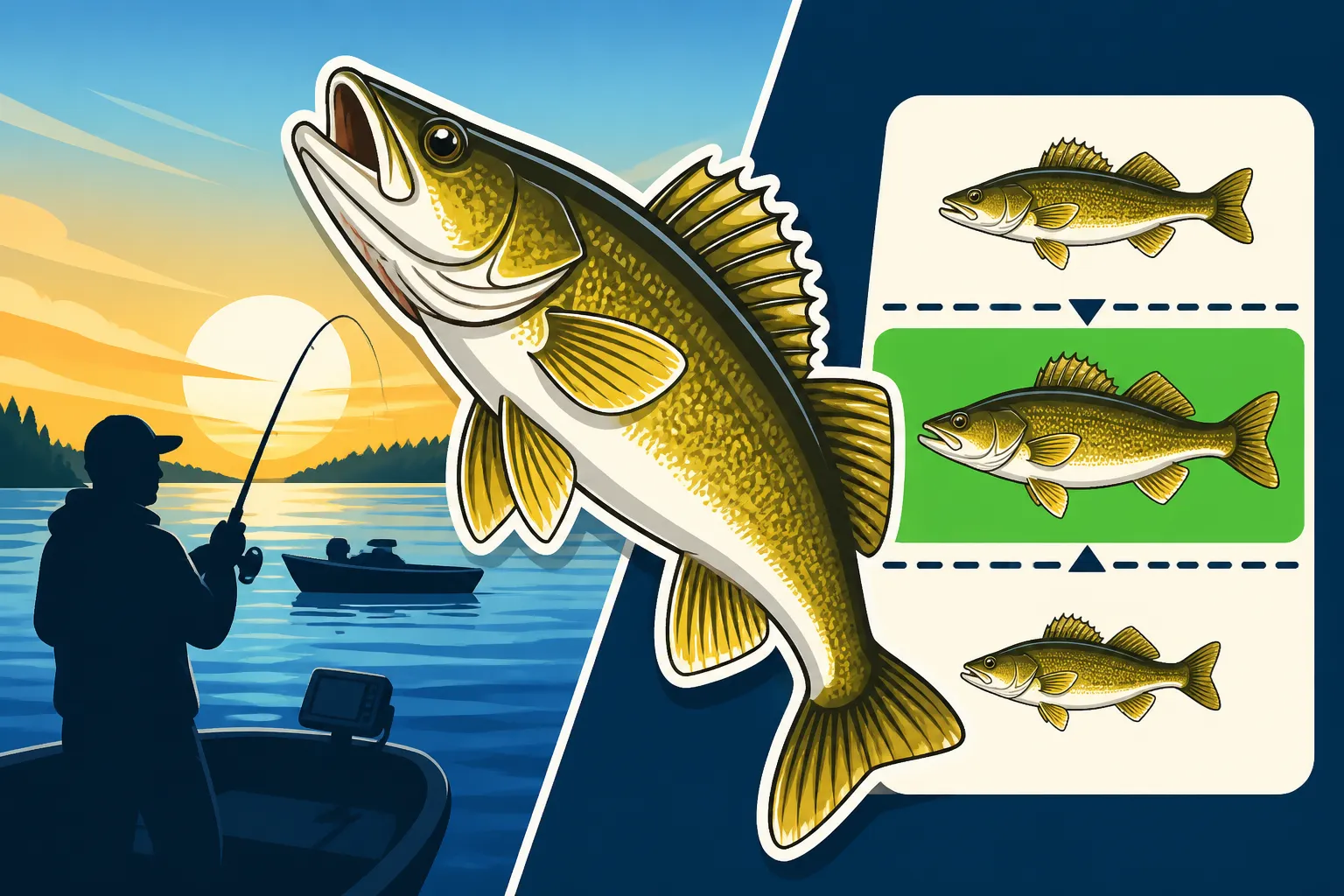
All walleyes from 18 to 23 inches must be immediately released. This is a "protected slot" designed to keep the most productive spawning-age fish in the water. You are allowed to keep one walleye over 23 inches as part of your six-fish limit. This means your typical limit might look like five fish under 18 inches and one "trophy" over 23 inches, or simply six fish all under the 18-inch mark. Navigating these Minnesota Walleye Limit & Size Rules is essential before you drop your first jig near the Gap or the Center Bar.
The frustration many of us feel comes when we catch a beautiful 19-inch fish—the perfect "wall hanger" or fillet size in other lakes—and realize we have to let it go. It feels counterintuitive to throw back the best-looking fish in the boat, but on Winnie, these 18-to-23-inchers are the engine of the lake’s economy. They are the ones that will keep the population stable for your kids and grandkids. Understanding the nuances of Minnesota Fishing Limits: Bag & Possession (2026) helps you realize that these rules, while strict, are what make the Brainerd and Bemidji area lakes so consistently productive.
The Daily vs. Possession Distinction
One of the biggest mistakes I see at the local resorts, like The Pines or Tamarack Lodge, is a misunderstanding of what a "possession limit" actually means. On Winnie, your limit is six. If you catch six on Monday and eat four for a shore lunch, you can catch four more on Tuesday to get back to your possession limit of six. You can never have more than six walleyes in your possession at any time—this includes your freezer at the cabin or the cooler in your truck.
If you are staying for a week-long trip, you must be incredibly careful. It is tempting to keep a full limit every day, but unless you are eating them as you go, you are technically breaking the law once that seventh fish is processed and stored. I always recommend keeping a log or a simple tally on your phone. If you are unsure about the broader state rules, checking the Minnesota Fishing Regulations PDF: Where to Find It is a smart move before you head out into the middle of the 57,000-acre expanse of Winnie.
Many anglers also forget that the possession limit applies to the individual, not the boat. If you have three people in the boat, you can have 18 fish, provided each person has caught their share and is staying within their personal limit. However, if one person is doing all the catching and everyone else is just watching, you are treading into a legal gray area. Stay smart, keep your fish separate if possible, and always ensure everyone has their Minnesota Fishing License: Cost, Types & How to Buy (2026) handy.
The "One Over 23" Strategy
The provision allowing for one fish over 23 inches is a nod to the trophy hunters. Lake Winnibigoshish is capable of producing some massive walleyes, especially in the fall when the big females move toward the deeper structure and the Mississippi River inflow. While the 18-to-23-inch slot protects the "prime" spawners, the DNR allows the harvest of one "megafish" to allow for that once-in-a-lifetime mount or a truly celebratory meal.
However, many veteran Winnie anglers choose to release even those fish over 23 inches. A 24-inch walleye is often an old fish that has survived many seasons and has superior genetics. If you do decide to keep one, make sure it is exactly over 23 inches. Use a flat, tournament-style measuring board. Pinching the tail is the standard method used by conservation officers, so you should do the same. If that tail fin even touches the 23-inch mark without clearly exceeding it, that fish is technically in the protected slot and must go back.
The emotional pull of a big fish is real. We all want that photo and the bragging rights. But remember, a fish in the slot is a "no-go" regardless of how badly you want it. If you find yourself consistently catching fish in that 18-to-23-inch range, it’s a sign the lake is healthy, but it might be time to move to a different depth or structure if you are strictly looking for "eaters" under 18 inches to take home.
Why the Slot Limit Exists on Big Winnie
To understand the Lake Winnibigoshish Walleye Limit & Slot, you have to look at the history of the lake. In the late 90s and early 2000s, Winnie saw a significant amount of pressure, and the size structure of the walleye population began to skew toward smaller fish. By implementing the protected slot, the Minnesota DNR effectively "fenced off" the most important members of the population. These are the fish that produce the highest quality eggs and have the best survival instincts.
The connection between Winnie and Cut Foot Sioux is also a major factor. Cut Foot is a famous spawning ground. In the spring, thousands of walleyes move from the big lake into the smaller waters of Cut Foot Sioux to spawn. Because these fish are so concentrated and vulnerable during this time, the slot limit remains in effect across both bodies of water. This ensures that even if an angler finds a "honey hole" of big pre-spawn or post-spawn fish, the majority of them will return to the lake to replenish the stock.
When you look at a Lake Winnibigoshish Fishing Report & What's Biting, you’ll often see mentions of "slot fish" being caught in high numbers. This is actually a great sign. It means there is a massive bubble of fish that will eventually grow out of the slot or provide years of spawning success. Without these Minnesota Slot Limits: Which Lakes & Why, Winnie would likely revert to a lake full of 12-inchers with very few "trophies" to speak of.
Protecting the Spawners and Genetic Health
The biological rationale for the 18-to-23-inch slot is rooted in the "fecundity" of the walleye. A 20-inch female walleye produces significantly more eggs—and often more viable eggs—than a 15-inch female. By protecting this specific size class, the DNR ensures that even in years with poor weather or low water levels, there is a "standing army" of spawners ready to take advantage of the next good year.
Furthermore, the slot limit prevents "genetic downsizing." If anglers only ever kept the biggest fish and threw back the smallest, over decades, the population would evolve to grow more slowly and spawn at smaller sizes. By protecting the middle-to-upper-middle size class, the regulations encourage the survival of fish that have the genetic potential to grow fast and reach large sizes. This is why Winnie remains a top destination for those seeking the Minnesota State Record Walleye, even if the current record came from elsewhere.
I’ve talked to many resort owners who have seen the lake’s health fluctuate over forty years. The consensus is almost always the same: when the slot limits are respected, the fishing stays world-class. It creates a "catch and release" culture that doesn't feel like a chore because you know the payoff is a lake teeming with life.
Impact on the Local Fishery and Economy
The regulations don't just affect the fish; they affect the people. The towns of Bena, Deer River, and Federal Dam rely heavily on the influx of anglers. If the walleye population were to crash, the local economy would follow. The slot limit provides a level of predictability. Guides can promise clients a "good day" because they know the fish are there, even if many of them have to be released.
In fact, the "Big Winnie" brand is built on this. People come here specifically because they know they can catch 30, 40, or 50 walleyes in a day. Even if they only go home with a few for a meal, the action is what keeps them coming back. If you are planning a trip, make sure you have the right Best Walleye Rods & Reels to handle both the small eaters and the accidental 25-inch monsters you might hook into while jigging.
| Regulation Category | Lake Winnibigoshish (Special) | Standard MN Statewide Limit |
|---|---|---|
| Daily/Possession Limit | 6 Walleyes | 6 Walleyes |
| Protected Slot | 18" to 23" (Must be released) | None (unless specified by lake) |
| Over-Size Allowance | Only 1 over 23" | Only 1 over 20" |
| Connected Waters | Cut Foot Sioux, Mississippi River | Varies by location |
Practical Tips for Measuring and Handling Walleye
Accuracy is your best friend on Winnie. I have seen guys use the stickers on the side of their boats or a cheap tailor’s tape, only to get a different measurement when the "blue suit" (DNR) pulls up. Cold fish can sometimes shrink slightly, and a fish that measured 17.75 inches when it came out of the 60-degree water might measure a bit less—or more—after sitting in a 32-degree livewell.
Always use a rigid measuring board with a 90-degree head plate. Place the fish's nose firmly against the plate and close the mouth. This is how the authorities do it. If you are catching fish right on the line, like a 17.75-inch walleye, and you aren't 100% sure, the safest and most ethical thing to do is let it go. It isn't worth the $100+ fine and the confiscation of your fish.
Additionally, Catch and Release Best Practices in Minnesota are vital when you are fishing in a slot-limit lake. You will be releasing a lot of fish, and if those fish die after you toss them back, the slot limit isn't doing its job. Avoid using towels that strip the slime coat off the fish, and try to keep the fish in the water while you unhook it if possible.
Essential Gear for Legal Compliance
Beyond a good measuring board, you should invest in a high-quality rubberized net. String nets or nylon nets are notorious for tangling in the dorsal fins and gills of walleyes, causing unnecessary stress and injury. A rubber net allows for a quick scoop, a quick measurement, and a quick release.
If you are fishing deep—which often happens in the mid-summer on Winnie’s bars and flats—be aware of barotrauma. When a walleye is pulled up quickly from 30 feet of water, its swim bladder can expand, making it impossible for the fish to submerge when released. If you see a "slot fish" struggling to get back down, you may need to use a "fizzing" tool or, better yet, slow down your retrieval or move to shallower water where the fish aren't under such extreme pressure.
For those who are new to the lake, checking a Lake Winnibigoshish Walleye Fishing Tips guide can help you find the right depth to target the "eater" size fish. Usually, the smaller fish hang out in different areas than the big spawners, although there is always some overlap.
Handling "Tweeners" and Close Calls
We’ve all been there: the fish is 17 and 7/8 inches. It’s so close you can almost taste the lemon pepper. But the "tweener" is the most dangerous fish for your wallet. My rule of thumb is "If it's close, it goes." Not only does this keep you legal, but it also fosters a better relationship with the DNR officers who patrol the lake. They would much rather see an angler being cautious than someone trying to "cheat" a fraction of an inch by bending the fish’s tail unnaturally.
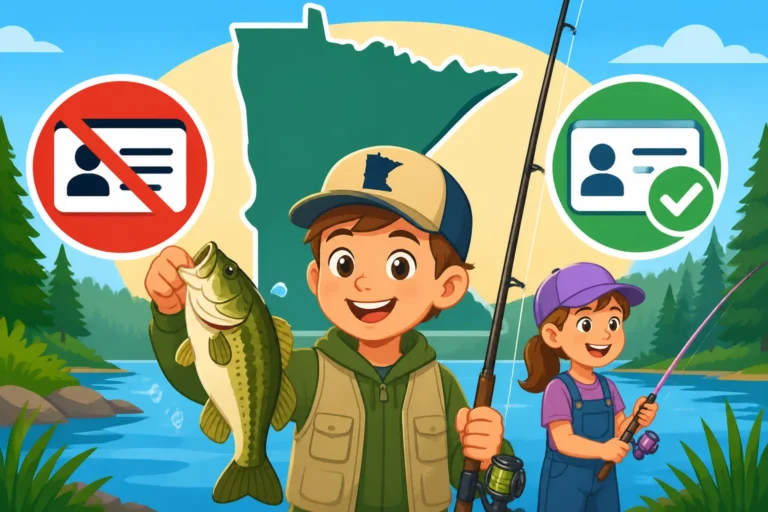
If you are fishing with kids, this is a great teaching moment. Show them how to measure properly and explain why the rule exists. It turns a "bummer" (releasing a big fish) into a lesson about conservation. If they are young, they might not even need a license yet, but they should still know the rules—check Do Kids Need a Fishing License in Minnesota? for the age specifics.
Navigating the Connected Waters: Cut Foot Sioux and Beyond
One of the most confusing aspects of the Lake Winnibigoshish Walleye Limit & Slot is where the rules start and stop. The regulations for Winnie extend into Cut Foot Sioux Lake, Little Cut Foot Sioux Lake, and the Mississippi River from the Winnie Dam upstream to the next bridge. This is important because many people launch at the Cut Foot Sioux landings but spend their day moving between the two lakes.
The "Gap" between Cut Foot and Winnie is a legendary fishing spot, but it is also a place where conservation officers frequently check boats. Because the flow of the water and the movement of the fish are so fluid between these areas, the DNR treats them as one biological unit. Don't think that because you are in the "river" portion or the "little lake" portion that the slot limit doesn't apply. It does.
Knowing your boundaries is part of being a responsible angler. If you are staying at a place like Bowen’s Lodge or High Banks, ask the staff for a map that clearly delineates the regulation zones. Most of these local businesses are happy to help because they want their guests to have a stress-free vacation. You can also get more general info on How to Get a Minnesota Fishing License Online if you realize you're missing your paperwork once you arrive.
Regulation Carryover into Cut Foot Sioux
Cut Foot Sioux is often where the action starts in the early season. During the When Is the Minnesota Walleye Opener 2026?, the Northland congregates in this area. Because the fish are so concentrated, the enforcement is high. The slot limit is strictly enforced here to protect the fish that have just finished spawning.
If you are fishing Cut Foot, be prepared for a higher percentage of "slot fish." The structure in Cut Foot tends to hold those medium-to-large walleyes throughout the spring. If you are looking for limits of eaters, you might actually have better luck heading out into the main basin of Winnie once the water warms up a bit and the fish disperse.
Shore Fishing and Local Hotspots
For those without a boat, the Winnie Dam (at the Mississippi River headwaters) is a popular shore-fishing spot. The same Lake Winnibigoshish Walleye Limit & Slot rules apply here. It can be tricky to measure a fish while standing on the rip-rap or a concrete pier, so bring a portable measuring board with you.
Shore anglers often hook into some of the biggest fish because the current at the dam attracts large females looking for easy forage. If you hook a 22-inch walleye from shore, the temptation to keep it is high because you might only catch one or two fish all day. But the law remains the same. Keep your Minnesota Fishing Regulations PDF: Where to Find It bookmarked on your phone so you can double-check the river boundaries if you decide to walk further downstream.
Minnesota Fishing Regulations Disclaimer
This guide is intended for informational purposes and reflects the regulations for Lake Winnibigoshish as of the current 2024-2026 cycle. However, fishing regulations in Minnesota are subject to emergency changes by the DNR based on population surveys and environmental factors. Always consult the official Minnesota Department of Natural Resources (DNR) handbook or the posted signs at public water accesses before you begin fishing. Failure to comply with state and lake-specific regulations can result in significant fines, loss of fishing privileges, and seizure of equipment.